5 Facts About Health Care in Haiti
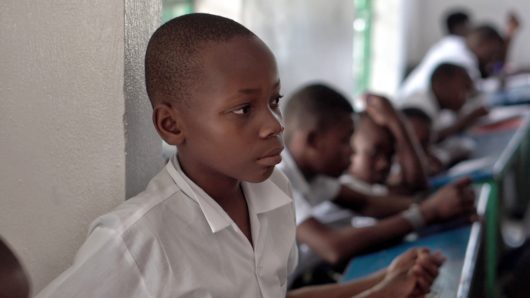
Haiti is known as the poorest country in the Western Hemisphere. Unsurprisingly, the Caribbean country also reports some of the lowest health indicators in the world due to a number of factors including weak infrastructure and low public health care spending. Keep reading to learn the top five facts about health care in Haiti.
5 Facts About Health Care in Haiti
- Lack of Infrastructure: frequent natural disasters, such as the earthquake of 2010 and Hurricane Matthew in 2016, make it difficult to maintain basic health facilities in Haiti. For example, the 2010 earthquake destroyed 50 health centers, part of Haiti’s main teaching hospital and the Ministry of Health. Lack of basic infrastructure also limits the accessibility of clean water and sanitation systems.
- Continued Effects of Cholera: following an earthquake in 2010, Haiti suffered its first cholera outbreak in a decade, when infected sewage contaminated a river. Approximately 10,000 people have died of cholera, while more than 800,000 have contracted the infection. Despite the United Nation’s promise to raise $400 million for a Haitian Cholera Relief Fund, the U.N. has raised only 8.7 million (2.2 percent of the amount promised). Even now, nearly a decade after the outbreak, cholera infects approximately 75 people every week. This outbreak continues to put a strain on the Haitian health care system.
- Child Malnutrition: 20 percent of Haitian children suffer from malnutrition. Further, half of these children are acutely malnourished. Malnourishment also contributes to high rates of childhood mortality in Haiti and 7 percent of children will die before their fifth birthday. For context, the childhood mortality rate of Haiti is exceptionally high, twice that of its neighbor, the Dominican Republic. Even when malnourished children survive, malnutrition continues to affect them throughout their lives. The lack of adequate nutrients early in life reduces an individual’s physical and mental development going forward.As of January 2018, there are three active USAID programs in Haiti with a specific focus on nutrition.
- Aksyon Kominote nan Sante pou Ogmante Nitrisyon (AKSYON)
- Ranfose Abitid Nitrisyon pou Fè Ogmante Sante (RANFOSE)
- Feed the Future West Chanje Lavi Plantè
- Lack of Preventive Care: more than half of health care spending in Haiti goes toward curative medicine, as opposed to preventive care. This focus stems primarily from frequent natural disasters in the area. Low numbers of health care professionals in Haiti make it even more difficult for Haitians to seek regular, preventive care. According to the World Health Organization, for every 3,000 citizens, there is only one trained doctor or nurse in Haiti.
- Low Public Healthcare Spending: despite health challenges in Haiti, the government’s spending on health has lowered drastically since 2002, going from 16.6 percent to 4.4 percent of the national budget. In fact, public per capita healthcare spending is only 13 dollars a year. This is significantly lower than per capita healthcare spending in neighboring Dominican Republic, which is 180 dollars per capita. With declining international assistance, low government spending makes primary health care in Haiti difficult to access.
The health care system in Haiti is constantly under strain, due to low government spending and frequent natural disasters. Poor health across the country debilitates its growth and development. The World Bank has made several policy recommendations targeted at changing the status quo in Haiti. Chief among them is a reallocation of resources from hospitals to more preventative care and primary clinics.
– Morgan Harden
Photo: Unsplash
