• Link to X
  • Link to Facebook
  • Link to Instagram
  • Link to TikTok
  • Link to Youtube
  • About
    • About Us
      • President
      • Board of Directors
      • Board of Advisors
      • Financials
      • Our Methodology
      • Success Tracker
      • Contact
  • Act Now
    • 30 Ways to Help
      • Email Congress
      • Call Congress
      • Volunteer
      • Courses & Certificates
      • Be a Donor
    • Internships
      • In-Office Internships
      • Remote Internships
    • Legislation
      • Politics 101
  • The Blog
  • The Podcast
  • Magazine
  • Donate
  • Click to open the search input field Click to open the search input field Search
  • Menu Menu

Archive for category: Water

Development, Health, Sanitation, Water

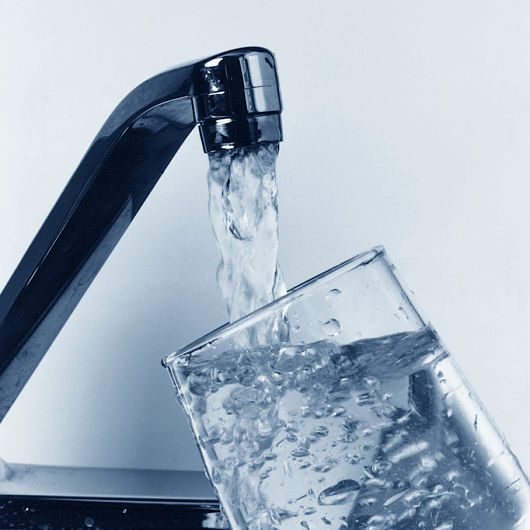
Urban Water and Sanitation Project to Benefit 590,000 in Dakar

Urban_Water
Only 62% of households in Senegal’s capital city have access to sanitation facilities. Considering that nearly half the Senegalese people live in urban areas, improving access to clean water and proper sanitation in these regions is imperative to the population’s health and the country’s development.

In an effort to help Senegal extend water and sanitation access throughout urban and peri-urban areas, the World Bank’s International Development Association has just approved $70 million in credit to fund an Urban Water and Sanitation Project, which is estimated to better the lives of 590,000 Senegalese people by 2030.

Senegal has made great strides in the past, achieving a 98% rate of urban access to safe water; however, population growth in the capital city, Dakar, and Petite Côte, a prominent tourist destination, has led to increased water shortages. The water deficits are set to worsen over the next five years, reaching 35,000 cubic meters and 60,000 cubic meters per day respectively in Petite Côte and Dakar by 2020.

Tackling these water deficits will be a major component of the Urban Water and Sanitation Project. One strategy proposed is the desalination of seawater as a supplement to groundwater and surface water resources.

Another area that the project will address is social sustainability, seeking to develop “pro-poor policies” that will improve access for impoverished Senegalese households. The program will target low-income areas in and around urban centers currently underserved by water and sanitation networks.

The project proposal promises that the newly developed water connections will be freely available to beneficiary households after “a small refundable deposit of $31, whereas the average price of a standard connection is $145. Similar rules will apply to social connections to sewers.”

In addition to supplying important access to sanitation services and safe water, the initiative hopes to promote gender equality. As is the case in many developing nations, Senegalese women and girls are largely responsible for the burden hauling water in areas without pipelines and distribution systems. The development of water and sanitation systems to impoverished areas will afford those women and girls more time for employment, education and other activities that promote social mobility.

The Urban Water and Sanitation Project also seeks to actively promote women’s interests, stating: “Attention will be given to promoting women’s entrepreneurship through the project as well as access to opportunities for training, business and leadership where feasible.”

Furthermore, women will take a central role in hygiene education and information programs associated with the Urban Water and Sanitation Project. The proposal also promises that women will also participate in selecting the locations of public sanitation facilities.

“By expanding access to clean water and sanitation, the project will help boost the health of Senegal’s urban population,” noted Matar Fall, World Bank Task Team Leader for the Urban Water and Sanitation Project. “Water access can also form the basis for many types of income-generating activities such as home-based manufacturing and services that can turn the poor into local entrepreneurs.”

The World Bank and Senegal are looking ahead to a future in which sanitation and water work to promote equality and opportunity, rather than functioning as a sign of poverty.

– Emma-Claire LaSaine

Sources: The World Bank, All Africa, USAID, WASH
Photo: Hampton Roads PDC
July 31, 2015
https://borgenproject.org/wp-content/uploads/borgen-project-logo.svg 0 0 Borgen Project https://borgenproject.org/wp-content/uploads/borgen-project-logo.svg Borgen Project2015-07-31 08:19:582024-05-27 09:26:12Urban Water and Sanitation Project to Benefit 590,000 in Dakar
Global Poverty, Water

Eliodomestico: Solar Powered Water Purifier

Eliodomestico
Established in 2000, one of the Millennium Development Goals was to increase the availability of clean drinking water. More specifically, the United Nations aimed to reduce the number of people without access to safe drinking water in half. In 2010, this goal was met. In fact, it was the first Millennium Development Goal to be met.

Despite these advancements, over 750 million people lack access to clean drinking water even today. That’s almost two and a half times the population of the United States without safe water. That’s about 1 in 9 people in total.

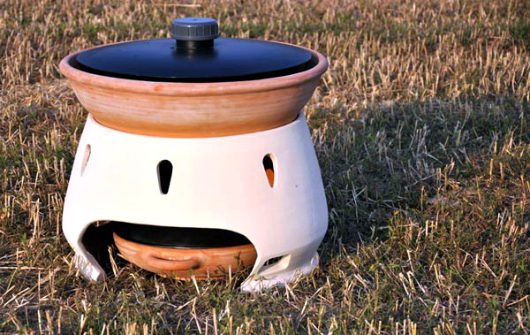
This is what Italian designer Gabriele Diamanti wanted to change with the Eliodomestico, a solar powered ceramic water purifier. The Eliodomestico boils water to separate the unwanted elements from the clean drinking water.

Diamanti wanted to make something simple and inexpensive, using materials found in the area so that a local craftsman could put it together. In the end, Diamanti built the Eliodomestico to work like “an upside-down coffee percolator”.

The Elliodomestico is made of terracotta, anodized zinc and recycled plastic. It consists of two ceramic containers, one atop the other. Salt water is poured into the top container, which then gets heated by the sun and converted to steam. The increase in pressure forces the steam to travel through a tube to the lower container where it re-condenses. The clean drinking water gathers at the bottom of the lower container.

The Eliodomestico collects about 5 liters of clean drinking water per day, and it only costs $50 with no operating costs. In addition, the bottom container can be easily removed and transported on the head of the user, a common practice in developing countries.

Because the Eliodomestico doesn’t use electricity or filters, it is easier to maintain and more efficient than other solar water purifiers. Most solar powered water filters use a solar panel, which increases the cost and the style-factor, but not the efficiency. The Eliodomestico is efficient, cheap and easy to use and maintain, making it a simple solution to a wide spread problem.

– Hannah Resnick

Sources: Gabriele Diamanti, Giz Mag, Global Citizen, Inhabit, UN Millennium Project, Water.org
Photo: Gabriele Diamanti

July 31, 2015
https://borgenproject.org/wp-content/uploads/borgen-project-logo.svg 0 0 Borgen Project https://borgenproject.org/wp-content/uploads/borgen-project-logo.svg Borgen Project2015-07-31 01:39:272024-12-13 17:52:15Eliodomestico: Solar Powered Water Purifier
Global Poverty, Water

Water Access Just a Swipe Away Thanks to New Dispensers

keyna_waterRural Kenya has recently become the first test market for a Danish company’s innovative pilot project to bring clean water to those who need it most. Grundfos, a water engineering firm, has placed a number of card-operated water kiosks in rural Kenyan communities, hoping to provide an alternative, and safe, source of drinking water.
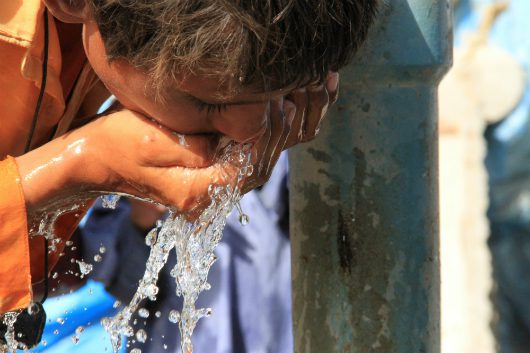
According to Water.org, only about half of Kenya’s 45.5 million citizens have access to safe drinking water, and access to improved sanitation services is even lower. This creates a serious health risk as waterborne diseases are easily spread, as well as an opportunity for extreme price gouging.

While Kenya may be dealing with a severe water shortage, there is no lack of waterborne illnesses in the struggling nation. Diarrhea is the second leading cause of death for children under five in Kenya, surpassed only by pneumonia, and water-related illnesses are the leading cause of hospitalizations in this age group as well. Access to safe drinking water is paramount, yet water from vendors is often no safer than water from any other source.

Despite this, some water vendors may still charge up to 50 Kenyan shillings for 20 liters of water. That’s about 50 cents per 5 gallons of often dirty water, in a nation where almost half the population is scraping by on less than $1.25 a day. But when faced with a choice between walking several miles to fill a single water jug, or paying for uncertain water in the village, many are willing to take the risk.

Grundfos’ water kiosks not only provide Kenyans with water that is guaranteed safe to drink but at a fraction of the cost. At a cost of only a single Kenyan shilling per 20 liters (less than one cent), the Grundfos water kiosk is revolutionizing water access to a number of rural Kenyan villages. Participants simply swipe their card, select the desired amount of water, and their account is charged and the water dispensed. Money can be added to water accounts at the kiosks or via smartphone.

Grundfos has recently placed their water kiosks in Kenya’s Mathare slum, their first experiment in an urbanized environment. They have yet to release a report on how their system is performing, but officials have confirmed plans to expand to Nairobi in the near future.

– Gina Lehner

Sources: PSFK, VOANews, UNICEF
Photo: Child Fund International

July 27, 2015
https://borgenproject.org/wp-content/uploads/borgen-project-logo.svg 0 0 Borgen Project https://borgenproject.org/wp-content/uploads/borgen-project-logo.svg Borgen Project2015-07-27 09:58:272024-05-27 09:25:59Water Access Just a Swipe Away Thanks to New Dispensers
Activism, Global Poverty, Health, Water

How World Rowing Is Changing Poverty

How World Rowing Is Changing Poverty

Clean water is a very important part of people’s lives. However, for many poorer nations and communities around the world, access to clean water is limited. Some people have to travel for several miles just to find drinkable water. Many individual people and organizations have tackled this problem, but there is no singular solution to having clean water.

In 2011, World Rowing, the international organization, for rowing began a project with the World Wildlife Fund (WWF) to give to disadvantaged people the vital thing that makes the sport of rowing possible: water. The alliance began as a way to educate people about the importance of clean, fresh water, not just for humans but also for the environment.

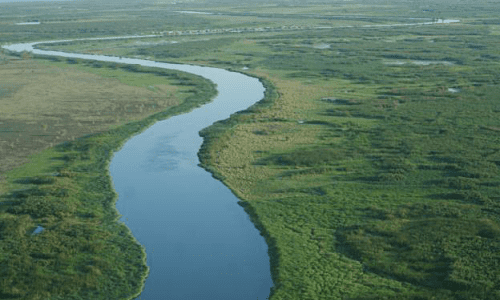
WWF and World Rowing further developed this movement to find an area where water was endangered the most by various threats to water security. Some such threats include the effects of pollution, industry, agriculture, flooding, damming, hydropower, other ecosystems and human consumption. The resulting location was the lower water basin of the Kafue River in Zambia. This basin is a key area for economic resources, but it is also an important home to wetland wildlife and the main source of clean water for locals.

The issue at hand is how to reconcile the importance of the water basin with the harmful environmental effects. If people were to stop using it for industrial and agricultural purposes, the area would lose a large portion of its economic support, which could throw more people into poverty. However, if industry pollution and pesticides continue to contaminate the water, then there will be no safe drinking water.

The project has two goals that, if reached, can help end water insecurity and poverty. The first is to create a world-class water research center at the Kafue River Center. The center will team up with universities and researchers from around the world. Here they can study the effects of pollution, various ways to clean water, the balance of industry and wildlife and much more. The results found here will be open to the public, so that all water sources can benefit from the research.

The center’s second task is to provide a meeting place for all the people involved with this water project and other similar projects around the world.

While the project will do work to clean up the water in the Kafue Basin and provide cleaner water for the people, the research done at this center will help the world. It is a local project with a potentially global impact that can help solve the issue of water resources and poverty by finding a balance for all of the uses of water. The research here will hopefully solve the problems of water usage and water access, problems that keep people in poverty. It will be a balance that can provide sustainability and allow people to bring themselves out of poverty.

– Katherine Hewitt

Sources: World Rowing, World News
Photo: International Water Security Network

July 26, 2015
https://borgenproject.org/wp-content/uploads/borgen-project-logo.svg 0 0 Borgen Project https://borgenproject.org/wp-content/uploads/borgen-project-logo.svg Borgen Project2015-07-26 09:19:402020-07-03 16:14:04How World Rowing Is Changing Poverty
Development, Global Poverty, Water

The Jompy Water Boiler: A Lightweight, Inexpensive Solution

water_boiler
From 1990 to 2011, over 2 billion people gained access to an improved water source—that’s a hugely improved standard of living for more children, families and communities worldwide. However, not all water is clean drinking water, which is exactly what Celsius Global Solutions aimed to fix with the Jompy Water Boiler.

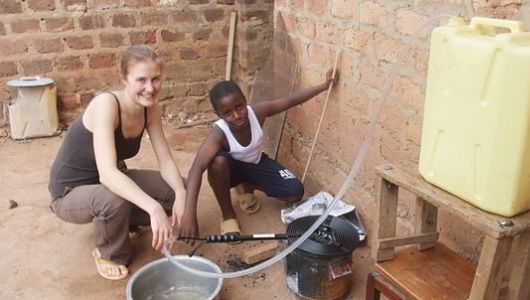
The Jompy Water Boiler is a lightweight, inexpensive device that simultaneously enables people to cook a meal and heat water to bacteria-killing temperatures, making the water safe for drinking and bathing.

The boiler itself is a flat metal disk with a handle connected to a container of water through a tube. The flat disk is placed over the heat source. Its shape allows the user to put cooking tools right on top of it. As the disk gets hot, the heat is transferred through the tube to the water container, which quickly heats up, and the water becomes decontaminated. The Jompy Water Boiler works equally well on stovetops and on open fires, making it useful in urban and rural settings.

In 2006, Glasgow University did a test run of the Jompy Water Boiler in Uganda. The test was conducted with 99 families, 49 of which were given water boilers. The World Health Organization set the objective of this research to have zero water-born diseases, such as E. coli, in the families that used the product.

The results were impressive. Of the 49 families with Water Boilers, only one family had a case of E. coli. Meanwhile, of the 50 families without water boilers, there were several cases of the water-born disease.

On top of reducing the risk of disease, families reported that they saved an average of 3 kg of firewood per day and more than three hours of their time due to reduced cooking times using the Jompy Water Boiler. It saves time and effort, all while consuming less fuel and reducing CO2 emissions.

The Jompy Water Boiler is currently used in India, Kenya and Uganda, but it has the potential to make a serious impact on the lives of those living in developing countries. It is efficient, cheap and worthwhile.

– Hannah Resnick

Sources: Empowering People, Jompy, UNICEF, Venture Beat, Wikia
Photo: Siemens

July 24, 2015
https://borgenproject.org/wp-content/uploads/borgen-project-logo.svg 0 0 Borgen Project https://borgenproject.org/wp-content/uploads/borgen-project-logo.svg Borgen Project2015-07-24 18:30:002024-12-13 17:52:01The Jompy Water Boiler: A Lightweight, Inexpensive Solution
Health, Sanitation, Water

Ingredients for Clean Drinking Water: Saltwater and a Car Battery

clean_drinking_water
As of 2013, around 738 million people across the world do not have access to clean drinking water. Of these people, an approximate 8 million die as a consequence of this inaccessibility.

Water is the paramount need for all human being. Sanitation of this water is vital for preventing many water-borne diseases that can potentially be fatal. Despite the development of new methodologies to sanitize water, the process of chlorination remains unparalleled in its prevalence and efficiency.

The process of chlorination, as the name suggests, uses chlorine gas or bleach to purify water. Chlorine gas is highly toxic and an effective antimicrobial agent. Chlorine also remains in water through longer periods of time than its alternatives. This reduces the costs of repeated purifications.

Despite these advantages that put chlorination far ahead of its counterpart purification methods, it is still difficult to successfully utilize this technique in developing countries. Chlorine gas and its derivatives – such as bleach – are highly reactive and can be dangerous in excessive quantities. The chlorine gas is sold compressed in cylinders, and its pressure requirements change in accordance with the water source to be chlorinated. Hydraulic equipment necessary for safe chlorination is not always accessible in remote areas.

These safety considerations pose a dilemma for the safe sanitation of drinking water. Recently, Mountain Safety Research (MSR), an outdoor gear manufacturer, collaborated with an NGO to release an innovative solution to the problem.

Their device, Smart Electrochlorinator or SE200, uses saltwater and a car battery to produce a carefully-calculated amount of chlorine gas. It consists of a canister that attaches to a battery through jumper cables. The canister is filled with salt solution, and the dissolved salt is dissociated into ionic chloride ions.

The ions are then converted into bleach electrochemically. The hydrogen gas produced from the battery reacts with the chloride ions to form perchlorate, or bleach. The added advantage of the device is in its specificity – it is designed to calculate and produce specific amounts of chlorine per gallon of water. This maintains the concentration of chlorine in water at a constant level and within safe ranges.

The chlorinator is lightweight and portable, which is important in smaller remote areas. It can purify up to 20 liters in a meager 5 minute interval. The device is also notably energy efficient: a 12 volt battery can be used to generate enough chlorine to purify 400,000 liters of water.

The device has so far been tested successfully in field operations in Kenya, Mali, Tanzania, Zimbabwe and Thailand. It is especially noted for its feasibility in small population communities, where large-scale sanitation does not reach and household purification is a hassle. The chlorination is relatively inexpensive as well: at around US$200, it can provide a clean supply of water for 200 people for a period of five years.

As with any new technology, there are issues with this device as well. As it is designed for use in remote areas, it is questionable as to how technical issues might be dealt with. Any of the maintenance issues needing to be fixed can seriously jeopardize a steady supply of clean water. Moreover, in spite of pictorial instructions, there is always the danger for misuse. These are some of the issues that need to be fine-tuned for the chlorinator’s effective usage.

Despite the issues that need to be resolved, the chlorinator is undoubtedly an innovative initiative in the provision of clean drinking water to each and every human being in the world.

– Atifah Safi

Sources: CDC 1, NPR, Cascade Designs, CDC 2
Photo: Flickr

July 24, 2015
https://borgenproject.org/wp-content/uploads/borgen-project-logo.svg 0 0 Borgen Project https://borgenproject.org/wp-content/uploads/borgen-project-logo.svg Borgen Project2015-07-24 18:29:082024-12-13 17:51:52Ingredients for Clean Drinking Water: Saltwater and a Car Battery
Global Poverty, Technology, Water

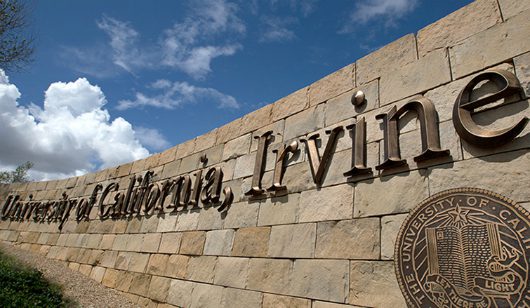
UC Irvine’s ‘Solutions for Poverty Challenge’

global_aid
New technology and modern innovations have played an ever-increasing role in the fight against global poverty in the 21st century, but where do these new tools and practices come from? Most come from established technology and manufacturing firms like GE, IBM and Apple. Major universities are also hotbeds for invention. However, in the last five years there has been a surge in innovation coming from grassroots and non-traditional organizations with the help of social media and other sites, such as Kickstarter. Keeping with the changing tides, the University of California at Irvine launched a contest in May of this year encouraging students to propose original solutions for poverty relief.

The contest took development out of its traditional setting and encouraged all to participate. Undergraduates, graduate students, faculty and UCI alumni were all invited to come together and take part. The Blum Center for Global Engagement hosted the challenge. The goal of the challenge, as Blum Center Director Richard Mathew states, was “to bring the vast stock of ingenuity, creativity, knowledge and passion that exists across the campus to bear on alleviating poverty at home and abroad.” The Solutions Challenge presented an unorthodox approach to relief development as it aimed to bring minds of all backgrounds together in the hopes of producing greater results.

Participants were only required to submit a “feasible idea.” That is to say that the participants did not need to be engineers. All submissions had to meet three criteria, however. First, the proposals had to elaborate on the specific impact on poverty that the device or technology would address. Second, the proposal had to be reasonably realistic and achievable given limited time and resources. Finally, participants had to enumerate the scope their proposal would cover as long as their long-term goals. Three finalists were chosen and met with potential investors in a private venue.

First place was given to PhD student Katya Cherukumilli. Her proposal was to use certain minerals to remove toxic fluoride from drinking water in rural India. Erik Peterson, a resident of Irvine, won second place with his proposal for Lifesign, which would be a device given to homeless citizens as a register that would include data such as health information, hometown and needed services. Replacing handwritten signs, the device would show a code to be entered on the Lifesign website to donate to certain causes and services. Irene Beltran, an undergrad at UCI, took home third place with her “Lab on a Chip” proposal. The chip is tiny and only requires a drop of blood to test for tuberculosis. All three finalists are now consulting with industry leaders and investors.

UC Irvine’s challenge was inspired in part by another school in the University of California system. UC Berkeley’s Development Impact Lab runs a similar contest every year, encouraging engineers, computer scientists and IT specialists to develop technology-based ideas for global aid. UC Irvine’s contest encourages a more theoretical approach, prioritizing creativity in ideas ahead of a physical prototype.

– Joe Kitaj

Sources: Govtech, Blumcenter, Berkeley
Photo: UCI

July 24, 2015
https://borgenproject.org/wp-content/uploads/borgen-project-logo.svg 0 0 Borgen Project https://borgenproject.org/wp-content/uploads/borgen-project-logo.svg Borgen Project2015-07-24 18:21:062020-07-07 14:00:12UC Irvine’s ‘Solutions for Poverty Challenge’
Aid, Global Poverty, Water

Ryan’s Well Foundation Brings Clean Water to Communities in Uganda

Every day, over 9,000 people living in the Mitoomi-Bushangi districts of Uganda walk many miles to retrieve water that is contaminated with harmful bacteria.

The Ryan’s Well Foundation, a nonprofit dedicated to increasing clean water supply in underdeveloped communities, is working on their project, Protected Springs/Latrines and Handwashing, which will complete a series of projects that are providing clean water, latrines and education to people living in western Uganda. The project is set to establish 25 protected springs, 16 of them for primary schools, build four latrines at a local primary school accompanied with six hand washing stations, and create water committees that will provide training on how to properly wash hands and practice good sanitation. When complete, 8,100 students and teachers will have access to clean water.

In 2014, Ryan’s Well Foundation completed their Uganda: Water and Sanitation project. This project supplied 37 protected springs, prevented diseases by enhancing protection for women and youth through workshops, and increased awareness in schools about washing and hygiene. The project also provided a 25,000 liter rainwater harvesting tank, four latrines and a girls washroom, and training on maintenance and repair for the springs and tank.

With over 500 completed and ongoing projects, Ryan’s Well Foundation has successfully provided over 750,000 people in 16 developing nations. Their projects focus on raising funds to build water and sanitation systems and educating youths about the importance of water conservation and sanitation.

The foundation’s core programs include the Youth in Action Program, Getting Involved Program, and the School Challenge Program, with all three of them narrowing down on educating students in elementary and secondary level schools to practice safe and smart water habits. The organization, located in Kemptville, Ontario, Canada, was started by Ryan Hreljac in 2001.

In 1997, seven-year-old Hreljac recognized the need to provide clean water to children in Africa. With the help of his friends and family, Hreljac fundraised enough money to build a well at the Angolo Primary School in northern Uganda. Since its incarnation, Ryan’s Well Foundation has helped build more than 740 wells and 990 latrines, providing clean water to families who would normally be without.

The Ryan’s Well Foundation has open and completed projects in West Africa, East Africa and Haiti. Their primary targets comprise of Uganda, Kenya, Ghana and Tanzania. Right now they have nine active projects in Northern Togo, Ghana, Western Uganda and Burkina Faso. These projects currently revolve around providing access to clean water in primary and secondary schools.

– Julia N. Hettiger

Sources: Ryan’s Well, Gaiam, My Hero
Photo: Ryan’s Well Foundation

July 22, 2015
https://borgenproject.org/wp-content/uploads/borgen-project-logo.svg 0 0 Borgen Project https://borgenproject.org/wp-content/uploads/borgen-project-logo.svg Borgen Project2015-07-22 16:33:562024-05-30 22:22:57Ryan’s Well Foundation Brings Clean Water to Communities in Uganda
Global Poverty, Human Rights, Water

Water Privatization’s Biggest Offenders

Water Privatization’s Biggest Offenders-TBP
An estimated 783 million people worldwide lack access to clean drinking water. Despite the importance of expanding access to this basic building block of life, many companies instead view water as a commodity to be bottled and sold at the expense of the world’s poor and the environment.

Bottled water is incredibly wasteful. The bottle itself also leads to widespread environmental damage, with more than 85% of globally consumed bottles being thrown in the trash, as opposed to being recycled. Furthermore, 10% of all plastic reaches the ocean, leading to the deaths of an estimated one million birds and marine animals yearly.

Yet, if the environmental impact of bottled water is disgraceful, its impact on human rights is horrifying.

Fiji Water has nearly exclusive access to a 17 mile aquifer on the north coast of Fiji while many Fijians have lived with water shortages resulting in rations as low as 4 gallons of water per family per week. Coca-Cola’s extraction of water in India to produce Dasani, meanwhile, has resulted in water shortages for over 50 villages.

Water extraction has also led to a variety of health problems. The inadequate and unclean water supply in Fiji, for instance, has lead to typhoid outbreaks and parasitic infection. The pollution caused by Coca-Cola through its Indian bottling plants has included dangerous compounds such as lead.

Of course, the causation of health problems through privatization only brings to attention a broader issue in the bottling and privatization of water—the philosophical denial of the right to water. Nestle came under fire in 2013 after the emergence of a video of CEO Peter Brabeck stating that water is not a human right, but a commodity to be given a market value and sold. Nestle owns over 15 bottled water brands, including Poland Springs and San Pelligrino, and has been criticized for its sale of Nestle Pure Life water to the developing world at the expense of the development of clean-water infrastructure. The sale and purchase of bottled water on its own denies the right to water as an infrastructural need, and instead treats it as a commercial product through which the wealthy continue to benefit at the expense of the world’s poor.

Protecting the right to water, globally, is highly important. It is a right which must exist to protect the health, agriculture and infrastructure of the developing world. Water privatizations, and the actions of the companies that control significant portions of the world’s water supply, deny the important progress to be made on this front.

– Andrew Michaels

Sources: Food Is Power, Mother Jones, World Watch, The Guardian, UN Water, Huffington Post,
Photo: Food and Water Watch

July 17, 2015
https://borgenproject.org/wp-content/uploads/borgen-project-logo.svg 0 0 Borgen Project https://borgenproject.org/wp-content/uploads/borgen-project-logo.svg Borgen Project2015-07-17 09:12:392024-05-26 23:26:28Water Privatization’s Biggest Offenders
Global Poverty, Health, Water

Katya Cherukumilli Takes on Poverty in Rural India with Bauxite

Living in poverty often means consuming contaminated drinking water. Assembled by the Blum Center for Global Engagement, Katya Cherukumilli earned recognition in June 2015 at the University of California Irvine’s Designing Solutions for Poverty challenge. She has been addressing and innovating ways to cheaply eradicate fluoride from drinking water by using a remediation solution in groundwater. In doing so, she is helping to protect those without any other source for cleaner water.

Katya Cherukumilli developed a cheap way to use bauxite, a material that produces alumina and aluminum, in order to filter out fluoride in drinking water. She is a PhD student at the University of California, Berkley, set to complete an Environmental Engineering Degree in 2017. Her work with the Gadgil Lab for Energy and Water Research found a cheap solution to the problem concerning fluorosis.

The Gadgil Lab is located at the University of California, Berkley. Its mission is to alleviate poverty using research and engineering studies. Katya Cherukumilli is working specifically with fluoride removal. Having been born near the district of interest, Nalgonda, she feels, according to Alex Chan with Daily Pilot, “This is something that is very close to my heart. Access to clean water does not seem like something people should die for.”

According to Gadgil Lab, drinking excessive levels of fluoride, above 1.5 mg/L, can cause anemia, discolored enamel and bone deformities, also known as skeletal fluorosis. Affected groundwater exists on a global scale in places like Sri Lanka, China, Est African Rift Valley, northern Mexico and Argentina.

With 200 million people drinking toxic water, 66 million in India are at risk. A site is open for examining the water in Telegana, where contamination is the most acute and fixated. Ten percent of this district has been affected and 10,000 are permanently deformed.

Groundwater in the Nalgonda District in India has a toxic amount of fluoride that causes deformities with excess intake. Skeletal fluorosis patients reside here. Granite rocks underground are breaking apart and contaminating drinking water with fluoride.

A toxic level of fluoride in drinking water is a problem that has been known for six decades. When rural areas cannot reach safer alternatives, the problem continues. Responding to this issue takes time and manpower. Areas where innovations are costly, difficult to set up or culturally ineffective make it difficult to introduce defluoridation. Gadgil Lab lists a few requirement guidelines addressing the issues.

Any technology useful to the cause must be local, affordable, and appropriate for the culture. It should require minimal maintenance and must function very successfully in the rural area.

To satisfy these requirements, Cherukumilli has been researching bauxite ore. She found that remediating groundwater fluoride needs to be more cost-effective. Cherukumilli is refining bauxite in order to minimize expenditure per person per year from $50 to $1.

Her method to reduce cost includes improving sustainability, so less material is required. Also less energy and carbon costs are needed to solve the issue.

Forty community leaders, scientists, business partners and investors at the competition agreed her progress in this field of study has absolute potential. It will protect the less fortunate from further disfigurement that affects them socially, economically and medically. Her presentation at the Irvine’s Designing Solutions for Poverty challenge received the popular vote among three others.

– Katie Groe

Sources: GADGIL Lab 1, GADGIL Lab 2, The Orange County Register, The Daily Pilot, GADGIL Lab 3
Photo: Daily Pilot

July 16, 2015
https://borgenproject.org/wp-content/uploads/borgen-project-logo.svg 0 0 Borgen Project https://borgenproject.org/wp-content/uploads/borgen-project-logo.svg Borgen Project2015-07-16 07:29:412024-12-13 17:51:47Katya Cherukumilli Takes on Poverty in Rural India with Bauxite
Page 47 of 57«‹4546474849›»

Get Smarter

  • Global Poverty 101
  • Global Poverty… The Good News
  • Global Poverty & U.S. Jobs
  • Global Poverty and National Security
  • Innovative Solutions to Poverty
  • Global Poverty & Aid FAQ’s
Search Search

Take Action

  • Call Congress
  • Email Congress
  • Donate
  • 30 Ways to Help
  • Volunteer Ops
  • Internships
  • Courses & Certificates
  • The Podcast
Borgen Project

“The Borgen Project is an incredible nonprofit organization that is addressing poverty and hunger and working towards ending them.”

-The Huffington Post

Inside The Borgen Project

  • Contact
  • About
  • Financials
  • President
  • Board of Directors
  • Board of Advisors

International Links

  • UK Email Parliament
  • UK Donate
  • Canada Email Parliament

Get Smarter

  • Global Poverty 101
  • Global Poverty… The Good News
  • Global Poverty & U.S. Jobs
  • Global Poverty and National Security
  • Innovative Solutions to Poverty
  • Global Poverty & Aid FAQ’s

Ways to Help

  • Call Congress
  • Email Congress
  • Donate
  • 30 Ways to Help
  • Volunteer Ops
  • Internships
  • Courses & Certificates
  • The Podcast
Scroll to top Scroll to top Scroll to top