• Link to X
  • Link to Facebook
  • Link to Instagram
  • Link to TikTok
  • Link to Youtube
  • About
    • About Us
      • President
      • Board of Directors
      • Board of Advisors
      • Financials
      • Our Methodology
      • Success Tracker
      • Contact
  • Act Now
    • 30 Ways to Help
      • Email Congress
      • Call Congress
      • Volunteer
      • Courses & Certificates
      • Be a Donor
    • Internships
      • In-Office Internships
      • Remote Internships
    • Legislation
      • Politics 101
  • The Blog
  • The Podcast
  • Magazine
  • Donate
  • Click to open the search input field Click to open the search input field Search
  • Menu Menu

Archive for category: Water

Children, Global Poverty, Health, Water

Celebrities High-Five For UNICEF

UNICEF In association with the FIFA Women’s World Cup Canada 2015, Canadian and U.S. celebrities are participating in the #HighFiveIt campaign for UNICEF with the universal high-five gesture.

According to UNICEF, almost one thousand children die every day worldwide because of the lack of clean water. Conditions are worsened for those without proper nutrition, immunizations, safety and infant health.

The #HighFiveIt campaign raises money to develop strategies to solve these issues as well as implement the plans created. UNICEF will also help to educate the areas that suffer from these problems with techniques that continue to improve upon the tactics that UNICEF will put in place.

In Canada, Karina LeBlanc, the Canadian Women’s National Team goalkeeper and UNICEF ambassador, helped start the campaign by high-fiving Christine Sinclair, the captain of Canada’s team.
UNICEF asks that supporters take part in #HighFiveIt by posting a photo or video of a high-five during a sporting match, tagging five friends in the post and donating to UNICEF.

Among the supporters are many celebrities who have pledged to help save lives of children in poor areas. Disney Channel stars Calum Worthy, Raini Rodriguez and Laura Marano are giving their high-fives for UNICEF, and so are Rico Rodriguez from “Modern Family” and Peter Mooney, Missy Peregrym, Priscilla Faia and Erin Karpluck from “Rookie Blue.”

In addition, several other Canadian and American politicians, athletes and celebrities are pledging to #HighFiveIt to save citizens in poor areas.

UNICEF Canada’s Chief Development Officer, Sharon Avery, said that she is very pleased with the support from these celebrities as their backing will draw a lot of attention to the cause.

“It’s wonderful to see our homegrown talent, along with several American celebrities, taking part in this campaign to save lives,” Avery said. “I’ve seen the impact of UNICEF’s work with children in Honduras and Dominica and am excited to have my passions — soccer and reaching children through UNICEF — come together with #HighFiveIt.”

Though their involvement was very important, celebrities were not the only people taking part in #HighFiveIt. 7,238 UNICEF fans took part in the Guinness World Record for the greatest number of people simultaneously giving a high-five. This event broke the previous record by 2,542 people.

With such a large number of supporters giving high-fives, UNICEF hopes to reach their goals. The organization’s website offers five different life-saving options to donate to, the first being “greatest gift.” If the donator chooses to give to “greatest gift,” the money will be presented to areas that need change the most.

“Children living in conflict and vulnerable situations will benefit from your generosity,” UNICEF said.

By selecting “infant health,” the donator will fund the implementation of baby-friendly hospitals, training of health-care workers and breastfeeding education for mothers. If the supporter chooses “vaccines,” the donation will be used to provide vital vaccinations for tetanus, polio, measles and other life-threatening diseases. By clicking on “nutrition,” the funding will go to efforts to end starvation and malnutrition, and with the selection of “water,” the donation will be used to create water-catchment devices for a better opportunity to provide clean water to developing areas.

Because UNICEF presents the chance of choosing to give directly to causes that the supporter prefers, the organization has created a more personal donation experience. That being said, each dollar the supporter gives to their choice source will be matched by UNICEF, up to two million dollars.

Celebrities and fans of UNICEF can potentially raise more than four million dollars with this promise. To join the cause and help save the lives of people in need, go to unicef.ca or search #HighFiveIt.

– Fallon Lineberger

Sources: Look to the Stars, UNICEF 1, UNICEF 2, UNICEF 3
Photo: Newswire
July 13, 2015
https://borgenproject.org/wp-content/uploads/borgen-project-logo.svg 0 0 Borgen Project https://borgenproject.org/wp-content/uploads/borgen-project-logo.svg Borgen Project2015-07-13 14:06:162024-12-13 17:51:54Celebrities High-Five For UNICEF
Global Poverty, Technology, Water

Water Energy: Where We Are Heading

Water-Energy
Over the last 10 years, the quality of renewable energy has steadily increased. According to the European Commission, between 2003 and 2013, the quality increased by 83.4% – an average of 6.3% per year. Throughout 2013, the European Union (EU) produced 192 million tons of oil – about 24.3% of all energy used.

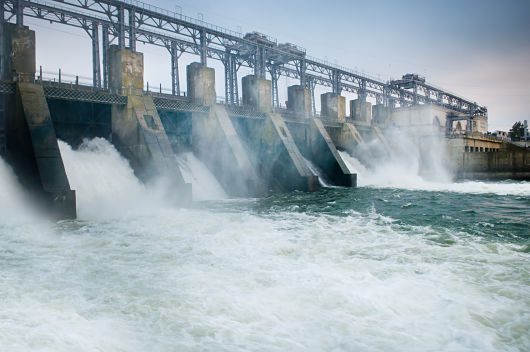
Biomass and renewable waste are the primary clean energy sources in the EU. Hydropower, which uses water as a renewable energy source, closely follows.

Hydropower is a clean energy source that has yet to be used to its full potential. It “captures electricity by using water that flows through a pipe to turn micro turbines in a line, or by harvesting energy from stream flows in irrigation canals and streams,” as explained in a CNBC report.

At Columbia University, researchers looked at water energy in a different way – they used evaporated water as the source. The researchers took bacterial spores that contract and expand based on the humidity of the environment and placed them in rows on tape that were then put together. This created a mass of rows that contracted and expanded together based on the environment. The bacterial spores had enough power from the air to move a toy car.

The technology is not yet powerful enough to work in a real life scenario and cannot compete with solar energy in efficiency. However, researchers believe it could harness enough energy to power a phone, even if it will not change the transportation industry.

Over in the Pacific Ocean, the U.S. Navy is sponsoring another way to use hydropower – using waves and ocean currents. This is exactly what the Azura Wave Energy Device is testing in Hawaii. Azura is a 63-foot-long, 10-foot-wide, 45-ton device that rotates as the incoming wave approach to extract energy.

CEO and co-founder Steve Koft explains, “the wave energy is much more predictable than solar or wind.” They are hoping this is the future of clean energy, but Azura is still a prototype. By harnessing the energy of waves, they have potentially found a way to capture predictable, consistent and clean energy to use.

Water energy is being explored more in depth everyday, and has huge potential to reduce the use of nonrenewable energy sources.

– Hannah Resnick

Sources: CNBC, European Commission, KITV, Quartz
Photo: Institution of Chemical Engineers

July 10, 2015
https://borgenproject.org/wp-content/uploads/borgen-project-logo.svg 0 0 Borgen Project https://borgenproject.org/wp-content/uploads/borgen-project-logo.svg Borgen Project2015-07-10 09:51:012020-07-10 12:40:55Water Energy: Where We Are Heading
Development, Water

Restoration of Ancient Canals Creates Hope for Lima’s Water Crisis

Lima's-Water-Crisis-Ancient-Canals
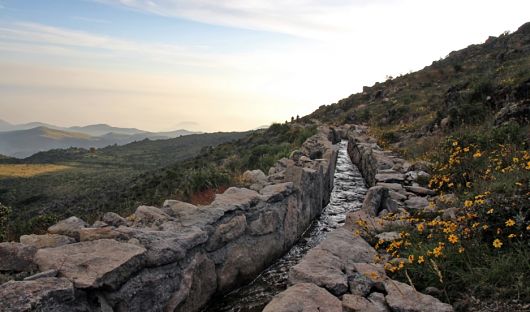
In an effort to alleviate its water problems, Peruvian hydrologists have been researching the most effective ways to provide Lima with a steady flow of water throughout the course of the year. However, it turns out that the most cost-effective solution is rooted in the past, not the future.

Researchers have found a solution to dealing with Lima’s water crisis in a network of ancient canals in the Andes mountains, dated as early as 500 AD to the pre-Inca era. The Peruvian capital is seeking to restore the stone canals, or amunas, as they are called locally, by regrouting them. Hydrologists have studied other methods for retaining the water supply during the dry season but found that this would be the cheapest option.

Rather than requiring new infrastructure, this project is cost-effective because it only requires improvements to the structures already in place. It is also beneficial that the project is non-disruptive to the environment.

According to a report in New Scientist, when used in the past the canals used to capture water from rivers in the Andes Mountains during the rainy season to slowly seep through rocks to flow into springs closer to the ground later in the year during the city’s dry season, which can last over half the year. The delay in water flow allows for gradual distribution of the water flow much later in the year.

However, the canals have not been maintained and generally just flow water directly downhill in a matter of hours. Hydrologists have noticed that regrouting the canals with cement would allow them to function as intended, potentially delaying water for weeks or months. This water flow, coming from over 3,500 meters above sea level, can provide the city with a more consistent water supply during its dry season.

Sedapal, the city’s water company, discovered that this project would be the most cost-effective way to provide a more steady water supply from the Lima population of almost 10 million people. In order to fund the $23 million project, the company plans to use one percent of its water charges for the next five years.

While Lima is struck with drought during its dry season, its wet season is often comprised of floods and landslips from the Chillón, Lurín and Rímac rivers. By holding back water through this system for the dry season, these problems can also be avoided.

While research is still being conducted, Bert De Bièvre of CONDESAN, a Lima-based nongovernmental organization that is spearheading the restoration, believes that 50 of the canals can be revived, mostly flowing from the Chillón River, according to the New Scientist report.

De Biévre’s work with American water specialists has indicated that this project has the potential to increase the water supply by 26 million cubic meters and decrease deficit during the dry season by 60%.

– Arin Kerstein

Sources: The Guardian, New Scientist
Photo: PRI

July 8, 2015
https://borgenproject.org/wp-content/uploads/borgen-project-logo.svg 0 0 Borgen Project https://borgenproject.org/wp-content/uploads/borgen-project-logo.svg Borgen Project2015-07-08 07:06:192020-07-11 06:24:51Restoration of Ancient Canals Creates Hope for Lima’s Water Crisis
Development, Water

Israel: The Developing World’s Water Technology Savior?

water_technology
Many say that the next major war will not be for territory but for water. The precious liquid is needed for humankind’s very existence, yet it is becoming scarcer and scarcer as the world’s population continues to grow.

A tiny, arid country surrounded by deserts has been fighting, literally at times, for water since its inception in 1948. Israel is one of the world’s leaders in water conservation technology, simply because it has to be in order to survive. It has only gotten harder recently, with prolonged droughts and increasing population adding to the problem.

As a result of the Israel‘s harsh climate, it has developed world-class water technology, and this fact has now been recognized by the World Bank. Because of Israel’s advanced knowledge of water technology, they are in a position to help other countries with their own water problems.

Israel’s Ministry of Economy has given $500,000 to the World Bank Group’s Water Global Practice. The money will be used to increase and enhance water knowledge in developing countries. The agreement also includes sharing ideas, best practices and water industry expertise with developing countries.

Also included in the agreement are study tours, that are “expected to be held in Israel in the next two years and will include officials from developing countries, as well as World Bank Group staff. In addition, the agreement will include an analytical profile study of Israel’s experience in managing water and transferring of global expertise on water security.”

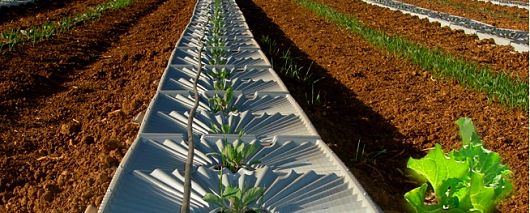
So what exactly does Israel bring to the table when it comes to water technology, and how can it help the developing world? Their advanced drip irrigation systems, for one. The Israeli inventor Rafi Mehudar has been developing drip irrigation systems for 40 years. Netafim is the company he has been working with, and both are now big players in the water tech industry – their drips reduce water usage by 90%, raise crop productivity and are being used in India, Brazil, China and Africa.

The one issue that comes with a large corporation making technology like this is that Netafim cannot sell to a family or single farmer – it is just not feasible, with a drip irrigation system costing $500. This is almost half of the average income an Indian made in 2014 of $1,140. This is where NGOs as well as governments come into the picture. The government in India is paying for half of every drip irrigation system bought from either Netafim or one of the company’s competitors.

Netafim relies on NGOs to organize farmers in Africa into groups to help with the costs. Often single farmers only have plots large enough to feed their family, so selling to a single farmer will not work.

Because of this, Israel sits on a fence edge when it comes to helping the global poor. While they have made the contribution to the World Bank Group, their immensely useful water technology is still only a business, and they rely on others to make it affordable for the developing world. Time will tell whether their technology is a sustainable help for countries with water issues of their own.

– Greg Baker

Sources: The Atlantic, World Bank Washington Post, Times of Israel
Photo: greenprophet

July 7, 2015
https://borgenproject.org/wp-content/uploads/borgen-project-logo.svg 0 0 Borgen Project https://borgenproject.org/wp-content/uploads/borgen-project-logo.svg Borgen Project2015-07-07 06:57:072024-12-13 17:51:39Israel: The Developing World’s Water Technology Savior?
Global Poverty, Water

EU/UNICEF Seawater Desalination Efforts in Gaza

EU/UNICEF Seawater Desalination Efforts in GazaThe Gaza Strip has a population of 1.7 million, which is expected to grow to 2.1 million by 2020. The demand for clean water access will also undoubtedly increase. In lieu of rivers or streams, the region has thus far had to survive by drawing water from its lone coastal aquifer. However, water is being extracted at a rate of 47 billion gallons per year and has far surpassed its annual rate replenishment of around 16 billion gallons.

This has caused the aquifer to fill with salinated water from the Mediterranean. Estimates show that approximately 90 percent of the water drawn is unsafe to consume. In addition to the seawater influx, the aquifer is contaminated by untreated sewage. Roughly 90,000 cubic meters of sewage flow from Gaza to the coastal waters.

The demand for water has caused many unregulated vendors to begin selling water to make a profit, but roughly 80 percent of the water sold by street vendors is also contaminated. The desperation of Gazans, however, has become increasingly apparent. As many as 4 out of 5 will resort to purchasing potentially unsafe water by these private sellers.

In addition to a possibly serious health risk, this also places an economic strain on many Gazans. “Some families are paying as much as a third of their household income on water,” states June Kunugi, a UNICEF representative for Palestine.

In response to Gaza’s water crisis, UNICEF has worked to complete 18 small desalination taps where residents can draw water free of charge. Also provided, are 3 brackish (mixed fresh & saltwater) plants that are capable of desalinating 50 cubic meters per hour and 10 plants capable of treating 50 cubic meters per day. In total, these plants are estimated to provide water for 95,000 residents.

In 2013, the European Union (EU) announced a collaboration with UNICEF to build a major seawater desalination plant. The project was made possible by a €10 million grant provided by the European Union. The plant is projected to provide 6,000 square meters of water to residents of the two cities.

In an announcement of the project, European Union Representative John Gatt-Rutter stated “The launch of construction work on this seawater desalination plant, offers the prospect of access to clean water for many thousands of families in Khan Younis and Rafah. It forms part of the EU’s wider commitment to improving the lives of Palestinians in both Gaza and the West Bank, particularly in the area of water, sanitation and solid waste management.”

The 18 km pipeline that divides water between the cities of Rafah and Khan Younis was recently completed, marking the first step towards a monumental solution. Once the plant is completed in late 2015, it is expected to be capable of providing clean water to more than 75,000 Gazans.

– The Borgen Project

Sources: Al Jazeera America, UNICEF, Water Technology
Photo: Flickr

July 2, 2015
https://borgenproject.org/wp-content/uploads/borgen-project-logo.svg 0 0 Borgen Project https://borgenproject.org/wp-content/uploads/borgen-project-logo.svg Borgen Project2015-07-02 15:18:452024-12-13 17:51:43EU/UNICEF Seawater Desalination Efforts in Gaza
Global Poverty, Water

Pakistan’s Innovative Drinking Water ATMs

Pakistan’s Innovative Drinking Water ATMs
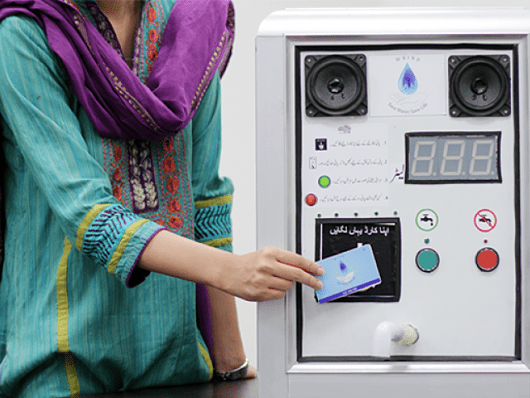
Drinking water ATMs? In recent years, severe water shortages have challenged an already energy-starved Pakistan. Now, Punjab province is installing solar-powered ATMs that can distribute clean water to residents.

The small, two-foot boxes function just like normal ATMs, with one notable difference. Instead of cash, the machines dispense clean drinking water, which in times of extreme water scarcity can be more valuable than money.

Punjab Saaf Pani (Clean Water) Company and the research center Innovations for Poverty Alleviation Lab (IPAL) created the drinking water ATMs to give residents in “rural and urban fringe areas” access to clean water. The ATMs provide water free of charge to beneficiary families, and communities will be responsible for pooling funds for the machinery’s maintenance charges.

To operate the machines, users scan a smart card to verify their identities, then push the machine’s red and green buttons to collect their daily share of water. The system will allow each family to collect up to 30 liters of water a day.

The project also aims to help the Pakistani government reduce water waste. To help the government track the exact amount of water dispensed in each location, a central server for the machines will virtually record water use in real-time.

Currently, Pakistan has few water conservation programs in place. One official noted, “There is a national habit of extravagance,” regarding resources like water, electricity and gas. The drinking water ATM system will help the government regulate the population’s consumption of water for home and agricultural use.

Because agriculture alone makes up 21 percent of Pakistan’s GDP, proper water management is key to the growth of the country’s economy. The Indus River stretches the length of Pakistan and feeds irrigation canals nationwide. Water shortages due to drought and mismanagement can affect major exports such as vegetables, wheat and cotton.

The Indus Basin aquifer, which provides fresh water to Pakistan and India, also faces a shortage crisis. There are few alternatives to excessive aquifer use in the densely populated region, and the underground water table is being depleted faster than it can recharge. As a result, the Indus Basin is now the second most stressed aquifer in the world.

To address this worsening water crisis, Punjab Saaf Pani Company and IPAL plan to install 20 initial ATMs at water filtration centers in Punjab, Pakistan’s most populous province. The project will start in three Punjabi districts with serious water contamination issues. According to the program manager at IPAL, this first round of installations will benefit over 17,500 families.

The Punjabi government has pledged the equivalent of almost $200 million to clean water efforts through 2017. It plans to expand its current programs to provide 35 million people with access to safe drinking water.

In February, Pakistan’s minister for water and energy warned that both climate change and government waste have taken a toll on the country’s water supply. “Under the present situation, in the next six to seven years, Pakistan can be a water-starved country,” he stated.

Nationwide, 35 percent of Pakistan’s population lacks access to clean drinking water. In rural areas of Punjab province, that number is as low as 13 percent.

The recent heatwave in Pakistan brought international attention to the government’s mismanagement of the water crisis. Over 1,200 people have died as a result of dehydration, heat stroke and other heat-related causes, though the government has denied accountability for the deaths.

Many experts consider ineffective governance at the national level the biggest obstacle to water security in Pakistan. Muhammad Farasat Iqbal, chief executive officer of Punjab Saaf Pani Company, says that while access to clean water has become a top priority of the provincial government, it will take the concerted effort of the national government to effect real change across Pakistan.

– Caitlin Harrison

Sources: Washington Post, Reuters, New York Times, Government of Pakistan Ministry of Finance, Time
Photo: Tribune

July 2, 2015
https://borgenproject.org/wp-content/uploads/borgen-project-logo.svg 0 0 Borgen Project https://borgenproject.org/wp-content/uploads/borgen-project-logo.svg Borgen Project2015-07-02 09:18:272024-12-13 17:51:44Pakistan’s Innovative Drinking Water ATMs
Aid, Global Poverty, Nonprofit Organizations and NGOs, Water

5 NGOs Going Above and Beyond

5 NGOs Going Above and Beyond
There are many NGOs doing good for the world’s poor, but here are five that go above and beyond the rest.

1. The Garden of Hope Foundation

The Garden of Hope foundation was founded in Taiwan and acts to aid girls who were victims of the sex trade. This NGO provides psychiatric counseling and safe half-way houses for many girls while they recover from their abuse. The Garden of Hope foundation also works closely with the government to promote policymaking and discussions about the sex trade. Their main focus is to empower girls and women to stand up for themselves and realize that they, too, can have an impact on this world.

2. Save The Children

Save the Children gives children in the United States and around the world what every child deserves: A healthy start, the opportunity to learn and care when disaster strikes. Save the Children acts on all fronts of poverty, ranging from education needs throughout the world to health and humanitarian issues, such as helping children with HIV and AIDS. Save the Children can be found worldwide after any major disaster attempting to rebuild communities and make them stronger. This NGO is wholeheartedly dedicated to improving the lives of the next generation and is a huge part of the bright future that we have to look forward to.

3. Water.org

According to their website, Water.org provides innovative, market-based solutions that change lives every day through safe water and sanitation. This NGO is supporting countless projects that will hopefully provide sanitary water to everyone around the world. There is a basic human need for clean water, but this instead seems like a luxury for every 1 in 9 individuals worldwide. Water.org has become so well organized that for every $1 donated there is a $4 economic return; this comes from the countless lives that are bettered when clean drinking water is available. Water.org has been very successful in involving high-profile celebrities with its cause and has gained international recognition as one of the strongest players in sanitation.

4. Acumen Fund

Acumen raises charitable donations to invest in companies, leaders and ideas that are changing the way the world tackles poverty. This group seems to be searching out the best of the best and providing them with the funding they need to change the world for good. Acumen states that their main goal is “dignity” rather than the usual goal of profitability. They want to help people believe that dreams do come true and to provide them with an arena in which to do this. By funding leaders and innovators in developing communities, the Acumen Fund is able to build rural communities from the bottom up, allowing them to compete in the global market and, in turn, become more developed. This is one great idea that has clearly allowed people all over the world to realize that dreams really do come true.

5. The Borgen Project

The Borgen Project was founded by one man with one computer and one very big dream. Founder Clint Borgen and his team are seeking to make a mark on global poverty by going right to the source: the lawmakers. The Borgen Project seeks to educate individuals on worldwide poverty and what is being done to make an impact. They also communicate one-on-one with lawmakers to gain support for bills that will better the global community. The Borgen team has met with almost every member of Congress and the House and is continuing to inform lawmakers and the public about changes that could be made to make this world a better place to live in.

– Sumita Tellakat

Sources: The Global Journal, The Garden of Hope Foundation, Save the Children, Water.org, Acumen
Photo: Western University

July 1, 2015
https://borgenproject.org/wp-content/uploads/borgen-project-logo.svg 0 0 Borgen Project https://borgenproject.org/wp-content/uploads/borgen-project-logo.svg Borgen Project2015-07-01 09:46:022024-12-13 17:51:395 NGOs Going Above and Beyond
Global Poverty, Sanitation, Water

India’s Sanitation Solutions

India's Sanitation Solutions Poor Sanitation
Build toilets, not temples. This is the message from India’s Prime Minister, Narendra Modi, reflecting on India’s sanitation solutions.


A Need for Solutions to Poor Sanitation


The goal is to end defecation in public places by 2019. About 130 million households do not have toilets – 53 percent of India’s population. The number jumps to 70 percent when villages are singled out, where most people simply relieve themselves in fields, on the side of roads or behind bushes.

The issues that come with this are massive. Health is impacted in numerous ways. The spread of disease is pervasive when open defecation is common: “because India’s population is huge, growing rapidly and densely settled, it is impossible even in rural areas to keep human feces from crops, wells, food and children’s hands. Ingested bacteria and worms spread diseases, especially of the intestine.”

Poor sanitation is the reason for 80 percent of illnesses in India, as well as the leading cause of death for children under 5-years-old. Malnutrition is also a huge problem, despite some children’s diets improving and others getting more than enough to eat. When bacteria gets into children’s intestines, it causes something called enteropathy, which prevents bodies from absorbing nutrients and calories. Because of this, half of India’s children are still considered malnourished.

Hundreds upon hundreds die each year from diseases related to poor sanitation, but politicians have been slow to face up to the problem, and locals have been known to actually prefer “going” in a field instead of a government-built toilet. Culture comes into play here: in the Hindu tradition, it is sometimes encouraged to relieve oneself far away from the home to preserve its purity.

There is a safety aspect to the issue, as well as the issue that people have to leave their homes at night to relieve themselves. There have been instances of young women being raped and murdered while venturing out to take care of business.


Innovative Aid at the Heart of India’s Sanitation Solutions


What is being done to help solve India’s waste problems? The government’s toilet building campaign is a good start, despite the usage issues that they face. Convincing the public to forget old ways is never easy. Even more worrisome is the fact that while many toilets have been built – around 77 percent of households under the poverty line have toilets – countless numbers of them are out of order.

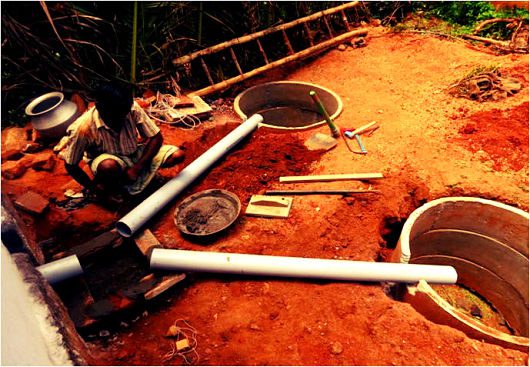
While toilets are certainly needed, safe water is also key. The Bill and Melinda Gates Foundation is investing in a machine called the Omni Processor which is capable of turning sewage into drinking water while powering itself independently.

Bill Gates even tried out the water it produces. One machine can produce enough clean water for 100,000 people. Construction is already underway for a machine in Senegal, and Gates says that there is one in India’s near future as well.

A simple Google search provides a multitude of water-filtering devices similar to searching for solar-powered flashlights. However, the problem runs deeper than simply purifying water in India. There simply is not enough of it. The country is home to 16 percent of the world’s population, but it only has four percent of the world’s freshwater. The groundwater for many of India’s major cities is quickly disappearing, with levels so low in places like Mumbai and Delhi that they could be depleted entirely within a few years. Machines like the Omni Processor could be the answer to this water depletion catastrophe.

– Greg Baker

Sources: Economist, The Guardian, The Washington Post, Clean Leap, New York Times, India Sanitation Solutions,
Photo: Acumen

June 22, 2015
https://borgenproject.org/wp-content/uploads/borgen-project-logo.svg 0 0 Borgen Project https://borgenproject.org/wp-content/uploads/borgen-project-logo.svg Borgen Project2015-06-22 11:50:292024-12-13 17:51:33India’s Sanitation Solutions
Global Poverty, Refugees and Displaced Persons, Sanitation, Water

Cholera Outbreak Among Burundian Refugees Contained

cholera_outbreak
A cholera outbreak in Tanzania that claimed the lives of 30 Burundian refugees and local Tanzanians has been curbed.

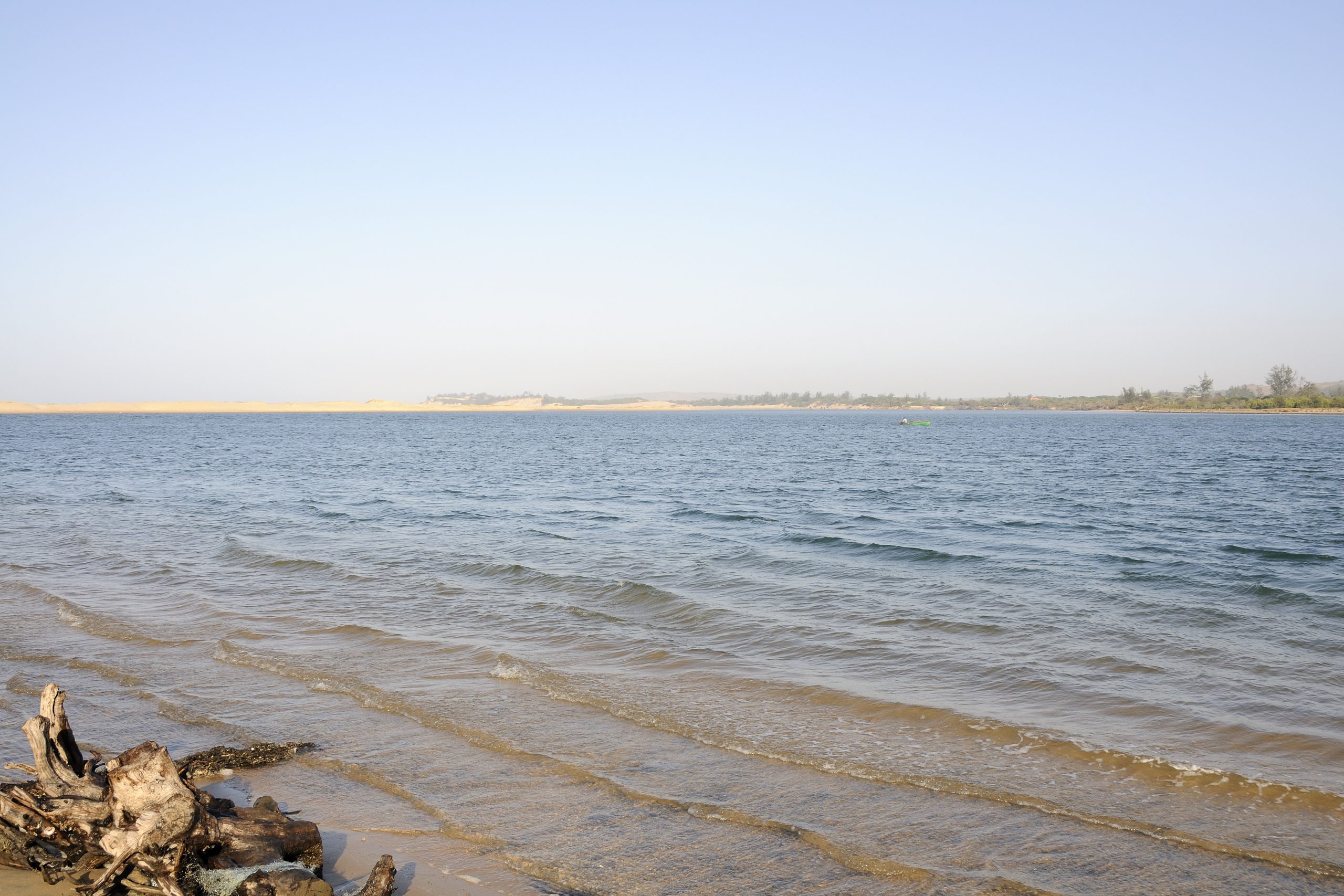
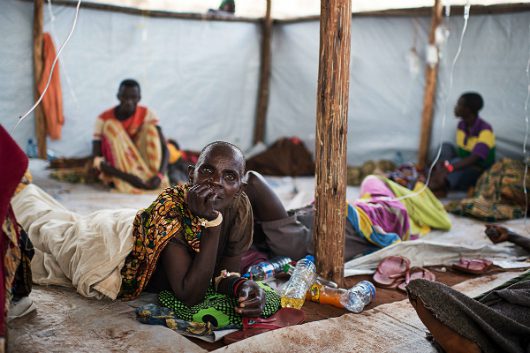
The epidemic occurred in western Tanzania near Lake Tanganyika, in a remote village that is overcrowded with refugees. Authorities estimate refugees consumed contaminated lake water, which facilitated the spread of cholera. A total of 4,408 cases have been reported.

A UN Refugee Agency (UNHCR) spokesman, Adrian Edwards, said that no new deaths have been reported since last Thursday, and the number of new daily cases has fallen from around 915 per day at the height of the outbreak on May 18 to less than one hundred per day. According to Edwards, the situation is improving but it still could take several weeks to see cholera completely eradicated among this population.

The majority of the cholera victims are refugees of Burundi who are fleeing to avoid violence stemming from a failed political coup in Burundi’s capital, Bujumbura.

The influx of refugees from Burundi to surrounding countries has not stopped. The UNHCR estimates that over 100,000 Burundian refugees have escaped, leaving over 64,000 Burundians in Tanzania, and the remaining in Rwanda, Uganda and the Democratic Republic of the Congo. About 100 Burundians per day arrive to each of these surrounding countries.

The refugees that arrive in Tanzania must walk four hours through the mountains to reach the border. Some immediately are bussed to the camp called Nyarugusu, and some wait for boats that will take them to a camp called Kigoma. Tens of thousands wait by Lake Tanganyika, a tiny beach area that is only 800 meters by 500 meters. The overcrowding and high density of refugees on the move has facilitated the quick spread of cholera.

Many refugees are being moved from Lake Tanganyika because it is overcrowded and unsanitary. Kahindo Maina, a public health officer of the UNHCR, said, ”Our priority is to get all the refugees out of Kagunga because the situation is dire. We have built latrines and brought supplies to provide clean water but the terrain and the crowded situation does not allow for a good sanitary situation there.”

Refugees have been moved to the Tanganyika stadium in Kigoma where there are better facilities, and cleaner water and sanitation. Tanzanian health authorities, the UNHCR, the World Health Organization and other partners have helped stem the spread of cholera by the promotion of hygiene, treatment of patients, implementation of effective prevention measures and the creation of access to sanitation and safe water.

Other preventative measures provided by the Ministry of Health, the UN and NGO partners include airlifting medicine and providing medical supplies and protective gear. UNHCR spokesman Edwards explained that “together with the government and our UN and NGO partners, we are providing oral rehydration solutions, soap and water purification tablets, and increasing hand-washing facilities.”

Around 30,000 refugees have also been moved from the lake area to Nyarugusu. Here, they receive vaccinations for childhood illnesses, get dewormed and have nutritional assessments done. New latrine and sanitation facilities are being built.

– Margaret Anderson
Sources: AllAfrica, Humanosphere, UNHCR 1, UNHCR 2
Photo: UNHCR

June 15, 2015
https://borgenproject.org/wp-content/uploads/borgen-project-logo.svg 0 0 Borgen Project https://borgenproject.org/wp-content/uploads/borgen-project-logo.svg Borgen Project2015-06-15 14:46:242024-12-13 17:51:27Cholera Outbreak Among Burundian Refugees Contained
Development, Global Poverty, Nonprofit Organizations and NGOs, Water

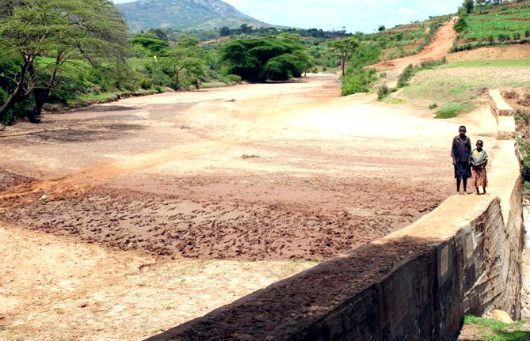
Sand Dam Construction Brings Water to Driest Areas

sand_dam
Dryland ecosystems are classified as having long periods of drought with very short seasons of intense, heavy rainfall. They cover approximately 40 percent of the earth’s surface, particularly in developing countries, where 1/3 of the global population lives.

Drylands have extremely limited access to clean drinking water. However, there has been a recent surge in the construction of sand dams, currently the most cost-effective technology in water collection.

Sand dams combine ancient rainwater collecting techniques, everyday building materials and local manpower to collect clean water that would otherwise become runoff, carrying away fertile topsoil essential to subsistence farming. A moderately sized dam can supply over 1,000 people with a consistent supply of filtered water, even during the year’s driest seasons.

According to reporter and producer Russell Beard, “A sand dam is a reinforced concrete wall built across a seasonal riverbed. Over three or four rainy seasons, sand is washed downstream and deposited in the reservoir behind the dam wall, which stores up to 40 percent of its volume as water. The sand slows evaporation, filters the water, and protects it from contamination by livestock or disease-carrying mosquitoes.”

Timber, rocks, cement, sand and water are the only raw materials needed to build a sand dam, all of which are supplied by donor funding. Local community members work together to build the dam structures and the women and girls are usually deemed responsible for water collection.

Excellent Development, a UK based nonprofit organization, has devoted its entire efforts to distributing sand dam technology to dryland areas, in hopes of providing stable water security to poor, rural populations all over Africa.

Excellent Development published a report, Sand Dams: The World’s Most Cost-Effective Method of Conserving Rainwater, which outlines the desperate need for sand dam construction.

The report states, “Drylands cover approximately 40% of the world’s land area and support 80% of the world’s poorest people, mostly in the rural areas of Africa and Asia. Approximately 10% of drylands display symptoms of land degradation: Water scarcity, sparse vegetation, soil erosion and nutrient depletion; further diminishing the ability of ecosystems to absorb and store rainwater.”

Sand dam construction not only provides clean drinking water, but also replenishes local ecosystems, increases food security and promotes community cooperation.

Executive Director of Excellent Development Simon Maddrell said, “Sand dams are the most cost-effective method of rainwater harvesting known. They have the potential to provide communities living in dryland areas with a clean local water supply for life, even during periods of drought. We know how much this is needed, especially in dryland areas of the world – where 80% of the world’s poorest people live. We also know that access to water in these areas is likely to worsen: Climate change is already altering rain patterns, creating more droughts, more floods and shorter, more intense rains.”

To date, Excellent Development has pioneered the construction of 838 sand dams, planted 935,000 trees, dug 1.5 million meters of terraces, built 43 community seed banks, built 51 school water tanks and brought fresh, filtered water to nearly one million people.

– Hanna Darroll

Sources: UNDP, The Water Project, Excellent Development
Photo: Excellent Development

June 15, 2015
https://borgenproject.org/wp-content/uploads/borgen-project-logo.svg 0 0 Borgen Project https://borgenproject.org/wp-content/uploads/borgen-project-logo.svg Borgen Project2015-06-15 08:17:472024-06-04 01:08:10Sand Dam Construction Brings Water to Driest Areas
Page 48 of 57«‹4647484950›»

Get Smarter

  • Global Poverty 101
  • Global Poverty… The Good News
  • Global Poverty & U.S. Jobs
  • Global Poverty and National Security
  • Innovative Solutions to Poverty
  • Global Poverty & Aid FAQ’s
Search Search

Take Action

  • Call Congress
  • Email Congress
  • Donate
  • 30 Ways to Help
  • Volunteer Ops
  • Internships
  • Courses & Certificates
  • The Podcast
Borgen Project

“The Borgen Project is an incredible nonprofit organization that is addressing poverty and hunger and working towards ending them.”

-The Huffington Post

Inside The Borgen Project

  • Contact
  • About
  • Financials
  • President
  • Board of Directors
  • Board of Advisors

International Links

  • UK Email Parliament
  • UK Donate
  • Canada Email Parliament

Get Smarter

  • Global Poverty 101
  • Global Poverty… The Good News
  • Global Poverty & U.S. Jobs
  • Global Poverty and National Security
  • Innovative Solutions to Poverty
  • Global Poverty & Aid FAQ’s

Ways to Help

  • Call Congress
  • Email Congress
  • Donate
  • 30 Ways to Help
  • Volunteer Ops
  • Internships
  • Courses & Certificates
  • The Podcast
Scroll to top Scroll to top Scroll to top