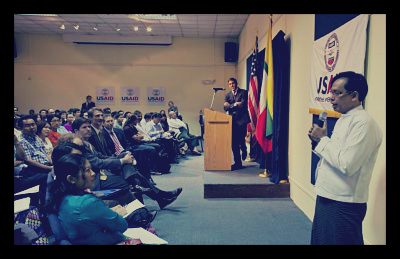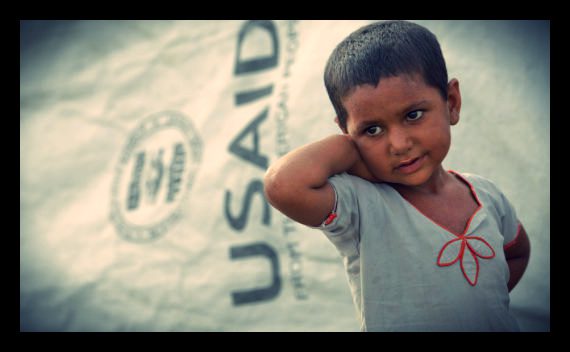
President Obama revealed his proposed budget for 2014 and much to the surprise of many, there was a slight increase in foreign aid in the proposal. Requested funds for foreign aid equaled somewhere around $52 billion which is a slight bump over this year’s budget. Increased funds for global health and development assistance were included as well as a decrease in military aid to foreign countries. The proposed budget also called for a major overhaul of the US food-aid programme to save money and invest more wisely in food production and improvement rather than on shipping costs.
The International Affairs budget funds USAID and the State Department as well as the United States’ donations to the United Nations and other similar institutions. It also provides funds for natural disaster emergencies and embassy support. The proposed budget will now be passed to the House and Senate where they will debate the proposed funds. If an agreement cannot be reached again this year, major across-the-board spending cuts will go into effect again. One thing that did not change in the proposed budget was the proportion of the budget that goes towards foreign aid, which still amounts to only slightly more than 1% of overall spending. Compared to the defense budget, which is around $527 billion, there is still a large gap in appropriated government funds.
Advocates of foreign aid spending have long complained of the disconnect between aid and diplomacy, citing that without increased development, unstable countries will struggle to become stable. Leaders are working with Congress to call for the necessary funds to promote global development, innovation, and provide resources to those in poverty. The proposed budget caused non-profit and non-government leaders to breathe a slight sigh of relief as their funds were not initially proposed to be cut. While budget cuts must be made, foreign aid is an area where the funds are causing global change, reducing poverty, and increasing the safety of both US citizens and citizens of other countries.
The proposed budget is also the perfect time for advocacy. As Senators and Representatives must make decisions about the final budget, calls advocating for foreign aid and funds focused towards reducing global poverty can make a real impact.
Find your senators and representative here and make a 30 second call to keep foreign aid fully funded.
– Amanda Kloeppel
Source: The International News Magazine
Photo: Council on Foreign Relations
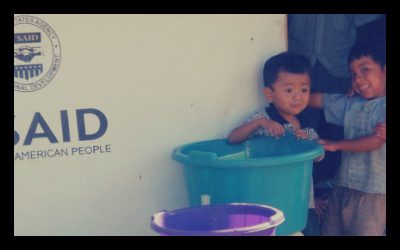
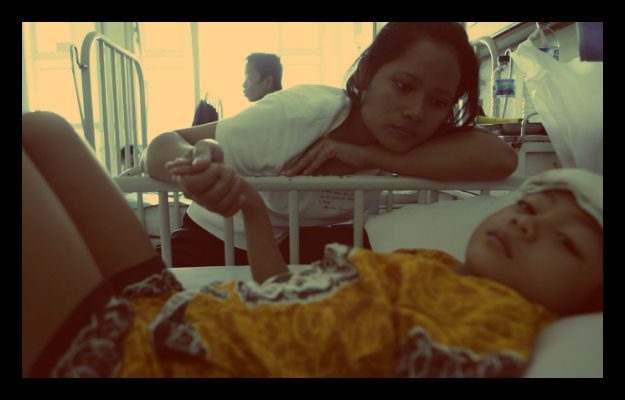 Neglected tropical diseases, which are chronic and barely heard of by the public, have been proven to cause poverty and destabilize communities. Neglected tropical diseases generally affect people in poor regions, primarily those living on one dollar a day. However, recent research shows that the worst neglected tropical diseases, NTDs, happen to the poorest people living in “large emerging market economies that comprise the G-20,” which have a GDP close to that of Western European countries. NTDs cause various things including, “greusome limb disfigurement and skin sores to bladder and liver cancers to neurological damage,” and they tend to last for years or decades.

 USAID holds a unique position in that its main objective is to put itself out of business. In order to achieve this goal, USAID established USAID Forward.
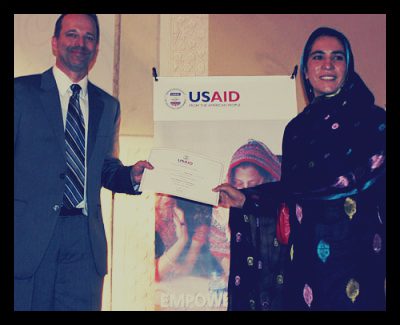 USAID funds partnerships with Higher Education for Development (HED) to encourage women’s leadership throughout a number of developing countries, including South Sudan, Rwanda, Paraguay, and