• Link to X
  • Link to Facebook
  • Link to Instagram
  • Link to TikTok
  • Link to Youtube
  • About
    • About Us
      • President
      • Board of Directors
      • Board of Advisors
      • Financials
      • Our Methodology
      • Success Tracker
      • Contact
  • Act Now
    • 30 Ways to Help
      • Email Congress
      • Call Congress
      • Volunteer
      • Courses & Certificates
      • Be a Donor
    • Internships
      • In-Office Internships
      • Remote Internships
    • Legislation
      • Politics 101
  • The Blog
  • The Podcast
  • Magazine
  • Donate
  • Click to open the search input field Click to open the search input field Search
  • Menu Menu

Archive for category: USAID

Topics covering about USAID

Technology, USAID

How is NASA Related to Development?

How is NASA Related to Development?
A recent event held by the Society for International Development in Washington, DC highlighted the SEVIR program, a joint venture of NASA and USAID. Started in 2004 the program provides essential geospatial and earth-based observations to developing countries in Central America, Africa and the Himalayas. This information is used to monitor environmental impacts and natural disaster damages.

Science experts help convert the raw data into a usable form that governments and non-governmental organizations can use. USAID provides the developmental expertise to assist in directing this information to useful topics and applicable to issues confronting developing nations. SERVIR provides information in the following areas of interest for developing nations: water, weather, biodiversity, climate, disasters, ecosystems, and air and health quality.

USAID also assists the host governments to build technological capacity. The program’s goal is for host governments to assume responsibility for the scientific data and application. In order to support this self-sustaining aspect, the program implementers work closely with the host nations.

NASA and USAID signed a Memorandum of Understanding (MOU) in 2011 that expanded SERVIR’s programs to include food security, climate change, and environmental and energy management.

NASA and USAID also partner with the State Department and Nike on LAUNCH, a program encouraging technology innovation in the private and public sectors to help create a better world. In April the LAUNCH partners held a conference focusing on sustainable material development. Under this call for technological innovation, individuals or teams may submit project ideas. Those selected will participate in a creative immersion project with funding opportunities.

Previous recipients of LAUNCH support include projects for clean water, renewable energy, and biodegradable vaccination needles, and future projects supported by NASA and USAID feature the promotion of education in the sciences.

The SID Washington event focused on SERVIR’s projects in the Hindu-Kush Himalayan region. The Himalayan regional node, launched in 2010, provides satellite imagery of rural, mountain areas previously unavailable. Countries served by the Himalayan regional node include Afghanistan, Bangladesh, Bhutan, China, India, Nepal, and Pakistan.

– Callie D. Coleman
Sources: NASA, SIDW, Nike Inc.
Photo: Engadget

July 24, 2013
https://borgenproject.org/wp-content/uploads/borgen-project-logo.svg 0 0 Borgen Project https://borgenproject.org/wp-content/uploads/borgen-project-logo.svg Borgen Project2013-07-24 07:15:472020-07-19 22:16:20How is NASA Related to Development?
Global Poverty, USAID

900 Million: Just Past Poverty

International-Monetary-Fund-report
While 1.2 billion people live in poverty, subsisting on less than $1.25 a day, a recent study published by the International Monetary Fund states that 900 million people are at risk of falling into poverty if another economic crisis occurs.

A significant recession such as the Great Recession that hit the global economy in 2008 could increase the number of people living in poverty by as much as 75 percent.  This would add three times the size of the U.S. population to the world’s poor, greatly increasing the strain on humanitarian and foreign aid organizations.

The IMF report does praise the work that has been done to alleviate global poverty and bolster the world economy, but it cautions against reductions in foreign aid.

While USAID creates new markets and trade partners for the United States, roughly 40 percent of the world’s population remains unemployed. The recent recession exacerbated income inequalities, making it more difficult for the employed to support their families on their existing income.

A subsequent recession could occur if the eurozone, already destabilized by the Cyprus bailout, is further disrupted, so the U.S. government would have to maintain or increase USAID in order to support expansions to its programs.

The number of people currently living in poverty already makes up about 17% of the world’s population, and 900 million more would raise this number to 30 percent.

– Katie Bandera

Sources: IMF, The Guardian, The Huffington Post
Photo: Worldwide Center

July 23, 2013
https://borgenproject.org/wp-content/uploads/borgen-project-logo.svg 0 0 Borgen Project https://borgenproject.org/wp-content/uploads/borgen-project-logo.svg Borgen Project2013-07-23 04:00:452024-06-04 02:43:55900 Million: Just Past Poverty
Technology, USAID

Peanuts and Feed the Future Empower Women in Zambia

Peanuts and Feed the Future Empower Women in ZambiaMany think of them as a fun salty snack for baseball games or a key ingredient in the classic PB&J, but for a large group of women in the eastern province of Zambia where nearly 85 percent of the labor force works in agriculture, peanuts are a way of survival and the means to a better life. Peanuts are the number one crop grown in this area by women. To improve the efficiency of the production and sale of this crop would mean a huge increase in their quality of life.
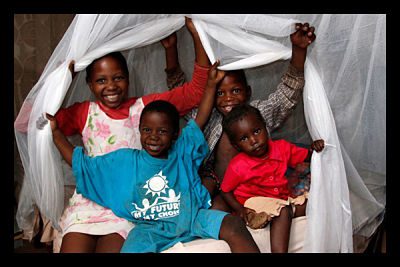
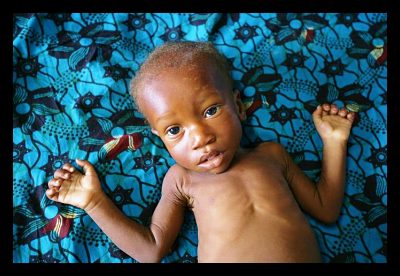
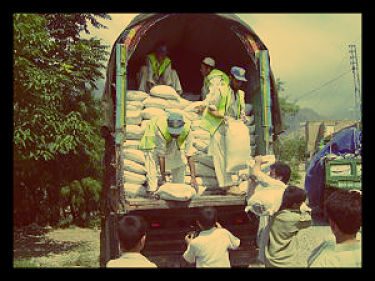
One project by President Obama’s Feed the Future initiative is working to teach female peanut farmers how to double their yield of peanuts, and increase their product market by producing a variety of different peanut products, like peanut oil and peanut butter. The initiative is partnering with the Zambian Government Agricultural Research Institute to train the women to become certified to grow higher quality hybrid seed varieties. Selling these seeds will bring in a much higher profit than the seeds the women were originally producing.

In order to help the women create different peanut products, Feed the Future provided a grant to the Katete Women’s Development Association, an organization that empowers women to grow crops like peanuts, for peanut oil expeller, which will help the women enter into the market of peanut processing. The new presser will help the women’s work to remain sustainable even after their donors have left. As long as they have the expeller, they can work themselves to turn their peanuts into profitable peanut products.

Not only will the higher quality peanut crop and new processing technologies help the women increase their quality of life, but they will be working in a business usually reserved for men. In most other countries, men are primarily in charge of producing and marketing the product, giving them all of the opportunities for further success. Feed the Future’s work is giving women the same opportunities and breaking the social boundaries of agricultural work in Africa.

– Emma McKay

Sources: USAID, CIA World Factbook
Photo: Flickr

July 22, 2013
https://borgenproject.org/wp-content/uploads/borgen-project-logo.svg 0 0 Borgen Project https://borgenproject.org/wp-content/uploads/borgen-project-logo.svg Borgen Project2013-07-22 06:00:462024-05-25 00:03:23Peanuts and Feed the Future Empower Women in Zambia
Aid Effectiveness & Reform, Malaria, USAID

USAID Distributes 12 Mil Mosquito Nets in Ghana

Nets to Ghana
The Promoting Malaria Prevention and Treatment (ProMPT) Project in partnership with USAID and the Ghana Health Service has developed an innovative way to distribute mosquito nets in Ghana. The ProMPT project has delivered over 12 million mosquito nets to prevent the spread of malaria in Ghana. The four year project has given households training on how to use treated mosquito nets that are covered with insecticide to kills the mosquitoes. USAID was a major donor of the $20 million dollar project and support from the U.S. and Ghana governments was strong.

The Ghana Health Service has worked hard to educate citizens against malaria. The ProMPT project strengthened malaria prevention through door-to-door mosquito net distribution, increasing prevention efforts geared towards pregnant women, and improving malaria treatment in health care facilities. The project also utilized community volunteers to educate households on the proper way to hang a mosquito net.

USAID acknowledged the success of the project was only possible through the collaborative efforts of the USAID, the Ghana Health Service, and the government of Ghana. The holistic nature of the project and the inclusion of factors relating to prevention, education, and treatment led to a drastic reduction in malaria-caused deaths. Program officers encourage other organizations to adopt the collaborative model in other malaria prevention projects.

In Ghana, malaria is a major problem for the country’s overall health. Over 40% of outpatient illnesses and visits in health care facilities are contributed to malaria as well as a third of all admissions. The World Health Organization attributed around 14,000 annual childhood deaths in Ghana to malaria as well. The goal is to reduce the impact of malaria in Ghana by 75% by the year 2015.

The program worked to put at least one net in every dwelling place as well as educate health care workers on proper malaria management and prevention. Areas of focus were especially on women who are pregnant and health care facility management of malaria care. The program has so far trained 21,000 health care workers in over 2,000 health care facilities. The ProMPT project officially ended in March,but Ghana plans to continue the efforts began in the prevention of malaria.

– Amanda Kloeppel

Source: Science Codex
Photo: Ghana Health Nest

July 13, 2013
https://borgenproject.org/wp-content/uploads/borgen-project-logo.svg 0 0 Borgen Project https://borgenproject.org/wp-content/uploads/borgen-project-logo.svg Borgen Project2013-07-13 04:40:302020-05-14 11:05:41USAID Distributes 12 Mil Mosquito Nets in Ghana
USAID

Poverty in Liberia

Poverty in Liberia
Located on the western coast of Africa, Liberia is a country rich with beauty and natural resources. The lush green landscape is home to many precious gems and metals. Despite this, poverty in Liberia is a large problem. It ranks 174 out of 187 on the United Nations Development Index. Infectious disease runs rampant in the country and the majority of Liberians have little to no education. Two civil wars in the last 30 years have decimated the country’s infrastructure and led to widespread poverty.

Liberia’s population consists mainly of smallholder farmers that struggle to produce enough to feed their families. This has led to poverty in Liberia reaching 68 percent and 35 percent of the population being malnourished. The civil wars have left the country with inadequate roads, water and other basic infrastructure, which has proving a significant barrier for economic growth.

The country’s civil wars also contributed to the over 250,000 Liberian orphans who frequently suffer from malnutrition and are sometimes completely abandoned. Liberia’s education and health systems are both in need of great improvement. The lack of health care access often leads to high fatality rates among those with treatable or preventable diseases. As far as education goes, only half of Liberians are literate, and many Liberian children are kept out of school in order to help on their families’ farms.

The focus of USAID in combating poverty in Liberia is collaborating with the Liberian government to help rebuild the infrastructure and revitalize mining and other utilization of natural resources in the country. Government strategies focus on stimulating the private sector by providing access to credit and infrastructure to Liberians.

The good thing about Liberia is that it has the landscape and resources available to make it a prosperous country.  Now that a stable government is in place, infrastructure can be rebuilt and resources can be utilized to their full potential. For this reason, one of the pillars of USAID’s action in Liberia is strengthening Democracy and Governance.  Once infrastructure is rebuilt, and this can happen rapidly with the help of USAID, the resources flowing out of Liberia will benefit the global economy and western investment will be paid back in spades.

– Martin Drake

Sources: Children of the Nations, USAID
Photo: UNICEF

July 12, 2013
https://borgenproject.org/wp-content/uploads/borgen-project-logo.svg 0 0 Borgen Project https://borgenproject.org/wp-content/uploads/borgen-project-logo.svg Borgen Project2013-07-12 04:00:172019-08-22 13:35:00Poverty in Liberia
Development, USAID

What is International Relief and Development?

What is International Relief and Development?
While some humanitarian organizations will avoid areas of conflict, members of International Relief and Development (IRD) seek it. IRD, a non-profit relief organization founded in 1998, believes that proper governance is necessary for all other sectors’ infrastructure to develop. Since 2001, it has initiated and managed over $1 billion dollars of infrastructure projects. The numbers, however, are less important when we want to see results.

The United States Agency for International Development (USAID) has been a partner and donor of IRD since its beginning. It is the largest donor to IRD and therefore, we can expect USAID’s vision of good governance and universal human rights to filter through in its work. IRD also partners with the US State Department, United Nations and World Bank.

International Relief and Development has over 2,900 staff worldwide. IRD prides itself on the fact that over 90 percent of these staff members are hired locally. There are currently 122 projects worldwide, the majority taking place in the Middle East.

Infrastructure in West Bank

In the West Bank, IRD was awarded the 2008 INP IQC ―Infrastructure Needs Program Indefinite Quantity Contract. This USAID-led 5 year-long contract was awarded to only four organizations; IRD was the only non-profit to receive the contract. The infrastructure building of roads, schools, and water development systems were the main focus of this 300 million dollar project. West Bank, located in the Palestinian territory near the state of Israel, is one the most desperate regions in the world that seeks independence and peace with its neighbors.

Iraqi Water Supply

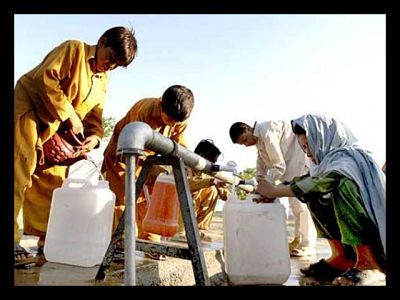
The challenge of obtaining potable water is found all over the world. In Iraq, IRD addressed the needs of 15,000 residents of a neighborhood in Baghdad. The Iraqi Community Action Program was granted the funds it requested. The funds, which came from USAID, helped a water production unit run at its full capacity, fully supplying the neighborhood with ample water. Instead of functioning on its previous level of 13,000 gallons per hour, it ran at 50,000 gallons per hour.

Vocational Training in Pakistan

To understand what the solutions to poverty are, we have to understand that they are many. This includes vocational training to give people the skills they need in order to support their families. Some families lose a breadwinner in the family due to war or war-related violence. In Charsadda, Pakistan, IRD, in conjunction with USAID, implemented a vocational training program in tailoring, electrical work, auto mechanics, computing, and others. In addition to receiving the training, the 116 Pakistanis that participated in the program also received small grants to start their own business.

These projects and many more are just prime examples of the work USAID funds through reputable organizations such as IRD. With its professionalism, good ethics, and ability to work in all regions in the world, International Relief and Development live up to its name.

– Aysha Rasool
Feature Writer

Source: IRD Success Stories, USAID, IRD
Photo: International Relief and Development

July 1, 2013
https://borgenproject.org/wp-content/uploads/borgen-project-logo.svg 0 0 Borgen Project https://borgenproject.org/wp-content/uploads/borgen-project-logo.svg Borgen Project2013-07-01 05:00:462024-06-05 01:53:32What is International Relief and Development?
USAID

Dangerous Life for those Living on Landfills

Living_in_Landfills

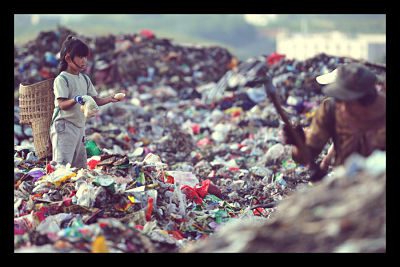
Landfills remain out of sight and out of mind for most people living in the United States, but many of the world’s poor depend on these collections of waste for their income and food. Though landfills allow people to survive in the short term, they often sicken and kill the people who attempt to live off of them.

What Is a Landfill?
A landfill is basically a mound of trash composed of many “cells” of compacted materials. In the United States and other developed countries, landfills are covered with several layers of soil at the end of each day and are capped with plastic, soil and grass once they hit capacity. These measures reduce the amount of toxins that leak out of landfills, protecting surrounding communities.

Environmental Hazards
Even the most regulated landfills have been proven to seep huge amounts of leachate, a toxic liquid that is released by trash into groundwater and soil. This chemical causes birth defects and contributes to higher incidences of bladder cancer, liver cancer, lung cancer, leukemia, and non-Hodgkin’s lymphoma. According to CNN, landfills also seep high amounts of methane, which is “20 times more powerful than CO2” at heating the atmosphere.

Disparities in Regulation
According to the United Nations Environmental Protection Programme, “tens of thousands of square kilometers of land” worldwide have been contaminated by inadequate landfills. Most of these landfills do not meet minimum standards and include massive amounts of untreated waste, yet they have become a source of subsistence for the world’s poor.
Living off of Landfills
Hundreds of thousands of the world’s poorest citizens live and work on landfills, deprived of education and access to basic social services. In Indonesia, for example, more than 2,000 families live on the Bantar Gebang landfill that lies outside of Jakarta, selling or consuming salvageable materials in order to survive. In Baguio, Philippines, a 2011 typhoon caused the wall of the Irisan Dumpsite to collapse, killing three people. Though there are high incidences of death and disease among those who live on or near landfills, most of them lack other opportunities and are forced to live amongst waste to survive.

Solutions
In order to begin addressing the danger faced by those living on landfills, the international community must strengthen environmental regulations and address immediate hazards such as untreated waste. It is costly to redevelop landfills, but doing so can greatly limit the amount of harmful chemicals to which surrounding populations are exposed.
Organizations such as USAID also provide those living on landfills with access to sustainable sources of income. In 2010, USAID helped 930,000 people “to improve their incomes through sustainable natural resource management,” veering them away from the hazardous environment of landfills. USAID is also working with countries such as India, Russia and Turkey to channel methane emissions into sustainable energy. While harmful when released into the atmosphere, methane can be used as an inexpensive energy source.
Thousands continue to subsist off of others’ waste, but USAID and other aid organizations are gradually helping the world’s poor to leave landfills in turn for safer economic opportunities.

– Katie Bandera
Source: CNN, Sixwise, GMA News Online, YouTube, EPA
Source: News 163

June 28, 2013
https://borgenproject.org/wp-content/uploads/borgen-project-logo.svg 0 0 Borgen Project https://borgenproject.org/wp-content/uploads/borgen-project-logo.svg Borgen Project2013-06-28 10:04:502024-12-13 17:49:27Dangerous Life for those Living on Landfills
Technology, USAID

What is PEER?

What is PEER?
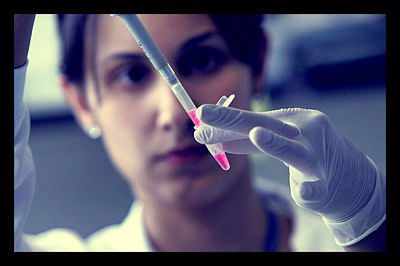
PEER or, Partnerships for Enhanced Engagement in Research, is a collaboration between the U.S. Agency for International Development (USAID) and the U.S. National Science Foundation (NSF). PEER is a competitive grant program that allocates money to scientists in developing countries, who are working on research that is of importance to the development of their respective regions. PEER focuses on granting money to scientists whose research involves food security, climate change, or other development tools such as biodiversity and renewable energy. PEER attempts to create connections between scientists of developed countries and scientists of developing countries. The grants allow these scientists to conduct research that they would not have been able to do without a grant. PEER is a relatively new program, being two years old.

Alex Dehgan, science and technology advisor to USAID Administrator Rajiv Shah commented, “…PEER Science has provided over $12 million to 98 projects in 40 countries, and we are already seeing the tremendous benefits of bringing together developing and developed country researchers to solve some of our greatest global development challenges.”

Previous PEER success stories include reducing the risk of landslides and earthquakes in Lebanon and Bangladesh, decreasing air pollution in Mongolia, and improving the resilience of coral reefs and related habitats in Indonesia. PEER allows scientists in 87 countries to apply.

DeAndra Beck, program director for developing countries at NSF said, “With two or more parties contributing resources, a true intellectual partnership can be established, maximizing the potential to advance the pursuit of science and development in new and creative ways.”

PEER just announced its second cycle of awardees this June. PEER selected 54 new projects to receive a portion of the $7.5 million allocated to this cycle. Awardees were chosen out of 300 highly qualified applicants. These 54 projects reach across 32 countries and will focus on development issues. This has been an incredibly successful program in the short two years it has been running. Its innovative idea to connect scientists all over the developing world has been very effective in solving certain development issues.

– Catherine Ulrich

Sources: National Academies, All Africa
Photo: Minnesota Public Radio

June 26, 2013
https://borgenproject.org/wp-content/uploads/borgen-project-logo.svg 0 0 Borgen Project https://borgenproject.org/wp-content/uploads/borgen-project-logo.svg Borgen Project2013-06-26 10:29:242020-07-06 18:21:25What is PEER?
Development, Food Security, USAID

No Annual Food Aid and Development Conference

usaid_food_crisis_aid_international_foreign_policy_un_budget_cut_opt

Federal budget constraints are beginning to take a toll on development and food aid efforts for the world’s poor.

After 14 years of meeting annually to discuss global development and food aid, the United States Agency for International Development (USAID) and the U.S. Department of Agriculture (USDA) confirmed this week there will be no International Food Aid and Development Conference (IFADC) in 2013 because of the current federal government budget constraints.

According to Food Business News, the agencies said, because of “U.S. government agencies facing a difficult budget environment and being urged to minimize conference events in light of these budget constraints.”

Previous IFADCs pulled together 700 or more participants from around the world, representing major food assistance program stakeholders. Meetings included representatives from U.N. agencies including the World Food Programme, officials from recipient countries, private charitable organizations, and USDA and USAID staff for the meetings in Kansas City every year.

Instead of multiple days of conference meetings as in previous years, USDA and USAID will replace the Kansas City conference with a one-day public meeting in Washington in November 2013. The meeting will be held as an add-on to the Food Aid Consultative Group meeting.

“We know that this is not a complete substitute for the IFADC and that we will have to be creative and thoughtful in how we organize this event. USDA and USAID will reach out to stakeholders during the planning of the one-day meeting,” conference organizers said.

– Liza Casabona

Source: Food Business News
Photo: Guardian

June 18, 2013
https://borgenproject.org/wp-content/uploads/borgen-project-logo.svg 0 0 Borgen Project https://borgenproject.org/wp-content/uploads/borgen-project-logo.svg Borgen Project2013-06-18 05:17:542021-06-21 17:21:12No Annual Food Aid and Development Conference
Aid Effectiveness & Reform, Foreign Aid, Global Poverty, USAID

Pact: Building Local Promise

Pact
Pact is a United States based non-governmental organization (NGO) that focuses on developing communities in regions of the world plagued by health crises, resource dependence, and extreme poverty. Its unique operating procedure partners donors with local communities in such regions as Southeast Asia, Eastern Europe, and sub-Saharan Africa. Pact was founded in 1971 to oversee the distribution of small-scale USAID grants to development assistance organizations.

Pact’s three core values of (a) local solutions, (b) partnerships, and (c) results, put people at the center of their approach. With over 10,000 local partners, Pact customizes its system for every community. For example, Pact leads a development project in Ethiopia funded by USAID. It involves local and federal governments, NGOs, and nonprofits to provide health treatment and formal education for nearly 50,000 kids and adults.

The NGOs focus on local solutions, allowing vulnerable populations to take responsibility for the aid they will receive. Capacity development is highly prioritized in the regions served by Pact; local governments are developed, infrastructure is improved, and effective governance systems are formed.

Partners with Pact, small and large organizations alike, are also assured of progress with tangible success. The organization publishes a yearly report, called “Measuring Pact’s Mission,” where six different impact areas are examined. These impact areas include health, livelihood, natural resource management, and state-society engagement.

While accountability and effectiveness are frequent concerns of NGOs, Pact is the first USAID partner to publish its program data to the International Aid Transparency Initiative (IATI). IATI aims to provide information about NGO spending and its measurable results. While the Initiative is relatively new – the first annual report of IATI was published at the end of April 2013 – it promises a clear picture of where aid money goes.

Pact works in more than 25 countries worldwide, and its program services are incredibly diverse. These programs include formal schooling for children in several African nations, the improvement of health care for HIV/AIDS patients in the Ukraine, and the responsible micro-financing of productive enterprises in Myanmar. Pact’s holistic view of global development and its commitment to aid transparency make the organization a prime example for other development-focused NGOs.

– Naomi Doraisamy

Sources: Pact, International Aid Transparency Initiative
Photo: Pact Facebook

June 17, 2013
https://borgenproject.org/wp-content/uploads/borgen-project-logo.svg 0 0 Borgen Project https://borgenproject.org/wp-content/uploads/borgen-project-logo.svg Borgen Project2013-06-17 06:14:512024-12-13 17:49:22Pact: Building Local Promise
Page 30 of 33«‹2829303132›»

Get Smarter

  • Global Poverty 101
  • Global Poverty… The Good News
  • Global Poverty & U.S. Jobs
  • Global Poverty and National Security
  • Innovative Solutions to Poverty
  • Global Poverty & Aid FAQ’s
Search Search

Take Action

  • Call Congress
  • Email Congress
  • Donate
  • 30 Ways to Help
  • Volunteer Ops
  • Internships
  • Courses & Certificates
  • The Podcast
Borgen Project

“The Borgen Project is an incredible nonprofit organization that is addressing poverty and hunger and working towards ending them.”

-The Huffington Post

Inside The Borgen Project

  • Contact
  • About
  • Financials
  • President
  • Board of Directors
  • Board of Advisors

International Links

  • UK Email Parliament
  • UK Donate
  • Canada Email Parliament

Get Smarter

  • Global Poverty 101
  • Global Poverty… The Good News
  • Global Poverty & U.S. Jobs
  • Global Poverty and National Security
  • Innovative Solutions to Poverty
  • Global Poverty & Aid FAQ’s

Ways to Help

  • Call Congress
  • Email Congress
  • Donate
  • 30 Ways to Help
  • Volunteer Ops
  • Internships
  • Courses & Certificates
  • The Podcast
Scroll to top Scroll to top Scroll to top