• Link to X
  • Link to Facebook
  • Link to Instagram
  • Link to TikTok
  • Link to Youtube
  • About
    • About Us
      • President
      • Board of Directors
      • Board of Advisors
      • Financials
      • Our Methodology
      • Success Tracker
      • Contact
  • Act Now
    • 30 Ways to Help
      • Email Congress
      • Call Congress
      • Volunteer
      • Courses & Certificates
      • Be a Donor
    • Internships
      • In-Office Internships
      • Remote Internships
    • Legislation
      • Politics 101
  • The Blog
  • The Podcast
  • Magazine
  • Donate
  • Click to open the search input field Click to open the search input field Search
  • Menu Menu

Archive for category: Nonprofit Organizations and NGOs

Information and stories about nonprofit organizations and NGOs

Global Poverty, Nonprofit Organizations and NGOs, Poverty Reduction

Major Facts About Poverty in Okinawa

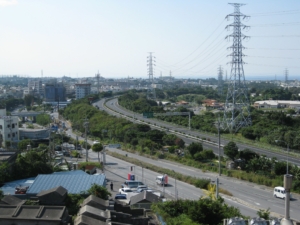
Poverty in OkinawaOkinawa is one of the largest islands within the Ryukyu island chain and the smallest prefecture in Japan. Formally known as the Ryukyu Kingdom, Okinawa is known internationally as an island travel destination and a Blue Zone area. A hidden struggle among Okinawan residents lies within the region’s rich culture and beautiful beaches. While Japan is considered a nation with high national well-being, poverty in Okinawa is 35%, twice the national average.
Single-Parent Household Ratios Are High

Contributing to poverty in Okinawa are single-parent or single-mother households. According to Professor Yanfei Zhou of Japan Women’s University from the documentary “The Ones Left Behind: The Plight of Single Mothers in Japan,” despite single-parent households having a high employment percentage of 85%, 48.3% of the households are in poverty.

In Okinawa, single-mother households are the majority, resulting in a 30% child poverty rate that is almost double the national average. Many of these single-mother households have to work two jobs, with their second being a hostess at nightclubs.

US Military Facilities Dominate Okinawa

Many of Okinawa’s poverty-related issues stem from Japan’s relationship with the U.S. military. After World War II and the devastating 1945 Battle of Okinawa, Japan allowed the U.S. to establish military facilities on the island, bases that remain in place today.

Due to the 1945 battle devastating Okinawa’s existing infrastructure and major agricultural fields being demolished for military facilities, the prefecture experienced major economic infrastructure development delays.

About half of all U.S. forces in Japan remain in Okinawa today, an island that makes up less than 0.6% of the country’s territory. The weak infrastructure on the island continues to contribute to the low employment rates and poverty in Okinawa.

Unemployment Rates Are High

According to e-Stat, Okinawa’s unemployment rate was 8.1% in 2023, the highest percentage among Japan’s prefectures. Many factors contribute to this, including limited infrastructure due to the U.S. military presence, dependence on a tourism industry with low wages and unstable work and low university enrollment among young people. The island’s geographic isolation from mainland Japan also worsens unemployment and poverty in Okinawa.

Okinawa Lacks Support From the Japanese Government

Although the Japanese government provides Okinawa with more than $2 billion in annual financial support, the relationship between Okinawan residents and the state remains complicated. Many oppose current plans to relocate the U.S. Marine Corps Air Station from Futenma to the coast of Henoko, reflecting longstanding resentment over the U.S. military presence.

Japan’s colonization of the former Ryukyu Kingdom and deep cultural differences between Okinawa and the mainland have also fueled tension. As a result, Okinawa is often viewed as neglected compared to other Japanese prefectures.

Organizations Providing Aid

While poverty in Okinawa stems from many factors, nonprofit organizations and local leaders continue to fight for change. HelpOki, a volunteer-based nonprofit founded in 2011, works to combat poverty by providing vital resources and support to those in need. To address food insecurity, the group established Okinawa’s first food bank and continues to supply essentials to homeless shelters, foster homes and other community organizations.

Organizations outside Okinawa are also working to fight poverty in the prefecture. Second Harvest Japan, the country’s first incorporated food bank, aims to build a nationwide food safety net. In 2020, in collaboration with Barclays, it launched the Usagamisore Project. The initiative provided food to 30,000 households in Okinawa during the COVID-19 pandemic and continues to serve the community while expanding its reach to the greater Tokyo area.

Local leaders have also made slow but steady plans to make Okinawa more self-reliant. They aim to reduce poverty and unemployment rates while still addressing residents’ concerns with U.S. forces and their presence in Okinawa.

– Skylar Paxton

Skylar is based in Lake Forest, CA, USA and focuses on Good News and Politics for The Borgen Project.

Photo: Wikimedia Commons

August 21, 2025
https://borgenproject.org/wp-content/uploads/borgen-project-logo.svg 0 0 Lynsey 2 https://borgenproject.org/wp-content/uploads/borgen-project-logo.svg Lynsey 22025-08-21 03:00:092025-08-20 16:18:49Major Facts About Poverty in Okinawa
Global Poverty, Nonprofit Organizations and NGOs, Poverty Reduction, USAID

Private Foundations Expanding Global Aid Amid USAID Cuts

Private Foundations Expanding Global Aid Amid USAID CutsIn early 2025, the new White House administration initiated sweeping changes to the United States (U.S.) foreign aid policy, placing a 90-day pause on all new obligations and disbursements from the U.S. Agency for International Development (USAID). This move, part of a broader effort to “reevaluate and realign” foreign assistance with American interests, has significantly reduced the federal government’s role in global development and has significantly decreased foreign assistance to countries across the world.

Concerns Over USAID Cuts

The administration’s budget proposal includes an $8.3 billion cut to foreign assistance, effectively dismantling large portions of USAID. These cuts have raised concerns among international development experts. Humanitarian organizations warn that the withdrawal of U.S. support could destabilize fragile economies and undo decades of progress in global health, education and poverty reduction. In the wake of these reductions, experts have noted that the following foundations are expanding global aid amid USAID cuts.

Private Foundations Expanding Global Aid

  • The Bill & Melinda Gates Foundation. The Gates Foundation, already one of the largest private funders of global health initiatives, has increased its investments in vaccine distribution, agricultural development and maternal health. The foundation is increasing its notoriety, as Microsoft Co-founder and philanthropist Bill Gates has set forth the largest philanthropic commitment in history, planning to raise $200 billion by 2045. The organization’s goals in global health and development aim to reduce health inequities by developing innovative tools and strategies to combat infectious diseases and leading causes of child mortality in developing countries. The organization, so far, has gained upwards of $8 billion in charitable support, with partners of the organization spanning 130 countries. 
  • The Rockefeller Foundation. Created by John D. Rockefeller in 1913, the Rockefeller Foundation has grown to be one of the largest philanthropic organizations in the U.S., investing more than $26 billion in philanthropic capital in the last century.  The organization’s three main areas of work globally are health, food and power.  The organization mostly aims to help people in the U.S., but also in areas such as Africa and Asia. By addressing health globally, the organization aims to increase health equity by centering on vulnerable communities, scaling cross-sector innovations, securing sustainable financing and aligning global partnerships and policies for lasting impact. For food prosperity, the Rockefeller Foundation supports innovative tools, smart policies and public procurement strategies that build a sustainable food system—one that values the environment, local economies and racial equity. The main sector the organization deals with is renewable energy and power. While working with the Global Energy Alliance for People and Planet (GEAPP), the Rockefeller Foundation introduced renewable energy in more than 80 nations, mostly in Africa and Asia, where access to electricity remains limited.
  • Open Society Foundations. Founded by George Soros, the Open Society Foundations (OSF) is one of the world’s largest philanthropic organizations, which has donated more than $32 billion to support its mission. In 2023 alone, it donated $1.7 billion in funding. OSF works worldwide to promote justice, human rights and democratic governance through various initiatives. Its philanthropic efforts extend across continents—including Africa, Asia, Europe, Latin America and the U.S. The foundation grants thousands of dollars each year to individuals and organizations that share its values, emphasizing long-term partnerships, quick-response funding during government crises and strategic litigation. 
  • The William and Flora Hewlett Foundation. The William and Flora Hewlett Foundation is a major philanthropic organization dedicated to advancing global foundations through grants and long-term partnerships. Founded in 1966 by Bill and Flora Hewlett, the foundation supports initiatives that promote education, environmental sustainability, gender equity and democratic governance across the world.  Globally, it funds efforts to combat climate change, expand access to reproductive health and empower women economically, particularly in East and West Africa and Mexico. Indeed, in 2024 alone, the organization awarded $148.6 million in grants to promote gender equity and governance in these regions. Evidence-informed policymaking through governance is one of its strategies for increasing gender equity and this empowers policymakers to effectively use data and evidence in meeting the needs of citizens through organizations that work with the foundation. The foundation invests in strengthening civil society and inclusive governance, aiming to build effective communities and institutions. 

Looking Ahead

These foundations expanding global aid continue to play a crucial role in supporting foreign assistance, especially during periods of uncertainty in public funding. Indeed, their growing influence highlights the increasing role of private foundations in driving global aid efforts. As current funding evaluations wrap up, the trajectory of foreign assistance remains unclear. In the meantime, global development initiatives look set to increasingly rely on the strength and commitment of the philanthropic sector.

– Dylan Fly

Dylan is based in Detroit, MI, USA and focuses on Business and Technology for The Borgen Project.

Photo: Flickr

August 21, 2025
https://borgenproject.org/wp-content/uploads/borgen-project-logo.svg 0 0 Precious Sheidu https://borgenproject.org/wp-content/uploads/borgen-project-logo.svg Precious Sheidu2025-08-21 01:30:052025-08-20 16:08:36Private Foundations Expanding Global Aid Amid USAID Cuts
Education, Global Poverty, Nonprofit Organizations and NGOs

STEMINC Transforming STEM Education in Ghana

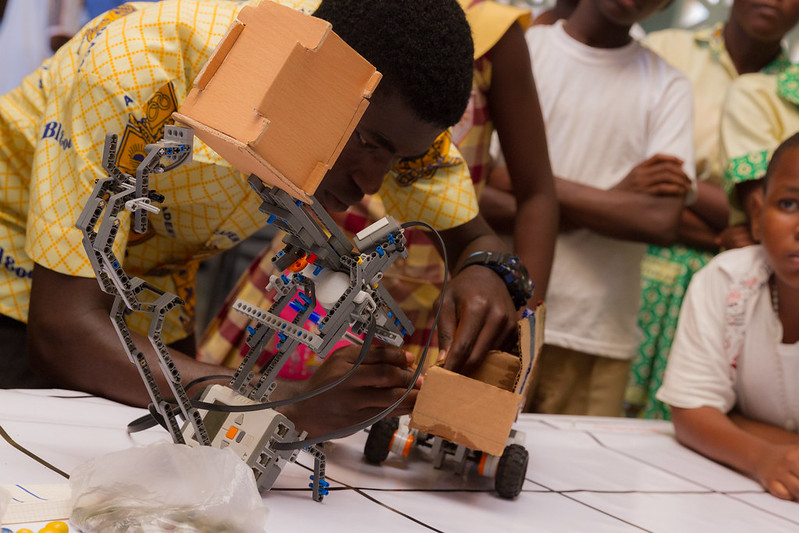
STEM Education in GhanaScience and technology shape everything from communication to combating disease and building resilient economies. Yet, in many parts of Ghana, access to quality Science, Technology, Engineering and Mathematics (STEM) education remains deeply unequal. Despite the government’s push to prioritize STEM through policies like the Education Strategic Plan (2018–2030) and the rollout of STEM-designated senior high schools, interest remains low. In 2023, only 9.4% of candidates from public basic schools in the Prestea Huni‑Valley Municipality opted for STEM-related programs in the BECE exam. These figures reveal a gap between policy and participation. 

The Significance of STEM

Around the globe, STEM fields are engines of innovation, economic growth and job creation. For developing countries like Ghana, investing in STEM is not just about keeping up with the digital age, it’s about tackling youth unemployment, improving health care, strengthening infrastructure and reducing poverty. According to the World Bank, enhancing STEM skills across Africa can power economic growth and innovation in sectors like green energy, climate resilience, cybersecurity and health systems.

The Ghanaian government has recognized this through recent policy reforms, including the construction of STEM-focused senior high schools and curriculum upgrades that integrate coding and robotics. However, access to quality STEM education is still a privilege, not a guarantee, especially for students in underserved and rural areas. According to Africa Education Watch, only 2% of deprived basic schools in Ghana have functioning ICT labs, compared to just 8% in better-endowed schools, severely limiting students’ ability to engage with STEM subjects.

According to the United Nations Educational, Scientific and Cultural Organization’s (UNESCO) 2023 Global Education Monitoring Report, only about 47% of primary schools, 50% of lower-secondary schools and 65% of upper-secondary schools in Sub‑Saharan Africa have internet access. This highlights significant gaps in basic Information and Communication Technology (ICT) infrastructure in the region. Even in urban areas, disparities persist along gender and socio-economic lines, with girls and low-income students often left behind.

The Role of STEMINC: Equity Through Innovation

Founded to address ongoing challenges, STEM Inclusion Ghana (STEMINC) is a nonprofit on a mission: to democratize STEM education for all Ghanaian students regardless of background, gender, or location. Through a growing number of projects, STEMINC offers hands-on training in coding, robotics and Internet of Things (IoT) technologies. It provides teacher support and digital resources to build classroom capacity, hosts community workshops to demystify STEM and inspire student curiosity and runs gender-inclusive programs to ensure girls have equal opportunities to explore and succeed in STEM fields.

The organization’s model brings STEM to the student, rather than the student to STEM. Whether it’s hosting robotics competitions in underserved districts or providing offline coding kits for schools with no internet, STEMINC meets learners where they are. STEMINC staff emphasize that STEM initiatives can be life-changing for students who previously had no exposure to computing, many go on to build websites or code robots, illustrating real transformation

The Challenge Beneath the Progress

Despite the momentum so far, systemic barriers remain. According to the 2024 Africa Education Watch Policy Brief, just 13% of public junior high schools in Ghana have functional ICT facilities and many teachers still lack formal training in digital tools. Electricity access in schools remains below 50% in a deprived district. For students, a lack of role models, peer encouragement or even access to basic tools like calculators or computer labs can discourage continued STEM participation, especially for girls. Cultural expectations and economic pressures add another layer, making early dropout rates and career redirection common among even promising young learners.

Looking Ahead

“The African continent holds a huge potential to transform its education sector and labour market through science, technology and innovation. We need to unlock the potential of STEM education across Africa. And African girls represent the greatest untapped population to become the next generation of innovators,” said Stefania Giannini, UNESCO Assistant Director-General for Education.

According to UNESCO’s 2023 Global Education Monitoring (GEM) Report on Technology in Education, equitable access to technology in schools is essential to progress toward SDG 4 and broader educational outcomes. Speaking at the Ghana Philanthropy Conference in 2023, the Country Director of the Global Volunteers Corps (GVC), Ms. Ackah, emphasized the need for grassroots efforts. “We believe that every action, no matter how small, can have a ripple effect, touching the lives of individuals and communities far beyond our immediate reach. When we volunteer, we become agents of change,” Ackah said.

– Dela Michel

Dela is based in Rockville, MD USA and focuses on Technology and Solutions for The Borgen Project.

Photo: Flickr

August 19, 2025
https://borgenproject.org/wp-content/uploads/borgen-project-logo.svg 0 0 Precious Sheidu https://borgenproject.org/wp-content/uploads/borgen-project-logo.svg Precious Sheidu2025-08-19 01:30:402025-08-18 10:18:37STEMINC Transforming STEM Education in Ghana
Global Health, Global Poverty, Nonprofit Organizations and NGOs

Stop TB Partnership Takes Action With RESPECT

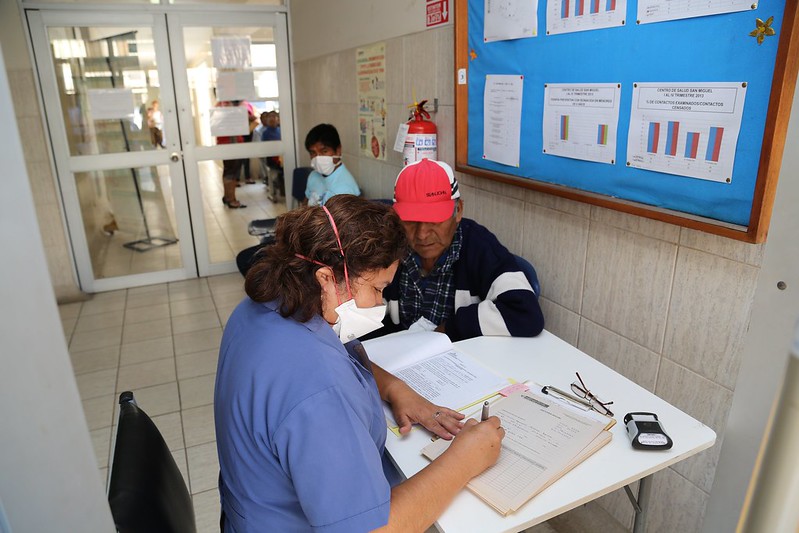
 Stop TB Partnership Takes Action With RESPECT Tuberculosis (TB) is an infectious disease caused by bacteria that mostly affects the lungs. It spreads through the air when people with TB cough, sneeze or spit. TB is a preventable and curable disease. Only about a quarter of the world’s population is estimated to have TB bacteria. About 5% to 10% of people infected with TB will eventually get symptoms and contract TB disease. People who have the bacteria but are free of the disease cannot transmit it. Treatment usually involves the use of TB antibiotics, without which TB can be fatal.

Overview of Project RESPECT

The Stop TB Partnership, in collaboration with Unitaid, is leading the Reshaping People-Centric Empowered Community-led DR-TB Treatment (RESPECT). DR-TB refers to drug-resistant tuberculosis. The project focuses on mobilizing and strengthening the role of TB-affected communities and civil society to increase the demand for and uptake of DR-TB services and tools.

Community Engagement and Target Regions

RESPECT plans to use the Stop TB Partnership’s Challenge Facility for Civil Society (CFCS) to boost community engagement and demand for DR-TB services and tools in Cameroon, the Democratic Republic of the Congo, India, Moldova and Pakistan. The project also supports national networks in advocating for budgets and policies, promoting literacy and stigma reduction initiatives and conducting community-led monitoring to enhance accountability. Other consortium partners will join the Stop TB Partnership’s efforts to advance this work at the country level.

Funding and Treatment Shift

The Stop TB Partnership will implement RESPECT alongside other programs as part of a $15.3 million investment from Unitaid to strengthen DR-TB action in 16 countries. The initiative aims to empower those most affected and increase demand for, address barriers to and improve access to new World Health Organization (WHO) treatment regimens for DR-TB. These new regimens replace older treatments that could last up to two years and required painful injections.

Goals and Impact

Project RESPECT seeks to have a transformative impact on DR-TB care by identifying and removing barriers to life-saving diagnosis and treatment. According to Dr. Philippe Duneton, Executive Director of Unitaid, “Too often, the latest innovations in drug-resistant TB testing and treatment do not reach populations that need them. Community networks can help us to reach beyond the health care system and drive demand, reduce stigma and ensure equitable access to the latest tools.” The project also aims to raise awareness and build the capacity of communities through community-led monitoring, training, advocacy and communication tools. These resources will ensure the creation of literacy and communication materials tailored for affected communities and local governments.

Looking Ahead

TB has a reputation as a contagious but curable disease. The Stop TB Partnership is working to reinforce this globally through RESPECT and other initiatives. DR-TB poses a serious public health threat in low- and middle-income countries (LMICs) and recent developments in DR-TB treatments have led to World Health Organization (WHO)-recommended regimens that can cut treatment time and costs in half. However, adoption of these new treatment regimens has been slow in many LMICs. Through RESPECT, Unitaid will implement mechanisms that drive demand and create solutions tailored to community needs. The project will also develop and share tools and resources to strengthen community engagement and improve the overall response to DR-TB. This approach aims to improve health outcomes and reduce TB-related stigma and discrimination and will be complemented by the Stop TB Partnership’s work in other countries.

– Abirame Shanthakumar

Abirame is based in Ontario, Canada and focuses on Global Health for The Borgen Project.

Photo: Flickr

August 18, 2025
https://borgenproject.org/wp-content/uploads/borgen-project-logo.svg 0 0 Precious Sheidu https://borgenproject.org/wp-content/uploads/borgen-project-logo.svg Precious Sheidu2025-08-18 03:00:232025-08-17 12:51:35Stop TB Partnership Takes Action With RESPECT
Global Poverty, Nonprofit Organizations and NGOs, Refugees and Displaced Persons

How NGOs Are Saving Refugee Education in Lebanon

How NGOs Are Saving Refugee Education in Lebanon Amid a deepening economic crisis, on-the-ground nongovernmental organizations (NGOs) are leading a shift in refugee education in Lebanon. With nearly half of school-aged Syrian refugee children in Lebanon out of school and Palestinian refugees facing decades of underfunded educational infrastructure, organizations such as Basmeh & Zeitooneh, Save the Children and International Network for Aid Relief and Assistance (INARA) are working to expand access to education.

A Struggling System

Lebanon hosts one of the highest refugee per‐capita ratios in the world, with nearly 1.5 million Syrians and hundreds of thousands of Palestinians. Public schools remain overwhelmed and under-resourced. The “second shift” program designed for Syrian refugees has repeatedly suffered denial of access due to arbitrary closures, delayed enrollment and restrictive local policies. Host-country mandates like certifying prior education or having official residency documents block thousands from enrolling. In 2021, only about 40% of school-age Syrian refugees in Lebanon were in formal education, while nearly 200,000 had never attended school.

Grassroots Innovation: What NGOs Are Doing

By addressing the trauma and lived experiences of displaced children, NGOs are revolutionizing refugee education in Lebanon. Basmeh & Zeitooneh run community centers and offer nonformal education and psychological support for refugee children. Through holistic education, the organization combats child labour and early marriage. Save the Children reports that Lebanon hosts more than 660,000 school‑age Syrian refugees, with at least half out of school, launching a hybrid learning program by distributing tablets, running virtual classrooms and providing mental health resources.

INARA has provided rapid-response medical and mental health support to displaced children in Lebanon, and occasionally offers informal educational services as part of holistic care. These NGOs ensure that academic progress is never separated from emotional well-being — a critical consideration for trauma-exposed youth. They also highlight how grassroots innovation is reshaping refugee education in Lebanon, especially for those left out of formal systems. The impact of NGOs in Lebanon is far-reaching, demonstrating what inclusive, community-led education programs can look like worldwide.

Looking Ahead

According to the United Nations High Commissioner for Refugees (UNHCR), refugee children who access education are more likely to avoid child labor, forced marriage and recruitment by armed groups. Hence, when refugee children are denied education, cycles of poverty and instability become entrenched, putting future generations at risk. But when they are given the tools to learn — through organizations that understand their specific needs — they have a chance not just to survive, but to thrive. Sustaining the progress so far will require continued support for grassroots solutions, collaboration with the Lebanese government to strengthen education policies and a shared commitment to protecting refugee education in Lebanon.

– Riddhi Sharma

Riddhi is based in Richmond, BC, Canada and focuses on Good News for The Borgen Project.

Photo: Flickr

August 18, 2025
https://borgenproject.org/wp-content/uploads/borgen-project-logo.svg 0 0 Precious Sheidu https://borgenproject.org/wp-content/uploads/borgen-project-logo.svg Precious Sheidu2025-08-18 01:30:202025-08-17 12:28:12How NGOs Are Saving Refugee Education in Lebanon
Global Poverty, Nonprofit Organizations and NGOs, Water Crisis

Amazon’s Water Replenishment Program in India

Amazon's Water Replenishment ProgramWith a population of more than 1.4 billion people, India is the most populous country in the world. This title also puts pressure on the country’s resources, such as clean and safe water. Water stress in India has left 35 million people without access to clean water and more than 600 million people, nearly half of the country, lack reliable plumbing. However, Amazon’s water replenishment program is working to change this. The e-commerce giant’s program is restoring water to several locations in India, including the Yamuna River watershed, Yamare Lake and Sai Reddy Lake, to combat water scarcity.

Restoring 400 Million Litres of Water to New Delhi

At its Water Dialogues event, Amazon announced plans to support water sustainability in India. The project in New Delhi is a partnership with Hasten Regeneration, a developer of ecosystem restoration projects, as well as Arpan Seva Sansthan, a sustainable development nonprofit and Clear Water Dynamics, a water engineering firm.

Amazon’s water replenishment program will focus on improving existing infrastructure, such as check dams, and constructing new water structures, such as recharge shafts and percolation pits. Amazon also plans to plant ample vegetation around these structures to prevent erosion and increase moisture in the surrounding soil. 

These improvements to New Delhi’s water infrastructure are expected to replenish 400 million litres annually to the Yamuna watershed. Amazon’s goal is to replenish more water than what the company uses in its Indian offices and fulfillment centers by 2027.

Rehabilitating Yamare Lake and Sai Reddy Lake

In addition to the project to restore the Yamuna Watershed, Amazon is also focusing its water conservation efforts in other areas of high water stress in India. The Yamare and Sai Reddy Lakes used to be reliable water sources for the surrounding communities. However, sediment buildup, urbanization, vegetation overgrowth and erosion have led to the diminished water storage capacity of the bodies of water and further strain on local water resources.

Amazon is teaming up with the environmental organization SayTrees to restore the lakes. Since January 2025, the partnership has been desilting the lakes, restoring embankments and repairing inlet and outlet structures. These projects aim to bring 270 million litres of water to Yamare Lake and 300 million litres to Sai Reddy Lake annually once completed.

Other Water Conservation Efforts by Amazon

In 2022, Amazon announced a project with WaterAid in Hyderabad and Andhra Pradesh with the goal of supplying the areas with a combined 640 million liters of water annually. In 2023, Amazon set out to secure consistent water supplies for farmers in Hyderabad by creating 100 new ponds across 12 villages, bringing almost 90 million liters of water to the area annually.

Amazon’s goal is to create “long-lasting, climate-resilient water and sanitation solutions” for communities in India. These water conservation efforts come alongside other initiatives such as reduced and recyclable shipping materials, investments in nature-based projects and switching to electric delivery vehicles. Amazon has pledged to achieve net-zero carbon emissions by 2040 and aims to help more than 1 million people in India access clean and safe water.

– Hannah Fruehstorfer

Hannah is based in Pittsburgh, PA, USA and focuses on Good News and Global Health for The Borgen Project.

Photo: Flickr

August 17, 2025
https://borgenproject.org/wp-content/uploads/borgen-project-logo.svg 0 0 Precious Sheidu https://borgenproject.org/wp-content/uploads/borgen-project-logo.svg Precious Sheidu2025-08-17 01:30:132025-08-16 03:43:04Amazon’s Water Replenishment Program in India
Global Poverty, Human Trafficking, Nonprofit Organizations and NGOs

Women-Led Groups Fighting To End Trafficking in Latin America

Trafficking in Latin AmericaJuly 30 is recognized as the World Day Against Trafficking in Persons. Globally, an estimated 27 million people are victims of trafficking. While exact figures vary, reports show that trafficking rates in Latin America (44%) are higher than in regions like Asia and Europe.

Trafficking takes many forms, including forced labor, forced marriage, sexual exploitation and child exploitation. No region in the world is immune to trafficking. However, Mexico and other parts of Latin America face increasingly high and rising rates.

In response to this growing crisis, international collaboration is gaining momentum. Project Turquesa, a joint initiative by the United Nations Office on Drugs and Crime (UNODC) and INTERPOL, brings together 16 countries to coordinate prosecuting human traffickers. New investigations are continuously launched until the projects end in September 2025. This combined effort has led to more than 200 criminal arrests, spanning dozens of countries and continents.

Alongside Turquesa, other key organizations are dedicating themselves to ending this inhumane crisis. Notably, six of the leading forces in the fight against trafficking are women-led. Here’s who they are:

CATW-Latin America and the Caribbean

Regional Director, Teresa Ulloa Ziáurriz, leads the Latin America and the Caribbean branch of the Coalition Against Trafficking in Women (CATW) organization, focusing on raising awareness and advocating for victims of trafficking. Besides her leading efforts at CATW-LAC, she is Mexico’s first female lawyer to defend women’s rights in court.

CATW-LAC not only focuses on advocacy but also on supporting surviving victims. This promotes expert leadership as victims who share their stories encourage awareness. In 2024, a survivors’ network addressed the Organization of American States General Assembly. This attendance advocates for perpetrator accountability.

United Nations Office on Drugs and Crime

Ghada Waly serves as the Director-General of the United Nations Office at Vienna and as the Executive Director of UNODC. Since taking office, projects and reports represent a steady increase in awareness of trafficking in Latin America. Programs such as GLO.Act Women’s Network, MENTHOR, TRACK4TIP, STARSOM and others have been led by the UNODC.

The UNODC not only leads its projects but also collaborates with other organizations that share the goal of ending human trafficking. In 2024, the International Academy on Human Trafficking and Migrant Smuggling was launched as a joint effort between the University for Peace, INTERPOL and other partners. Following its success, plans are underway to expand the academy.

The Marcela Loaiza Foundation

Founded by Marcela Loaiza, this powerful foundation supports trafficking survivors and offers them a platform to share their stories. Established in 2011, the Marcela Loaiza Foundation is a philanthropic organization that has partnered with UNODC and other key leaders in the fight against human trafficking.

“I am a survivor who is passionate about making significant changes to provide services to ALL people who have been hurt by this modern-day slavery now called trafficking in persons,” stated Loaiza. The organization spreads awareness and allows law enforcement to study the tactics and ploys traffickers use. One notable project, Breaking the Silence, was led by Loaiza’s foundation to unite international forces and survivors on the World Day Against Trafficking in Persons.

Covenant House International

Carolyn Barker-Villena is Senior Vice President of Covenant House International’s Latin America division. The organization has a broad mission, supporting victims of human trafficking and other inhumane conditions. According to its 2024 impact report, Covenant House programs assisted more than 50,000 youth worldwide.

In Latin America, human trafficking data reveal that one in every two individuals at Covenant House has experienced trafficking. The organization offers long-term support through a strategic three-step model focused on prevention, intervention and restoration.

Together Women Rise

Co-founders Barbara Collins and Marsha Wallace launched this global movement to create an equal platform for women affected by injustice. Together Women Rise has contributed millions of dollars to support more than five million women worldwide for more than two decades. The organization provides active grants and strategic support to combat violence against women.

Through its Transformation Partnerships, Together Women Rise connects sister and brother organizations to address issues ranging from human trafficking in Latin America to economic equality in Asia. Some partnerships receive between $35,000 and $100,000 annually. One example is The Fuller Project, a newsroom reporting on gender inequality. Together Women Rise offers flexible funding focused on intervention strategies and driving systemic change.

International Organization for Migration (IOM)

Amy Pope is the first female Director-General of IOM. For more than 70 years, IOM has focused on those who are in vulnerable, inhumane crises. As a leading organization in counter-trafficking, it has impacted more than 100,000 victims worldwide.

Regional Director María Moita leads IOM’s Latin America and the Caribbean office, where targeted counter-trafficking strategies are actively implemented. IOM collaborates with key regional partners, including the Caribbean Community and Common Market (CARICOM), to strengthen prevention efforts and respond to trafficking operations. These joint initiatives continue to grow, leading to multiple plans and programs that contribute to the ongoing decline in trafficking across Latin America.

– Emma Rowan

Emma is based in Boston, MA, USA and focuses on Politics for The Borgen Project..

Photo: Unsplash

August 13, 2025
https://borgenproject.org/wp-content/uploads/borgen-project-logo.svg 0 0 Lynsey 2 https://borgenproject.org/wp-content/uploads/borgen-project-logo.svg Lynsey 22025-08-13 03:00:152025-08-13 03:12:34Women-Led Groups Fighting To End Trafficking in Latin America
Global Poverty, Nonprofit Organizations and NGOs, Period Poverty

Women-Led Solutions to Period Poverty in Uganda

Period Poverty in UgandaPeriod poverty refers to the lack of safe, accessible and educational means of managing menstruation. Financial hardship, lack of education and social stigma all contribute to period poverty. In Uganda, only 22% of girls have access to safe and hygienic sanitary products, leading some to use makeshift alternatives such as old clothes, soil or paper. These practices increase health risks, including contracting STIs. Additionally, 23% of girls ages 12 to 18 drop out of school when they begin menstruation, which affects their education and limits future opportunities. However, several women-led initiatives are fighting period poverty by addressing and finding solutions for all aspects of period poverty.

Girls for School Pads by Global Girls Glow

Founded by Kashish at just 18 years old, Girls for School Pads focuses on changing the way communities perceive periods. Safe spaces are being created for girls to ask questions about their bodies and, in turn, understand how to effectively manage their health and well-being. Alongside providing affordable and reusable sanitary products, educational workshops and community dialogues are created to inform people about menstruation. The proceeds made from these events go directly to funding scholarships for girls’ education. Since its startup in 2018, Girls for School Pads has impacted 500 women and girls and 60 girls within three Ugandan cities are pursuing their education through the scholarship programme.

She for She Pads

She for She Pads is a social enterprise that produces and provides sanitary products for schoolgirls and women in the labor market. The production of sanitary products creates jobs for vulnerable women, ensuring safe working conditions, training and income. Recently, the organization provided 800 pads to orphans in Uganda, addressing period poverty by helping girls remain in school and women stay in the workforce. This women-led solution helps break the cycle of period poverty and empowers girls and women to take control of their lives. Furthermore, through job security, stable income and access to education, they are able to reach their full potential.

Mulatsi Church of Uganda

Mulatsi Church partnered with Compassion Church after the approval of funding for menstrual hygiene interventions. Educating communities about the importance of menstrual hygiene and teaching how to make reusable products became their immediate call to action. Women and men, including parents, local leaders, children and students from three local schools, completed training. Afterward, they were asked to train others, allowing the movement to grow quickly and spread awareness. Through this effort, “48 churches are educating 4,800 adolescent girls and boys.” This women-led initiative also helped challenge men’s attitudes toward menstruation and feminine hygiene, leading many to become active participants in the fight to end period poverty.

Going Forward

All three women-led initiatives play vital roles in reducing period poverty in Uganda. Community support drives these projects, helping break the cycle and empower women from a young age through adulthood. Furthermore, increased awareness and safe spaces allow women and men to dismantle the stigma around menstruation. More girls and women can access sanitary products, remain in education and the workforce and care for their bodies in a safe, informed and hygienic way.

– Jule Riemenschneider

Jule is based in Oxford, UK and focuses on Good News for The Borgen Project.

Photo: Flickr

August 13, 2025
https://borgenproject.org/wp-content/uploads/borgen-project-logo.svg 0 0 Precious Sheidu https://borgenproject.org/wp-content/uploads/borgen-project-logo.svg Precious Sheidu2025-08-13 01:30:292025-08-12 11:34:45Women-Led Solutions to Period Poverty in Uganda
Economy, Global Poverty, Humanitarian Aid, Nonprofit Organizations and NGOs

What Does the Israel-Iran War Mean for Iranians

Israel and Rural Iran: What Does the Israel-Iran War Mean for Iranians Early in the morning on June 22, 2025, the world received the news that the United States (U.S.) military had bombed three Iranian nuclear sites. In the days after, there were reports about what Iranian retaliation could look like against the U.S. and Israel. In the heat of the situation, many Iranians living in poverty and removed from the fighting, face additional hardships. Reports indicate that these vulnerable citizens have received limited attention compared to the broader coverage of the Israel-Iran War.

Economy Pre-Conflict

Iran’s economy, like the majority of the Middle East, depends upon access to power sources: natural gas and oil. These resources are invaluable for Iran and have become its most powerful bargaining chip throughout the Israel-Iran War. 

Oil and gas power the Iranian economy and make it an area of interest for the Western world. As of 2024, Iran’s Gross Domestic Product (GDP) was roughly $434.24 billion. While the overall GDP is significant, different units of measurement paint a different picture for the common people living in Iran. When examining Iran’s GDP per capita, the country ranks 117th out of nearly 200. Trade sanctions have worn Iran’s economy down. As a result, it cannot hold the weight of an all-out war. While oil makes up 17% of Iran’s exports and its energy sources bring in a great deal of money, the sanctions greatly limit the economic growth of Iran. Every plan to recover the Iranian economy involves improving relations with the Western world to get the sanctions lifted. 

Iran Focus, a nonprofit news outlet that reports on Iran, Iraq and the Middle East as a whole, reported as recently as June 9, 2025, that “in Tehran, 55% of individuals’ income is spent on housing” as inflation batters and bruises civilians. Nearly 75% of Iranians live below the poverty line and as the Israel-Iran War progresses, the percentage could rise. 

Impact of the War

Already, the people of Iran are struggling to provide for themselves and their families. The ongoing conflict means even their lives are at risk. On June 15, 2025, the number of deceased Iranians was roughly 224. Civilians have fled from Tehran in droves and Iran’s retaliation could worsen financial hardship. According to The National, another news source that is also reporting on Iran, state collapse could be imminent for the nation. The rial, the currency of Iran, could lose more value. The Israel-Iran war has driven Iran to a tipping point. 

Humanitarian Aid in Iran

The most immediate danger to the Iranian people is the Israel-Iran War. In the days after the U.S. allied itself with Israel, global headlines focused on the potential for escalating violence. Thankfully, de-escalation has been orchestrated and the back-and-forth bombing has come to a rest. 

Nonprofit organizations are working hard to help the struggling people of Iran. The Center for Human Rights in Iran offers consistent coverage of the ongoing events while focusing on civilians and those who are directly in the line of fire. Its focus is on documenting all human rights issues in Iran and it has been in action since 2008. 

Another organization that has global reach but still operates within Iran is Relief International. Relief International targets the damage caused by natural disasters while also building schools and offering financial assistance to struggling citizens. Relief International has a collection of testimonies from people the organization has directly helped; such reminders of good news can serve as a resource for motivation.

Looking Ahead

The Israel-Iran ceasefire remains fragile and recent events show how quickly tensions can escalate. Yet, there is still reason for hope. Humanitarian organizations working in Iran continue to prioritize the needs of civilians, many of whom have little influence over the conflict but bear its heaviest burdens. Their efforts highlight the importance of international attention and support in creating a path toward stability.

– Peyton Worsham

Peyton is based in Jacksonville, FL, USA and focuses on Politics for The Borgen Project.

Photo: Flickr

August 11, 2025
https://borgenproject.org/wp-content/uploads/borgen-project-logo.svg 0 0 Precious Sheidu https://borgenproject.org/wp-content/uploads/borgen-project-logo.svg Precious Sheidu2025-08-11 06:39:142025-09-27 04:17:34What Does the Israel-Iran War Mean for Iranians
Conflict, Global Poverty, Nonprofit Organizations and NGOs

Nonprofits Fighting Poverty in Rwanda and the Congo

Poverty in RwandaOn June 27, Rwanda and the Democratic People’s Republic of the Congo (the Congo) signed a peace deal in Washington, D.C. Under the agreement, both countries agreed to “immediately and unconditionally cease any state support to nonstate armed groups.” The agreement hopes to make mineral wealth in the Congo more available and secure regional peace.

Rwanda–Congo Conflict

Conflict between Rwanda and the Congo dates back to the 1994 Rwandan genocide, where nearly 800,000, mostly Tutsi, people were killed by Hutu extremists. Lately, the Democratic Forces for the Liberation of Rwanda, allegedly supported by the Congolese and the M23 rebels, whom Rwanda supports, according to United Nations (U.N.) investigators, have plagued the region with violence.

The violence has killed thousands of people in recent years and displaced millions of others to refugee camps that have little food, water or basic services. These camps leave displaced women and girls at risk of mass rape and in the hands of armed gangs; additionally, men and young boys fear being forcibly recruited by militant groups. In response to the devastation, nonprofit organizations provide relief for those in poverty in Rwanda.

The Congo: The Panzi Foundation

Founded in 1999 by Dr. Denis Mukwege, the Panzi Foundation provides healing and life-saving care to survivors of sexual violence in the Congo. After witnessing women suffering from inadequate maternal care at Lemera Hospital, he decided to specialize in gynecology and obstetrics. Later, when a woman came to him after being raped, he and his staff became specialists in sexual-violence treatment and gynecological trauma.

His foundation’s services include medical treatment for gynecological injuries, sexually transmitted infections and pregnancies that survivors suffer from. Additionally, since survivors also have post-traumatic stress disorder, depression and anxiety, the foundation also provides psychological support such as psychotherapy, follow-up care and community awareness.

Armed groups in the Congo use sexual violence to instill terror in villages and impose economic and political control in the area. In 2023, the U.N. reported nearly 123,000 cases of gender-based violence in the Congo. As part of the Panzi Model, the foundation also provides holistic healing, socioeconomic support and legal services for survivors. This includes vocational training, loan programs, legal assistance and civil registration support. According to the foundation, it treated more than 87,000 survivors and performed above 25,000 gynecological surgeries in the past 25 years.

Poverty in Rwanda: CARE

Helping in Rwanda is CARE, an organization that directly combats poverty. CARE operates in 24 of Rwanda’s 30 districts, providing food, health care and emergency relief. While the organization supports many other countries, it has been active in Rwanda since 1984. During the genocide against the Tutsi people, CARE provided relief to hundreds of thousands of refugees from Uganda.

Afterwards, it provided immediate aid to millions through food, shelter, HIV prevention, improved water systems and more. CARE also claims to be one of the few NGOs leading efforts to advance justice for girls and women in Rwanda. In 2017, for instance, it launched a strategic program that identified impoverished women and girls as a central focus.

One way CARE has supported women in Rwanda is through education. In 2016, under CARE Rwanda’s Gender Equality and Women’s Empowerment program, nearly 45,000 women and girls received literacy and numeracy training. Through initiatives like Safe School for Girls and Better Environment for Education, CARE has also worked to break down the barriers that limit women’s access to secondary and higher education.

Final Remarks

Though the results of the recent peace agreement are yet to be seen, many hope it can lead to more peace and prosperity in the region. Regardless, several nonprofit organizations, such as these, have worked for years to give survivors of the region’s conflict a chance at a better life.

– Seth Pintar

Seth is based in San Diego, CA, USA and focuses on Business and New Markets for The Borgen Project.

Photo: Flickr

August 9, 2025
https://borgenproject.org/wp-content/uploads/borgen-project-logo.svg 0 0 Lynsey 2 https://borgenproject.org/wp-content/uploads/borgen-project-logo.svg Lynsey 22025-08-09 01:30:462025-08-08 05:36:36Nonprofits Fighting Poverty in Rwanda and the Congo
Page 7 of 60«‹56789›»

Get Smarter

  • Global Poverty 101
  • Global Poverty… The Good News
  • Global Poverty & U.S. Jobs
  • Global Poverty and National Security
  • Innovative Solutions to Poverty
  • Global Poverty & Aid FAQ’s
Search Search

Take Action

  • Call Congress
  • Email Congress
  • Donate
  • 30 Ways to Help
  • Volunteer Ops
  • Internships
  • Courses & Certificates
  • The Podcast
Borgen Project

“The Borgen Project is an incredible nonprofit organization that is addressing poverty and hunger and working towards ending them.”

-The Huffington Post

Inside The Borgen Project

  • Contact
  • About
  • Financials
  • President
  • Board of Directors
  • Board of Advisors

International Links

  • UK Email Parliament
  • UK Donate
  • Canada Email Parliament

Get Smarter

  • Global Poverty 101
  • Global Poverty… The Good News
  • Global Poverty & U.S. Jobs
  • Global Poverty and National Security
  • Innovative Solutions to Poverty
  • Global Poverty & Aid FAQ’s

Ways to Help

  • Call Congress
  • Email Congress
  • Donate
  • 30 Ways to Help
  • Volunteer Ops
  • Internships
  • Courses & Certificates
  • The Podcast
Scroll to top Scroll to top Scroll to top