• Link to X
  • Link to Facebook
  • Link to Instagram
  • Link to TikTok
  • Link to Youtube
  • About
    • About Us
      • President
      • Board of Directors
      • Board of Advisors
      • Financials
      • Our Methodology
      • Success Tracker
      • Contact
  • Act Now
    • 30 Ways to Help
      • Email Congress
      • Call Congress
      • Volunteer
      • Courses & Certificates
      • Be a Donor
    • Internships
      • In-Office Internships
      • Remote Internships
    • Legislation
      • Politics 101
  • The Blog
  • The Podcast
  • Magazine
  • Donate
  • Click to open the search input field Click to open the search input field Search
  • Menu Menu

Archive for category: Nonprofit Organizations and NGOs

Information and stories about nonprofit organizations and NGOs

Child Marriage, Global Poverty, Nonprofit Organizations and NGOs

C3’s Fight Against Child Marriage in India

Child Marriage in India Every year in India, early marriage robs millions of girls of their childhood. Forced to leave school, bear children and shoulder adult responsibilities before they are ready, these girls face a lifetime of lost opportunities and bodily autonomy. Despite legal protections, child marriage remains a deeply rooted issue, fueled by poverty, social norms and gender inequality.

At the forefront of efforts to resolve the issue is the Centre for Catalyzing Change (C3), a nonprofit organization working tirelessly to empower girls, shift mindsets and create systemic change. C3 believes that when girls are educated, healthy and supported, they can break the cycle of child marriage and build stronger futures for themselves and their communities.

Understanding the Challenge

Child marriage remains alarmingly prevalent in India, especially in rural areas. According to the United Nations International Children’s Emergency Fund (UNICEF), nearly one in four girls in India gets married before the age of 18. Girls forced into early marriage are more likely to drop out of school, experience complications from early pregnancy, suffer from domestic violence and face limited economic prospects.

Behind these statistics are complex factors: poverty, lack of access to education, deeply entrenched gender norms and the belief that marriage offers girls social or economic security. The COVID-19 pandemic only worsened the situation, with reports of rising child marriage rates during lockdowns.

About C3

Founded in 2002, C3 is a nationally recognized nonprofit organization (NGO) dedicated to improving the lives of women and girls across India. C3 envisions a world where all women and girls can realize their full potential, participate in decisions that affect them and live lives of dignity and equality. C3 works at the intersection of education, health, leadership and rights. Its child marriage prevention initiatives rely on community partnerships, grassroots mobilization and evidence-based advocacy.

C3’s Approach to Ending Child Marriage

C3’s multi-layered strategy addresses both the symptoms and root causes of child marriage:

  1. Empowering Adolescent Girls. C3 provides girls with life skills education, leadership training and safe spaces where they can build confidence and support one another. Programs like Girls Champions equip young girls to advocate for their rights, resist pressure to marry early and become change agents in their communities.
  2. Keeping Girls in School. Education is one of the most powerful tools against early marriage. C3 works to increase school retention through scholarships, mentorship programs and girl-friendly school environments. When girls stay in school, the likelihood of early marriage drops significantly.
  3. Engaging Families and Communities. Change doesn’t happen in isolation. C3 actively engages parents, teachers, religious leaders and community elders through awareness campaigns and open dialogue. By fostering understanding of the harms of child marriage and promoting positive alternatives, C3 helps shift longstanding social norms.
  4. Strengthening Policies and Systems. C3 also advocates at the state and national levels to improve enforcement of child marriage laws and to develop adolescent-friendly health and education policies. It partners with government bodies to scale effective programs and to create environments where girls’ rights are protected.

Looking Ahead

In Bihar and Jharkhand—two states with high child marriage rates—C3 has reached more than 100,000 adolescent girls. It has engaged thousands of community members through workshops, leadership training and school-based interventions. With the help of C3 and other advocates, 23 child marriages have already been prevented. Despite progress, it appears ending child marriage in India still requires more effort. Social stigma, poverty and weak enforcement continue to pose challenges. But C3 remains committed by adapting to new realities, scaling what works and deepening its impact.

In 2025 and beyond, C3 aims to:

  • Expand its programs to more high-risk districts.
  • Increase digital outreach and adolescent-friendly tech tools.
  • Deepen partnerships with schools, local governments and grassroots women’s groups.

Ultimately, by empowering girls and challenging harmful norms, C3 is helping build a more just, equal and hopeful India for everyone.

– Meagan Beaver

Meagan is based in Zephyrhills, FL, USA and focuses on Good News for The Borgen Project.

Photo: Flickr
July 16, 2025
https://borgenproject.org/wp-content/uploads/borgen-project-logo.svg 0 0 Precious Sheidu https://borgenproject.org/wp-content/uploads/borgen-project-logo.svg Precious Sheidu2025-07-16 03:00:152025-07-15 13:32:11C3’s Fight Against Child Marriage in India
Child Poverty, Global Poverty, Nonprofit Organizations and NGOs

Ending Child Poverty in Croatia

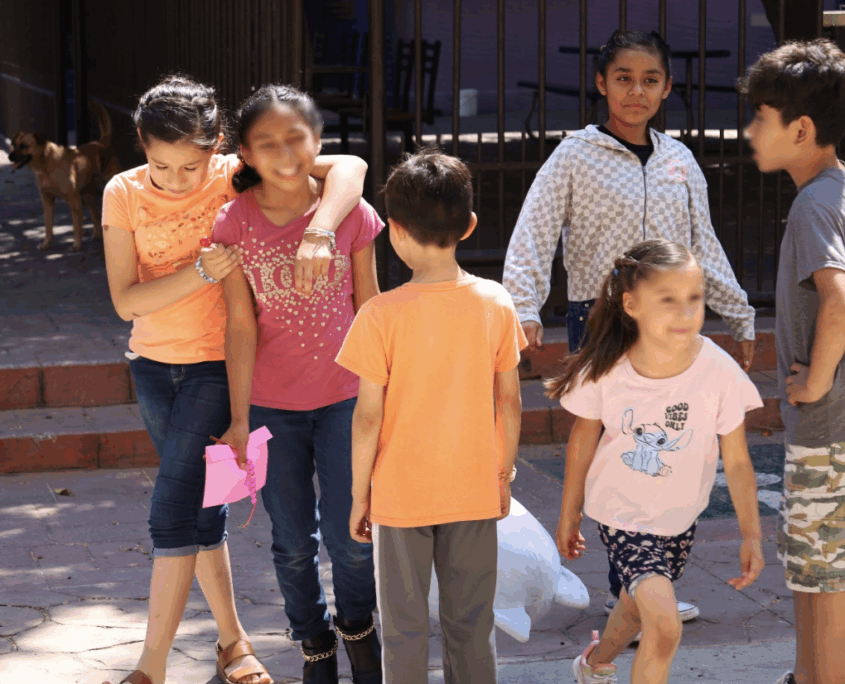
Child Poverty in CroatiaChildren make up nearly 17% of Croatia’s population. Due to various factors, one in five children in Croatia experiences child poverty. However, several organizations, including SOS Children’s Villages and Caritas Croatia, are working to address this.

Child Poverty in Croatia: An Overview

As of 2023, the child poverty rate in Croatia stood at 16.1%, down from around 21% in 2014. Following its independence in the late 1990s, Croatia experienced significant economic changes during the early 2000s and 2010s, including the 2008 financial crisis and the 2019 COVID-19 pandemic. These events caused fluctuations in the number of lower-income families, directly impacting many Croatian children and their living conditions.

The prevalence of lower-income families directly impacts many Croatian children and their livelihoods. Currently:

  • One in two children in Croatia doesn’t attend preschool.
  • One in five children faces a high risk of poverty.
  • One in four young people in Croatia are unemployed.

These numbers are a product of many families not having access to the proper resources to support their families. Many parents have difficulty affording preschool or other necessities for their young children to strive in society. This upbringing creates a skills gap for many young people in Croatia, contributing to high youth unemployment rates.

Combating Child Poverty in Croatia

Several organizations support children living in poverty in Croatia to combat this disparity. One of the most notable is SOS Children’s Villages, which operates nationwide. SOS Children’s Villages has supported Croatian children without parental care since 1992, addressing child poverty head-on. It aims to end child poverty by protecting and supporting children in their care, helping them access education and building careers for adulthood. 

The charity has kept 35 families together, provided safe homes for 140 kids and prepared 55 young people for independent living. Its social centers serve vulnerable families to help them climb out of poverty. Children in SOS Children’s Villages are supported in staying connected with their families and communities. At the same time, their strengths are nurtured as they grow and learn. Overall, SOS Children’s Villages provide children access to proper health and educational services. This support offers opportunities many might not have had outside the Villages.

Similarly, Caritas Croatia (Hrvatski Caritas) has been tackling child poverty and social exclusion through its wide-reaching network since 1992. Operating across more than 10 dioceses and hundreds of parish outlets, it assists vulnerable families, orphans, children with disabilities and war-affected youth. The organization has supported more than 5,000 children.

The Long Run

The long-term impact of SOS Children’s Villages clearly shows its commitment to combating child poverty in Croatia. The program lays a foundation for a future filled with career opportunities and self-sufficiency by providing children with a strong support network early on.

Looking ahead, SOS Children’s Villages have the potential to break the cycle of poverty by equipping Croatia’s youth with the resources they need for a fresh start and a brighter future.

– Angelina Tas

Angelina is based in Cleveland, OH, USA and focuses on Good News and Technology for The Borgen Project.

Photo: Flickr
July 7, 2025
https://borgenproject.org/wp-content/uploads/borgen-project-logo.svg 0 0 Lynsey 2 https://borgenproject.org/wp-content/uploads/borgen-project-logo.svg Lynsey 22025-07-07 01:30:532025-07-07 01:40:22Ending Child Poverty in Croatia
Aid, Global Poverty, Nonprofit Organizations and NGOs

Responding to Crisis: IF Charity in Gaza

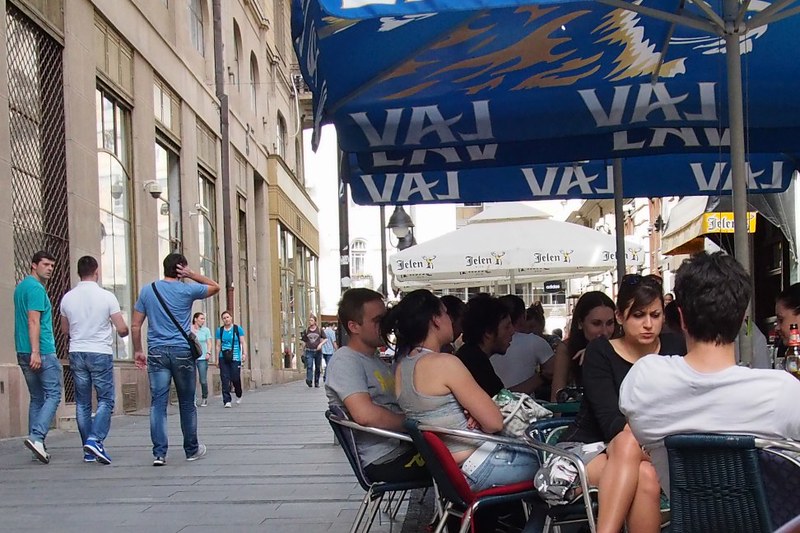
Responding to Crisis: IF Charity in GazaEstablished in 2002, IF Charity has spent more than two decades providing aid in Gaza. In an interview conducted by The Borgen Project, longtime volunteer Souad Mh discussed the organization’s key programs, challenges and ongoing efforts to deliver support in a conflict-affected region.

Origins and Mission

Souad’s involvement with the Palestinian cause began 20 years ago, when she helped a friend in Morocco raise funds by selling items at a mosque. After moving to the United Kingdom (U.K.) in 2018, she sought to continue her efforts and found Interpal, the organization that preceded IF Charity. Political challenges eventually led to Interpal’s closure and IF Charity emerged in its place with a continued focus on providing life-saving aid to Gaza. Souad believes that the cause itself sets the charity apart. “I think it hurts a lot to see someone suffering or going through hardship nonstop,” she said.

Education Reborn

Education Reborn, one of IF Charity’s signature programs, focuses on restoring learning opportunities for children in Gaza whose schools have been destroyed. The organization supplies essential materials such as tables and books, aiming to ensure that children have the tools and spaces needed to continue their education.

IF Charity also invests in community infrastructure. Its community development program supports water and desalination plant construction, which provides clean water to families and reduces the need for young people to travel long distances. The time saved allows youth to participate in education or pursue job opportunities through the charity’s job creation initiatives.

Food and Energy Security

According to IF Charity’s 2023 to 2024 action report, 90% of people in Gaza experience food insecurity. To address this, the charity distributes vegetable baskets and food parcels. During Ramadan 2024, the organization provided food parcels to 2,338 families. To tackle frequent electricity outages, IF Charity installed solar panels in North Gaza. These panels also support water extraction from wells, contributing to both energy and water access. The charity also organized an Eid fun day in 2024 to provide emotional relief and a sense of normalcy for children and families affected by ongoing conflict.

Overcoming Barriers

Despite its impact, IF Charity faces numerous obstacles. Infrastructure destruction — including hospitals, power lines and roads — hinders aid delivery. Blockades further restrict access to essential supplies. While the organization constructs makeshift clinics and supplies medicine to the extent possible, needs remain high.

Another significant challenge is the transfer of donations. Souad described the difficulty she experienced after raising more than £6,000 for Gaza during Ramadan. Banks refused to transfer funds directly to Gaza, citing restrictions. She explained, “They were happy with it to go to any other country besides Gaza.” Attempts to reroute donations through Türkiye also failed due to bank complications and even IF Charity was unable to accept the funds due to regulatory concerns.

Additionally, the charity faces limitations on social media. Its Instagram page has been shadow-banned, meaning that posts do not appear in users’ feeds and tagging volunteers is restricted. Souad said, “So many hours that the person [spends]… to post pictures, videos,” yet the content does not reach the intended audience.

Looking Ahead

As IF Charity navigates operational hurdles, it continues to create spaces for global participation through events that raise both awareness and support. Annual initiatives in Morocco and Istanbul allow donors and volunteers to engage directly with the charity’s mission while fostering a broader network of solidarity. Despite ongoing challenges, IF Charity remains focused on expanding its reach and sustaining critical aid programs. With continued collaboration and visibility, the organization aims to strengthen its long-term impact in Gaza and beyond.

– Maryam 

Maryam is based in the UK and focuses on Good News and Politics for The Borgen Project.

Photo: Flickr
June 24, 2025
https://borgenproject.org/wp-content/uploads/borgen-project-logo.svg 0 0 Precious Sheidu https://borgenproject.org/wp-content/uploads/borgen-project-logo.svg Precious Sheidu2025-06-24 07:30:332025-06-23 10:17:27Responding to Crisis: IF Charity in Gaza
Food Insecurity, Global Poverty, Nonprofit Organizations and NGOs

Voices of Change: Radio Empowers Farmers in Sub-Saharan Africa

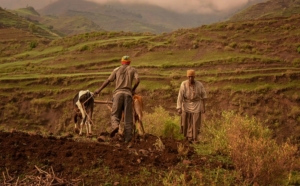
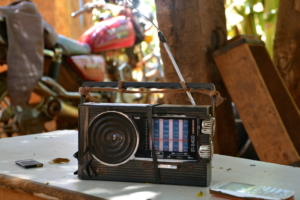
Radio Empowers FarmersIn 2023, 64.2 million East Africans faced acute food insecurity, compounded by communities with low literacy rates, adverse climate instability and poor internet infrastructure. Many lacked the life-sustaining information to aid in the escape from poverty. For Farm Radio International, bridging this gap lies in communication justice, a guiding principle where every person deserves the unalienable right to speak and be informed.

Dialing up Support

Founded in 1975 by George Atkins, Farm Radio International is a Canadian nongovernmental organization (NGO). It works with existing radio stations to improve access to information in sub-Saharan Africa. The organization aims to connect small-scale farmers with life-changing knowledge and opportunities for a stronger voice in their development.

As of 2025, Farm Radio International supports communities across sub-Saharan Africa, a region where approximately 600 million people still lack access to electricity. The charity’s work demonstrates that reducing information loss in rural areas empowers Africans to make informed decisions. This could include knowing when to plant crops, adapting to climate emergencies or addressing health challenges. In sub-Saharan Africa, where 65% of the population relies on radio for news, broadcasters often serve as trusted and vital sources of information.

Following this dynamic, Farm Radio International implemented a network of nearly 1,400 stations across sub-Saharan Africa, all backed by informational resources, content and training. By the end of 2024, the initiative worked with 135 stations across 34 projects, addressing themes like food security, climate flux and gender equality.

Radio Empowers Farmers

Farm Radio International estimates that up to 60% of radio users tune into its programs, with an average of 20% incorporating one recommended practice. While statistically impressive, Farm Radio International prioritizes the impact on individual farmers’ lives. One example in northern Tanzania exhibited how a radio program on agroecology boosted farmers’ average knowledge score about ecologically sustainable agriculture by 62%.

In sub-Saharan Africa, researchers demonstrated how growth from agriculture is 11 times more effective at reducing extreme poverty than any other sector. Therefore, East Africans can expect better nutrition by improving farm systems through increased productivity, higher incomes and broader economic growth. They could also experience increased access to education and a ripple effect of economic activity throughout their communities.

Reflecting on Communication Justice

The vital role of radio as a source of information and support for small-scale farmers in sub-Saharan Africa cannot be overstated. With the longstanding partnership of Farm Radio International and local broadcasters, millions of farmers gain access to life-changing knowledge that empowers them to make informed decisions in the face of challenges like food insecurity.

Through interactive programs and community involvement, these initiatives not only improve agricultural practices but also enhance economic resilience and social equity. As technology continues to evolve, ensuring that radio retains its significance in agricultural communication will be essential for fostering development and empowering marginalized communities across the region.

– Marcus Villagomez

Marcus is based in Galveston, TX, USA and focuses on Technology and Solutions for The Borgen Project.

Photo: Flickr

June 13, 2025
https://borgenproject.org/wp-content/uploads/borgen-project-logo.svg 0 0 Lynsey 2 https://borgenproject.org/wp-content/uploads/borgen-project-logo.svg Lynsey 22025-06-13 07:30:302025-06-12 10:28:19Voices of Change: Radio Empowers Farmers in Sub-Saharan Africa
Global Poverty, Nonprofit Organizations and NGOs

How The New York Times Communities Fund Fights Global Poverty

New York Times Communities FundThe New York Times Communities Fund has supported global poverty reduction efforts for more than 100 years. Since The Fund’s establishment in 1911, it has raised more than $354 million. Currently, the nonprofit organization helps more than 1.5 million people yearly.

How It Works

Originally known as The Neediest Cases Fund, The New York Times Communities Fund annually raises money for thoroughly selected nonprofits with local to global impacts. The 113th campaign supports nonprofits such as First Book, which provides underserved schools across the U.S. with reading materials and the Campaign for Female Education (CAMFED), which promotes female education in rural Africa.

CAMFED

In 1993, Ann Cotton OBE founded CAMFED, aiming to drastically increase the number of girls in rural Africa who complete secondary school. Poverty prevents an astounding 95% of girls in this region from finishing school. CAMFED combats the social and financial barriers these girls face to not only allow them to stay in school but to blossom.

CAMFED increases a girl’s accessibility to education in several thoughtful ways. The organization pays school fees and provides girls’ uniforms, books and bicycles, helping young girls combat financial restraints. CAMFED also trains teachers and peer mentors to provide girls with social support, making them more likely to stay in school. After graduating, the girls will have access to finance, support and business training from CAMFED to ensure their success and ability to pass on their knowledge to the next generation.

Since 1993, CAMFED has aided the schooling of 7.2 million children, including 2.2 million girls completing secondary school, from the most deprived regions in Ghana, Malawi, Tanzania, Zambia and Zimbabwe. Through access to education, these girls become empowered women who inspire positive change in their communities. The support CAMFED provides lifts girls from poverty, putting them in a position to encourage and share knowledge with others to allow them to do the same.

Hispanic Federation

The Times also supports the Hispanic Federation. While the nonprofit mainly supports Hispanic communities and institutions in the U.S., it has granted $200,000 to Conservación ConCiencia in the Caribbean since Hurricane Maria devastated the region in 2017.

The Hispanic Federation’s donation focused on developing Puerto Rico’s resiliency to weather-related power outages that spoil fisheries’ stocks. Hurricane Maria left parts of Puerto Rico without power for months, destroying the food and income provided by fishing.

The Hispanic Federation’s grant to Conservación ConCiencia funded solar panels to prevent similar devastation from occurring in the future. This infrastructure makes families less likely to lose their livelihoods and fall into poverty after a natural disaster.

Takeaways

The New York Times Communities Fund fights global poverty by supporting nonprofits such as CAMFED and the Hispanic Federation. After more than 100 years of existence and positively impacting millions, the organization will likely continue using its influence to strive for a better world.

– Madison Fetch

Madison is based in Glasgow, Scotland and focuses on Business and Politics for The Borgen Project.

Photo: Unsplash

June 8, 2025
https://borgenproject.org/wp-content/uploads/borgen-project-logo.svg 0 0 Lynsey 2 https://borgenproject.org/wp-content/uploads/borgen-project-logo.svg Lynsey 22025-06-08 07:30:082025-06-07 13:54:49How The New York Times Communities Fund Fights Global Poverty
Education, Global Poverty, Nonprofit Organizations and NGOs

4 Organizations improving education in Colombia

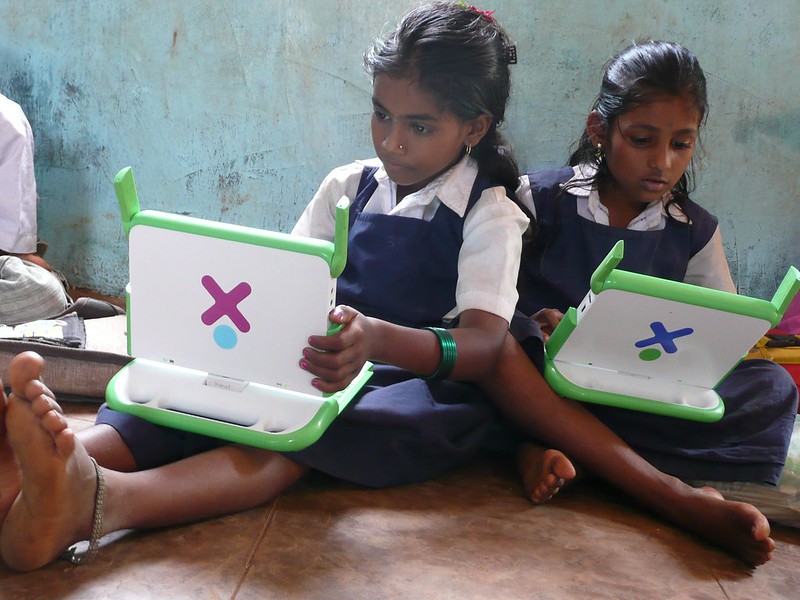
education colombiaAs of 2022, nearly 37% of Colombia’s entire population is living below the country’s poverty line. This large impoverished population is here due to multiple factors, including armed conflicts and displacements, especially within the country’s rural areas. However, there are ways to help these families, with one major way being to support the development of better education within the country. Helping with education is an important step for many families to get out of poverty, and helping prevent further poverty within families that have not been affected yet. Here are a few organizations that help strengthen education in Colombia.

Fundación Pies Descalzos

Founded in 1997 by famous pop-singer and songwriter Shakira, Fundación Pies Descalzos (Barefoot Foundation in English) helps broaden access to education in Colombia. This includes training teachers, providing benefits to families in need, and building more schools. According to its website, it has helped more than 224,000 children all over the country. They also have worked with multiple other organizations during the years, including USAID, the Colombian Department of Education and Nestle. Recently, it also gave humanitarian aid to families affected by armed conflict within the country.

Education Cannot Wait

Founded in 2015 by Gordon Brown, Education Cannot Wait works to help refugee families provide better access to education for their children. Due to the large number of Venezuelan refugees in Colombia, this makes a significant portion of the poverty population that needs better access to education in Colombia. It also helps local Colombian children who were internally displaced due to armed conflict as part of its programs to provide better educational resources. So far, it has built 215 schools around the country and trained over 5,000 teachers as of 2024.

Social Finance UK

An organization based in the United Kingdom and founded in 2007, Social Finance offers numerous humanitarian aid benefits both within and outside its country’s borders. In Colombia, it mainly focuses on children of displaced families and children living in rural areas, as those are the ones who suffer the most difficulties in maintaining an education and are most affected by poverty in Colombia.

Its current program for Colombia, Outcomes Fund for Education Results (OFFERS), focuses on taking data from different projects and sharing their findings with the Colombian education system to help them make informed decisions on improving policy and finding methods to give the impoverished better access to education. OFFERS is also funded by Global Affairs Canada, which is a governmental organization of the Canadian government.

Powerful Children Colombia

Founded in 2021 as a response to the number of families that fell into poverty during the global pandemic, Powerful Children Colombia focuses on empowering children in Colombia who are currently suffering from poverty. It does this by creating partnerships with other organizations that help Colombian children with educational and developmental opportunities, in hopes of giving them better avenues to escape the cycle of poverty. Its two current programs focus on helping children in rural areas to help them promote physical education.

Education in Colombia

Colombia could take a long time to fully heal from the problems it has, but with better education, poverty could greatly improve, leading to higher standards of living. These are also only a few of the organizations helping give better access to education in Colombia, and they are always willing to receive support from people all over the world.

– Jose Gabriel Lopez

Jose is based in London, UK and focuses on Good News and Technology for The Borgen Project.

Photo: Flickr
June 3, 2025
https://borgenproject.org/wp-content/uploads/borgen-project-logo.svg 0 0 Naida Jahic https://borgenproject.org/wp-content/uploads/borgen-project-logo.svg Naida Jahic2025-06-03 07:30:562025-06-03 01:52:054 Organizations improving education in Colombia
Charity, Global Poverty, Nonprofit Organizations and NGOs

5 Charities Operating in Tanzania

5 Charities Operating in TanzaniaTanzania is acknowledged for its rich national parks like Ngorongoro Crater and Serengeti. However, beyond its scenic landscapes, many citizens face significant economic hardship. As populations increase, the poverty rates also increase. In 2011, about 12.3 million Tanzanians lived in vulnerable conditions. By 2018, that number rose to 14 million. Still, recent data reveal progress—Zanzibar, for instance, recorded a 4.7% drop in poverty from 30.4% in 2014–15 to 25.7% in 2019–20. Charitable organizations have played a vital role in building community resilience and expanding access to essential services.

5 Charities Operating in Tanzania

  1. Save the Children. A global humanitarian organization focused on protecting children’s rights and well-being. The charity has worked with the Tanzanian government for more than 100 years, first launching its programs in Zanzibar before expanding across the country. Its efforts prioritize nutrition services, educational access and child poverty reduction. In Tanzania, 27% of the population lacks adequate sanitation and housing, with 8% living in extreme poverty. Children represent a significant portion of this population, comprising 44.8% of those affected. Save the Children operates under three core goals: eliminating preventable child deaths, ensuring access to education and protecting children from violence. Since 2024, the program has enacted 122 policy reforms and responded to 112 emergencies.
  2. Plan International. Plan International is an independent development and humanitarian organization that promotes health care, clean water access and child protection. Established in Tanzania in 1991, the organization now operates in eight regions and aims to eliminate child poverty by 2030 through policy reform and community empowerment. Plan International adheres to the U.N. Convention on the Rights of the Child, which affirms children’s right to security and care. Its long-term vision is to ensure all children, especially girls, have the opportunity to thrive.
  3. BAPS Charities. BAPS Charities provides essential services in health, education and nutrition. The BAPS clinic in Dar es Salaam is one of its most notable programs in Tanzania, offering free medical services to families. The clinic operates weekdays from 8 a.m. to 6 p.m. and on Saturdays from 8 a.m. to 12 p.m. Services include lab work, treatment and food distribution. Children are given safe spaces and nourishment, such as water and snacks, contributing to a warm and welcoming environment.
  4. Zara Charity. Founded in 2009 by Zainab Ansell, Zara Charity is a nonprofit registered under the United Republic of Tanzania. It works to improve the lives of disadvantaged families through eco-tourism partnerships and educational support for women and orphans. Notable sponsors include Zita Tanzanian Wild Camps Ltd. and Tour Compass. Its key initiative is organizing volunteer cleanups on Mount Kilimanjaro to reduce environmental waste. Additionally, these activities provide residents, especially the underserved, with cleaner living conditions.
  5. Kupona Foundation. Kupona Foundation is a U.S.-based nonprofit that partners with the Comprehensive Community-Based Rehabilitation in Tanzania (CCBRT). The organization is dedicated to strengthening Tanzania’s health care systems. Kupona has raised $7 million to support medical treatment, training and infrastructure. Furthermore, with 87% of its funds directed to programming, the organization ensures financial accountability and sustainability. Kupona’s efforts help expand access to quality care while laying the foundation for long-term development.

Looking Ahead

Tanzania continues to make progress in reducing poverty, due to the efforts of local and international charitable organizations. These five charities exemplify how targeted interventions in health, education, environmental sustainability and child protection can transform communities. Indeed, as the nation pushes toward sustainable development, the work of these charities operating in Tanzania offers a roadmap for continued growth, resilience and hope.

– Janae Bayford

Janae is based in Centennial, CO, USA and focuses on Business and Good News for The Borgen Project.

Photo: Flickr

June 1, 2025
https://borgenproject.org/wp-content/uploads/borgen-project-logo.svg 0 0 Precious Sheidu https://borgenproject.org/wp-content/uploads/borgen-project-logo.svg Precious Sheidu2025-06-01 01:30:102025-06-01 01:34:185 Charities Operating in Tanzania
Advocacy, Global Poverty, Nonprofit Organizations and NGOs, Women's Empowerment

Tyla Supports South African Women’s Education Through Charity

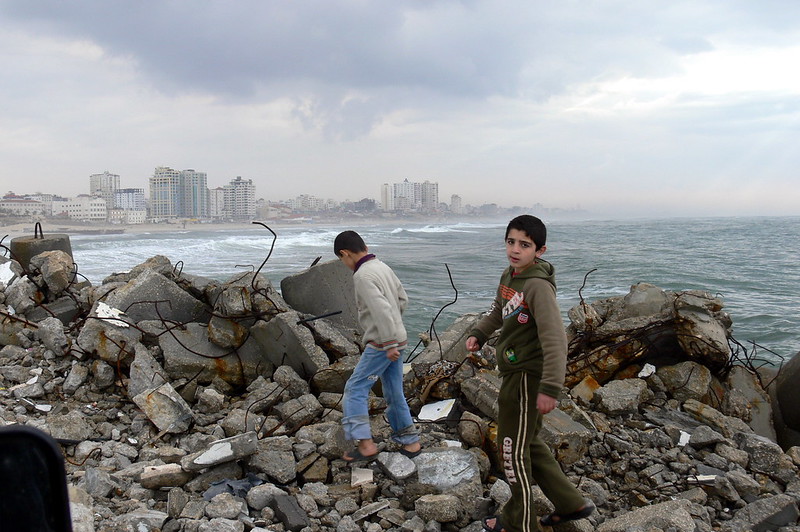
Tyla Supports South African Women’s Education Through CharityTyla Laura Seethal, born in 2002 in Johannesburg, South Africa, continues to celebrate her African identity through music and performance. Her 2023 single “Water” went viral on TikTok and earned a Grammy Award in 2024 for Best African Musical Performance. Despite global success, Tyla remains rooted in her home country and recently launched an initiative to support young women’s education in South Africa.

Barriers to Women’s Education

Women in South Africa often face gender-based obstacles in pursuing education and professional advancement. Cultural expectations and unequal domestic responsibilities limit their ability to attain higher education. Although the South African Constitution prohibits discrimination, persistent stereotypes suggest men are better suited for leadership roles. A study conducted during the COVID-19 pandemic at a University of Technology in the Free State Province revealed the structural barriers women face in higher education. Female staff reported challenges including harassment, stereotyping, maternity leave concerns and doubts about their qualifications. These findings highlight the need for gender-responsive reforms to promote economic and social development through inclusive education.

Tyla’s ‘Bliss Smoothie’ Initiative

In April 2025, Tyla partnered with U.S.-based health food store Erewhon to launch the “Bliss Smoothie.” Proceeds from smoothie sales support 18twenty8, a South African nonprofit focused on women’s education and personal development. Tyla selected 18twenty8 because of its long-standing mission to empower women through education, recognizing that access to schooling plays a vital role in breaking the cycle of poverty. The organization received renewed attention following the donation, which founder Refiloe Seseane called “a motivator to continue the work that [they] have been doing.”

18twenty8’s Impact

Since registering in 2011, 18twenty8 has supported women ages 18 to 28 through life skills workshops, financial assistance, leadership camps and peer mentorship. The organization aims to build women’s confidence and equip them with tools for success. Graduates featured on the organization’s website have shared stories of how tuition assistance and mentorship enabled them to pursue their degrees and long-term goals. Tyla’s contribution may help more women access higher education and challenge the cultural norms that have historically limited their potential.

Expanding Opportunities Through the ‘Big Sister Network’

In addition to its core programs, 18twenty8 operates the Big Sister Network, a mentorship initiative that pairs young women with professional female mentors. This program provides guidance, career exposure and support, addressing the lack of positive female role models and academic mentors in many communities. Through these relationships, participants gain insights into various career paths and develop the confidence to pursue their goals. The ‘Big Sister Network’ exemplifies 18twenty8’s commitment to holistic empowerment, fostering a supportive environment where young women can thrive.

Looking Ahead

As Tyla continues to expand her influence, initiatives like the Bliss Smoothie partnership aim to open new avenues for global engagement in gender-focused development. Sustained support for organizations like 18twenty8 could strengthen the pipeline of South African women’s education and skilled professions in South Africa. Future collaborations with public institutions and the private sector could also help scale impact through scholarships, digital learning tools and mentorship infrastructure. According to UNESCO, each additional year of secondary education for a girl can increase her future earnings by up to 20%, highlighting the long-term benefits of educational access. By investing in women’s development early, communities may see improved health, reduced poverty and higher levels of civic participation.

– Sarina Francis

Sarina is based in Tallahassee, FL, USA and focuses on Good News for The Borgen Project.

Photo: Flickr
May 31, 2025
https://borgenproject.org/wp-content/uploads/borgen-project-logo.svg 0 0 Precious Sheidu https://borgenproject.org/wp-content/uploads/borgen-project-logo.svg Precious Sheidu2025-05-31 01:30:342025-05-30 22:54:20Tyla Supports South African Women’s Education Through Charity
Child Poverty, Global Poverty, Nonprofit Organizations and NGOs

The Realities of Child Poverty in the Philippines

The Realities of Child Poverty in the PhilippinesChild poverty in the Philippines remains a pressing concern that affects children’s physical and mental development. While the overall poverty rate in the country has declined, the child poverty rate continues to increase. According to a 2022 policy research report by the World Bank and UNICEF, approximately 5.14 million Filipino children—about 12.4%—live in extreme poverty.

Root Causes and Response Initiatives

Causes, familiarity and socio-economic conditions contribute to the rising number of children living below the poverty line. Advocacy organizations and programs like the Pantawid Pamilyang Pilipino Program (4Ps) and Childhope Philippines Foundation work to ensure that children living on less than $2.15 per day can access education, health care, housing and other resources needed to break the poverty cycle. The Philippines continues to pursue its goal of becoming an upper-middle-income country. However, poverty in the country stems from multiple interconnected issues. The long-term effects of child poverty extend beyond the affected children to wider society.

Several factors, including limited employment, inadequate access to quality education and health care and regional conflict, contribute to the persistence of poverty among children.

Child Labor

Low household income remains a key driver of child labor. To support their families, many children either drop out of school or divide their time between work and school. According to the Philippine Statistics Authority (PSA), in 2023, around 1.09 million children aged 5 to 17 were working and 678,000 of them were not eligible to work legally. Although the number of working children has decreased from previous years—935,000 in 2021 and 828,000 in 2022—child labor remains a significant concern. Many children leave school due to financial hardship, creating a cycle of poverty that could persist across generations.

Education

Education plays a vital role in national development. The Philippine government mandates a 13-year basic education system from kindergarten through 12th grade, known as the K–12 program. Despite this, many Filipino children face a learning crisis marked by poor performance in international assessments and high levels of learning poverty. According to UNICEF, children in the Philippines lag five to six years behind students in countries with similar economic profiles.

The education system is governed by three agencies: the Department of Education (DepEd), which manages the K–12 public school system; the Commission on Higher Education (CHED), which oversees universities; and the Technical Education and Skills Development Authority (TESDA), which supervises vocational training programs. While enrollment has increased, access to quality education remains uneven, especially in rural areas. Addressing inaccessibility through advocacy and investment could help children build a better educational foundation.

Child Poverty Reduction Solutions

Governmental and nongovernmental organizations (NGOs) programs, such as the Conditional Cash Transfer (CCT) programs and Childhope Philippines Foundation, work to combat child poverty in the Philippines. Government programs provide financial support to low-income families, help ensure that every child can attend school and receive necessary health care, while NGOs offer educational solutions, food assistance and community development projects. Expanding and implementing these solutions can potentially get every individual to work together to fight against child poverty effectively, for an increase in opportunities for children as they grow older.

Pantawid Pamilyang Pilipino Program (4Ps)

The Pantawid Pamilyang Pilipino Program (4Ps) serves as the country’s flagship poverty reduction strategy. Implemented by the Department of Social Welfare and Development (DSWD), the program provides financial aid to poor households for up to seven years. Conditions include children’s school attendance, regular health visits and participation in family development sessions.

The 4Ps is the fourth-largest CCT program globally and funds 4,177,476 loan recipients, with 870,865 newly registered households. The strategy covered 75% of the country’s population alongside the Philippine government and the Millennium Development Goals (MDGs), eradicating extreme poverty and hunger, achieving quality education, advancing gender equality, decreasing child mortality and upgrading maternal health care. The 4Ps’ accomplishments have resulted in a poverty reduction of 1.4 percentage points per year or 1.5 million fewer poor Filipinos. In the end, more than 600,000 Filipino families accomplished self-sufficiency with help from the 4Ps. 

Childhope Philippines Foundation

Childhope Philippines is a renowned NGO that aims to promote the welfare, uphold and protect the rights of street children in the Philippines. The organization provides education, health services and livelihood opportunities for the impoverished youth. Established in 1995, Childhope empowers children with skills and resources to achieve a brighter future. It encourages everyone to become a united community where individuals play a role in raising awareness of child poverty in the country.

Nationally and internationally, the foundation encourages people to send donations and participate in volunteer work to become a beacon of hope for 50,000 to 70,000 Filipino children who live and work on the streets of Metro Manila, Philippines. Throughout the years, Childhope transformed the lives of approximately 10,500 street children with long-lasting impacts through its partnerships and projects.

Looking Ahead

Every child deserves access to basic rights and opportunities for a better future. Child poverty in the Philippines requires comprehensive strategies that address economic hardship, improve education and expand social welfare. Efforts by both the government and NGOs play a crucial role in reducing hardship and supporting children’s development. Ongoing commitment from all sectors could help build a society where every child can thrive and contribute meaningfully to national growth.

– Makayla Johnson

Makayla is based in Cary, NC, USA and focuses on Good News for The Borgen Project.

Photo: Flickr

May 28, 2025
https://borgenproject.org/wp-content/uploads/borgen-project-logo.svg 0 0 Precious Sheidu https://borgenproject.org/wp-content/uploads/borgen-project-logo.svg Precious Sheidu2025-05-28 07:30:132025-05-28 03:37:52The Realities of Child Poverty in the Philippines
Global Poverty, Natural Disaster, Nonprofit Organizations and NGOs

Clinton Foundation Aids Myanmar and Thailand Earthquake Victims

Earthquake in Thailand and MyanmarOn March 28, 2025, a 7.7 magnitude earthquake struck Myanmar, with tremors felt across neighboring Thailand. The disaster caused more than 2,000 deaths, according to the Associated Press and led to severe destruction in Mandalay, Myanmar’s second-largest city. Damage to roads, airports and buildings complicated rescue and relief operations. Power outages, fuel shortages and high temperatures further slowed search efforts.

Seismic Risk and Regional Vulnerability

Experts attribute the quake to tectonic activity along the Sagaing Fault, a major boundary between the India and Eurasia plates that cuts through densely populated areas like Mandalay. According to geologist Dr. Rebecca Bell of Imperial College London, the fault’s linear structure allows for wide ruptures, contributing to the scale of destruction.

Impact on an Ongoing Humanitarian Crisis

The earthquake added pressure to Myanmar’s existing humanitarian emergency. Since 2023, escalating conflict has led to widespread displacement and many of those affected by the earthquake were already living in fragile conditions. The disaster intensified the need for shelter, clean water, food and health care. According to Health Poverty Action, thousands of people have been injured or displaced, while hospitals face critical supply shortages. The International Rescue Committee (IRC) reported urgent needs for tents, medical services and clean drinking water

Economic Toll

The quake caused an estimated $36 billion in damage, roughly 70% of Myanmar’s GDP. This widespread destruction further weakens a national economy already strained by conflict and poverty. Beyond the immediate destruction, the earthquake severely disrupted Myanmar’s agricultural sector, particularly in the Dry Zone, which is the country’s primary region for pulses, oilseeds and cereals.

Damage to infrastructure, such as roads and bridges, has hindered farmers’ access to markets and essential inputs, threatening upcoming planting seasons and potentially leading to reduced harvests and incomes. Furthermore, the destruction of key government facilities in Naypyidaw, including ministries responsible for trade and commerce, has impeded administrative functions critical for economic recovery and export activities. These compounded effects are expected to exacerbate inflation, increase poverty rates and strain Myanmar’s limited foreign exchange reserves, posing long-term challenges to the nation’s economic stability.

Coordinated Aid Through the Clinton Global Initiative

The Clinton Foundation’s Clinton Global Initiative (CGI) quickly mobilized its members to respond to the crisis. These partners worked alongside local and international groups to support communities affected by the disaster.

  • The Afya Foundation assessed medical needs and distributed supplies through local partners.
  • Airlink coordinated logistics with more than 15 NGOs, helping deliver search and rescue teams despite damaged infrastructure.
  • All Hands and Hearts arrived shortly after the quake to assess needs and provide an early response in Bangkok and nearby communities.
  • CARE delivered urgent medical and health services for women and families.
  • The Center for Disaster Philanthropy (CDP) supported recovery efforts with targeted funding.
  • Direct Relief, with a longstanding presence in the region, coordinated with the ASEAN Coordinating Center to deliver emergency medical aid.
  • The International Medical Corps provided emergency trauma and surgical care, deploying a medical team to assist overwhelmed hospitals and clinics.

Looking Ahead

As relief efforts continue to aid those affected by the earthquake in Thailand and Myanmar, international organizations and local partners remain focused on recovery, emphasizing the importance of collaboration during disasters. The coordinated response through the Clinton Foundation’s network reflects the growing role of philanthropic and nonprofit actors in delivering rapid humanitarian assistance, especially in regions already experiencing poverty and instability.

– Abirame Shanthakumar

Abirame is based in Ontario, Canada and focuses on Celebs and World News for The Borgen Project.

Photo: Flickr

May 27, 2025
https://borgenproject.org/wp-content/uploads/borgen-project-logo.svg 0 0 Precious Sheidu https://borgenproject.org/wp-content/uploads/borgen-project-logo.svg Precious Sheidu2025-05-27 07:30:342025-05-26 23:20:31Clinton Foundation Aids Myanmar and Thailand Earthquake Victims
Page 9 of 60«‹7891011›»

Get Smarter

  • Global Poverty 101
  • Global Poverty… The Good News
  • Global Poverty & U.S. Jobs
  • Global Poverty and National Security
  • Innovative Solutions to Poverty
  • Global Poverty & Aid FAQ’s
Search Search

Take Action

  • Call Congress
  • Email Congress
  • Donate
  • 30 Ways to Help
  • Volunteer Ops
  • Internships
  • Courses & Certificates
  • The Podcast
Borgen Project

“The Borgen Project is an incredible nonprofit organization that is addressing poverty and hunger and working towards ending them.”

-The Huffington Post

Inside The Borgen Project

  • Contact
  • About
  • Financials
  • President
  • Board of Directors
  • Board of Advisors

International Links

  • UK Email Parliament
  • UK Donate
  • Canada Email Parliament

Get Smarter

  • Global Poverty 101
  • Global Poverty… The Good News
  • Global Poverty & U.S. Jobs
  • Global Poverty and National Security
  • Innovative Solutions to Poverty
  • Global Poverty & Aid FAQ’s

Ways to Help

  • Call Congress
  • Email Congress
  • Donate
  • 30 Ways to Help
  • Volunteer Ops
  • Internships
  • Courses & Certificates
  • The Podcast
Scroll to top Scroll to top Scroll to top