Women-Led Solutions to Period Poverty in Uganda
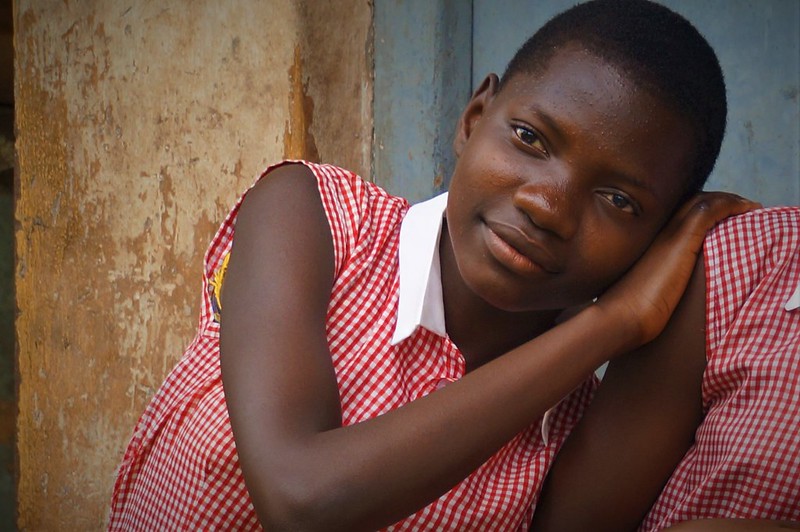 Period poverty refers to the lack of safe, accessible and educational means of managing menstruation. Financial hardship, lack of education and social stigma all contribute to period poverty. In Uganda, only 22% of girls have access to safe and hygienic sanitary products, leading some to use makeshift alternatives such as old clothes, soil or paper. These practices increase health risks, including contracting STIs. Additionally, 23% of girls ages 12 to 18 drop out of school when they begin menstruation, which affects their education and limits future opportunities. However, several women-led initiatives are fighting period poverty by addressing and finding solutions for all aspects of period poverty.
Girls for School Pads by Global Girls Glow
Founded by Kashish at just 18 years old, Girls for School Pads focuses on changing the way communities perceive periods. Safe spaces are being created for girls to ask questions about their bodies and, in turn, understand how to effectively manage their health and well-being. Alongside providing affordable and reusable sanitary products, educational workshops and community dialogues are created to inform people about menstruation. The proceeds made from these events go directly to funding scholarships for girls’ education. Since its startup in 2018, Girls for School Pads has impacted 500 women and girls and 60 girls within three Ugandan cities are pursuing their education through the scholarship programme.
She for She Pads
She for She Pads is a social enterprise that produces and provides sanitary products for schoolgirls and women in the labor market. The production of sanitary products creates jobs for vulnerable women, ensuring safe working conditions, training and income. Recently, the organization provided 800 pads to orphans in Uganda, addressing period poverty by helping girls remain in school and women stay in the workforce. This women-led solution helps break the cycle of period poverty and empowers girls and women to take control of their lives. Furthermore, through job security, stable income and access to education, they are able to reach their full potential.
Mulatsi Church of Uganda
Mulatsi Church partnered with Compassion Church after the approval of funding for menstrual hygiene interventions. Educating communities about the importance of menstrual hygiene and teaching how to make reusable products became their immediate call to action. Women and men, including parents, local leaders, children and students from three local schools, completed training. Afterward, they were asked to train others, allowing the movement to grow quickly and spread awareness. Through this effort, “48 churches are educating 4,800 adolescent girls and boys.” This women-led initiative also helped challenge men’s attitudes toward menstruation and feminine hygiene, leading many to become active participants in the fight to end period poverty.
Going Forward
All three women-led initiatives play vital roles in reducing period poverty in Uganda. Community support drives these projects, helping break the cycle and empower women from a young age through adulthood. Furthermore, increased awareness and safe spaces allow women and men to dismantle the stigma around menstruation. More girls and women can access sanitary products, remain in education and the workforce and care for their bodies in a safe, informed and hygienic way.
– Jule Riemenschneider
Jule is based in Oxford, UK and focuses on Good News for The Borgen Project.
Photo: Flickr
