How NGOs Are Saving Refugee Education in Lebanon
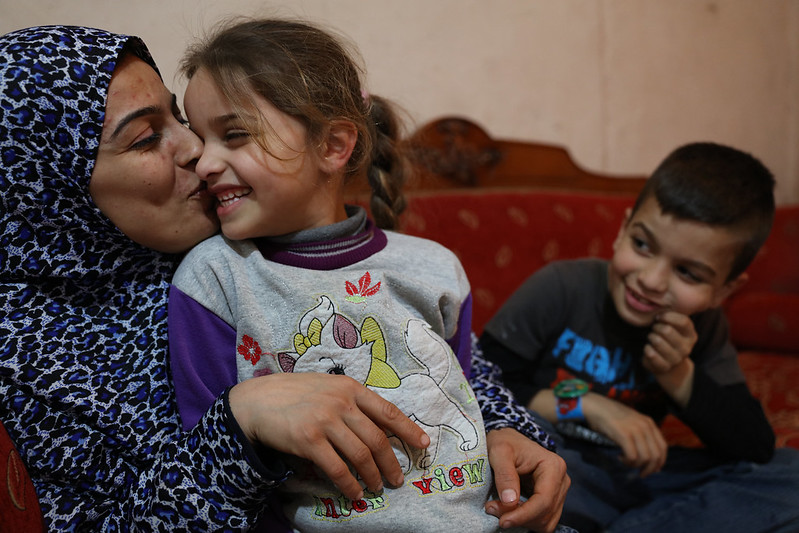 Amid a deepening economic crisis, on-the-ground nongovernmental organizations (NGOs) are leading a shift in refugee education in Lebanon. With nearly half of school-aged Syrian refugee children in Lebanon out of school and Palestinian refugees facing decades of underfunded educational infrastructure, organizations such as Basmeh & Zeitooneh, Save the Children and International Network for Aid Relief and Assistance (INARA) are working to expand access to education.
A Struggling System
Lebanon hosts one of the highest refugee per‐capita ratios in the world, with nearly 1.5 million Syrians and hundreds of thousands of Palestinians. Public schools remain overwhelmed and under-resourced. The “second shift” program designed for Syrian refugees has repeatedly suffered denial of access due to arbitrary closures, delayed enrollment and restrictive local policies. Host-country mandates like certifying prior education or having official residency documents block thousands from enrolling. In 2021, only about 40% of school-age Syrian refugees in Lebanon were in formal education, while nearly 200,000 had never attended school.
Grassroots Innovation: What NGOs Are Doing
By addressing the trauma and lived experiences of displaced children, NGOs are revolutionizing refugee education in Lebanon. Basmeh & Zeitooneh run community centers and offer nonformal education and psychological support for refugee children. Through holistic education, the organization combats child labour and early marriage. Save the Children reports that Lebanon hosts more than 660,000 school‑age Syrian refugees, with at least half out of school, launching a hybrid learning program by distributing tablets, running virtual classrooms and providing mental health resources.
INARA has provided rapid-response medical and mental health support to displaced children in Lebanon, and occasionally offers informal educational services as part of holistic care. These NGOs ensure that academic progress is never separated from emotional well-being — a critical consideration for trauma-exposed youth. They also highlight how grassroots innovation is reshaping refugee education in Lebanon, especially for those left out of formal systems. The impact of NGOs in Lebanon is far-reaching, demonstrating what inclusive, community-led education programs can look like worldwide.
Looking Ahead
According to the United Nations High Commissioner for Refugees (UNHCR), refugee children who access education are more likely to avoid child labor, forced marriage and recruitment by armed groups. Hence, when refugee children are denied education, cycles of poverty and instability become entrenched, putting future generations at risk. But when they are given the tools to learn — through organizations that understand their specific needs — they have a chance not just to survive, but to thrive. Sustaining the progress so far will require continued support for grassroots solutions, collaboration with the Lebanese government to strengthen education policies and a shared commitment to protecting refugee education in Lebanon.
– Riddhi Sharma
Riddhi is based in Richmond, BC, Canada and focuses on Good News for The Borgen Project.
Photo: Flickr
