Stop TB Partnership Takes Action With RESPECT
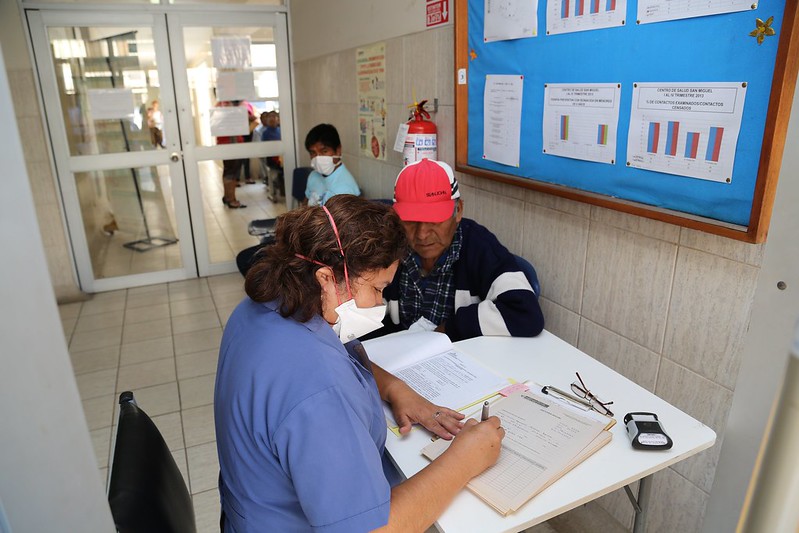 Tuberculosis (TB) is an infectious disease caused by bacteria that mostly affects the lungs. It spreads through the air when people with TB cough, sneeze or spit. TB is a preventable and curable disease. Only about a quarter of the world’s population is estimated to have TB bacteria. About 5% to 10% of people infected with TB will eventually get symptoms and contract TB disease. People who have the bacteria but are free of the disease cannot transmit it. Treatment usually involves the use of TB antibiotics, without which TB can be fatal.
Overview of Project RESPECT
The Stop TB Partnership, in collaboration with Unitaid, is leading the Reshaping People-Centric Empowered Community-led DR-TB Treatment (RESPECT). DR-TB refers to drug-resistant tuberculosis. The project focuses on mobilizing and strengthening the role of TB-affected communities and civil society to increase the demand for and uptake of DR-TB services and tools.
Community Engagement and Target Regions
RESPECT plans to use the Stop TB Partnership’s Challenge Facility for Civil Society (CFCS) to boost community engagement and demand for DR-TB services and tools in Cameroon, the Democratic Republic of the Congo, India, Moldova and Pakistan. The project also supports national networks in advocating for budgets and policies, promoting literacy and stigma reduction initiatives and conducting community-led monitoring to enhance accountability. Other consortium partners will join the Stop TB Partnership’s efforts to advance this work at the country level.
Funding and Treatment Shift
The Stop TB Partnership will implement RESPECT alongside other programs as part of a $15.3 million investment from Unitaid to strengthen DR-TB action in 16 countries. The initiative aims to empower those most affected and increase demand for, address barriers to and improve access to new World Health Organization (WHO) treatment regimens for DR-TB. These new regimens replace older treatments that could last up to two years and required painful injections.
Goals and Impact
Project RESPECT seeks to have a transformative impact on DR-TB care by identifying and removing barriers to life-saving diagnosis and treatment. According to Dr. Philippe Duneton, Executive Director of Unitaid, “Too often, the latest innovations in drug-resistant TB testing and treatment do not reach populations that need them. Community networks can help us to reach beyond the health care system and drive demand, reduce stigma and ensure equitable access to the latest tools.” The project also aims to raise awareness and build the capacity of communities through community-led monitoring, training, advocacy and communication tools. These resources will ensure the creation of literacy and communication materials tailored for affected communities and local governments.
Looking Ahead
TB has a reputation as a contagious but curable disease. The Stop TB Partnership is working to reinforce this globally through RESPECT and other initiatives. DR-TB poses a serious public health threat in low- and middle-income countries (LMICs) and recent developments in DR-TB treatments have led to World Health Organization (WHO)-recommended regimens that can cut treatment time and costs in half. However, adoption of these new treatment regimens has been slow in many LMICs. Through RESPECT, Unitaid will implement mechanisms that drive demand and create solutions tailored to community needs. The project will also develop and share tools and resources to strengthen community engagement and improve the overall response to DR-TB. This approach aims to improve health outcomes and reduce TB-related stigma and discrimination and will be complemented by the Stop TB Partnership’s work in other countries.
– Abirame Shanthakumar
Abirame is based in Ontario, Canada and focuses on Global Health for The Borgen Project.
Photo: Flickr
