• Link to X
  • Link to Facebook
  • Link to Instagram
  • Link to TikTok
  • Link to Youtube
  • About
    • About Us
      • President
      • Board of Directors
      • Board of Advisors
      • Financials
      • Our Methodology
      • Success Tracker
      • Contact
  • Act Now
    • 30 Ways to Help
      • Email Congress
      • Call Congress
      • Volunteer
      • Courses & Certificates
      • Be a Donor
    • Internships
      • In-Office Internships
      • Remote Internships
    • Legislation
      • Politics 101
  • The Blog
  • The Podcast
  • Magazine
  • Donate
  • Click to open the search input field Click to open the search input field Search
  • Menu Menu

Archive for category: NGOs

Conflict, Global Poverty, NGOs

The Rohingya: How the IRC is Helping Myanmar

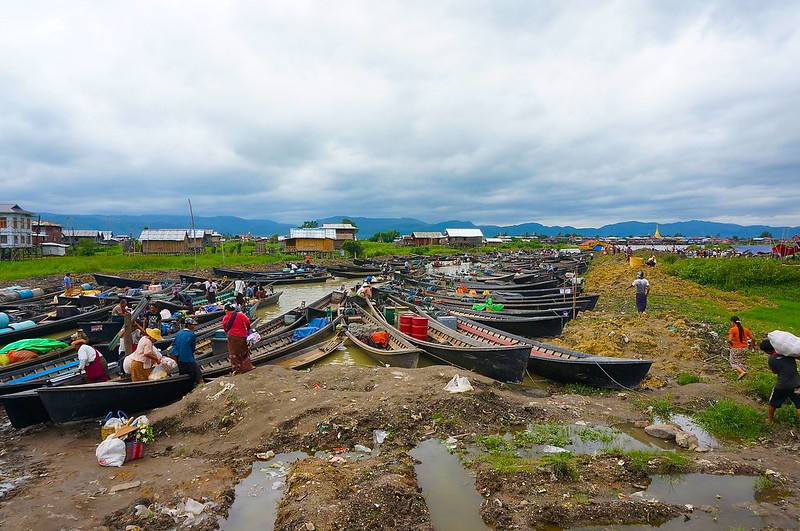
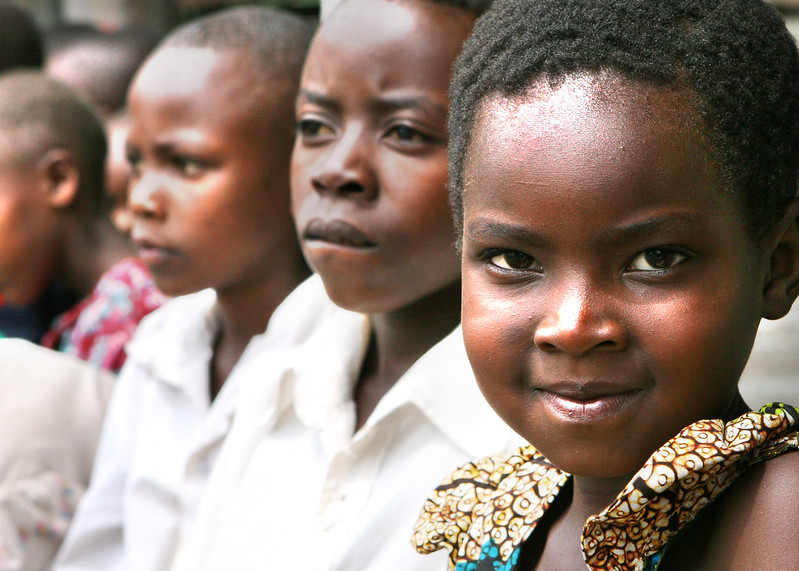
How the IRC is Helping MyanmarSince the 2021 military coup, Myanmar, especially the Rohingya has faced severe restrictions on freedoms of speech and assembly and has witnessed mass killings, arbitrary arrests, torture, sexual violence and other crimes against humanity. Currently, more than 2.7 million citizens are internally displaced, with more than 2.3 million of those displaced since the coup. Additionally, 15 million people face food insecurity. In total, 18.6 million people across Myanmar struggle to meet basic needs. This crisis is the latest in nearly half a century of military control, extreme poverty and natural disasters that have plagued the country.

Deterioration of Public Services and Infrastructure

The military junta in Myanmar has deteriorated living conditions, increased food insecurity and obstructed humanitarian aid, resulting in the collapse of health care and public services in conflict-ridden regions. Conflict often disrupts communication and blocks transport routes, enforcing martial law in most parts of the country. Myanmar suffers from significant infrastructure damage, including prolonged communication and electricity blackouts. With a severe shortage of health care workers, many facilities are shut down. This leaves a large number of the 2.7 million internally displaced who reside in rural areas to take lengthy journeys to access basic and critical health care.

Intensifying Conflict and Climate Challenges

Violence escalated in Oct. 2023 when multiple nonstate groups attacked Myanmar’s central government in the Northern Shan State. Since then, the fighting has spread across the country, jeopardizing civilian safety. Poverty and inflation continue to worsen as Myanmar faces ongoing climate shocks to its agriculture sector. Cyclone Mocha in 2023 damaged crops and food production, affecting the livelihoods of more than 3.4 million people. Now, with the impact of El Niño, including erratic rainfall and high temperatures, the already stressed agriculture sector faces further challenges.

The Rohingya in Myanmar

The Rohingya people, a predominantly Muslim ethnic group of about 1.1 million, have resided in Buddhist-majority Myanmar for centuries but remain among the most vulnerable groups. Myanmar does not recognize the Rohingya as one of its 135 official ethnic groups and has denied them citizenship since 1982, rendering them stateless. Most Rohingya reside in Rakhine State, where they cannot leave without government permission. They live in one of the country’s poorest states, confined to ghetto-like camps with limited access to basic public services and opportunities.

When Myanmar gained independence from Great Britain in 1948, it enacted the Union Citizenship Act, which identified 135 ethnic groups eligible for citizenship. Although the Rohingya were omitted, families residing in Myanmar for two generations could apply for identity cards and, in some instances, citizenship. Following the first military coup in 1962, the government restricted Rohingyas from carrying foreign identity cards, severely limiting their access to employment and educational opportunities. A 1982 law further exacerbated their plight by officially declaring the Rohingya stateless.

Persecution and Exodus of the Rohingya

Rohingya people have been fleeing Myanmar since the ‘70s due to “government crackdowns,” which often include rape, torture, arson and murder, but many families remain in the country. Currently, much of the internal violence targets the Rohingya, who are often unfairly blamed by the government for violent acts carried out by nonstate groups. Accusations of ethnic cleansing against the Rohingya by the government persist, which the government denies. Residents and activists report troops firing unprovoked at unarmed Rohingya men, women and children.

In 2018, the Associated Press released a video showing a massacre and five undisclosed mass graves of Rohingya people in Myanmar. Due to ongoing violence and persecution, not only by the junta military but also by past government powers, hundreds of thousands of Rohingya have fled to neighboring countries such as Bangladesh. Recently, tens of thousands of Rohingya refugees in Bangladesh have started protesting, calling for an end to the violence and persecution in Myanmar.

Advocacy and Aid: The IRC’s Role

Communities rely on humanitarian aid and community networks for social services such as health care and education. The International Rescue Committee (IRC) is helping Myanmar by responding to the needs of the current coup, but the nongovernmental organization has been working in the country for far longer. In 2008, the IRC entered Myanmar after Cyclone Nargis for emergency response and recovery efforts. It has since stayed in the country and expanded to programs focused on improving health, protection, water, sanitation, hygiene, career training and support for community development projects.

The organization runs shelter programs for internally displaced and crisis-affected communities, significantly expanding since the 2021 coup. Currently, the IRC is particularly focused on supporting those affected by the escalating conflict, marginalized communities and individuals displaced before 2021. It emphasizes partnerships with local organizations to deliver support effectively and also operates in Bangladesh, where hundreds of thousands of Rohingya refugees from Myanmar have sought refuge.

Community Support and Developing Local Capabilities

The IRC is helping Myanmar to recover from ongoing conflict and natural disasters, focusing on the most remote areas, including Rakhine, Chin and Shan States. Across these regions, the IRC trains community health workers, supports mobile health clinics and partners with local communities to enhance access to clean drinking water, improve sanitation and prevent disease. It also educates farmers on modern agricultural techniques and technology, empowers communities to identify their own needs and develops unique recovery plans. Furthermore, the IRC operates skills training and support centers specifically for women and girls and manages nine refugee camps along the Thailand border, which provide shelter to nearly 140,000 refugees.

Looking Ahead

As conflict and displacement continue to escalate in Myanmar, the need for humanitarian assistance remains critical. Organizations like the IRC are working to address the urgent needs of displaced populations by providing health care, clean water and shelter. Their focus on local partnerships and community empowerment has helped deliver essential services to remote areas most affected by violence and natural disasters. With continued efforts, these ongoing initiatives aim to improve the lives of those impacted by ongoing conflict and instability.

– Anna Thibodeau

Anna is based in Omaha, NE, USA and focuses on Good News and Politics for The Borgen Project.

Photo: Flickr
September 7, 2024
https://borgenproject.org/wp-content/uploads/borgen-project-logo.svg 0 0 Precious Sheidu https://borgenproject.org/wp-content/uploads/borgen-project-logo.svg Precious Sheidu2024-09-07 10:49:142024-09-17 01:32:14The Rohingya: How the IRC is Helping Myanmar
Aid, Global Poverty, NGOs

The Beirut Blast Calls for a Different Distribution of Aid in Lebanon

aid in lebanonLebanon will solemnly remember the explosion in its capital which shook the city’s foundations, halted a revolution in its steps and showed the importance of a different aid distribution in Lebanon. On August 4th, 2020, at 6:07 pm, 2,750 tons of ammonium nitrate were ignited, causing “the largest non-nuclear explosion in modern times.”

The Beirut blast had initially caused an estimated $3.8 billion to $4.6 billion in material damage. That number was only to increase as casualties became more evident: the explosion killed 218 people from more than 14 different nationalities, wounded 7,000 people and caused a physical disability to 150 of them. And because of Beirut’s incredibly high population density, some 300,000 people faced displacement, according to Human Rights Watch (HRW).

Aid in Lebanon

Aid came quickly from multiple organizations and concerned nations:

  • Britain: $6.6 million in aid for search and rescue.
  • Germany: 47 strong rescue teams and €1 million through the German Red Cross to establish local aid centers.
  • Russia: Five planes worth of medical equipment, including field hospitals and well-equipped medical personel.
  • Iran: Field hospital, medical equipment and nine tonnes of food.
  • Lebanese Red Cross: Providing essentials to 80,000 people, and distributing almost $800,000 in cash grants for people to rebuild their destroyed homes.

The humanitarian response right after the explosion was adequate, excluding, however, many of those who had perished under the rubble because of a delay in rescue missions. Such was the story of Chady, who had died under a fallen building after waiting to be rescued for an astounding 24 hours. The aid his mother Hayat received following the tragedy was subpar, allowing her only to buy a casket for her dead son.

This tells that the long-term distribution of aid in Lebanon has been incredibly lacking. Two years after the Beirut blast, 1 million people in Lebanon, half of them children, were living under the poverty line and could not afford necessities

International Assistance

Before the Beirut blast the country had been going through an economic crisis and the International Monetary Fund (IMF) withheld monetary assistance from the Lebanese state because of a lack of political reform.

The America Near East Refugee Aid (ANERA) has been working even two years after the explosion to renovate damaged houses and buildings. In 2023, the two engineering companies Artelia and Egis came up with a plan to help reinvigorate the Beirut Port, but they need between $60 to $80 million to begin with the project.

International assistance of this sort can mean the difference between collapse and survival, so lobbying for inventive and effective distribution of aid in Lebanon is a must for both organizations and the international community as a whole.

– Carl Massad

Carl is based in Chandler, AZ, USA and focuses on Politics for The Borgen Project.

Photo: Pexels

August 4, 2024
https://borgenproject.org/wp-content/uploads/borgen-project-logo.svg 0 0 Naida Jahic https://borgenproject.org/wp-content/uploads/borgen-project-logo.svg Naida Jahic2024-08-04 03:00:072024-08-04 01:49:33The Beirut Blast Calls for a Different Distribution of Aid in Lebanon
Developing Countries, Global Poverty, NGOs

5 Charities Operating in Jamaica

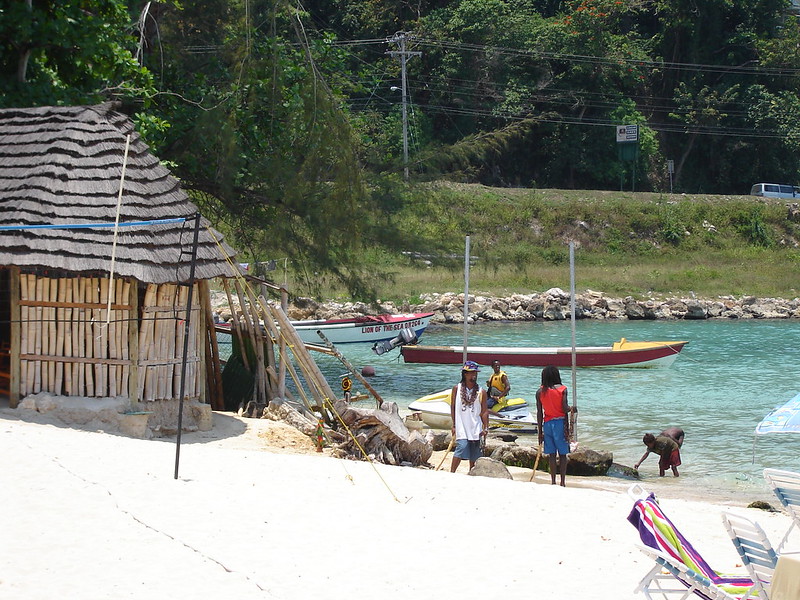
Charities in JamaicaAccording to a report by the World Food Programme (WFP), 58% of Jamaica’s population experienced severe food insecurity in 2022. Addressing critical issues such as food insecurity and period poverty and providing essential aid to individuals affected by regional turmoil, such as that in neighboring Haiti, remains vital for meeting Jamaica’s community needs. In addition, implementing robust mentorship and empowerment programs for vulnerable populations is crucial for fostering sustainable growth and development. The active involvement of various charities in Jamaica is making a significant impact in addressing these diverse community challenges. Here are five charities operating in Jamaica.

Food for the Poor

Food for the Poor (FFTP) Jamaica is the largest charitable organization in Jamaica and it has been assisting since 1982. Through its transformative initiatives, the organization collaborates with more than 1,300 churches and institutions to distribute food, medicine, educational supplies and other essential items. FFTP has successfully executed numerous projects in Jamaica, focusing on education, medical care, housing and agriculture.

One of FFTP’s initiatives is the Build Back the Love for Jamaica campaign, launched to commemorate the charity’s 40th anniversary in Jamaica. The campaign aims to improve socioeconomic conditions by providing shelter, implementing sustainable projects and offering resources and training for individuals and families.

Moms on a Mission

A group of mothers in St Ann, called Moms on a Mission, is addressing period poverty by distributing sanitary napkins to schools in the parish. The group was founded by Marcia Rankinson-Stanley, who was inspired to focus on girls’ needs after learning about Jamaica’s lack of access to sanitary pads. By donating “48 packs of sanitary napkins to the school every month,” the charity’s efforts have significantly impacted students’ lives, reducing absences due to the lack of menstrual products.

SOS Children’s Village Jamaica

Established in 1970, SOS Children’s Villages Jamaica is a private, nongovernmental organization that works with children who have lost parental care. It follows a rights-based approach as defined by the International Convention on the Rights of the Child (CRC) and the Child Care and Protection Act of Jamaica.

In Jamaica, more than 80% of children experience violent discipline at home and thousands require external care and protection. As part of SOS-Kinderdorf International, the world’s largest private child welfare organization, SOS Children’s Villages Jamaica provides essential care and support to these vulnerable children and young people.

Currently, the organization cares for more than 60,000 children in more than 550 of its village communities, established in 125 countries, including Jamaica. Additionally, it has educated and equipped more than 290,000 underprivileged children in the nations where it operates. The initiative emphasizes the belief that no child should grow up alone and encourages child sponsorship to make a lasting difference in the lives of at-risk children.

Looking Ahead

These charities operating in Jamaica are making significant progress in addressing food insecurity, period poverty and child poverty. Through their continued work, life in Jamaica should only improve.

– Deonna Jackson

Deonna is based in Pittsburgh, PA, USA and focuses on Good News for The Borgen Project.

Photo: Flickr

July 30, 2024
https://borgenproject.org/wp-content/uploads/borgen-project-logo.svg 0 0 Lynsey 2 https://borgenproject.org/wp-content/uploads/borgen-project-logo.svg Lynsey 22024-07-30 07:30:312024-07-29 09:33:295 Charities Operating in Jamaica
Global Poverty, NGOs, Women's Rights

Voices of Women: Empowering Women’s Rights in Burkina Faso

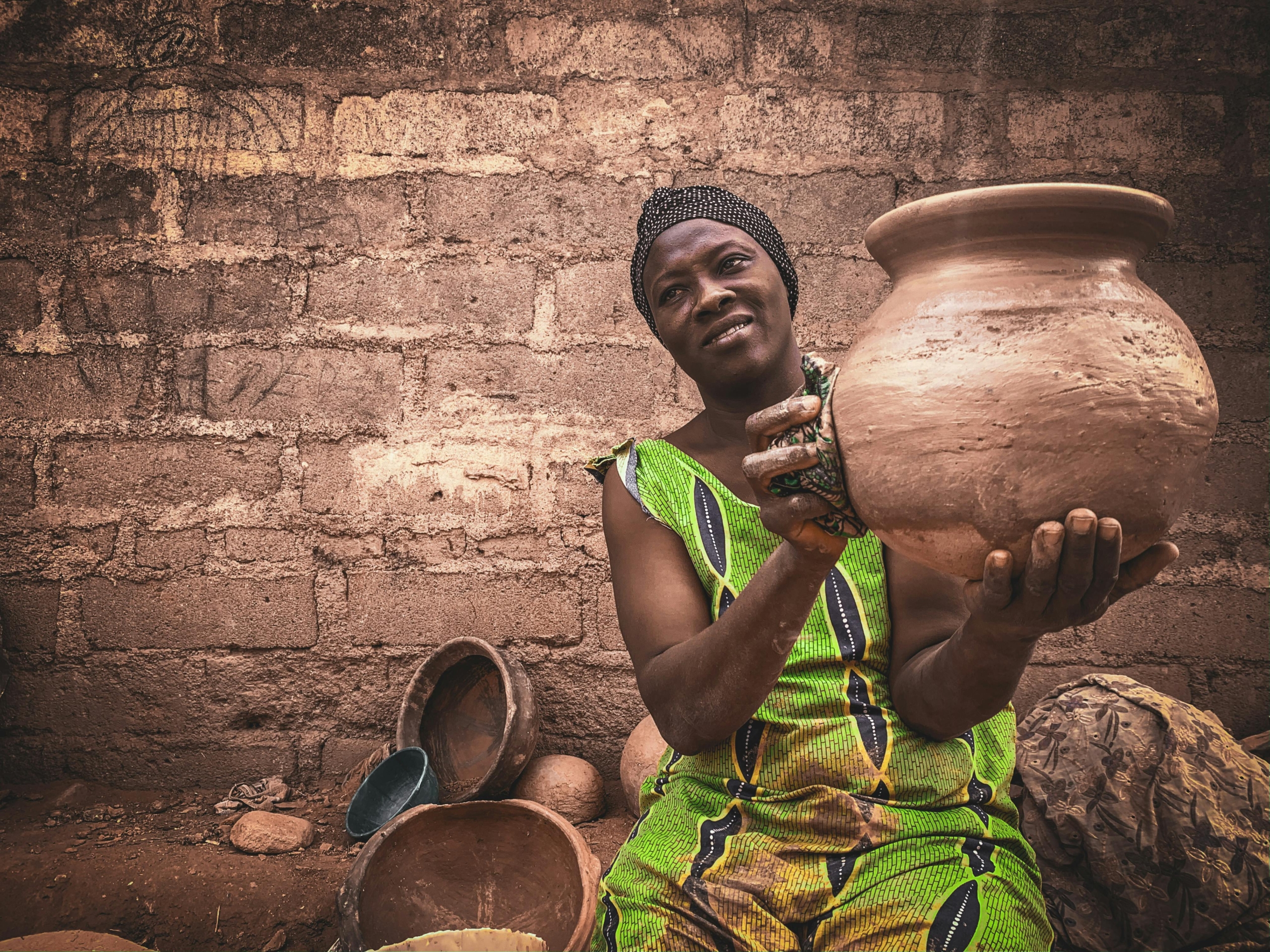
Voices of WomenBurkina Faso is a West African country whose constitution states that men and women are equal. However, despite this claim of equal rights, strict gender roles dictate the separation between men and women and contribute to the lower status of women. Gender-based violence (GBV) is also a prominent issue in Burkina Faso.

Voix des Femmes (VDF), which translates to Voices of Women, was established in September 2000 to empower children’s and women’s rights in Burkina Faso. Recognized by Burkinabe authorities as a nongovernmental organization (NGO), VDF has implemented numerous projects in Burkina Faso.

The Goals and Strategy of Voices of Women

VDF conducts projects geared toward:

  • Improving the economic situation of women
  • Educating young girls
  • Reducing GBV
  • Offering communities medical care and legal services
  • Enhancing children’s resilience

Alongside these contributions, VDF primarily mobilizes women to advocate for their rights. Regarding VDF’s strategy, it leverages its diverse human capital, comprising professionals such as lawyers, chemists and health, social work and communication experts. Moreover, in choosing beneficiaries to power these projects, VDF is open to all persons with no discrimination of gender, race or status.

VDF’s Projects in Burkina Faso

One significant VDF project is the “Protection and Promotion of the Rights of Women and Girls, Economic Empowerment and the Fight Against Violence in the Central Region.” The project aims to train people from the community. Those trained will conduct awareness sessions for women and girls and empower their rights. Women involved are trained in “micro-project management” and “income-generating activities.” This training promotes women’s financial liberty and socioeconomic development.

Similarly, men and adolescents are educated on “positive masculinity” to support women’s rights. Positive masculinity is rejecting the negative attributes of traditional masculinity, such as aggression. The focus on this behavior contributes to the reduction of GBV. This project also aims to have 60,000 women as direct beneficiaries, with 200 women for their psychological, legal, medical and social care and 120 women for income-generating activities.

Women, here, are the actors of change and social mobilization. They identify and refer cases of GBV and suggest beneficiaries for income-generating activities. As indirect beneficiaries, 20,000 people, including men, adolescents and 300 community leaders, participate in advocacy sessions to spread awareness.

Furthermore, the AIDS 2024 project involves educational talks on sexual violence and child marriage with internally displaced persons in various communities. On April 30 and May 2, 2024, a meeting was held to discuss and implement the project, known as the “Integrated Emergency Protection Response and Management of GBV in the Boucle du Mouhoun Region.” Moreover, the Sini-Gnèsigui project provides “listening clubs” for young survivors of child marriage and school-related violence. Listening clubs are like counseling groups that empower the youth to combat these abuses.

Projects and Workshops

On May 15, 2024, a workshop was held with Moundasso’s Center for Economic Growth listening club members. The discussion highlighted ways to identify signs of violence and to make an effective report and referral. The project’s objectives strive to enhance the resilience of girls and adolescents.

Finally, the project “Women’s Rights and Health in Burkina Faso: Preventing and Reducing Vulnerabilities in the Context of Crisis and Post-Crisis COVID-19” aimed to enhance medical, legal, judicial and psychological care for women survivors of GBV during the COVID-19 restrictions. VDF partnered with the Association of Women Lawyers of Burkina Faso, the Pananetugri Initiative for Women’s Welfare and Equipop.

The project sought to empower women and girls to address the socioeconomic impacts of the pandemic. This was achieved by fostering young female leaders who could drive positive change within their communities. In two years, the project reached more than 170,000 direct beneficiaries in three regions of Burkina Faso and concluded in March 2023.

Final Remark

The efforts made through the projects of Voices of Women have helped women understand and fully exercise their civil liberties. In addition to empowering women’s rights, VDF provided educational and financial support and contributed to reducing GBV across the country.

For the organization’s significant impact, the president of VDF, Mariam Lamizana, was awarded by the United Nations Population Fund (UNFPA) for “the promotion of the abandonment of female genital mutilation.” This prize recognizes VDF’s substantial achievements in eliminating these harmful traditional practices.

– Caroline Albright

Caroline is based in Milton, MA, USA and focuses on Good News for The Borgen Project.

Photo: Pexels

July 27, 2024
https://borgenproject.org/wp-content/uploads/borgen-project-logo.svg 0 0 Lynsey 2 https://borgenproject.org/wp-content/uploads/borgen-project-logo.svg Lynsey 22024-07-27 07:30:412024-07-27 03:20:17Voices of Women: Empowering Women’s Rights in Burkina Faso
Global Poverty, Government, NGOs

Recent Poverty Reduction in Hawaii

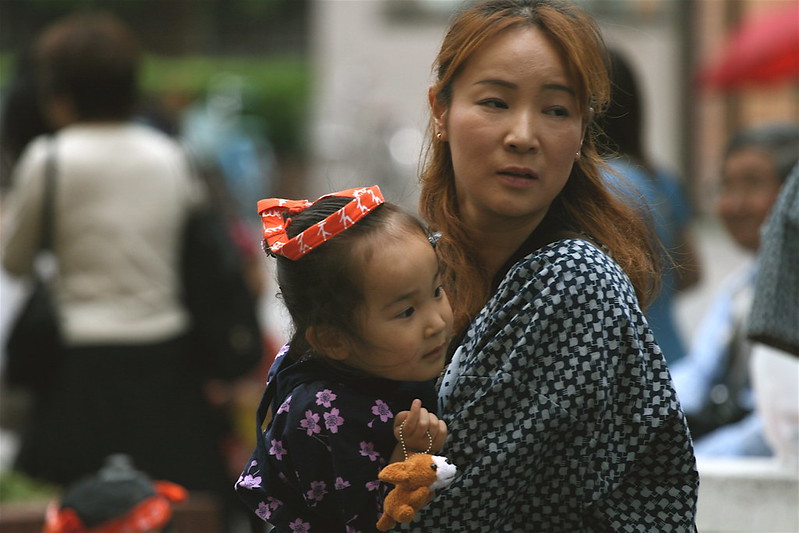
Poverty Reduction in HawaiiRecent initiatives in Hawaii have improved poverty reduction through legislative measures and community-driven programs. These efforts are not only aimed at providing immediate relief but also focus on sustainable solutions to assist vulnerable populations across the state.
The Situation

According to the United States (U.S.) Census Bureau, 10.2% of Hawaii residents live below the poverty line. This score is higher than the U.S. national average of 11.5% as of 2022. Even as Hawaii grapples with poverty, a number of local initiatives are offering hope for meaningful progress in reducing hardship.

Governmental Initiatives

One of the most important legislative actions contributing to poverty reduction is the proposed Farm Bill. This legislation aims to strengthen local agriculture while simultaneously combating hunger. By supporting local farmers and promoting healthy farming practices, the Farm Bill seeks to lower food costs and increase food security for people nationwide, including Hawaii’s residents. The Farm Bill’s approach is crucial in a state that is heavily reliant on imported goods and where high living costs disproportionately affect low-income families. Implementing the Farm Bill involves incentivizing local production through grants, reducing dependency on external food sources and stimulating economic growth.

Governor Josh Green’s administration has also taken proactive steps to address homelessness, a critical aspect of poverty in Hawaii (41% in 2022). The Governor’s office highlighted the Hoʻokahi Leo Kauhale initiative on its official website, focusing on providing affordable housing for at least 50 people experiencing homelessness. This program incorporates housing with comprehensive support services driven to meet the needs of homeless individuals and families. By providing housing along with health care access, employment resources and social services, Hoʻokahi Leo Kauhale aims to reduce homelessness and help residents rebuild their lives.

The Department of Business, Economic Development and Tourism (DBEDT) also plays a pivotal role in Hawaii’s poverty reduction efforts. DBEDT’s goal is to reach a globally competitive economy for Hawaii. The department has led initiatives to increase the state’s economic growth and job creation. DBEDT’s efforts contribute to reducing unemployment rates and promoting financial stability among Hawaii’s residents.

Nongovernmental Initiatives

Hawaii has also made strides in addressing local poverty apart from governmental efforts. Child & Family Service (CFS), a Hawaii-based nonprofit organization dedicated to fostering healthy child development, has also been working to break generational poverty throughout the state. In 2016, the organization launched a pilot program called Transition to Success (TTS). The program’s mission is to empower and guide impoverished families to success via mentorship, coaching and other resources. About 986 participants of TTS reported positive changes regarding self-sufficiency.

What This Means for the Nation

Recent efforts towards poverty reduction in Hawaii show a combination of legislative innovation, community engagement and strategic economic development. Working between government agencies and nonprofit organizations will be crucial in building upon these achievements and addressing common challenges. By continuing to evolve upon successful strategies, Hawaii can further solidify its commitment to poverty alleviation and economic empowerment, setting an example for resilience and stability nationwide.

– Christian Core

Christian is based in Princeville, HI, USA and focuses on Good News and Celebs for The Borgen Project.

Photo: Flickr

July 24, 2024
https://borgenproject.org/wp-content/uploads/borgen-project-logo.svg 0 0 Lynsey 2 https://borgenproject.org/wp-content/uploads/borgen-project-logo.svg Lynsey 22024-07-24 01:30:382024-07-24 01:49:01Recent Poverty Reduction in Hawaii
Child Poverty, Global Poverty, NGOs

Single-Mother Families and Child Poverty in Japan

Child Poverty in JapanDespite being one of the wealthiest developed countries worldwide, Japan grapples with a significant child poverty issue, ranking among the highest in the Organisation for Economic Co-operation and Development (OECD) countries. Alarming statistics reveal that one in seven Japanese children lives in poverty.

Causes of Child Poverty in Japan

A significant factor contributing to child poverty is the high percentage of children living in single-parent households. Approximately 50% of single-parent families, most often mother-children households, fall below the poverty line. The summary report shows that the number of mother-children households is roughly 565,000 in 2022, while the number of father-children households is only 75,000.

Furthermore, the societal structure in Japan predominantly favors full-time male employees, leading to a gender wage gap where women, even those working full-time and overtime, often receive lower wages and fewer benefits. The average income per mother-children household is merely 3.73 million yen ($23,529) a year, compared to 6.06 million yen ($38.199) in “single-parent families with a father.” Nearly two million mothers with children in households have no jobs.

“I feel deprived of my dignity because I’m a single mother, I’m on public welfare, I don’t have enough money for daily food and school and I don’t have a job,” said Mika, a 45-year-old single mother who raises her two children, aged 3 and 7, on her own. “My children would like to join clubs and travel, but I can’t afford it.”

Additionally, 22.5% of mother-child households have no savings, the highest percentage among all types of households. Meanwhile, the lowest percentage of mother-child households have savings. In the self-assessed survey of living conditions, around 39.4% of mother-child households claimed a “very difficult” condition, the highest among all types of households. Only 23.4% of mother-child households think they live in a “normal” condition.

The Japanese Social Care System

The Japanese social care system involves local governments offering protective services to children who are either without parents or whose parents are unable to care for them. The system involves fostering psychological care and local community support goals. Other supportive systems such as psychological treatment facilities for children, facilities to support the development of children’s self-sustaining capacity and maternal and child living support facilities also provide home assistance and daycare to assist children and their parents.

Additionally, a children’s home provides a safe living environment for children without parents or those whose parents are unable to care for them due to abuse, serious health issues, or financial difficulties. According to data from the Ministry of Health, Labor and Welfare, the number of children’s homes in Japan is approximately 600 and the number of children living in such homes is 27,300.

NGOs Providing Solutions

Apart from government support, many organizations are fighting for child poverty in Japan:

  • Lights On Children: A nonprofit organization that assists and supports children’s social needs.
  • Kids Door: A nonprofit organization that provides education, comfortable homes and career workshops.
  • YouMeWe: A Tokyo-based nonprofit organization that nurtures and supports local students from institutionalized homes, helping them achieve full independence by the age of 18 through initiatives like financial literacy programs.

Final Remark on Child Poverty in Japan

These supportive programs and institutes have effectively alleviated children’s poverty. A report from the Ministry of Health, Labor and Welfare indicates a decrease in children’s poverty rate from 2018 (14%) to 2021 (11.5%). The relative frequency distribution of the number of children in households with disposable income shows a drop in the range of less than 400,000 yen ($2,520) and between 400,000 and 1,400,000 yen ($2,520 and $8,820). The frequency of single-parent and children in households also declines in the range between 1,000,000 and 1,400,000 yen ($6,300 and $8,820).

Nevertheless, the Japanese government repeatedly made promises to provide financial support to children in poverty and mother-children households. However, the action was very slow. Akihiko Kato, a professor at Meiji University, has criticized the Japanese government for its sluggish response in delivering financial support to families with children. “It’s one thing we can do more of in society: try to recognize people’s cries for help,” said McAvoy, the filmmaker of Japanese single mother film “The Ones Left Behind.”

– Cindy Hong

Cindy is based in Milpitas, CA, USA and focuses on Good News for The Borgen Project.

Photo: Flickr

July 22, 2024
https://borgenproject.org/wp-content/uploads/borgen-project-logo.svg 0 0 Lynsey 2 https://borgenproject.org/wp-content/uploads/borgen-project-logo.svg Lynsey 22024-07-22 07:30:412024-07-22 00:44:02Single-Mother Families and Child Poverty in Japan
Education, Global Poverty, NGOs

Philippine NGOs Offering Scholarships to the Underprivileged

Philippine NGOsWhen it comes to improving a country’s overall state, the masses need to be as educated as possible. An uneducated population makes it difficult for a country to progress and leaves it vulnerable to political manipulation. The Philippines is a key example of this state. While the country is beautiful and the people are renowned for their kindness and hospitality, it is also rife with corruption and the disparity between the rich and poor grows larger by the day. One way to combat this inequality is education. An educated populace will gradually improve a nation’s overall state. However, the Philippines lacks a system for cultivating an educated population. Although the country has a basic literacy rate of more than 88.5%, more than 6 million people are still illiterate. Therefore, here are some Philippine nongovernmental organizations (NGOs) that offer scholarships to the underprivileged.

TORM Philippines Education Foundation

The NGO was founded in 2007 and is devoted to promoting quality education to children from unprivileged families in the Philippines. Many rural families in the Philippines often struggle to send their children to school. Aside from low-income families, the organization also helps deserving individuals gain a college education. The organization has awarded more than 200 scholarships since its inception.

UPL

While the NGO mostly aims to help farmers in their agricultural endeavors and, in the process, provide millions of families with their daily sustenance, UPL also offers scholarship opportunities to grass-roots families. UPL predominantly offers scholarships to farming families. The scholarships are designed to enhance the farming family’s agricultural knowledge and allow them to cultivate the land more effectively and efficiently.

Project Pearls

Project Pearls is one of the Philippine NGOs predominantly aimed at feeding people experiencing poverty in the city of Tondo. While it is mostly devoted to funding feeding programs, it also has educational programs that aim to provide underprivileged children with a means of gaining education. The organization’s educational programs are predominantly aimed at teaching young people the right skills to gain jobs. These programs include livelihood programs, training seminars and workshops. The organization also provides underprivileged students with monetary help for school supplies. It has provided scholarships for more than 700 students in four communities in the Philippines.

Diwa ng Magdalo Foundation

The Diwa nang Magdalo Foundation was founded by a group known as Bagong Katipuneros. Its main goal is to promote better governance in the Philippines. The organization was first registered in 2011 and is meant to create a self-sufficient Philippines. To do so, the organization focuses mostly on the country’s youth.

Its main intent is to effect societal change and it has created various programs that help grassroots-level students meet their educational needs. A key function that the organization fulfills every year is the giving away of scholarships to unprivileged students. These scholars are usually sent to well-known colleges in the country, such as the University of the Philippines.

Aside from giving away free scholarships, the NGO is also focused on assisting its beneficiaries with financial aid and assistance during times of crisis.

Conclusion

The Philippines is a developing nation rife with corruption and poverty and many families cannot afford to send their children to school for a meaningful education. Through these Philippine NGOs, children from impoverished families are now able to attend high school and even gain a college education.

– Neil Lorenz Misola

Neil is based in New York, NY, USA and focuses on World News and Politics for The Borgen Project.

Photo: Unsplash

July 22, 2024
https://borgenproject.org/wp-content/uploads/borgen-project-logo.svg 0 0 Lynsey 2 https://borgenproject.org/wp-content/uploads/borgen-project-logo.svg Lynsey 22024-07-22 03:00:352024-07-22 00:28:57Philippine NGOs Offering Scholarships to the Underprivileged
Global Poverty, NGOs, Water

3 NGOs Providing Clean Water in Laos

Clean Water in LaosThe issue of water in Laos is not one of abundance but cleanliness. The Southeast Asian nation is home to heavy rainfall, the Mekong River and plenty of other smaller bodies. However, according to the United States Agency for International Development (USAID), only 17.87% of people in Laos have access to an improved water source that is safely managed. This means that of the 7.5 million Lao people, only 1.5 million can obtain properly treated clean water that comes from reliable delivery systems such as pipes, wells and protected springs. In terms of rankings, this puts Laos second to last in the region and 110th out of the 120 countries that USAID has calculated this statistic.

Furthermore, a significant portion of the predominantly rural Lao population lacks access to proper sanitation facilities, forcing them to defecate in open areas. This practice leads to runoff, contaminating the drinking water supply with fecal matter. The scarcity of clean water in Laos has severe public health implications. Contaminated water is a major contributor to diarrheal diseases, which are the 8th leading cause of death in the country. According to a 2019 World Health Organization (WHO) estimate, 21.6 people per 100,000 in Laos died from diarrhea.

Joint Partnerships

Even though much needs to be accomplished, improvements have been made. In 2023, the United Nations Children’s Fund (UNICEF) and the Government of Laos celebrated the 50th anniversary of their partnership. When they started working together, less than 300,000 people had access to clean water. As of 2023, the capital province of Vientiane was officially declared Open Defecation-Free (ODF). Additionally, “three more provinces are nearing ODF status and nearly 86% of villages nationally achieved this benchmark.” A lot of this success can be attributed to intergovernmental organizations like UNICEF, the WHO and USAID. However, several smaller organizations have done and continue to do vital work in providing water to the people of Lao. Here are three nonprofits providing access to clean water in Laos.

Abundant Water

Founded in 2008 by Australian Engineer Sunny Forsyth, Abundant Water makes clay pottery water filters. It has been operating in Laos since 2011. After an initial 12-village survey that involved recording water use data, sample testing and trainee hiring, the organization built its production and training center in Vientiane. So far, it has “distributed 11,670 handmade ceramic water filters reaching 103,881 beneficiaries throughout the country.”

Through its work, Abundant Water also promotes sustainability. Beyond manufacturing the clay filters, it also trains local potters on how to make the filters themselves. During the first year of operation, it trained five ceramicists from remote rural villages to produce the filters on their own. By the end of the training, all of them were able to make a filter that produced clean enough water to meet the national standard.

After 12 years, more than 192 Lao people have been trained, leading to a significant impact on the ground. Abundant Water’s flagship project in Xaisomboun province targeted 33 villages, installed 794 filters and provided clean water to 3,864 people. Of all 3864 people, 98% of the households reported improved health, 86% saved time from not having to boil water, 81% reduced firewood consumption and “65% of families saved” between $0.23 to $0.90 (5,000-20,000 KIP) a week.”

Planet Water

Mark Steele established the Planet Water Foundation in 2009. Since then, it has provided clean water to more than 4 million people in 28 different countries in the Asia-Pacific region and Latin America. Planet Water has been operating in Laos since 2010. The primary method by which it produces clean water is through its AquaTower community water filtration system. Mostly implemented in rural schools, the AquaTower uses gravity to remove dangerous pathogens, producing drinking water for up to 1,800 people. There are also handwashing stations attached. This is particularly important because 44% of schools do not have a basic water supply and 68% lack basic sanitation. Most kids in these schools have to “rely on bottled water for drinking. Students who cannot afford this luxury have no option but to bring unfiltered water from their home.”

East Meets West

East Meets West, also known as Thrive Networks, was founded in 1988 by Le Ly Hayslip, the author of “When Heaven and Earth Changed Places.” This memoir, about her peaceful childhood and war-torn early adulthood, later served as the inspiration for Oliver Stone’s “Heaven & Earth,” starring Tommy Lee Jones. Initially, East Meets West operations provided clean water, health and education to communities in Vietnam. However, since 2010, East Meets West expanded into Cambodia and Laos. This was possible with help from the Australian Department of Foreign Affairs, the World Bank and the Bill & Melinda Gates Foundation. 

Since 2014, East Meets West has supplied water to nearly 90,000 people in Laos, including more than 12,000 schoolchildren. It has also built more than 5,000 toilet facilities in rural areas. Working in Luang Prabang, Sayyabouly and Champasak provinces, the organization uses a Women-led Output Based Aid (WOBA) solution, creating “meaningful gender empowerment outcomes by systematically engaging women as change agents in the sector and decision-makers in the household.” In the future, East Meets West is looking to expand into more provinces in order to continue providing clean water in Laos.

– Mason Borden

Mason is based in New York, NY, USA and focuses on Technology and Global Health for The Borgen Project.

Photo: Flickr

July 18, 2024
https://borgenproject.org/wp-content/uploads/borgen-project-logo.svg 0 0 Lynsey 2 https://borgenproject.org/wp-content/uploads/borgen-project-logo.svg Lynsey 22024-07-18 07:30:052024-12-13 18:03:143 NGOs Providing Clean Water in Laos
Charity, Global Poverty, NGOs

The Rwanga Foundation in Kurdistan: Support and Development

The Rwanga Foundation in KurdistanThe Rwanga Foundation is a nongovernmental organization (NGO) founded in 2013 by philanthropist Idris Nechirvan in the Kurdistan region of Iraq. Nechirvan began the charity with the aim of providing every child access to quality education. Since then, the foundation has expanded its reach and helped more than three million people.

History of the Kurdistan Region in Iraq

The Kurdistan region is no stranger to instability and the 2010s were a particularly challenging decade, marked by political turmoil, economic crisis and threats to security. In February 2014, the then-Prime Minister of Iraq blocked 17% of the federal budget constitutionally allocated to Kurdistan. This triggered a crippling financial crisis in the region as many Kurds rely on employment from the Kurdistan Regional Government for their livelihoods.

In June of that year, the Islamic State (ISIS) captured Mosul, Iraq. This led to an influx of Iraqi refugees into the Kurdistan region. In August, ISIS attacked Kurstian and implemented a genocidal campaign against the Yazidi people, prompting the United States (U.S.) to intervene. Liberation from ISIS was eventually achieved in October 2016.

In 2017, the independence referendum, where an overwhelming 93% of Kurds voted in favor, was met with severe repercussions from Iraq. The Iraqi army retook Kirkuk and closed Kurdistan’s airspace and borders, leading to the displacement of more than 100,000 Kurds. Despite these challenges, the decade ended with improved relations with Iraq and although the region has yet to recover fully, Kurdistan has remained resilient in the face of significant adversity.

The Rwanga Foundation’s Mission and Vision

The Rwanga Foundation is dedicated to improving Kurdish youth’s quality of life and providing avenues for educational growth in all sectors. The foundation emphasizes creating a culture and passion for learning by enhancing education standards in Kurdistan through services, capacity-building and policy design. The foundation’s vision is a world where quality education is accessible to everyone.

How It Operates

The Rwanga Foundation operates through four main sectors:

  1. Education: Rwanga aims to transform the culture of education into a continuous journey of learning. It works to develop platforms such as e-learning systems using the latest technology, allowing young people to discover their talents, fulfill their potential and improve their quality of life.
  2. Youth: Rwanga recognizes the power of youth and actively engages them within society to empower them to become the aspiring leaders of the future.
  3. Vulnerable groups: Rwanga believes in the transformative nature of education and hopes to extend the avenues of education and skill discovery to those living in poverty. The foundation believes education is a sustainable and lasting solution to the cycle of poverty.
  4. Environment: The foundation is committed to designing new strategies and solutions to safeguard the environment.

The Rwanga Foundation’s Latest Projects

  1. Message From Children Project: The project is an annual competition coordinated with the Kurdistan Parliament and the Ministry of Education. It encourages primary school students to express themselves through art. The best paintings are displayed in the Kurdistan Region Parliament building. This year’s subject is “How do you see yourself in 2045?”
  2. Empowering Sustainable Livelihoods 2023-2026: This project is a collaborative initiative funded by the Department of Migration, Stabilization and Fragility at the Ministry of Foreign Affairs of Denmark. It hopes to facilitate the sustainable long-term reintegration of Iraqi returnees into their communities by enabling a supportive environment. The project aims to strengthen the capabilities of governmental bodies and NGOs, thereby improving access to economic opportunities. Additional aims include assisting returning business owners and informing returnees about their rights and opportunities.
  3. Parcel of Smile: During the holy month of Ramadan, the Rwanga Foundation distributed 7,000 baskets containing essential food items. The baskets included rice, food oil, tomato paste, sugar, tea, lentils and white beans, and were distributed across the Kurdistan region.
  4. Planting 1000 Trees in Erbil: Sponsored by the Oval Company, the Rwanga Foundation planted 1,000 trees in May 2024 to increase the natural and urban forests in the region.
  5. You Are Not Alone Project: Since 2022, in cooperation with the General Directorate of Welfare and Social Development in Erbil, the project, which ran from February to August 2022, established a rehabilitation system for the Erbil orphanage. Using technology and human resources, Rwanga developed a strong management system for all orphanages across Iraq. This has empowered the children with psychological, educational and intellectual skills to achieve a bright and stable future.

Final Remark

More than a decade after its formation, the Rwanga Foundation has significantly improved the quality of life in the Kurdish region of Iraq. The continuous efforts of the Rwanga Foundation paint a hopeful future for Kurdistan, strengthening the region’s already resilient people.

– Fatima Naqavi

Fatima is based in London, UK and focuses on Good News for The Borgen Project.

Photo: Pxhere

July 15, 2024
https://borgenproject.org/wp-content/uploads/borgen-project-logo.svg 0 0 Lynsey 2 https://borgenproject.org/wp-content/uploads/borgen-project-logo.svg Lynsey 22024-07-15 03:00:292024-07-15 01:17:12The Rwanga Foundation in Kurdistan: Support and Development
Developing Countries, Development, Global Poverty, NGOs, Nonprofit Organizations and NGOs

Nongovernmental Organizations Operating in Kiribati

Nongovernmental Organizations Operating in KiribatiThe United Nations (U.N.) currently lists Kiribati as a Least Developed Country (LDC). The U.N. defines an LDC as one that requires significant international aid to assist its development. This designation is based on three main criteria: an average income below $1,080, a low score on the Human Asset Index, an index designed to assess multiple factors in a country’s education and health outcomes and a high score on the Economic and Environmental Vulnerability Index. Additionally, the designation must be accepted by the country.

Kiribati has made significant strides in its goal of graduating from this distinction and meeting the economic threshold. However, concerns exist regarding its ability to survive independently without the support of the U.N. Situations like this are when the efforts of NGOs become crucial. With volunteer efforts working within Kiribati on a daily basis to provide its citizens with critical, potentially life-saving information, Kiribati can, in turn, place a greater emphasis on not only meeting its goal of graduation but on progressing the country’s development in order to continue the positive strides it has already made.

Nongovernmental Organizations Operating in Kiribati

The impact of nongovernmental organizations (NGOs) can be felt worldwide. In developing countries like Kiribati, homegrown efforts often arise to make drastic strides in the fight for good. Here are seven nongovernmental organizations operating in Kiribati.

KANGO

The Kiribati Association of NGOs (KANGO) helps to enact the Kiribati Vision 20 plan, a 20-year development program for the betterment of the islands. One way it does this is via one of the many workshops it holds on the island. In these workshops, participants are first educated about the Kiribati Vision 20 plan. The plan is a blueprint for the country’s long-term development goals and the U.N.’s sustainable development goals (SDGs) for Kiribati.

After the lecture, participants participated in activities, including weaving, sewing and making local handicrafts. Though it may seem pedestrian on the surface, learning to craft in this manner helps the community achieve Kiribati’s SDGs by allowing even the unemployed to contribute to the economy.

ICAAD

The International Center for Advocates Against Discrimination (ICAAD) is an advocacy group working within Kiribati to support marginalized communities on the islands. These include the indigenous peoples of Rabi island, the Banaban people. A primary goal of the ICAAD is to ensure that the voices of the native population are heard. Methods it uses to achieve this goal include artivism projects and interviews with members of the population. Highlighting and elevating the stories of these groups serves to pass on their memories and traditions to future generations, a value that can’t be calculated on a chart.

KFHA

The Kiribati Family Health Association (KFHA) works to provide crucial information and resources regarding family planning and sexual health. In addition to this, it advocates for social justice programs for marginalized groups across Kiribati. By hosting programs relating to reproductive health, critical information can be delivered to those in need of it. The most marginalized communities can receive the tools needed to thrive in times of crisis.

KTU

The Kiribati Teachers Union advocates on behalf of teachers across the islands. Providing a voice for a sector of society that is all too often overlooked, the KTU serves as an organization that can organize, negotiate and advocate on behalf of teachers across the islands. In addition, there are also separate wings of the union, including one dedicated to improving conditions for women teachers and one dedicated to those younger than 35.

Teitoiningaina

Teitoiningaina is a group dedicated to providing women on the island with crucial knowledge and resources regarding subsistence methods. Due to scarce water availability, many in Kiribati rely on water tanks for daily subsistence. In these workshops hosted by Teitoiningaina, composting techniques are among the methods taught to produce greater yields of crops. Attendees are given the ability and knowledge to better provide for their families.

KiriCAN

The Kiribati Climate Action Network (KiriCAN) is an NGO dedicated to raising awareness of the nation’s unique climate struggles. Given the Island’s location, climate and weather concerns are often crucial to its development. Mitigating the potential issues faced by its remoteness is key to the Island’s prosperity. Kirican has a long history of cleanup efforts and educational programs and its efforts to advocate for the planet are well appreciated.

Lifebox Foundation

The Lifebox Foundation, an NGO dedicated to distributing lifesaving medical equipment across the world, has a branch focused on Oceania that operates in Kiribati. Its initial goal was to distribute Pulse Oximeters to underserved communities. Though it has since expanded from this initial goal during the COVID-19 pandemic, the Lifebox Foundation demonstrated that this was still a crucial point of its operation.

Pulse oximeters are critical to COVID-19 relief efforts, as a potentially life-threatening symptom of the disease is Hypoxia or an absence of oxygen in the blood. The best tool to detect this lack of oxygen is a pulse oximeter. During the relief efforts, the Lifebox Foundation distributed more than 100 pulse oximeters to medical centers across Oceania, including Kiribati. The help of the Lifebox Foundation was key in such a critical time for Kiribati. Without it, many patients would have been left without this crucial piece of lifesaving kit.

Final Remark

These are just a few ways NGOs can impact the local Kiribati community by directly targeting key issues in the island nation. By addressing these issues on a community level, Kiribati can see its broader goals met in due time. Suppose the finish line is graduating from the LCD status. In that case, nongovernmental organizations operating in Kiribati will be the fuel needed to propel the country to its development goals.

– Malik Vega

Malik is based in Florida, USA and focuses on Good News for The Borgen Project.

Photo: Wikimedia Commons

July 10, 2024
https://borgenproject.org/wp-content/uploads/borgen-project-logo.svg 0 0 Lynsey 2 https://borgenproject.org/wp-content/uploads/borgen-project-logo.svg Lynsey 22024-07-10 03:00:242024-12-13 18:03:13Nongovernmental Organizations Operating in Kiribati
Page 4 of 15«‹23456›»

Get Smarter

  • Global Poverty 101
  • Global Poverty… The Good News
  • Global Poverty & U.S. Jobs
  • Global Poverty and National Security
  • Innovative Solutions to Poverty
  • Global Poverty & Aid FAQ’s
Search Search

Take Action

  • Call Congress
  • Email Congress
  • Donate
  • 30 Ways to Help
  • Volunteer Ops
  • Internships
  • Courses & Certificates
  • The Podcast
Borgen Project

“The Borgen Project is an incredible nonprofit organization that is addressing poverty and hunger and working towards ending them.”

-The Huffington Post

Inside The Borgen Project

  • Contact
  • About
  • Financials
  • President
  • Board of Directors
  • Board of Advisors

International Links

  • UK Email Parliament
  • UK Donate
  • Canada Email Parliament

Get Smarter

  • Global Poverty 101
  • Global Poverty… The Good News
  • Global Poverty & U.S. Jobs
  • Global Poverty and National Security
  • Innovative Solutions to Poverty
  • Global Poverty & Aid FAQ’s

Ways to Help

  • Call Congress
  • Email Congress
  • Donate
  • 30 Ways to Help
  • Volunteer Ops
  • Internships
  • Courses & Certificates
  • The Podcast
Scroll to top Scroll to top Scroll to top