How NGOs in India Are Fighting against the Water Crisis
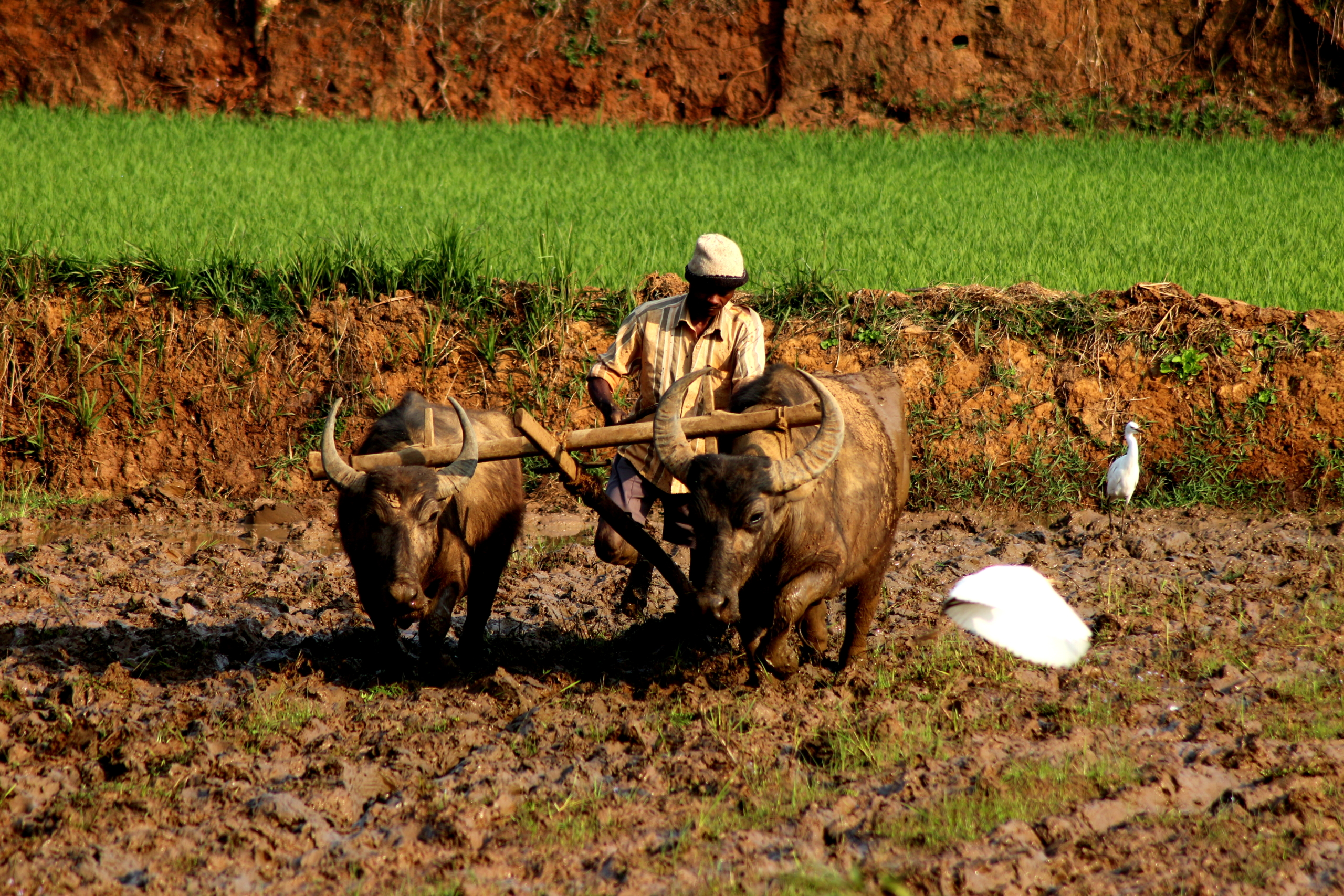 India is currently going through a severe water crisis amid the record-breaking heat wave. In New Delhi, the temperature spiked to 121.8 degrees Fahrenheit in late May, resulting in 40,000 heat strokes and 110 deaths in the past three months. The majority of victims were low-income outdoor workers who spent most of their time outside in the sweltering weather. A contributing factor to the worsening weather crisis is the severe water shortage in India. Drinking water prevents heat strokes as water lowers the body temperature and replenishes the fluid lost from sweat. However, water has always been scarce in India due to agriculture. Agriculture alone takes up 80% of India’s water, but inefficient agricultural practices, such as the lack of irrigation and infrastructure, exacerbate the shortage. The low rainfall impacted by varying climatic conditions also contributes.
The Indian Government’s Response to the Water Crisis
The Delhi Jal Board is responsible for distributing potable water in New Delhi by providing municipal water tankers to the people. However, not everyone can access it. With New Delhi being an overly populous city, 30%- 40% of the people don’t have access to municipal water. With supply outweighing demand, this gave rise to the water mafias. These private water tank owners sell water to locals at expensive prices and often smuggle water illegally. However, people have no choice but to buy it because it is their only option. Bengaluru is one of the cities facing a severe water shortage. During election seasons, politicians promise to resolve the water crisis, knowing that all the voters want is water. However, that promise has yet to be implemented. In combating the water shortage in India, nongovernmental organizations (NGOs) are offering additional help to augment drinking water, enhance water quality and create a more effective agriculture system.
The Response of NGOs in India
Two NGOs, Sehgal Foundation and Save Indian Farmers, have been instrumental in combating India’s water crisis.
- Sehgal Foundation: This NGO focuses on rural development and water management is one of its five main programs. The foundation has been constructing dams, ponds and tanks to augment water resources and Jalkap biosand water filters to enhance water quality. These stainless steel water filters are cost-effective as there is no need for electric power to filter and they are also effective against bacteria and parasites. Rooftop rainwater harvesting to conserve rainwater in underground school buildings is also one of its efforts. Since its inception in 1999, the organization has reached approximately five million people across 12 states in India.
- Save Indian Farmers: This NGO strives to increase awareness of the high suicide rates among Indian farmers and help the farmer’s families and their agricultural practices. And creating a better water use system for agriculture is one of its goals. For example, in the village of Choriya Khata, there is extreme water scarcity as the village relies on agriculture and cattle rearing. To meet their agriculture and personal needs, the residents rely on insufficient groundwater. As a result, girls and mothers spend countless hours in search of water. In response, Save Indian Farmers has constructed rainwater harvesting systems to help recharge groundwater and augment drinking water, in addition to piped irrigation systems to reduce water use.
Technology for Better Water Management
The role of technology is crucial in better water management. Thus, adopting enhanced technology is inevitable to alleviate the water crisis in India. Technology enables a more effective use of water by analyzing accurate empirical data. Through data, water distribution and conservation can be improved, which can discover where water gets leaked and wasted. These technologies can have a tremendous impact in reducing water waste, which can then be used as drinking water instead. Technology also increases the public’s attention and fosters support. Donations and volunteering can be taken at a much larger scale through websites and social media.
– Eunsung Koh
Eunsung is based in Seoul, South Korea and focuses on Technology and Global Health for The Borgen Project.
Photo: Wikimedia Commons
