• Link to X
  • Link to Facebook
  • Link to Instagram
  • Link to TikTok
  • Link to Youtube
  • About
    • About Us
      • President
      • Board of Directors
      • Board of Advisors
      • Financials
      • Our Methodology
      • Success Tracker
      • Contact
  • Act Now
    • 30 Ways to Help
      • Email Congress
      • Call Congress
      • Volunteer
      • Courses & Certificates
      • Be a Donor
    • Internships
      • In-Office Internships
      • Remote Internships
    • Legislation
      • Politics 101
  • The Blog
  • The Podcast
  • Magazine
  • Donate
  • Click to open the search input field Click to open the search input field Search
  • Menu Menu

Archive for category: NGOs

Aid, Global Poverty, NGOs

Financial Assistance Schemes for Singapore’s Low-Income Families

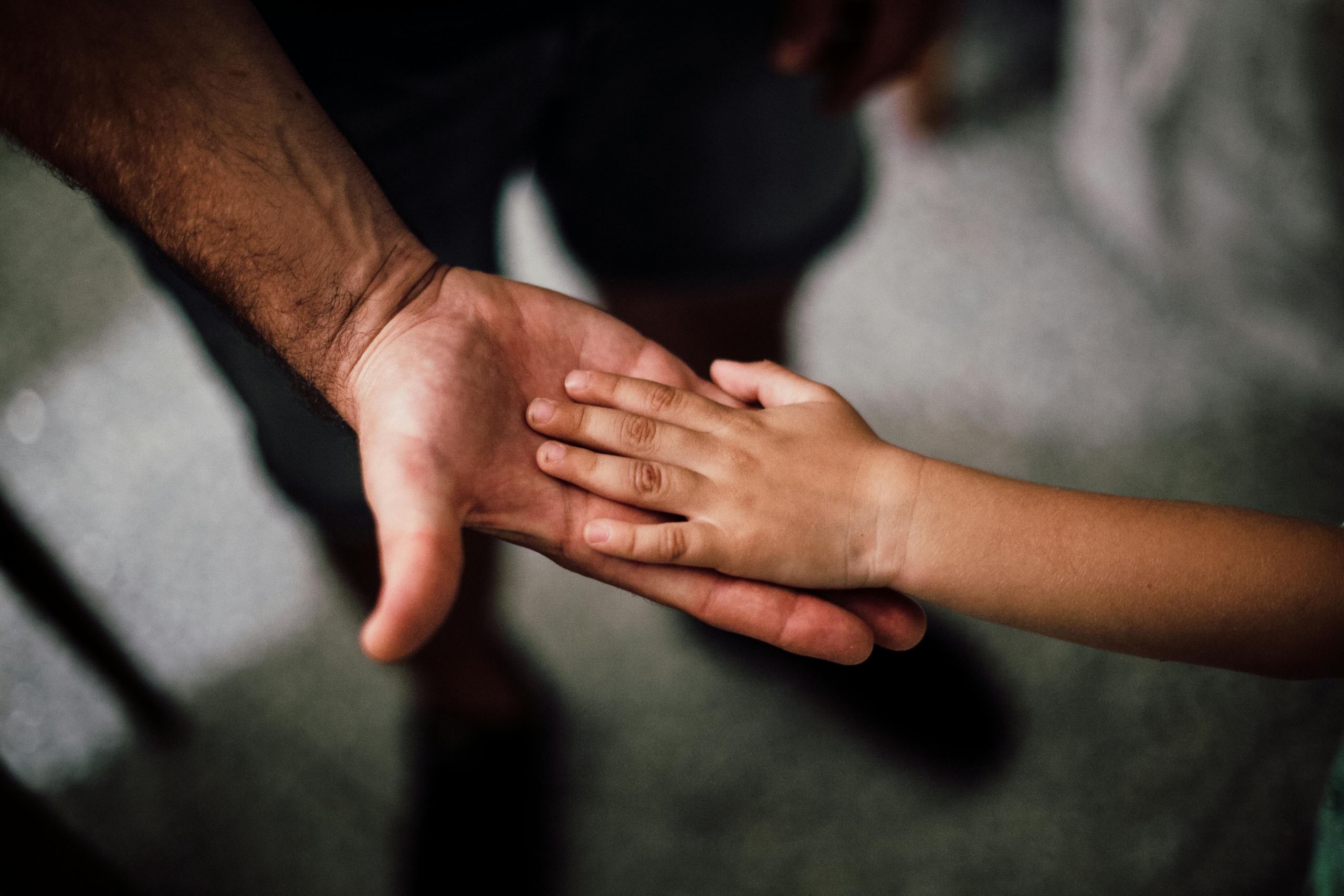
Financial Assistance Schemes for Singapore's Low-Income Families Financial assistance schemes in Singapore aim to help low-income families equip their children for future success. Despite challenges in measuring poverty within Singapore, data reveals that the country ranks 26th out of 136 nations for income inequality, making it the second most unequal in Asia. A primary cause of global poverty is the inability of low-income families to provide education for their children, which often leads to high unemployment rates and significant poverty levels. This issue is a concern in Singapore, but the government has recently implemented measures to tackle it, reflecting a commitment to addressing income disparity and promoting educational opportunities.
Impact of Poverty on Educational Success

Studies indicate that poverty significantly impacts children’s ability to succeed in educational settings. Children born into poverty from birth to age 2 are 30% less likely to complete high school, severely limiting their future opportunities. Those who do not finish high school often struggle to find employment as adults. Research by the Center for Universal Education has revealed that millions of children reach adolescence without acquiring basic skills. In developing countries, individuals lacking skills contribute to higher poverty rates. UNESCO reports that 59 million children are out of school.

Government and Organizational Support for Education

The Singaporean government, along with organizations like the Ministry of Education Financial Assistance Schemes (MOE FAS), actively provides financial aid to low-income families to help cover school-related expenses. For primary and secondary school students, MOE FAS completely covers school fees, standard miscellaneous fees, school uniforms, meals, transportation subsidies and textbooks. For pre-university students, the organization provides all the aforementioned support plus a $1,200 cash bursary.

Extended Financial Aid

Ongoing financial assistance schemes extend beyond primary and secondary school students. The Singaporean government subsidizes a large portion of educational costs for citizens pursuing higher education at publicly-funded institutions. Additionally, the Ministry of Education provides financial relief to students in Special Education (SPED) programs. The SPED Financial Assistance Scheme (SPED FAS) offers waived school fees and supplies materials for low-income families with students who have disabilities.

The Role of Subsidized Education in Social Inclusion

The Ministry of Social and Family Development reports that a subsidized education is a key component of the Singaporean approach to social inclusion and social mobility. Subsidized education is reportedly instrumental in the creation of equal opportunity. Moreover, ensuring a quality education is a conduit for what the ministry calls “leveling up,” which involves ensuring that students who come from disadvantaged backgrounds can still become successful and stay on an educational track.  

Looking Ahead

Singapore’s financial assistance schemes aim to provide low-income families with greater access to educational resources. By expanding these initiatives, the government seeks to address income inequality and improve social mobility. As these programs continue to develop, they focus on enhancing educational opportunities for young Singaporeans and contributing to a more equitable society.

– Hailey Nurry

Hailey is based in Pennsylvania, USA and focuses on Good News and Technology for The Borgen Project.

Photo: Flickr

June 18, 2024
https://borgenproject.org/wp-content/uploads/borgen-project-logo.svg 0 0 Precious Sheidu https://borgenproject.org/wp-content/uploads/borgen-project-logo.svg Precious Sheidu2024-06-18 07:30:392024-06-17 10:49:09Financial Assistance Schemes for Singapore’s Low-Income Families
Charity, Global Poverty, NGOs

Charities in England You May Not Know About

Charities in EnglandNongovernmental organizations (NGOs) or charities play important roles in the fight against poverty worldwide. NGOs work directly with local communities, providing targeted support to the most vulnerable populations.

In the United Kingdom (U.K.), where 22% of the population experienced poverty in 2021/2022, charities are essential partners in the fight against poverty, complementing government efforts and driving sustainable changes. Here are five charities in England and the wider U.K. that you may not know about:

Greggs Foundation

The Greggs Foundation focuses on setting up breakfast clubs across England, Wales, Scotland and Northern Ireland. Supported by local businesses, these clubs provide fun and food to children before their school day. The foundation has set up 900, helping to feed more than 62,000 children daily. The work it does enables children to face a day of learning with a nutritious breakfast, allowing them to focus on expanding their knowledge.

British Gas Energy Trust

Best known for fueling the nation, quite literally, British Gas also has an energy trust that aims to alleviate fuel poverty. With the cost-of-living crisis, energy bills have soared for many families, meaning people increasingly have to choose between heating their homes and putting food on the table. The energy trust, however, aims to offer support and provide grants for those who are facing this issue. So far, the trust has helped 700,000 people through its grants and schemes.

Refugee Action

Focusing on refugees and migrants, Refugee Action is a U.K.-based organization that aims to fight for better living conditions for those seeking asylum. Centered around a collaborative and inclusive approach, the charity aims to support and advise those entering the U.K. With an ambitious approach, the organization seeks to improve the prospects for all refugees. In 2023, the charity helped 3,000 people and resettled 1,700 refugees, making the work it does vital.

Together Women

Together Women is another of the charities in England but is mainly concentrated in the northern part of the country. Its key target is women who may be vulnerable to entering the criminal justice system. Additionally, the charity aims to support those who are at risk of homelessness. The goals that its centers achieve through support groups and courses are crucial. By supporting at-risk women, the life prospects for those most in need are heightened.

Turn2us

Turn2us has been operating for more than 125 years and provides support for those facing financial insecurity. Its key aim is to support older adults who may be facing poverty through its nine care homes situated across the U.K. The charity also provides key grants to those who are at risk of greater financial insecurity.

– Sarah Littleton

Sarah is based in London, UK and focuses on Good News and Politics for The Borgen Project.

Photo: Pexels

June 17, 2024
https://borgenproject.org/wp-content/uploads/borgen-project-logo.svg 0 0 Hemant Gupta https://borgenproject.org/wp-content/uploads/borgen-project-logo.svg Hemant Gupta2024-06-17 01:30:062024-06-15 13:18:08Charities in England You May Not Know About
Global Poverty, NGOs

Global Innovation Fund Addresses Poverty in Developing Countries

Global Innovation FundThe Global Innovation Fund (GIF) is a not-for-profit organization based in the United Kingdom (U.K.). Since 2015, the organization has invested a massive $119 million in development projects in low- to middle-income countries. It expects to impact the lives of 156 million impoverished people by 2033. GIF focuses on empowering and investing in people by giving them financial backing to create meaningful and effective change within their communities.

The nonprofit seeks out innovative ideas, not just in business but also in endorsing positive social change, policy, products, services and “breakthrough solutions” that could change the lives of millions of impoverished people. Here are four programs the Global Innovation Fund has partnered with to address poverty in developing nations, especially sub-Saharan nations.

CityTaps

Access to clean, running water is a staple in poverty reduction. In developing countries, more than three billion people have limited access to the basic infrastructure for running water. Even for those with access to running water, many must endure elongated periods without it. Water companies can shut off access, usually because of late or a lack of payment, which in many cases is because of poor management and organization.

In response, GIF made a significant investment in CityTaps, a company committed to helping water utilities. This allowed the company to introduce a three-stage strategy to support water companies. First, it has developed a smart water meter that can accurately record and send water usage in real-time. Second, it has incorporated new software that monitors this data and communicates important information to the water companies and their customers. Finally, it has integrated a pre-paid service whereby the customers gain control over their water budget and usage.

Bandeberho (Role Model)

Gender-based violence (GBV) is an epidemic in Rwanda, with 43% of women who have been married having to endure violence inflicted by their male counterparts. Although the government of Rwanda has made considerable efforts toward combating GBV in the country, the issue persists.

Bandeberho, an initiative by the Rwanda Men’s Resource Center (RWAMREC), has recognized that issues within masculinity norms in Rwanda can manifest as violence toward women. Therefore, through a partnership with GIF, the center has developed a program where it can intervene early to educate young men with positive role models in hopes of addressing gender inequalities, recognizing females’ autonomy over their bodies and reducing GBV.

Studies that have reviewed the effectiveness of this program have praised male intervention and education. Additionally, they reported an increase in male participation in family life, a decrease in physical reprimand toward children and women having more authority in decision-making.

Educate

In Uganda, 30% to 36% of people of working age are unemployed. In sub-Saharan Africa, people aged between 15 and 25 are by far more likely to be without employment than any other age group. Access to education is slowly improving. However, many younger people are not prepared to deal with the realities of modern economics. They lack some essential skills to enter the workforce.

Educate is an initiative preparing African youths to thrive in this modern economy. It offers a “gender-blind” mentorship and training program that prepares young people for employment by investing and perpetuating them toward entrepreneurship and leadership. Through in-school and out-of-school solutions, mentors focus the program on the students themselves, which authentically creates a more catered experience, giving students more autonomy, choice and vision.

In 2015 and 2017, GIF invested $600,000 in Educate, enabling it to reach an additional 250 schools in Uganda. By the end of 2017, Educate had visited 502 schools in Uganda, impacting more than 19,000 students.

One Acre Fund

Smallholder farms produce all but 20% of food for the African continent. However, smallholder farmers are among the most impoverished in developing nations, with many living in absolute poverty. In sub-Saharan Africa, there are more than 50 million small farms, with their primary income coming from livestock, fishing and crops.

The One Acre Fund is an organization that invests in people and supports farmers by improving farming practices throughout Kenya, Rwanda, Burundi, Tanzania, Malawi and Uganda. The aim is to increase land productivity and crop yields by educating farmers and offering access to tools and products.

With a $15 million grant from the Global Innovation Fund, One Acre Fund has developed an innovative system to increase the income of smallholder farmers in rural sub-Saharan Africa. This innovation’s impact is multifaceted. It can directly improve the lives of farmers, invigorate local and national economies and give other impoverished people and communities access to more food. By the end of 2020, One Acre Fund reached one million farmers in Africa, increasing their annual profit by an average $96.

Conclusion

The global initiative fund, as well as all the other incredible organizations and businesses, is putting money where it matters, investing in people and innovations that innately understand the issues plaguing developing nations. They inject hope and resources into ideas that have the potential to change the world and bolster the lives of those living in poverty, not with handouts but with faith and trust in self-determination.

– Philip Mundy

Philip Mundy is based in Bristol, U.K. and focuses on Good News for The Borgen Project.

Photo: Unsplash

June 16, 2024
https://borgenproject.org/wp-content/uploads/borgen-project-logo.svg 0 0 Hemant Gupta https://borgenproject.org/wp-content/uploads/borgen-project-logo.svg Hemant Gupta2024-06-16 01:30:022024-06-15 08:40:04Global Innovation Fund Addresses Poverty in Developing Countries
Global Poverty, NGOs

Participatory Photography and Poverty Documentation

Participatory PhotographyParticipatory photography emerged in the last 20 years as a response to the ethical inquiries posed by advocacy photography. It reflects and proposes a solution to the promises expressed by advocacy and documentary photography. Participatory photography recognizes the medium’s potential as a strong tool for advocacy and documentation of the world’s poor.

The idea, however, is to place the cameras in the hands of those you wish to document. Participatory photography and poverty documentation seek more organic results, as they represent not just the livelihoods of the participants but also the specific needs and issues that they deem important. Participatory photography often yields results that de-dramatize livelihoods and offer depictions that leave the aesthetic narrative of victimization.

The emphasis is also placed on ownership and control of the dissemination of photographs. Not only are participants meant to be in control of their image and what they want to show, but they also become active actors in the economic benefits mediatization might offer.

Organizing Participatory Photographic Projects

Photovoice, founded in 1999, based its practice on the 1997 research paper written by Wang and Burris, which highlighted participatory photography as an effective research method to document needs as perceived by a community. With its methodological approach and ethical statement, Photovoice blends advocacy and research insight to promote social change for marginalized and poor communities. Although the organization started with projects in the United Kingdom (U.K.), it has now branched out internationally. It has worked with the likes of Save The Children and Oxfam.

In 2017, Photovoice trained rural impoverished communities in Zimbabwe in participatory photographic and poverty documentation methods as part of a joint project with the British Red Cross and the Zimbabwean Red Cross to evaluate the impact of the Food Security and Livelihood (FSL) program. With the help of participatory photographic methods, the community was empowered to identify key program areas that mattered greatly to their well-being, such as the development of micro-finance institutions or livestock security.

Most participants also highlighted the positive impact the project had on the community’s cohesion and cooperation environment. All participants also agreed that the project had successfully raised awareness about best practices and important issues in their community.

The Future of Participatory Photography

Participatory photography and poverty documentation fit right together. The practice’s development is already granting local impoverished communities worldwide more and better agency to voice their situations and concerns that are particularly important to them. Participatory photography is confined to policy evaluation and programs that work in NGOs, needing more reach and impact than traditional photography has in media coverage. However, the ethical benefits and effectiveness in raising awareness for the right issues show that participatory photography has a bright future in advocating for the world’s poor.

– Felix Stephens

Felix is based in London, UK and focuses on Business and Politics for The Borgen Project.

Photo: Flickr

May 17, 2024
https://borgenproject.org/wp-content/uploads/borgen-project-logo.svg 0 0 Hemant Gupta https://borgenproject.org/wp-content/uploads/borgen-project-logo.svg Hemant Gupta2024-05-17 07:30:112024-05-17 04:34:59Participatory Photography and Poverty Documentation
Global Poverty, Health, NGOs, Women's Empowerment

Doctors Without Borders’ Impact on Women’s Health in the DRC

Women’s Health in the DRCIn the vast and diverse landscapes of the Democratic Republic of Congo (DRC), women’s health has long been a pressing concern. The DRC presents a formidable challenge with a history of conflict, limited health care access and staggering maternal mortality rates. This narrative explores the profound impact of Doctors Without Borders on women’s health in the DRC, a story encompassing life-saving interventions and women’s empowerment woven intricately into the fabric of this remarkable journey.

Maternal Health and Sexual Violence

The Democratic Republic of Congo (DRC) grapples with a profound and interconnected women’s health crisis, characterized by two critical dimensions: maternal health challenges and the scourge of rampant sexual violence. This crisis paints a harrowing picture, with the DRC consistently ranking among the countries with the highest maternal mortality rates globally. The startling figure of 547 maternal deaths per 100,000 births, as classified by the World Health Organization, underscores the severity of this issue, marking it as “very high” on the global scale.

Factors contributing to this dire situation include a shortage of skilled health care providers, limited access to quality maternal care in remote regions and the enduring consequences of armed conflict that have ravaged the nation’s health care infrastructure. These barriers encompass health care infrastructure, socio-economic hurdles and weak health governance, making it a multifaceted challenge.

Unfortunately, many women continue to depend on traditional birth attendants, resulting in critical delays when complications arise. These delays often lead to devastating outcomes such as stillbirths and obstetric fistulas, inflicting severe health consequences on mothers and infants. Moreover, the lack of timely access to cesarean sections remains a significant challenge, further underscoring the urgency of improving maternal health care services in the region. 

In tandem with maternal health issues, sexual violence has cast a long shadow over the DRC, leaving countless women physically and psychologically scarred. Shockingly, one in two women in the DRC reports having experienced physical or sexual abuse at least once. 

Rape, disturbingly, has been weaponized as a tool of war, with dire consequences resonating throughout communities, perpetuating cycles of trauma and stigma. Indeed, multiple warring factions, including the Congolese Army and various rebel groups, have employed rape as a deliberate warfare strategy, amplifying the urgency of this complex and interconnected women’s health crisis. 

Doctors Without Borders’ Approach to Women’s Health

In the face of the escalating conflict in 2022, Doctors Without Borders (Médecins Sans Frontières or MSF) exhibited unwavering commitment to women’s health in the DRC. Operating in challenging environments, MSF embarked on a multifaceted approach to address women’s pressing health care needs. 

In the conflict-affected regions of Rutshuru, Binza, Kibirizi and Bambo, MSF provided crucial support to local health facilities. Their interventions spanned a wide spectrum of medical activities, including providing intensive care, surgical procedures, therapeutic nutrition and specialized treatment for survivors of sexual violence. The organization’s presence and dedication were instrumental in ensuring that women in these regions had access to life-saving medical care despite the challenging circumstances. 

Moreover, MSF’s commitment extends beyond immediate medical needs. They focused on the comprehensive well-being of women, including their sexual and reproductive health. This focus encompassed vital services such as HIV and tuberculosis treatment, sexual and reproductive health care, safe abortion care and mental health services. By providing a holistic range of services, MSF aims to address existing health issues and empower women to make informed decisions about their bodies and well-being.

In Salamabila, MSF introduced innovative programs such as “husband schools” and awareness sessions on sexual violence. These initiatives aimed to tackle the root causes of gender-based violence and promote gender equality. By engaging with both women and men in the community, MSF sought to challenge traditional norms and behaviors contributing to sexual violence and discrimination.

The Organization’s Impact

Doctors Without Borders has made an indelible impact on women’s health in the Democratic Republic of Congo (DRC), exemplifying their commitment to saving lives and empowering women. In their tireless efforts, MSF treated a staggering 10,000 patients for sexual violence, a testament to their unwavering dedication to addressing this critical issue. 

Since the resurgence of conflict in 2022, MSF’s teams have remained steadfast in their mission. Between April 17 and 30, 2023, they provided critical care to 314 victims of sexual violence in Bulengo, Lushagala, Kanyaruchinya, Eloime and Munigi camps — areas that have faced a shortage of humanitarian assistance. This timely intervention offered much-needed medical and psychological support to survivors and underscored MSF’s commitment to reaching the most vulnerable, even in the most challenging environments. 

With a dedicated team of over 2,670 full-time staff, Doctors Without Borders’s impact on women’s health in the DRC has been monumental. Their holistic approach, spanning medical care, trauma support, community engagement and awareness initiatives, has saved lives and nurtured empowerment and resilience among women. MSF’s unwavering dedication and adaptability in the face of evolving health care challenges continue to be indispensable in pursuing a brighter and healthier future for Congolese women. Their work is a source of inspiration, illuminating the path toward improved women’s health and gender equality in the DRC. 

Moving Forward

However, comprehensively addressing the crisis goes beyond infrastructure development. Political change and reform are vital components of a sustainable solution. In certain African nations, like Mauritania and Kenya, governments have taken bold steps by prohibiting home births to reduce serious complications due to home deliveries in remote areas, a doctor working for the organization explained in the interview. Such policies aim to ensure safer deliveries and reduce maternal mortality, highlighting the potential impact of political initiatives in addressing the challenges faced by women in health care access.

Doctors Without Border’s work exemplifies the path to a brighter and healthier future for Congolese women. This collective effort, driven by compassion, dedication and a commitment to justice, is essential for progress in the challenging health care landscape of the DRC.

– Hannah Klifa
Photo: Flickr

May 15, 2024
https://borgenproject.org/wp-content/uploads/borgen-project-logo.svg 0 0 Kim Thelwell https://borgenproject.org/wp-content/uploads/borgen-project-logo.svg Kim Thelwell2024-05-15 22:17:152024-05-15 22:17:15Doctors Without Borders’ Impact on Women’s Health in the DRC
Global Poverty, NGOs

Music and Global Poverty

Music and Global PovertyMany believe music, as a universal language, can break down barriers and facilitate communication. In tumultuous times, it is plausible that music may catalyze bringing people together. It serves as a conduit for expressing solidarity in politics and conveying messages about inequality and injustice to broad audiences.

Music as a Creative Outlet

Hip-hop originated from inner-city New York youth facing real-life challenges early in life. It began modestly but grew into a diverse genre with numerous art forms and subgenres. For thousands grappling with poverty and its associated struggles, hip-hop provides an outlet to express both negative and positive emotions about their upbringing and surroundings. The significance of hip-hop’s portrayal of poverty lies in its ability to provide a platform for marginalized voices to share their experiences with a global audience.

By addressing issues like drug use, gang violence, lack of education and incarceration, hip-hop artists not only shed light on the harsh realities of poverty but also challenge societal perceptions and stimulate discussions about systemic inequalities. This representation of music and global poverty fosters empathy and understanding across cultures and borders. It amplifies the voices of those affected by poverty. It also contributes to a more nuanced understanding of its complexities on a global scale. In doing so, hip-hop serves as a powerful tool for social commentary and advocacy, potentially inspiring positive change and greater solidarity in addressing global poverty issues.

Despite evolving, hip-hop remains rooted in the experiences of those who have faced poverty, offering a means of connection and expression for individuals sharing similar backgrounds. This connection between hip-hop and poverty underscores the need for greater societal awareness and action to address the root causes of poverty and its consequences. Moreover, research suggests that music education, particularly in lower socioeconomic communities, can enhance cognitive skills and provide constructive outlets for youth. By investing in music programs and advocating for policies that support arts education, communities can empower future generations to thrive beyond the confines of poverty.

Music and Nongovernmental Organizations’ Marketing

Nongovernmental Organizations (NGOs) are often involved in humanitarian, social, environmental or developmental work. They usually aim to address various issues and needs in society, such as poverty alleviation, human rights advocacy, environmental protection, health care, education and community development.

A study was conducted to analyze English-language videos from NGOs based in the United Kingdom (U.K.), the United States (U.S.) and Canada. The study focused on the emotions evoked by the soundtracks, the narratives about music and global poverty and development conveyed through these emotions, the musical structure employed and whose voices are heard in the videos.

The findings reveal how these emotions are strategically used to reinforce persistent stereotypes about global poverty and development. These stereotypes include portraying the global South as sad and frightening or as poor but happy and depicting NGOs from the global North as the solution to global poverty through the “white savior” narrative.

This narrative is a common trope in literature, films and other forms of media where a white person is portrayed as heroic or benevolent and intervenes to help people of color, particularly in non-Western or developing countries. This often reinforces stereotypes and power dynamics, portraying white individuals or institutions from developed countries as the primary solution to the problems faced by people of color in less developed regions.

Music structure, including tempo, mode, dynamics and instrumentation, is used strategically to evoke specific emotions and reinforce such narratives. For instance, sadness is often conveyed through slow tempo, soft dynamics, minor scales, sparse instrumentation and descending melodic lines. In contrast, joy is represented by a fast tempo, major scales, loud dynamics, ascending melodic lines and increased instrumentation. The analysis also highlights the use of dynamic silence in the final moments of the videos to enhance message retention.

The study suggests further interdisciplinary research using music and sound to represent global poverty and development. It indicates the need for expanded sample sizes, engagement with video producers and the development of ethical guidelines for using music and sound in NGO communications to ensure more responsible and inclusive representations.

Music and Economic Development

While traditionally not a focus of Least Developed Countries (LDCs) policy agendas, music presents new opportunities for economic development and trade in today’s globalized economy. With the global music market exceeding that of traditional commodities like coffee and tobacco, LDCs stand to benefit from exploring the connection between music and global poverty by exporting their musical talent.

Although many developed countries have already capitalized on their music industries, notable musicians from LDCs have gained recognition in Western markets. Yet, the challenge lies in transforming local talent into successful export-oriented businesses. Large international corporations largely dominate the global music industry, preventing LDCs from entering global markets. Additionally, many LDCs lack the necessary entrepreneurial skills and infrastructure to compete in the industry. However, there are newfound opportunities for LDCs to access global markets.

Some musicians, like Youssou N’Dour and Salif Keita, have established their own music companies in LDCs, demonstrating promising efforts to cultivate domestic music businesses. Additionally, The United Nations Conference on Trade and Development (UNCTAD) proposes the Music Industry Development Initiative (MIDI) to address these challenges and opportunities. This initiative aims to build the capacity of LDCs to commercialize their music products through education and training in business skills, marketing and exporting. By empowering LDCs in the music industry, MIDI seeks to combat economic isolation and poverty in the world’s poorest countries.

– Avery Fuller

Avery is based in Princeton, NJ, USA and focuses on Business and New Markets and Technology and Solutions for The Borgen Project.

Photo: Flickr

May 2, 2024
https://borgenproject.org/wp-content/uploads/borgen-project-logo.svg 0 0 Hemant Gupta https://borgenproject.org/wp-content/uploads/borgen-project-logo.svg Hemant Gupta2024-05-02 01:30:512024-05-02 00:21:45Music and Global Poverty
Activism, Development, Education, NGOs, War and Violence

Combating the Drug Cartel Recruitment of Mexican Youth

Drug cartel recruitmentIn Mexico, drug trafficking endangers civilians of all ages through increasing crime and violence. Rampant cartel activity particularly impacts children. For example, due to increased cartel-related violence, schools are no longer safe spaces for young students to receive an education. In a 2012 national survey, 38.8% of the population chose school as one of the public spaces where they feel unsafe. Children are additionally at risk of drug cartel recruitment. This is because cartels seek unlikely suspects and easily dispensable members. If prosecuted, minors also are not charged as adults.

Targeting Impoverished Children

According to the Network for Children’s Rights in Mexico, organized crime groups recruited about 350,000 young people around the country, with around 400,000 finding themselves vulnerable to drug cartel recruitment. Cartels especially target impoverished children who live in tumultuous households, swaying them to join with the promise of economic gain and even a “sense of belonging.”

Reinserta is a non-profit organization in Mexico working to protect children from this growing issue. Founded in 2013, Reinserta offers education, job training and placement and mental health support for children facing crime and violence in Mexico in general. The organization supports youth in proximity to organized crime and drug cartel recruitment with research and reintegration efforts.

Research

Since its founding, the organization has conducted six research studies and reports on violence impacting adolescents in general. It has also conducted surveys to see the impacts of drug cartel recruitment of youth more specifically. The investigation explores the prevalence and gravity of cartels recruiting young members.

It has also hosted 89 interviews with minors in juvenile detention centers and found that 67 were part of cartel activity before their arrest. All the organization’s research and data from the organization is calling attention to a problem that continues to target children who are as young as 10. Reinserta recognizes that progress begins with a comprehensive knowledge and understanding of the issue at hand.

Reintegration

For youth who have already been involved in organized crime, Reinserta offers models of reintegration and rehabilitation. It works across 14 detention centers for youth, offering education and job training and placement services. Through its work, the organization saw that eight out of 10 participating youth continued studying or found a job after Reinserta’s programs. Some of the most common jobs the young people have found are in “gastronomy, styling, barbering, sewing, serigraphy, paramedics, radio and muralism.” In total, the non-profit has impacted over 1,300 adolescents who have been in prison, with a non-recurrent rate of more than 90%, according to its website.

As drug cartel recruitment in Mexico has increased in the past years, the work of Reinserta is becoming more critical than ever. Through its important research and reintegration initiatives, Reinserta operates as one of the Mexican non-profits making the most change for adolescents affected by violence today.

– Estelle Lee
Photo: Unsplash

April 13, 2024
https://borgenproject.org/wp-content/uploads/borgen-project-logo.svg 0 0 Naida Jahic https://borgenproject.org/wp-content/uploads/borgen-project-logo.svg Naida Jahic2024-04-13 01:30:002024-05-30 22:32:55Combating the Drug Cartel Recruitment of Mexican Youth
Developing Countries, Global Poverty, NGOs, Poverty Eradication

Landesa: Breaking the Poverty Cycle Through Land Rights

LandesaOver the last few centuries, many Western political philosophers, such as John Stuart Mill, have argued that property security is essential for humankind to maximize its potential for liberty and productivity. While almost all land and property are now legally protected in the Global North, only 30% of the world’s population has a legally registered title to their land and property, stifling economic growth and perpetuating poverty and marginalization. This is where Seattle-based organization Landesa comes in. To learn more about the organization’s work, The Borgen Project was privileged to speak with Tyler Roush, the Communications Director at Landesa.

About Landesa

Established as the “Rural Development Institute,” Landesa is a unique nongovernmental organization (NGO) aiming to tackle poverty through the power of formally and legally recognized Land Rights for individuals in the Global South. Worldwide, its valued work has helped to secure land rights for hundreds of millions of families. The NGO is a true inspiration, setting exceptionally high standards for working with and understanding the regional contexts in which it operates.

Landesa in Liberia: Land Rights Act 2018

One case highlighting the lengthiness and success of Landesa’s work is Liberia and the Land Rights Act, described as “one of the most progressive pieces of land rights legislation on the African continent.” Landesa began work in 2010 and, eight years later, had helped garner support for the Act through approval and ratification, “working alongside Liberian civil society, NGOs and the government.”

The significance of the Act was multidimensional, granting land rights to all Liberians for the first time and including strong provisions for women’s land rights. This was hugely significant since Landesa finds that “when women have stronger rights to land, they have more access to household resources, the family budget and decision making both within the household and in their local community.”

Furthermore, “women have unique insights into how land can be sustainably managed based on the types of responsibilities that they have in farming and growing food.” A large body of literature from credible organizations worldwide supports the idea that more land rights provisions for women specifically lead to increased gender equality, improved living conditions, food security, economic empowerment and reduced rates of domestic violence.

Landesa in Liberia: Post-Reform Work

Landesa’s work does not end with the successful passing of groundbreaking legislation. In fact, “after the passage of the Land Rights bill, even more work begins because now the law is in place, it needs to be implemented.” In many developing countries, a lack of education and low literacy rates can hinder land rights. So, Landesa’s next task in Liberia was to raise awareness about the new law. The Amplio Talking Books program does exactly that.

The talking book is a “durable, handheld audio device technology, developed by a Seattle-based partner, that has pre-recorded messages in local languages,” containing information about the newly found land rights and how individuals can utilize these. Community members will use and share these devices for several weeks before Landesa returns to assess what individuals have learned and answer questions. The Talking Books are then collected and taken to the next community. They have become “a really successful way to educate communities about their new rights.”

Landesa’s comprehensive education and support methods help promote peace, stability and sustainable economic development that will benefit all Liberians. Beyond the Talking Books, the organization is “supporting community land formalization, offering ongoing technical assistance for law and policy reform, strengthening government and community implementation capacity and building an evidence base to disseminate lessons to broader stakeholders.”

Projects for the Future

Roush explained to The Borgen Project that Landesa is an optimistic and bold organization that goes above and beyond in multiple regions. Another exciting effort is the Coastal Livelihoods and Mangroves Project, which “strengthens coastal land rights and promotes policies in six countries to reduce overuse of mangrove resources and protect both community livelihoods and ecosystems indispensable to confronting climate change.”

The significance of these mangrove forests is clear for both locals and non-locals, with more than 120 million individuals depending on the highly productive ecosystems for their livelihoods. Additionally, the ecosystems act as natural carbon sinks and shoreline protection from natural disasters. Landesa’s initiative is building momentum, with the organization working alongside “six countries, as well as with the Association of Southeast Asian Nations (ASEAN), on improving law and policy around coastal access, coastal use rights for communities and helping to conserve and restore mangrove forests.”

Conclusion

Landesa is setting the standards of cultural understanding and sensitivity toward potentially divisive issues with a wholehearted commitment to the demanding work. The organization has assisted “720 million people in just the past five years.” With continued patience, hard work and long-term planning, there is no reason why the organization can’t help many more in the next five years.

– Arshiya Eslamdoust
Photo: Flickr

April 8, 2024
https://borgenproject.org/wp-content/uploads/borgen-project-logo.svg 0 0 Hemant Gupta https://borgenproject.org/wp-content/uploads/borgen-project-logo.svg Hemant Gupta2024-04-08 07:30:152024-04-07 14:00:33Landesa: Breaking the Poverty Cycle Through Land Rights
Developing Countries, Global Poverty, Humanitarian Aid, NGOs

The Impact of Concern Worldwide in Pakistan

Concern WorldwideConcern Worldwide, an international nongovernment organization “that strives for a world free from poverty, fear and oppression,” has been pivotal in driving positive change and significantly impacting Pakistan through its range of programs and initiatives. With a commitment to addressing the most pressing needs of communities across the country, Concern Worldwide has established itself as a key player in the realm of humanitarian aid and development. From health care and education to livelihood support and emergency response, the organization’s multifaceted approach aims to uplift and empower individuals and communities in Pakistan, ultimately contributing to a brighter and more sustainable future for all.

Why Is Concern Worldwide Helping Pakistan?

Pakistan faces a significant risk of natural disasters, including droughts, earthquakes, floods and landslides. These events often lead to mass displacement, increased humanitarian needs and worsened food insecurity and malnutrition. In fact, from June to September of 2022, Pakistan experienced significant impacts from heavy monsoon rains and glacial lake outbursts, which led to widespread flooding and landslides. Approximately 33 million people were affected, with more than 1,700 reported deaths, nearly 12,900 individuals injured and an estimated 7.9 million people displaced.

Additionally, more than 2.3 million houses and millions of acres of agricultural land and crops were damaged or destroyed. As of 2023, according to the latest Global Hunger Index (GHI) report, Pakistan has been placed 99th out of 129 nations and has classified its hunger level as “serious.” The intersection of political conflict, the changing climate and the COVID-19 pandemic has placed millions at risk of food insecurity.

What Is Concern Worldwide Doing To Help?

Concern Worldwide is making an impact in Pakistan and creating substantial positive changes. Through community empowerment and enhancing education and health care accessibility, its efforts focus on building a better tomorrow for those most in need. In partnership with local entities in the South Asian nation, its efforts are concentrated on building resilience to natural challenges, swift responses to crises, tackling malnutrition and encouraging the development of skills, livelihoods and economic self-reliance.

Health and Nutrition Programs

By improving access to health care services, providing nutritional support to children and pregnant women and raising awareness about hygiene and sanitation practices, the organization is helping to improve the overall health and well-being of communities in Pakistan.

Its Community Management of Acute Malnutrition (CMAM) Surge strategy is geared towards improving the health care system and enhancing the skills of health care professionals. The nonprofit has trained medical officers, nutrition assistants and paramedical staff in 28 health facilities to provide essential care to malnourished children, pregnant women and nursing mothers.

Emergency Responses

One of the main ways in which Concern Worldwide is making an impact in Pakistan is through its emergency response efforts. From distributing food and water to offering medical assistance, its emergency response teams work tirelessly to ensure that individuals and families have the support they need during times of crisis. For example, the initiative’s Responding to Pakistan’s Internally Displaced (RAPID) Fund Program helps those affected by natural or artificial disasters nationwide.

The organization also tackles the underlying factors contributing to emergencies by emphasizing disaster risk reduction and building resilience. In 2018, the initial phase of the DFID-funded Building Disaster Resilience Program (BDRP) was completed successfully, improving resilience at the community and household levels in districts prone to flooding.

Economic Opportunities and Gender Equity

Using the Building Disaster Resilience program, Concern Worldwide is working to empower individuals to create lasting income sources through Climate Smart Agriculture by providing workshops for both women and men. These workshops include male and female farmers learning climate-smart practices to improve their crop production, leading to better incomes.

However, these interventions were specifically targeted at women. In fact, in 2018, 2,250 nutritious and locally-grown vegetable packages were provided to women, along with the necessary tools to help them create home-based kitchen gardens. These initiatives aim to enhance women’s economic prospects and boost their confidence and motivation to assist in making their communities a better place.

Agriculture

Furthermore, Concern Worldwide is impacting Pakistan through its efforts to promote environmental sustainability and climate resilience. By working with communities to implement sustainable agricultural practices, conserve natural resources and adapt to the changing climate, the organization helps protect the environment and build resistance against the impacts of the changing climate in Pakistan.

This has benefited the environment and improved the livelihoods and well-being of vulnerable communities in the country. In 2019, more than 200 sessions were held on Climate Smart Agriculture. Additionally, 129 training sessions on livestock management were conducted for households relying on livestock for their income. Furthermore, 240 community livestock extension workers were trained to ensure the availability of cost-effective livestock services.

Conclusion

By focusing on education, health care, emergency response, livelihoods, gender equality and environmental sustainability, Concern Worldwide is positively changing the lives of millions of people in Pakistan and helping to create a more stable society for future generations.

– Sara Hatab
Photo: Flickr

March 28, 2024
https://borgenproject.org/wp-content/uploads/borgen-project-logo.svg 0 0 Hemant Gupta https://borgenproject.org/wp-content/uploads/borgen-project-logo.svg Hemant Gupta2024-03-28 01:30:592024-03-31 08:38:45The Impact of Concern Worldwide in Pakistan
Child Poverty, Global Poverty, NGOs

What All for One Is Doing To Reduce Child Poverty in Belize

All for OneBelize is situated in Central America and struggles with high amounts of poverty. According to the United Nations Children’s Fund (UNICEF), almost half of Belizean children live in multidimensional poverty and more than a third of the population in Belize lives in multidimensional poverty. All For One found that in 2015, primary school completion in Belize was below 87%, contributing further to the high amount of poverty, especially child poverty, in Belize. However, All For One has recognized the vital necessity for intervention in child poverty to help alleviate poverty in Belize.

Child Poverty in Belize

Belize faces multiple obstacles as a country, making alleviating poverty extremely challenging. Belize faces internal social and economic pressures, alongside coping with the effects of climate change, regional economic and political events and migration patterns, all contributing to its challenges.

UNICEF found that only 55% of children have access to quality early childhood education, but 27% of the schools that UNICEF inspected have contaminated water, contributing to the high numbers of diseases among children in Belize.

There’s a significant link between education and poverty, underscoring children’s need to attend school. Education is crucial for equipping them with the skills they need in adulthood. It is also essential for the community to break the perpetual cycle of poverty. Education offers a way out of this cycle, improving the quality of life for the children and society.

What All for One Is Doing

All For One, a nonprofit international and domestic organization, aims to improve communities worldwide through focused efforts to develop children and create healthy environments and educational opportunities. The organization works worldwide, especially in Africa, but has worked considerably in Belize to improve the lives of so many children.

All For One has provided financial assistance to the Mesopotamia Human and Social Development Foundation in Belize City. The foundation aims to empower children through a resource center that offers after-school programs. These programs include computer literacy training for high school students, youth leadership workshops, creative arts, sports and entrepreneurship coaching.

All these programs aim to enable children to have the best possible start in life and equip them with the skills necessary to succeed. Not only does the foundation offer education, but it also provides a food bank and a school feeding program to address the high number of malnourished children.

All For One aims to improve children’s learning potential. To achieve this, the organization has partnered with an educational outreach program to provide basic educational supplies such as book bags, pens, pencils and notebooks. These essential items are typically out of reach for many children due to financial constraints and providing them can help children thrive in their education.

Conclusion

There is a clear connection between poverty and education. All for One aims to improve children’s learning experience through funding to prevent more children from living in poverty in Belize.

– Cordelia Moore
Photo: Flickr

March 23, 2024
https://borgenproject.org/wp-content/uploads/borgen-project-logo.svg 0 0 Hemant Gupta https://borgenproject.org/wp-content/uploads/borgen-project-logo.svg Hemant Gupta2024-03-23 01:30:162024-03-22 04:20:44What All for One Is Doing To Reduce Child Poverty in Belize
Page 5 of 15«‹34567›»

Get Smarter

  • Global Poverty 101
  • Global Poverty… The Good News
  • Global Poverty & U.S. Jobs
  • Global Poverty and National Security
  • Innovative Solutions to Poverty
  • Global Poverty & Aid FAQ’s
Search Search

Take Action

  • Call Congress
  • Email Congress
  • Donate
  • 30 Ways to Help
  • Volunteer Ops
  • Internships
  • Courses & Certificates
  • The Podcast
Borgen Project

“The Borgen Project is an incredible nonprofit organization that is addressing poverty and hunger and working towards ending them.”

-The Huffington Post

Inside The Borgen Project

  • Contact
  • About
  • Financials
  • President
  • Board of Directors
  • Board of Advisors

International Links

  • UK Email Parliament
  • UK Donate
  • Canada Email Parliament

Get Smarter

  • Global Poverty 101
  • Global Poverty… The Good News
  • Global Poverty & U.S. Jobs
  • Global Poverty and National Security
  • Innovative Solutions to Poverty
  • Global Poverty & Aid FAQ’s

Ways to Help

  • Call Congress
  • Email Congress
  • Donate
  • 30 Ways to Help
  • Volunteer Ops
  • Internships
  • Courses & Certificates
  • The Podcast
Scroll to top Scroll to top Scroll to top