Remedy for Period Poverty in Ghana Fosters Circular Economy
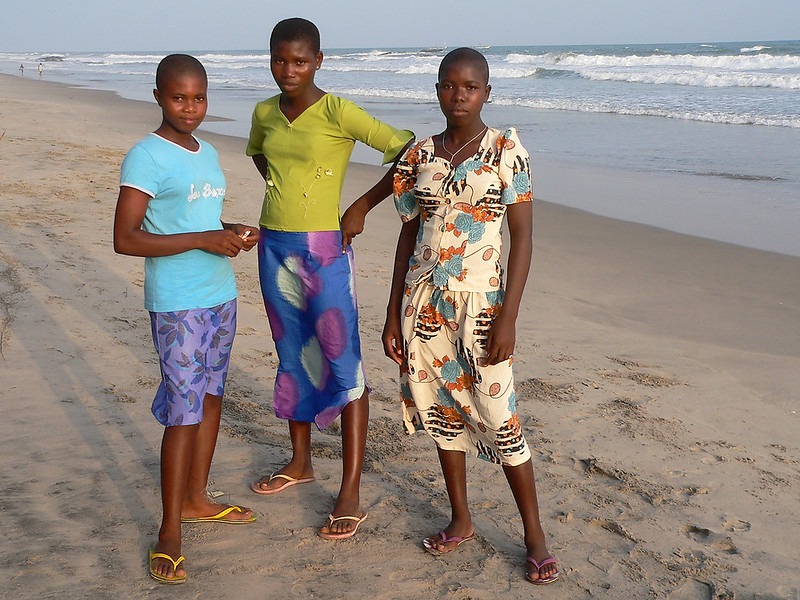 Period poverty, a significant issue in Ghana, describes the inability of women to afford menstrual products, which can significantly impact various aspects of their lives. The absence of basic sanitary needs often prevents individuals from attending work or school, adversely affecting the prospects of low-income individuals. Young girls are particularly vulnerable to the negative impacts of period poverty, which often prevents them from attending school. Girls who lack the financial resources to buy sanitary products may miss up to a week of school each month. This amounts to about a fifth of their school year annually. Ghana’s sustainable solution to period poverty aims to create an economically beneficial circular economy.
Taxation and Economic Burden
In Ghana, period poverty is exacerbated by some of the highest taxation rates on menstrual hygiene products in the world. The Ghana Revenue Authority classifies these products as Finished Goods– otherwise known as final consumer goods, subjecting them to a 20% import tax plus a 15% Value Added Tax.
Research indicates that the average minimum wage for women in Ghana is about $26 a month, while period products can cost between $3 and $7 for just eight pads. This means that out of every 80 cedis earned, 11 cedis are spent solely on menstrual products. This calculation does not consider the number of family members these women need to support with essentials like water, food and clothing. Additionally, families often have more than one member who menstruates, compounding the financial burden, as the 80 to 11 ratio applies to each menstruating individual.
Despite the high rates of period poverty in countries like Ghana, communities and advocates are actively working to address these ongoing challenges and alleviate the financial strain that menstrual products impose on women.
Kodu Technology’s Innovative Solution
Kodu Technology, an organization focused on eradicating period poverty in rural communities through eco-friendly products, actively works to ease the stress of menstruation using banana fibers.
Umar Farouk Mubraka, Co-Founder of Kodu, explains how the company initially intended to make paper from banana fiber. During its research, it discovered that banana and plantain fibers have high absorption capabilities, leading to the development of a new type of sanitary pad. This innovation utilizes by-products from the agricultural industry, fostering a circular economy that benefits local farmers and minimizes waste. Farouk added, “{this project is} positioned as a catalyst for positive environmental and socio-economic change,” in addition to helping the economy and proactively working against poverty.
Farouk, born in Wa, a town in the Upper West Region of Ghana, is a licensed nutritionist who dedicates her time to facilitating this circular economy and alleviating period poverty. In 2023, Kodu received more than $8,000 after winning the Circular Economy Competition. Circular economies are increasingly seen as a guiding principle in today’s world, helping to generate economic revenue in impoverished nations and sustainably reusing materials to benefit the environment.
Looking Ahead
Ghana’s innovative approach to addressing period poverty through sustainable practices exemplifies the potential for creating impactful change. Initiatives like eco-friendly menstrual products made from locally sourced materials are making menstrual hygiene more accessible and affordable. These ongoing efforts contribute not only to improving the lives of women and girls but also to fostering economic resilience and environmental sustainability.
– Hailey Nurry
Hailey is based in PA, USA and focuses on Good News and Global Health for The Borgen Project.
Photo: Flickr
