• Link to X
  • Link to Facebook
  • Link to Instagram
  • Link to TikTok
  • Link to Youtube
  • About
    • About Us
      • President
      • Board of Directors
      • Board of Advisors
      • Financials
      • Our Methodology
      • Success Tracker
      • Contact
  • Act Now
    • 30 Ways to Help
      • Email Congress
      • Call Congress
      • Volunteer
      • Courses & Certificates
      • Be a Donor
    • Internships
      • In-Office Internships
      • Remote Internships
    • Legislation
      • Politics 101
  • The Blog
  • The Podcast
  • Magazine
  • Donate
  • Click to open the search input field Click to open the search input field Search
  • Menu Menu

Archive for category: NGOs

Global Poverty, Natural Disaster, NGOs

Flooding in Sri Lanka: Building Resilience

Flooding in Sri LankaSince 2019, poverty in Sri Lanka has surged, doubling to 25% by 2022. More than 2.5 million individuals now live below the poverty line. Severe flooding, especially in the Colombo region, displaces thousands annually and deepens the cycle of poverty. The projections for major flood events are even more concerning, as they suggest that 34,000 people could be pushed into poverty overnight, with approximately 1,000 of these individuals remaining in poverty a decade later. The latest Yala Monsoon season, which lasts from May to September, displaced communities, destroyed property and claimed lives, highlighting the growing severity of the issue. Addressing this crisis requires immediate, sustainable solutions that reduce poverty and mitigate seasonal floods. Without comprehensive action to combat flooding in Sri Lanka, the nation risks ongoing cycles of impoverishment, displacement and economic instability.

Building Colombo’s Flood Resilience

Colombo, situated within a river basin, faces regular flooding during the monsoon season. However, the city benefits from an extensive network of wetlands, which play a vital role in flood management by absorbing approximately 40% of floodwaters. Wetlands—areas of water-saturated land—serve as natural flood defenses by absorbing excess water and slowing down its flow, which mitigates flood intensity and associated damage. This natural buffer within Colombo helps alleviate the impacts of heavy rainfall and reduces the risks of flooding in Sri Lanka.

Urban expansion, however, has drastically reduced Colombo’s wetland areas, draining and infilling these ecosystems to accommodate growth. The World Bank revealed that Colombo’s wetlands had declined by about 40% over three decades. Wetlands like the Thalangama Wetland, just outside Colombo, suffer from degradation and misuse as dumping grounds. These direct and indirect effects of urbanization intensify Colombo’s vulnerability to flooding.

In response, the government, with support from the World Bank-funded Metro Colombo Urban Development Project, launched the Metro Colombo Wetland Management Strategy in 2016. This initiative prioritizes wetland restoration and integrates these ecosystems into urban planning to prevent further losses. These efforts led Colombo to become the first capital city to earn international Wetland City accreditation from the Ramsar Convention on Wetlands in 2018, which promotes international protection for its wetlands.

Today, Colombo’s wetlands receive stronger protection. According to BBC, efforts to rehabilitate degraded areas, including the Thalangama Wetland, have turned these spaces into biodiverse tourist attractions while maintaining their role as critical flood defenses. The government has also suspended all activities involving the filling or destruction of wetlands in 2018.

Looking Forward

Colombo has successfully revitalized its degraded wetlands, transforming garbage-filled areas into ecosystems that boost biodiversity and protect against flooding. Community-led cleanups and government initiatives, such as the 2016 Metro Colombo Wetland Management Strategy, have enhanced wetlands’ ability to boost environmental resilience and improve urban quality of life. The Ramsar accreditation has curbed further encroachment by raising awareness. However, rapid urban expansion still threatens these ecosystems, BBC reports. Sustained cooperation between residents, authorities, and organizations remains vital to safeguarding these wetlands, which are crucial to Colombo’s sustainability and flood defense.

Asian Development Bank (ADB) report emphasizes the rising frequency of El Niño events, which intensify monsoons and contribute to flooding in Sri Lanka. Restoring and protecting wetlands is just one of many essential steps to strengthen the country’s flood resilience.

– William Pickering

William is based in Nottingham, UK and focuses on Good News and Technology for The Borgen Project.

Photo: Flickr

November 24, 2024
https://borgenproject.org/wp-content/uploads/borgen-project-logo.svg 0 0 Naida Jahic https://borgenproject.org/wp-content/uploads/borgen-project-logo.svg Naida Jahic2024-11-24 07:30:332024-11-24 01:27:46Flooding in Sri Lanka: Building Resilience
Aid, Global Poverty, NGOs

A New Chapter: Greenpeace in Kyiv

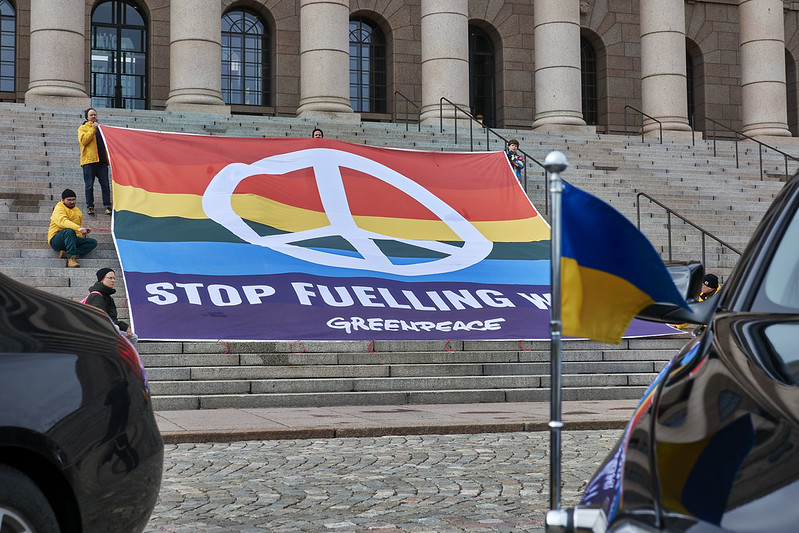
Greenpeace: A New Chapter in KyivGreenpeace has established its first office in Kyiv amid ongoing conflict, committing to support Ukraine’s green reconstruction. The environmental NGO links peace prospects with the country’s environmental rehabilitation, emphasizing that sustainable energy fosters a sustainable future. Natalia Gozak, office director of Greenpeace Ukraine, highlighted the importance of transitioning to green technologies during the office’s opening on Sept. 10.

Greenpeace Ukraine’s Mission and Challenges

In an interview with the New Humanitarian, Natalia outlined the three pillars of Greenpeace’s mission: The sustainable and green reconstruction of infrastructure. Incorporating solar panels, heat pumps and green technologies into regeneration projects is vital to the longevity of Ukraine’s recovery. The monitoring of nuclear sources and power plants, with particular focus on the Zaporizhzhia nuclear power plant, which is now occupied by Russian forces. The investigation into environmental crimes, such as the occupation of nuclear sites, threatens further environmental disasters. Nuclear energy sources could be weaponized as forms of warfare. 

Economic Implications and Political Scrutiny

The cost of Ukraine’s reconstruction being estimated by the World Bank to have grown to  $411 billion. It is now vital that such reconstruction projects have sustainable foundations as Gozak has pledged to be a role model for rebuilding devastated societies in as green a way as possible. Through advocating for the sustainable rehabilitation of Ukraine, Greenpeace has also exposed itself to political scrutiny and intimidation. The Russian Prosecutor General’s Office designated Greenpeace as ‘undesirable,’ interpreting its work as anti-Russian and threatening to the constitutional system and security of Russia.

Greenpeace Frameworks

Greenpeace is building on existing research and projects that advocate sustainable solutions to conflict. Guided by the European Union’s (EU’s) Green Deal, the Lugano Declaration on the Reconstruction of Ukraine committed to the rebuilding of infrastructure in alignment with the goals of the Paris Climate Agreement and 2030 Agenda for Sustainable Development. Ukrainian civil organizations are similarly creating conditions for a green recovery. Environmental NGOs such as Ecoclub Rivne and ro3kvit combine environmental policy with urban planning. The organizations have initiated projects that aim to place sustainability at the heart of reconstruction.

  • Ro3kvit. Ro3kvit was founded in March 2022 by a coalition of professors in response to the destruction caused by Russian military aggression. The knowledge and expertise of more than 100 academics have spawned green solutions to rebuilding Ukraine’s urban and rural areas. Studies on other postwar countries have informed their design methods. Projects such as ‘A vision for Mariupol: City strategy’ synthesize memory, identity and ecology in their environmental solutions. Working in partnership with Greenpeace, the project ‘Dnipro River Integrated Vision’ aims to optimize the green and economic potential of the Dnipro River. Indeed, Ro3kvit looks to a post-war future in its projects, creating urban plans that will outlast Russian military aggression. 
  • Ecoclub Rivne. Ecoclub Rivne has been working as an NGO for more than 20 years and links the sustainable development of society to the development of peace. Through linking sustainability to nonviolence and tolerance, it projects a post-war future for Ukraine that centers on green policy. Its recent Modernisation Partnership project aims to increase the efficiency of energy management in hospitals. This will be achieved by training specialists and disseminating this knowledge among managers. Alongside Greenpeace and other Ukrainian organizations, Ecoclub Rivne has sought solutions to the conflict through a focus on energy efficiency and sustainability.

Looking Ahead

The new presence of Greenpeace in Kyiv highlights a strong commitment to environmentally conscious recovery efforts in Ukraine. Through collaboration with local environmental groups, the focus remains on sustainable reconstruction, green energy initiatives and promoting long-term solutions. The efforts of Greenpeace in Kyiv represent a broader vision for rebuilding a resilient and environmentally secure Ukraine beyond the conflict.

– Lucy Tappin

Lucy is based in Oxford, UK and focuses on Good News and Politics for The Borgen Project.

Photo: Flickr

October 11, 2024
https://borgenproject.org/wp-content/uploads/borgen-project-logo.svg 0 0 Precious Sheidu https://borgenproject.org/wp-content/uploads/borgen-project-logo.svg Precious Sheidu2024-10-11 01:30:492024-10-11 01:34:34A New Chapter: Greenpeace in Kyiv
Aid, Global Poverty, NGOs

Humanitarian Aid and Peace Talks in Sudan

Peace Talks and Humanitarian Aid in SudanPeace talks aimed at ending the prolonged civil war in Sudan concluded without a ceasefire, but negotiators achieved a significant breakthrough by securing humanitarian aid routes, offering hope to millions of civilians in desperate need. Mediators from the United States (U.S.), Saudi Arabia and Switzerland, along with other international partners, gathered in Geneva to discuss ways to alleviate the suffering caused by the 16-month war between the Sudanese Armed Forces (SAF) and the paramilitary Rapid Support Forces (RSF).

Aid Routes Open Amid Crisis

While a ceasefire remains elusive, the Sudan peace talks have successfully opened two major humanitarian corridors: the Adré border crossing with Chad, facilitating aid into Darfur and Dabbah Road, connecting Port Sudan to regions experiencing severe food shortages. “Aid trucks are on the road to provide famine relief in Zamzam Camp and other parts of Darfur,” said negotiators. “These routes must remain open and safe so we can surge aid into Darfur and begin to turn the tide against famine.” The World Food Programme (WFP) estimates that more than 25 million people, more than half of Sudan’s population, urgently need assistance. The newly opened routes are expected to deliver much-needed relief to areas that have been difficult to reach due to the conflict. 

A Nation At War

The war in Sudan, which started in April 2023, stems from a power struggle between the SAF, led by General Abdel Fattah al-Burhan and the RSF, commanded by General Mohamed Hamdan Dagalo, known as Hemedti. This conflict has roots in the legacy of former dictator Omar al-Bashir, who established the RSF as a counterinsurgency force to suppress rebellions, particularly in Darfur. After al-Bashir was ousted in 2019, efforts to establish a democratic government faltered, ultimately leading to violent clashes between these rival military factions. Since the conflict began, the humanitarian toll has been devastating, with the United Nations (U.N.) estimating nearly 20,000 fatalities. Approximately 8 million people have been displaced within Sudan, while another 2 million have fled to neighboring countries, all facing hunger and lacking access to medical care.

Humanitarian Progress Despite Setbacks

International mediators view the agreement on aid access as a critical step forward. The RSF has pledged to ensure safe passage for humanitarian convoys, previously hindered by both factions. The reopening of the Adré and Dabbah routes should alleviate suffering in famine-stricken regions. “The humanitarian crisis in Sudan is so severe that we could do four of these [negotiation rounds] and still be barely scratching the surface of what Sudanese people deserve,” stated U.S. Special Envoy Tom Perriello. However, the absence of the Sudanese Armed Forces (SAF) from the peace talks curtailed the potential for a broader peace agreement. General Burhan, from Port Sudan, criticized the negotiations, claiming they favored the RSF.

Aid as a Lifeline

For many in Sudan, the newly opened aid routes are a lifeline. In Darfur, where ethnic violence has surged, the reopening of the Adré crossing is expected to help thousands displaced by fighting. Hawa Zakariya, a refugee who fled to Chad with her two children, described the dire conditions: “I don’t know if my family is alive or dead.” Her child has contracted malaria and food supplies in their camp are running low. International aid organizations, including the WFP, are preparing to ramp up efforts with the new access routes. The WFP has classified Sudan as a Level 3 emergency, its most severe designation, reflecting the magnitude of the crisis. Aid groups are urging both the Sudanese Armed Forces (SAF) and the Rapid Support Forces (RSF) to permit unhindered delivery of supplies nationwide.

International Pressure

While the Sudan peace talks failed to secure a ceasefire, there is hope that the humanitarian progress achieved could lead to broader negotiations. Perriello noted, “We hope that this will be a source of momentum for much bigger steps down the road,” although he acknowledged the road to peace remains challenging. Currently, international efforts are focused on ensuring aid reaches those in desperate need. Given Sudan’s severe humanitarian crisis, one of the worst of the 21st century, sustained international pressure and support are crucial for the nation’s recovery.

– Georgia O’Keeffe

Georgia is based in London, UK and focuses on Technology and Politics for The Borgen Project.

Photo: Flickr

September 29, 2024
https://borgenproject.org/wp-content/uploads/borgen-project-logo.svg 0 0 Precious Sheidu https://borgenproject.org/wp-content/uploads/borgen-project-logo.svg Precious Sheidu2024-09-29 01:30:272024-09-29 01:26:34Humanitarian Aid and Peace Talks in Sudan
Advocacy, Global Poverty, NGOs

Child Marriage in Tanzania

Child Marriage in TanzaniaTanzania’s Marriage Act of 1971 establishes the minimum marriage age for girls at 15 with parental consent and 18 for boys. The law also allows 14-year-old children to marry under special circumstances if a court approves. Despite this, 29% of Tanzanian girls marry before their 18th birthday and 5% marry before age 15, which could breach the Marriage Act unless courts have specifically authorized these marriages. Similarly, 4% of boys marry before age 18. Although these marriages are not illegal for boys, they still impact young males. Child marriage rates across Tanzania reveal significant regional variations, soaring to 59% in Shinyanga, 58% in Tabora, 55% in Mara and 51% in Dodoma, while rates are much lower in Iringa at 8% and Dar es Salaam at 19%.

The Current Child Marriage Situation

Child marriage remains prevalent in Tanzania, driven by outdated beliefs of male superiority and influenced heavily by poverty. The concept of “Mahari,” or bride price, involves a husband offering money, cattle or clothing to a bride’s family, making marriage a financially appealing option for girls with few other income opportunities. In addition to affecting girls, child marriage also impacts boys under 18.

Family honor plays a significant role, with premarital sex viewed as a severe taboo that can lower a girl’s dowry and damage her family’s reputation. Teenage pregnancy rates are high; a 2016 study revealed that one in four girls aged 15 to 19 had begun childbearing. Tanzanian society strongly disapproves of pregnancy outside marriage, often leading parents to marry off pregnant daughters. Schools routinely test for pregnancy and pregnant girls face bans from re-entering the educational system.

Country-specific practices and rituals also contribute to child marriage in Tanzania. “Nyumba ntobu,” one of such practices, involves an older, wealthier woman paying a bride price for a young girl to become her wife. A man is then selected to impregnate the girl and any children born from this union are raised as the older woman’s child. This is just one of many factors that contribute to the prevalence of child marriage, significantly affecting young girls across Tanzania.

National Initiatives to Combat Child Marriage

Between 2017 and 2022, the government implemented numerous action plans to support girls facing the threat of child marriage. As of 2022, the National Plan of Action to End Violence Against Women and Children worked to reduce child marriages to 10% and cut violence against women and children by 50%. Following the implementation of this plan, authorities established 16,343 Women and Children Protection Committees across all levels, from villages to the national level.

In 2017, the Ministry of Health, Community Development, Gender, Elderly and Children conducted a national survey on the drivers and consequences of child marriage. Additionally, the ministry developed the National Female Genital Mutilation/Cutting Strategy and Implementation Plan for 2019-2022 and collaborated on the Cross-Border Anti-Female Genital Mutilation/Cutting Plan of Action for East African countries to prevent female genital mutilation/cutting practices across borders during the same period.

Firelight Foundation

Firelight is committed to ending child marriage in Shinyanga, a northern city in Tanzania, believing that success in this challenging region could inspire broader change throughout the country. To combat child marriage, Firelight supports 12 grantee partners who implement a range of strategies, including economic strengthening through income-generating activities, livestock pass-on programs and psychosocial support for children rescued from child marriages. It also offers vocational and educational support for at-risk children, skillful parenting programs, community awareness campaigns via radio or drama, law enforcement interventions, training for local child protection committees, the establishment of child rights clubs in schools and training for teachers on child rights.

Looking Ahead

Tanzania continues to struggle with high rates of child marriage, particularly in regions like Shinyanga and Tabora. National efforts, such as the National Plan of Action to End Violence Against Women and Children, aim to reduce these rates, but cultural and economic factors remain significant obstacles. Organizations like the Firelight Foundation are actively working on the ground, supporting local initiatives that promote economic independence and provide educational opportunities for at-risk children. Ongoing efforts are essential to address the root causes of child marriage and ensure a safer future for Tanzania’s youth.

– Sadie Virgin

Sadie is based in Newport, South Wales, UK and focuses on Good News for The Borgen Project.

Photo: Flickr

September 25, 2024
https://borgenproject.org/wp-content/uploads/borgen-project-logo.svg 0 0 Precious Sheidu https://borgenproject.org/wp-content/uploads/borgen-project-logo.svg Precious Sheidu2024-09-25 07:30:002024-09-24 23:56:16Child Marriage in Tanzania
Conflict, Global Poverty, NGOs

The Rohingya: How the IRC is Helping Myanmar

How the IRC is Helping MyanmarSince the 2021 military coup, Myanmar, especially the Rohingya has faced severe restrictions on freedoms of speech and assembly and has witnessed mass killings, arbitrary arrests, torture, sexual violence and other crimes against humanity. Currently, more than 2.7 million citizens are internally displaced, with more than 2.3 million of those displaced since the coup. Additionally, 15 million people face food insecurity. In total, 18.6 million people across Myanmar struggle to meet basic needs. This crisis is the latest in nearly half a century of military control, extreme poverty and natural disasters that have plagued the country.

Deterioration of Public Services and Infrastructure

The military junta in Myanmar has deteriorated living conditions, increased food insecurity and obstructed humanitarian aid, resulting in the collapse of health care and public services in conflict-ridden regions. Conflict often disrupts communication and blocks transport routes, enforcing martial law in most parts of the country. Myanmar suffers from significant infrastructure damage, including prolonged communication and electricity blackouts. With a severe shortage of health care workers, many facilities are shut down. This leaves a large number of the 2.7 million internally displaced who reside in rural areas to take lengthy journeys to access basic and critical health care.

Intensifying Conflict and Climate Challenges

Violence escalated in Oct. 2023 when multiple nonstate groups attacked Myanmar’s central government in the Northern Shan State. Since then, the fighting has spread across the country, jeopardizing civilian safety. Poverty and inflation continue to worsen as Myanmar faces ongoing climate shocks to its agriculture sector. Cyclone Mocha in 2023 damaged crops and food production, affecting the livelihoods of more than 3.4 million people. Now, with the impact of El Niño, including erratic rainfall and high temperatures, the already stressed agriculture sector faces further challenges.

The Rohingya in Myanmar

The Rohingya people, a predominantly Muslim ethnic group of about 1.1 million, have resided in Buddhist-majority Myanmar for centuries but remain among the most vulnerable groups. Myanmar does not recognize the Rohingya as one of its 135 official ethnic groups and has denied them citizenship since 1982, rendering them stateless. Most Rohingya reside in Rakhine State, where they cannot leave without government permission. They live in one of the country’s poorest states, confined to ghetto-like camps with limited access to basic public services and opportunities.

When Myanmar gained independence from Great Britain in 1948, it enacted the Union Citizenship Act, which identified 135 ethnic groups eligible for citizenship. Although the Rohingya were omitted, families residing in Myanmar for two generations could apply for identity cards and, in some instances, citizenship. Following the first military coup in 1962, the government restricted Rohingyas from carrying foreign identity cards, severely limiting their access to employment and educational opportunities. A 1982 law further exacerbated their plight by officially declaring the Rohingya stateless.

Persecution and Exodus of the Rohingya

Rohingya people have been fleeing Myanmar since the ‘70s due to “government crackdowns,” which often include rape, torture, arson and murder, but many families remain in the country. Currently, much of the internal violence targets the Rohingya, who are often unfairly blamed by the government for violent acts carried out by nonstate groups. Accusations of ethnic cleansing against the Rohingya by the government persist, which the government denies. Residents and activists report troops firing unprovoked at unarmed Rohingya men, women and children.

In 2018, the Associated Press released a video showing a massacre and five undisclosed mass graves of Rohingya people in Myanmar. Due to ongoing violence and persecution, not only by the junta military but also by past government powers, hundreds of thousands of Rohingya have fled to neighboring countries such as Bangladesh. Recently, tens of thousands of Rohingya refugees in Bangladesh have started protesting, calling for an end to the violence and persecution in Myanmar.

Advocacy and Aid: The IRC’s Role

Communities rely on humanitarian aid and community networks for social services such as health care and education. The International Rescue Committee (IRC) is helping Myanmar by responding to the needs of the current coup, but the nongovernmental organization has been working in the country for far longer. In 2008, the IRC entered Myanmar after Cyclone Nargis for emergency response and recovery efforts. It has since stayed in the country and expanded to programs focused on improving health, protection, water, sanitation, hygiene, career training and support for community development projects.

The organization runs shelter programs for internally displaced and crisis-affected communities, significantly expanding since the 2021 coup. Currently, the IRC is particularly focused on supporting those affected by the escalating conflict, marginalized communities and individuals displaced before 2021. It emphasizes partnerships with local organizations to deliver support effectively and also operates in Bangladesh, where hundreds of thousands of Rohingya refugees from Myanmar have sought refuge.

Community Support and Developing Local Capabilities

The IRC is helping Myanmar to recover from ongoing conflict and natural disasters, focusing on the most remote areas, including Rakhine, Chin and Shan States. Across these regions, the IRC trains community health workers, supports mobile health clinics and partners with local communities to enhance access to clean drinking water, improve sanitation and prevent disease. It also educates farmers on modern agricultural techniques and technology, empowers communities to identify their own needs and develops unique recovery plans. Furthermore, the IRC operates skills training and support centers specifically for women and girls and manages nine refugee camps along the Thailand border, which provide shelter to nearly 140,000 refugees.

Looking Ahead

As conflict and displacement continue to escalate in Myanmar, the need for humanitarian assistance remains critical. Organizations like the IRC are working to address the urgent needs of displaced populations by providing health care, clean water and shelter. Their focus on local partnerships and community empowerment has helped deliver essential services to remote areas most affected by violence and natural disasters. With continued efforts, these ongoing initiatives aim to improve the lives of those impacted by ongoing conflict and instability.

– Anna Thibodeau

Anna is based in Omaha, NE, USA and focuses on Good News and Politics for The Borgen Project.

Photo: Flickr

September 7, 2024
https://borgenproject.org/wp-content/uploads/borgen-project-logo.svg 0 0 Precious Sheidu https://borgenproject.org/wp-content/uploads/borgen-project-logo.svg Precious Sheidu2024-09-07 10:49:142024-09-17 01:32:14The Rohingya: How the IRC is Helping Myanmar
Aid, Global Poverty, NGOs

The Beirut Blast Calls for a Different Distribution of Aid in Lebanon

aid in lebanonLebanon will solemnly remember the explosion in its capital which shook the city’s foundations, halted a revolution in its steps and showed the importance of a different aid distribution in Lebanon. On August 4th, 2020, at 6:07 pm, 2,750 tons of ammonium nitrate were ignited, causing “the largest non-nuclear explosion in modern times.”

The Beirut blast had initially caused an estimated $3.8 billion to $4.6 billion in material damage. That number was only to increase as casualties became more evident: the explosion killed 218 people from more than 14 different nationalities, wounded 7,000 people and caused a physical disability to 150 of them. And because of Beirut’s incredibly high population density, some 300,000 people faced displacement, according to Human Rights Watch (HRW).

Aid in Lebanon

Aid came quickly from multiple organizations and concerned nations:

  • Britain: $6.6 million in aid for search and rescue.
  • Germany: 47 strong rescue teams and €1 million through the German Red Cross to establish local aid centers.
  • Russia: Five planes worth of medical equipment, including field hospitals and well-equipped medical personel.
  • Iran: Field hospital, medical equipment and nine tonnes of food.
  • Lebanese Red Cross: Providing essentials to 80,000 people, and distributing almost $800,000 in cash grants for people to rebuild their destroyed homes.

The humanitarian response right after the explosion was adequate, excluding, however, many of those who had perished under the rubble because of a delay in rescue missions. Such was the story of Chady, who had died under a fallen building after waiting to be rescued for an astounding 24 hours. The aid his mother Hayat received following the tragedy was subpar, allowing her only to buy a casket for her dead son.

This tells that the long-term distribution of aid in Lebanon has been incredibly lacking. Two years after the Beirut blast, 1 million people in Lebanon, half of them children, were living under the poverty line and could not afford necessities

International Assistance

Before the Beirut blast the country had been going through an economic crisis and the International Monetary Fund (IMF) withheld monetary assistance from the Lebanese state because of a lack of political reform.

The America Near East Refugee Aid (ANERA) has been working even two years after the explosion to renovate damaged houses and buildings. In 2023, the two engineering companies Artelia and Egis came up with a plan to help reinvigorate the Beirut Port, but they need between $60 to $80 million to begin with the project.

International assistance of this sort can mean the difference between collapse and survival, so lobbying for inventive and effective distribution of aid in Lebanon is a must for both organizations and the international community as a whole.

– Carl Massad

Carl is based in Chandler, AZ, USA and focuses on Politics for The Borgen Project.

Photo: Pexels

August 4, 2024
https://borgenproject.org/wp-content/uploads/borgen-project-logo.svg 0 0 Naida Jahic https://borgenproject.org/wp-content/uploads/borgen-project-logo.svg Naida Jahic2024-08-04 03:00:072024-08-04 01:49:33The Beirut Blast Calls for a Different Distribution of Aid in Lebanon
Developing Countries, Global Poverty, NGOs

5 Charities Operating in Jamaica

Charities in JamaicaAccording to a report by the World Food Programme (WFP), 58% of Jamaica’s population experienced severe food insecurity in 2022. Addressing critical issues such as food insecurity and period poverty and providing essential aid to individuals affected by regional turmoil, such as that in neighboring Haiti, remains vital for meeting Jamaica’s community needs. In addition, implementing robust mentorship and empowerment programs for vulnerable populations is crucial for fostering sustainable growth and development. The active involvement of various charities in Jamaica is making a significant impact in addressing these diverse community challenges. Here are five charities operating in Jamaica.

Food for the Poor

Food for the Poor (FFTP) Jamaica is the largest charitable organization in Jamaica and it has been assisting since 1982. Through its transformative initiatives, the organization collaborates with more than 1,300 churches and institutions to distribute food, medicine, educational supplies and other essential items. FFTP has successfully executed numerous projects in Jamaica, focusing on education, medical care, housing and agriculture.

One of FFTP’s initiatives is the Build Back the Love for Jamaica campaign, launched to commemorate the charity’s 40th anniversary in Jamaica. The campaign aims to improve socioeconomic conditions by providing shelter, implementing sustainable projects and offering resources and training for individuals and families.

Moms on a Mission

A group of mothers in St Ann, called Moms on a Mission, is addressing period poverty by distributing sanitary napkins to schools in the parish. The group was founded by Marcia Rankinson-Stanley, who was inspired to focus on girls’ needs after learning about Jamaica’s lack of access to sanitary pads. By donating “48 packs of sanitary napkins to the school every month,” the charity’s efforts have significantly impacted students’ lives, reducing absences due to the lack of menstrual products.

SOS Children’s Village Jamaica

Established in 1970, SOS Children’s Villages Jamaica is a private, nongovernmental organization that works with children who have lost parental care. It follows a rights-based approach as defined by the International Convention on the Rights of the Child (CRC) and the Child Care and Protection Act of Jamaica.

In Jamaica, more than 80% of children experience violent discipline at home and thousands require external care and protection. As part of SOS-Kinderdorf International, the world’s largest private child welfare organization, SOS Children’s Villages Jamaica provides essential care and support to these vulnerable children and young people.

Currently, the organization cares for more than 60,000 children in more than 550 of its village communities, established in 125 countries, including Jamaica. Additionally, it has educated and equipped more than 290,000 underprivileged children in the nations where it operates. The initiative emphasizes the belief that no child should grow up alone and encourages child sponsorship to make a lasting difference in the lives of at-risk children.

Looking Ahead

These charities operating in Jamaica are making significant progress in addressing food insecurity, period poverty and child poverty. Through their continued work, life in Jamaica should only improve.

– Deonna Jackson

Deonna is based in Pittsburgh, PA, USA and focuses on Good News for The Borgen Project.

Photo: Flickr

July 30, 2024
https://borgenproject.org/wp-content/uploads/borgen-project-logo.svg 0 0 Hemant Gupta https://borgenproject.org/wp-content/uploads/borgen-project-logo.svg Hemant Gupta2024-07-30 07:30:312024-07-29 09:33:295 Charities Operating in Jamaica
Global Poverty, NGOs, Women's Rights

Voices of Women: Empowering Women’s Rights in Burkina Faso

Voices of WomenBurkina Faso is a West African country whose constitution states that men and women are equal. However, despite this claim of equal rights, strict gender roles dictate the separation between men and women and contribute to the lower status of women. Gender-based violence (GBV) is also a prominent issue in Burkina Faso.

Voix des Femmes (VDF), which translates to Voices of Women, was established in September 2000 to empower children’s and women’s rights in Burkina Faso. Recognized by Burkinabe authorities as a nongovernmental organization (NGO), VDF has implemented numerous projects in Burkina Faso.

The Goals and Strategy of Voices of Women

VDF conducts projects geared toward:

  • Improving the economic situation of women
  • Educating young girls
  • Reducing GBV
  • Offering communities medical care and legal services
  • Enhancing children’s resilience

Alongside these contributions, VDF primarily mobilizes women to advocate for their rights. Regarding VDF’s strategy, it leverages its diverse human capital, comprising professionals such as lawyers, chemists and health, social work and communication experts. Moreover, in choosing beneficiaries to power these projects, VDF is open to all persons with no discrimination of gender, race or status.

VDF’s Projects in Burkina Faso

One significant VDF project is the “Protection and Promotion of the Rights of Women and Girls, Economic Empowerment and the Fight Against Violence in the Central Region.” The project aims to train people from the community. Those trained will conduct awareness sessions for women and girls and empower their rights. Women involved are trained in “micro-project management” and “income-generating activities.” This training promotes women’s financial liberty and socioeconomic development.

Similarly, men and adolescents are educated on “positive masculinity” to support women’s rights. Positive masculinity is rejecting the negative attributes of traditional masculinity, such as aggression. The focus on this behavior contributes to the reduction of GBV. This project also aims to have 60,000 women as direct beneficiaries, with 200 women for their psychological, legal, medical and social care and 120 women for income-generating activities.

Women, here, are the actors of change and social mobilization. They identify and refer cases of GBV and suggest beneficiaries for income-generating activities. As indirect beneficiaries, 20,000 people, including men, adolescents and 300 community leaders, participate in advocacy sessions to spread awareness.

Furthermore, the AIDS 2024 project involves educational talks on sexual violence and child marriage with internally displaced persons in various communities. On April 30 and May 2, 2024, a meeting was held to discuss and implement the project, known as the “Integrated Emergency Protection Response and Management of GBV in the Boucle du Mouhoun Region.” Moreover, the Sini-Gnèsigui project provides “listening clubs” for young survivors of child marriage and school-related violence. Listening clubs are like counseling groups that empower the youth to combat these abuses.

Projects and Workshops

On May 15, 2024, a workshop was held with Moundasso’s Center for Economic Growth listening club members. The discussion highlighted ways to identify signs of violence and to make an effective report and referral. The project’s objectives strive to enhance the resilience of girls and adolescents.

Finally, the project “Women’s Rights and Health in Burkina Faso: Preventing and Reducing Vulnerabilities in the Context of Crisis and Post-Crisis COVID-19” aimed to enhance medical, legal, judicial and psychological care for women survivors of GBV during the COVID-19 restrictions. VDF partnered with the Association of Women Lawyers of Burkina Faso, the Pananetugri Initiative for Women’s Welfare and Equipop.

The project sought to empower women and girls to address the socioeconomic impacts of the pandemic. This was achieved by fostering young female leaders who could drive positive change within their communities. In two years, the project reached more than 170,000 direct beneficiaries in three regions of Burkina Faso and concluded in March 2023.

Final Remark

The efforts made through the projects of Voices of Women have helped women understand and fully exercise their civil liberties. In addition to empowering women’s rights, VDF provided educational and financial support and contributed to reducing GBV across the country.

For the organization’s significant impact, the president of VDF, Mariam Lamizana, was awarded by the United Nations Population Fund (UNFPA) for “the promotion of the abandonment of female genital mutilation.” This prize recognizes VDF’s substantial achievements in eliminating these harmful traditional practices.

– Caroline Albright

Caroline is based in Milton, MA, USA and focuses on Good News for The Borgen Project.

Photo: Pexels

July 27, 2024
https://borgenproject.org/wp-content/uploads/borgen-project-logo.svg 0 0 Hemant Gupta https://borgenproject.org/wp-content/uploads/borgen-project-logo.svg Hemant Gupta2024-07-27 07:30:412024-07-27 03:20:17Voices of Women: Empowering Women’s Rights in Burkina Faso
Global Poverty, Government, NGOs

Recent Poverty Reduction in Hawaii

Poverty Reduction in HawaiiRecent initiatives in Hawaii have improved poverty reduction through legislative measures and community-driven programs. These efforts are not only aimed at providing immediate relief but also focus on sustainable solutions to assist vulnerable populations across the state.

The Situation

According to the United States (U.S.) Census Bureau, 10.2% of Hawaii residents live below the poverty line. This score is higher than the U.S. national average of 11.5% as of 2022. Even as Hawaii grapples with poverty, a number of local initiatives are offering hope for meaningful progress in reducing hardship.

Governmental Initiatives

One of the most important legislative actions contributing to poverty reduction is the proposed Farm Bill. This legislation aims to strengthen local agriculture while simultaneously combating hunger. By supporting local farmers and promoting healthy farming practices, the Farm Bill seeks to lower food costs and increase food security for people nationwide, including Hawaii’s residents. The Farm Bill’s approach is crucial in a state that is heavily reliant on imported goods and where high living costs disproportionately affect low-income families. Implementing the Farm Bill involves incentivizing local production through grants, reducing dependency on external food sources and stimulating economic growth.

Governor Josh Green’s administration has also taken proactive steps to address homelessness, a critical aspect of poverty in Hawaii (41% in 2022). The Governor’s office highlighted the Hoʻokahi Leo Kauhale initiative on its official website, focusing on providing affordable housing for at least 50 people experiencing homelessness. This program incorporates housing with comprehensive support services driven to meet the needs of homeless individuals and families. By providing housing along with health care access, employment resources and social services, Hoʻokahi Leo Kauhale aims to reduce homelessness and help residents rebuild their lives.

The Department of Business, Economic Development and Tourism (DBEDT) also plays a pivotal role in Hawaii’s poverty reduction efforts. DBEDT’s goal is to reach a globally competitive economy for Hawaii. The department has led initiatives to increase the state’s economic growth and job creation. DBEDT’s efforts contribute to reducing unemployment rates and promoting financial stability among Hawaii’s residents.

Nongovernmental Initiatives

Hawaii has also made strides in addressing local poverty apart from governmental efforts. Child & Family Service (CFS), a Hawaii-based nonprofit organization dedicated to fostering healthy child development, has also been working to break generational poverty throughout the state. In 2016, the organization launched a pilot program called Transition to Success (TTS). The program’s mission is to empower and guide impoverished families to success via mentorship, coaching and other resources. About 986 participants of TTS reported positive changes regarding self-sufficiency.

What This Means for the Nation

Recent efforts towards poverty reduction in Hawaii show a combination of legislative innovation, community engagement and strategic economic development. Working between government agencies and nonprofit organizations will be crucial in building upon these achievements and addressing common challenges. By continuing to evolve upon successful strategies, Hawaii can further solidify its commitment to poverty alleviation and economic empowerment, setting an example for resilience and stability nationwide.

– Christian Core

Christian is based in Princeville, HI, USA and focuses on Good News and Celebs for The Borgen Project.

Photo: Flickr

July 24, 2024
https://borgenproject.org/wp-content/uploads/borgen-project-logo.svg 0 0 Hemant Gupta https://borgenproject.org/wp-content/uploads/borgen-project-logo.svg Hemant Gupta2024-07-24 01:30:382024-07-24 01:49:01Recent Poverty Reduction in Hawaii
Child Poverty, Global Poverty, NGOs

Single-Mother Families and Child Poverty in Japan

Child Poverty in JapanDespite being one of the wealthiest developed countries worldwide, Japan grapples with a significant child poverty issue, ranking among the highest in the Organisation for Economic Co-operation and Development (OECD) countries. Alarming statistics reveal that one in seven Japanese children lives in poverty.

Causes of Child Poverty in Japan

A significant factor contributing to child poverty is the high percentage of children living in single-parent households. Approximately 50% of single-parent families, most often mother-children households, fall below the poverty line. The summary report shows that the number of mother-children households is roughly 565,000 in 2022, while the number of father-children households is only 75,000.

Furthermore, the societal structure in Japan predominantly favors full-time male employees, leading to a gender wage gap where women, even those working full-time and overtime, often receive lower wages and fewer benefits. The average income per mother-children household is merely 3.73 million yen ($23,529) a year, compared to 6.06 million yen ($38.199) in “single-parent families with a father.” Nearly two million mothers with children in households have no jobs.

“I feel deprived of my dignity because I’m a single mother, I’m on public welfare, I don’t have enough money for daily food and school and I don’t have a job,” said Mika, a 45-year-old single mother who raises her two children, aged 3 and 7, on her own. “My children would like to join clubs and travel, but I can’t afford it.”

Additionally, 22.5% of mother-child households have no savings, the highest percentage among all types of households. Meanwhile, the lowest percentage of mother-child households have savings. In the self-assessed survey of living conditions, around 39.4% of mother-child households claimed a “very difficult” condition, the highest among all types of households. Only 23.4% of mother-child households think they live in a “normal” condition.

The Japanese Social Care System

The Japanese social care system involves local governments offering protective services to children who are either without parents or whose parents are unable to care for them. The system involves fostering psychological care and local community support goals. Other supportive systems such as psychological treatment facilities for children, facilities to support the development of children’s self-sustaining capacity and maternal and child living support facilities also provide home assistance and daycare to assist children and their parents.

Additionally, a children’s home provides a safe living environment for children without parents or those whose parents are unable to care for them due to abuse, serious health issues, or financial difficulties. According to data from the Ministry of Health, Labor and Welfare, the number of children’s homes in Japan is approximately 600 and the number of children living in such homes is 27,300.

NGOs Providing Solutions

Apart from government support, many organizations are fighting for child poverty in Japan:

  • Lights On Children: A nonprofit organization that assists and supports children’s social needs.
  • Kids Door: A nonprofit organization that provides education, comfortable homes and career workshops.
  • YouMeWe: A Tokyo-based nonprofit organization that nurtures and supports local students from institutionalized homes, helping them achieve full independence by the age of 18 through initiatives like financial literacy programs.

Final Remark on Child Poverty in Japan

These supportive programs and institutes have effectively alleviated children’s poverty. A report from the Ministry of Health, Labor and Welfare indicates a decrease in children’s poverty rate from 2018 (14%) to 2021 (11.5%). The relative frequency distribution of the number of children in households with disposable income shows a drop in the range of less than 400,000 yen ($2,520) and between 400,000 and 1,400,000 yen ($2,520 and $8,820). The frequency of single-parent and children in households also declines in the range between 1,000,000 and 1,400,000 yen ($6,300 and $8,820).

Nevertheless, the Japanese government repeatedly made promises to provide financial support to children in poverty and mother-children households. However, the action was very slow. Akihiko Kato, a professor at Meiji University, has criticized the Japanese government for its sluggish response in delivering financial support to families with children. “It’s one thing we can do more of in society: try to recognize people’s cries for help,” said McAvoy, the filmmaker of Japanese single mother film “The Ones Left Behind.”

– Cindy Hong

Cindy is based in Milpitas, CA, USA and focuses on Good News for The Borgen Project.

Photo: Flickr

July 22, 2024
https://borgenproject.org/wp-content/uploads/borgen-project-logo.svg 0 0 Hemant Gupta https://borgenproject.org/wp-content/uploads/borgen-project-logo.svg Hemant Gupta2024-07-22 07:30:412024-07-22 00:44:02Single-Mother Families and Child Poverty in Japan
Page 3 of 15‹12345›»

Get Smarter

  • Global Poverty 101
  • Global Poverty… The Good News
  • Global Poverty & U.S. Jobs
  • Global Poverty and National Security
  • Innovative Solutions to Poverty
  • Global Poverty & Aid FAQ’s
Search Search

Take Action

  • Call Congress
  • Email Congress
  • Donate
  • 30 Ways to Help
  • Volunteer Ops
  • Internships
  • Courses & Certificates
  • The Podcast
Borgen Project

“The Borgen Project is an incredible nonprofit organization that is addressing poverty and hunger and working towards ending them.”

-The Huffington Post

Inside The Borgen Project

  • Contact
  • About
  • Financials
  • President
  • Board of Directors
  • Board of Advisors

International Links

  • UK Email Parliament
  • UK Donate
  • Canada Email Parliament

Get Smarter

  • Global Poverty 101
  • Global Poverty… The Good News
  • Global Poverty & U.S. Jobs
  • Global Poverty and National Security
  • Innovative Solutions to Poverty
  • Global Poverty & Aid FAQ’s

Ways to Help

  • Call Congress
  • Email Congress
  • Donate
  • 30 Ways to Help
  • Volunteer Ops
  • Internships
  • Courses & Certificates
  • The Podcast
Scroll to top Scroll to top Scroll to top