• Link to X
  • Link to Facebook
  • Link to Instagram
  • Link to TikTok
  • Link to Youtube
  • About
    • About Us
      • President
      • Board of Directors
      • Board of Advisors
      • Financials
      • Our Methodology
      • Success Tracker
      • Contact
  • Act Now
    • 30 Ways to Help
      • Email Congress
      • Call Congress
      • Volunteer
      • Courses & Certificates
      • Be a Donor
    • Internships
      • In-Office Internships
      • Remote Internships
    • Legislation
      • Politics 101
  • The Blog
  • The Podcast
  • Magazine
  • Donate
  • Click to open the search input field Click to open the search input field Search
  • Menu Menu

Archive for category: Global Poverty

Key articles and information on global poverty.

Electricity and Power, Global Poverty, Natural Disaster

Renewable Energy in Antigua and Barbuda

Renewable Energy in Antigua and BarbudaEnergy and climate crises are pushing insular countries, such as Antigua and Barbuda, to the frontlines. Rising fuel costs, combined with hurricanes and a tourism-dependent economy are exposing how fragile a state’s fossil-fueled energy system can become. For years, imported fossil fuels generated electricity entirely, leaving communities vulnerable to fluctuations of the global oil markets.

Now, a different future is being sketched across these islands. It is common for government plans and regional forums to center on renewable energies projects. Rather than being treated as a distant ideal, green energy is increasingly being framed as a matter of survival — economically, environmentally and socially. 

Antigua and Barbuda, as many small island developing states, is seeing the transition away from fossil fuels as the pathway to keeping the coasts protected and the economy afloat. Here is more information about the promotion of renewable energy in Antigua and Barbuda.

Antigua and Barbuda

Nestled in the eastern Caribbean’s Leeward chain, Antigua and Barbuda is a twin-islands nation that squeezes a population of nearly 95,000 onto 440 square kilometers of low coral atolls and limestone ridges — Antigua’s volcanic hills peak at just 405 meters, while Barbuda’s pancake-flat expanse is waterless and boasts pink sands.

When it comes to demography, a peculiar distribution characterizes Antigua and Barbuda: nearly all residents — 98% — crowd onto Antigua, with 60% living in St. John Parish and another 26% crammed into the capital and port city of St. John’s.

Having been a check point for the slave trade routes in the 17th century, most islanders (87% of the total) are of African descent navigate a youthful, female-skewed demographic with life expectancy hovering near 79 years.

Green Energy Targets

Antigua and Barbuda is aiming at one of the most ambitious targets in renewable energy among Small Island Developing States (SIDS), targeting 86% of electricity from local renewables by 2030 and 100% for water management essentials like desalination. This vaults it into the ninth spot among the best SIDS for expected MW capacity by 2030 — eyeing 483 MW — despite a population of less than 100,000, far outpacing per capita efforts by giants like Fiji or Cuba, home to millions of inhabitants. This green energy strategy crosses three main sectors: geothermal, wind and solar power, not all equally viable and the current share of renewable energy is only at 7%.

Although a country of very small size, geothermal power could leverage the nation’s perch on the Caribbean Plate. A 2018 pact with Polaris Energy scouts baseload potential on the territory and the government has recently expressed the intention of entering the geothermal market of St. Kitts and Nevis, a neighbor small island country, to strengthen regional energy cooperation.

At an initial look wind may seem like a source perfectly suiting an oceanic nation. However, this power proved to be a double-edged sword: trade winds whip reliably, but 2017’s Hurricane Irma — obliterating 95% of Barbuda — canceled the efforts of erecting resilient turbines, stalling ambitious sites.

It is solar power that steals the spotlight as the most reliable source of green energy, dominating almost 100% of current renewables. Bathing in year-round Caribbean sun, Antigua and Barbuda benefits from more than 4,300 hours of sunlight, making it the perfect spot for accumulating solar energy. A key feature of the sector is the shift from rooftop systems to off-grid systems. Projects like the hurricane‑resistant solar and battery plant on Barbuda are designed not just to generate clean power, but to keep the lights on after storms and also attract foreign capitals.

Changing Weather Patterns

Poverty remains a persistent challenge in Antigua and Barbuda, worsening under the strain of changing weather patterns. Those already on the margins face increasing threats from extreme weather, disrupted livelihoods and limited access to essential services such as health, transport and communications. The combined effects of hurricanes and the lingering fallout from COVID‑19 continue to erode social and economic stability.

Women are disproportionately affected, forming the majority in tourism and public sectors while shouldering household leadership. A UN Women and IISD survey urged retraining of public employees and stronger integration of gender concerns into climate policies. Many women rely on microfinance after disasters, while health risks — from waterborne diseases to mental stress — intensify vulnerabilities.

Expanding renewable energy in Antigua and Barbuda is vital to reversing these trends. Clean energy projects can lower costs, create stable jobs and strengthen climate resilience, ensuring that development benefits vulnerable groups more equitably. For instance, the International Renewable Energy Agency estimated that in a scenario where Antigua and Barbuda make it to 100% renewable energy, including the use of hydrogen and the proliferation of electric vehicles as variables, the cost of energy would decrease from USD 0.15 kWh to USD 0.09.

Why Are SIDS Obsessed With the Green Transition?

SIDS like Antigua and Barbuda, Mauritius, Nauru and others champion the green transition despite contributing a minuscule slice of global GHG emissions — less than 1% collectively, for 39 countries falling into this category.

Changing weather patterns hit them first before any other country in the world: sea-level rise erodes shorelines, hurricanes wreck homes and economies, coral die-offs cripple tourism and fish stocks.

Climate-resilient infrastructure and innovation are advancing at the national level among all SIDS. For instance, the Maldives and Tuvalu are experimenting with adaptive urban designs such as floating cities and artificial islands, adapting to rising sea levels. Collectively, SIDS are speaking out through the Alliance of Small Island States, urging stricter emissions targets and fair financial mechanisms for climate impact mitigation at the international level.

– Riccardo Chiaraluce

Riccardo is based in London, UK and focuses on Technology and Politics for The Borgen Project.

Photo: Flickr
April 4, 2026
https://borgenproject.org/wp-content/uploads/borgen-project-logo.svg 0 0 Jennifer Philipp https://borgenproject.org/wp-content/uploads/borgen-project-logo.svg Jennifer Philipp2026-04-04 03:00:502026-04-03 13:20:36Renewable Energy in Antigua and Barbuda
Aid, Global Poverty

The Role China Is Playing In Alleviating Poverty in Cambodia

Poverty in cambodiaChina, the world’s largest developing country with a population of more than 1.4 billion, has increasingly positioned itself as a key actor in global poverty reduction. By exporting its poverty reduction strategies to some of the world’s most impoverished countries, it has reduced the struggles that many face. While these initiatives have delivered tangible economic and social improvements, they have also allowed China to expand its political presence abroad, strengthening its strategic influence in recipient states.

Background

Over the past 40 years, China has lifted 800 million people out of extreme poverty, classified by the World Bank as living on less than $1.90 per day. This achievement was driven by a model which blends rapid economic growth with tangible improvements to well-being, targeted to each local community. As a result, China announced at the end of 2020 that it had already met the poverty targets of the U.N. 2030 Agenda for Sustainable Development ahead of schedule.

Learning from its own experience, China has trained more than 400,000 professionals from more than 180 countries and regions in poverty alleviation methods. It has launched village-by-village pilot projects designed to promote its experience in poverty reduction strategy overseas.

One such initiative is the Cambodia-China Friendship Village for Poverty Alleviation project in Tanorn, in the southern province of Takeo, Cambodia. Implemented by Cambodia’s Civil Society Alliance Forum (CSAF), with funding from the China Foundation for Peace and Development, the project began in 2021 and developed programs in infrastructure, education and health care sectors.

The Impact: Poverty in Cambodia

Before its implementation, the remote village had poor quality roads that made it difficult for farmers, who comprise 70% of the population, to sell their products. This isolation created extreme economic insecurity.  Following road improvements, brokers are now able to drive trucks to purchase crops directly from farms, increasing market access and income stability.

For residents such as Sokhim, mother of four children who lives in the village and used to depend on rice farming, these changes have been transformative. With improved infrastructure and economic conditions, she now runs a grocery store and says that the project has improved livelihoods across the village.

Tanorn’s experience reflects a broader national trend: poverty in Cambodia has declined significantly in recent years, with the number of people living in poverty falling from 5.6 million to 2.8 million over approximately seven and a half years.

Strategy

However, despite development assistance from China having positive impacts on villages like Tanorn, its intervention in Cambodia has been closely intertwined with foreign policy goals and investment strategy.

In recent years, financial support from China has been used to establish a strategic and comprehensive production network in Cambodia. The Cambodian People’s Party (CPP), which has been in power continuously since 1979, has welcomed and protected Chinese investment. This relationship has allowed the creation of an autonomous and profitable ecosystem for Chinese companies operating in the country, deepening economic interdependence.

China’s influence extends beyond infrastructure and commerce. Through the opening of cultural centres promoting Chinese language and culture, university partnerships and funding of research centres and think-tanks, China has strengthened its soft power footprint. These tactics contribute to regime legitimacy in Cambodia, reinforcing political stability that is conducive to China’s long-term strategic interests.

Moreover, Chinese financial and material aid has had notable political implications. The CPP has welcomed China’s support as Beijing has overtly backed the party’s continued rule and opposed the actions of opposition parties. This reciprocal relationship has led to the adoption of governance practices resembling aspects of China’s authoritarian model, such as internet regulation, media control and censorship, and opacity in trade and business.

The Future

At a time when the World Bank’s 2024 Poverty, Prosperity and Planet report notes that global poverty reduction has slowed to a near standstill, China’s development interventions are creating positive change. However, the Cambodian case suggests that while poverty alleviation is delivering tangible improvements, it is also playing a role in reinforcing China’s political and strategic control abroad.

– Jenna O’Flynn

Jenna is based in London, UK and focuses on Technology and Politics for The Borgen Project.

Photo: Flickr
April 4, 2026
https://borgenproject.org/wp-content/uploads/borgen-project-logo.svg 0 0 Naida Jahic https://borgenproject.org/wp-content/uploads/borgen-project-logo.svg Naida Jahic2026-04-04 01:30:362026-04-03 13:12:50The Role China Is Playing In Alleviating Poverty in Cambodia
environment, Global Poverty, Health

Extreme Heat and The Lady Health Workers of Pakistan

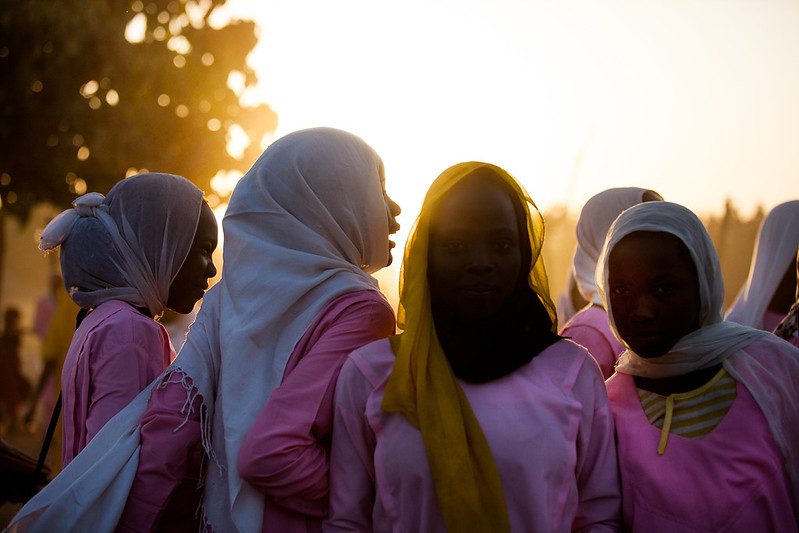
Lady Health Workers of PakistanAs the changing climate drives temperatures to new extremes, heat is emerging as an underrecognized threat to maternal health. In Pakistan, one of the world’s most heat-exposed countries, pregnancy is increasingly unfolding under conditions that strain the body, health systems and communities alike. Yet despite mounting scientific evidence of the danger extreme heat poses during the perinatal period, maternal health remains largely absent from many national heat-health policies. Thankfully, community health workers, like the Lady Health Workers of Pakistan, are stepping up when the heat becomes too much to bear.

Intensifying Heatwaves in Pakistan

Pakistan is highly vulnerable to extreme heat, with heatwaves becoming more frequent, prolonged and intense in recent decades. Pre-monsoon months often see dangerously high temperatures in combination with high population densities, as seen in cities such as Karachi and Lahore. Several severe events in recent years have emphasized the scale of this risk, including the 2015 heatwave that devastated the southeastern Sindh province and ultimately claimed more than 1,000 lives. In more recent years, Pakistan experienced a heatwave in June 2025, during which temperatures in many parts of the country exceeded 113°F.

Prolonged periods of extreme heat place significant strain on urban and rural communities alike, affecting infrastructure and health systems. Climate change is expected to intensify these trends, increasing the likelihood of longer and more severe heatwaves and expanding the geographic areas affected. For populations with limited access to cooling, reliable electricity or adequate health care, these conditions create public health risks and highlight the need for stronger heat-health preparedness measures.

Extreme Heat and Maternal Health Risks

Extreme heat poses significant risks during pregnancy due to the body’s changes in temperature regulation and fluid balance. During pregnancy, fetal development increases fluid requirements, making it more difficult for the body to dissipate heat. This increases susceptibility to dehydration and heat stress. High temperatures may disrupt hormonal regulation and impair the function of the placenta, potentially reducing oxygen and nutrient delivery to the fetus.

Evidence also links exposure to extreme heat with several adverse pregnancy outcomes, including gestational diabetes, preterm birth and stillbirth in some cases. Heat exposure can also increase the likelihood of infections and complicate care during labor. Because public health care systems in Pakistan are often described as overwhelmed, these risks may increase further. As temperatures continue to rise with climate change, these issues underscore the importance of recognizing pregnancy as a period of heightened vulnerability to extreme heat and ensuring appropriate support for pregnant populations.

Omission of Pregnancy in Heat-Health Action Plans

The National Heatwaves Guidelines released by the Pakistani government do not make direct reference to pregnancy during extreme heat events. The guidelines recommend that “individuals should check on neighbors, especially the elderly, children and those with chronic illnesses,” but they do not mention people in the perinatal period. The report encourages community care for “vulnerable residents,” but it does not define which groups fall into this category.

This highlights an ongoing issue within Heat-Health Action Plans (HHAPs) across the globe. As extreme heat events occur more frequently, many countries have implemented national HHAPs, as urged by the World Health Organization (WHO). However, while WHO guidelines outline strategies to protect pregnant individuals from extreme heat, a recent review found that of 83 eligible HHAPs from 24 countries, only 52% recognized the need to protect this population during heatwaves. Furthermore, none of the HHAPs comprehensively addressed the risks heatwaves pose to maternal, newborn and child health.

The Lady Health Workers of Pakistan

Pakistan’s Lady Health Worker (LHW) Program, established in 1994, plays a critical role in delivering maternal health services to communities across the country, particularly in rural areas and urban informal settlements. The program deploys more than 100,000 trained female community health workers who live within the communities they serve, each covering roughly 1,000 people. Although they are not physicians, they provide services that health professionals may not be able to deliver consistently at the household level. This includes conducting regular household visits to provide health education, basic preventive care and referrals to formal health facilities.

LHWs focus heavily on maternal and newborn health. They counsel pregnant individuals on the importance of antenatal care while monitoring pregnancies and linking families with clinics or midwives when complications arise. They are trusted members of their communities and provide care directly at the household level. As a result, LHWs often serve as the first point of contact for pregnant populations during environmental or health crises.

LHWs guide hydration, rest and heat-related illness. They also monitor vulnerable pregnancies and facilitate timely referrals to health facilities, helping ensure continuity of maternal care even when extreme heat and strained hospitals make access to services more difficult.

– Charlotte Bunn

Charlotte is based in Bristol, UK and focuses on Global Health for The Borgen Project.

Photo: Flickr
April 3, 2026
https://borgenproject.org/wp-content/uploads/borgen-project-logo.svg 0 0 Precious Sheidu https://borgenproject.org/wp-content/uploads/borgen-project-logo.svg Precious Sheidu2026-04-03 03:00:052026-04-02 12:43:38Extreme Heat and The Lady Health Workers of Pakistan
Global Poverty, Health

DRAP cracks down on the fake drug crisis in Pakistan

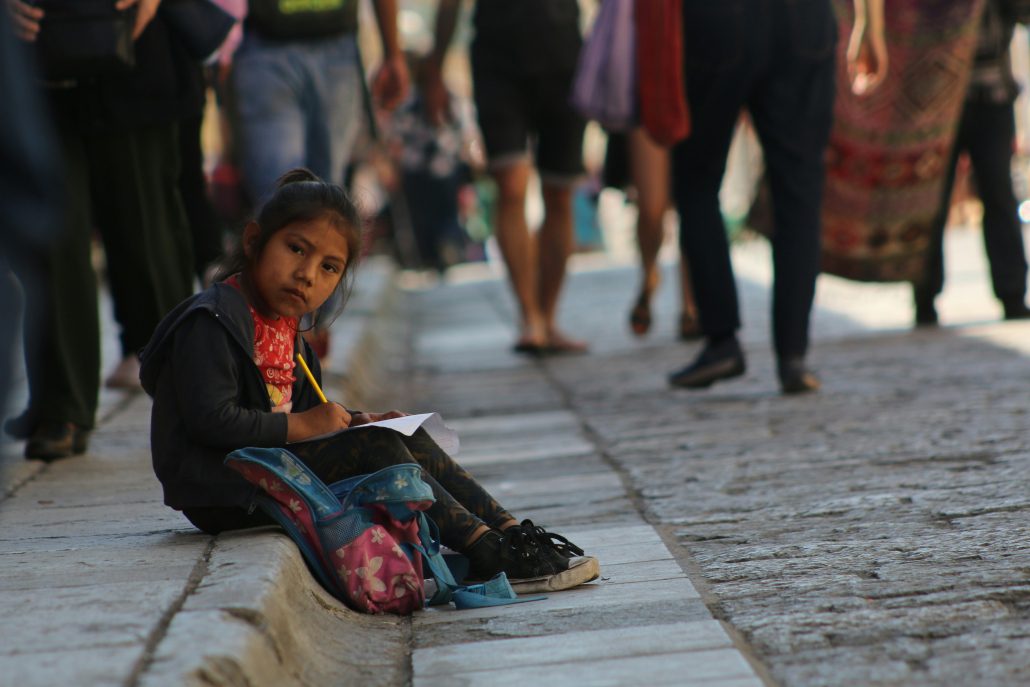
fake drug crisis in PakistanRecently, the Drug Regulatory Authority of Pakistan (DRAP) intensified its nationwide efforts toward combating the illegal sale, manufacturing and distribution of contaminated and falsified medicines in the country. DRAP implemented increased surveillance, intelligence-led enforcement and stricter regulations to combat, in other words, the fake drug crisis in Pakistan.

Background

The Ministry of National Health Services reports that 85% of medicines in Pakistan are either counterfeit or substandard. According to DRAP, 50% of the medication samples tested were fake — including life-saving treatments for cancer, cardiovascular diseases, mental illnesses and infections.

The issue of counterfeit medicines has been harming the health of Pakistanis for decades. Contaminated drugs often include arbitrary dosages of certain ingredients and deadly additives that can cause fatal effects, such as respiratory paralysis or death. A victim of fake medicine would need additional treatment to cure the damage from these drugs, which takes a toll on both the individual already suffering from an illness and the Pakistani health care system. Even if a fake drug has no effect at all, it is still dangerous, as a patient could unknowingly be left untreated for a serious disease.

Fake Drugs Affect the Poor the Most

The fake drug crisis in Pakistan disproportionately affects the poor, who cannot afford branded medicines or, in some cases, receive certain drugs from pharmacies for free. In 2012, a public cardiology pharmacy in Lahore distributed a contaminated drug to the poor. As a result, 125 people died due to fatal bone-marrow suppression.

Counterfeit drugs are also most often found in rural areas, where drug regulation is less strict. For these reasons, people living in poverty often have to resort to cheaper, falsified drugs, according to Wolters Kluwer Health.

To combat this, Muhammad Omar Larik recommended that the Pakistani government establish pharmaceutical support programs for the poor, as mentioned in his study published in the Journal of the Pakistan Medical Association.

Raids, Seizures and Closures

In recent crackdown efforts on the fake drug crisis in Pakistan, DRAP raided several pharmacies and local medicine shops. If lab testing revealed that the store sold falsified drugs, DRAP would shut it down.

DRAP sealed multiple establishments across the country, including the Al-Waali Care Concepts medical supplies store in Lahore. There were more drug regulation violations behind each closure, such as operating without a valid drug license and unlawfully storing medical devices. When officials raided Al-Waali Care Concepts, they brought legal action against the owner and started a formal investigation into the store.

In a surprise raid, a federal drug inspector shut down a pharmaceutical factory in Nooriabad for its illegal production of unregistered high-dose tramadol tablets. The production of this opioid is illegal nationwide due to smuggling concerns, public safety risks and especially its abuse abroad. DRAP suspects the factory produced the tablets with the intention of shipping them to foreign drug markets.

DRAP lab-tested several pharmaceutical products and consequently banned three newly-found counterfeit medicines: batch 251986 of Duphalac syrup, batch 091 of Taskeen Dard tablets and batch 01 of Pain-Nil tablets. The authority seized the identified batches of the medicines, removed them from the markets and tracked down the suppliers.

In Karachi, officials seized a large quantity of medicine that was sold across the city. In Lahore, DRAP caught individuals selling Urografin, an iodine-containing injection, and a dealer selling unregistered infertility medication, Lipiodol Ultra Liquid, beside a hospital, Dawn reported.

Provincial drug control officials also confiscated several batches of medicines meant to treat allergies, anxiety disorders, kidneys, fevers, body pain, bacterial infections and ulcers. Lab testing revealed that these medications were fake and completely ineffective. According to DRAP, these drugs were illegally produced and falsely labelled under well-known pharmaceutical brands.

Identifying Fake Drugs

A significant lack of public awareness also feeds into the fake drug crisis in Pakistan, as the public is not aware of the severity of the issue and unsure how to differentiate counterfeit medicines from real, safe medication.

As one solution, Dvago, a reputable pharmacy and medical store in Pakistan, outlined several warning signs to look for when identifying counterfeit drugs. These include packaging irregularities, missing or fake security seals, inconsistencies in the medicine’s appearance, an incorrect batch number or expiry date, extremely low prices and a lack of a proper leaflet or labels.

When purchasing medication, the store urges the public to only buy from licensed pharmacies, consult a pharmacist beforehand, verify the drug manufacturer, use track and trace systems with unique codes and most importantly, report suspicious medicines.

Increasing the Quality of Health and Life in Pakistan

Overall, the DRAP crackdown on illegal pharmaceutical drugs is a significant step toward increasing the quality of health and life for Pakistanis, especially for those living in poverty. Unfortunately, the fake drug crisis in Pakistan persists due to inadequate legislation, ineffective law enforcement and drug regulators’ failure to effectively interpret and implement the law.

Nevertheless, with consistent drug surveillance, more pharmacists, stronger law enforcement, trained drug regulators and a solid infrastructure for drug control, Pakistan can achieve its goals.

– Umaymah Suhail

Umaymah is based in Karachi, Pakistan and focuses on Good News and Global Health for The Borgen Project.

Photo: Flickr
April 3, 2026
https://borgenproject.org/wp-content/uploads/borgen-project-logo.svg 0 0 Naida Jahic https://borgenproject.org/wp-content/uploads/borgen-project-logo.svg Naida Jahic2026-04-03 01:30:482026-04-02 12:33:06DRAP cracks down on the fake drug crisis in Pakistan
Gender Equality, Global Poverty, Nonprofit Organizations and NGOs

Gender Equality in Nigeria: Fighting For Female Safety

Gender Equality in NigeriaNigeria has a population of 242.4 million, making it the most populous country in Africa and the sixth most populous in the world. About 46% of Nigeria’s population live below the international poverty line and 3.4 million people are internally displaced including vulnerable women and girls. A further 60% of adolescent girls are absent from secondary school.

Gendered Issues in Nigeria

Gender equality in Nigeria remains an ongoing struggle. According to Girls Not Brides, 12% of girls marry before the age of 15 and 30% before 18. These statistics are influenced by poverty and education rates, with 71% of women with no formal education reporting having married before the age of 18. According to the United Nations Population Fund (UNFPA), one in three women experiences physical violence by the age of 15, often related to domestic circumstances.

Poverty is a driving factor, as 46% of the population lives below the poverty line. Economic pressures can lead families to arrange early marriages, which perpetuates unequal gender norms and limits women’s educational and professional opportunities.

Women for Women International

Women for Women International (WFWI) is a nonprofit organization established in 1993 that works to support women across 17 countries affected by conflict or injustice. Since 2000, WFWI Nigeria has reached more than 84,306 women. Its flagship program, Stronger Women Stronger Nations (SWSN), promotes gender equality in Nigeria through vocational and financial skills training, academic education, health education and support networks for vulnerable women.

WFWI has also taken action to address the root causes of gender inequality by engaging men. Given the data on domestic abuse, forced marriage and gender-based violence (GBV), WFWI identified that creating allies within the male population in Nigeria is integral to resolving gender inequality.

According to a study published in the Pan African Medical Journal in 2022, the highest prevalence of physical or sexual intimate partner violence was reported in Sub-Saharan Africa, at 65.64%. In Nigeria, information from the 2018 National Demographic Health Survey shows that 33% of women between 15 and 49 experience physical or sexual violence. The prevalence rate of GBV is 74.4% among survivors under 18, further reinforcing the risks for girls in early marriages.

WFWI’s men’s engagement program launched in Nigeria in 2002 with the aim of educating men on women’s health, the social and economic issues women face, and how men can offer support. The program creates focus groups and targets men in the community with religious, military or civil society backgrounds, creating a pathway for these men to advocate for women’s rights and gender equality in Nigeria.

Results of SWSN and Men’s Engagement

SWSN has had a measurable impact on gender equality in Nigeria since its launch in 2000. Change agents, women who received SWSN training and spread it through the community, have navigated the challenge of educational equality by establishing a mixed-gender primary school in the state of Bauchi. These agents were responsible for bringing nearly half of the 92 students to this school.

The program has reached more than 92,000 Nigerian women, with more than 5,000 graduating from SWSN in 2024. WFWI reports that graduates doubled their monthly earnings through newly acquired business skills, and 83% of graduates reported feeling actively involved in their public and private lives, compared with 36% at enrollment. Women’s knowledge of their political and national rights increased from 55% to 92%.

In the men’s focus groups, results have also been positive. WFWI acknowledges that women’s empowerment is not only achieved by reducing men’s power but that gender equity also benefits men’s health, household environments, financial matters and communities. Nearly 53,000 men have been reached since 2002, with more than 17,000 joining the project in Nigeria. One man, Murhula, has claimed that “my life has really changed” from his participation. His realization that “We thought that certain jobs are just for men […], but today I can say that the work a man can do, a woman also can do it.”

Looking Ahead

With the continuation of SWSN and the men’s engagement program, progress toward gender equality in Nigeria extends beyond policy into education, homes and communities. WFWI’s model demonstrates that addressing gender inequality requires engaging both women and men.

– Jaya Noonan

Jaya is based in London, UK and focuses on Good News and Global Health for The Borgen Project.

Photo: Unsplash

April 2, 2026
https://borgenproject.org/wp-content/uploads/borgen-project-logo.svg 0 0 Precious Sheidu https://borgenproject.org/wp-content/uploads/borgen-project-logo.svg Precious Sheidu2026-04-02 07:30:102026-04-02 00:00:45Gender Equality in Nigeria: Fighting For Female Safety
Global Poverty, Health, Women

Managing Maternal Hypertensive Disorders in Venezuela

Maternal Hypertensive Disorders in VenezuelaVenezuela faces a time of profound instability. Not only due to piling political unrest but further exacerbated by changing climates and insufficient funding reach. Maternal and perinatal conditions claim approximately 8,000 lives each year and the World Health Organization (WHO) has determined that hypertensive disorders account for 20% of those maternal deaths.

This alarming reality demands immediate intervention. Organizations including UNICEF are already responding, deploying strategies to expand healthcare access and strengthen training in obstetric neonatal and pediatric emergency care. Here is more information about maternal hypertensive disorders in Venezuela and how they are being addressed.

The Government 

To understand Venezuela’s healthcare emergency, one must first understand its economic catastrophe. For decades, oil revenues financed nearly two-thirds of the government budget. In 2014, when oil prices collapsed and the central bank responded by printing more money, the country entered one of the worst hyperinflation periods in modern history. Ordinary Venezuelans have felt these impacts the most as political turmoil has been further exacerbated by exchange rate volatility and the recent capture of Nicolas Maduro.

Due to this, more than one quarter of the population need humanitarian assistance. Significantly, the most severe impacts befall the health systems from this economic collapse. Domestic general government health expenditure under Maduro was merely 3.6%, with out-of-pocket spending accounting up to 30% of health expenditure. For Venezuelans where the official minimum wages remain below $2/month, this basic healthcare need remains inaccessible. Furthermore, known as the ‘brain drain’ roughly half of the country’s doctors have emigrated, leaving hospitals understaffed and unable to perform basic tasks such as routine obstetric check-ups. For pregnant women and children, especially in indigenous communities, this has had detrimental effects.

Hypertensive Disorders

Hypertensive disorders affect 1.4 billion people globally. However, prevalence is skewed toward low- and middle- income countries. Such disorders are huge risk factors for developing heart disease, stroke and, in pregnant individuals, pre-eclampsia. These disorders are frequently and easily missed as key symptoms presenting as vision loss and headaches. Tests for such disorders require equipment which is inaccessible in rural areas of Venezuela and when untreated, leads to seizures and hemorrhage.

In Venezuela, hypertensive disorders cause roughly 20% of maternal deaths with other confounding causes being maternal hemorrhage. This had evident effects as shown by the growing ratios of maternal mortality. This impacts 226.7 individuals per 100,000 live births and worsening by +25% points since 2019. Simple low-cost training to help healthcare workers identify early warning signs of hypertensive diseases combined with targeted education campaigns for pregnant women, could meaningfully improve outcomes and empower women to advocate for their own care.

Who Is Helping?

Despite the fact that many organizations have received just 17% of the >$600 million that Venezuela’s humanitarian response plan requires, many organizations, governmental and non-governmental alike are implementing strategies to ameliorate the maternal health crisis. These strategies are offering hope for the future. Many individuals must walk miles to reach a suitable healthcare facilities, however pregnant women with hypertensive disorders cannot afford this time.

At Project HOPE, local health partners are receiving training and increasing accessibility to maternal healthcare at the Venezuela-Columbia border. Alongside initiatives provided by the International Medical Corps, hope is in sight for these vulnerable Venezuelan’s. Since its implementation, the International Medical Corps (IMC) has provided more than $1.8 million in equipment, medical supplies and facilities.

Medical units mobilized by this organization aid in improving maternal outcomes for those in remote areas, specifically indigenous communities. Furthermore, continuous efforts from UNICEF demonstrate significant advancements for access to healthcare with 129,871 children and 31,273 women accessing their implemented facilities in the first half of 2025. Increased training in partnership with the ministry of health resulted in 29,788 safe deliveries, 3,289 of which were from indigenous communities. If efforts like this continue to prevail, much needed relief may be provided to the mothers to be of Venezuela when aiming to reduce mortality due to hypertensive disorders.

Conclusion

While maternal hypertensive disorders are manageable themselves when early detection and low-cost diagnostic equipment is available, this is not available in many areas of Venezuela. This cannot be divorced from the broader poverty issue which lies within this country. Thus, Venezuela’s maternal health crisis is a story about compounding vulnerabilities. Economic collapse has gutted public health funding and hyperinflation pushing basic care out of reach. Sustained funding, continued education of local health workers and community level education for pregnant women offers credible paths forward to address maternal hypertensive disorders in Venezuela.

– Juliette Dall’Aglio

Juliette is based in London, UK and focuses on Technology and Global Health for The Borgen Project.

Photo: Flickr

April 2, 2026
https://borgenproject.org/wp-content/uploads/borgen-project-logo.svg 0 0 Jennifer Philipp https://borgenproject.org/wp-content/uploads/borgen-project-logo.svg Jennifer Philipp2026-04-02 01:30:542026-04-01 23:45:27Managing Maternal Hypertensive Disorders in Venezuela
Global Poverty, Health, Women & Children

Community Midwife Training in Nepal

Community Midwife Training in NepalIn many rural parts of Nepal, reaching a hospital during childbirth can require hours of travel. Limited access to trained medical professionals means that some women still give birth without skilled assistance. This is increasing the risk of complications for both mothers and newborns. 

Programs focused on community midwife training in Nepal are helping address these challenges. They are preparing local health workers to provide safe delivery care and newborn support in remote communities. 

Maternal and Newborn Health Challenges in Rural Nepal

Nepal has made substantial progress in maternal health over the past two decades. According to global maternal mortality estimates, Nepal’s maternal mortality ratio declined from 553 deaths per 100,000 live births in 2000 to 186 deaths per 100,000 live births in 2017. This represents a reduction of about 66%.

Newborn survival has also improved. The World Health Organization (WHO) finds that Nepal’s neonatal mortality rate declined from 40 deaths per 1,000 live births in 2000 to 16.6 deaths per 1,000 live births in 2023. Despite these gains, many families in rural areas still struggle to access skilled care during childbirth. 

In mountainous regions of Nepal, reaching a hospital or birthing center may require several hours of travel, sometimes on foot. Shortages of trained health workers and limited medical infrastructure in remote communities also contribute to gaps in maternal and newborn care. 

Expanding Skilled Care Through Community Training 

Nepal’s maternal health strategy includes training skilled birth attendants such as nurses and auxiliary nurse midwives. These skilled birth attendants help manage labor, identify complications and provide essential newborn care. Because many trainees come from the communities they serve, they often understand local languages and cultural practices, making it easier to reach families who might otherwise avoid institutional care. 

These efforts have contributed to significant improvements in access to skilled birth support. Data from the Nepal Demographic and Health Survey (NDHS) show that the share of births attended by a skilled health professional increased from about 13% in 2001 to roughly 80% in 2022. Expanding access to trained midwives has played a major role in improving maternal and newborn outcomes across the country. 

Safer childbirth also helps reduce poverty by preventing costly medical emergencies and allowing mothers to recover and return to work more quickly. This reduces the economic strain that childbirth complications can place on low-income households. 

Nonprofit Partnerships Strengthening Maternal Care

International nonprofit organizations also support community midwife training in Nepal through partnerships with the country’s public health system. One organization working in this area is One Heart Worldwide. The nonprofit collaborates with Nepal’s Ministry of Health and Population to strengthen maternal and newborn health services in rural districts.

The organization works directly with government health facilities to improve the quality of maternal care. It does this by training skilled birth attendants, upgrading rural birthing centers and providing ongoing mentorship for health workers. Its programs also strengthen referral systems so that complicated pregnancies can be transferred more quickly to higher-level hospitals. 

Another program working to support maternal health by expanding access to skilled care in underserved communities is CARE Nepal. The organization works with local governments and community health volunteers to improve prenatal care, promote safe delivery practices and increase awareness of maternal health services. CARE programs also focus on training health workers, supporting community outreach and helping connect pregnant women with nearby health facilities where trained midwives can assist during childbirth. 

The Impact of Skilled Midwives

The availability of trained midwives plays a crucial role in improving maternal and newborn health outcomes worldwide. According to the United Nations Population Fund (UNFPA), midwives trained to international standards could deliver about 90% of essential maternal health services. They could also provide essential newborn care.

In addition to assisting during childbirth, trained midwives help strengthen local health systems by linking pregnant women with antenatal services, organizing checkups and helping families navigate referrals to larger hospitals when necessary. 

A Healthier Future for Mothers and Newborns in Nepal

Continued investment in community midwife training in Nepal remains essential for improving maternal and newborn health outcomes in rural areas. Expanding training programs, strengthening health facilities and supporting partnerships between government agencies and nonprofit organizations can help ensure that skilled professionals attend more births. 

Nepal’s progress in maternal health demonstrates how expanding access to skilled care can transform outcomes for mothers and newborns. As community midwife training initiatives continue to grow, safer childbirth and stronger maternal care are becoming increasingly within reach for families across the country. 

– Tom Basu

Tom is based in Buckinghamshire, UK and focuses on Good News and Global Health for The Borgen Project.

Photo: Flickr
April 1, 2026
https://borgenproject.org/wp-content/uploads/borgen-project-logo.svg 0 0 Lynsey 2 https://borgenproject.org/wp-content/uploads/borgen-project-logo.svg Lynsey 22026-04-01 07:30:242026-03-31 12:49:42Community Midwife Training in Nepal
Employment, Global Poverty, Government

Proactive Poverty Reduction in China

Poverty Reduction in ChinaChina, a vast and diverse nation of 1.4 billion people, has a significant recent history of poverty alleviation. Between 1981 and 2013, the country lifted about 850 million of its citizens from poverty. However, the sheer size of the population presents ongoing challenges.

With 90% of the country’s poverty concentrated in rural areas, providing effective welfare faces many obstacles. The Chinese government has stepped up to this task, creating a focused policy mechanism. This initiative, officially known as a regular mechanism for dynamic monitoring and targeted support to prevent a relapse into poverty (often abbreviated as SHIELD), embodies a proactive poverty reduction strategy in China.

This method of proactive poverty reduction has proven incredibly effective, offering a global model for safeguarding populations of any size. To achieve this, the SHIELD mechanism breaks down its approach into three core areas: dynamic monitoring, precise identification and targeted support, all funded and staffed by a multi-departmental effort.

Proactive Poverty Reduction in China

  • Dynamic monitoring: With such a large population, one of the scheme’s core focuses is casting a wide net over anyone who might need support. It achieves this through digital analysis, combining data engineering with human-led statistics to identify individuals requiring financial, mental or physical assistance. The system also employs workers in rural and grassroots communities, who actively find people and guide them through the welfare application process. The final method and perhaps the most effective, involves easy-to-operate mobile apps. In Gansu province, for example, the One-Click Poverty Reporting system now accounts for 22% of the people who have successfully accessed welfare.
  • Precise identification: Once identified, the system breaks households and individuals down into risk categories. The first category includes those recently lifted out of poverty who may be vulnerable to falling back. The second covers general households at risk due to living in ecologically unsafe or isolated regions, even if they have never fallen below the poverty line. The third and final category comprises those who have been hit by a crisis of some kind, placing them at high risk of falling beneath the poverty line or already there.
  • Targeted support: While focusing on citizens’ financial status, this Chinese policy includes a wide range of support models designed to help people get back on their feet. These targeted supports are intended to be comprehensive, addressing each citizen’s immediate needs and supporting their reintegration into society. They include microloans, community service jobs such as sanitation work and forest ranger roles, health care access, education subsidies and a basic living allowance for households that are completely unable to support themselves.

Impact and Effort

The SHIELD policy represents a major government priority, backed by substantial investment. The Ministry of Agriculture and Rural Affairs leads the effort, with support from most other government departments, including health and education. Since the transition period began in 2021, cumulative government investment in formerly impoverished areas has reached 850 billion yuan (approximately $127.5 billion).

Given the scale of this multi-departmental collaboration, the policy’s impact is evident. Under this system, authorities have identified seven million people as high-risk and are now providing support to them. SHIELD has also helped secure jobs for 33.05 million people, either through employment opportunities or community service roles. In addition, in isolated rural areas, systems established under SHIELD have increased access to safe drinking water to 94%.

The SHIELD policy represents the culmination of a multi-departmental effort and wise allocation of resources. The policy provides a comprehensive and replicable model of proactive poverty reduction in China, with support tailored to citizens’ needs. As a result, it may serve as a global roadmap for poverty alleviation, a goal the evidence suggests SHIELD is already moving toward.

– Eli Thomson

Eli is based in Preston, UK and focuses on Good News and Politics for The Borgen Project.

Photo: Flickr
April 1, 2026
https://borgenproject.org/wp-content/uploads/borgen-project-logo.svg 0 0 Lynsey 2 https://borgenproject.org/wp-content/uploads/borgen-project-logo.svg Lynsey 22026-04-01 07:30:172026-03-31 13:14:05Proactive Poverty Reduction in China
Foreign Aid, Global Poverty, Refugees

Sudan Refugee Crisis Response Amid Famine and War

Sudan Refugee Crisis Response Amid Famine and War Sudan has been facing large-scale displacement since its civil war began in 2023. The conflict between the Sudanese Armed Forces (SAF) and the Rapid Support Forces (RSF) has forced millions of Sudanese to leave their country. The current displacement total is estimated at 11 million people, and the death toll is estimated at about 400,000. Sudanese displacement numbers currently surpass those of other global conflicts. For example, the conflict in Ukraine, now in its fourth year, has displaced around 6 million people. In addition to millions of Sudanese losing their homes, this displacement is causing widespread famine, poverty, lack of access to medical care and telecommunications blackouts. These issues highlight why the Sudan refugee crisis response needs attention.

Even with the high displacement numbers, there is no current sign of a peace deal that would end the conflict. Displaced Sudanese are fleeing to overwhelmed refugee camps in nearby countries such as Chad, Ethiopia and South Sudan. Organizations and governments are working to accelerate the Sudan refugee crisis response to meet growing demand.

Intervention by Nonprofit Organizations

Because of the conditions in Sudan, a number of nonprofit groups such as the United Nations Crisis Relief, Doctors Without Borders and Save the Children are in the area providing resources. Because of the growing famine, groups are prioritizing food access. For example, Save the Children is providing food, water, shelter and medical services that reach 224,000 Sudanese. While this is already a large number, many more are in need of services.  

Proposed Response Efforts

Sudan has experienced conflict in recent decades, including the Darfur War in 2003. Adding resources to the area is considered a strong investment because this is not the first period of displacement that Sudanese people have experienced. Building significant infrastructure in the region would help sustain responses to future crises. From there, governments and nonprofit groups could focus on long-term stability rather than immediate nutrition and medical needs.

The United Nations High Commissioner for Refugees (UNHCR) has developed a strategy it believes will best support the Sudan refugee crisis response. According to the UNHCR, there needs to be a focus on keeping borders open across seven countries to support asylum seekers. The U.N. and various nongovernmental organizations (NGOs) will then implement resources for displaced populations. This will include increased food access, medical care, expanded agriculture, general education and vocational education programs. To establish these programs without straining neighboring countries, the UNHCR has stated that a large investment must be made.

A Way Forward

The largest obstacle is the proposed budget for relief. The UNHCR estimates a need of $907 million to make this plan work. Because the number of displaced people is so large and issues like famine require quick action, significant resources are necessary. The most urgent needs, such as addressing famine, will be addressed with available and incoming resources, while funds can be raised for additional programs.

– Nicole Miller

Nicole is based in Pittsburgh, PA, USA and focuses on Global Health and Politics for The Borgen Project.

Photo: Flickr
April 1, 2026
https://borgenproject.org/wp-content/uploads/borgen-project-logo.svg 0 0 Precious Sheidu https://borgenproject.org/wp-content/uploads/borgen-project-logo.svg Precious Sheidu2026-04-01 03:00:302026-03-31 12:44:08Sudan Refugee Crisis Response Amid Famine and War
Food Security, Global Poverty, Sustainable Development Goals

SDG 14 in South Africa: Fisheries and Sustainability

SDG 14 in South AfricaMore than 3 billion people depend on the ocean for food and work. Nearly 60 million people have direct employment in fisheries and millions more work in processing and distribution. Fish and seafood account for more than 20% of the dietary protein intake for more than 3 billion people worldwide. Protecting these marine resources is the primary focus of Life below water (SDG 14), one of the United Nations’ 17 goals in the 2030 Agenda.

In South Africa, where unemployment rates are among the highest globally and poverty rates remain widespread, the health of marine ecosystems provides an undeniable economic opportunity. Efforts to protect life below water and reach SDG 14 in South Africa have not only become environmental priorities, but a broader strategy to support livelihoods for all generations.

Marine Resource Management Challenges

South Africa’s marine environment continues to face growing pressure through the exploitation of marine resources, changing weather patterns and plastic pollution. Overfishing remains one of the most significant threats to ocean ecosystems, with 34% of South Africa’s fish stocks either depleted or heavily depleted. Nearly half of South Africa’s marine sources are already fully exploited with another 15% overexploited, putting substantial pressure on key economic species like rock lobster and tuna. Local marine ecosystems are being reshaped along the country’s expansive coastline, driven by changing weather patterns. Fisheries are highly dependent on ecosystem health as the food web drives biodiversity and biomass.

Sardines play a crucial role in the region’s marine food web supporting a large portion of the country’s pelagic fishing industry. However, sardine biomass declined 25% of its historical maximum since 2004 along South Africa’s west coast, significantly impacting fish stocks up the food chain. As populations decline, annual catch quotas are reduced with significant decreases in employment opportunities in fisheries, processing plants and export sectors.

Only 46% of South Africa’s 122 million tons of plastic waste is recycled, leaving an estimated 79,000 tons every year to enter rivers, oceans and the environment. This makes South Africa one of the largest contributors of land-based marine plastic pollution. Beyond plastics, 86% of sewage treatment did not meet safety standards and continues to release effluent contaminants into rivers. These environmental pressures have consequences beyond biodiversity by threatening coastal economies that rely heavily on ocean resources. With unemployment in South Africa reaching around 32%, fisheries and marine tourism provide important sources of income.

How SDG 14 Initiatives Are Combating Challenges

In response to SDG 14, South Africa continues to invest in research and collaboration efforts to improve scientific understanding, expand marine protection efforts, and promote sustainable resource management. Most notably, South Africa has increased marine protected areas from 0.4% to 5.4% of its Exclusive Economic Zone, protecting more than 1.5 million hectares of marine critical habitat. 

Researchers at the University of Cape Town play a key role in this effort by tracking ocean conditions to inform fisheries policies. One major initiative is the Marine and Antarctic Research for Innovation and Sustainability (MARIS) program. The Benguela Current system alone supports fisheries valued at more than $1 billion annually, highlighting the importance of research programs such as MARIS in guiding sustainable marine policy. Another key focus is the implementation of ecosystem-based fisheries management in the Benguela Large Marine Ecosystem through three primary objectives:

  1. Capacity and skills for research, management and compliance
  2. Sufficient finances for research, management and monitoring 
  3. Effective data management between the monitoring and legal enforcement teams

The nutrient-rich Benguela current supports hundreds of thousands of livelihoods across southern Africa. To ensure sustainable fisheries policies and regulations within the marine park is critical. As Melrus managing director Tomas Kjelgaard states: “It’s very important for us to have a long-term business. If we overfish like they have done in many places during the last 20 years, then we don’t have a business the day after tomorrow.” To protect the livelihoods of future fishermen, continued cooperation between government agencies, local stakeholders and neighboring countries such as Namibia and Angola is essential.

Government-led education campaigns continue to spearhead community-driven initiatives in South Africa. Particularly, coastal cleanup programs removed 111.85 tonnes of waste from beaches and waterways during volunteer cleanup campaigns in 2024 and has employed more than 200,000 volunteers across the country. Additionally, academic programs such as SEAmester have helped train more than 500 students from 15 institutions, supporting next generation of marine scientists and securing employability across the sector.

The Future of South Africa’s Life Below Water

As South Africa continues to strive towards reaching the SDG 14, oceanic health and prosperity are becoming increasingly important toward reducing poverty and supporting sustainable economic development in South Africa. Despite universal challenges of overfishing, the changing climate and pollution, ongoing targeted research, informed policy decisions and community initiatives show that progress is possible. With expanding marine protected areas, stronger fisheries management, and education programs training the next generation of ocean stewards, South Africa is charting a course toward a healthier ocean and stronger coastal communities.

– Alyssa Forget

Alyssa is based in Dundas, Ontario, Canada and focuses on Good News for The Borgen Project.

Photo: Unsplash

April 1, 2026
https://borgenproject.org/wp-content/uploads/borgen-project-logo.svg 0 0 Jennifer Philipp https://borgenproject.org/wp-content/uploads/borgen-project-logo.svg Jennifer Philipp2026-04-01 01:30:322026-03-31 12:22:24SDG 14 in South Africa: Fisheries and Sustainability
Page 30 of 2162«‹2829303132›»

Get Smarter

  • Global Poverty 101
  • Global Poverty… The Good News
  • Global Poverty & U.S. Jobs
  • Global Poverty and National Security
  • Innovative Solutions to Poverty
  • Global Poverty & Aid FAQ’s
Search Search

Take Action

  • Call Congress
  • Email Congress
  • Donate
  • 30 Ways to Help
  • Volunteer Ops
  • Internships
  • Courses & Certificates
  • The Podcast
Borgen Project

“The Borgen Project is an incredible nonprofit organization that is addressing poverty and hunger and working towards ending them.”

-The Huffington Post

Inside The Borgen Project

  • Contact
  • About
  • Financials
  • President
  • Board of Directors
  • Board of Advisors

International Links

  • UK Email Parliament
  • UK Donate
  • Canada Email Parliament

Get Smarter

  • Global Poverty 101
  • Global Poverty… The Good News
  • Global Poverty & U.S. Jobs
  • Global Poverty and National Security
  • Innovative Solutions to Poverty
  • Global Poverty & Aid FAQ’s

Ways to Help

  • Call Congress
  • Email Congress
  • Donate
  • 30 Ways to Help
  • Volunteer Ops
  • Internships
  • Courses & Certificates
  • The Podcast
Scroll to top Scroll to top Scroll to top