How the Agricultural Economy is Reducing Poverty in Côte d’Ivoire
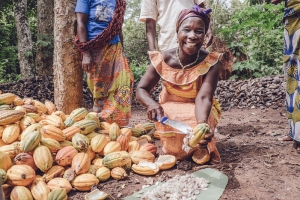 The 2026 Iran war is creating global economic shocks. However, Côte d’Ivoire is working to drive away poverty and protect its vulnerable communities. As one of the world’s largest cocoa producers, the country depends heavily on agriculture for livelihoods. Yet global disruptions in fuel, fertilizer and food supply chains threaten farmers’ incomes and household stability.
How War is Affecting Côte d’Ivoire
The conflict has already pushed fuel prices higher across Africa. Many countries rely heavily on imported energy, making them vulnerable to global disruptions. Governments across the continent have raised petrol and diesel prices, increasing inflation and putting pressure on low-income households. These increase the risk of deepening poverty as transport and food costs rise.
The war has also disrupted fertilizer exports. Shipping constraints through the Strait of Hormuz have reduced access to key agricultural inputs. Experts warn this will raise production costs and reduce yields, especially in developing countries. For farmers in West Africa, including those in Côte d’Ivoire, fertilizer shortages could significantly affect cocoa production and household incomes.
These pressures are particularly concerning because agriculture underpins livelihoods in Côte d’Ivoire. The country produces a large share of the world’s cocoa and relies on the crop for export revenue and rural employment. Many households depend on cocoa farming for income, making them vulnerable to price shocks and rising costs.
The Iran war is also expected to worsen global food insecurity. Disruptions to energy and fertilizer supply chains could push millions more people into hunger, particularly in sub-Saharan Africa. Rising input costs reduce crop yields, which in turn increases food prices and threatens household purchasing power.
How Ivorians Are Fighting Back Against Economic Pressures
Despite these challenges, Côte d’Ivoire is implementing measures to protect farmers and reduce poverty. The government has intervened to stabilize cocoa markets and ensure farmers continue to receive income. It has pledged to purchase surplus cocoa stocks at guaranteed prices to support producers facing falling demand and volatile global markets. These interventions help prevent economic shocks from pushing farmers into deeper poverty.
Stabilizing cocoa earnings also supports local economies, as agricultural income circulates through rural communities. However, long-term poverty alleviation requires more than emergency support. Rising fertilizer costs highlight the need for improved productivity and resilience. Investments in sustainable farming practices, diversified income sources and infrastructure can help farmers withstand global shocks.
Increasing yields and improving market access would strengthen household incomes and reduce vulnerability. Côte d’Ivoire also continues broader economic efforts to reduce poverty. Government initiatives and infrastructure investment have supported growth and improved access to services. While poverty remains widespread, targeted policies seek to support vulnerable households and strengthen rural livelihoods.
Final Remarks
The Iran war demonstrates how global conflicts can threaten poverty reduction efforts far beyond the battlefield. For cocoa-dependent economies like Côte d’Ivoire, rising input costs and supply disruptions pose serious risks. Yet proactive government intervention and agricultural investment can help protect livelihoods.
By stabilizing cocoa incomes, supporting farmers and investing in resilience, Côte d’Ivoire is working to limit the impact of global shocks. These efforts show that even amid international crises, targeted policies can help safeguard communities and advance poverty alleviation.
– Demetra Mykoniatis
Demetra is based in London, UK and focuses on Good News and Politics for The Borgen Project.
Photo: Flickr
