The Economic Crisis In Zimbabwe
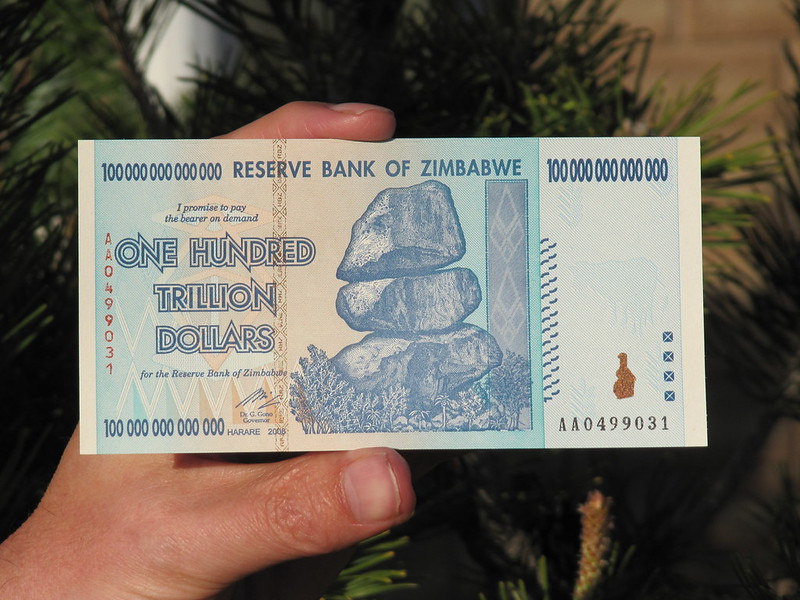 As of early 2026, Zimbabwe has been facing a severe economic crisis. Decades of instability have been caused by a combination of economic conflicts, including hyperinflation, currency collapse and high public debt, a crisis that has deepened over the years. Problems stem back as far as the early 2000s, when inflation rates rose quickly, rendering the Zimbabwean currency worthless. Zimbabwe’s rising rates of inflation have caused increased difficulty for residents to afford basic necessities, for businesses to set adequate prices on required goods and an overall loss of profit.
About Zimbabwe
Zimbabwe is a landlocked country in southern Africa, bordered by Zambia, Mozambique and Botswana. When the country gained its independence in 1980, Zimbabwe encountered several economic challenges that prevented it from achieving broader social advancement. Fast-track reforms, controversial land redistribution cases and the misuse of governmental funds severely impacted agricultural production, hindering future economic development. These decisions led to public protest and the suspension of international economic aid. The withholding of financial support, combined with the public’s increasing distrust of the government, worsened the crisis in the years that followed.
Due to these events, the economic crisis has taken a significant toll on civilians, with many struggling to afford basic necessities as a result of rising inflation. The problem has been recognized by several parties both inside and outside the country, and multiple short and long-term solutions have been proposed with varying degrees of success.
Solutions
A significant development involves Zimbabwe’s engagement with the International Monetary Fund (IMF). Founded in 1944, the IMF is a global organization with the goal of ensuring economic cooperation and reducing global poverty. In early 2026, the IMF met with Zimbabwean officials to form strategies for economic recovery. One outcome was the Staff Monitored Program (SMP), which aims to strengthen credibility around new policies by positively adjusting monetary and fiscal frameworks and advancing governmental reforms. According to the IMF, Zimbabwe’s economic growth is projected to increase to around 4.6% to 5% as of early 2026.
Looking Ahead
While the economic crisis in Zimbabwe has been acknowledged and efforts are underway to stabilize it, permanent long-term results remain to be seen. Lasting recovery will depend on cooperation from all parties to rebuild both the national currency and the trust between policymakers and the public.
– William Mancuso
William is based in Lake Mary, FL, USA and focuses on Good News and Technology for The Borgen Project.
Photo: Flickr
