Everything You Need to Know About Poverty in Mexico
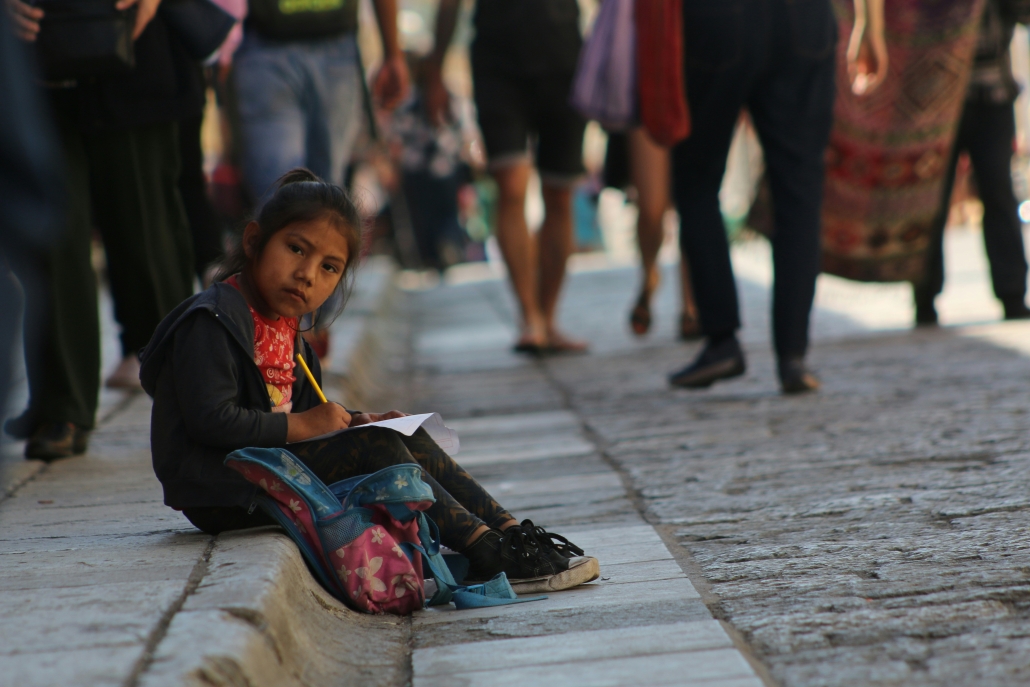 Poverty in Mexico remains a major social challenge that affects different groups disproportionately, even as the country has made noticeable progress in recent years. In 2024, 38.5 million Mexicans, as much as 29.6% of the population, were living in multidimensional poverty. While that number remains strikingly high, it marks a notable decline of 8 million people in poverty from 2022. The shift suggests that while hardship remains widespread, recent support measures and broader social gains have helped ease conditions for millions of households.
Who Poverty in Mexico Affects Most
National figures only tell part of the story and might suggest that quality of life is improving nationally, however, poverty in Mexico continues to fall unevenly, with rural and Indigenous communities carrying a far heavier burden than the country as a whole. In rural areas, the poverty rate stood at an alarming 45.8% in 2024, compared with 25% in urban areas. This divide reflects more than geography alone. It indicates long-standing gaps in infrastructure, formal employment and access to support systems.
The disparity is even sharper for Indigenous communities. In 2024, 60.8% of Mexico’s Indigenous population was living in poverty. Although that figure represents an improvement from previous years, it does so at a less than the national rate, illuminating how deeply inequality remains embedded in communities that have had less access to opportunity and public investment.
Why Poverty Persists in Mexico
Part of the reason poverty in Mexico remains so difficult to overcome is that it is not just about wages. Mexico measures poverty through a multidimensional system, taking into account access to essentials such as education, health care and social protections. For many families, economic vulnerability persists because single setbacks such as illness, job losses or rising cost of living can quickly push them into poverty.
This is especially true where social protections remain weak. In 2024, nearly half of Mexico’s population did not have formal employment-based protections such as pensions, health coverage or other long-term support. This helps explain why national progress can coexist with persistent hardship, especially in the country’s most vulnerable regions.
Reducing Poverty in Mexico
What is helping, however, is easier to see in the latest data. Recent reporting suggests that social welfare programs and other support measures helped reduce hardships for many families. While that kind of support does not solve the deeper causes of poverty, it can make an immediate difference for households under financial pressure and help prevent even deeper forms of deprivation.
National programs have also tried to address poverty through employment schemes and rural development. Jóvenes Construyendo el Futuro, for example, has supported millions of young people who are not in work or education with training and financial support, while Sembrando Vida is aimed at strengthening rural livelihoods by supporting farmers and local production. While these efforts are not enough to eliminate every structural cause of disproportionate poverty in Mexico, they show that targeted investment can expand opportunity and reduce vulnerability for many families, making a palpable difference to many lives.
Looking Forward
Poverty in Mexico remains a major issue, particularly for rural and Indigenous communities that continue to face the highest levels of hardship. Even so, the latest figures offer a measure of hope. Poverty has declined in recent years, and national support programs appear to be helping prevent even deeper deprivation. With sustained investment and continued attention to the communities most affected, Mexico has a real opportunity to build on that progress in the years ahead.
– Elliott J. Carter
Elliott is based in Mexico City, Mexico and focuses on Good News for The Borgen Project.
Photo: Unsplash
