• Link to X
  • Link to Facebook
  • Link to Instagram
  • Link to TikTok
  • Link to Youtube
  • About
    • About Us
      • President
      • Board of Directors
      • Board of Advisors
      • Financials
      • Our Methodology
      • Success Tracker
      • Contact
  • Act Now
    • 30 Ways to Help
      • Email Congress
      • Call Congress
      • Volunteer
      • Courses & Certificates
      • Be a Donor
    • Internships
      • In-Office Internships
      • Remote Internships
    • Legislation
      • Politics 101
  • The Blog
  • The Podcast
  • Magazine
  • Donate
  • Click to open the search input field Click to open the search input field Search
  • Menu Menu

Archive for category: Global Poverty

Key articles and information on global poverty.

Activism, Global Poverty, Human Rights

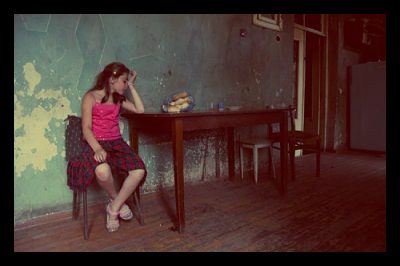
3 Key Qualities of Human Rights Activists

In our constantly changing world, we are seeing more and more everyday people taking a stance against poverty and becoming human rights activists. These individuals have demonstrated that with the right qualities and the commitment to bringing about change, anyone can make a difference.

Be a dreamer.

When Kakenya Ntaiya, founder of the Kakenya Center for Excellence in Kenya, was growing up she dreamed of being a teacher. However, the social and cultural norms of the Maasai population in Kenya expected young girls like Ntaiya to be married at a young age and learn skills to be a wife, not to go to school.

In a Massai right of passage, young girls suffer genital mutilation and are usually married not long after this ceremony. Ntaiya made a deal with her father that would allow her to finish high school after the ceremony, and she ultimately received a college scholarship in the United States and earned a doctorate in education.

Ntaiya made her childhood dream a reality when she opened the Kakenya Center for Excellence in 2009, the first primary school in her village. Since then, she has helped over 150 girls receive a proper education without having to endure what she did.

Persevere against all odds.

In light of Nelson Mandela’s death in December 2013, we are reminded of the legacy he left behind to inspire future human rights activists and leaders. Mandela spent over 25 years in prison after being convicted of sabotage and conspiracy to overthrow the government because of his anti-apartheid efforts. During his time in prison, Mandela was unable to attend the funerals of his mother and his eldest son.

While in prison, Mandela secretly began negotiations with the current apartheid state, specifically with South African President F.W. de Klerk. Mandela was released in 1990 and worked even harder to change conditions in South Africa. In 1994, Mandela became the nation’s first black president.

In his autobiography Long Walk to Freedom, Mandela wrote, “It would be very hard, if not impossible for one man alone to resist. But the authorities’ greatest mistake was to keep us together, for together our determination was reinforced.” Despite all he had gone through, Mandela never gave up on his beliefs and the perseverance that he shared with all anti-apartheid activists.

When tragedy strikes, come back strong.

After being shot in the head by the Taliban in October 2012, then-15 year old Malala Yousafzai not only recovered, but became more committed to fighting for the right of education for young girls. Yousafzai was targeted because of her strong voice, but the injury she suffered was extremely serious and required a risky surgery. After a medically induced coma and a stay in intensive care, she made an incredible recovery.

Nine months after being shot, she spoke at the United Nations headquarters in New York. The day also marked her 16th birthday. In her speech she said, “One child, one teacher, one book, one pen can change the world.”

Since then, Yousafzai has been nominated for the Nobel Peace Price and has been more determined than ever. In response to a question about what the Taliban members who shot her thought they achieved, she said, “I think they may be regretting that they shot Malala. Now she is heard in every corner of the world.”

– Julie Guacci

Sources: CNN, BBC News, The Wall Street Journal
Photo: Amandine Van Ray

March 3, 2014
https://borgenproject.org/wp-content/uploads/borgen-project-logo.svg 0 0 Borgen Project https://borgenproject.org/wp-content/uploads/borgen-project-logo.svg Borgen Project2014-03-03 15:49:422024-06-05 01:57:133 Key Qualities of Human Rights Activists
Global Poverty

What Is Chavismo?

Recent protests in Venezuela have caught the attention of the entire world. Demonstrators are protesting for a myriad of different reasons, from extreme rates of inflation, to rising crime and murder rates, to allegations of corruption. Despite these different reasons, one thing remains constant: the majority of protestors are demonstrating against the government ruled by Nicolás Maduro, the successor to the late charismatic firebrand Hugo Chavez.

But what is Chavismo? What are the origins of this political movement that has swept up the Venezuelan state and has until recently, been extremely popular?

Chavismo has its origins in the beginnings of Chavez’s political career. In 1997, the Fifth Republic Movement was founded to support Chavez in the 1998 presidential elections. The Movement was named the fifth republic because at the time, Venezuela was in its fourth republic and the movement intended to renew the state of Venezuela on revolutionary policies.

A key belief of Chavismo is that the state should support social welfare programs for its citizens. For instance, Chavez often used populist rhetoric to galvanize the lower classes and the disenfranchised with promises to make their lives better. Revenue from Venezuela’s significant oil reserves were put into programs designed to reduce poverty, improve education, and establish social justice and social welfare within Venezuela.

 Some tenets of Chavismo include nationalization of industries, and a strongly anti-neoliberal stance on economic issues with an emphasis on participatory democracy. Systems of “Bolivarian missions” or misiones bolivarianas exist in order to bypass the red tape that often comes with bureaucracy and where citizens can gather to express their opinions directly and have their voices heard.

Not surprisingly for a revolutionary political movement, Chavismo strongly identifies with the historic figure of Símon Bolívar, the 19th century liberator of Latin America from Spanish colonialism. This idea is carried on today with Chavismo attempting to rally countries around the region to oppose what is seen as imperialist US policies that put capitalistic gain ahead of basic human rights.

The idea of Chavismo works well theoretically, as most populist ideologies do. But the reality of the situation is that Venezuelans are unhappy with the way the country is being governed and the direction the current brand of Chavismo led by Maduro is taking them.

Instead of listening to the demands of the people, Maduro decided to take the thuggish route and try to quell the current protests by deploying hundreds of soldiers and ordering fighter jets to make low passes over the capital of Caracas.

Maduro’s responses to the protests give full view to his insecurity. In order to maintain a tight grip on the country, he has expelled three US diplomats from the country and detained 45 people. Maduro has also attempted to regulate media coverage of the protests and threatened to revoke press credentials for CNN reporters.

Unless he listens to and responds to the needs of the people, he will be put in an increasingly insecure position within his United Socialist Party. While an overthrow of Maduro’s government and an opposition-installed government in unlikely, what is possible is Maduro being forced to step down in favor of his Vice-President, Jorge Arreaza.

– Jeff Meyer

Sources: The New York Times, The Huffington Post
Photo: Jorge Amin

March 3, 2014
https://borgenproject.org/wp-content/uploads/borgen-project-logo.svg 0 0 Borgen Project https://borgenproject.org/wp-content/uploads/borgen-project-logo.svg Borgen Project2014-03-03 15:47:242024-05-26 23:16:31What Is Chavismo?
Global Poverty

Global Population Report Predicts Labor Force Shift

global population
The Pew Research Center recently published an article called “Attitudes About Aging: A Global Perspective.”  The article includes research and data from a survey about changing global perspectives on aging. The study projects by 2050, the global population of senior citizens 65 and older will reach 1.5 billion. According to the report, countries in East Asia such as China, South Korea and Japan will lead the world with a large graying population. What the Pew Research Center defines as the “dependent” population (citizens 15 years old and younger as well as 64-years and older) will soon be reversed for key countries. Though China currently has leads in the world’s largest population, by 2050, this current generation in the workforce will soon be a part of the “dependent” category. On the other hand, countries such as Nigeria (expected to triple in population) and Kenya (expected to double in population) will soon have a large population of youth enter the workforce. The Pew concludes countries from East Asia alongside their European counterparts (expected to continue to have a sizable older population by 2050) will have a diminished labor force and could pose challenges for economic growth. Global attitudes about the older population, however, do not prove so positive for certain countries. In South Korea, despite the high standard of living and wealth in the country, 50% of the country’s elderly population are living in poverty. The generation that helped South Korea’s meteoric rise in development has led to an inversion of their status in old age: homelessness and neglect with little governmental support. Currently, only one-third of elderly citizens receive pension. The young population in South Korea are moving towards the cities. Moreover, government polls display changing attitudes from the Confucian-based ideal of taking care of the elderly. The younger generation has shifted from 90% to 37% believing that they should take care of their parents. According to The Pew, more than one-third of citizens from Germany, the United Kingdom and the United States, along with South Korea, believe seniors should be self-reliant in their old age as opposed to receiving aid from the government. Meanwhile, countries that presently have large, young populations, such as Pakistan, Egypt, India, Nigeria, Kenya and South Africa will have a massive labor force that will hopefully have a positive impact on the labor market and promote economic development. Development in public health and education is crucial for Africa’s future working generation to live up to its potential. – Miles Abadilla Sources: Columbia Daily Herald, The Guardian, Pew Research Center Photo: Discover Magazine

March 3, 2014
https://borgenproject.org/wp-content/uploads/borgen-project-logo.svg 0 0 Borgen Project https://borgenproject.org/wp-content/uploads/borgen-project-logo.svg Borgen Project2014-03-03 04:00:202024-05-26 23:15:15Global Population Report Predicts Labor Force Shift
Global Poverty

Climate-Smart Agriculture?

climate-smart_agriculture
The planet’s climate is changing. Rather than debating the details of who or what is causing the change, the bottom line is in the decades to come, people will experience the planet radically different than ever before. There are many consequences of climate change; one very important consequence is the impact on agriculture. As the climate changes, weather patterns, water availability, and pest and disease ranges are also changing. The United Nations Food and Agriculture Organization (FAO) estimates that 842 million people went hungry between 2011 and 2013, or one in eight people worldwide. By 2050, another 2.4 billion mouths are predicted to need feeding. In order to feed such a large population, food production needs to increase by 70 percent. Until recently, agriculture has largely been left out of the climate change discussion. However, global agriculture ought to be at the center of that discussion, both for its role in causing climate change and for its ability to mitigate the impacts of climate change. About one-fourth of anthropogenic greenhouse gases worldwide are a result of agriculture. Methane, a powerful greenhouse gas, seeps out of rice paddies and cow farts. Overuse of nitrogen fertilizers creates dead zones, like the Gulf of Mexico, where vast areas become devoid of life. Cutting down and burning forests to create more farmland releases carbon dioxide, another greenhouse gas. But if agriculture is a large part of the problem, it can also be a large part of the solution. This is where climate-smart agriculture comes into play. The FAO defines climate-smart agriculture as having three main features. First, it must increase the sustainability of agricultural productivity and income of the farmer(s). Second, it must adapt and build resilience to climate change. Third, where possible, it must reduce and/or remove greenhouse gas emissions. What does that looks like in practice? A handbook, highlighting the 16 most effective climate-smart techniques, was published in the fall of 2013 by the CGIAR Research Program on Climate Change, Agriculture and Food Security (CCAFS.) The 16 most effective techniques include the practices of intercropping and agro-forestry. Intercropping is when two or more crops are grown together at the same time. One example of this is when corn, squash and beans are grown together. Historically, this has been a common intercrop throughout Mesoamerica. According to research, “Grown together, these three crops optimize available resources. The corn towers high over the other two crops while the beans climb up the corn stalks. The squash plants sprawl along the ground, capturing light that filters down through the canopy and shading the ground. The shading discourages weeds from growing.” By growing all three crops at the same time, the land is used most efficiently, and nutrients are depleted evenly. A second effective technique is agro-forestry. Agro-forestry refers to the incorporation of trees into a farm. When crops are grown with tress, the partial shade from the trees increases photosynthesis of the crop, and so plants produce more. The presence of tress also reduces soil erosion and improves the quality of soil and water. These techniques, among others, were field-tested by CCAFS to help farmers adapt to the effects of climate change and to be more resilient to unexpected challenges like new pests. The next step is encouraging farmers to adopt climate-smart agriculture and to encourage governments to promote it.

– Claire Karban

Sources: Climate Change Agriculture and Food Security, Huffington Post, ATTRA Photo: How Stuff Works

March 2, 2014
https://borgenproject.org/wp-content/uploads/borgen-project-logo.svg 0 0 Borgen Project https://borgenproject.org/wp-content/uploads/borgen-project-logo.svg Borgen Project2014-03-02 04:00:292024-05-26 23:15:24Climate-Smart Agriculture?
Children, Global Poverty

6 Facts about Child Poverty in the United Kingdom

child_poverty_uk
The United Kingdom is the 6th largest economy in the world. Even though the country is developed, there are a large number of children living in poverty. The disparity between the country’s impoverished and wealthy is so sharp that doctors from the Medical Research Council said that the number of children who do not have proper access to food is a ‘public health emergency.’

Many people do not think that in a country with such a large and developed economy that child poverty would be such an issue, but the problem has actually grown worse in the last few years. Experts blame the rise in poverty on the spending cuts in social services such as welfare. Here are six facts that characterize what poverty in the United Kingdom looks like:

1. 1 in 5 children in the UK are living in relative poverty. Relative poverty is defined as a family’s net income that falls below 60% of median net disposable income, which is currently £250 or less per week.
2. 2.3 million UK children were living in poverty in 2011-12. The number of children living in poverty in 2012-13 rose by 300,000.
3. 66% of children living in poverty lived in a household with at least one employed person.
4. In 2009-10, single parent households in the United Kingdom are twice as likely to be living in poverty as two parent households.
5. Inadequate benefits leave people who do not make enough money at their job without a safety net. Ideally, benefits provided by employers and social services such as welfare will help people who are in low paying jobs or jobs with little potential for growth. Many new government policies have cut funding to social services leaving people worse off than before.
6. Under current government policies, child poverty is expected to dramatically increase by over 600,000 children by 2015.

-Colleen Eckvahl

Sources: Child Poverty Action Group, BBC News, The Independent
Photo: The Guardian

March 2, 2014
https://borgenproject.org/wp-content/uploads/borgen-project-logo.svg 0 0 Borgen Project https://borgenproject.org/wp-content/uploads/borgen-project-logo.svg Borgen Project2014-03-02 04:00:112017-11-29 12:56:236 Facts about Child Poverty in the United Kingdom
Development, Global Poverty, Slums

Kathputli Colony: From Slum to Skyscraper

Kathputli Colony
The Kathputli Colony is home to artists, musicians, performers, magicians and poets. It is, however, not home to adequate sanitation facilities, a sufficient water supply or a healthy environment for children.

The Delhi Development Authority (DDA), in partnership with Raheja Developers, a private firm, wants to develop the colony in West Delhi. The DDA sees the colony as a future home for apartment blocks, some of which will be sold to the residents at a reduced rate and others which will be offered at the market price to those who can afford it.

During the construction period, the DDA plans to move Kathputli residents to a transit camp and later rehabilitate them back into the multi-story apartment buildings that will replace their modest homes.

Due to population increases, building vertically will be the most efficient way to accommodate everyone. However, some Kathputli members are fearful that after moving away from their village, they will not be able to come back.

From Kathputli’s population of about 20,000, the government will move 2,800. The DDA chose candidates based on a survey done by a private firm in 2011 which indicated that 2,754 families deserved a place in the redeveloped Kathputli Colony. Those families will be moved to the transit camps and relocated back to the redeveloped colony.

Residents conducted their own survey and put the number of families at 3,200 because they were unhappy at the way the initial survey was conducted. Nonetheless, none of the residents, even those on the DDA’s original list, are prepared to move. Furthermore, representatives from the colony have demanded that a 15-square-yard plot be given to each resident to use how he or she pleases.
The representatives have insisted that if residents are able to develop their own plots from scratch, the true essence of Kathputli Colony will not only remain intact, but the infrastructure will become more developed. Though the Kathputli Colony is seen as a slum by many outsiders, the residents keep the colony alive with their art as well as music and, further, plan to continue their self-sustaining colony without government intervention.

– Haley Sklut

Sources: The Independent: Postcard from Delhi, The Independent: Letter from Asia, Times of India: Kathputli Colony to be Vacated, Times of India: Elders Meet
Photo: Atlas Obscura
March 1, 2014
https://borgenproject.org/wp-content/uploads/borgen-project-logo.svg 0 0 Borgen Project https://borgenproject.org/wp-content/uploads/borgen-project-logo.svg Borgen Project2014-03-01 04:00:132016-02-16 12:07:59Kathputli Colony: From Slum to Skyscraper
Activism, Child Soldiers, Children, Global Poverty

China’s Soldiers Have Grown, PLA Reports

china's soldiers
China’s People’s Liberation Army (PLA), the largest army in the world, recently released a report on the physical well-being of its troops. The study, published in the PLA’s official newspaper, reported that China’s soldiers have gotten physically bigger in recent years, growing .8 inches taller and two inches larger around the waist in the last 20 years.

While this increase in size has caused some problems with army equipment, experts are celebrating the news and attributing better nutrition in China for the growth.

Malnutrition has long been a problem in China, especially in rural areas. Poor Chinese soldiers were traditionally more likely to be malnourished and underweight. As China modernized, so did its military, which was forced to design its own military technology due to trade sanctions.

The equipment created during this period, however, is based on a now-outdated body type. Rifle butts are proving too short for soldier’s arms; tanks are becoming more crowded by the bigger average bodies of soldiers.

The United States military is experiencing similar problems, but it is largely due to higher obesity rates.

The size increase in both the U.S. and China is related to development. As China has modernized and become a wealthier nation, the Chinese population, including China’s soldiers, have become more nourished. In the case of the U.S., as nations move from middle-income to high-income status, obesity rates tend to increase.

Experts warn that as the nation continues to develop, China may be headed on the path towards an obesity problem.

According to the World Health Organization, only 5 percent of Chinese people are obese, but that figure can jump to 20 percent in certain parts of the country. Furthermore, 45 percent of Chinese men and 32 percent of women are overweight.

Youth in urban areas are those particularly represented in the increased obesity rates, with wealthier people having higher obesity rates than those with less money. This economic link to obesity is the opposite of many nations such as the U.S.

Along with greater wealth, access to fast food and better nutrition, placing less emphasis on physical activities starting in childhood is contributing to the average size increase of Chinese people.

Athena Foong of University of Southern California’s Institute for Global Health explains, “The only way people look at the way you advance in life [in China] is getting a better education so you can get a better job, and sports is not considered a job.”

Despite rising obesity rates, many Chinese people are also still going hungry. In China, there are roughly 12.7 million children with stunted physical growth caused by chronic nutritional deficiency in the first 1,000 days of life. In low-income, rural parts of the country, 10 percent of children under the age of 5 have stunted growth.

While these figures are concerning, they have also been steadily declining in recent decades. In 1987, 22 percent of Chinese people were underweight. This number decreased to 12 percent by 1992.

Improvements in the health of Chinese people have many causes including economic advances, better access to clean water, increased distribution of food and better health facilities and resources.

China’s rapid development has brought better health and nutrition to its populace, but as long as childhood malnutrition and obesity rates persist and rise, the nation will be combating development-related public health issues.

– Kaylie Cordingley

Sources: The Washington Post, Telegraph, UNICEF, Food and Agriculture Organization of the United Nations, World Health Organization, US-China Today, National Geographic, Financial Times
Photo: Growing Taller

March 1, 2014
https://borgenproject.org/wp-content/uploads/borgen-project-logo.svg 0 0 Borgen Project https://borgenproject.org/wp-content/uploads/borgen-project-logo.svg Borgen Project2014-03-01 04:00:122024-12-13 17:50:07China’s Soldiers Have Grown, PLA Reports
Global Poverty, Hunger

Hunger and Poverty in Armenia

poverty in armenia
Landlocked between Azerbaijan, Turkey, Georgia and Pakistan, the country of Armenia has faced economic hardships since the collapse of the Soviet Union in 1991. Between 1989 and 1999, warfare with Azerbaijan and tensions with Turkey have led both countries to impose economic blockades against Armenia; an international settlement has yet to happen. The country’s main source of trade occurs across the border shared with Georgia and into Russia.

Despite some growth and improvements from bilateral humanitarian efforts, Armenia faces several economic and food security challenges. Though Armenia’s gross domestic product growth rates have reached double digits in recent years, this is largely attributed to the widening of the poor-rich gap and the uneven distribution of wealth. Areas of poverty in Armenia are concentrated in rural areas and the country’s borders. Harsh winters, infertile and highly elevated lands and a lack of agricultural diversity have hampered Armenia’s goal of achieving economic sustainability.

The United Nations Development Programme (UNDP) reports that levels of poverty in Armenia have halved from 56.1 percent in 1999 to 23.5 percent in 2008. Though promising, the hard fact is that about 48 percent of the country’s population was below the poverty line of $2 per day in 2008. In 2006, a severe lack of funding forced the World Food Programme to cease its food aid operations in Armenia. Already dire conditions for the country’s most vulnerable people worsened.

Several organizations have since taken up the task of aiding Armenia’s long-term development. USAID is the leading donor agency in Armenia, focusing operations on diversifying Armenia’s economy and agriculture, rebuilding infrastructures, fueling education and bolstering Armenia’s economic competitiveness.

In addition, USAID has partnered with several inter-World Bank and IFC Armenian initiatives to provide extensive technical assistance as well as monetary aid to the bolstering of water safety, road construction and the modernization of healthcare and the public sector.

The International Finance Corporation (IFC) has focused on increasing investments by $2.5 million to improving food safety measures of Armenian meat factories; improving food safety practices to international standards would bolster future international trade potentialities and competitiveness. The IFC has invested $271.5 million in the country over 44 projects spanning several diverse sectors.

The United Nations Food and Agriculture Organization is also supporting the Armenian Government in the improvement of food safety; methods involving training government assessment personal and educating rural farmers. The World Bank has invested $1.746 million to dozens of projects in Armenia, focusing on job creation and again economical competitiveness. The World Bank has since renewed its partnership with the Republic of Armenia for 2014 to 2017, paying particular attention to rapidly reducing both urban and rural poverty.

Armenia is one of the international success stories of multi-lateral humanitarianism. The country that crumbled economically two decades ago has seen vast improvements and is on its way to economical sustainability and independence, but only as a result of international collaboration and investments.

– Malika Gumpangkum

Sources: Action Against Hunger, World Food Programme, World Bank, The Armenian Weekly, World Bank, World Food Programme, World Bank, United Nations Development Programme, USAID, USAID
Photo: Ararat Magazine

February 28, 2014
https://borgenproject.org/wp-content/uploads/borgen-project-logo.svg 0 0 Borgen Project https://borgenproject.org/wp-content/uploads/borgen-project-logo.svg Borgen Project2014-02-28 12:11:272024-06-04 03:01:15Hunger and Poverty in Armenia
Education, Global Poverty, Health, Women and Female Empowerment

Poverty and Underage Marriage in Iraq

underage marriage
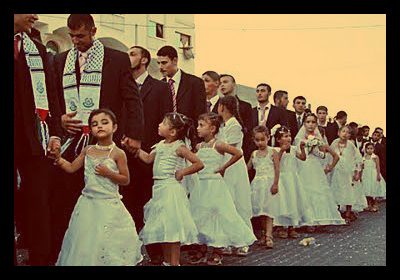
A pressing issue in Iraq without much resistance or counteraction is underage marriage. Out of the total number of marriages in 2013, 11% involved an underage girl, according to the Iraqi Ministry of Planning. Additionally, 25% of girls are married before the age of 18 and 6% are married before the age of 15. Also known as uneven marriages in Iraq, they are controversial because there are multiple motives behind them. While some girls are forced completely against their will, others enter an uneven marriage to lift themselves or their family out of poverty. For instance, there was a recent story of a 16-year-old girl married off to a man over the age of 60 at the request of her father, Abu Ali. His reasoning for this was to benefit his family, which lives in poverty. He had been supporting his five daughters on an income amounting to only $300 per month. Since the family had been suffering and struggling to make ends meet, Ali married off his daughter to help the situation. Ali said of the matter, “Poverty was an important reason that led me to agree to this marriage.” Besides the breach this has on women’s rights, it also contributes to negative health effects for young girls. Often these girls are expected to carry and raise children, but most are simply too young; pregnancy also poses high health threats. There is an increased possibility of miscarriage, internal bleeding and even maternal mortality. These adverse health risks are either ignored or unknown due to disregard for reproductive health for women. Damaging health effects are not the only consequence of underage marriage. Girls who have been married underage often drop out of school early. Girls lacking education have few options and opportunities and are forced to depend on marriage to sustain them. Since girls would be entering the workforce drastically less and would be unable to contribute to the economy, this also stifles human development. This epidemic exist in Iraq and many parts of the Arab region as well as sub-Saharan Africa. A study in June 2013 found that one in seven girls is married in the Arab region before she turns 18. Besides Iraq, underage marriage is most prevalent in Yemen, Somalia, Sudan and South Sudan, calculatedly the poorest countries in the area. In these countries, more than one third of girls are married before they turn 18, which is more than in Iraq. Not only is underage marriage detrimental to the lives involved, it also has consequences for societies on a larger scale. Even though some girls enter these marriages to alleviate poverty, in the long term it does more harm than good as underage marriage promulgates and reinforces a cycle of poverty. This is especially true since it causes girls to stop their schooling, leaving them unable to earn money of their own. Since this problem hinders society and human progress, it is a concern that should be reprioritized. – Danielle Warren Sources: Al-Monitor, Population Reference Bureau

February 28, 2014
https://borgenproject.org/wp-content/uploads/borgen-project-logo.svg 0 0 Borgen Project https://borgenproject.org/wp-content/uploads/borgen-project-logo.svg Borgen Project2014-02-28 11:53:442024-05-26 23:15:46Poverty and Underage Marriage in Iraq
Food Aid, Global Poverty

Malnutrition in Haiti: Philanthropic groups

world map
Since the catastrophic earthquake four years ago, the number of people suffering from malnutrition in Haiti has risen dramatically. Even before the earthquake hit, people were struggling to eat a nutritious balance of food, with complications from malnutrition contributing to 60% of deaths in children and a relatively high mortality rate in adults.

Although children are the primary worry, the concern regarding malnourishment extends to those sick with HIV and tuberculosis, pregnant women and young adults. Poor sanitation also contributes to poor health by spreading disease, which can critically damage the immune system or cause severe dehydration. Other effects of malnutrition include hindered mental and physical growth, emotional changes (depression or anxiety) and difficulty learning or concentrating.

There are ways to help ebb malnutrition in Haiti.  Here are a couple of philanthropic causes that are focused on heightening nutrition in Haiti.

The Nourimanba Production Facility

Located in a modest two-story building in Haiti’s Central Plateau, the Nourimanba Production Facility is more than it appears on the outside. The facility is quite sophisticated, using top-of-the-line stainless steel devices to process peanuts and mix the peanut based paste with vitamins in order to create a nutritious and essential medicine. Andrew Marx, Director of Communications at Partners in Health (PIH) stated that this facility enables 350 tons of Nourimanba to reach 50,000 children a year, with each child taking the medicine daily for up to eight weeks.  The company supports local peanut farmers and opens up an incredibly convenient and dependable market for the community to yield both sales and even jobs.

Hunger Relief International (HRI)

HRI works with local farmers to provide three meals per day consisting of beans, rice, cornmeal and pasta, to 1,450 orphans in 28 different orphanages. HRI also helps children and women plant gardens at homes and schools, helps tackle malnutrition in Haiti, promotes healthy eating and forms new sources of income for the communities. The easy access to nutritional food will relieve the families of unnecessary spending, which will allow their money to be spent on education or school supplies, for example.

World Food Programme (WFP)

WFP is a leading agency in the fight to provide young children and mothers with the proper nutrients necessary during crucial developmental stages. The WFP is working with the Ministry of Agriculture to build a link between local smallholder farmers and the school meal system to produce a greater market for farmers and cut down on food insecurity. An estimated 3,000 metric tons of rice will be bought from Haitian farmers during the current school year in order to provide the National School Meals Programme with a supply large enough to sustain the 685,000 children in school. Milk is also bought from local smallholder farmers and distributed to 84 different schools.

With continued support from these various causes, Haiti is making strides to rebuild its health and economy. Farmers and the most vulnerable members of the community are also being given the necessary resources needed to help strengthen them and curb malnutrition in Haiti.

– Becka Felcon

Sources: Partners in Health, Partners in Health, Hunger Relief International, World Food Programme

February 28, 2014
https://borgenproject.org/wp-content/uploads/borgen-project-logo.svg 0 0 Borgen Project https://borgenproject.org/wp-content/uploads/borgen-project-logo.svg Borgen Project2014-02-28 11:50:122024-05-26 23:16:22Malnutrition in Haiti: Philanthropic groups
Page 2051 of 2177«‹20492050205120522053›»

Get Smarter

  • Global Poverty 101
  • Global Poverty… The Good News
  • Global Poverty & U.S. Jobs
  • Global Poverty and National Security
  • Innovative Solutions to Poverty
  • Global Poverty & Aid FAQ’s
Search Search

Take Action

  • Call Congress
  • Email Congress
  • Donate
  • 30 Ways to Help
  • Volunteer Ops
  • Internships
  • Courses & Certificates
  • The Podcast
Borgen Project

“The Borgen Project is an incredible nonprofit organization that is addressing poverty and hunger and working towards ending them.”

-The Huffington Post

Inside The Borgen Project

  • Contact
  • About
  • Financials
  • President
  • Board of Directors
  • Board of Advisors

International Links

  • UK Email Parliament
  • UK Donate
  • Canada Email Parliament

Get Smarter

  • Global Poverty 101
  • Global Poverty… The Good News
  • Global Poverty & U.S. Jobs
  • Global Poverty and National Security
  • Innovative Solutions to Poverty
  • Global Poverty & Aid FAQ’s

Ways to Help

  • Call Congress
  • Email Congress
  • Donate
  • 30 Ways to Help
  • Volunteer Ops
  • Internships
  • Courses & Certificates
  • The Podcast
Scroll to top Scroll to top Scroll to top