• Link to X
  • Link to Facebook
  • Link to Instagram
  • Link to TikTok
  • Link to Youtube
  • About
    • About Us
      • President
      • Board of Directors
      • Board of Advisors
      • Financials
      • Our Methodology
      • Success Tracker
      • Contact
  • Act Now
    • 30 Ways to Help
      • Email Congress
      • Call Congress
      • Volunteer
      • Courses & Certificates
      • Be a Donor
    • Internships
      • In-Office Internships
      • Remote Internships
    • Legislation
      • Politics 101
  • The Blog
  • The Podcast
  • Magazine
  • Donate
  • Click to open the search input field Click to open the search input field Search
  • Menu Menu

Archive for category: Global Poverty

Key articles and information on global poverty.

Disease, Global Poverty, Health

Ecohealth Alliance

The EcoHealth Alliance

Today’s world is burdened by diseases that scientists and medical professionals are actively attempting to cure. Poorer countries are subject to these infections as unsafe living conditions, a lack of strong healthcare systems and shortage of resources are all factors of such environments. However, a new field of study, ecohealth, has allowed new organizations to improve their understanding of diseases. Ecohealth is a study of the ways in which the Earth affects human health in various environments. Organizations such as the EcoHealth Alliance have taken this field further to tackle pandemic issues in our world today.

The EcoHealth Alliance

The EcoHealth Alliance is a global, environmental health nonprofit organization that is dedicated to protecting wildlife and public health from the emergence of disease. The Alliance formed when the Wildlife Trust and the Consortium for Conservation Medicine merged. After its inception in 1971, the Wildlife Trust worked to protect the planet’s wildlife. It later added conservation medicine when the connection to health and the environment became more evident.

The Consortium for Conservation Medicine was established in 1997. It had a similar focus on the healthy relationships between living organisms. Together, the organizations rebranded and created the EcoHealth Alliance. This rebranding allowed the organization to focus on local conservation as well as conservation medicine and the relationship between human health and the environment. EcoHealth Alliance has become a leader in preventative work of pandemics in “hotspot regions” of impoverished countries and in global conservation efforts.

The EcoHealth Alliance’s One Health Approach

The EcoHealth Alliance has a unique “One Health” approach that combats issues through different disciplines of thought. One Health consists of engaging with experts in many different disciplines to use their combined knowledge to solve problems that are larger than any single one of their respective areas of expertise. One example of how the Alliance is using One Health is through its work with the Rift Valley fever.

The Rift Valley fever is placed sixth on the World Health Organization’s list of priority diseases. This disease has a very low profile in comparison to others, such as Ebola, because it has only ever been observed in Africa and the Middle East. However, this disease is just as detrimental to those it infects, and there is a high likelihood of it traveling to the Americas.

The Rift Valley fever is spread through mosquitos. Mosquito bites infect livestock in the area. The infection has been recorded to kill “100 percent of infected young animals and 30 percent of adults.” This disease may also impact humans, whether it has traveled through mosquito bites or ingestion of affected livestock. It can result in mild flu-like symptoms as well as symptoms similar to Ebola.

How does One Health help?

The Rift Valley fever would be impossible to understand without the multidisciplinary approach that One Health entails because of the numerous factors surrounding the disease. Veterinarians understand how livestock is affected while parasitologists study the virus’s qualities and individual components. Economists research the impacts of outbreaks on society. Geologists study the conditions that allow the disease to thrive while anthropologists study the human behaviors surrounding the outbreak.

There is still much unknown about this disease as it disappears altogether between outbreaks. This lack of understanding makes it difficult to figure out the potential ways to protect people and animals. In response, the EcoHealth Alliance has formed a coalition of national and local partners in South Africa to improve prevention, detection and reporting policies surrounding this fever in people, livestock and wildlife.

The EcoHealth Alliance is the leading organization using the One Health approach. Hopefully, many organizations will follow to remain competitive. This organization’s procedures have brought together scientists from different backgrounds. It helps them to collaborate and tackle the importance of pandemic prevention in the interconnected landscape of the world today.

– Adya Khosla
Photo: Flickr

November 18, 2019
https://borgenproject.org/wp-content/uploads/borgen-project-logo.svg 0 0 Kim Thelwell https://borgenproject.org/wp-content/uploads/borgen-project-logo.svg Kim Thelwell2019-11-18 07:30:442020-01-18 13:29:16Ecohealth Alliance
Global Poverty

Efforts of Poverty Reduction Advocacy in Pakistan

Poverty Reduction Advocacy in Pakistan
Pakistan is a South Asian country with a population of approximately 212 million people. According to the World Bank, the population of people living below the national poverty line in Pakistan decreased from 64 percent in 2001 to 24 percent in 2015. However, as of 2015, the United Nations Development Programme (UNDP) revealed that in rural communities in Pakistan, 35 percent of people lived below the poverty line. This highlights that rural communities in Pakistan need the most aid. However, there are significant examples of poverty reduction advocacy in Pakistan.

The International Fund for Agricultural Development (IFAD)

IFAD is a U.N. based agency that focuses on helping rural communities. IFAD aids these communities by strengthening food security and local businesses. Southern Punjab, cited as the poorest part of Pakistan, is a major center point for IFAD in the country. In 2010, IFAD initiated the Southern Punjab Alleviation Project and it is still ongoing until 2020. The project seeks to enhance agricultural productivity in Punjab by aiding laborers, farmers and women-led households.

As of May 2019, working with the government of Punjab, IFAD raised approximately $195 million for the project—Punjab governmental and beneficiary donations included. IFAD reported in 2019 that 5,500 new community organizations started in Punjab, with 70 percent of women forming these groups. The report also cited that 50 percent of people became newly or self-employed after receiving vocational training from IFAD. Moreover, as of 2018, IFAD reached 92 percent of women-headed households. IFAD also uploaded a YouTube video in September 2018 to highlight specific people and families in Punjab that benefited from its projects. The organization prominently initiated poverty reduction advocacy in Pakistan.

The Ehsaas Program

The Ehsaas Program is a government-led poverty reduction program initiated in 2018. Pakistan’s Prime Minister Imran Khan and Special Assistant to the Prime Minister Dr. Sania Nishtar are responsible for the program. Ehsaas focuses on economic growth and obtaining sustainable development goals in Pakistan. The program uses a strategy of four pillars that include addressing the elite and making the government system work for equality, as well as providing safety nets, human capital development and jobs and livelihoods.

The Ehsass Program will push to increase social protection funding by providing an additional $80 billion from 2019-2021. The Kafalat program will give around 6 million women financial inclusion through a one woman, one bank account policy. Nutrition initiatives will address malnutrition and health issues impacting stunted children. The Solution Innovation Challenge will address citizen employment by developing micro-credit facilities for daily wages so that those in poverty can afford monthly groceries. The Ehsaas Program plans on developing rickshaw garbage collectors to employ people and benefit the environment and water sanitation simultaneously. The Ehsaas Program also seeks to build 20 centers for physically challenged citizens and create orphanages for 10,000 homeless children. These are just some of the programs Ehsaas plans to initiate to implement poverty reduction advocacy in Pakistan.

The Bill & Melinda Gates Foundation and the Ehsaas Program

As of September 2019, the Bill & Melinda Gates Foundation supported the Ehsaas Program through a Memorandum of Understanding between Bill Gates and Khan. This collaboration prompted the Gates Foundation to plan on spending $200 million toward poverty reduction in Pakistan by 2020. Bill Gates and Dr. Nishtar conducted an interview in September 2019 with the U.N. SDG Action Zone to educate others about the Ehsaas Program and answer questions. This is an example of a multicultural support system toward poverty reduction advocacy in Pakistan.

To alleviate poverty in Pakistan, the government recently started initiatives that the people support. Examples such as the IFAD and the Ehsaas programs show that partnerships between governments, organizations and citizens work to tackle poverty. With these organizations and funds in place, poverty reduction advocacy in Pakistan has a positive outlook for the future.

– Natalie Casaburi
Photo: Pixabay
November 18, 2019
https://borgenproject.org/wp-content/uploads/borgen-project-logo.svg 0 0 Lynsey Alexander https://borgenproject.org/wp-content/uploads/borgen-project-logo.svg Lynsey Alexander2019-11-18 05:30:182024-12-13 18:01:58Efforts of Poverty Reduction Advocacy in Pakistan
Advocacy, Developing Countries, Global Poverty

9 Facts About Lynching in India

Lynching in India
Lynching means to illegally kill a person suspected of an offense without a trial, often by a public mob. In the past few years, incidents of mob lynching rose in India. Religious polarization and fake social media news are the two main drivers of increased lynching in India. This article explores nine facts about lynching in India and provides measures to prevent it.

9 Facts About Lynching in India

  1. Data on Lynching in India: The National Crime Records Bureau (NCRB) collects and publishes data on the crime incidents happening in India within a year. The NCRB does not collect or publish any data on lynching incidents although there is a distinct category in the report for the same. The NCRB reports these incidents as murder. Media sources claim that incidents of lynching are on a sharp rise under the current right-wing government of India. Journalists reported 20 incidents between May and June 2018 alone.
  2. Causes of Lynching in India: Most of the lynching in India occurred in response to the Indian government’s cow protection and beef ban. The cow is a sacred animal for Hindus who venerate it. The Muslim population carries the beef trade in India and is generally the victim of this mob fury. Although beef comes from buffalo and not cows in India, the mobs attack and beat the drivers carrying dead animals (to death in many cases) or others involved in the trade. The recent mob lynching in India is an example of religious intolerance. The spread of fake news through social media about child abduction is another important cause of mob violence against any suspicious people.
  3. Lynching and Economy: An important fact about lynching in India is its effect on the economy of the country. The greatest number of attacks have been on drivers carrying dead animals, traders of beef and owners of slaughterhouses; as a result, they will tend to abandon these jobs due to fear of suffering lynching. This is sure to affect the trade and economy, especially since India is one of the largest exporters of beef in the world. The lynching will also lead to job loss and increase the rate of unemployment in India where unemployment is already at its highest.
  4. Lynching and Health: Lynching incidents are an issue of public health. In the short-term, lynching leads to death and injury for the victims whereas in the long-term it can lead to psychological and physiological effects on present and future generations. Studies show that higher rates of lynching in an area lead to increased rates of mortality for those communities.
  5. Enactment and Enforcement of Strict Anti-lynching Laws: In India, there are currently no laws dictating punishment for lynching. Therefore, the first and foremost step is for the government to introduce and pass an anti-lynching law and strictly enforce it. Given the distinct nature of the crime, it is important to make separate laws for this and not merge these incidents with other kinds of murder. The United States passed its first anti-lynching law in 2018 and India should follow the lead.
  6. Collection and Maintenance of Data Independent of the Government: To put control over such incidents, NCRB should make lynching a distinct category and record the number of incidents. This will give visibility to the lynching episodes and create an urgency to act. When there is no separate category for lynching, people see these incidents as unimportant and rare.
  7. Improve Economic Conditions and Employment Rates: Research says that there is a link between hate crimes such as mob lynching and economy. Socioeconomic status and education determine participation in such criminal acts. People living in poverty and with low educational status are more prone to both participating in lynching and becoming a victim of such incidents. Therefore, creating more jobs for the unemployed young of the country, skill development and improving their financial circumstances will divert their attention away from such heinous acts and protect them from being a victim or a perpetrator of it.
  8. Campaigns and Awareness: The success of Ida B. Wells (who started the anti-lynching crusade in the United States in the 1890s) and The National Association for the Advancement of Colored People (NAACP) movement against lynching of African-Americans in 1909 are examples to learn from and the people of India can start similar awareness campaigns against current increase in lynching incidents. Such campaigns can end religious polarization and create cultural sensitization towards mob violence.
  9. Control the Spread of Fake News Through Social Media: Apart from the cow protection groups, the second most important cause of lynching in India is the spread of fake news over social media regarding child abduction. People in rural areas and with low education easily believe the news they read on social media platforms and act in anger and frustration. Therefore, the Indian government needs to restrain the spread of such fake news by collaborating with social media companies and run awareness campaigns about the pros and cons of social media.
The Supreme Court of India has given orders to the Government of India to enact laws specifically to control lynching in India. The court has framed a three-level strategy that involves prevention, remedy and accountability on the behalf of the officials to control lynching in India. Three states, Mizoram, Rajasthan and West Bengal have introduced anti-lynching bills so far. With the people and government paying attention to mob violence, there is hope that the government of India will soon pass appropriate laws to curb lynching in India and her people will feel safer again.

– Navjot Buttar
Photo: Wikipedia

November 18, 2019
https://borgenproject.org/wp-content/uploads/borgen-project-logo.svg 0 0 Lynsey Alexander https://borgenproject.org/wp-content/uploads/borgen-project-logo.svg Lynsey Alexander2019-11-18 01:30:022024-05-29 23:13:399 Facts About Lynching in India
Global Poverty

5 Facts About Vaccine-Preventable Disease in Africa

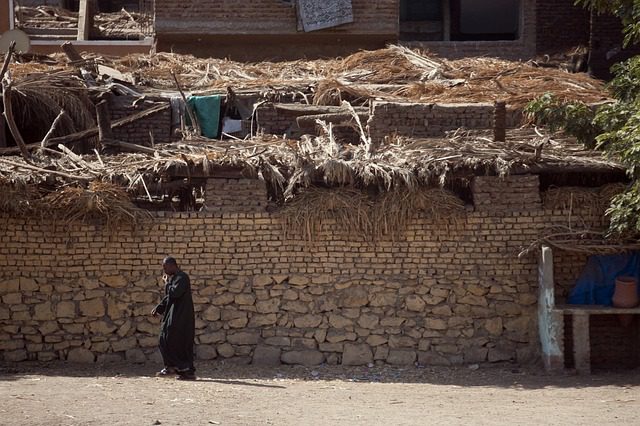
Vaccine-Preventable DiseaseEvery year, around 31 million children in sub-Saharan Africa contract diseases that are easily prevented with vaccines. In 2017, the Heads of State nationwide endorsed the Addis Declaration on Immunization. This pledge promises that everyone in Africa will receive vaccines regardless of their socio-economic status. If all children obtain disease preventable vaccines, parents and children can spend less time in hospitals and more time living healthy lives. These are five facts about vaccine-preventable disease in sub-Saharan Africa
5 Facts About Vaccine-Preventable Disease in Africa

  1. Polio Eradication: Sub-Saharan Africa is close to reaching polio-free status. Nigeria, the continent’s last infected country, has celebrated three years without any new polio cases. If the country remains polio-free after December 2019, sub-Saharan Africa could be officially declared polio-free. This milestone will be achieved thanks to President Mohammad Buhari. He ordered that $26.7 million be funded to the country’s Polio Eradication Programme back in 2016.
  2. The Cost of Disease: According to the World Health Organization (WHO), vaccine-preventable diseases and deaths cost sub-Saharan Africa $13 billion annually. Outside efforts could redirect this funding toward other important endeavors in sub-Saharan Africa. For example, the region could strengthen health systems and the promotion of economic growth. Africa’s Program Manager for WHO’s regional office states that, because sub-Saharan Africa requires outside funding for immunization, “governments have a central role to play to fill upcoming funding gaps and ensure immunization programs are strong and vigilant.”
  3. Active Vaccine-Preventable Diseases: WHO estimates that sub-Saharan Africa accounts for 58 percent of deaths due to pertussis and 41 percent from tetanus. Furthermore, measles causes 59 percent of deaths while yellow fever is responsible for 80 percent of deaths. Yellow fever, considered to be an epidemic during outbreaks, claims thousands of lives. Tetanus and pertussis also continue to kill thousands in sub-Saharan Africa annually.
  4. Cause of the Spread Despite Efforts: Despite high vaccination rates, sub-Saharan Africa still struggles with vaccine-preventable diseases. This is due to low vaccine coverage in “477 geographical clusters” across sub-Saharan Africa. These clusters occur due to a lack of health education and limited to no access to public healthcare. Clusters make it difficult to achieve herd immunity. The monitoring of vulnerable areas must occur in order to strengthen disease elimination programs.
  5. Organizations that Help: WHO is an especially impactful organization. Namely, its efforts consist of monitoring and assessing the impact of strategies for reducing illness related to vaccine-preventable diseases. In 2017, Nigeria’s minister of health declared the meningitis outbreak over, a feat that was achieved with the support of WHO and its partners. WHO also supported sub-Saharan Africa in its feat of preventing up to 500,000 cases of meningitis. Reactive vaccination campaigns led to the vaccination of more than 2 million people in sub-Saharan Africa.

Vaccine-preventable diseases have not been completely eradicated in sub-Saharan Africa; however, major efforts are in progress. It is still important to mobilize efforts to ensure that governments are supporting vaccination programs that will see the end of vaccine-preventable diseases.

– Lisa Di Nuzzo
Photo: Flickr

November 17, 2019
https://borgenproject.org/wp-content/uploads/borgen-project-logo.svg 0 0 Jennifer Philipp https://borgenproject.org/wp-content/uploads/borgen-project-logo.svg Jennifer Philipp2019-11-17 13:25:222020-02-01 17:23:445 Facts About Vaccine-Preventable Disease in Africa
Education, Global Poverty

8 Facts About Education in Somalia

The Somali Democratic Republic, commonly known as Somalia, is located in northeast Africa. It currently has a population of 14.3 million people. Of that population, many young Somalians have struggled to receive a proper education, even at the primary level. However, awareness and assistance are becoming more widespread. Many are helping Somalian children gain access to better educational opportunities to ensure a better quality of life. Listed below are eight facts about education in Somalia. By getting to know the current status of Somalian education and its origins, the country can make more progress to improve the educational climate for Somalian children.

8 Facts About Education in Somalia

  1. The educational system in Somalia consists of five phases: primary (grades one to four), middle (grades five to eight), secondary (grades nine to 12), technical (ages 15 to 18) and tertiary (higher education).
  2. A primary cause of the lack of educational resources in Somalia is due to the civil war that broke out in 1991. This directly impacted the educational system in the country, leaving many students displaced from the classroom. Further, many teachers are uncertified for their job, even over two decades later.
  3. Historically, Somali people have learned by word rather than written language. For many years, the Somali language had no script. Eventually, the adoption and acceptance of the Latin script occurred in Jan. 1972, following the recommendation.
  4. Compared to other countries, Somalia has one of the lowest enrollment rates of primary school students. Elementary school-aged children make up roughly 1.5 million of Somalia’s population. However, only 42 percent attend school.
  5. Funding for primary education efforts is in progress. On October 11, 2019, the United States Agency for International Development announced that $50 million will be going towards reforming and improving the Somalian education system. USAID will create a five-year program to “increase access to quality education and support accelerated learning for out-of-school children and youth who have been persistently left behind,” states the U.S. Embassy in Mogadishu, Somalia.
  6. Since Aug. 2019, as many as two million new textbooks have been printed in efforts toward the new Bar Ama Baro system (meaning Teach and Learn in Somalian). These new books cover topics that are relevant to Somalian life and culture, such as the English and Arabic languages, mathematics, Islamic studies and science.
  7. Somalia’s education funding from foreign powers does not only rely on the United States. Khaled Al-Jarallah of The Deputy Foreign Minister of Kuwait, located in western Asia, also recently announced that he will be holding a conference to help fund the new Somalian education system.
  8. Somalian teachers have responded positively to the implementation of the new system. Teacher, Abdulkadir Mohamed Sheikh, has praised the new curriculum for its ability to be centered around Somalian religion and culture.

These eight facts about education in Somalia show that U.S. international powers and the Somalian government are making substantial efforts for the current and future generations of Somalian children. Providing them with better education will assist in reducing the existing level of poverty in the country. Additionally, it will also allow the Somalian people to achieve and enjoy a higher quality of life.

– A. O’Shea
Photo: Flickr

November 17, 2019
https://borgenproject.org/wp-content/uploads/borgen-project-logo.svg 0 0 Kim Thelwell https://borgenproject.org/wp-content/uploads/borgen-project-logo.svg Kim Thelwell2019-11-17 07:56:172024-05-29 23:13:508 Facts About Education in Somalia
Global Poverty

Helping People with HIV/AIDS in Egypt

HIV/AIDS in Egypt
Egypt is a country located in the northernmost corner of Africa. A rather religious country, people often push issues surrounding HIV/AIDS under the rug and view the disease as a non-issue. The reasons for this are not hard to understand considering that the estimated population of people suffering from HIV/AIDS in Egypt in 2018 was a relatively small 22,000 people out of its 97.5 million inhabitants. Egypt has long been a low HIV-prevalent country with only specific groups of people being susceptible to the disease. These groups include prisoners, migrants and street children. Although there have been no studies conducted to prove this, professionals have hypothesized these are the most susceptible groups.

An Increase in HIV/AIDS

Despite the low prevalence of HIV/AIDS in Egypt, the country has seen an increase in the disease in the past years. In fact, Egypt has the fastest-growing rate of HIV/AIDS in the Middle East and North Africa. There was a 76 percent increase in the number of cases between 2010 and 2016 alone. There has also been an increase in the number of confirmed cases of HIV/AIDS in Egypt. In fact, the numbers have increased by up to 30 percent every year. While the number of people with HIV/AIDS was 11,000 in 2016, the number doubled in only two years.

The issue must be addressed soon, not only because of the observed increase but also because of several factors within Egyptian society that leaves the country at risk for developing more cases of HIV/AIDS and the threat of an epidemic. Besides the previously mentioned groups, others susceptible to the disease include sex workers, homosexual males and drug users. Because of their hidden nature in a culturally conservative country and the stigma surrounding them, they perform unsafe behaviors and are unwilling to talk about their issues.

Talking About and Treating HIV/AIDS

Despite the cultural stigma, people are coming out with their stories and advocating in and out of the country. Magid is one example. After finding out that he had been living with HIV/AIDS through military testing, he decided to become a voice for other people in the country facing the same problem but too ashamed to speak out in fear of societal repercussions. Magid joined the organization Friends for Life which aims to help people with HIV/AIDS in Egypt. Magid also addressed a session of the U.N. General Assembly in New York and became the first Arabic person to speak publicly about their life with HIV/AIDS.

Along with locals making an effort, UNICEF is working toward recognizing and stopping any further growth of HIV/AIDS in Egypt. One outcome resulting from the work of UNICEF and its partner organizations is in its support of the procurement and supply management of anti-retroviral treatments. Through its efforts, 4,000 people living with HIV/AIDS are able to receive high-quality medicines and treatment on a monthly basis. These people include pregnant women, infants and adolescents. It also treats people of refugee status in addition to those of Egyptian nationality.

While Egypt might be a low HIV/AIDS-prevalent country now, there have been recent trends showing that there needs to be some change. Organizations and people are coming out and working toward recognizing the issue of the growing number of people with HIV/AIDS in Egypt. Through this, there is already an increasing amount of attention and funding going toward the issue.

– Samira Darwich
Photo: Pixabay

November 17, 2019
https://borgenproject.org/wp-content/uploads/borgen-project-logo.svg 0 0 Lynsey Alexander https://borgenproject.org/wp-content/uploads/borgen-project-logo.svg Lynsey Alexander2019-11-17 07:30:362020-01-18 13:30:46Helping People with HIV/AIDS in Egypt
Advocacy, Global Poverty, Nonprofit Organizations and NGOs

What are Non-Governmental Organizations?

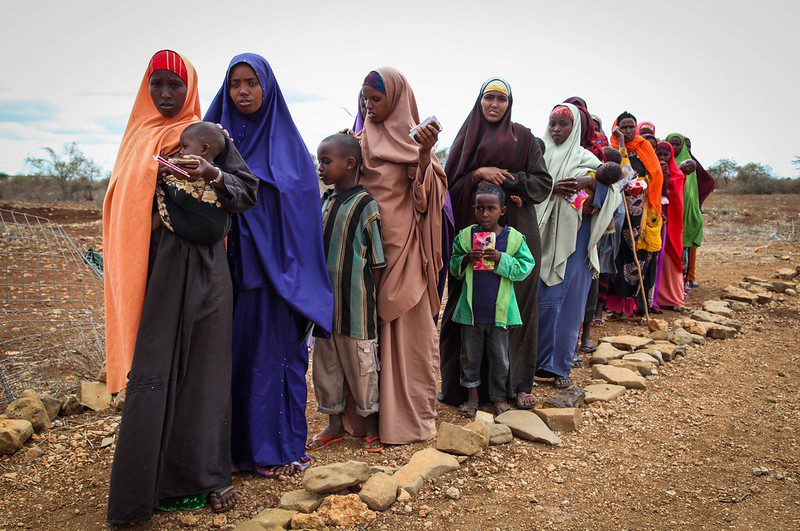
NGOsNon-governmental organizations (NGOs) are nonprofit associations founded by citizens, which function independently of the government. NGOs, also known as civil societies, are organized on “community, national, or international levels” to help developing nations in their humanitarian, health care, educational, social, environmental and social issues. These citizen-run groups perform various services and humanitarian functions by advocating citizen concerns to governments, overlooking policies and encouraging political participation by providing information to the public.
History of Non-Governmental Organizations

Non-governmental organizations started emerging during the 18th century. The Anti-Slavery Society, formed in 1839, is the first international NGO. This organization had a profound impact on society, and it stimulated the founding of many other NGOs since opening its doors. Of note, many civil societies began to form as a result of wars. For example, the Red Cross formed after the Franco-Italian war in the 1860s, Save the Children began after World War I and Oxfam and CARE started after World War II. The term non-governmental organization emerged after the Second World War when the United Nations wanted to differentiate between “intergovernmental specialized agencies and private organizations.”

NGOs engage in many different forms throughout communities in the sense that they are a “complex mishmash of alliances and rivalries.” Some have a charitable status, while others focus on business or environment-related issues. Other non-governmental organizations have religious, political, or other interests concerning a particular issue.

The World Bank identifies two broad types of non-governmental organizations: operational and advocacy.

Operational NGOs

An operational non-governmental organization is a group of citizens that focus on designing and implementing development projects and advocacy. NGOs promote and defend particular causes, and operational NGOs fall into two categories: relief and development-oriented organizations. They are classified on whether or not they “stress service delivery or participation.”

An example of an operational NGO is the International Medicine Corps (IMC) in Afghanistan. The IMC installed a vaccination campaign against measles. They trained about 170 Afghani’s how to vaccinate children between the ages of 6 and 12, and conducted a two-week-long “vaccination campaign.” These efforts assisted 95 percent of children in the capital of Kabul.

Advocacy NGOs

Advocacy non-governmental organizations use lobbying, press work and activist events. This is in order to raise awareness, acceptance and knowledge on the specific cause they are promoting or defending. An example of an advocacy NGO is America’s Development Foundation (ADF). This NGO provides advocacy training and technical assistance in efforts to “increase citizen participation in democratic processes.”

Non-Governmental Organization Funding

Since non-governmental organizations are nonprofit organizations, they rely on membership dues, private donations, the sales of goods and services and grants. These funds cover funding projects, operations, salaries and other overhead costs. NGOs have very large budgets that reach millions, even billions, of dollars because of heavy dependence on government funding.

Another chunk of NGO funding belongs to the individual, private donors. A few of these donors are affluent individuals, such as Ted Turner who donated $1 billion to the United Nations. Most nonprofits, however, depend on multiple small donations from people to raise money.

Overall, non-governmental organizations function to build support for a certain cause whether it is economic, political or social. In addition, NGOs tend to bring people together, especially advocacy NGOs.

– Isabella Gonzalez Montilla
Photo: Pixabay

November 17, 2019
https://borgenproject.org/wp-content/uploads/borgen-project-logo.svg 0 0 Lynsey Alexander https://borgenproject.org/wp-content/uploads/borgen-project-logo.svg Lynsey Alexander2019-11-17 01:30:402024-05-29 23:13:41What are Non-Governmental Organizations?
Gender Equality, Global Poverty, Women's Empowerment, Women's Rights

The Advances of Somali Women

Advances of Somali women
Located on the eastern seaboard of Africa, Somalia is a country synonymous with strife and civil unrest, with a civil war raging on since 1991. The country has endured continuous hardship, and, as is often the case, women carry an unfair proportion of the burden. The advances of Somali women in recent years demonstrate the progress and possibility for the future of Somalia.

The State of Somali Women

Due to a combination of cultural and religious practices, Somali women always existed in a state of subservience. The traditionally patriarchal society grew worse in terms of gender equality as political tensions and divides grew in the 1980s and reached a state of full and outright oppression with the start of the nation’s current civil war. The average Somali women lives only 58 years, 16 years less than the world average. This is in large part due to the lack of medical treatment women receive. Somalia has the seventh-highest maternal mortality rate in the world and the ninth highest birth rate. The country’s lacking health care and infrastructure worsen these statistics. Somalia’s state of civil war and lack of a set government for almost 20 years caused nearly all progression to stop and fall back.

Somalia ranked the fourth worst country to be a woman. This ranking came from a poll of 213 women’s rights experts. It judged countries on the factors of poverty, violence, rape, human trafficking, lack of health services and a variety of other criteria. Cases of genital mutilation and child marriage are also extremely common.

Inequalities and Poverty for Somali Women

The nation’s impoverished state likely plays a large role in the oppression of women, with little work of worth for them to take on. Somali women often need to tend to children, the home and herds of cattle. This typically starts at a young age, which therefore excludes Somali girls from attending school. A great barrier in relation to gender equality in Somalia comes by way of political representation. Due to the constant oppression women face, very few Somali women hold political office, nor do they hold roles with any substantial power. In Somaliland, a region in the north of Somalia in the grips of a fight for its independence from Somalia, there are only two female members of parliament out of 86. Moreover, only one female minister out of the 28 currently holds the position. When Somali women do speak out against the bias of the system, they often face violence.

Even with odds bent against them, Somali women are fighting for their equality. The advances of Somali women largely go overlooked, but this may change. A visit of UN Deputy Secretary-General Amina Mohammed put the recent advances of Somali women at center stage. Somalia served as a stop on the joint UN-African Union trip to countries in the Horn of Africa. While in Somalia, Mohammed met with the African Union Special Envoy on Women, Peace and Security, Bineta Diop. The trip highlighted the strides Somalia took as a nation in the years since the bloodiest stages of its civil war, as well as addressing the progress and advances of Somali women in recent years. These advances lay somewhat in the abstract, more in effort and aspiration than drastic reform. Somali women fought for equal participation in elections, worked to redevelop Somalia’s economy and pushed against the rise of extremism.

Somalia’s state of instability leads to much guesswork when predicting what may be to come. However, the civil war that brought destruction to the nation seems to be in its waning phase. If the efforts and advances of Somali women tell of anything, they tell of the possibility to change, to grow and brighten the future with the better days to come.

– Austin Brown
Photo: Flickr

November 17, 2019
https://borgenproject.org/wp-content/uploads/borgen-project-logo.svg 0 0 Lynsey Alexander https://borgenproject.org/wp-content/uploads/borgen-project-logo.svg Lynsey Alexander2019-11-17 01:30:072024-05-29 23:00:12The Advances of Somali Women
Disease, Global Poverty

Worms in Nigerian Children

Worms in Nigerian Children

Soil-Transmitted Helminths (STHs) are a type of macroparasitic nematode intestinal infection that transmits to humans through infected soil, more commonly known as worms. These worms typically infest soil when it comes into contact with infected fecal matter, and can directly find its way to a person’s mouth from one’s hands, unwashed vegetables, undercooked meat or infected water supplies. Since STHs become more prevalent with a lack of proper sanitation services, they affect impoverished and developing countries disproportionately more than already developed countries. The World Health Organization (WHO) estimates about 1.5 billion people worldwide have an STH infection. In particular, worms in Nigerian children are a cause for concern.

Types of Worms

The three most common worm infections in humans are hookworms, roundworms and whipworms. Hookworms are the most infectious type since their larva can hatch in the soil and penetrate the skin of whoever comes into contact with it. Infected people with a large number of worms – typically people who go for a long time without receiving treatment – have a high level of morbidity (risk of death). Those with serious infections can suffer significant malnutrition, diarrhea, nausea, vomiting, general weakness and physical impairment.

Nigeria’s Struggle

Nigeria is one of the most at-risk countries for communities suffering from STH outbreaks due to improper sanitation in many urban slums and the warm, tropical climate that worms thrive in. There is a much higher prevalence of worms in Nigerian children – especially when they are of the age to attend school. Overcrowding and improper sanitation of impoverished communities are amplified when children attend school without proper waste or washing facilities. In addition, younger children do not have a fully-developed immune system yet, creating the perfect condition for worm infections.

A study conducted in the slums of Lagos City, Nigeria concluded that the overall prevalence of worms in Nigerian children was at 86.2 percent; of these children, 39.1 percent had polyparasitism. These figures are startling and daunting, but there are effective treatments and preventative measures available. The problem is making the methods of control affordable and accessible for people in poverty.

Organizations Taking Action

Organizations are taking steps to bring proper deworming treatment and sanitation to children in Nigerian slums. The WHO has a comprehensive strategy for combatting STHs in developing countries that the Nigerian Centre for Disease Control is trying to follow. Nigeria is trying to equip school teachers with the proper training to administer worm medicine for children in slums when they attend class. This medicine would be available to school children twice a year, or as needed in some cases.  Even children that do not have worms will be able to access this medicine in order to take precautionary measures against future infection. Even though Nigeria’s infrastructure is not in the right place to make widespread and accessible sanitation a reality for low-income communities, administering affordable medicine to children is a great first step.

The problem of sanitation has fallen to international humanitarian organizations like the United Nations International Children’s Emergency Fund (UNICEF). UNICEF has conducted talks in Nigeria to educate the general populous about the importance of sanitation and taking infectious diseases seriously. With the help of the European Union, UNICEF has also installed a WASH facility in a northern Nigerian rural community. This facility consists of a solar-powered borehole that pipes up fresh well water from the ground into a 24-liter capacity tank to store the clean water safely. With further policy development and implementation measures, these facilities can expand to cover some urban slums as well.

The case of worms in Nigerian children looks bleak at the moment, but the ball is rolling with eradicating the worm epidemic. The increased sanitation of impoverished communities and more affordable and regularly-distributed medicinal treatment can very well make the dream of taking worms out of the equation for Nigerian children a reality.

– Graham Gordon
Photo: Pixabay

November 16, 2019
https://borgenproject.org/wp-content/uploads/borgen-project-logo.svg 0 0 Lynsey Alexander https://borgenproject.org/wp-content/uploads/borgen-project-logo.svg Lynsey Alexander2019-11-16 07:30:092024-05-29 23:13:37Worms in Nigerian Children
Global Poverty, Sanitation

10 Facts About Sanitation in Bosnia and Herzegovina

10 Facts ABout Sanitation in Bosnia and Herzegovina

Public health outcomes and economic status both rely greatly on a nation’s sanitation infrastructure. Sanitation encompasses the regular, efficient and safe collection and disposal of waste, whatever its source. Improper procedures and insufficient waste management facilities have led to poor sanitation in Bosnia and Herzegovina, but recent efforts show promising improvements. Below are 10 facts about sanitation in Bosnia and Herzegovina.

10 Facts About Sanitation in Bosnia and Herzegovina

  1. The political system in Bosnia and Herzegovina divides waste management responsibilities among different levels of governance. Responsibility for environmental policy, including sanitation policy, lies with both the federal government and the two political entities of the Federation of Bosnia and Herzegovina and Republic Srpska, but not with the cantonal and municipal governments. The two entities and their constituent cantons formulate laws and regulations for waste management, while these two levels of government work share the responsibility of designing management strategies with municipal governments.
  2. At the federal level, the Ministry of Foreign Trade and Economic Relations (MoFTER) oversees and manages international initiatives and accords that involve the political entities of Bosnia and Herzegovina. Since the enactment of the Law on Ministries and Other Bodies of Administration of BiH in March 2003, MoFTER’s role also includes ensuring that the political entities follow basic environmental standards. As a result, the political entities do not have absolute power when it comes to environmental policy, with MoFTER acting as a harmonizing and coordinating force.
  3. The country’s two political entities, the Federation of Bosnia and Herzegovina and Republika Srpska, both suffer from a severe lack of operable wastewater treatment plants. Only two of Republika Srpska’s 64 municipalities have treatment facilities. Though the country improved biological treatment processes in 2009, the quality of these methods declined the following year.
  4. In 2016, Bosnia and Herzegovina produced approximately 1,243,889 tons of municipal waste. This quantity measures out to an estimated 354 kg per year and 0.97 kg each day. Landfills received 952,975 tons of waste that year, a 1 percent decline from 2015. Public solid waste transportation disposed of approximately 920,748 tons of waste in 2016, a 0.1 percent reduction from 2015. The vast majority of waste in the country came from markets, street cleaning and other public sources. Packaging waste made up only 1.9 percent of waste in 2016, and household waste only constituted another 3.6 percent. Recreational areas, such as gardens and parks, generated only 2.8 percent of waste. Mixed municipal waste made up all of the remaining 91.7 percent, more than 844,000 metric tons.
  5. Registered local landfills serve as the endpoint for the majority of publicly-collected waste, but rural areas with little access to public collection services discard their waste in the far-more-common illegal landfills which do not follow sanitation standards. There are only 43 registered landfills in Republika Srpska and 44 in the Federation of Bosnia and Herzegovina, but nearly 590 known illegal landfills. In legal and illegal dumping alike, the separation of hazardous and non-hazardous materials rarely occurs, posing a significant problem for public health in Bosnia and Herzegovina.
  6. The unsafe conditions in a residential landfill in the city of Mostar, in southern Bosnia and Herzegovina, provoked protests in 2019. Although it has existed since the 1960s as a landfill for household waste, recently it has allowed companies to dump dangerous waste products and sewage treatment sludge. Locals deeply concerned by news that the waste might contain hazardous toxins called PCBs prompted Mostar authorities to initiate an investigation.
  7. Despite some legislative efforts to follow the EU’s environmental standards, garbage pollutes Bosnia and Herzegovina’s rivers. The civil war in the 1990s resulted in the neglect of the country’s waste management infrastructure. A scarcity of recycling facilities has led to trash islands that now clog the country’s rivers. Locals report that organizations remove an estimated 800,000 tons of trash from the Drina river alone every year.
  8. In 2018, public waste utility KJKP Rad announced the planned construction of a recycling facility for electronic and electrical waste in Sarajevo, the country’s capital. The facility will also accept the city’s solid waste, construction waste and even soil. A hall containing presses and conveyor belts will process the waste brought by Sarajevo locals. Though electrical and electronic waste collection companies already exist, KJKP Rad’s new facility will be the first in the country to recycle waste deposited on site.
  9. In October 2019, the Sarajevo Canton Assembly discussed the creation of a waste incinerator as a solution to the canton’s waste management issues. Though the facility’s construction cost approximately 122.8 million euros, the incineration of waste would not only improve sanitation but also efficiently generate energy for the city. This prospective facility would greatly relieve the burden on the Smiljevići regional waste management center and would be one more step toward improving Bosnia and Herzegovina’s waste management and sanitation.
  10. International attention is also being directed at sanitation problems in Bosnia and Herzegovina. An initiative to improve the country’s waste management infrastructure with support from the Swedish development agency SIDA and the World Bank began in 2016 and offers several strategies to improve the system. Proposed policies include the design of a more feasible data-reporting system, expanding the trash collection fleet, designing and implementing better organized and less expensive waste collection systems, ensuring greater stakeholder involvement in waste management initiatives, improved communication with citizens, implementation of environmental taxes and even tariff reform. With additional time and data, authorities hope that these strategies will improve sanitation in Bosnia and Herzegovina.

Since gaining independence in the 1990s, sanitation in Bosnia and Herzegovina has remained a problem. Public health hazards that also threaten economic stability emerged from the neglect that comes with political upheaval. Nevertheless, efforts made to address current shortcomings, such as the construction of new recycling and incineration facilities, herald a brighter future for sanitation in Bosnia and Herzegovina.

– Philip Daniel Glass
Photo: Flickr

November 16, 2019
https://borgenproject.org/wp-content/uploads/borgen-project-logo.svg 0 0 Jennifer Philipp https://borgenproject.org/wp-content/uploads/borgen-project-logo.svg Jennifer Philipp2019-11-16 01:30:572024-05-29 23:13:4210 Facts About Sanitation in Bosnia and Herzegovina
Page 1183 of 2180«‹11811182118311841185›»

Get Smarter

  • Global Poverty 101
  • Global Poverty… The Good News
  • Global Poverty & U.S. Jobs
  • Global Poverty and National Security
  • Innovative Solutions to Poverty
  • Global Poverty & Aid FAQ’s
Search Search

Take Action

  • Call Congress
  • Email Congress
  • Donate
  • 30 Ways to Help
  • Volunteer Ops
  • Internships
  • Courses & Certificates
  • The Podcast
Borgen Project

“The Borgen Project is an incredible nonprofit organization that is addressing poverty and hunger and working towards ending them.”

-The Huffington Post

Inside The Borgen Project

  • Contact
  • About
  • Financials
  • President
  • Board of Directors
  • Board of Advisors

International Links

  • UK Email Parliament
  • UK Donate
  • Canada Email Parliament

Get Smarter

  • Global Poverty 101
  • Global Poverty… The Good News
  • Global Poverty & U.S. Jobs
  • Global Poverty and National Security
  • Innovative Solutions to Poverty
  • Global Poverty & Aid FAQ’s

Ways to Help

  • Call Congress
  • Email Congress
  • Donate
  • 30 Ways to Help
  • Volunteer Ops
  • Internships
  • Courses & Certificates
  • The Podcast
Scroll to top Scroll to top Scroll to top