• Link to X
  • Link to Facebook
  • Link to Instagram
  • Link to TikTok
  • Link to Youtube
  • About
    • About Us
      • President
      • Board of Directors
      • Board of Advisors
      • Financials
      • Our Methodology
      • Success Tracker
      • Contact
  • Act Now
    • 30 Ways to Help
      • Email Congress
      • Call Congress
      • Volunteer
      • Courses & Certificates
      • Be a Donor
    • Internships
      • In-Office Internships
      • Remote Internships
    • Legislation
      • Politics 101
  • The Blog
  • The Podcast
  • Magazine
  • Donate
  • Click to open the search input field Click to open the search input field Search
  • Menu Menu

Archive for category: Global Poverty

Key articles and information on global poverty.

Children, Developing Countries, Development, Global Poverty

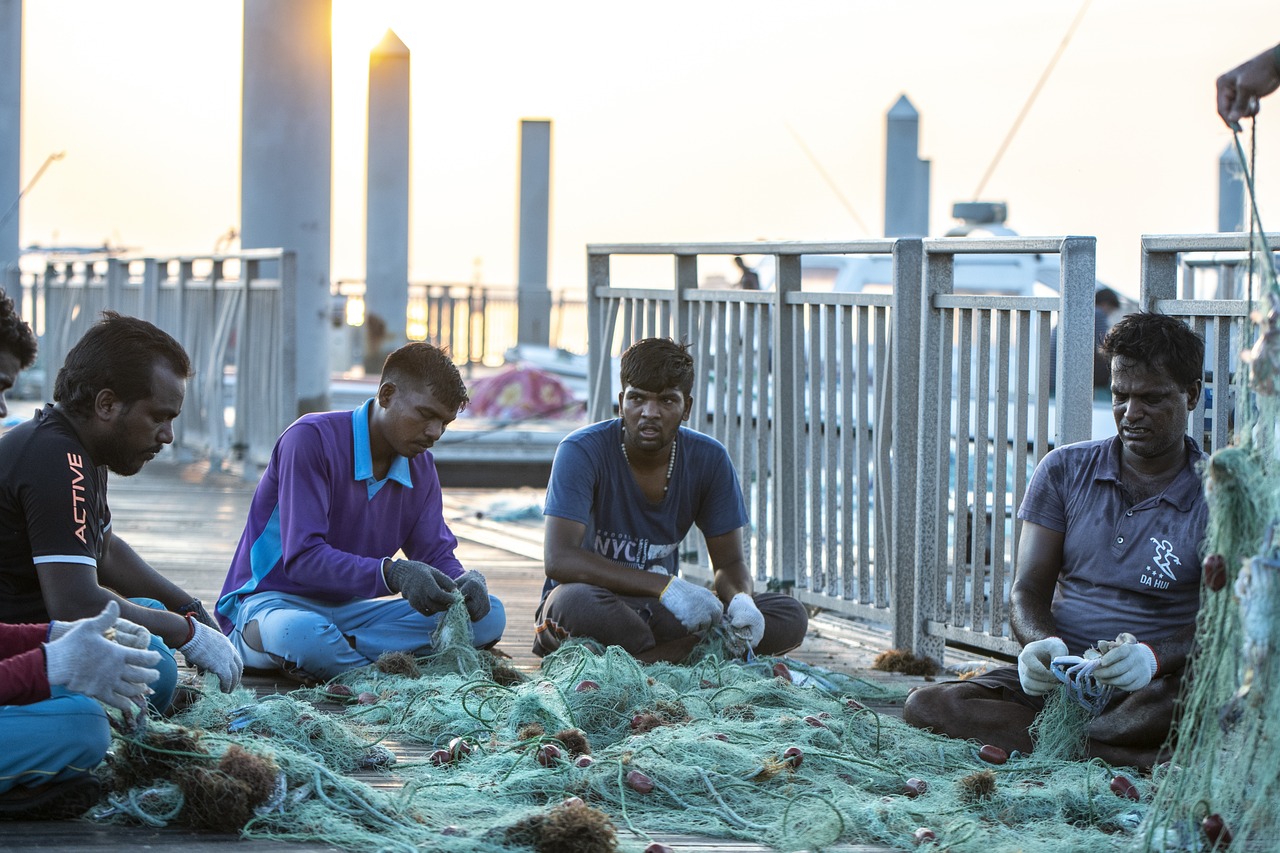
Labor Reforms in Qatar Are Improving Human Rights

Labor reforms in Qatar
In the prelude to the 2022 FIFA World Cup, Qatar received relentless criticism on migrants’ working conditions from the international community and mass media, causing the government to transform its labor system and uphold the rights of migrant workers through sweeping reforms.

Kafala System

Qatar’s kafala system ties migrant workers’ visas to their employers by requiring them to obtain their permission (a no-objection certificate) in order to change jobs. This, in turn, gives the employer entire control over the exit visa of his employees. This sponsorship and visa system not only leads to abuses and exploitation of labor practices, including the confiscation of migrant workers’ passports, but it also prevents a local domestic labor market from operating. Thus, radical labor reforms in Qatar are necessary in order for the country to develop itself according to international standards and to modernize its economy.

Recent Reforms

One of the significant steps Qatar made in 2017 was concluding a cooperation accord with the International Labor Organization (ILO). It stated that it would set a minimum wage and promised to repeal the kafala system. Later in 2017, Qatar introduced a temporary minimum wage of 750 Qatari Rial (approximately $200) and plans on introducing a non-discriminatory minimum wage by the end of 2019, making it the first country in the Gulf region to do so. These labor reforms in Qatar will improve migrant workers’ rights significantly, which will not only increase their working conditions but also their motivation to work, resulting in a more efficient and productive economy. In addition, Law No. 13 entered into force in October 2018, stating that migrant workers would no longer need their employers’ permission to enter and exit the country. These laws contribute to transforming Qatar’s current system into a modern industrial relations system.

Ending the Kafala System

However, Qatar still has not abolished the kafala system which caused hundreds of workers to go on strike and protest in August 2019. This is barring the fact that Qatari law strictly bans joining unions and participating in strikes. Protesting workers have reported that they have not received pay for months and are not receiving their renewed working permits from their employers, making it illegal for them to stay in the country. Consequently, Qatar’s Minister of Administrative Development, Labour and Social Affairs announced that the reform ending the Kafala system will enter into force in January 2020, facilitating the efficacy of the other recently introduced reforms as a whole.

Issue of Irregular Migration

Although positive, these reforms and Labor Laws do not cover migrant domestic workers with a local Qatari contract, meaning that the Labor Law does not protect them and they cannot seek assistance from the Ministry of Labor and Social Affairs. By excluding migrant domestic workers, Qatar is not tackling the issue of irregular migrants and the illegality of employment, which is a major concern for the local authorities. The Sponsorship Law binds domestic migrant workers to their employers, and so, if they suffer abuse, they are likely to abscond and either seek illegal work in the country or attempt to return to their home country. An underground informal labor market developed in Qatar due to the high number of irregular workers looking for work, which is a predominant issue for the government. Indeed, one of the key objectives included in the Qatar National Vision 2030 is to develop a knowledge-based economy consisting of highly skilled people and reduce Qatar’s dependency on low-skilled foreign nationals. Therefore, the inclusion of domestic migrant workers and resolving the issue of irregular/illegal workers is essential for Qatar’s plan to become a modern economy with highly-skilled people.

The current labor reforms in Qatar are a major step towards improving the human rights of the millions of migrant workers living in the country, in addition to contributing to the development of Qatar’s fast-growing economy. Despite the implementation of these laws seeming interminable, Qatar focuses on long-lasting and profound changes in its labor market with the help and recognition of international organizations such as the ILO and the United Nations.

– Andrea Duleux
Photo: Pixabay

November 21, 2019
https://borgenproject.org/wp-content/uploads/borgen-project-logo.svg 0 0 Jennifer Philipp https://borgenproject.org/wp-content/uploads/borgen-project-logo.svg Jennifer Philipp2019-11-21 05:30:022024-06-08 03:30:19Labor Reforms in Qatar Are Improving Human Rights
Global Poverty

Poverty in Yemen or Potential Investment?

Poverty in Yemen
Yemen has become increasingly war-torn since 2014, and as a result, poverty in Yemen has significantly increased. In 2014, poverty in Yemen was at 45%. The percentage should reach 75 by the end of 2019.

This war-torn region has not yet recovered from political instability. Because of this, the United Nations Development Programme (UNDP) estimates that it has lost 21 years of development.

The UNDP published a report, Assessing the Impact of War in Yemen on Achieving the Sustainable Development Goals, on September 26, 2019, which is the result of five years of research on how war has impacted Yemen’s social and economic structure and how the international community can successfully invest in Yemen.

Poverty in Yemen

The UNDP report found that the instability in Yemen has had disastrous effects on the Yemenese people. It reported that 11.7 million individuals have become impoverished as a result of the war. In addition, 4.9 million are malnourished. Of this number, 600,000 are children under the age of 5. The report also found that the war reduced economic growth in Yemen by $88.8 billion. This resulted in Yemen’s status as the world’s second least equal country in the world in terms of income. Without any change in the status quo, Yemen will become the world’s most impoverished country by 2022.

Yemen is largely reliant on food and imports for economic stability. Because of this, the economy has been unable to recover quickly without international intervention. The public sector employed 30% of the Yemenese population. However, a crash in the availability of assets left those individuals unemployed and unable to contribute to a jumpstart in the economy that would feed, clothe and put money in the hands of the impoverished.

The report concludes that the international response to the extreme poverty, economic crises and inequality in Yemen must be holistic and address both the root of the problem and the result of the issue.

Potential Investment in Yemen

The report examined four criteria: poverty, work and economic growth, hunger and inequality. Increasing international aid and investment can help with all four criteria. The article outlines a method of aid for addressing each area. A combination of efforts would resolve each criterion and address the issue of poverty overall. Increasing household consumption to pre-war levels which reflect “the spirit (though not the magnitude) of current cash-transfer programmes operating in Yemen,” can also combat hunger according to the report. This, combined with the distribution of food that would provide sufficient caloric intake and support Yemenese food exports, would alone prevent 73,600 death by 2030. A focus on improving access to clean water via changes to food prices through sanctions and providing sanitation implementation would save 255,000 lives by 2030.

Direct foreign investment into the Yemenese economy would significantly improve the everyday living conditions of Yemenese citizens. Without increased aid, Yemen will continue to stay on track to becoming the world’s most impoverished country by 2022. Direct aid programs and an increased amount of liquid capital poured into the economy would decrease poverty in Yemen, jumpstart the economy and improve the overall standard of living.

– Denise Sprimont
Photo: Flickr

November 21, 2019
https://borgenproject.org/wp-content/uploads/borgen-project-logo.svg 0 0 Lynsey Alexander https://borgenproject.org/wp-content/uploads/borgen-project-logo.svg Lynsey Alexander2019-11-21 01:30:342022-04-11 14:50:31Poverty in Yemen or Potential Investment?
Developing Countries, Development, Global Poverty, Human Rights

Examples of Human Rights Violations

examples of human rights violations
A human rights violation is the disallowance of the freedom of thought and movement to which all humans legally have a right. While individuals can violate these rights, the leadership or government of civilization most often belittles marginalized persons. This, in turn, places these people in the cycle of poverty and oppression. Individuals who approach life with the attitude that not all human lives are of equal value then perpetuate this cycle. This article will explore examples of human rights violations, and what people can do about this phenomenon.

A Brief History

The Universal Declaration of Human Rights emerged in 1948. Of the 56 members of the United Nations at that time, eight of them did not vote in favor of equal human rights. Since then, international human rights have made monumental progress. This does not mean, however, that some do not violate these rights every single day.

The development of human rights advocacy is not a linear process; the last two decades have shown that human rights advancements have remained stagnant or declined in some parts of the world. Socially disadvantaged groups of society are especially susceptible to discrimination. This includes women, children, ethnic minorities, persons with disabilities, refugees, indigenous peoples and people living in poverty.

Discrimination

The ramifications of human rights violations disproportionately affect those living in developing nations due to compounding factors and difficulties. The marginalization of groups based on gender identity and sexual orientation has become a prevalent issue of the 21st century. Although there are exceptionally progressive parts of the world that have made advances toward the inclusion of the LGBTQIAPK (lesbian, gay, bisexual, transexual, queer, intersex, asexual, pansexual/polyamorous, kink) community, stigmatization remains a dilemma that lacks a clear resolution. Other stigmatized cases include persons living with HIV/AIDS and victims of rape or other forms of gender-based violence.

Abuse of the Death Penalty

There are countless examples of human rights violations. One example that is especially heartbreaking is the Islamic Republic’s execution of children. The United Nations special investigator of human rights in Iran, Javaid Rehmen, stated in his report to the U.N. General Assembly in October 2019 that the use of the death penalty continues to be at the top of global charts. This is despite significant progress in the two years prior.

Iran has a long way to go. This is considering that religious and ethnic minorities still face high levels of discrimination. Rehmen described the recent maltreatment of human rights activists: “[they] have been intimidated, harassed, arrested and detained.” Rehmen goes on to inform the assembly that between the months of September 2018 and July 2019, eight well-respected human rights defense attorneys were arrested and sentenced to an extended time in prison.

New Wave of Human Rights Violations

Those living in the least developed nations experience some of the worst human rights violations. The U.N. General Assembly adopted the Declaration on the Right to Development in 1986 to address this issue specifically. The declaration is radical in the sense that it acknowledges development as a right for all humans. This is something that people clearly do not enforce, although it is a legal right. This provides an understanding that development is a crucial component in reaching equality and protecting human rights.

Prisoners of war and torture victims are also examples of human rights violations. The War on Terror sparked a new influx of human rights abuse acts that has continued over the last two decades and supported the destabilization of international human rights. In order to recover this lost sense of humanity, a common understanding of the rights of human beings is essential.

The western mindset, which takes these rights and freedoms for granted, contributes to this issue as a whole. The question is how can leaders with limited resources enforce the protection of the people’s rights?

The Solutions

Achieving a sustainable, practical and effective method of protecting human rights around the globe that also allows local values and culture to remain intact is a difficult ambition. Humans must recognize the beauty of individual differences and attempt to understand each other before a change can happen. Starting with the smaller steps, like understanding victims of rape, violence and discrimination instead of perpetuating a victim-blaming culture, might be more influential than viewing the situation through such an expansive lens. Only then will these examples of human rights violations turn into examples of human kindness.

– Helen Schwie
Photo: Flickr

November 21, 2019
https://borgenproject.org/wp-content/uploads/borgen-project-logo.svg 0 0 Lynsey Alexander https://borgenproject.org/wp-content/uploads/borgen-project-logo.svg Lynsey Alexander2019-11-21 01:30:012024-06-04 01:17:54Examples of Human Rights Violations
Global Poverty

4 Top Poverty Awareness Movies Everyone Should Watch

Poverty Awareness MoviesPoverty awareness movies help to shine a spotlight on the experiences of individuals in vulnerable places across the globe. They help to humanize the daily struggles that far too many people must live through. Keep reading to learn more about these four top poverty awareness movies.

4 Top Poverty Awareness Movies Everyone Should Watch

  1. The Boy Who Harnessed the Wind (2019) – “The Boy Who Harnessed the Wind” is a true story film based on a memoir by Malawian engineer William Kamkwamba. Kamkwamba’s life story speaks true to the reality of poverty in Malawi. During a 2002 drought, Kamwaba’s family farm was left barren and many were left without electricity and water. Without the proper materials available, Kamwba used scrap metal, tractor parts and bicycle halves in order to forge an operable windmill. Eventually, the windmill powered four light sources and a second machine was made to power a water pump used to battle the drought and famine. Overall, this story shows the strength of human inventiveness and its power to overcome crippling adversity.
  2. Queen of Katwe (2016) – Disney’s Queen of Katwe is a film based on the true story of Phiona Mutesi, a young Ugandan girl who goes on to become an international chess champion despite facing numerous challenges. Mutesi and her family live in the slum of Katwe in Kampala, Uganda. Life is a constant struggle for the family; Mutesi has almost no possessions, can’t read and sells maize on the street for change to support her family. Mutesi and her oldest brother Brian cross paths with a local sports ministry head named Robert Katende; from then on, Mutesi’s life is changed forever. Mutesi finds success and joy in a game that reflects her own life; a pawn makes it all the way across the board, against all odds, and becomes a Queen. In a variety of ways, “Queen of Katwe” brings light to the truth of poverty in Uganda; children are left without an education and often have to work to provide for their families.
  3. Shoplifters (2018) – “Shoplifters” tells the story of how an untraditional Japenese family sticks together through the struggles of poverty. Osamu and his wife Naboyu live in a small, cramped apartment with their son Shota, grandma Hatsue and aunt Aki. The family must take on unskilled jobs in order to make ends meet. Aki is a sex worker and grandma Hatsue collects a pension. In order to survive, Osamu and Shota shoplift most of their food and necessities. On one of their runs, Osamu and Shota come across a young girl named Yuri. The family takes her in and she begins to become accustomed to her new family’s way of life; this means no education and cramped sleeping conditions. This movie is successful at showing the life of a family in poverty without sugarcoating the situation or patronizing the people.
  4. Ma’ Rosa (2016) – This movie tells the story of poverty and corruption through the eyes of Ma’ Rosa, who runs a small convenience store in Manila to support her four children. The profits from the shop aren’t enough to raise her family so Ma’ Rosa sells drugs on the side. The police eventually raid Ma’ Rosa’s house and find all of the drugs that she and her husband were planning to sell. The police try to persuade them into handing over their suppliers, along with a large private investment by making a promise of no jail time. “Ma’ Rosa” gives a deep look at how corrupt organizations take advantage of people living in poverty, which is a problem that runs throughout the capital city.

– Juliette Lopez
Photo: Flickr

November 20, 2019
https://borgenproject.org/wp-content/uploads/borgen-project-logo.svg 0 0 Lynsey Alexander https://borgenproject.org/wp-content/uploads/borgen-project-logo.svg Lynsey Alexander2019-11-20 08:22:142024-05-29 23:13:424 Top Poverty Awareness Movies Everyone Should Watch
Global Poverty, Human Trafficking

10 Facts About Child Labor in China

Child Labor in China
Child labor in China has influenced programs like The International Labour Organization. This organization put forward conventions 182 and 138 (1973; 1999) to eliminate child labor around the globe. Nobel Prize winners like Malala Yousafzay and Kailash Satyarthi sought to focus efforts on ameliorating the risks associated with child labor; however, incidences still exist throughout the world. Presented here are 10 facts about child labor in China. It is particularly important to understand the threats that make some children more likely to be child laborers than others.

10 Facts About Child Labor in China

  1. About 8 percent of Chinese children between 10 and 15-years old work as child laborers. Children from rural areas are more likely to be child laborers. Farms need laborers and children are inexpensive to employ.
  2. A child laborer in China is any employee under 16 years. Under Chinese law, no one under the age of 16 can work and those who do employ children are breaking the law. Luckily, this trend is decreasing with the help of other legislature favoring strict policies in which the Chinese constitution intends to protect children from maltreatment.
  3. Millions of children across China are laborers. This is more common outside the cities where the population is less dense. Families migrate from the cities to rural areas for farmland, but hundreds of millions of families move from rural areas to the city and leave their children behind. Children left behind are more susceptible to become child laborers because they do not have families to protect them.
  4. Traffickers often buy child laborers who receive commissions and finders’ fees. Child labor can be a form of human trafficking where employers buy and sell children as employees. Parents sell their children to traffickers while traffickers either kidnap or lure others to drop out of school with the promise of a lucrative life. The United Nations Action for Cooperation against Trafficking in Persons works to prevent trafficking by raising awareness of the tricks and trade techniques that traffickers use to recruit children. These methods are more appealing to children living in poverty because it involves the promise of money and resources that they could otherwise not afford.
  5. Children who drop out of school are more likely to be child laborers. When children spend less time in school, they are more likely to act out or engage in risky behaviors. Child labor in China means the children enter the workforce at a young age. Clothing and shoe manufacturers are more likely to employ child laborers and other manufacturers that benefit from using smaller hands.
  6. Child labor can occur in the home. Parents sell their children to acrobat schools, which live-stream their performances on the internet. These schools put children on display by forcing them to participate in acrobatics. The schools can gain money by selling performances online. Families who live in poverty are more likely to use this as a means of gaining money. They often do not have the skills to work well-paying jobs and thus look for ways their children can provide support.
  7. Child labor in China has made many strides. The International Labour Organization (ILO) advocated for World Day Against Child Labour, marked by June 12th, and this day brings together millions from different companies, government groups, advocacy organizations and the United Nations in order to share news about child workers. This day recognizes efforts that schools have made to improve education services, which results in fewer dropouts.
  8. Over 250 million children ages 5 to 14 years across the world are laborers and 61 percent of them live in Asia. Developing and developed nations alike attract child labor forces and child labor is, unfortunately, occurring all over the world. One can participate in Child Labour Day to raise awareness of their area about the tragedies affecting child laborers.
  9. Children whose parents have migrated are more likely to be child laborers. Migration in China typically occurs from the cities to rural areas. These migrant families can find work easier on farms or as field hands and their children can easily find similar jobs to support their families. These children are more likely to drop out of school in order to work with their families.
  10. Child labor in china is on the decline. China has passed legislation to improve working conditions and has restricted the working age. Legislation to reduce child labor includes the Chinese Labour Law, the Law on the Protection of Minors, Regulations on the Prohibition of Child Labour and the Notice on the Prohibition of Child Labour.

Child labor is not a unique phenomenon in China. Child labor occurs across the globe in both developing and developed nations. While child labor is against the law in most places, it still happens in remote areas and where the population is sparse. In China, the government is working hard to reduce the incidences of child labor. With advocacy and awareness, both China and the world should be able to make strides to end child labor.

–  Kaylee Seddio
Photo: Flickr

November 20, 2019
https://borgenproject.org/wp-content/uploads/borgen-project-logo.svg 0 0 Jennifer Philipp https://borgenproject.org/wp-content/uploads/borgen-project-logo.svg Jennifer Philipp2019-11-20 07:30:472020-01-18 13:17:5010 Facts About Child Labor in China
Global Poverty

Top 10 Interesting Facts About Franklin Roosevelt

Top 10 Interesting Facts About Franklin Roosevelt
Born in February 1882, Franklin Delano Roosevelt, commonly referred to as FDR, served as the 32nd President of the United States from 1933 until his death in 1945. Roosevelt claimed the presidency at the height of the Great Depression and worked to alleviate the horrid lifestyles of millions across the nation. The following are the top 10 interesting facts about Franklin Roosevelt.

Top 10 Interesting Facts About Franklin Roosevelt

  1. Franklin Roosevelt was the only president in American history to have served more than two terms. In November 1944, the American people elected Roosevelt to his fourth term as president. In 1951, Congress passed the 22nd Amendment, constraining the presidential term to a limit of two terms.
  2. In 1921, Franklin Roosevelt atypically contracted polio, a disease that leaves the victim paralyzed. FDR subsequently removed himself from the political landscape and instead focused on his rehabilitation. Roosevelt exercised constantly, even when surrounded by loved ones and incorporated his family into his daily regimens. Roosevelt did not convey shame due to his inability to walk and the people elected him to the governorship of New York in 1928, before becoming president in 1932.
  3. In 1934, as part of his New Deal, Roosevelt enacted the Reciprocal Trade Agreements Act (RTAA), which was to decrease global poverty and reduce international tensions. The RTAA significantly changed the U.S. trade policy. It gave the president the power to increase or decrease tariffs by up to 50 percent of the amount previously set in 1930. Because of the RTAA, Roosevelt was able to conduct trade agreements with 19 nations (many of which developing countries). Even after Roosevelt left office, the RTAA served as a precedent to the General Agreement on Tariffs and Trade (GATT) that has paved the way for trade liberalization across the world.
  4. FDR proposed the Judicial Procedures Reform Bill of 1937 which targeted elderly Supreme Court Justices. For every justice over the age of 70 who had served 10 or more years, Roosevelt wanted to appoint up to six new justices. The goal of this proposition was to ensure that others did not strike down elements of his New Deal. His bill ultimately failed and the Supreme Court went on to deem a significant amount of his plans as unconstitutional.
  5. FDR was a proponent to the notion that the U.S. had a role to fulfill in international relations due to its status as a global power. He adhered to a concept named big stick diplomacy, which refers to the idea that a nation should use diplomacy but have a contingency plan (often involving the military) if things go wrong. Roosevelt also followed a good neighbor policy towards Latin American countries and removed the Platt Amendment which took away Cuban sovereignty.
  6. People widely regard FDR as a humanitarian because of his efforts to help Americans during the Great Depression. However, many people fail to note that FDR signed an executive order mandating the internment of Japanese-Americans shortly after the 1941 attack on Pearl Harbor. Many Japanese-Americans faced atrocious working conditions and unfair treatment from the guards at the camps. People deemed this unconstitutional in 1944. In 1988, the Reagan Administration issued $20,000 and a formal apology to the surviving Japanese-Americans who had to enter internment camps.
  7. While Roosevelt’s predecessor Hebert Hoover took the approach of non-governmental intervention when concerning the Great Depression, FDR vocalized his determined plan for the nation. From 1933 to 1944, Roosevelt gave a series of speeches conveyed through the radio (because it was the most popular medium of communication) called fireside chats. During these chats, he gave the American people information on the New Deal, the economy and unemployment during the Great Depression, as well as information about military progress during World War II. FDR’s fireside chats helped to heighten public support for his programs during the Great Depression.
  8. In February 1933, shortly after FDR became president, he suffered an assassination attempt. Giuseppe Zangara, a disgruntled worker, had a hatred for the wealthy and blamed FDR for making it difficult to make a living. Zangara did not succeed in killing Roosevelt but did hit five people. Mayor Anton Cermak sustained the most serious injury which ultimately led to his death three weeks later. Roosevelt maintained composure and conveyed to the world that he was a fit president amidst the chaos. FDR went on to implement policies that would directly attack the roots of the escalating economic and social problems across both the U.S. and the world.
  9. FDR was fundamental in the creation of the United Nations even though he died before its official implementation. Roosevelt coined the term to represent the 26 nations that fought to defeat the Axis Powers in World War II. From August to October 1944, Roosevelt and prominent leaders from the U.K., France, China and Russia worked to create a plan that would ensure peace in the world. This comprised of peacekeeping missions and efforts to foster effective international relations. The United Nations officially established on October 24, 1945, six months after Roosevelt’s death.
  10. FDR dedicated himself to free trade, believing that it would significantly enhance global economics and politics. In 1941, Roosevelt and Winston Churchill drafted the Atlantic Charter that outlined these beliefs. Roosevelt stated that global superpowers must work to adopt policies that would aid the growth of all nations, not just westernized ones. In 1944, at the Bretton Woods Conference, these ideas were integral to the formation of the International Monetary Fund (IMF) and the World Bank. The United States did not adopt the Bretton Woods Agreements Act and enter the IMF until after Roosevelt’s death.

Franklin Delano Roosevelt was a pioneer for a more egalitarian society that did not solely serve capitalist interests. Through the institution of various programs and legislation of the New Deal, Roosevelt championed the rights of the poor and working class. While Roosevelt did conduct some questionable acts and faced concrete political barriers, his legacy revolves around his tireless efforts to make America better for all. As evidenced in the top 10 interesting facts about Franklin Roosevelt, his idea that “we cannot be content, no matter how high that general standard of living may be, if some fraction of our people — whether it be one-third or one-fifth or one-tenth — is ill-fed, ill-clothed, ill-housed, and insecure” still holds true today.

– Jai Shah
Photo: Flickr

November 20, 2019
https://borgenproject.org/wp-content/uploads/borgen-project-logo.svg 0 0 Jennifer Philipp https://borgenproject.org/wp-content/uploads/borgen-project-logo.svg Jennifer Philipp2019-11-20 03:30:022020-01-18 13:18:27Top 10 Interesting Facts About Franklin Roosevelt
Food Insecurity, Food Security, Global Poverty

10 Facts About Hunger in Russia

Hunger in Russia
Although coverage of Russia frequently circulates the international news cycle, the prevalence of poverty in the country is relatively unknown. Unbeknownst to the general public, many Russians live in unacceptably impoverished conditions and face varying levels of food insecurity. Recent developments in the Russo-Ukrainian War have exacerbated these issues to extend beyond domestic borders, leading to a global food crisis. Despite hunger levels in Russia still considered to be low overall today, the government and NGOs must amplify their concerted efforts to address the now escalating nature of both poverty and food insecurity throughout the country.

10 Facts About Hunger in Russia

  1. Poverty Rate: Although the rate of poverty in Russia has reportedly fallen to 7.2% as of 2024 – a historic low for the country – sources such as The Insider claim that this figure is a reflection of calculations that have been modified to align with presidential decrees that have required the government to reduce poverty to under 7% of the population by 2030. According to the country’s Central Bank, the reality is that one in four families in Russia barely earns enough to cover basic nutritional needs.

  2. Conflict: The Russia-Ukraine war has significantly worsened hunger throughout the country. Significant damage to agricultural infrastructure and transportation has negatively impacted the most vulnerable populations, including children and those living in poverty, subjecting them to rising food prices and reduced food availability. In 2022, over 9% of children in Russia were estimated to have fallen into poverty as a result of the economic collapse and famine caused by the war.

  3. Income Inequality: Russia faces significant income inequality, which has disproportionately fueled poverty and hunger rates among lower-income groups. While the poor are currently suffering from debt overload due to inflation outpacing their wages, the wealthy have benefited from welfare benefits that have allowed them to accumulate even more capital. Both government and independent data confirm that this income gap is rapidly widening, with the incomes of Russia’s richest 10% growing twice as fast as those of the poorest 10%.

  4. Rising Food Costs: Food prices in Russia have been experiencing a significant surge, with staples such as olive oil, beetroot and cabbage seeing increases of over 20% in 2024. These price hikes have been largely driven by inflation and military spending for the ongoing Russia-Ukraine war, which have severely impacted the Russian economy and consumers.  

  5. Climate Change: Russia’s southern regions are reportedly becoming drier and hotter as a result of global climate change, which is predicted to reduce grain output throughout the country. A rise in temperature is also expected to increase water scarcity and encourage pest proliferation, placing the country at high risk of famine. This phenomenon has the potential to not only affect food supply domestically, but internationally as well, most notably authoritarian regimes in the Middle East that rely heavily on Russian produce. 

  6. Obesity: In 2023, nearly 2.5 million Russians were reported to be obese. The average diet in Russia is unbalanced and deteriorating in quality, which has increased the prevalence of metabolic disorders such as obesity, diabetes and high blood pressure as well as other micronutrient deficiency diseases. The low accessibility and affordability of nutritious foods such as fruits and vegetables continue to drive up obesity rates, particularly in rural regions, which are generally of lower socioeconomic status than their urban counterparts.

  7. Global Food Crisis: According to the Council of the European Union, the Russian-Ukrainian war has provoked a global food crisis. Due to the trade sanctions placed on both countries throughout the past decade, key exports from Russia and Ukraine such as grain have drastically declined in number, which has resulted in major food security concerns on an international scale. The Food and Agriculture Organization of the United Nations (FAO) predicts that millions of people will remain chronically undernourished in 2030 as a direct consequence of the war, despite humanitarian efforts to provide funding and replenish food supplies for affected countries.

  8. Success in Reducing Poverty: On May 7, 2018, Russia declared an initiative to halve the level of poverty in the country by 2024. To help achieve this goal, the country has implemented a stimulus plan worth $400 billion intended to build new infrastructure and invest in research. Since establishing this program, Russia has made significant strides in reducing hunger and severe food insecurity domestically, earning a score of 5.8 – indicating a low level of hunger – in the 2023 Global Hunger Index (GHI). 

  9. Investing in Agriculture: Since 2014, the Russian government has actively pursued nationwide agricultural self-sufficiency, with the intent of reducing its reliance on imports and strengthen food security. Major subsidies for domestic farmers and agri-tech firms have expanded food production capabilities throughout the country, yielding enough basic foods to curb the impact of unexpected external factors such as famine. As of today, Russia has achieved nearly absolute self-sufficiency for key products such as fish, meat and sugar and hopes to exceed current sufficiency levels in the near future.

  10. Foodbank Rus: One of the organizations actively working towards preventing hunger in Russia is Foodbank Rus, the largest food bank in Russia. Since 2012, the charity fund has distributed 50 million kilograms of produce and products to those in need, prevented 230,000 tons of CO2 emissions and helped ensure food security for hundreds of thousands of people every year. One of their most influential projects, National Lunch, engages the local community to curate packages for the food insecure with nutritional foods such as rice, buckwheat, peas, rolled oats, pasta, dried mushrooms and oil. The organization hopes to establish locations in all regions within Russia by 2030 to extend the reach of its programs.

Hunger in Russia remains a serious problem that is often misreported to comply with state-issued standards. Furthermore, the Russia-Ukraine war has recently catalyzed a global food crisis that has plunged millions of people into poverty and hunger. It is thus crucial to understand that more governmental and NGO programs are needed to combat food insecurity in Russia.

– Chace Pulley, Moon Jung Kim
Photo: Flickr

Updated: April 15, 2025

November 20, 2019
https://borgenproject.org/wp-content/uploads/borgen-project-logo.svg 0 0 Jennifer Philipp https://borgenproject.org/wp-content/uploads/borgen-project-logo.svg Jennifer Philipp2019-11-20 01:30:072025-04-15 12:35:5110 Facts About Hunger in Russia
Global Poverty, Health, Life Expectancy

10 Facts About Life Expectancy in Myanmar

10 Facts about Life Expectancy in Myanmar
Formerly known as Burma, Myanmar is a country in Southeast Asia nestled between India, Bangladesh, China, Laos and Thailand. While it is currently transitioning from a military government to a democracy, the following are 10 facts about life expectancy in Myanmar.

10 Facts About Life Expectancy in Myanmar

  1. Myanmar’s Life Expectancy: For the first of the 10 facts about life expectancy in Myanmar, the average life expectancy in Myanmar is 66.96 years. For males, the average is 65 years and for females, it is 69 years. Steadily rising since 1950, the average life expectancy was once 33.63 years. By 1990, life expectancy slowed as it only reached 56.65 years and did not exceed 60 years until 2001. Based on data collected by the United Nations, Myanmar is not projected to have an average life expectancy exceeding 70 years until almost 2040.
  2. Other Countries’ Life Expectancies: Myanmar’s life expectancy is lower than most of its neighbors. Compared to surrounding countries, such as China, Thailand, India and Bangladesh the average life expectancy ranges between 69 and 77 years. However, Myanmar has a relatively similar life expectancy to the Lao People’s Democratic Republic, which is at 67.27 years. This could be due to Myanmar’s changing government and tumultuous internal conflict. Unlike its neighbors, Myanmar has engaged in a civil war since it broke from British rule in 1948. In fact, it is the world’s longest ongoing civil war.
  3. Myanmar’s Internal Conflict: These disparities in life expectancies between Myanmar and other Asian countries could be due to its internal conflict. In Myanmar, there is a constant struggle for power in the government with the military primarily seizing control and ending rebellions since the country gained independence in 1948. Among this political struggle is an ethnic one; the Buddhist population (which makes up 90 percent of Myanmar’s total population) targets minority religious groups, specifically the Rohingya, a Muslim minority group. While there have always been tensions between ethnic groups in Myanmar, violence did not escalate until 2016. Thousands of Rohingya are fleeing Myanmar to Bangladesh because of persecution, extreme violence and borderline ethnic cleansing by Myanmar’s security forces. People do not know much about the death toll in Myanmar but BBC reports that the violence resulted in the killings of at least 6,700 Rohingya a month after violence broke out in August 2017. People burned at least 288 Rohingya villages since then and nearly 690,000 Rohingya have fled to Bangladesh. Myanmar’s rapid population decline and lowered life expectancy may be due to either genocide or the fleeing of many of its civilians.
  4. Rising Life Expectancy: Despite the ongoing civil war in Myanmar, life expectancy is rising. One of the greatest links to health and life expectancy is the standard of living. According to a study by the World Bank, “the proportion of the population living under the national poverty line halved from 48.2 percent in 2005 to 24.8 percent in 2017.” More people are now able to afford health care and medical treatments, allowing for the rise in life expectancies. Additionally, as poverty declines, the Myanmar government is devoting more resources to improving health care. Myanmar has specifically targeted malaria. In a study by the World Health Organization, in Myanmar, “malaria morbidity and mortality has declined by 77 percent and 95 percent respectively by 2016 compared to 2012. The country is moving forward as per the National Strategic Plan aiming for malaria elimination by 2030.” By abiding by the National Strategic Plan, Myanmar was able to successfully reduce malaria in the country and boost life expectancy.
  5.  Reducing Poverty: Myanmar and various international powers are making efforts to reduce poverty in the country. In April 2017, the World Bank approved a $200 million credit for a First Macroeconomic Stability and Fiscal Resilience Development Policy Operation. The purpose of this is to help Myanmar achieve economic stability and reduce poverty. It would also allow greater access to public services, such as electricity and health care resources. In addition, China agreed to assist in reducing poverty in rural areas of Myanmar in February 2018. Rural Myanmar has higher poverty rates than in urban centers (38.8 percent compared to 14.5 percent in towns and cities). The project from China includes infrastructure development and vocational training, which will implement better roads and agricultural techniques. With these efforts, poverty is in decline and quality of life rises, allowing for people to live better and longer lives.
  6. Access to Electricity: People across Myanmar are gaining access to electricity. According to the World Bank, 69.815 percent of the population had access to electricity in 2017, as opposed to 55.6 percent in 2016. In 2015, both the government of Myanmar and the World Bank developed a National Electrification Plan that will achieve universal electricity by 2030. To do this, the World Bank has given Myanmar a $400 million credit to launch this plan throughout the country. Myanmar has already exceeded the goals set in 2015. One goal was to have 1.7 million households connected to electricity by 2020. Currently, 4.5 million households have electricity. Because of this and the decline of poverty, more households can obtain home appliances as well as other consumer goods like cell phones and computers. While these are not direct causes of rising life expectancy, they do indicate that people in Myanmar are gaining a better quality of life, which can attribute to living longer lives.
  7.  Health Care: Myanmar consistently ranks among the worst health care in the world. Myanmar citizens pay for most health care resources out of pocket. Only 600,000 of 53.7 million people in Myanmar have health insurance, the Social Security Scheme. There are shortages across the country in human resources for health. There are only 61 doctors per every 100,000 people in Myanmar. There are not many medical schools available and therefore a lack of other health professionals like pharmacists, technicians and bioengineers. Many of the current doctors in Myanmar feel overworked and burnt out of the profession. The lack of many resources can contribute to lower life expectancies.
  8. Leading Causes of Death: Without access to health care, diseases become the leading cause of death in Myanmar. Non-communicable diseases cause 68 percent of deaths in Myanmar. COPD, stroke, ischemic heart disease, diabetes and Alzheimer’s disease are some of the leading causes of death in Myanmar. However, preventable diseases are in decline. Tuberculosis, HIV and lower respiratory infections have decreased as leading causes of death. Even though access to health care is limited, the quality has improved overall, allowing for people to fight off these infections and live longer.
  9. Improving Health Care: The Myanmar government is slowly improving health care. Unfortunately, government spending on health care is one of the lowest in the world at 5 percent of the country’s gross domestic product (GDP). However, studies by the World Bank shows that this percentage has increased over time. In 2011, the Myanmar government only spent 1.687 percent of its GDP on health care, the year Myanmar began its transition to democracy. Since 2013, Myanmar began to implement more policies devoted to national health care. The government went from spending 2.11 percent on health care in 2013 to 5.03 percent in 2014, making health care more affordable and available for mothers and children. Myanmar also reduced the number of medical students to ensure a better quality of education. The severe lack of government investment in health care makes health resources difficult to access by the population, which one can attribute to the lower life expectancies, but it is clear that Myanmar is taking steps in the right direction.
  10. International Support for Health Care: There is a lot of international support for health care in Myanmar. Cooperative for Assistance and Relief Everywhere (CARE) has worked with Myanmar since 1995 and has helped improve community health services. It also provides women valuable information on sexual and reproductive health. The Japanese International Cooperation Agency has also worked on special projects in Myanmar since 2000, most notably creating a standard for sign language and providing teachers. Additionally, the World Health Organization has also worked with the Myanmar government to set goals for their health care. The WHO assisted in drawing up Myanmar’s Health Vision 2030. Further, the World Bank provided a $200 million loan to Myanmar for an Essential Package of Health Services. Much of the international support is at local levels; it is up to the Myanmar government to provide support across the entire country.

As evidenced by the 10 facts about life expectancy in Myanmar, several circumstances could be contributing to the lower life expectancy of the country. However, despite the long and winding path ahead, it is clear that life expectancy is rising as living conditions continue to slowly improve. 

– Emily Young
Photo: Pixabay

November 19, 2019
https://borgenproject.org/wp-content/uploads/borgen-project-logo.svg 0 0 Jennifer Philipp https://borgenproject.org/wp-content/uploads/borgen-project-logo.svg Jennifer Philipp2019-11-19 07:30:592024-05-29 23:13:4310 Facts About Life Expectancy in Myanmar
Charity, Global Poverty

Charities Providing Aid During Disastrous Hurricanes

Charities Providing Aid During Disastrous Hurricanes
After the hurricane season in 2004, Science Magazine published a paper about the increasing intensity of hurricanes over the years. The number of category four and five hurricanes have increased by 80 percent in the past 30 years. The paper titled, Changes in Tropical Cyclone Number, Duration, and Intensity in a Warming Environment, links the rise in storms to increasing sea surface temperatures. The authors, led by the National Center of Atmospheric Research, concluded that “global data indicate a 30-year trend toward more frequent and intense hurricanes.” In recent years, the world has seen the serious aftermath of these chaotic hurricanes. Luckily, there have been numerous charities providing aid during disastrous hurricanes.

Hurricane Irma, ICNA Relief and Project C.U.R.E

In 2017, two hurricanes made their way into the headlines: Hurricane Irma and Hurricane Maria. Hurricane Irma, classified as a category five hurricane, devastated a string of small Caribbean islands. Irma’s eye touched Barbuda, destroying 95 percent of the buildings on the island. The hurricane hit southwest Florida on September 10. When it left the following Tuesday, Irma had flooded major cities including Jacksonville, Florida and Charleston, South Carolina. It left millions without power. Thankfully, several charities came to provide support.

One of the charities during the disastrous hurricane was ICNA Relief. Its disaster relief team was one of the first responders after Hurricane Irma made landfall. Its mission was to assist the people by cleaning out the homes that fierce winds damaged. A couple of days later, it assisted the flooded homes. Another charity was Project C.U.R.E and for every dollar peopled donated, it provided $20 worth of life-saving medical supplies and equipment. A week and a half later, Hurricane Maria struck the Caribbean before it could complete reparations and restoration for Hurrican Irma.

Hurricane Maria, the Hispanic Federation and the International Relief Team

After making landfall on the Caribbean island of Dominica, Hurricane Maria landed on the U.S. territory, Puerto Rico. With strong, damaging winds, Maria pummeled through infrastructure and left Puerto Rico without electricity for months. To this day, Puerto Rico has not fully recovered after the disastrous hurricane. It has been the second-costliest hurricane in the history of the United States, just after Hurricane Katrina. Since it made landfall, relief efforts have continued to deliver much needed short and long term support to the people of Puerto Rico.

One of the biggest charities to provide assistance for Hurricane Maria was the Hispanic Federation, which managed to transport emergency first responders and 7.4 million pounds of food and essentials during the devastating months after the hurricane. Another charity worth mentioning is the International Relief Team. It provided more than 2,000 large, heavy-duty tarps to provide shelter and protect families from the blazing sun and frequent rainfalls, which is further proof of charities providing aid during disastrous hurricanes. A year later, charities became necessary as Hurricane Michael blew away infrastructure.

Hurricane Michael

In October 2018, Hurricane Michael, classified as a category five, made landfall in the Florida Panhandle. It was the first significantly damaging hurricane in the area. One of the hardest-hit locations was from Mexico Beach to Indian Pass where people observed nine to 14 feet of peak storm surge inundation. On Cape San Blas, the storm surge cut through a peninsula, creating two inlets. The hurricane heavily damaged or completely destroyed numerous homes close to the coast as the water slammed against the structures. Amid the chaos, different charities came up to share the burden.

Charities Aiding in the Aftermath

The Samaritan’s Purse deployed more than 300 volunteers to the area where it cleared downed trees and debris whilst tarping roofs. Because of the damage in infrastructure, a lot of health clinics and shelters suffered. Americares delivered 61 shipments of medicine, medical supplies, hygiene supplies and other relief items to local health facilities in relief efforts.

Charities providing aid during disastrous hurricanes have made a significant impact. They have provided people with support physically and emotionally after these traumatic events. With Hurricane Dorian recently threatening the East Coast and the Bahamas, one has to be thankful for those volunteers that have managed to help those people in need as these strong hurricanes become more frequent.

– Andrea Viera
Photo: Flickr

November 19, 2019
https://borgenproject.org/wp-content/uploads/borgen-project-logo.svg 0 0 Jennifer Philipp https://borgenproject.org/wp-content/uploads/borgen-project-logo.svg Jennifer Philipp2019-11-19 01:30:592024-05-29 23:13:45Charities Providing Aid During Disastrous Hurricanes
Developing Countries, Development, Global Poverty, Health, Water

Top 10 Countries That Lack Access to Clean Water

lack access to clean water
About 2.1 billion people around the world do not have access to clean running water and sanitation facilities. Another 2.3 billion people do not have the luxury of accessing toilets. Clean water is important because it is directly linked to “better health, reductions in parasitic infections, increased child growth and lower morbidity and mortality.” Here are 10 countries that lack access to clean water.

10 Countries That Lack Access to Clean Water

  1. Afghanistan: With only 22 percent of its population having access to clean water, Afghanistan has one of the lowest rates of clean water access in the world. About 87 percent of the nation’s water is contaminated.
  2. Cambodia: Since the majority of the population is dependent on catching and storing rainwater, it leaves an estimated 84 percent of the population with no access to water. This leaves 5 percent of the population dependent on water deliveries.
  3. Congo: 75 percent of the country’s 51 million people do not have access to clean water. About 21 percent of people in rural areas can not reach pure water, which is double the level it was five years prior.
  4. Pakistan: Pakistan is known for having the biggest gap between the rich and poor when it comes to basic hygiene. This leaves 22 million people, or 64 percent of the nation, with no access to clean water.
  5. Uganda: About 40 percent of the population has to travel more than 30 minutes to reach drinkable water. A little over 61.1 percent of the 42.3 million population has access to safe drinking water.
  6. Ethiopia: The high mortality rate in Ethiopia is linked to the quality of water in the country. Due to poor water management and water-intensive farming, 60.9 percent of people have no access to water.
  7. Somalia: Water delivery systems have been destroyed due to post-war problems. This has left 60 percent of the population with no basic access to water and 11.7 percent of people consuming untreated surface water.
  8. Nigeria: Even though Nigeria is one of the fastest-improving countries in regards to water sanitation, 15 percent of its residents have no access to this vital resource.
  9. Chad: Chad has a square mileage of 800,000, which is three times the size of California. But only 15,000 square miles of the country has water. This leaves 33 percent of the nation’s population with the struggle of accessing clean running water.
  10. Syria: The Syrian conflict is hindering humanitarian aid agencies from delivering water and supplies. As of right now, only 10 percent of people lack access to water.

NGOs Helping On The Ground

While these populations of people are suffering due to their lack of access to safe, clean, drinkable water, there are many foundations and NGOs helping to fight this issue.

Water.org is an NGO focused on helping people find a way to be able to attain safe clean drinking water. The organization offers small and affordable loans called WaterCredit to help families obtain sanitized water. Water.org has helped more than 223,000 Ethiopians with improved water, sanitation and hygiene services. WaterCredit has also reached 40,000 people, providing them with clean water for five years.

UNICEF along with the Ministries of Rural Rehabilitation and Development, Public Health and Education, as well as local and global partners have come together to resolve the water crisis in Afghanistan. The plan is to end open defecation by 2025 by using their Community-Led Total Sanitation approach. This approach is a combination of “shock, shame, disgust and pride” to motivate people to build their own toilets. In 2017, the partnership has helped 300,000 Afghans reach clean and safe water. This initiative has also helped girls stay in school by installing washrooms so that they can manage their periods and feminine hygiene needs in school instead of staying home.

– Isabella Gonzalez
Photo: Flickr
November 18, 2019
https://borgenproject.org/wp-content/uploads/borgen-project-logo.svg 0 0 Jennifer Philipp https://borgenproject.org/wp-content/uploads/borgen-project-logo.svg Jennifer Philipp2019-11-18 08:14:092024-06-07 05:08:00Top 10 Countries That Lack Access to Clean Water
Page 1182 of 2180«‹11801181118211831184›»

Get Smarter

  • Global Poverty 101
  • Global Poverty… The Good News
  • Global Poverty & U.S. Jobs
  • Global Poverty and National Security
  • Innovative Solutions to Poverty
  • Global Poverty & Aid FAQ’s
Search Search

Take Action

  • Call Congress
  • Email Congress
  • Donate
  • 30 Ways to Help
  • Volunteer Ops
  • Internships
  • Courses & Certificates
  • The Podcast
Borgen Project

“The Borgen Project is an incredible nonprofit organization that is addressing poverty and hunger and working towards ending them.”

-The Huffington Post

Inside The Borgen Project

  • Contact
  • About
  • Financials
  • President
  • Board of Directors
  • Board of Advisors

International Links

  • UK Email Parliament
  • UK Donate
  • Canada Email Parliament

Get Smarter

  • Global Poverty 101
  • Global Poverty… The Good News
  • Global Poverty & U.S. Jobs
  • Global Poverty and National Security
  • Innovative Solutions to Poverty
  • Global Poverty & Aid FAQ’s

Ways to Help

  • Call Congress
  • Email Congress
  • Donate
  • 30 Ways to Help
  • Volunteer Ops
  • Internships
  • Courses & Certificates
  • The Podcast
Scroll to top Scroll to top Scroll to top