• Link to X
  • Link to Facebook
  • Link to Instagram
  • Link to TikTok
  • Link to Youtube
  • About
    • About Us
      • President
      • Board of Directors
      • Board of Advisors
      • Financials
      • Our Methodology
      • Success Tracker
      • Contact
  • Act Now
    • 30 Ways to Help
      • Email Congress
      • Call Congress
      • Volunteer
      • Courses & Certificates
      • Be a Donor
    • Internships
      • In-Office Internships
      • Remote Internships
    • Legislation
      • Politics 101
  • The Blog
  • The Podcast
  • Magazine
  • Donate
  • Click to open the search input field Click to open the search input field Search
  • Menu Menu

Archive for category: Global Poverty

Key articles and information on global poverty.

Children, Global Poverty, Health, Hunger

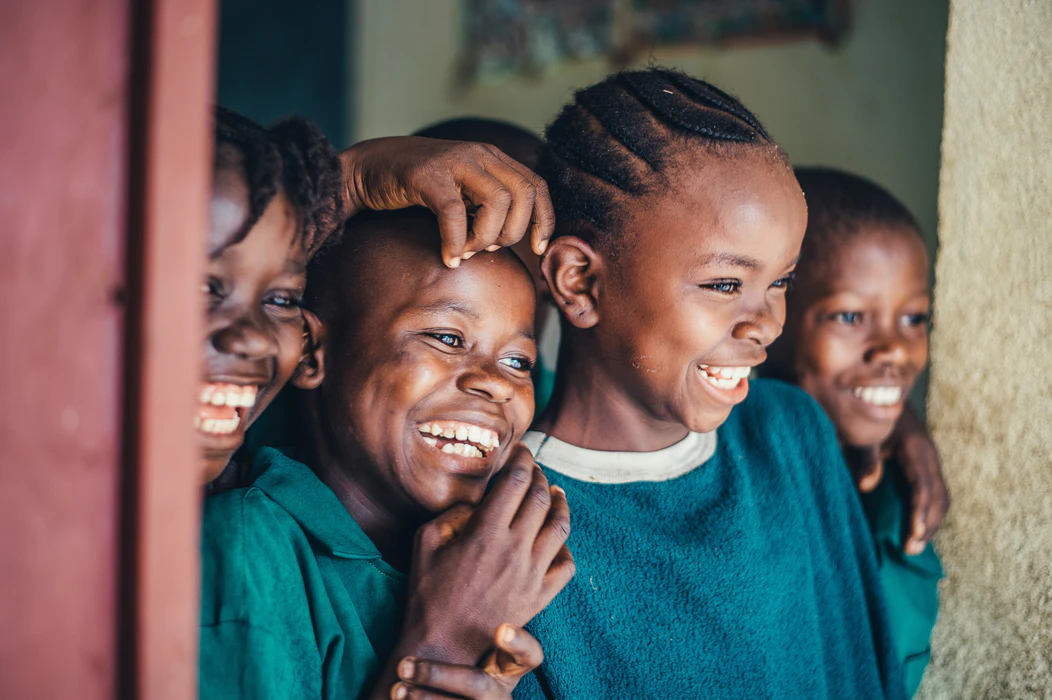
The Truth About Starvation in Africa

starvation in Africa
In East Africa, hunger is a major crisis. In fact, about 20 percent of the entire African population experiences hunger daily. While the claim that African children die from malnutrition every few seconds is a bit exaggerated, the true number of deaths from starvation in Africa is still quite alarming. Here are the causes and facts about the African hunger crises, as well as potential solutions to ebbing them.

The Causes

Hunger and malnutrition are not instantaneous, and there are many factors involved, such as poverty, drought, conflict and governance. Historically, famines and hunger crises from drought or war have plagued Africa’s poor since 1968. More often than not, extreme weather and climates will yield unsuccessful crops, which in turn subtracts from the profit that families can make from farming.

People suffering from poverty often cannot afford to purchase food, both in quality and quantity. Conflict and violence further instigate the food crisis by causing food insecurities and lessening the availability of food imports and incomes. Lastly, insufficient access to food can also be the result of poor governance and policies. Without proper leadership and guidance from governments, conflict and poverty can affect the quality, availability and affordability of food.

The Facts

As aforementioned, 20 percent of the African population—257 million people—suffer from hunger and famine. In the Sub-Saharan alone, 237 million suffer chronic undernourishment. As of June 2019, nearly 60 million children in Africa are underfed despite the continent’s recent economic growth.

Statistically, nine out of 10 African children do not meet the World Health Organization’s criteria for a minimum acceptable diet, and two in five children do not eat meals on a regular or scheduled basis. Children who suffer from such hunger also experience stunted growth and impaired cognitive development.

In truth, this is due to malnutrition, which is different from hunger in that while a child can fill its stomach with food and water, he or she will still suffer from a lack of essential nutrients that do not exist in the food they are eating. This is true for adults in Africa as well. While the number of starving, malnourished Africans is alarmingly high and ranging in the millions, however, the number of deaths from starvation in Africa is surprisingly low at approximately 400,000 deaths per year.

The Solutions

In order to prevent these numbers from increasing, the poor and the malnourished require accessible, affordable, good-quality food, as well as innovations to improve the harvests. In fact, the nonprofit World Vision has been doing so for over 40 years, providing emergency aid and long-term assistance to African communities and families.

In the event of a food crisis, World Vision offers food assistance, including emergency feeding those who are starving and treating malnourished children. It also provides fresh, clean water and sanitation to those in need. For the long term, World Vision offers business training and equipment to families to prepare them for another onslaught of adverse weather and gives families cash to support and provide for themselves.

In other words, with the right assistance, families and communities can avoid another hunger crisis and ebb the number of deaths from starvation in Africa. People either downplay or exaggerate the hunger crisis in Africa. The truth about starvation in Africa needs to come out.

– Yael Litenatsky
Photo: Flickr

November 25, 2019
https://borgenproject.org/wp-content/uploads/borgen-project-logo.svg 0 0 Lynsey Alexander https://borgenproject.org/wp-content/uploads/borgen-project-logo.svg Lynsey Alexander2019-11-25 04:30:032020-01-18 13:03:10The Truth About Starvation in Africa
Global Poverty, Poverty, Poverty Reduction

Mental Health in Ecuador: Ending the Stigma

Mental Health in Ecuador
One of the numerous factors spurred by poverty is mental illness. In many developing countries, those who are mentally ill face ostracization and a lack of support from health care providers. Mental illness may cause substance abuse, which can create further mental issues that prevent those who are ill from seeking assistance. Additionally, people who are mentally ill and abuse drugs in countries or areas where gang activity is common are much more likely to join criminal groups and further exacerbate the prevalence of gang-related violence. Ecuador is no exception to these symptoms. 

Government-funded health care provisions have largely overlooked mental health in Ecuador. Policy regarding mental health does exist, but the provisions are outdated and only 10 percent of the policy’s original content was put into action. Additionally, the policy’s provisions receive no regular public funding, even though much of Ecuador’s health care infrastructure is dependent on public funds. 

The Stigma of Mental Illness

The mental health policies do allow health care institutions to treat those who are mentally ill, however, mental health typically receives less attention than other sectors of health care. The lack of attention towards mentally ill people links back to the social perception of mental illness in Ecuador. People in many developing countries often consider seeking medical assistance for mental issues wrong. People who do not have a mental illness may find it difficult to understand what it is like to live with one. Many ill people do not seek treatment due to stigma and explore alternative methods, such as drugs, to cope with their problems instead. 

Many developing countries have only recently established mental health awareness. In the United States, social stigma still exists to an extent. However, the U.S. has established facilities to adequately treat the mentally ill. That is not the case in many developing countries. In numerous Ecuadorian provinces, people do not treat mental health institutions as primary facilities. Mental health is classified as a primary health care concern under Ecuadorian law, but only 25 percent of the population has access to these services. 

Progress In Mental Health

However, Ecuador is making progress. Rather than focusing on directly funding mental health institutions, the Ecuadorian government is beginning to direct attention to community-based solutions. Trained nurses diagnose mental illness and must make a referral to a primary source of care. Even so, a large portion of the mentally ill in Ecuador does not receive diagnosis or treatment. Groups like McLean Hospital are working to educate Ecuadorians at the university level, as well as at the community level. McLean Hospital believes that the most important step is to educate the public on the truth behind mental illness. Education can drive Ecuador’s perception of mental illness from one of stigma to acceptance and treatment.

Crime in Latin America is a dire issue that pushes millions out of their homes and their countries. By improving the mental health situation in Ecuador, there would likely be a large decrease in gang-related and drug activities. As a direct result, those who are mentally ill would receive adequate treatment and experience a much higher quality of life through the support from their community and health care.

– Graham Gordon
Photo: Wikimedia
November 25, 2019
https://borgenproject.org/wp-content/uploads/borgen-project-logo.svg 0 0 Lynsey Alexander https://borgenproject.org/wp-content/uploads/borgen-project-logo.svg Lynsey Alexander2019-11-25 01:30:002024-05-29 23:13:45Mental Health in Ecuador: Ending the Stigma
Global Poverty

5 Efforts to Improve Health Care In Sierra Leone

Sierra Leone Health Care
Access to quality health care in Sierra Leone has been an ongoing struggle for many people in the country due in part to a history of war and conflict. Poor living conditions also have an impact on the percentage of the population with access to essential, life-saving health care services. Of note, in Sierra Leone, 73 percent of rural citizens live in poverty. Fortunately, both local and international powers are making attempts to change the status quo in order to create a more promising future for Sierra Leoneans. Keep reading to learn more about efforts to improve.

5 Ways Health Care is Improving in Sierra Leone

  1. In September 2017, the Ministry of Health and Sanitation proposed the National Health Sector Strategic Plan. The plan outlines how years after the Ebola outbreak of 2014, the disease still impacts survivors’ daily lives. The Ministry of Health and Sanitation proposes a long-term recovery plan to last until 2021. The proposal states its vision of “A well-functioning national health system that delivers efficient and high-quality healthcare and ultimately contributes to the socio-economic development of the country. This care must be of high quality, accessible, affordable and equitable to all Sierra Leoneans.”
  2. In 2017, the International Organization for Migration began the Strengthening Sierra Leonean National Health Care Capacity through Diaspora Engagement project. This project connects health care professionals in Sierra Leone with residents in rural areas, providing them with free health care assistance. Over 1,000 people living in the Moyamba District benefited from it because it provided surgeries, dental care and examinations to those who needed them. Although the project lasted for only two years, ending in March 2019, a new Mobile Health Clinics campaign began shortly afterward in May 2019 in association with the Sierra Leonean Ministry of Health calling to continue to serve those in need of health care in rural towns.

  3. In March 2019, The United Nations Development Programme distributed 15 vehicles to the Ministry of Health and Sanitation in Freetown, Sierra Leone. Because the country has many roads and other areas that are difficult to travel on foot, the vehicles allow people to deliver health care supplies to those in need more safely and quickly. The United Nations also trained Sierra Leoneanese, including 360 women, in the management of the Health and Sanitation facility. “Health-related issues shouldn’t be restricted to one agency,” said the UNDP’s Resident Coordinator, “there should concerted efforts from all stakeholders. Development starts with healthy people.”

  4. According to the World Health Organization, hand hygiene has served as a major issue within the country. Many people in Sierra Leone do not have access to clean water to wash their hands, which aids in the spread of diseases. In response to this and to support World Hand Hygiene Day each May, Sierra Leone now has handwashing stations near hospitals. WHO has also held events educating locals about the importance of handwashing to keep both individuals and communities disease-free.

  5. In September 2019, Sierra Leone’s government opened Rokupa Hospital in Western Urban District, Freetown, aiming to improve health care services for women and children. An estimated one in 17 women in the country dies due to complications from childbirth and the facility aims to provide women with access to better maternal health care. The hospital has added 4,000 new health care staff and increased the financial investment for health services by 2.1 percent. On top of the Sierra Leoneans government, the U.K. government and the United Nations Population Fund also funded the construction of the new facility.

Sierra Leone may have a long way to go to improve its health care, but its significant progress is impressive. With increased efforts, the country should be able to provide even better care in the future.

– A. O’Shea
Photo: Unspash

November 24, 2019
https://borgenproject.org/wp-content/uploads/borgen-project-logo.svg 0 0 Lynsey Alexander https://borgenproject.org/wp-content/uploads/borgen-project-logo.svg Lynsey Alexander2019-11-24 07:30:492020-01-18 13:04:105 Efforts to Improve Health Care In Sierra Leone
Children, Developing Countries, Development, Education, Global Poverty

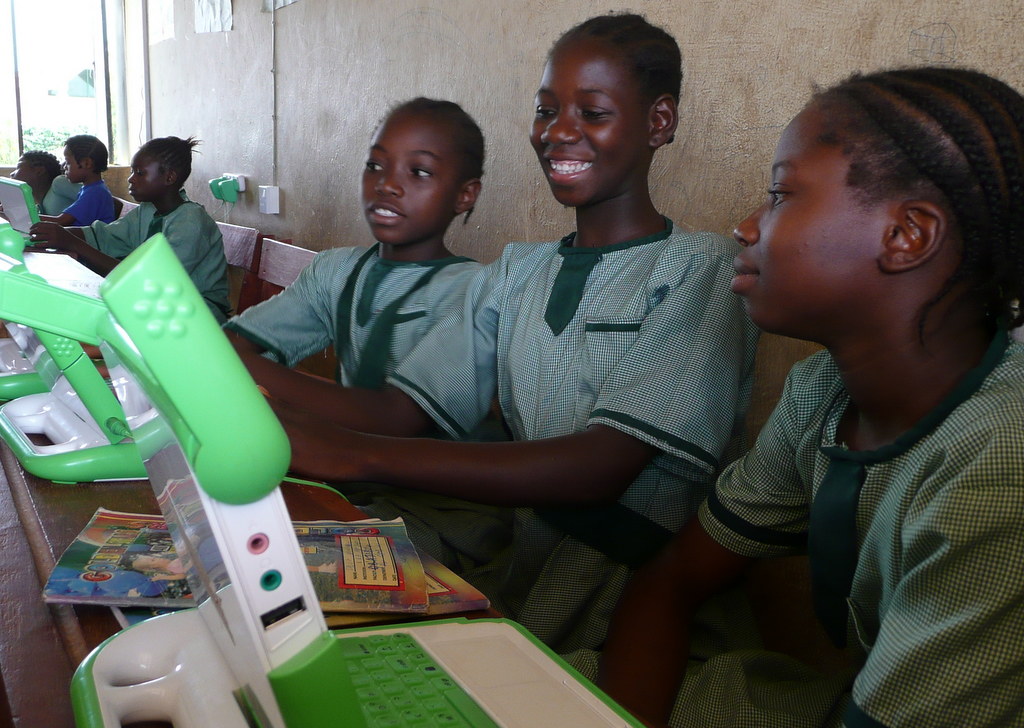
In CodersTrust We Trust: Providing an Education and Life for Those in Need

CodersTrustThe only things a person needs to survive is food, water and shelter, but they won’t thrive. To provide them with an opportunity to thrive starts by giving them access to education. While this seems relatively easy for some, others are not as lucky to have this opportunity. For those who are not as fortunate or not able to access education, putting forth legislation and supporting non-profits and other NGOs that give people this opportunity allow citizens who once had nothing to thrive and become productive members of society able to give back to the community. Organizations such as CodersTrust give people the opportunity for an education they most likely would not receive.

CodersTrust

CodersTrust was founded in 2014 in Denmark with the hope of providing access and marketable skills to children and young people around the world who are considered “underprivileged, disadvantaged and marginalized,” people who do not have access to education or opportunities to thrive in a professional setting. They welcome children and young people from all walks of life including women, those who are disabled or refugees, teaching them both digital skills and soft skills which give them the best chance at finding a job or internship opportunity; for one of the goals of the organization is to train as many people as well as possible. These are the people who have very few options in life, CodersTrust gives them an opportunity they might not have to get an education and be independent. 

Mads Galsgaard, the current CEO of CodersTrust, spoke more candidly about the reason behind the formation of CodersTrust saying, “CodersTrust was founded on the vision to create affordable education and job access to people in developing countries. The founders deeply believe in outsourcing work to talented people abroad and through their past projects, they came across several talented people in Bangladesh, helping them with accounting, etc.”

As of now the organization itself is rather small but is looking to expand. According to Galsgaard, there are three people stationed in Denmark, three people in Kosovo and two people in Kenya. The largest headquarters in Bangladesh with over 50 staffers there. Regarding the future plans for the company, Galsgaard states, “We are scaling up the business and will onboard new staff members in the coming months, to ensure that our online and franchise partners are given the full human interaction that is key for a successful education and job creation.”

CodersTrust was founded with the UN’s Sustainable Development Goals in mind. The Sustainable Development Goals, SDGs, were created in 2016 with the idea that they were created to ensure that all countries will fight to end poverty, fight inequality and address climate change, all while ensuring all people are apart of the conversation and that people globally will benefit from these goals. The SDGs are based on the success of the Millennium Development Goals and address all countries to do their part, not just the wealthier countries. The goals combine the importance of ending poverty and social justice while trying to protect the plant and stop the adverse effects of climate change. There were seventeen rules implemented when the UN created this plan. CodersTrust works to follow rules 1, 4, 5, 8 and 10. These rules are no poverty (1), quality education (4), gender equality (5), decent work and economic growth (8) and reduced inequalities (10). CodersTrust’s dedication to these rules is something Galsgaard is extremely proud of with the organization. 

Opportunities for Women and Young Girls

Coderstrust has also done many projects to assist women and girls in obtaining an education and having a fair shot as well, for one of their main focus groups is women and young girls. They have partnered with other organizations, that too help with offering those in areas where education is not possible, an opportunity for education. When speaking of the impact CodersTrust has had on the battle for gender equity, Galsgaard says, “We have done several projects to focus on young women, in Kosovo with Women in Online Work (WoW) and recently in Bangladesh, where are training 1000 women to become digital freelancers.”

The interesting part of CodersTrust does that differs them from other organizations is that it works to combine education with job experience and job hunting, so people working with CodersTrust are doing both at the same time. They also encourage globalization through the internet by allowing their students and clients to branch out to businesses worldwide. The example they use on their website is “Companies in Bratislava can have their website built in Kenya and students in the Philippines can bid on managing the Social Media Portfolio for the Mountain Bike Shop in White Horse, Canada.” Since the foundation of CodersTrust, 11,525 people have received an education and graduated, 11 countries have been introduced to CodersTrust and 18 different courses have been offered to students. CodersTrust has mainly reached students in the Global South, as well as post-war zones, for education and job opportunities are the worst there. 

With the development of this organization, their goal and plans for the future involve globalization for their education plans, and job searching in order to improve themselves and help more people. With this vision, students will be able to take everything they have learned from their time at this organization and apply it to the job market. When asked if CodersTrust intended on expanding outside of technology and freelancing, Galsgaard said, “Our primary focus is training people in digital skills, but our marketplace could over time also provide a job market for tradespeople, such as carpenters, plumbers, etc. We focus on providing a transparent platform where companies can easily find workers and have a secure payment flow, where both parties can review validated reviews, certificates and other elements to build trust and easy operation.”

Plans For The Future

With the success and the growth of CodersTrust in mind, Galsgaard talks about plans for the organization five years from now and ten years from now and what he would like the see the organization accomplish from there. Galsgaard says, “We wish to have 1 million users by the end of 2020 and 5 million by 2025. If our scale-up goes as we hope and expect, our touchpoints will be both online and offline, to ensure that people all over the world can access our offerings, as long as the student has a laptop/mobile device and a stable internet connection. We also wish to provide certain entry-level education programs for free, to ensure that we also attract people with no or little IT skills and lift them out of poverty.”

Regarding the expansion of the organization and CodersTrust’s vision for the future, Galsgaard states, “Our expansion strategy is based on providing a global footprint reaching even more people, whilst still maintaining the human interaction so each student has direct access to support anytime and anywhere.”

– Sydney Toy
Photo: Flickr

November 24, 2019
https://borgenproject.org/wp-content/uploads/borgen-project-logo.svg 0 0 Lynsey Alexander https://borgenproject.org/wp-content/uploads/borgen-project-logo.svg Lynsey Alexander2019-11-24 07:30:012019-11-29 07:48:00In CodersTrust We Trust: Providing an Education and Life for Those in Need
Economy, Education, Global Poverty, Poverty, Poverty Reduction

Reducing Ghana’s Poverty Rate: 3 Keys to Success

Ghana's Poverty Rate
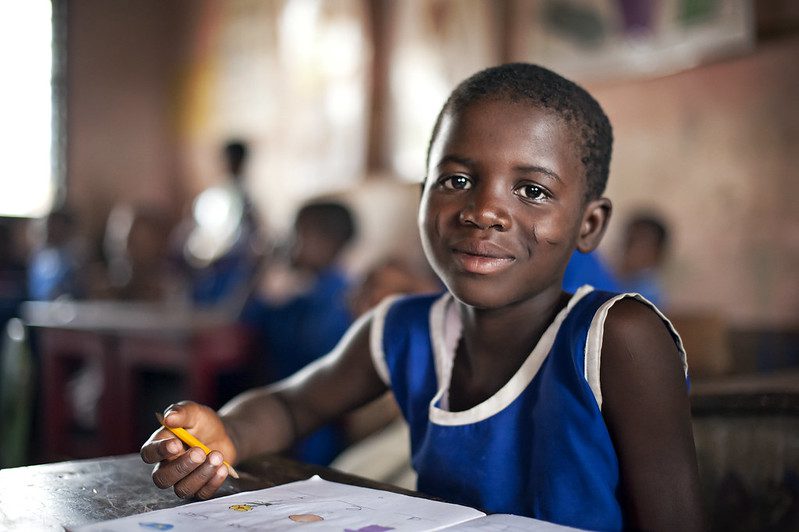
Ghana is a West African country that has made considerable progress in reducing poverty. Ghana’s poverty rate gradually lowered since the 1990’s. Poverty reduced from 52.6 percent in 1991 to 21.4 percent in 2011. Ghana slashed its poverty rate by more than half and became a middle-income country in 2011. The three reasons for this huge reduction are economic growth, diversification and education development.

Poverty Reduction in Ghana: 3 Keys to Success

  1. Economic Growth: Ghana’s 2017 GDP growth rate was about 8.4 percent, which was the seventh-fastest GDP growth rate in the world. The economy is developing quickly, as the country sets a few policy barriers to investment and trade in relation to other African countries in the region. Due to the few barriers, investment in natural resources such as oil and gold are common. Gold alone brings about 48 percent of the country’s revenue and is one of the main reasons for economic growth. Gold production amounted to about 590,000 ounces in 1990 and increased to 4.6 million ounces in 2018. As of 2018, Ghana is number seven in the world for gold production.

    Oil is also an important export but is relatively new. The oil sector is less than 10 years old, yet is growing at a rapid rate. In 2017, more than 500 million barrels were produced from the Sankofa fields. Ghana’s growth averaged about 4 to 5 percent in the 1990’s and has gradually increased over time. Thanks to steady growth, Ghana’s poverty rate was 21 percent in 2012, which is less than half the African average of 43 percent.

  2. Diversification: Oil and gas are two areas that helped diversify the economy and reduce Ghana’s poverty rate by creating jobs and increasing wages for those transitioning out from low-wage occupations and into more lucrative fields. The service industry is 57 percent of GDP and remains the largest sector and another important area in Ghana’s growth. The service sector also employs about 40 percent of the population.

    Agriculture still employs a little more than a quarter of the population, yet the service and manufacturing sectors have steadily grown since 1991. Developing economies are mainly agriculture-dependent economies. As a middle-income country, the amount of the population employed by Ghana’s manufacturing and service sector expresses transitioning into a developed and stable economy. In 2008, employment in agriculture was 52.5 percent and reduced to 33 percent in 2018. Service employment rose from 33 percent in 2008 to 47 percent in 2018. In only 10 years the service sector has grown 14 percent. The industry grew 4 percent during that same time period. Telecommunications and tourism are two services that helped grow the service sector.

  3. Focus on Education: A better educated and trained country leads to more opportunities. The number of people in Ghana’s workforce without education dropped from 41 percent in 1991 to 21 percent in 2012. Almost 90 percent of children attend school, which is a big difference from other African countries. Only 64 percent of Nigerian children attend school. Ghana spends about 8 percent of its budget on education, which is more than the United Nation’s 6 percent benchmark. For reference, the U.K. spends a little more than 6 percent on education. Ghana’s progress in education began with the U.N.’s millennium development goals that the U.N. set in 2000, and it developed at such a fast rate because it pushed for education.

Ghana’s poverty rate slashed in half thanks to education development, diversification and fast economic growth. The economy is still strong despite its 2015 recession. The economically diverse and natural resource-rich Ghana has made tremendous progress in poverty reduction and is projected to continue reducing its poverty rate in the future.

– Lucas Schmidt
Photo: Flickr

November 24, 2019
https://borgenproject.org/wp-content/uploads/borgen-project-logo.svg 0 0 Lynsey Alexander https://borgenproject.org/wp-content/uploads/borgen-project-logo.svg Lynsey Alexander2019-11-24 01:30:182024-05-27 23:58:48Reducing Ghana’s Poverty Rate: 3 Keys to Success
Developing Countries, Development, Education, Global Poverty, Technology

Bringing African Farmers into the Digital Revolution

digital inclusion for African farmersThe spread of mobile technology has granted developing nations access to the digital revolution. This is called digital inclusion. From the digital revolution, we have experienced one of the most innovative new business models, networking. Companies like Facebook and Instagram are involved in social networking. Uber and Lyft specialize in transportation networking. Go-puff, Grubhub, and Door Dash all focus on food delivery networking.

What makes these business models unique to networking is that their products are simply information. Food, cars and people’s personal information, provided by the users themselves, is the secret. Networking companies need only to provide intuitive transfer of this information over the internet.

New companies across Africa are taking advantage of the networking business model. With increased digital inclusion for African farmers, there are new ways for transactions to be streamlined.

Hello Tractor!

The mechanization of agriculture is an important innovation to spread into developing countries. Unfortunately, many farmers in these countries cannot afford to outright buy a tractor and maintain it. Hello Tractor! creates a network between tractor dealers, contractors and farmers that makes mechanization a reliable and affordable investment for all.

Based in Nigeria, Hello Tractor! targets the 36 percent of the Nigerian population that is employed in agriculture. The physical product of Hello Tractor! is a device that attaches to tractors and monitors them, sending GPS and maintenance data to the Hello Tractor! software.

Farmers use the software by downloading a mobile application, to book the dates in which they need tractors. Once contractors send out their tractors, they can use the app to see if the tractors are being used properly. Tractor dealers also have access to the information so that they may perform maintenance when required.

John Deere supplied 10,000 tractors to Nigeria’s Ministry of Agriculture in 2018 and they are all managed by the Hello Tractor! systems. Ultimately, digital inclusion for African farmers can build trust between stakeholders.

Agri-wallet

Selling produce is a more arduous task than many may think. As the market expands, this risky and tedious process only puts more pressure on farmers. Digital inclusion for African farmers can settle this issue.

Between the farmer and the consumer, there exists a distributor. However, unlike how we think of big business deals in America, these distributors can not put down payments on produce. They must take weeks to sell the products to consumers and bring back the returns to the farmers after.

A solution to this problem is in high demand as 70 percent of workers in Kenya are employed in agriculture.

Agri-wallet fits nicely into a niche area between the Kenyan farmers and the market distributers. When farmers sell to their distributors, Agri-wallet pays up-front into the farmers’ banking app. Now, farmers can restock during this intermittent period of sales.

Convenient transactions and loans such as these would not be possible without the growing interconnectivity of mobile technology spreading into Africa.

Now, 4,000 farmers in Africa are benefitting from the services of Agri-wallet.

Farmer’s Pride

According to the Kenya Agricultural Research Institute, 3 quarters of Kenyan farmers have planted fake seeds at least once. Farmer’s Pride is a Kenyan company that will provide infrastructure and safe avenues for e-commerce among farmers and distributors.

A primary focus of Farmer’s Pride is “putting the area on the map” so that village-level farmers are more attached to society as a whole. Extra care for farmers, from digital access to insurance to local access to veterinary care for livestock, is what makes Farmer’s Pride such a promising franchise.

10,000 farmers have been connected through Farmer’s Pride, making an extra $2m income through their intervention.

These secure smartphone apps are promoting e-commerce, intelligent planning and proper resource management. When African farmers are given the opportunity to be included in the digital world, the entrepreneurial and economic prosperity we have enjoyed in America will become open to them.

– Nicholas Pihralla
Photo: Flickr

November 23, 2019
https://borgenproject.org/wp-content/uploads/borgen-project-logo.svg 0 0 Jennifer Philipp https://borgenproject.org/wp-content/uploads/borgen-project-logo.svg Jennifer Philipp2019-11-23 07:30:172019-11-29 08:44:07Bringing African Farmers into the Digital Revolution
Activism, Extreme Poverty, Global Poverty

Poverty and Protests in Hong Kong

Protests in Hong KongIn February 2019, the Hong Kong government proposed new changes to its extradition law that would change the country’s security and judicial laws altogether. The new changes will allow people to be tried in mainland China for crimes committed in Hong Kong. This has caused multiple protests in Hong Kong.

Why People in Hong Kong Are Protesting

The cause of the uproar lies in the inequality between freedoms and liberties for citizens of China versus citizens of Hong Kong. On a late Sunday in March, people in Hong Kong began protesting against changes to Hong Kong’s current extradition law. What began as peaceful protests about 11 weeks ago, turned violent after many protesters clashed with police during one of the largest protests ever held in Hong Kong.

Due to the authorities’ violent response to the protesters, including the use of beanbags, tear gas and rubber bullets, the protests slowly turned into a movement against Hong Kong’s government as a whole. The indefinite suspension of the bill that began the protest movement just sparked more controversy, given that many are speculating that the chief executive, Ms. Lam, does not have the authority to formally withdraw the bill. As many as 2 million people walked the streets to show their displeasure with the government’s response.

As of yet, the protesters have five demands. They want the resignation of current chief executive Carrie Lam and to keep mainland Chinese tourists out of Hong Kong. They also demand the removal of the word “riot” to describe the demonstrations, the release of those that have been arrested during the protests and an investigation into the police and its alleged excessive use of force.

Relation Between Protests and Poverty in Hong Kong

These protests are likely to have detrimental impacts on the poor population. Approximately one in five Hong Kong residents live below the official poverty line. Many receive a monthly income of less than $700. Additionally, monthly rent currently makes up 70 percent of the median household income for half the population in Hong Kong. This further contributes to people’s economic demise while also allowing avenues such as illegal housing markets to open up.

The minimum wage in Hong Kong has not increased in the past several years. To make matters worse, the government began outsourcing jobs in 2002 as a way to downsize and reduce spending. However, the plan led to the development of a poor working class, which now must rely on social programs like the Low-Income Working Family Allowance (LIFA) scheme and the Comprehensive Social Security Assistance (CSSA) scheme. These schemes help families who cannot support themselves solely with their monthly wages.

As the situation further deteriorates in Hong Kong, the government will continue reducing expenditures. This will be more costly for those living below the poverty line as social programs are the first to be cut. The economy will worsen as tourism declines and the effects of the trade war with China fully sink in. In turn, this will leave approximately 1.38 million people without any form of government assistance.

How to Help

For situations like this, it is important to have bills like the Global Fragility Act passed in Congress, since this bill would not only work towards preventing conflict from occurring but it would also address those regions that are more at risk of developing violent conflict.

Protests and poverty in Hong Kong are deeply intertwined. As the government cracks down, the poor will be the first to suffer. That is why it is important to urge Congress to take action and help those who need it the most. By contacting your representative in the Senate and encouraging them to pass the Global Fragility Act, also known as S.727, each person can be a part of the movement that is improving living conditions across the globe.

–Laura Rogers
Photo: Pixabay

November 23, 2019
https://borgenproject.org/wp-content/uploads/borgen-project-logo.svg 0 0 Kim Thelwell https://borgenproject.org/wp-content/uploads/borgen-project-logo.svg Kim Thelwell2019-11-23 07:30:062020-01-18 13:05:33Poverty and Protests in Hong Kong
Activism, Advocacy, Education, Global Poverty

3 NBA Players Shooting to End Poverty

nba players shooting to end poverty

NBA players display their passion and skills on the court. They are recognized for both the number of points they score and shots they block. However, several players display their passions and aspirations off the court through charitable work. They are indeed recognized for both the number of lives they affect and the smiles they paint on the faces of the less fortunate. Here are three NBA players shooting to end poverty.

Buddy Hield

A native Bahamian, Buddy Hield grew up in Freeport, The Bahamas. Excelling in the sport of basketball, the University of Oklahoma recruited him to their team where he became a sensational collegiate player in the United States. His feats in collegiate basketball landed him a spot on the Sacramento Kings basketball team of the NBA. When Hurricane Dorian struck The Bahamas on September 9, 2019, Buddy Hield immediately began sending help.

Threatening the lives of 2,000 people and throwing many more under the poverty line, Hurricane Dorian became the worst hurricane in Bahamian history. Hield raised a significant amount for his birthplace and sent needed supplies. Hield has raised about 300,000 dollars in total through the Buddy Hield Foundation and the Kings organization. He also spearheads the donation cause of food and clothing to his people. He even plans to travel to the Bahamas with his mother to cook for the impacted Bahamians.

LeBron James

LeBron James is an extraordinary man on and off the court. Born in Akron, Ohio, LeBron James showed superstar potential as early as high school. Breaking records and winning the NBA Finals is important to James but so is his charity work. In his hometown of Akron—where the poverty rate is approximately 25 percent—James founded his own public elementary school called the I Promise School. He founded this school to improve the well-being of the Akron population, offering education to the less fortunate to help increase living conditions and decrease the poverty line. The school opened with only grades three and four but hopes to be fully functional by 2022, teaching grades one through eight. Amazingly, the school has shown promising results in which 90 percent of students have reached goals in both math and reading. The LeBron James Family Foundation evens covers all schooling expenses in the school’s family resource center where parents are provided with services from work advice to legal services. All of this is in an attempt to increase the living conditions of James’ beloved Akron community.

Pau Gasol

Two-time NBA champion, Pau Gasol epitomizes an outstanding citizen. Born in Barcelona, Spain, the Memphis Grizzlies drafted Gasol in 2001, where he became the first foreign player to win Rookie of the Year. While balancing his basketball career, Gasol became heavily involved in global issues, ranging from AIDS to obesity.

He has been a UNICEF Spanish Ambassador since 2003, tackling childhood obesity and malnutrition to better the lives of children globally. He aims to see that children live their full potential in eating the proper foods. Around the world, 149 million children below the age of 5 are stunted from the effects of malnutrition, and over 40 million are obese. Since 2003, Gasol has dedicated his time, outside of basketball, to advocate UNICEF’s work in nutrition, education and other humanitarian work by traveling to impact children in Iraq, Lebanon, Chad and other needful countries.

In collaboration with his brother, Mark, the two founded the Gasol Foundation to decrease childhood obesity through physical activity and healthy eating habits. Just recently, Gasol was named the Global Champion for Nutrition and Zero Childhood Obesity by UNICEF.

These three NBA players shooting to end poverty demonstrate excellence on and off the court. Their kind hearts and charitable acts deserve as much recognition as their athletic abilities do. From donating clothes to building schools, these NBA players have indeed shot and scored both on the court and in their communities, global or domestic.

– Colin Crawford
Photo: Unsplash

November 23, 2019
https://borgenproject.org/wp-content/uploads/borgen-project-logo.svg 0 0 Kim Thelwell https://borgenproject.org/wp-content/uploads/borgen-project-logo.svg Kim Thelwell2019-11-23 07:30:032020-01-18 13:06:013 NBA Players Shooting to End Poverty
Child Poverty, Children, Development, Global Poverty

Reducing Child Poverty in Kyrgyzstan 

Child Poverty in Kyrgyzstan 
In 2015, child poverty in Kyrgyzstan was significant with about 32.1 percent of those in poverty being children. Although the number is high, the Central Asian country reduced the child poverty rate from 39.9 percent in 2006. Kyrgyzstan focused its efforts on reducing the overall poverty rate through social programs as the country developed economically after independence in the early 1990s. Despite the overall poverty rate dropping from 40 percent in 2006 to 25 percent in 2017, child poverty remains high. The negative effects of poverty, such as lack of education, clean drinking water and balanced nutrition, lead to a harsh life for children and the families that care for them.

Reasons for Child Poverty

Unemployment of parents is one of the main reasons for child poverty in Kyrgyzstan. The lack of sufficient income affects children in many ways. Health care and education might have to be cut if the parent or parents are in dire circumstances. Having one working parent reduces the risk of child poverty from 53.5 percent to 40 percent. Household size also increases the risk of child poverty. About 42 percent of children in poverty live in houses that contain four or more children. Similar to adult poverty, child poverty is mainly in rural areas. About 78 percent of poor children live in rural regions. Poverty among rural regions varies widely as well. Child poverty is 6.8 percent in Bishkek, 56 percent in Osh Province and 57.1 percent in Jalalabad Province. In these two regions, large families contribute to high poverty. The average household in these two regions has 2.9 children.

Solutions

A social passport system, in use since the early 2000s, is one direct way that Kyrgyzstan is fighting child poverty. The Unified Monthly Benefits includes discounts on heating, gas and hot water charges. In 2002, 92 percent of poor families had social passports.

As part of the Family and Children Support project, Every Child assists the most vulnerable families seeking help. The project included cultivating access and information to health and education services and recalculating social benefits. In 2018, Kyrgyzstan’s National Healthcare Reform Programme reached completion. The results were on par with the Sustainable Development Goals relating to the key indicators for health. Children’s under-five mortality rate reduced from 33 percent in 2000 to 21 percent in 2015.

Ending Child Poverty

Child poverty reduced from 65 percent in 2002 to 32 percent in 2013, yet further assistance by NGOs and the government is needed to bring long-term changes to reduce it in Kyrgyzstan. Rural regions such as Osh Province and Jalalabad Province still have high rates that need addressing. Without sufficient income, families, especially large families, have difficulty providing proper healthcare and education to their children. Unified Monthly Benefits have helped grant families assistance to an array of benefits. Thanks to social programs, child poverty in Kyrgyzstan is being addressed, yet more work needs to occur to completely eliminate child poverty. With further progress, and based on the massive reduction in child poverty from 2002 to 2013, the country could end child poverty within the next 10 years.

– Lucas Schmidt
Photo: Flickr

November 23, 2019
https://borgenproject.org/wp-content/uploads/borgen-project-logo.svg 0 0 Lynsey Alexander https://borgenproject.org/wp-content/uploads/borgen-project-logo.svg Lynsey Alexander2019-11-23 07:02:302024-06-06 00:32:49Reducing Child Poverty in Kyrgyzstan 
Global Poverty

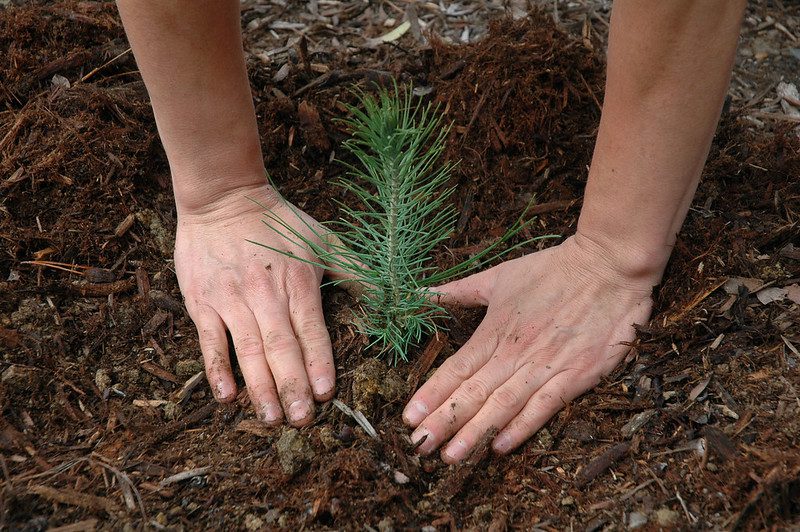
The Economic Benefits of Planting Trees

Economic benefits of planting trees

Forest sustainability programs are vastly underrated environmental boosters of today despite the clear economic benefits of planting trees. Their influence has been overlooked in favor of expensive experimental air cleansing tactics while forests are being destroyed around the world. Though most of their impact is found in cost reduction in areas like air purification and pollution initiatives, they also provide millions of jobs worldwide.

Natural Air Purification

Not only are trees cost-effective but they are also reliable air purifiers. One of the many benefits of planting trees is that they take in CO2 from the air and turn out oxygen. At the same time, they act as filters for particulates. As the particulate laden air moves through the trees, dust particles are caught on leaves and then are subsequently washed away with the rain. It was estimated that trees cleared 17.4 million tonnes of air pollution annually in the U.S. alone. The benefits on human health were valued at $6.8 billion.

Providing a cleaner atmosphere lowers the risk of airborne illnesses and at a much lower cost. Trees can provide relief for acute respiratory symptoms and asthma for almost one million people. Cities could save millions in healthcare costs and create a visually appealing cityscape by planting trees. Beautiful landscapes also boost mental health and civic morale.

Planting Trees Creates Jobs

Trees bring industry. Trees require a different amount of care in cities than they do in a national forest. Cities require people in order to water and prune the trees. Furthermore, specialists are needed to plan and optimize tree placement. Different cities and various parts of a city will require different numbers and types of trees. This creates jobs for urban planners, ecologists and arborists. These jobs are sustainable and essential to the success of an urban forest’s impact on pollution reduction and health promotion.

Through conscious management, a balance can be struck between conservation of forests and the industry they can provide (i.e., lumber). The lumber industry provides work for 13.2 million people worldwide. However, many of those jobs are primarily in deforestation. By bringing trees into the urbanscape, cities create more job opportunities and economic growth.

Lumber is an industry that will continue to grow as we see countries develop and urbanize. However, at the moment, the industry is causing harm by stripping the world of forests. We are sadly seeing our rainforests dwindle. Through enhancing forest management practices, investing in fire and pest management and developing intense monitoring systems, the economic benefits of planting trees can be brought to its full potential. An industry can be built, giving as much as it takes and ending the destruction of habitats, species and the climate.

Current Environmental Efforts

Slowly, countries are taking advantage of the clear economic benefits of planting trees. In fact, we are beginning to see forest and lumber sustainability programs developing in some parts of the world. The EU initiated the European Neighborhood and Partnership Instrument, Forest Law Enforcement and Governance (ENPI-FLEG) in seven eastern European countries. The program helped these countries improve forest management and sustainability.

Mexico has developed multiple community forestry enterprises that work to renew what it takes from its forests. The National Reforestation Program and Commercial Plantations Program are working to plant trees throughout the country. Even in America, we see states like Georgia striking a balance between taking from and giving back to its forests through their forest management programs.

Lumber is an essential global industry. However, reforestation, conscious conservation and land management are necessary to keep this precious resource from being lost. Hopefully, more countries and cities will begin to understand the benefits of planting trees and to step up to support the world’s forests and protect their futures.

– Emma Hodge
Photo: Flickr

November 23, 2019
https://borgenproject.org/wp-content/uploads/borgen-project-logo.svg 0 0 Lynsey Alexander https://borgenproject.org/wp-content/uploads/borgen-project-logo.svg Lynsey Alexander2019-11-23 01:30:282020-01-18 13:06:43The Economic Benefits of Planting Trees
Page 1180 of 2180«‹11781179118011811182›»

Get Smarter

  • Global Poverty 101
  • Global Poverty… The Good News
  • Global Poverty & U.S. Jobs
  • Global Poverty and National Security
  • Innovative Solutions to Poverty
  • Global Poverty & Aid FAQ’s
Search Search

Take Action

  • Call Congress
  • Email Congress
  • Donate
  • 30 Ways to Help
  • Volunteer Ops
  • Internships
  • Courses & Certificates
  • The Podcast
Borgen Project

“The Borgen Project is an incredible nonprofit organization that is addressing poverty and hunger and working towards ending them.”

-The Huffington Post

Inside The Borgen Project

  • Contact
  • About
  • Financials
  • President
  • Board of Directors
  • Board of Advisors

International Links

  • UK Email Parliament
  • UK Donate
  • Canada Email Parliament

Get Smarter

  • Global Poverty 101
  • Global Poverty… The Good News
  • Global Poverty & U.S. Jobs
  • Global Poverty and National Security
  • Innovative Solutions to Poverty
  • Global Poverty & Aid FAQ’s

Ways to Help

  • Call Congress
  • Email Congress
  • Donate
  • 30 Ways to Help
  • Volunteer Ops
  • Internships
  • Courses & Certificates
  • The Podcast
Scroll to top Scroll to top Scroll to top