• Link to X
  • Link to Facebook
  • Link to Instagram
  • Link to TikTok
  • Link to Youtube
  • About
    • About Us
      • President
      • Board of Directors
      • Board of Advisors
      • Financials
      • Our Methodology
      • Success Tracker
      • Contact
  • Act Now
    • 30 Ways to Help
      • Email Congress
      • Call Congress
      • Volunteer
      • Courses & Certificates
      • Be a Donor
    • Internships
      • In-Office Internships
      • Remote Internships
    • Legislation
      • Politics 101
  • The Blog
  • The Podcast
  • Magazine
  • Donate
  • Click to open the search input field Click to open the search input field Search
  • Menu Menu

Archive for category: Foreign Policy

Information and news about foreign policy

Foreign Aid, Foreign Policy

The New US Africa Strategy

New U.S. Africa Strategy
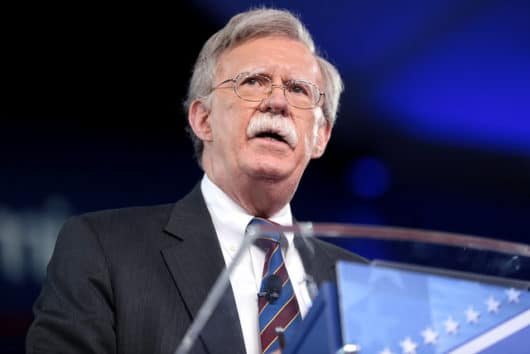
The National Security Advisor for the Trump Administration, John Bolton, unveiled the new strategy for the U.S. aid and investment in Africa in a speech at the Heritage Foundation in Washington D.C. During the speech, Bolton outlined what the new U.S. Africa strategy will look like. It has three main focuses: advancing U.S. trade and commercial ties, countering Islamic terrorism and making sure that U.S. dollars are used efficiently and effectively. In the text below, the three main objectives of the new U.S. Africa Strategy are presented.

Advancing US Trade and Commercial Ties

Bolton stated in his speech that the United States plans on providing assistance to “key countries” and strategic objectives, with U.S. economic interests at the forefront of any aid given, unlike previous administrations, whose objectives in providing aid were focused on sustainable growth for African countries. In order to achieve this goal, the U.S. plans on enacting a new initiative called “Prosper Africa.” This initiative will focus on growing the African middle class, improving the business climate in the region, and supporting U.S. investments. No details on how the initiative will be implemented were given.

Countering Islamic Terrorism

The second objective of the new U.S. Africa strategy is to counter Islamic terrorism in Africa. Bolton highlighted three nations specifically: Mali, Libya and Sudan, where Al-Qaeda and ISIS affiliates have taken hold. Rather than giving money or aid directly to fighting the radical groups that have taken hold in these and other nations in Africa, the new plan will focus on strengthening the economies of African nations. This will allow African nations to be more self-sufficient and will make them better prepared to address a range of security threats, including terrorism.

The goal of the Trump administration in the new U.S. Africa strategy is to help African nations become more self-sufficient and better able to take ownership of the security of the region. This strategy is closely aligned with the Department of Defense’s plans to reduce troop presence in Africa by 10 percent.

Efficient and Effective

In his speech, Bolton stated that the new U.S. Africa strategy will revisit the foundational principles of the Marshall Plan. Enacted in 1948 after World War II, The Marshall Plan was an American initiative to give aid to and help rebuild Western Europe. It legitimized U.S. foreign aid programs and opened markets for American goods. One way in which the Trump administration plans on making sure U.S. dollars are being used effectively and sticking to the principles of the Marshall Plan is by bypassing the United Nations. Coincidentally, the government will also reevaluate its support of U.N. peacekeeping missions.

What this Means for Africa

The economic focus of the new strategy has the potential to improve conditions in Africa. Under the new U.S. Africa strategy, United States aid must be invested in health and education, transparent governance and follow the rule of law. If these tenets are followed, the strategy may help African nations to become more self-sufficient and therefore better equipped to handle their own security issues.

Unfortunately, Bolton provided few details as to how the government plans on making sure the tenets are upheld. More information and examples of how the U.S. Africa strategy is to be enacted are needed to know if the new Africa strategy will be beneficial to all African nations.

– Peter Zimmerman
Photo: Google
January 21, 2019
https://borgenproject.org/wp-content/uploads/borgen-project-logo.svg 0 0 Kim Thelwell https://borgenproject.org/wp-content/uploads/borgen-project-logo.svg Kim Thelwell2019-01-21 19:30:012024-05-29 22:58:07The New US Africa Strategy
Foreign Policy, Global Poverty

Progress in US Foreign Policy in 2018

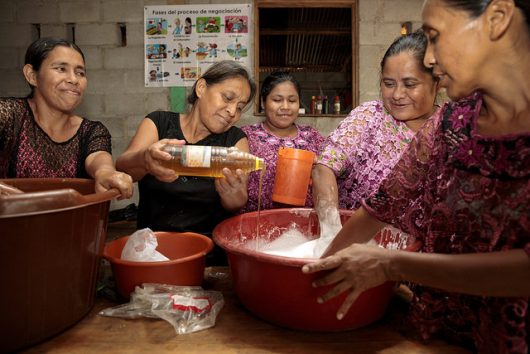
Progress in U.S. Foreign PolicyRecent months have seen several instances of progress in U.S. foreign policy, specifically in terms of foreign aid initiatives. In the span of little over a month, from mid-June to late-July, four such initiatives have come one step closer to making it through Congress. These initiatives are described in the text below.
Global Food Security Reauthorization Act

On June 19, 2018, the Global Food Security Reauthorization Act of 2018 passed in the Senate, and is currently under consideration by the House of Representatives. If passed, the bill will renew the Global Food Security Act of 2016, allowing for continued U.S. assistance in efforts to eradicate chronic hunger and poverty in developing nations.

In 2017, the Food and Agriculture Organization of the United Nations (FAO) cited the number of people suffering from chronic hunger at 815 million, which is 10 million more than when the initial legislation was drafted. Of this number, 489 million people were living in areas experiencing conflict.

U.S. foreign assistance seeks to install agricultural development programs in target countries that will use innovative science and technology to make the most of agricultural resources. In fostering food security and economic growth, increased productivity in agriculture will alleviate both hunger and poverty, in addition to stabilizing populations that are especially vulnerable to conflict and environmental hardship. The stabilization of these countries ultimately bolsters U.S. national security.

Women’s Entrepreneurship and Economic Empowerment Act

The House of Representatives passed the Women’s Entrepreneurship and Economic Empowerment Act of 2018 on July 17, 2018. It is now under review by the Senate Foreign Relations Committee.

Globally, discrimination impedes women’s financial success in a number of ways:

  • Lower wages mean smaller incomes.
  • Laws and practices in some countries keep women from their rightful ownership of assets, as in the case of inheritance.
  • Gender-specific constraints have left over 1 billion women worldwide out of the formal financial system, depriving them of opportunities such as access to credit.

These factors all contribute to the reality that women comprise the majority of the world’s poor, rendering them more susceptible to violence, exploitation and poor health.

If this bill is implemented, the United States Agency for International Development (USAID) will work with countries to develop standards for gender equality and reduce gender violence. The agency will also support programs that establish and ensure equal rights to ownership and equal economic inclusion.

In 2016, the McKinsey Global Institute estimated that women’s equal participation in economic activity would add $28 trillion to the global GDP by 2025.

Better Utilization of Investments Leading to Development (BUILD) Act

July 17, 2018, saw another instance of progress in U.S. foreign policy with the House of Representatives also passing the BUILD Act. The bill has gotten through the Senate Foreign Relations Committee and is under further consideration by the Senate.

The BUILD Act would combine the Overseas Private Investment Corporation (OPIC) with certain functions of USAID, creating the United States International Development Finance Corporation (USIDFC) to replace OPIC.

Through loans, investments and partnerships with American businesses, the USIDFC would encourage and facilitate the investment of American private sector resources in developing nations. In financing business endeavors in these countries, the bill serves to create jobs, thereby stimulating their economies. This economic stimulation would make developing countries capable to afford infrastructure development projects.

The ultimate aim of the BUILD Act is to reduce the need for U.S. foreign aid by catalyzing modern development and bringing relations closer to an equal partnership. Congress expects that the USIDFC will go beyond self-sufficiency to bring in revenue to the U.S. Treasury.

Protecting Girls’ Access to Education in Vulnerable Settings Act

The Protecting Girls’ Access to Education in Vulnerable Settings Act made it through the House of Representatives on Oct. 3, 2017.  On July 26, 2018, the Senate Foreign Relations Committee finally passed the bill along to the Senate for consideration.

As of June 2018, disaster and conflict have displaced upward of 68 million people, out of whom 25 million are refugees. Over half of the refugee population are children, and almost four million of these children lack access to primary education. The average length of displacement is 26 years, meaning that the affected children are at risk of never receiving an education. And yet, as of 2016, under 2 percent of all foreign aid has gone toward ensuring education for children in need.

If enacted into law, the bill will mandate the U.S. to work with other countries in making education accessible to all displaced children. By educating children, countries combat poverty, exploitation and extremism, which thrives in areas of hardship. As its name suggests, the legislation would give special priority to girls, who are both economically disadvantaged and more vulnerable to sexual exploitation, human trafficking and child marriage.

Benefits of US Foreign Policy

Although these initiatives are designed to directly impact nations in need, each of them would also have an indirect positive impact in the U.S. and around the world.

Whether helping to stimulate the global economy, improving overall global health or ensuring that human rights that are upheld around the world, global interdependence means that progress in U.S. foreign policy could lead to progress around the globe.

The recent steps that Congress has taken to approve the foreign aid legislation cited above have brought hopes for this goal of becoming reality.

One simple way to find out more about these and similar issues is the direct contact with the Congress, which is easily possible through The Borgen Project, more specifically, through this link.

– Ashley Wagner
Photo: Flickr

October 26, 2018
https://borgenproject.org/wp-content/uploads/borgen-project-logo.svg 0 0 Borgen Project https://borgenproject.org/wp-content/uploads/borgen-project-logo.svg Borgen Project2018-10-26 01:30:032024-05-29 22:53:17Progress in US Foreign Policy in 2018
Foreign Policy, Global Poverty, Sustainable Development Goals

How Japan’s Foreign Policy Solves Global Poverty Problems

Japan’s foreign policy
Japan has an advanced transportation system, outstanding outcomes in the field of technology research and a matured business development model. As the world’s third-largest economy, Japan has been expanding its foreign policies to aid developing countries and boosts the global economy.

From Japan’s international cooperation on Pandemic Influenza to NERICA (New Rice For Africa), Japan plays an essential role in solving urgent and consistent poverty issues. Its foreign policies promote the progress of eliminating poverty worldwide. There are three cases of how Japan’s foreign policy solves global poverty problems.

Examples of Japan’s Foreign Policy

  1. NERICA: Food shortage is a continuous problem in Africa. The main reason is low production field. NERICA stands for New Rice for Africa. The Japanese government cooperated with the Africa Rice Center to introduce this program in 1992. This program is applied extensively in sub-Saharan Africa (SSA).The Africa Rice Center cooperated with its partners to produce interspecific hybridization, which can combine advantages of two species to increase the yield of rice. In the meantime, the interspecific grains have better ability to tolerate drought, pest and disease. These grains have higher nutrition as well. Japan has adopted various plans to apply different irrigated rice production technology in Tanzania since the 1970s, which has boosted the yield of rice to three times larger than the national average.In 2014, the total production of milled rice in Uganda was 154,050 metric tonnes, but the consumption rate was 215,707 metric tonnes. NERICA plays a vital role to ameliorate the Ugandan food shortage problem by increasing rice varieties. Most farmers are planting NERICA rice because its mature time is shorter, the yield is higher and it is more tolerant to drought and viruses. For example, NERICA 6 is immune to Yellow Mortal Virus and NERICA 1 only takes 100 days to mature.NERICA is a typical example of how Japan’s foreign policy solves global poverty problems. It ameliorates African food shortage problems efficiently and provides an alternative way for people in SSA to access higher-nutrition and larger-yielding grains.
  2. STI: In September 2015, the U.N. Sustainable Development Summit adopted the 2030 Agenda for Sustainable Development. The 2030 Agenda lists 17 goals to eliminate global poverty issues in sustainable ways. Japan continuously contributes itself to achieve the 2030 Agenda.Japan has abundant human resources and advanced technology. It can help reach the agenda through STI, which stands for science, technology and innovation. STI can contribute to boosting development by using limited sources.Japan will contribute its extensive database, which covers from the ocean up to space, to facilitate the efficiency of international cooperation. In addition, Japan will facilitate people-centered development by offering consistent assistance in areas of information and communications technology, research and development, industrial human resources development and vocational training.In 2015, the Council for Science, Technology and Innovation was established to solve social issues and boost economic growth. The Japanese government will spend $1.8 billion on STI in the next three years mainly on high technology development which has international benefits.For example, outbreak alert innovation can reinforce surveillance of infectious diseases, and mobile innovation can facilitate the urban transportation system by using wireless communication for extension of green light. STI acts as a “bridging force” to connect Japan with the globe by assisting technology training processes and sharing developing STI experiences.
  3. Infrastructure Aid: Japan has consistently been sharing its sources on infrastructure building with other countries. For example, in September 2017, Mumbai-Ahmedabad High-Speed Rail was launched when Japanese Prime Minister Shinzo Abe visited India. This high-speed railway corridor stretches from Ahmedabad to Mumbai, which is a total of 508.17 km.This project is the symbol of cooperation between Japan and India. Japanese Prime Minister Shinzo Abe offered $12 billion in loans to build India’s first bullet train. In the meantime, the Japanese government agreed to bear 80 percent of the total project cost when Prime Minister Abe visited India in September of 2017. Assisting in building infrastructure is another way Japan’s foreign policy solves global poverty problems.

Overall, Japan’s foreign policy helps solve global poverty by sharing resources and advanced technology. For Latin America, Japan will promote its development by improving trade and investment to create a more comprehensive environment for economic growth. For the Middle East, Japan works on overcoming peace-building and human resources development, as well as a sustainable and stable energy supply. Japan’s foreign policy solves global poverty problems through science, technology and innovation.

– Judy Lu
Photo: Flickr

May 29, 2018
https://borgenproject.org/wp-content/uploads/borgen-project-logo.svg 0 0 Borgen Project https://borgenproject.org/wp-content/uploads/borgen-project-logo.svg Borgen Project2018-05-29 07:30:472024-05-29 22:42:21How Japan’s Foreign Policy Solves Global Poverty Problems
Economy, Foreign Policy, Foreign Relations, Global Poverty

The Global Economy Is on the Rise

global economy is on the risePeople around the globe experienced the mania of the Dow Jones’ historic low in February 2018. Some traders even questioned if this was a sign of a global stock market crash. But as the U.S. stock market recovers from its volatile hijinks, global trade as a whole is rising, and rapidly. This rapid rise has many economists optimistic that the global economy is on the rise as well.
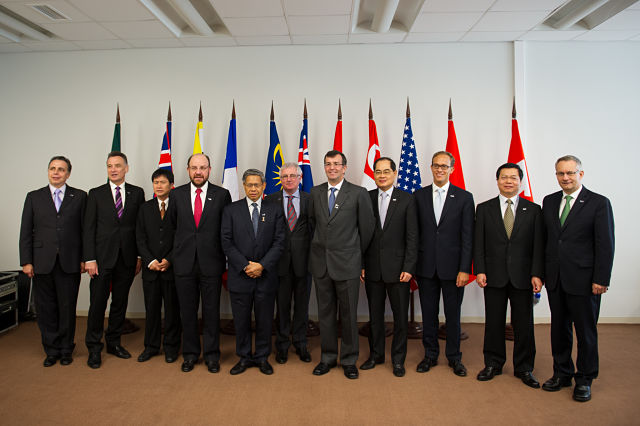
The global economy is driven by trade. As international trade rises, so do technological developments as nations tear down trade barriers. According to a report by the CPB Netherlands Bureau for Economics Policy Analysis, the volume of imports and exports grew by 4.5 percent in 2017. To gain perspective, this is a significant spike from a stagnant 1.5 percent rate of growth the previous year, which was the lowest since the global financial crisis in 2007-2008.

Globalization a Reason Why the Global Economy Is on the Rise

The world is changing. Globalization moves the market, just as we move through our interconnected culture of technology, digital communications and transportation. As markets evolve, global poverty is decreasing, while the global economy is on the rise.

Old business practices are being phased out, technology is replacing hard labor and workers are rising to higher levels of efficiency. Automation is shifting the way goods and services are distributed, easing mass production.

Nations have outsourced businesses to developing nations, partly to reduce wage costs. Yet, business process outsourcing provides an oasis of income for people in developing countries such as India, the Philippines and Malaysia. In many places, this opportunity to earn a living would not be possible without outsourcing.

As technology advances, the market shifts and standards of living rise across the globe. Developing countries who have broken trade barriers have developed competitive advantages in the production of certain products. Ukraine, for example, is known as the breadbasket for its richness in wheat and farmland. Venezuela is known for its vast oil supply and China’s factories are known for producing more than half of the world’s clothing.

Tariff Reduction Has a History of Success in Developing Countries

History reveals that nations who open their economies to trade with the global economy experience faster growth and poverty reduction. During the past 30 years, global poverty has been cut in half. Studies show that developing countries that lowered tariffs in the 1980s experienced quicker economic growth in the 1990s compared to those that did not. Tariffs, or taxes on imports and exports between sovereign states, are often viewed as barriers affecting the global economy.

Developing nations have tariffs that are three to four times higher than industrial countries, and they are even higher on agriculture. Average tariff protection in agriculture is about nine times higher than in manufacturing. This can undermine a developing country’s agricultural sector and exports by depressing world prices.

The outlook for the global economy depends on these countries tearing down trade barriers. Yet, political decisions in developed countries are affected by trade barriers as well. In Venezuela’s case, the U.S. has imposed investor-related sanctions on Venezuelan oil to pressure its government to address its humanitarian crisis of inflation and starvation. According to Reuters, U.S. officials are not ruling out a complete ban on Venezuelan oil in order to send a strong message to its dictator, Nicolás Maduro.

Trade Wars Are Common and May Not Affect Global Trend

China’s trade practices have also affected U.S. trade on a political level. Elon Musk, the CEO of Tesla, recently called on U.S. President Trump for equal and fair rules for cars, citing China’s pressure on foreign businesses to partner with Chinese carmakers before manufacturing in China. Musk noted China’s 25 percent import duty on cars compared to America’s 2.5 percent duty. President Trump proposed a sweeping tariff on steel and aluminum on March 8, 2018, which characterizes the trade wars.

Skeptics believe this political decision could take the global economy down the rabbit hole. Others are bracing for a global crash for different reasons. “I still believe that we’ll face a financial crisis within the next two years if we don’t solve the debt problems,” said Bjorn Ritschewald, a civil engineer with the government Road and Traffic office in Bremen, Germany, a city popular for its maritime trade. “Almost every country spends more than its income. Actually, I don’t know any country that spends less than what it takes in.”

“Waves in trade flow are common, but it depends on the goods,” Ritschewald told The Borgen Project. “You can’t just look at the financial numbers. You also have to look at the real amount of goods and which kind of goods are being sold.” World markets experienced the rippling effects of the Dow Jones’ plunge. The plunge is characterized as market correction, a phenomenon where unusual market success sparks panicked selling, driving market drops across the globe.

On the other hand, many economists believe that the global economy is on the rise. Their confidence stems from positive trade initiatives such as the Trans-Pacific Partnership, a free trade agreement set to be signed by 11 countries in March. The trade wars and other trade barriers are pitfalls that affect the global economy. However, with trade growth booming, there is much optimism in the air about a healthy global economy in the future.

– Alex Galante

Photo: Google

March 24, 2018
https://borgenproject.org/wp-content/uploads/borgen-project-logo.svg 0 0 Borgen Project https://borgenproject.org/wp-content/uploads/borgen-project-logo.svg Borgen Project2018-03-24 01:30:352024-12-13 17:58:39The Global Economy Is on the Rise
Foreign Policy, Foreign Relations

The Growing Importance of US-Israel Relations Today

The Growing Importance of US-Israel Relations Today
The relationship between the United States and Israel is one of political, economic and historical significance. Over the years and with changes in economic objectives and priorities, the mutual diplomatic relationship of goodwill between the two nations has provided both countries with essential benefits in economic growth and development.

The Origins of U.S.-Israel Relations

Historically, the growth of U.S.-Israel relations can be traced back to the inception of Israel shortly after the World War II. Since May 14th 1948, the United States has played a vital role in providing aid, advice, resources and assistance to Israel. Between the years 1976-2004, Israel became the largest recipient of of U.S. foreign aid. The Arab-Israeli Wars through the course of the 20th century tested the strength of the staunch diplomatic ties between both nations.

U.S.-Israel relations have helped redefine ties with other Arab nations as well. The U.S. commitment to foreign aid such as humanitarian assistance already plays a key role in international conflicts. In recent years in particular, the United States has continued to play an active role in political discourse in the Middle East and is a vital part of peaceful solutions to crises.

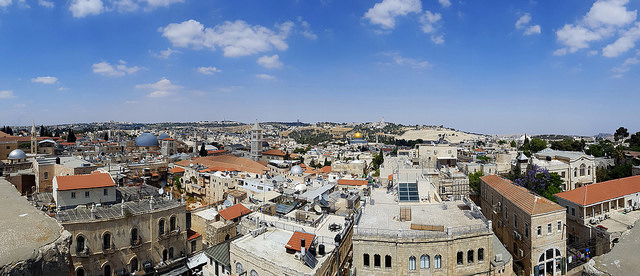
The Trump Administration is now redefining the steadfast U.S.-Israel relations. In a controversial move, President Trump began recognizing Jerusalem as the capital of Israel. Also, with a concrete two-state solution still not on the table, U.S.-Israel relations continue to be challenged.

The Startup Nation

Imbibing the strength of the relationship is vital due to the potential impacts the connection can have on the future. Israel has already contributed to U.S. defense, trade and commerce in numerous ways over the years. In turn, given the potential of Israel’s young and growing population and rich natural resources and assets, U.S. businesses hope to tap into this advantage to expand into new product and labor markets.

Moreover, Israel now already boasts a high annual economic growth which reached a peak at 4.7 percent in January 2017. Since 2003, poverty and income inequality rates in Israel have also largely declined. As Israel remains one of the world’s most advanced economies, it is commonly referred to globally as the ‘Startup Nation.’

Yet, at the same time, according to an estimate made in the year 2012, nearly 19.4 percent of families in Israel still live below the poverty line. Consequently, 1 in 5 Israelis are presumed to be affected by poverty prevalent in the country.

Trade

In the realm of trade, Israel’s trade to the United States is essential as the number of dollars created by exports from Israel create the highest number of U.S. jobs among its free-trading partners. For Israel, the United States remains a vital free- trading partner as it provides the country with an outlet for goods and services.

Furthermore, investment between the U.S. and Israel not only pumps in more Foreign Direct Investment (FDI), but it also plays a significant role in bringing in more American jobs. Investments are now expanding in key aspects like science and technology, agriculture and healthcare; Israeli innovations continually contribute to higher levels of efficiency and productivity as well.

Growth and Future Achievement

In recent years, clean energy, technology and environmental solutions have grown to become priorities of international discourse; in fact, according to a report by the Washington Institute, innovation in Israel is currently focused on addressing water and food security issues globally. U.S.-Israel collaborations in research and development programs are particularly notable for its advancements and contributions to the financial strength of both countries.

To conclude, U.S.-Israel relations continue to be an important source of economic, potential and financial support to both countries — a partnership that continues to grow with time. This varied connection between the two countries will have greater implications in the future, and should also provide a good buffer against shocks in the world economy.

– Shivani Ekkanath

Photo: Flickr

March 18, 2018
https://borgenproject.org/wp-content/uploads/borgen-project-logo.svg 0 0 Borgen Project https://borgenproject.org/wp-content/uploads/borgen-project-logo.svg Borgen Project2018-03-18 01:30:102019-11-21 14:26:18The Growing Importance of US-Israel Relations Today
Foreign Policy, Global Poverty

US Foreign Policy and the Crisis in the Democratic Republic of Congo

crisis in the Democratic Republic of Congo
The United States has a longstanding relationship with the Democratic Republic of Congo (DRC) that dates back to 1960. The current foreign policy consists of environmental protection and healthcare solutions for Congolese people, but recently, the U.S. has held more interest in the DRC because of its ongoing political and humanitarian turmoil. Members of Congress have urged Presidents Trump and Kabila to address the crisis in the Democratic Republic for the following reasons:

Terrorism

Although the U.N. has sent thousands of peacekeepers, the crisis in the Democratic Republic of Congo continues through terrorism. Several armed terrorist groups have been exploiting the DRC for its natural resources, which displaces and abuses Congolese people — an issue that has continued since mid-1990.

These armed militia groups use funds from illegally extracting minerals to take over weakly governed sections of the nation and terrorize its citizens; the DRC has an estimated $24 trillion worth of unmined resources.

Politics

Political instability has added more tension in the DRC when President Joseph Kabila postponed the 2016 election and continued as president after his term ended. President Kabila has stated the need for “political dialogue,” yet the police force in DRC have discouraged protesting, political expression and political gatherings.

Protesters have experienced extreme action against them by DRC police including the 2015 tear gassing of student protesters and the mass murder of over 40 protesters in January 2016.  The following September, the opposing political headquarters was burned down and an additional 44 protesters were killed.

Congolese Citizens

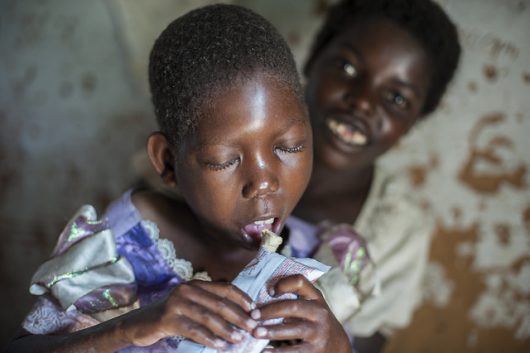
The crisis in the Democratic Republic of Congo has caused Congolese citizens to suffer from extreme poverty, murder and sexual violence because of the ongoing terrorism and political instability. The lack of governance has created an environment in which radical groups are able to freely commit these acts against Congolese people.

On top of the ongoing crimes against DRC citizens, the U.N. and African Union have not promoted sustainable development within the nation.

And add fuel to the issues of development, disease, malnutrition, lack of education and poverty that the Congolese people face every day; many multinational companies have withdrawn their business of buying minerals from the DRC, which in turn has caused multiple job losses and contributed to the nation’s ongoing poverty issue.

U.S. Action

Democratic Senators Cory Booker (NJ), Benjamin Cardin (MD), Richard Durbin (IL), Christopher Coons (DE), Elizabeth Warren (MA), Edward Markey (MA), and Sherrod Brown (OH) have urged President Donald Trump to address the crises going on in the DRC.

In a letter to the U.S. President, the six senators urged Trump to improve the implementation of the Coal Minerals Rule, enacting stronger sanctions and nominating key senior State Department posts, all to help resolve the conflict within the nation.

These U.S. Senators addressed the ongoing political and humanitarian crisis as “increasingly worrisome” and requested action if the DRC government refuses to comply.

President Kabila also received a letter from concerned U.S. Senators from both parties, which requested and encouraged the DRC leader to allow peaceful protests and political gatherings, to release the political prisoners who are being held, and respect freedom of the press. The letter stated:


“If the [DRC] government continues to refuse to implement the spirit and letter of the [December 31st agreement between the Presidential Majority and a coalition of political opposition parties], the U.S. should use the means at our disposal—including sanctions designations under Executive Order 13671 on DRC, anti-money-laundering regulations, and additional tools available under the Global Magnitsky Act—to affect the incentives of individuals who have strong influence over President Kabila to incentivize them to urge him to change course.”

Crisis in the Democratic Republic of Congo

The U.S. has consistently held a relationship with the DRC, with foreign policies that focus on developing the nation and promoting democracy.

Because of the ongoing crisis in the Democratic Republic of Congo, the United States has goals to encourage development, and USAID has invested in the DRC to promote the following: implementing mandates, the improvement of Congolese livelihood by regional developments, and root for peace should begin in eastern DRC.

More action from the U.S. government, the United Nations and foreign aid to the suffering Congolese people will help the nation tackle these severe issues and ideally promote the growth it needs for success.

– Courtney Hambrecht

Photo: Flickr

March 5, 2018
https://borgenproject.org/wp-content/uploads/borgen-project-logo.svg 0 0 Borgen Project https://borgenproject.org/wp-content/uploads/borgen-project-logo.svg Borgen Project2018-03-05 01:30:402019-11-24 11:53:46US Foreign Policy and the Crisis in the Democratic Republic of Congo
Aid, Foreign Aid, Foreign Policy, Foreign Relations, Global Poverty

US Benefits from Foreign Aid to Colombia

U.S. benefits from foreign aid to ColombiaForeign aid has always been a source of controversy in U.S. politics. Despite some negative feedback, the aid given to other countries has been beneficial to the U.S. For example, there are multiple ways that the U.S. benefits from foreign aid to Colombia.

For more than 50 years, Colombia was ravaged by war and struggled to reach an agreement of peace that suited both warring parties. This caused the country to be caught in ongoing and seemingly never-ending turmoil. The war impacted millions of citizens in the country and took the lives of more than 220,000 people.

Plan Colombia

In 2016, the U.S. helped Colombia reach a peace agreement with the country’s largest guerrilla group, the Revolutionary Armed Forces of Colombia (FARC). The peace treaty was a culmination of years of hard work for both Colombia and the U.S., who has been working with Colombia to strengthen its military since 2000. The peace agreement has led to nearly 6,900 members of FARC putting down their guns and relocating to the demobilization zones put in place by the U.N. for the former soldiers in the war.

The peace agreement was known as “Plan Colombia,” and it resulted in many U.S. benefits from foreign aid to Colombia. The plan increased U.S. military and diplomatic support from the citizens of the country. 

Colombian Agency for Reintegration

The U.S. has helped Colombia garner peace, increasing military support in the U.S. in the process. The end of the war has prompted the Colombian government, with the help of the U.S., to start an Agency for Reintegration (ACR) in the country. The program is for the millions of people displaced by the war, as well as the soldiers that fought.

The ACR’s efforts include providing healthcare, employment opportunities, education and vocational training for the former soldiers as they transition back into society. Counting the soldiers and their families, almost 30,000 Colombians are in need of assistance and are receiving aid from the ACR.

Giving aid to foreign countries can reflect positively on the U.S. and can help other countries in need. With support from the U.S., Colombia has ended its civil war and has begun to reintegrate members of the war into society. In response to the aid given to Colombia, the U.S. benefits from raised support for the military and increased diplomatic support.

– Simone Williams
Photo: Flickr

February 11, 2018
https://borgenproject.org/wp-content/uploads/borgen-project-logo.svg 0 0 Borgen Project https://borgenproject.org/wp-content/uploads/borgen-project-logo.svg Borgen Project2018-02-11 13:30:062024-12-13 17:58:36US Benefits from Foreign Aid to Colombia
Aid, Foreign Aid, Foreign Policy, Global Poverty

How the U.S. Benefits From Foreign Aid to Jordan

U.S. benefits from foreign aid to JordanJordan is a Middle Eastern region tucked in between Saudi Arabia, Iraq, Syria, Israel and Palestine. The U.S. benefits from foreign aid to Jordan in many different ways.

  1. Foreign aid boosts American exports.
    USAID provides assistance for medium to small-scale enterprises, employing up to 75 percent of Jordan’s workforce. As a result of funding business development since 2006, tens of thousands of jobs have been created, yielding $1 billion in new investment. Since then, exports from Jordan to the U.S. have increased by almost $50 million.
  1. Trade with Jordan supports jobs in the U.S.
    The U.S. benefits from foreign aid to Jordan in a multitude of ways, but it also benefits from trade. Jordan currently ranks sixty-seventh among the largest U.S. trading partners. The U.S. and Jordan entered a Free Trade Agreement in 2001, eventually eliminating business tariffs for bilateral trade in goods and services, a huge benefit for U.S. companies. According to the latest data, U.S. exports of goods and services to Jordan supported an estimated 11,000 American jobs in the year 2015.
  1. Jordan is a peace broker in the Middle East.
    Nestled in the heart of the Arab Spring, Jordan is a voice for moderation, peace and reform in the Middle East, a region saturated with turmoil. Jordan’s central geographic position creates pressure on the Jordanian government for economic and democratic reform. The U.S. benefits from foreign aid to Jordan by strengthening the Middle Eastern nation’s political and economic processes, which in turn counters terrorist groups such as ISIL and promotes the Middle East peace process.
  1. Jordan assists with the refugee crisis.
    Jordan is a haven for many Syrian and Iraqi refugees. U.S. aid supports a bilateral relationship by helping Jordan temporarily absorb over 635,000 Syrian refugees and 52,000 Iraqi refugees. The influx of refugees is a challenge for the Jordanian government, but with a strong agenda for political and economic reform, and with the help of U.S. aid, Jordan serves as a partner with the U.S. in addressing the Syrian refugee conflict.
  1. Foreign Aid increases American influence and interests.
    The U.S. benefits from foreign aid to Jordan because it helps boost international leadership. Foreign aid puts America on an influential level in international politics. When U.S. foreign aid is promoting a region, it boosts American interests. The Middle East faces a complex regional conflict, which affects American soil with terrorism and refugee crises. By contributing to humanitarian aid and development, American interests hold more power.

Assistance to the Middle East and North Africa has been a highly debated topic in the United States, particularly in the recent past with President Trump’s administration’s proposed 2018 budget cut targeting international aid. In truth, there are many ways the U.S. benefits from foreign aid to Jordan greatly.

– Alex Galante

Photo: Wikimedia Commons

February 10, 2018
https://borgenproject.org/wp-content/uploads/borgen-project-logo.svg 0 0 Borgen Project https://borgenproject.org/wp-content/uploads/borgen-project-logo.svg Borgen Project2018-02-10 07:30:362024-06-05 23:55:38How the U.S. Benefits From Foreign Aid to Jordan
Aid, Foreign Aid, Foreign Policy, Global Poverty

How the US Benefits From Foreign Aid to Bangladesh

U.S. benefits from foreign aid to Bangladesh
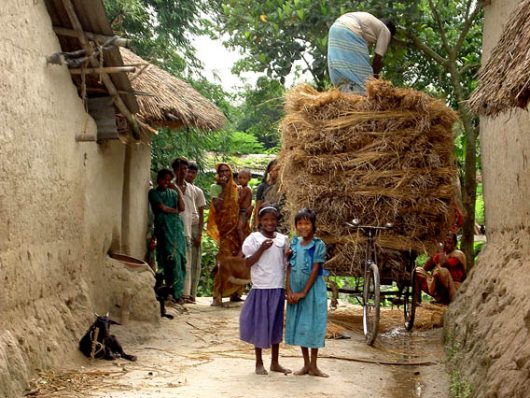
Bangladesh has occurred as a main topic in the news lately because of the nation’s struggle to address the Rohingya crisis. Located in South Asia, Bangladesh is one of the poorest countries in the world; additionally, it is also one of the most densely populated nations with approximately 164.7 million people.

Bangladesh ranks one of the most vulnerable and least prepared countries to natural disasters, and as a result, the country heavily relies on foreign aid to fight chronic poverty that results from natural disasters. The aid Bangladesh receives usually goes towards food, commodities and development projects, thus benefitting significantly from foreign aid. However, there are numerous ways that the U.S. also benefits from foreign aid to Bangladesh.


Improved Projects and Institutions

The U.S. benefits from foreign aid to Bangladesh in a large part due to the funds that go towards projects and institutions that address gender-based violence, illiteracy, gender inequality, human trafficking and poverty within Bangladesh — all of which are issues the U.S. strives to combat on a global scale. Foreign assistance to Bangladesh also promotes democratic institutions and practices, which is crucial in the U.S. fight against terrorism.


Reduction of Terrorism

Studies have shown that lower levels of political rights and freedom are linked with higher levels of terrorism. The recent terror attack in the Dhaka city in Bangladesh proves that the country requires closer attention given towards this area. Foreign aid to Bangladesh — through agencies such as USAID — goes towards public institutions that “reduce corruption, increase transparency of government and increase accountability.”

For instance, in 2015, the USAID trained “nearly 500 local government institutions to improve their ability to provide basic services and created citizen forums” to increase citizen input on local government activities.

USAID also works to increase access to the formal justice system and educates citizens about available legal aid services. Overall, USAID focuses on improving Bangladeshi citizens’ ability to advocate for their rights.


Gains in Education

Another way the U.S. benefits from foreign aid to Bangladesh is that the aid helps to increase literacy rates in Bangladesh, which is crucial for a healthy society and a safer world. Education greatly impacts our sense of right and wrong, and in that way, serves to dictate many citizens’ actions.

In Bangladesh, almost 40 percent of all children who enroll in first grade “fail to complete primary school, and 2 percent of children achieve all prescribed competencies by the completion of fifth grade.”


Economic Growth

Additionally, foreign assistance invested in education also helps increase individual income and boosts a country’s economic growth. Nearly one in three people in Bangladesh live in poverty, and Bangladesh’s economy, in general, is a matter of U.S. interest because it could also benefit the U.S. economy. For instance, as countries like Bangladesh become more self-sufficient and better developed, countries also become potential markets for U.S. companies, thereby creating jobs here at home.

In fact, according to the United States Trade Representative, “U.S. goods exports to Bangladesh in 2016 were $895 million, down 5.0 percent ($47 million) from 2015 but up 169 percent from 2006.”


USAID

USAID works closely with the Bangladeshi government to improve literacy rates in the country. For instance, USAID provides extra-curricular activities to increase learning skills, and in 2015, improved reading skills of “more than 295,000 young boys and girls in primary schools.” It also trained more than “2400 teachers on how to assess students’ reading skills.”

The U.S. benefits from foreign aid to Bangladesh because the aid improves national security, healthcare, global access to education, gender equality and fights terrorism and crimes such as human trafficking. As one can clearly see, it is most definitely in the United States’ best interest to continue providing aid to Bangladesh.

– Mehruba Chowdhury

Photo: Flickr

February 10, 2018
https://borgenproject.org/wp-content/uploads/borgen-project-logo.svg 0 0 Borgen Project https://borgenproject.org/wp-content/uploads/borgen-project-logo.svg Borgen Project2018-02-10 01:30:082024-05-29 22:39:15How the US Benefits From Foreign Aid to Bangladesh
Aid, Foreign Aid, Foreign Policy, Global Poverty

US Benefits From Foreign Aid to the Democratic Republic of the Congo

U.S. benefits from foreign aid to the Democratic Republic of the Congo
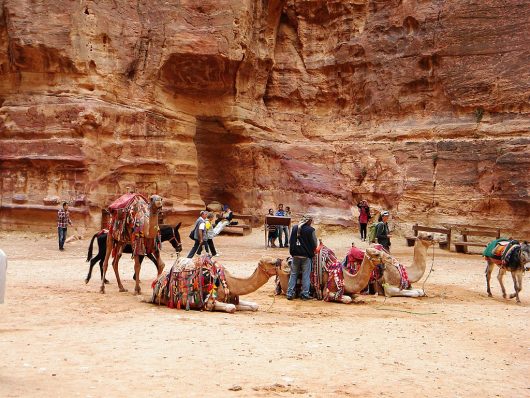
Many may ask how the U.S. benefits from foreign aid to the Democratic Republic of the Congo, and fortunately, the list of reasons is a lengthy one. Despite its wealth in natural resources, and the resulting potential for prosperity, the Democratic Republic of the Congo remains one of the poorest and least stable regions in Africa. Political and economic instability, in turn, has strained the country’s already weakened institutions, leaving citizens of the Congo to suffer under circumstances that cry out for foreign assistance.

Around nine in 10 citizens still lack basic necessities, with a USAID report showing that over 7.5 million members of the Congo require humanitarian aid. Clearly, the need for assistance to the Congo is strong; yet, unbeknownst to many Americans, there are also reasons why the U.S. benefits from foreign aid to the Democratic Republic of the Congo.


Foreign Aid Reduces Insecurity in the Congo and Increases American National Security

One way in which the U.S. benefits from foreign aid to the Democratic Republic of the Congo is in reduced instability in the nation and the resulting threat it poses to United States interests abroad. General James Jones and Admiral Mike Mullen make this point in an op-ed for Politico, in which they discuss how instability opens nations to terrorist exploitation.

“A host of international terrorist groups,” they write, “Al Qaeda, Al Shabaab, Boko Haram and ISIS, among others — have taken root in highly fragile regions and countries with shared characteristics, such as corruption and poor governance, weak institutions, high poverty and inequality, widespread indignity and low quality of life for ordinary citizens.”

If the United States increased aid to the Congo to reduce instability, it would strengthen the nation and leave it less vulnerable to terrorist attack and the dark possibilities of terrorists taking root in the country and utilizing its abundance of natural resources.


Foreign Aid Spurs Economic Growth in the Congo and Increases Trade with the United States

The United States ratified a bilateral investment treaty with the Congo in 1984, and trade between the countries has continued throughout the new millennium. The United States mainly receives imports in petroleum and exports everything from machinery to poultry, medical devices and American-made automobiles.

Increasing foreign aid to the Congo would, in turn, create a population with more disposable income and greater buying power, expanding the market for imports from the United States, strengthening America’s agricultural, auto, and medical industries and enhancing the prosperity of millions of blue-collar workers. This is an example of how U.S. benefits from foreign aid to the Democratic Republic of the Congo goes beyond simply being an act of charity.


Foreign Aid Improves the Reputation of the United States

Another reason the U.S. benefits from foreign aid to the Democratic Republic of the Congo is because currently, the U.S. has a significant image problem around the world, one that has far-reaching implications for its economic development and military programs. Perceptions of the U.S. among developed and developing nations has steadily declined for over a decade, with only Russia and Israel expressing increasing approval of the United States in the past year.

Foreign aid to developing countries not only helps the image of the United States among the Congolese but also throughout the world. This is beneficial to the U.S. since it can mean greater support from other countries on a broad range of issues, including trade, national security, and other strategic priorities.

Foreign aid might even lead to greater willingness on the part of other countries to aid the United States in times of national crisis, such as during the aftermath of Hurricane Katrina, when 95 nations from around the world offered foreign aid themselves to the United States.

– Shane Summers

Photo: Flickr

February 9, 2018
https://borgenproject.org/wp-content/uploads/borgen-project-logo.svg 0 0 Borgen Project https://borgenproject.org/wp-content/uploads/borgen-project-logo.svg Borgen Project2018-02-09 01:30:092019-12-06 07:31:31US Benefits From Foreign Aid to the Democratic Republic of the Congo
Page 4 of 11«‹23456›»

Get Smarter

  • Global Poverty 101
  • Global Poverty… The Good News
  • Global Poverty & U.S. Jobs
  • Global Poverty and National Security
  • Innovative Solutions to Poverty
  • Global Poverty & Aid FAQ’s
Search Search

Take Action

  • Call Congress
  • Email Congress
  • Donate
  • 30 Ways to Help
  • Volunteer Ops
  • Internships
  • Courses & Certificates
  • The Podcast
Borgen Project

“The Borgen Project is an incredible nonprofit organization that is addressing poverty and hunger and working towards ending them.”

-The Huffington Post

Inside The Borgen Project

  • Contact
  • About
  • Financials
  • President
  • Board of Directors
  • Board of Advisors

International Links

  • UK Email Parliament
  • UK Donate
  • Canada Email Parliament

Get Smarter

  • Global Poverty 101
  • Global Poverty… The Good News
  • Global Poverty & U.S. Jobs
  • Global Poverty and National Security
  • Innovative Solutions to Poverty
  • Global Poverty & Aid FAQ’s

Ways to Help

  • Call Congress
  • Email Congress
  • Donate
  • 30 Ways to Help
  • Volunteer Ops
  • Internships
  • Courses & Certificates
  • The Podcast
Scroll to top Scroll to top Scroll to top