When people think of poverty in the Middle East, they may not always picture Lebanon. The country Lebanon is a small yet very ethnically diverse nation in the Middle East. Sunni and Shia Muslims, Maronite Christians and other groups populate it. Ethnic divisions and sectarian power struggles led to a civil war that lasted 15 years. While the war was ultimately ended and a new republic formed, divisions remain. Now, positive action in Lebanon is essential for the nation, region and the global community’s well-being.
Lebanon in the 21st Century
Political divisions deepened when on Feb. 14, 2005, Lebanon’s former Prime Minister, Rafic Hariri, died in a car bombing assassination. Two movements formed in the wake of this tragedy. One was the March 8th Alliance, led by current President Michel Aoun and supported by Hezbollah. The other was the March 14th Alliance led by Rafic’s son Saad Hariri. Each side receives backing from different, foreign nations. Moreover, the current political struggle reflects a greater proxy conflict between Iran and Saudi Arabia.
A new government formed in 2016 and power has since been shared between the factions of Hariri and Aoun. While this has led to a more peaceful nation, it has also caused political paralysis — choking the economy. The government has also been plagued with corruption. In this same vein, protests in 2019 led to the resignation of Saad Hariri as prime minister and the formation of an anti-corruption panel.
Despite this, the country continues to suffer from a government stagnated by political divisions and corruption. Despite Lebanon’s status as one of the Middle East’s wealthier countries, its people do not benefit from that wealth. Almost 50% of the country’s population now lives below the poverty line. Furthermore, with the spread of COVID-19, the country’s economic crisis will only worsen.
Why People Should Act
A recent explosion in Beirut (Lebanon’s capital) is just the latest crisis in a country beset with political and economic strife. Many countries in Europe have already pledged aid to the people of Lebanon. It is imperative that the U.S. also take action in Lebanon. Not only does the U.S. have an obligation to help people in need, but also keeping Lebanon from further destabilizing will be essential in ensuring a more peaceful Middle East. If Lebanon’s government collapses, then the country could have a repeat of the civil war with different militant groups emerging and vying for control. Poverty would increase, many Syrian and Palestinian refugees in the country would become displaced. Tragically, more deaths would result from sectarian violence.
However, if the U.S. takes action in Lebanon, the U.S. itself benefits as well. By helping Syrian refugees in the country, Americans would be able to prevent the influx of refugees in the U.S. Lebanon is also a strong importer of U.S. goods. Rescuing its economy from collapse would advance U.S. trade policy and generate more prosperity for both nations.
Who is Helping?
There are currently many groups helping by taking action in Lebanon, right now. One such group is the nongovernmental organization, Humanity and Inclusion. It has been working to better the lives of people all over the world with disabilities as well as economic vulnerabilities. When it began in 1982, its goal was victim assistance, but it has also become responsible for preventing injuries through weapon and landmine clearance, risk education activities and much more. Since 1992, it has been working in Lebanon, engaging in helpful practices such as post-surgical physical therapy and psychological first aid. Its work is very impactful, lasting throughout the decades. In 1997, it received the Nobel Peace Prize for its work to ban landmines. In 2019, it reached more than 2 million people in 63 different countries.
Other great ways to get involved include staying informed and educating others about Lebanon. It is never too late to make a difference.
– Isaac Boorstin
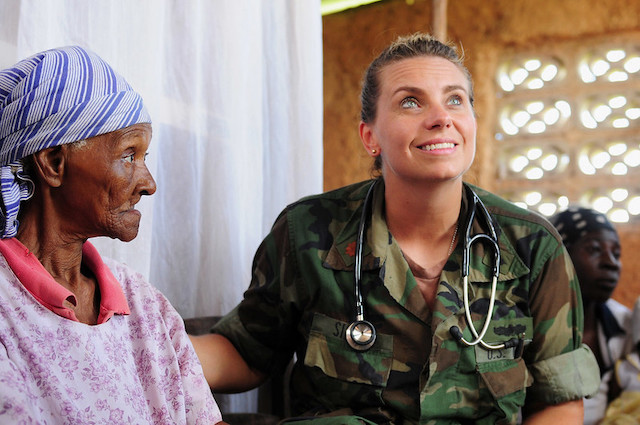
Photo: USAID
 COVID-19 has brought nearly all facets of normal life and governance to a screeching halt. On all fronts, from the economy to the military, the coronavirus has changed the way this planet runs. One area that has been heavily affected by the pandemic but does not get as much attention is international relations.
 Joe Biden’s Vice President pick, Kamala Harris, is a new player when it comes to foreign aid and international relief. A strong arm with U.S./Mexico relations and domestic advocacy, Harris has some experience with addressing poverty. However, the question remains: what could this potential vice-presidential elect bring to the global table? This article will focus on Kamala Harris’ foreign policy. Specifically, her previous commitments to international humanitarian issues and what she outlines as her future focus.
 COVID-19 took the world by storm as it crippled and shut down areas all over the globe, including China, Italy and Spain. Although these nations had robust economies, they were not prepared to handle the economic or medical ramifications of the pandemic. Amid this disaster, the U.S. is pushing to diversify its medical supply chain in the hopes of creating a more secure network for the nation and the world at large. Here are the top 3 things you should know about U.S. foreign policy regarding supply chain diversification.
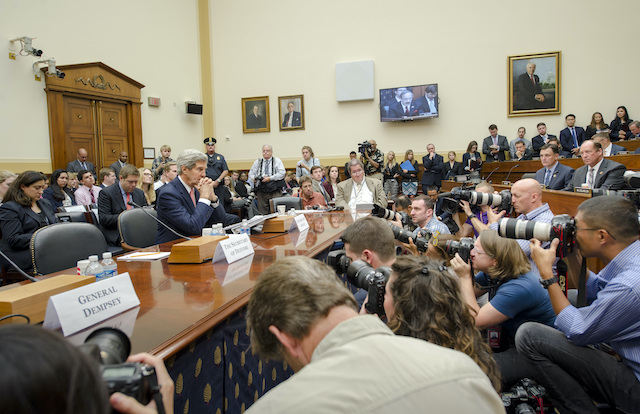 The House Committee on Foreign Affairs oversees all legislation relating to foreign policy in the United States House of Representatives, including foreign policy and
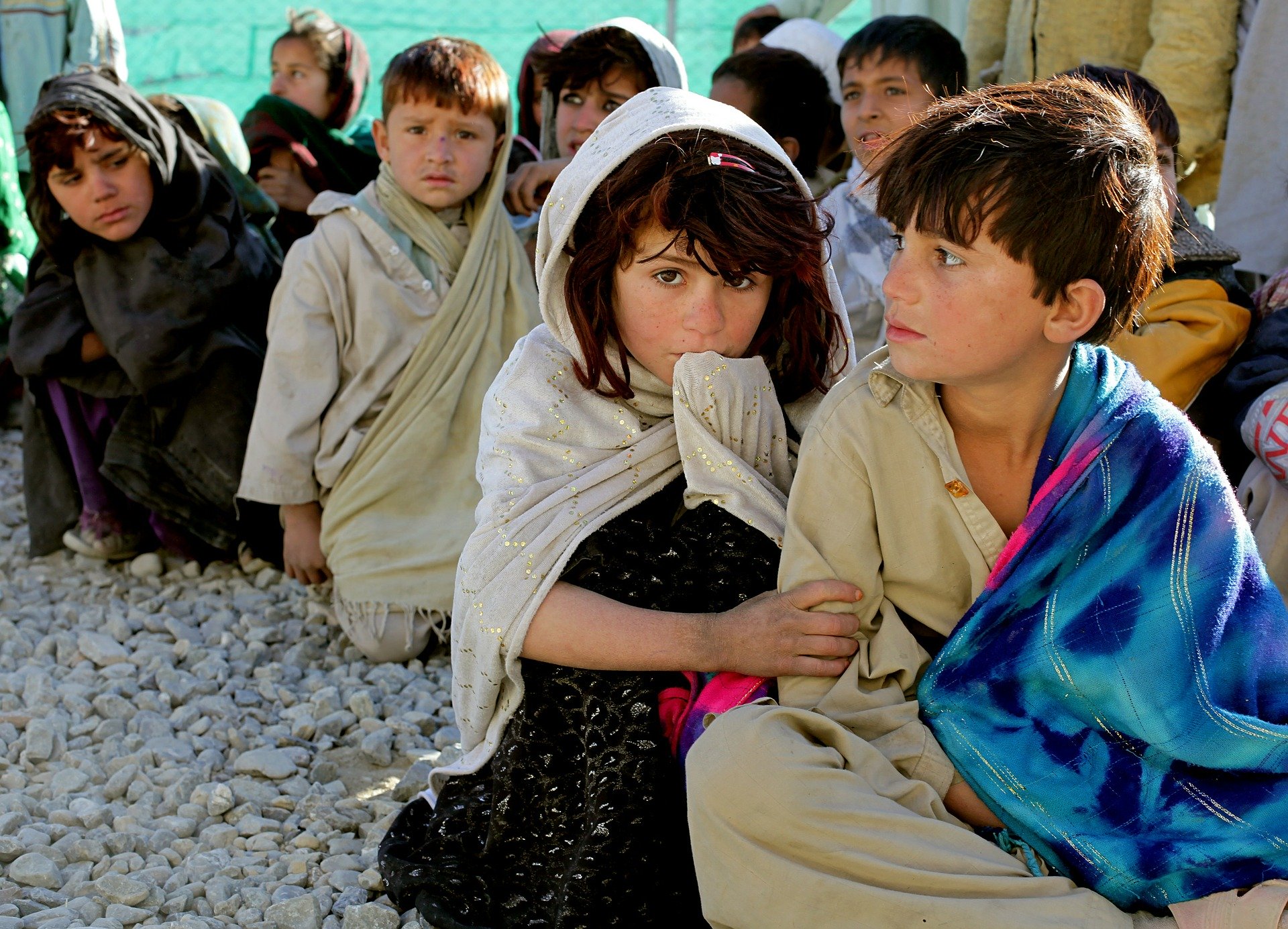
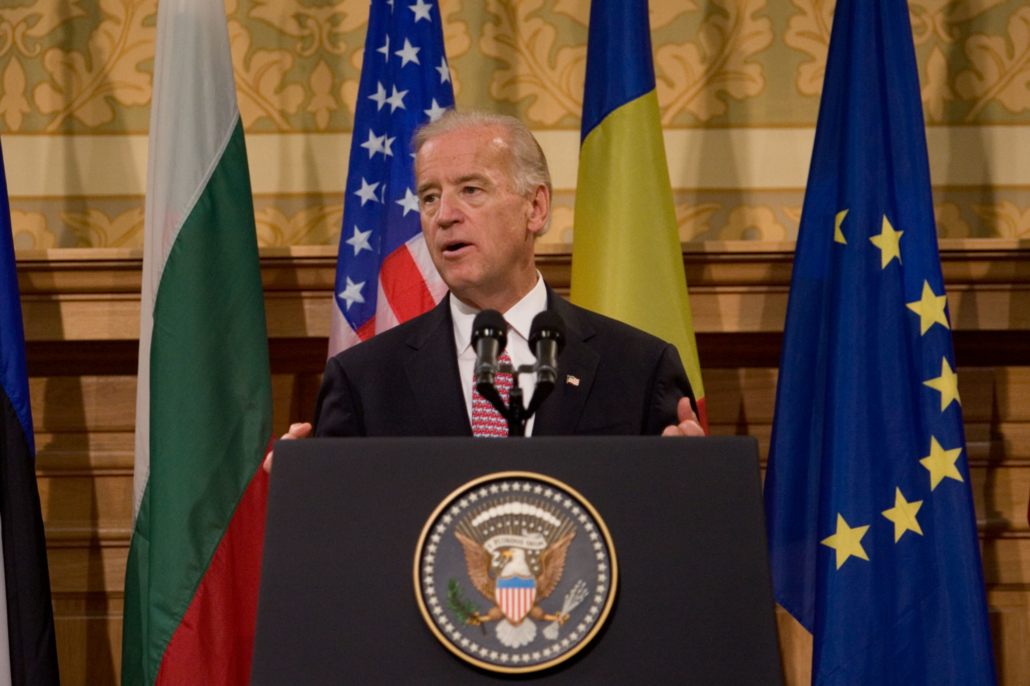
 Since the 1940s, the U.S. has been a global leader in foreign aid. The first U.S. foreign assistance program began when Secretary of State George Marshall enacted