• Link to X
  • Link to Facebook
  • Link to Instagram
  • Link to TikTok
  • Link to Youtube
  • About
    • About Us
      • President
      • Board of Directors
      • Board of Advisors
      • Financials
      • Our Methodology
      • Success Tracker
      • Contact
  • Act Now
    • 30 Ways to Help
      • Email Congress
      • Call Congress
      • Volunteer
      • Courses & Certificates
      • Be a Donor
    • Internships
      • In-Office Internships
      • Remote Internships
    • Legislation
      • Politics 101
  • The Blog
  • The Podcast
  • Magazine
  • Donate
  • Click to open the search input field Click to open the search input field Search
  • Menu Menu

Archive for category: Food & Hunger

Information and stories on food.

Developing Countries, Food & Hunger, Global Poverty

Cleaner Cookstove Technology Fails to Take Off

cookstove_technology
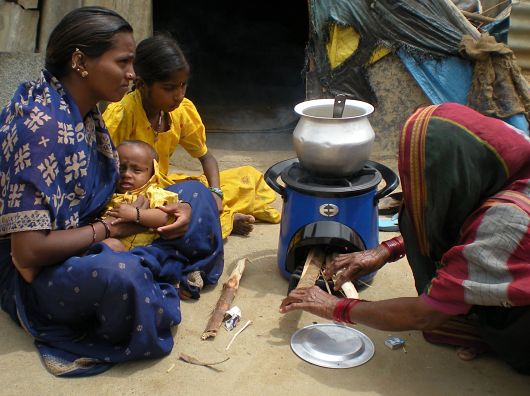
The Poverty Action Lab (PAL), a research organization from MIT, carried out a project that implemented new, environmentally friendly cookstoves for 2,600 households in Orissa, India. Each household contributed a small amount of money to pay for the building of the stove and was given training on its proper use and maintenance. Although the initial take up of the technology was high, families were only cooking 1.8 meals a week on the new stove three years after its implementation. Most had reverted to using their old cookstoves, commonly called chulas.

Indoor air pollution caused by chulas is the second largest health risk in developing countries, after unclean water. Over 70% of all households in India use them. Chulas burn cheap fuels such as firewood, coal or cow manure and create particle matter concentrations of 20,000 micrograms per cubic meter; the recommended limit is just 50. For the people who are around them — mainly women and young children — it is like smoking several packs of cigarettes a day. They cause 2 million deaths in India annually.

The new cookstoves were promoted as a cleaner alternative to traditional stoves that would save families from mental hardship and health expenditures. They would also make them more productive, as adults and children would miss fewer days of work and school. Finally, the stoves were advertised as being more cost-effective as they used less fuel and more time-effective because they decreased cooking times.

Medical checkups three years into the PAL study showed that because they were rarely used, introducing these stoves to poor households even at a very low cost did nothing to change health effects. High levels of blood pressure, a tendency to develop coughs and poor infant health remained the same. People showed the same risks of developing lung cancer, cardiovascular diseases and respiratory diseases.

In addition to causing health problems, chulas cause environmental damage. Worldwide, three billion people use them, or four out of every ten people. They collectively release 6 billion kilograms of CO2 into the atmosphere. That is triple the amount of the daily emissions from all private cars in the United States.

The main issue that seems to have stopped people from using their new stoves was that they required a lot more maintenance, and their unfamiliarity with the technology was an impediment to carrying out repairs. Households reported that they spent hours getting their stoves fixed and cleaning newly added chimneys. Their old way of cooking was easy to use and never broke. Moreover, it was familiar, so people were more inclined to revert back to it when their new stoves exhibited problems.

While the new cookstoves perform well in laboratories and have the potential to drastically decrease health and environmental effects, their effectiveness depends on them actually being used. India launched a National Biomass Cookstove Initiative (NCBI) in 2010 and plans to install 2.5 million cookstoves by 2017. Moreover, Hillary Clinton helped start the Global Alliance for Clean Cookstoves (GACC), which aims to install 100 million cookstoves by 2020. Both the NCBI and GACC would do well to conduct long-term studies before spending millions of dollars in initiatives that have little to no impact.

– Radhika Singh

Sources: National Geographic, The Washington Post, Poverty Action Lab 1, Poverty Action Lab 2, Boston Globe, Ministry of New and Renewable Energy, Global Alliance for Clean Cookstoves
Photo: The Washington Post

July 1, 2015
https://borgenproject.org/wp-content/uploads/borgen-project-logo.svg 0 0 Borgen Project https://borgenproject.org/wp-content/uploads/borgen-project-logo.svg Borgen Project2015-07-01 06:30:112024-12-13 17:51:37Cleaner Cookstove Technology Fails to Take Off
Disease, Food & Hunger, Global Poverty

Ten Poverty Statistics You Should Know

Ten Poverty Statistics You Should KnowThe following are ten poverty statistics that any advocate should know and be able to share with others. They describe the global poverty situation:
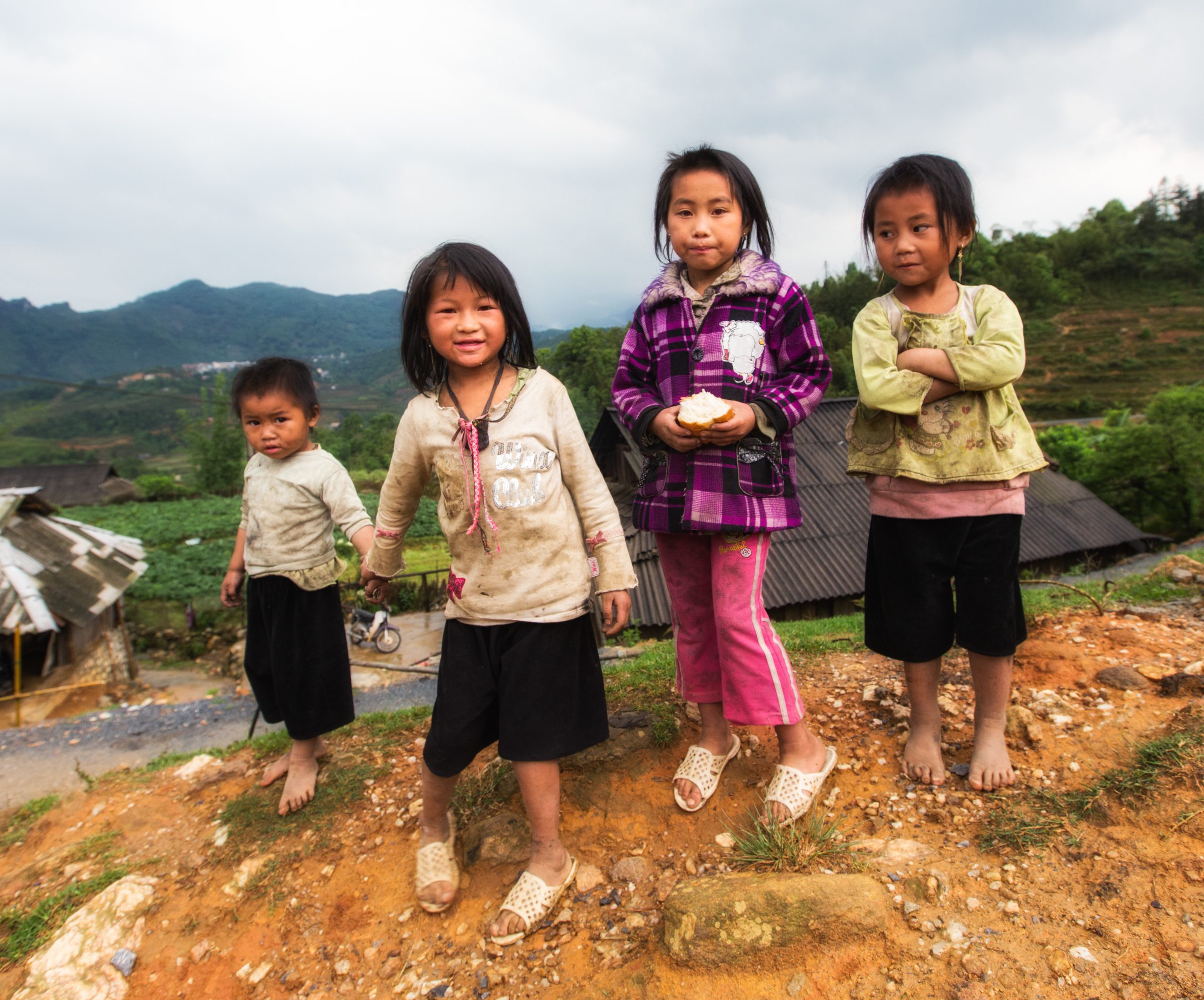
1. Globally, there are over 1 billion children living in poverty.

2. 1/4 of all humans live without electricity — approximately 1.6 billion people.

3. The World Food Programme says, “The poor are hungry and their hunger traps them in poverty.” Hunger is the number one cause of death in the world, killing more than HIV/AIDS, malaria, and tuberculosis combined.

4. Gender discrimination is widely recognized as a major contributor to children living in poverty and creating disparities in how resources are earned, valued and distributed based on power relationships between men and women. These poverty-induced relationships lead to tens of millions of children becoming victims of exploitation, violence and abuse.

5. Global poverty leads to global hunger, as people living in poverty cannot afford nutritious food for themselves and their families. This creates a vicious cycle where a lack of food makes people weaker and less able to earn money, preventing them from escaping poverty and hunger.

6. Poverty is closely linked to the inability to access clean water and proper sanitation. More than 750 million people lack adequate access to clean drinking water.

7. The disadvantages of poverty are closely linked to an increased risk of disease. For example, diarrhea, which is caused by inadequate drinking water, sanitation and hand hygiene, kills an estimated 842,000 people every year globally, or approximately 2,300 people per day. With the increased risk of disease, those under the poverty line have little access to basic medical attention, causing preventable diseases like diarrhea and pneumonia to take the lives of 2-3 million people a year.

8. 80 percent of the world’s population lives on less than $10 a day, well below the standard of the Quality of Life Index.

9. A quarter of all people live without electricity — approximately 1.6 billion people.

10. The cost of eradicating world poverty is estimated at 1 percent of global income, whereas other financial endeavors such as military spending in the U.S. alone can reach over $691.22 billion.

– Alysha Biemolt

Sources: 11 Facts About Global Poverty, Global Issues, UNICEF, United Nations World Food Programme
Photo: Flickr

June 19, 2015
https://borgenproject.org/wp-content/uploads/borgen-project-logo.svg 0 0 Borgen Project https://borgenproject.org/wp-content/uploads/borgen-project-logo.svg Borgen Project2015-06-19 01:01:522024-05-27 09:24:11Ten Poverty Statistics You Should Know
Children, Food & Hunger, Global Poverty

1 in 5 Children in France Living in Poverty

Children-in-France-in-Poverty
A new report by UNICEF France has revealed that over three million children in France live in poverty. In a span of four years, the number of children living under the poverty line increased by 440,000. Also touched on, was the high level of discrimination and human rights violation of poor migrant children. The report also addressed France’s failure to implement a strategy for children, and suggested 36 policy adjustments.

We often think of France as a sturdy, developed world power, but the widening gap between the rich and the poor, lack of policies aimed at children and widespread discrimination against migrants, show that developing countries aren’t the only places for progress to be made. In fact, many European countries face higher rates of child poverty and an estimated 1 in 3 children lives in poverty in both the United Kingdom and Spain.

These findings seem astonishing, especially for a country with the financial status and power as France, but it goes to show how important policies are. Without the proper policies in place, countries will not make progress. This new report and the investigation as a whole will provide a prime example for governments all over the world. Policy is what gives a country the power to grow. For example, we have seen poverty reduction programs go into developing countries with the good intentions of providing or creating capital only to see it stop there because of a lack of regulation or policies in place to continue growth, and to protect that growth.

The lack of policy aimed at French youth is alarming from any standpoint. The high rate of poverty among children suggests a lack of investment in youth, which will hurt France in the long term. With 3 million impoverished children, the outlook on the future working generation is not good. The rates of homelessness and school dropouts should be a serious wake up call for the French government. As more and more children fall below the poverty line, fewer children are enrolled in school, which translates directly to less economic and political participation in the future. The decreased participation will make for a less productive nation and France, as a whole will face a number of resulting problems needing urgent attention.

France has a reputation for discrimination against migrants and foreigners and this report as a part of a broader investigation and the changes the French government makes as a result should hopefully loosen some of those longstanding divisions. In order to succeed and grow as a nation, France desperately needs to become more progressive. There needs to be less marginalization and more positive policy aimed at children and at migrants to encourage them to succeed, which will in turn help France as a whole to grow.

– Emma Dowd

Sources: Eurostat, France 24, Newsweek, World Bulletin
Photo: FarsNews


June 17, 2015
https://borgenproject.org/wp-content/uploads/borgen-project-logo.svg 0 0 Borgen Project https://borgenproject.org/wp-content/uploads/borgen-project-logo.svg Borgen Project2015-06-17 01:38:062024-06-05 03:46:341 in 5 Children in France Living in Poverty
Food & Hunger

Wasting Food in America

Wasting-Food-in-America
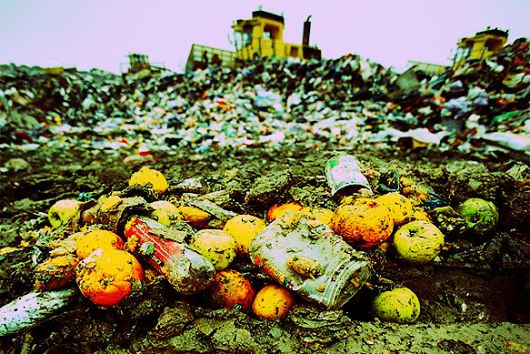
Each year, industrialized countries like the U.S. waste just about as much food as the total net amount of food that is produced in sub-Saharan Africa. That is 222 million tons wasted in comparison to 230 million produced.

In 2009, the amount of food wasted was equal to more than 50 percent of cereal crops produced globally, which is 2.3 billion tons of food.

The United States Department of Agriculture began its U.S. Food Waste Challenge in June of 2013. Along with the U.S. Environmental Protection Agency, their goal was to acquire 1,000 supporters by 2020.

Some of the goals are to minimize food wasted in school meal programs, find ways to reuse food that is rejected from the market due to “un-sellability”, estimate the amount of food waste in the U.S. each year, and discover new technologies that decrease that amount.

The initiative is much needed, considering that the average American consumer throws away ten times the quantity of food that someone in Southeast Asia does. That number has grown by 50 percent since the 1970s.

On average, American wastes about 40 percent of all food. Waste takes place on farms, in grocery stores, in homes, and in landfills. That is equivalent to 20 pounds per person, $165 billion, and one fourth of all freshwater per year.

Studies show that if America reduced food waste by just 15 percent, the amount of food saved could feed more than 25 million people per year.

Fresh water is a precious resource all over the world, and 80 percent of it is used to produce food in the U.S. Food production also uses half of the country’s land and ten percent of the nation’s total energy budget.

Food that decays in landfills now makes up nearly 25 percent of total U.S. methane emissions.

Yolanda Soto is looking to dramatically reduce the amount of food wasted in America by saving 35-40 million pounds of produce every year. She does this by collecting food rejected at the U.S.- Mexican border and shipping it to needy families in the U.S. and Mexico.

More than 50 percent of food grown in Mexico and imported to the U.S. is inspected and rejected at the border near Nogales, Arizona. Each trailer carries about $70,000 worth of food.

Soto started Borderlands Food Bank in the 1990s after being shocked at how much edible produce is tossed despite the high percentage of people plagued by hunger.

The organization’s focus is “to provide fresh, nutritious produce to people in need, advocate for the hungry, and help eradicate malnutrition and hunger.”

Beginning with the U.S. Customs and Border Protection, imported fruits and vegetables undergo inspection by around 40 different government agencies. Produce is taken out of commerce if it does not meet the USDA’s standards for quality and size.

“It’s perfectly good,” says Soto about the produce she redistributes, “but because it had some scarring, they couldn’t sell it. Who’s going to buy it?”

The truth is, American’s have this idea that in order to taste good, food has to look perfect. Anything less than perfect is rejected.

– Lillian Sickler


Sources: NPR, The Huffington Post Border Lands Food Bank National Resources Defense Council World Food Day U.S. Environmental Protection Agency USDA
Photo: Takepart

June 17, 2015
https://borgenproject.org/wp-content/uploads/borgen-project-logo.svg 0 0 Borgen Project https://borgenproject.org/wp-content/uploads/borgen-project-logo.svg Borgen Project2015-06-17 01:05:472024-12-13 17:51:04Wasting Food in America
Food Security

FAO Partners with Wholesale Markets

urban_food_security
On May 28 of this year, the United Nations Food and Agriculture Organization signed an agreement with the World Union of Wholesale Markets designed to reduce food waste and improve food security for the world’s urban poor.

According to the FAO, about one third of food produced for human consumption each year is lost or wasted. It estimates that over 40% of root crops, fruits and vegetables are lost or wasted, along with 35% of fish, 30% of cereals and 20% of meat and dairy products. This figure tallies up to an estimated 1.3 billion tons of food with an economic value of $1 trillion. These losses are quickly becoming concentrated in cities, where over half of the world’s population lives. Moreover, this figure will increase by 2050, as two-thirds of the people on earth are expected to live in cities.

Getting food to the urban poor is a novel challenge. Many low-income families live in “food deserts,” areas where there is no easy access to food, much less fresh food.

Eugenia Serova, head of the FAO’s Agro-Industry Division, said in a press release, “more efficient wholesale markets, and overall urban market outlets, can result in more affordable means to reach the city poor with healthy food.”

According to Ms. Serova, this new agreement is as much about learning how to deal with the future as it is about handling the challenges of the present: “If close to 90 percent of the expected increase in the global urban population in the next two decades will take place in cities in Africa and Asia, it makes much sense to build solid knowledge on how to strengthen urban market systems.”

WUWM has agreed to work with the FAO to tackle these challenges with an eye toward sustainability and inclusiveness.

Donald Darnall, a member of the board of directors of WUWM, said, “Some 60 percent of wholesale markets we’ve surveyed said managing food waste was their number-one challenge for the next five years . . . Our markets are embracing ‘good practices’ to reduce waste and we see this as an opportunity to develop improved waste management strategies and share solutions.”

The two agencies hope to develop a set of better practices for wholesale markets in urban settings. The goal is a more efficient flow of information and a dramatic reduction in food waste and loss. The partnership also hopes to improve producers’ access to markets, make food handling safer and more consistent and eliminate urban food deserts.

WUWM is connected to wholesale marketers in 43 countries, giving it access to an enormous amount of data. With this much data and expertise at their disposal, the FAO and WUWM are well on their way to finding new methods of improving efficiency, ensuring better quality of produce and ultimately cutting waste.

– Marina Middleton

Sources: UN News Centre, World Union of Wholesale Markets Seattle Pi Food and Agriculture Organization of the UN Food and Agriculture Organization of the UN
Photo: Flickr

June 12, 2015
https://borgenproject.org/wp-content/uploads/borgen-project-logo.svg 0 0 Borgen Project https://borgenproject.org/wp-content/uploads/borgen-project-logo.svg Borgen Project2015-06-12 12:53:422024-06-11 02:48:06FAO Partners with Wholesale Markets
Food & Hunger, Global Poverty

Malnutrition in Malaysia

Malnutrition-in-Malaysia
Malnutrition in Malaysia is two-fold: there are many children who are underweight and suffer from malnutrition, while a good percentage of the population is obese.

Malaysia has seen significant economic progress and continues to develop substantially. According to the World Bank Group, the country’s economic growth is estimated to progress by seven percent every 25 years, and has virtually succeeded in eliminating poverty in the region. The amount of households living beneath poverty lines decreased from 50 percent to less than 1.0 percent since the 1960s. Currently, the country is under a program called the New Economic Model, launched years prior, which aims to achieve the goal of high income status by 2020. The program also ensures that the progress made during this period is sustainable.

Although Malaysia is experiencing a great deal of prosperity, there still seems to be a prevailing concern regarding malnutrition in the country. There still remain pockets of places and people living below poverty lines with high income inequalities. These pockets contribute to the malnutrition issue in Malaysia.

There are currently 30 million people living in Malaysia, and of those 30 million, 9.5 million are children. Among the population, 17. 2 percent or approximately 400,000 children are stunted, while 12.5 percent are underweight. On the other hand, 44 percent of the population is overweight, while an estimated 15 percent is considered obese, according to the National Heath ad Morbidity Survey. The total number of people with obesity exceeds that of any other country in Southeast Asia. These two issues are causing a significant divide in the realm of malnutrition within the country.

In regards to undernourishment in Malaysia, there has been a slight decrease in mortality rates among children under five years of age. According to National Health Statistics, the mortality rate dropped in 2010 from 8.4 per 1,000 people to 8.1 in 2013. Rural areas in Malaysia continue to have a high rate of malnourished children, especially in indigenous regions. More specifically, malnutrition in Orang Asli is among the more prevalent areas, according to a recent status report by the Children’s Rights Coalition in Malaysia.

In indigenous regions, lack of access to clean water, land and food contribute to malnutrition. Additionally, communicable diseases passed on as a result of poor sanitation also cause underweight and malnourished children.

The problem of malnutrition in Malaysia has been previously addressed in a failed attempt to rehabilitate malnourished children. The project did not reach its target in the allotted time because of corruption by officials. The program was essentially launched to provide baskets filled with vitamins and essential food items to households living under the poverty line.

Malnutrition in Asia, especially in Malaysia, is among one of the biggest problems the region is facing. Despite Malaysia’s economic prosperity and affluent resources, there is still a high percentage of malnourished households suffering from food insecurity. The high obesity rate along with the amount of malnourished people living in Malaysia sheds light on the inequalities that exist within the country, inequalities that reflect the great divide between the rich and poor.

– Nada Sewidan

Sources: WHO, UNICEF, The World Bank 1, The World Bank 2
Photo: Southeast Asia Globe

June 7, 2015
https://borgenproject.org/wp-content/uploads/borgen-project-logo.svg 0 0 Borgen Project https://borgenproject.org/wp-content/uploads/borgen-project-logo.svg Borgen Project2015-06-07 04:00:222024-06-04 03:53:01Malnutrition in Malaysia
Food & Hunger, Food Security

Creating Sustainable Food

sustainable_food
The world is estimated to have a population of over nine billion people by the year 2050. Such a large number of people would require plenty of essential resources in order to stay alive. Food is one of those essential resources. The U.N.’s Food and Agriculture Organization estimates that 70 percent more food than is produced now will be needed to cater to this new population size.

Overpopulation is a legitimate threat to the well-being of the inhabitants of Earth. Our natural resources are being depleted more quickly; yet at the same time, we require more of those natural resources. We are playing all of our cards and not getting enough back to play again. At any level of overpopulation, people will always need food for sustenance. That is why research in sustainable foods is becoming more popular.

Impossible Foods is an organization set out to create and provide food that tastes great, is good for you and most importantly, does not have a negative impact on the environment or one’s health. Impossible Foods was started by a Stanford University scientist and has since grown in size to 50 scientists. These scientists look at animal products at a molecular level, and then select specific proteins and nutrients from greens, seeds and grains to recreate meat.

Impossible Foods is severing the connection between animals and meat. We have relied on animals to make our food for us in an unsustainable way. Impossible Foods found a better, more humane way of going about creating meat in particular. On its website for example, one can find a picture of an appetizing cheeseburger, crafted only out of plants. That’s right, both the cheese and the burger were made completely out of plants.

Progression in this field of technology can lead to solutions to the foreseeable overpopulation problem. Our current ways of providing food to the masses is becoming inefficient and is under performing. Companies like Impossible Foods are coming up with ways to increase our food production while maintaining the integrity of the land.

– Erik Nelson

Sources: Impossible Foods 1, Impossible Foods 2, CNBC, Sustainable Solutions Development Network
Photo: Kickstarter

May 22, 2015
https://borgenproject.org/wp-content/uploads/borgen-project-logo.svg 0 0 Borgen Project https://borgenproject.org/wp-content/uploads/borgen-project-logo.svg Borgen Project2015-05-22 12:00:432020-07-18 09:16:38Creating Sustainable Food
Food Aid, Global Poverty

The Cost to End World Hunger

World hunger and its devastating effects can be eradicated with a fraction of the United States Federal Budget. Discussed below is a breakdown of leading facts and figures about the current state of world hunger, including the cost to end world hunger.

Cost to End World Hunger

The cost to end world hunger…

— $30 billion per year is needed to end world hunger
— $737 billion per year is the amount Congress spends on Defense

cost to end world hunger

How much does it cost to end world hunger?

– Leen Abdallah

World hunger can be eradicated.

A price has been set and estimated by the United Nations to solve this crisis – $30 billion a year. It may seem like a large sum of money, but when compared to the U.S. defense budget – $737 billion in 2012 – $30 billion seems more attainable. The $30 billion expense is manageable, especially when the U.S. would be joined by other investors in global poverty, but the U.S. has the capacity to be the leader on this issue.

An article published in the Los Angeles Times in 2008 states that providing a substantial amount of money directed specifically towards agricultural development could result in high-yields and trigger a second Green Revolution.

Helping the world’s poor is not merely the right and moral thing to do; it also benefits the private sector. Businesses have already thought of a solution: public-private partnerships. The business community works with the U.S. government to sustain agricultural development in poor countries so as to better tackle the problems that businesses face abroad in these underdeveloped and developing nations. These provided funds would not only increase food production but they would ensure that food prices are much more affordable.

Aside from benefits to the private sector and the economy, tackling the global hunger crises presents a better image for the U.S. as a “humanitarian superpower.” Furthermore, the U.S.’ involvement in humanitarian projects would present more American corporations as “respectful partners” within the global community.

The United States Agency for International Development (USAID) has allied with corporate sponsors to support global development. For example, USAID works “with the Schaffer Global Group on a factory in Mali, with Heinz to help Egyptian tomato farmers and with Coca-Cola on clean water projects in a dozen countries.”

Much has been and continues to be done; yet, the U.S. possesses the capacity to do more. There are 870 million people who are under-nourished and the U.S. has the potential to end their hunger.

Source: LA Times, Know Your World:Hunger Facts, USGovSpending


February 15, 2015
https://borgenproject.org/wp-content/uploads/borgen-project-logo.svg 0 0 Borgen Project https://borgenproject.org/wp-content/uploads/borgen-project-logo.svg Borgen Project2015-02-15 13:26:372020-07-15 22:59:57The Cost to End World Hunger
Food & Hunger, Food Security, Foreign Aid, Global Poverty

The Future of Food Security

food security
According to the World Bank, the world’s population is set to reach over 9 billion by 2050. With food security already a challenge, how will agriculture meet the food security needs of a much larger population?

According to Chris Brett, global head of sustainability at Olam International, food security success will depend on what he calls the ‘four A’s’—availability, accessibility, affordability and adequacy.

Availability, says Brett, will depend on smallholders’ access to land rights and financial support. Brett believes that policy-makers should look at ways to encourage lending, and increase the extent to which farmers legally own the lands that they cultivate.

As over 2 billion people depend on smallholder farms for their livelihoods, augmenting the smallholders’ ability to prosper could potentially go a long way to reduce poverty.

Banks, however, are unlikely to lend to farmers in disaster-prone areas. Farmers in such areas face the difficult choice between investing in safe but unprofitable crops, or riskier though potentially more lucrative alternatives.

According to a recent article by Gaby Ramm and Roland Steinmann, agriculture insurance presents a potential solution to the conundrum faced by farmers in risk-prone regions. Pilot study results suggest that insurance can indeed play a role in encouraging farmers to engage in more lucrative practices. In India, farmers with rainfall insurance displayed a tendency to gravitate toward cash crops, which—though vulnerable to rainfall deficits—produce much greater returns.

Furthermore, insurance can also indirectly allow farmers access to more credit, by encouraging lenders to lend with more frequency and confidence. This, in turn, leads to further capital investments.

Smallholders can also benefit from cooperation with large-scale agriculture. According to Brett, cooperation between large-scale and small-scale agriculture can be mutually beneficial, and can increase yields through pre-financing and training in skills such as inter-cropping.

Brett also notes that, while Africa’s agricultural potential is enormous, investments in infrastructure will be necessary for that potential to be fully realized. It is estimated that Africa needs $55 million in agricultural investment to guarantee self-sufficiency.

– Parker Carroll

Sources: Poverty Action, The Guardian 1, The Guardian 2
Photo: WSJ

January 23, 2015
https://borgenproject.org/wp-content/uploads/borgen-project-logo.svg 0 0 Borgen Project https://borgenproject.org/wp-content/uploads/borgen-project-logo.svg Borgen Project2015-01-23 04:00:112020-07-17 11:25:08The Future of Food Security
Extreme Poverty, Food & Hunger, Global Poverty

Poverty in Singapore

Singapore has a population of almost 6 million people with a $297.9 billion GDP which is growing at the average rate of 3.9 percent every year. Singapore is one of the richest Asian countries per capita. In 2012, Singapore city was ranked as the sixth most expensive city to live in the world—after cities including Tokyo, Sydney and Oslo. Despite these statistics, one-tenth of Singapore’s population is currently living in poverty.

Today, the income inequalities have become more noticeable than ever. Unlike large countries such as China or India where there is a distinct difference between urban towns and rural villages, Singapore is a small island where both the wealthy and poor live in proximity to each other.

Out of 136 countries considered, Singapore currently ranks the 26th most income disparate. This makes them the second most income unequal country in Asia. According to the Singapore government, over 105,000 families live in poverty. This translates to about one in 10 family homes, or 378,000 people.

While Singapore has the highest concentration of millionaires in the world and has an average per capita income of over $52,000, there are 105,000 families left with $5 to spend per day and 114,000 individual residents making less than $805 per month.

Furthermore, the purchasing power of the poor has significantly dropped. It has been determined that the top 10 percent wager-earning households earn as much as 25 times more than the bottom 10 percent. While the top earners saw their real wages increase, those on the bottom saw their real wages decrease. It is further distressing to realize that the price of goods and services rose by 13.1 percent since 2012.

Poverty in Singapore Today

Singapore had never had an official poverty line to measure the rates of poverty in their country. However, the Singaporean Parliament chose to establish a rough definition after neighboring Hong Kong created guidelines to better identify and take strides towards relieving the financial stress those particular citizens.

Currently, while Singapore has no acceptable measure of poverty, they consider any four person household that makes less than $1,250 per month as somewhat struggling. The $1,250 figure is considered the average a four person household would typically spend on food, clothing and shelter per month.

Much of the country’s poverty is created by the influx of foreign workers taking blue collar jobs that were once held by native Singaporeans. Foreign workers unfortunately mean cheaper labor. There is always a cost to globalization, and this time it has affected Singaporeans in their own home.

Despite the large, wealthy buildings in Singapore, many are often struggling to find affordable housing. Those that cannot make it live in tiny government-owned apartments that are barely bigger than 13 square feet. In those cases, rent is paid to the government according to how much they can afford to pay, children from impoverished backgrounds attend school on fees subsidized by the government and food is provided not by the wages earned but by charitable donations.

While Singapore does not have abject poverty like one would find in various parts of Africa, being unable to afford living in your country is an issue that any government should address and find solutions.

– Christina Cho

Sources: BBC, Singaporeans Against Poverty, Al Jazeera, World Bank
Photo: SMU

January 22, 2015
https://borgenproject.org/wp-content/uploads/borgen-project-logo.svg 0 0 Borgen Project https://borgenproject.org/wp-content/uploads/borgen-project-logo.svg Borgen Project2015-01-22 04:00:002024-05-27 09:23:10Poverty in Singapore
Page 51 of 78«‹4950515253›»

Get Smarter

  • Global Poverty 101
  • Global Poverty… The Good News
  • Global Poverty & U.S. Jobs
  • Global Poverty and National Security
  • Innovative Solutions to Poverty
  • Global Poverty & Aid FAQ’s
Search Search

Take Action

  • Call Congress
  • Email Congress
  • Donate
  • 30 Ways to Help
  • Volunteer Ops
  • Internships
  • Courses & Certificates
  • The Podcast
Borgen Project

“The Borgen Project is an incredible nonprofit organization that is addressing poverty and hunger and working towards ending them.”

-The Huffington Post

Inside The Borgen Project

  • Contact
  • About
  • Financials
  • President
  • Board of Directors
  • Board of Advisors

International Links

  • UK Email Parliament
  • UK Donate
  • Canada Email Parliament

Get Smarter

  • Global Poverty 101
  • Global Poverty… The Good News
  • Global Poverty & U.S. Jobs
  • Global Poverty and National Security
  • Innovative Solutions to Poverty
  • Global Poverty & Aid FAQ’s

Ways to Help

  • Call Congress
  • Email Congress
  • Donate
  • 30 Ways to Help
  • Volunteer Ops
  • Internships
  • Courses & Certificates
  • The Podcast
Scroll to top Scroll to top Scroll to top