• Link to X
  • Link to Facebook
  • Link to Instagram
  • Link to TikTok
  • Link to Youtube
  • About
    • About Us
      • President
      • Board of Directors
      • Board of Advisors
      • Financials
      • Our Methodology
      • Success Tracker
      • Contact
  • Act Now
    • 30 Ways to Help
      • Email Congress
      • Call Congress
      • Volunteer
      • Courses & Certificates
      • Be a Donor
    • Internships
      • In-Office Internships
      • Remote Internships
    • Legislation
      • Politics 101
  • The Blog
  • The Podcast
  • Magazine
  • Donate
  • Click to open the search input field Click to open the search input field Search
  • Menu Menu

Archive for category: Food & Hunger

Information and stories on food.

Activism, Food & Hunger, Global Poverty, NGOs

Top Five People Who Fight Poverty Globally

People who Fight Poverty
Poverty is a global issue that affects at least 80 percent of the world’s population. The number seems frightening and can intimidate any person who might want to help. Some come together to fight as a united front and tackle the worldwide issue due to the sheer magnitude of the dilemma. Either way, every solution starts with a single person and a single idea. Below describes the top five people who fight poverty today, who they are and what they do (or did) to combat poverty.

Top Five People Who Fight Poverty

  1. Suzanna Mayo Frindt Empowers Rural Communities
    She is the current President and Chief of Staff of The Hunger Project, a nonprofit organization which aids countries in South Asia, Latin America and Africa. The organization provides aid through the establishment of self-reliance within the community. The Hunger Project begins by encouraging women to take active roles within the locale by training them to obtain leadership positions. Then, it enforces self-reliance. It does this by having individuals mobilize their peers through local government to take action and improve the conditions of the area. Finally, The Hunger Project works closely with these governments to ensure it is aiding the people. This system helps bring entire communities out of poverty. As President, Frindt is in a powerful position to fight poverty. She earned her position through 25 years of experience in the field as she worked in impoverished areas, like Peru. Additionally, she co-founded the firm, 2130 Partners. The firm is another organization that dedicates itself to guidance and education. Though these are just a few of her accomplishments, these key points showcase why Frindt is one of the top five people who fight poverty.
  2. Ellen Gustafson Feeds the Hungry
    This woman is an entrepreneur, activist, author and speaker whose primary cause is to work to eliminate world hunger. She focuses on hunger of particularly impoverished areas where the problem is most prominent. Gustafson co-founded FEED Projects, a charity which provides food for people around the world. As of 2019, it has provided 60 million meals to schools around the world. She has also tackled the issue of obesity through educational activism. Overall, Ellen Gustafason’s goals may center around food, but her work has improved the lives of impoverished people in places where they often need help the most.
  3. Bono Advocates Against Poverty
    He is an American musician and frontman of the popular music group, U2. Bono’s infamy stems not only from his musical persona but also from his philanthropic efforts. The singer is the founder of ONE, an advocacy organization that works to raise awareness of poverty and fight against the issue. Similar to The Borgen Project, ONE addresses its cause through legislation and lobbying of governments. ONE focuses on reducing poverty in Africa’s poorest areas. It is just one of the few organizations Bono supports with a target against poverty. This fact showcases the musician’s dedication to both his art and beliefs.
  4. Anthony Lake Leads UNICEF in the Fight Against Poverty
    He has been the director of UNICEF (United Nations Children’s Fund) since 2010. He earned his role through a longstanding career as a foreign policy advisor to various presidential candidates and officers of the United States. During the office of President Bill Clinton, Lake served as National Security Advisor. His political career prepared him well to undertake the leadership position of UNICEF, the organization responsible for a significant amount of the world’s humanitarian aid. Specifically, it focuses on the needs of children in over 190 countries. As Lake has taken directorship, his prominence in the fight against poverty has risen immensely.
  5. Bill Gates Shares His Financial Success with Developing Countries
    People primarily know Bill Gates as a technological innovator and a record-breaking billionaire. Through the creation of Microsoft, he has amassed substantial financial benefits. People also know Gates as an impressive philanthropist who gears his saving towards aid programs. Specifically, he has established the Bill and Melinda Gates Foundation, a joint project between him and his wife. The program receives a significant amount of his donations. Since its establishment in 2000, the foundation has “spent more than $36 billion to fund work in global health, emergency relief, education, [and] poverty,” as reported by Business Insider. The organization is using some of that money to fight malaria and ebola outbreaks in developing countries.

From political professionals to celebrities, these five people who fight poverty show that stepping up for the world’s poor does not require a designated hero. Anyone, with the right drive and ambition, can make a change for the better. The list features only a few prominent people who fight poverty, though it does not have to end there.

– Eleanora Kamerow
Photo: Flickr

September 4, 2019
https://borgenproject.org/wp-content/uploads/borgen-project-logo.svg 0 0 Kim Thelwell https://borgenproject.org/wp-content/uploads/borgen-project-logo.svg Kim Thelwell2019-09-04 06:39:562024-05-29 23:10:10Top Five People Who Fight Poverty Globally
Children, Development, Education, Food & Hunger, Global Health, Global Poverty, Health, Life Expectancy

10 Facts About Life Expectancy in Chile

Life Expectancy in Chile
Located on the southwest edge of South America, Chile‘s international poverty rate is 1.3 percent. This number is fairly low compared to other nations, but Chilean poverty is on the rise as the nation’s international poverty rate increased from 0.9 percent in 2015. Today, 234,083 Chilean people remain impoverished and currently survive on less than $1.90 a day. Despite this descent in economic prosperity, poverty has not negatively affected the country’s life expectancy as it is has risen from 73.6 in 1990 to 79.1 in 2018. Here are 10 facts about life expectancy in Chile.

10 Facts About Life Expectancy in Chile

  1. Female Life Expectancy: While the overall average life expectancy in Chile evens out at 79.1 years, according to the Central Intelligence Agency (CIA), women tend to live longer. Women have an average lifespan of 82.2 years while most men live to the age of 76. Despite this gap in longevity, Chilean citizens generally live long lives as the country ranks 51st among 222 other global nations.
  2. Living Conditions: Overcrowding has long been an issue in Chile. Not only does it reflect the economic fragility of the region but it also harms the physical and mental health of citizens subjected to it. When the Chilean government implemented the Social Housing Recovery of 2014, the health of the country’s citizens increased and their life expectancy increased as a result. Today, the average Chilean home houses 1.2 people per room, which is better than the Organisation for Economic Co-operation and Development’s (OECD) average of 1.8. Thanks to the Social Housing Recovery initiative, Chileans not only experience a higher standard of living, but they also received their right to better health and longer lives.
  3. Obesity: Obesity is one of Chile’s leading health issues. According to the CIA, nearly one-third of all Chilean adults suffer from obesity. Chile’s obesity rates ranked number 32 globally with 34.4 percent of adults and 44.5 percent of children suffering from the condition. Because of obesity, a large number of the nation’s citizens have an increased risk of other diseases including cardiovascular diseases, cancer and diabetes, some of the nation’s leading causes of death.
  4. Public Health Interventions: The Bono Auge Programme of 2010 created a universal health care program for Chile’s people. By providing a private health care voucher when public sector care is unavailable, more Chilean citizens are able to receive health care. Following its implementation, the program reduced the patient waiting list by 113,556 in 2010 to 50,780 the following year. The program also prioritizes those with high mortality pathological conditions and sets a two-day time limit on their waiting period for care. Patients who do not see a health care provider in this time frame receive a voucher so that another provider will see them. Equal health care increases the life expectancy of the Chilean people, as faster care and treatment not only saves lives but also extends them.
  5. Cancer: According to the OECD, Chile’s cancer mortality rate is high in comparison with its level of occurrence. Of the 35 percent of cases diagnosed, 23.8 percent end in death. This number makes up 24 percent of Chile’s national mortality rate and shortens the expected life span of its people. While the country has ways to treat the disease, much of this treatment is unequal and not enough. While it has created good screening procedures for cervical and breast cancers, it lacks large quantities of the equipment necessary to perform the job. Consequently, it is unable to reach a large number of people, and many people’s cancers go undetected. Unequal and limited proper testing hold Chile’s life expectancy back, as many of the country’s people die of cancers they are not aware they even have.
  6. Child Mortality: Ranked 163 in comparison with other countries, Chile’s infant mortality rate is fairly low. With an average of 6.4 deaths per 1,000 births and an under-5 mortality rate of 7.4 out of 1,000 during 2017, the country’s numbers prove themselves unalarming. Also, Chile’s infant mortality rate is on the decline, as the country’s under-5 mortality has dropped from 33.10 in 1980 to 7.4 in 2017.
  7. Air Pollution: Chile’s high concentration of air pollutant particles has a negative effect on the nation’s life expectancy. With 16.03 micrograms per cubic meter polluting Chilean air, the country fails to meet the 10 microgram standard that the World Health Organization set. The issue with polluted air is that it increases the risk for other diseases, such as lung cancer, which can eventually lead to death. Also, many expect that polluted air will be the leading cause of environmental premature death by 2050, meaning that without intervention, the country’s air quality will not only shorten the lives of people in the present, but it will also hurt the citizens of Chile’s future.
  8. Access to Health Care: While Chile has made strides towards equalizing its health care, care inequality is still a large issue. Socioeconomic status is the main determinant of the amount and quality of health care Chilean citizens receive. Chile’s indigenous citizens are statistically more impoverished, as they have a 35.6 percent poverty rate in comparison to their non-indigenous counterparts whose poverty rate rests at 22.7 percent. With a lower economic status, indigenous individuals have a higher risk of death, especially within their first year of life. In Mapuche, Chile, the children indigenous to Araucania have a 250 percent higher risk of death in their first year than those non-indigenous to the region. Without proper and equal access to health care, Chile’s impoverished people have a lower life expectancy merely because of economic status.
  9. Tobacco Consumption: According to the Pan American Health Organization, 20.2 percent of Chilean adolescents aged 19 to 25 participate in tobacco use. This number rises to 49.1 percent when assessing those citizens aged 26 to 34. This popularity in tobacco use not only increases the country’s risk of death from lung-related diseases, but it accounts for a large chunk of its lung cancer diagnoses. Chile is doing work to combat the issue, as it has implemented many anti-smoking policies, such as prohibiting smoking in public. As a result of these legislations, the prevalence of the nation’s total tobacco use has decreased from 42.6 percent in 2006 to 34.7 percent in 2014.
  10. Maternal Mortality: As of 2014, parasites and infections are the largest contributors to maternal deaths in Chile, as they make up to 25 percent of the total causes. While the maternal mortality rate has decreased, as deaths per 100,000 live births have dropped from 39.9 in 1990 to 22.2 in 2015. Improving Chilean poverty and prioritizing Chilean health care would improve the maternal death rate even more, as parasitic and infectious diseases are more prevalent among poverty-stricken regions.

These 10 facts about life expectancy in Chile show that by working towards ending Chilean poverty, the country’s total life expectancy will rise as a result. With poverty increasing the risk of many factors that contribute to Chilean mortality, such as decreased access to health care, reduced health literacy, higher risk of disease and higher prevalence of destructive behavior, a fight against poverty is a fight for all Chilean life.

– Candace Fernandez
Photo: Flickr

September 3, 2019
https://borgenproject.org/wp-content/uploads/borgen-project-logo.svg 0 0 Kim Thelwell https://borgenproject.org/wp-content/uploads/borgen-project-logo.svg Kim Thelwell2019-09-03 15:39:552024-05-29 23:12:2710 Facts About Life Expectancy in Chile
Food Security, Global Poverty, Technology

GreenFingers Mobile Aids the Food Insecure

GreenFingers Mobile Aids in Food Insecurity
Agriculture is at the center of many African families. With over 70 percent of African families depending on agriculture as their main source of income, 90 percent of them live on less than $1 to $2 a day. GreenFingers Mobile aids the food insecure to attempt to change that. This app provides small and emerging South African farmers access to the growing market to help reduce poverty and make Africa food secure.

How GreenFingers Mobile Works

Initially piloted in 2013, GreenFingers Mobile did not fully establish until 2015. Prior to 2018, the mobile app served three countries and assisted more than 5,000 smallholder farmers. Today, it serves more than 8,700 farmers across three countries. The goal of the app is to provide small farmers with access to the agriculture market. GreenFingers Mobile aids the food insecure by replacing the inefficient pen and paper system and supplying farmers with real-time data. Instead, it provides farmers with a variety of services that range from improving the yield of their harvest to a virtual profile to build their credibility within the market.

In addition to informing farmers of the wellbeing of their fields, GreenFingers Mobile also aids the food insecure by registering over 12,500 farmers in training courses. These training courses provide farmers with knowledge of the agricultural market and ways to improve the yield of their cash crops. According to the World Bank, in 2016, nearly one out of nine people living in sub-Saharan Africa, South Asia and East Asia suffered from chronic hunger. That same year, 27.4 percent of Africa’s population suffered food insecurity. With food insecurity on the rise, the app presents many small African farmers with the ability to fight back. Through GreenFingers’ efforts to ensure food security in growing communities, it simultaneously reduces poverty. With the threat of hunger erased, communities and countries will become self-sustaining.

GreenFingers Mobile’s Funding and Investors

In 2018, GreenFingers Mobile was a finalist in Google’s Impact Challenge and received $125,000 in funding. That same year, Kiva, an international nonprofit organization with the mission to expand financial services to developing countries, approved a $15,000 loan for the company. Many expect the app to grow the sub-Saharan agricultural market to five times its current size in 2030, going from $200 billion to $1 trillion. Within the next two years, GreenFingers Mobile hopes to have more than 30,000 farmers utilizing the app. In May 2019, GreenFingers Mobile launched the GFM Tree Tracking module, which will provide the farmers with over a million trees.

Among many of the app’s investors is the Hivos Food & Lifestyle Fund, which Hivos provides. Hivos is an organization that focuses on “social change, digital activism and rural innovations in the sectors of sustainable food systems, renewable energy and governance,” as the GreenFingers Mobile website says. Natalie Miller, GreenFingers Mobile CEO, says the fund provided several cycles of seeds and helped lower the entry barrier, which assisted the app in cutting prices by two-thirds.

With nearly 60,000 commercial transactions completed, GreenFingers Mobile continues to grow. It is paving the way for technological innovation in Africa. Though it will take time for Africa to see an effect on its food security, GreenFingers Mobile is on its way to improving the lives of those in poverty.

– Emily Beaver
Photo: Flickr

September 3, 2019
https://borgenproject.org/wp-content/uploads/borgen-project-logo.svg 0 0 Kim Thelwell https://borgenproject.org/wp-content/uploads/borgen-project-logo.svg Kim Thelwell2019-09-03 10:39:202019-09-03 10:39:20GreenFingers Mobile Aids the Food Insecure
Food & Hunger, Global Poverty, Health, Hunger

What is Hunger?

What is Hunger?
Every day, people around the world experience those familiar sensations of emptiness and rumbling pangs in their stomach, signaling that it is time to eat. At this point, most people would get something to eat and go on with their day. Sadly, many people in the world, especially those in developing countries, do not receive this luxury. They experience chronic hunger, which is undernourishment from not ingesting enough energy to lead a normal, active life. It is difficult to empathize with what hunger feels like, to live with a body longing for nourishment, weakened by a lack of energy and unable to fulfill its basic need for food.

According to the Food and Agriculture Organization (FAO) of the United Nations, an estimated one in nine people, 821 million, live with chronic hunger. It also states that the number of people living with the condition has been on the rise since 2014, with a staggering 98 percent living in developing countries.

The Consequences of Hunger

Hunger brings along with it many problems other than an aching stomach. Prolonged lack of adequate nourishment results in malnutrition, which causes the stunting of growth and development in children and wasting syndrome. Wasting syndrome is a side effect of malnutrition, in which the victim’s fat and muscle tissues break down to provide the body with nourishment. The condition results in an emaciated body and in some cases, death. In fact, malnutrition links to around 45 percent of deaths among children under the age of five, according to the World Health Organization (WHO).  Fortunately, some have made progress. Since 2012, the number of stunted children in the world has decreased by nine percent from 165.2 million to 150.8 million, a significant improvement.

Hunger and Poverty

Poverty is the underlying determinant in who suffers from chronic hunger. Impoverished people are unable to consistently provide substantial amounts of food for themselves or their families, as they simply cannot afford to. This inability to provide nourishment creates a vicious cycle of hunger and poverty.

Undernourished people lack the energy required to perform basic tasks and therefore are less productive. Those who were malnourished as children develop stunted physical and intellectual abilities, which results in a reduction in the level of education achieved and the individual’s income, according to UNICEF.

What Can People Do?

People can break this vicious cycle and help people suffering from chronic hunger. Organizations such as The Hunger Project, the FAO and the Gates Foundation all have initiatives aimed at helping those in need get on their feet.

The Hunger Project works to empower those suffering from hunger with the tools they need to become self-reliant.  In Mbale, Uganda, the organization partnered with the local community to build a food bank where farmers are able to safely store grain, which has greatly increased their food security.

The FAO focuses on aiding governments and other organizations in implementing initiatives that aim to decrease hunger and malnourishment. A great example of this is Africa Sustainable Livestock 2050, in which the FOA helps countries such as Kenya and Ethiopia develop livestock infrastructure that will support the countries as their populations increase over the coming years.

Bill and Melinda Gates formed the Gates Foundation in 2000 with the main focus of providing internet to those who do not have access to it. Since then, the scope of the foundation’s mission has expanded to help the impoverished through global health and development initiatives. One of the foundation’s major initiatives is Seed Systems and Variety Improvement, which aims to improve seed breeding systems in Africa and India in an effort to make agriculture in those countries more sustainable.

With projects that aim to give impoverished people access to clean water, infrastructure, sustainable farming, disaster relief and education, these organizations have made significant strides.

Individuals can help eradicate chronic hunger by donating to charitable organizations or by contacting their government representatives, encouraging them to support bills and initiatives that aim to combat global hunger. Everyone can play a role and spread the word. There is a long road ahead, but with the tools available, chronic hunger can become a thing of the past.

– Shane Thoma
Photo: Flickr

September 3, 2019
https://borgenproject.org/wp-content/uploads/borgen-project-logo.svg 0 0 Kim Thelwell https://borgenproject.org/wp-content/uploads/borgen-project-logo.svg Kim Thelwell2019-09-03 05:45:122024-05-29 23:09:55What is Hunger?
Food Security, Global Poverty

Current Developments in the Samoan Fishing Industry

Samoan fishing industry

Samoa is a small island that relies heavily on two main exports, coconut products and fish. Although the Samoan economy grew significantly from diverse agriculture products such as taro, its current focus shifted to fishing industry development. Since the majority of poor Samoans work within the fishing and agriculture industries, improving the fishing industry can help the livelihoods of poor Samoans. The Samoan government and the World Bank are seeing progress in the growing Samoan fishing industry. The poverty rate decreased from 26.9 percent in 2008 to 18.8 percent in 2013, in part due to investment in underappreciated industries, such as the fishing industry.

Current Aquaculture Status

The Strategy for Development of Samoa (SDS) views aquaculture as an important pre-requisite to effective fish farming. Since 2007, Tilapia culture in earthen ponds has been successful but there are several constraints to further development in the Samoan fishing industry. A lack of feeds, technology, skills and limited access to markets impedes faster development. Despite the low technology, aquaculture is viewed as a practical means of increasing fisheries production, providing an additional source of food to those in poverty and generating income to local communities.

Four Initiatives

The Minister of Agriculture and Fisheries, La’aulialemalietoa Leuatea Schmidt, created four main goals in 2017 to boost the fisheries sector. The four initiatives are Samoa’s Tuna Management and Development Plan 2017-2021, the revival of the Fish Aggregating Devices (F.A.Ds) Project, repair work on research vessel F.V. Ulimasao and delivery of 20 tablets to monitor deployed F.A.Ds. The 20 tablets are used to observe and assess the impact of the F.A.Ds on food security and the livelihoods of Samoans.

The F.V. Ulimasou research vessel was repaired through financial assistance from the World Bank. The vessel is used to train fishery personnel and test new technology and fishing gear. About 30 percent of exports derive from the fishing sector and over 90 percent of exported fish is tuna. For this reason, the minister targets the growing industry in order to further develop the economy and the Samoan fishing industry.

Assistance from the World Bank

Thousands of Samoan families and local producers plan to benefit from a $20 million grant from the World Bank. The Samoa Agriculture and Fisheries Productivity and Marketing Project was created in 2019 and will include construction and rehabilitation of infrastructure, such as cold storage at fish markets. Samoa is frequently affected by hurricanes and part of the grant is directed towards constructing disaster-resilient fishery buildings.

The grant will also help grow Samoa’s capacity to export fish and fish products. Hon. Lopao’o Natanielu Mua, Samoa’s Minister for Agriculture and Fisheries said, “We look forward to working with the World Bank to achieve our goal of increased food, improved nutrition and more secure incomes for Samoans.” At least 30 percent of matching grants will go towards female farmers and fishers.

Future Outlooks

The poverty rate has continually declined thanks to efforts by the Samoan government, the Asian Development Bank (ADB), the World Bank and various organizations. The Asian Development Bank supported Samoa since 1966 and committed $190 million in loans, $134 million in grants and $33 million in technical assistance in the small island country. ADB’s future assistance to Samoa will focus on energy investment, disaster-resilient roads, upgraded port facilities and job creation. With continued efforts from external organizations, the livelihood of Samoans will improve.

– Lucas Schmidt
Photo: Flickr

August 31, 2019
https://borgenproject.org/wp-content/uploads/borgen-project-logo.svg 0 0 Kim Thelwell https://borgenproject.org/wp-content/uploads/borgen-project-logo.svg Kim Thelwell2019-08-31 15:23:032019-12-18 13:02:19Current Developments in the Samoan Fishing Industry
Food Aid, Food Security, Global Poverty, Health, Refugees

3 Organizations Improving Food Security for Refugees

Food security for refugeesAround the world, a record number of people have become forcibly displaced due to violence, natural disasters or a variety of other reasons. According to the U.N. Human Rights Council, 70.8 million people are forcibly displaced, and 25.9 million of those are considered refugees. At the same time, millions of people lacked food security around the world. The Peace Corps defines food security as “when families are able to afford and obtain enough nutritious food.” In 2018, more than 700 million people faced severe food insecurity.
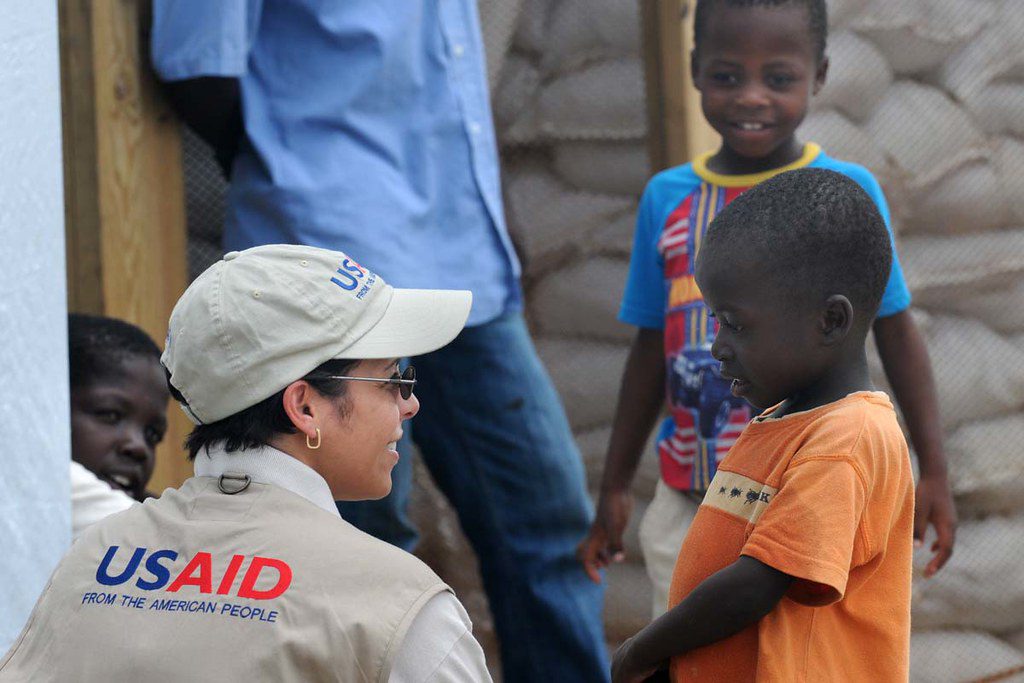
Food security and refugee issues are deeply intertwined, as refugees are particularly vulnerable to becoming food-insecure. Worldwide, millions of refugees face food insecurity. Thankfully, many organizations are using their resources to create innovative solutions to provide healthy food to refugees who are not able to afford or access it. Here are three organizations that are improving food security for refugees:

African Women Rising

The Palabek refugee camp in northern Uganda hosts more than 38,000 refugees who have fled the brutal civil war in South Sudan. Humanitarian organizations have been struggling to find a long-term solution to food insecurity in the camp. While the Ugandan government allocates plots of land for refugees to farm on, these plots of land are usually too small for traditional farming techniques to work. However, the NGO African Women Rising (AWR) thinks it has found an innovative solution to malnutrition among refugees. In 2017, AWR introduced the camp to 30 by 30-meter plots of land known as “permagardens”.

AWR’s permagardens are specially cultivated in a way that allows them to maximize the number of crops, trees and plants that can be grown in them. It can take anywhere from a few months to a year to teach someone permagarden farming techniques. The total cost of developing, training and supporting a permagarden is just $85. The gardens primarily grow various fruits and vegetables, which provide vital micronutrients and vitamins that are not present in their monthly World Food Programme portions. Many other organizations are already starting to replicate the microgarden approach in refugee settings, including the U.N., the Danish Refugee Council and USAID.

Sunrise-USA

Sunrise-USA was founded in 2011 by a group of Syrian-American professionals and claims to be one of the world’s leading humanitarian aid organizations focused on victims of war inside Syria and in refugee camps in neighboring countries. In addition, to providing food security for refugees, Sunrise-USA provides refugees with healthcare, orphan sponsoring services, education, water and sanitation. The organization also helps Syrian refugees, who are mostly Muslim, observe Islamic religious traditions such as Ramadan, Udhiya and Zakat.

Within Syria, Sunrise-USA works to deliver badly needed food baskets to besieged cities. These baskets typically contain chicken, eggs, dates, oils, margarine, tuna cans, sugar and powdered milk, and only cost $45 to produce. While the city of Aleppo was under siege, the organization delivered over 5,000 food baskets, as well as two containers of jackets, sweaters and mattresses. Sunrise-USA’s “Feed Them” campaign has delivered food aid to 30,000 families in need and has provided milk and baby formula to 20,000 vulnerable families with children.

Action Contre La Faim (Action Against Hunger)

Action Contre La Faim (ACF) is a French organization that works in more than 45 countries to treat and prevent malnutrition. For more than 40 years, it has provided various forms of food aid where it is needed most. Its 7,500-member staff currently assists 21 million people worldwide. The organization has responded to various humanitarian crises that have generated large numbers of refugees, including the civil wars that have taken place in South Sudan and Syria, as well as the genocide of the Rohingya people in Myanmar.

In Bangladesh, ACF works to increase food security for refugees who have escaped into the country from Myanmar. Every day, the organization provides 83,000 hot meals and 551,497 liters of water to Rohingya refugees. The organization has also conducted malnutrition screenings for 100,000 Rohingya children and has diagnosed over 11,000 malnourished children. These malnourished children were then referred to ACF’s emergency nutrition programs for treatment through mobile clinics.

As the global refugee crisis continues to intensify, more and more organizations will need to come together to provide both short-term and long-term solutions to food security for refugees. These organizations have shown they are more than willing to rise to this task and have each made a measurable impact on the wellbeing of refugees around the world.

– Andrew Bryant
Photo: Flickr

August 30, 2019
https://borgenproject.org/wp-content/uploads/borgen-project-logo.svg 0 0 Kim Thelwell https://borgenproject.org/wp-content/uploads/borgen-project-logo.svg Kim Thelwell2019-08-30 18:14:032019-10-30 10:10:413 Organizations Improving Food Security for Refugees
Food Aid, Global Poverty, Hunger, USAID

Five Facts About the 2018 USAID Initiatives

2018 USAID Initiatives
The 2018 USAID initiatives included many successful programs to combat global poverty. Certainly, USAID plays a fundamental role in addressing the needs of the developing world through programs that rebuild infrastructure, increase agricultural diversity and reduce crime rates. Here are five facts about USAID’s accomplishments in 2018.

Five Facts About USAID’s 2018 Accomplishments

  1. Food For Peace – In 2018, the USAID Office of Food For Peace provided assistance to 76 million people in 59 countries. It accomplished this through cash transfers, food vouchers, cooperation with regional and local institutions and other services. Food For Peace donated 254,275 metric tonnes of development food assistance. Additionally, the initiative donated 2,244,815 metric tonnes of emergency food assistance. Food For Peace spent $350 million on development programs designed to directly combat poverty. Furthermore, Food For Peace implemented initiatives related to the improvement of agricultural practices and child nutrition in Guatemala.
  2. AIDS Relief – The United States President’s Emergency Plan for AIDS Relief (PEPFAR) saw great progress in 2018. With the support of the U.S. government, PEPFAR’s work even placed 13 countries with high rates of HIV on the path to controlling their epidemics by 2020. In 2018, the organization expanded vital AIDS treatment to reach 14 million people. Just over six million children orphaned or affected by AIDS received support from PEPFAR. Furthermore, 250,000 health workers received training and were able to go to the countries that needed their help the most.
  3. Access to Assistive Technology – In July 2018, USAID instituted ATscale: A Global Partnership for Assistive Technology. USAID intended ATscale to increase global access to assistive technology like hearing aids and wheelchairs. ATscale’s goal is to provide assistive technology to 500 million people by 2030 through partnerships with the U.N., the WHO and others.
  4. Central America – Another fact is that several 2018 USAID initiatives focused on Central America. Currently, USAID investments are a source of funding for a restructuring of El Salvador’s tax system. Another USAID program provides job training to young adults in Guatemala. USAID cooperates with the State Department to provide community programming that reduces crime rates.
  5. Aid Transparency – In June 2018, USAID introduced its 2018 Aid Transparency Index. This index, run independently of USAID, will make aid data visible to the public. No other development agency has undertaken a measure like this. Consequently, by making data about its spending available, USAID will be more likely to receive increased support for its initiatives, especially ambitious ones such as the Sustainable Development Goals.

Overall, in 2018, USAID involvement was a positive force for the citizens of many countries throughout the world. The U.S. International Affairs Budget funded countless 2018 USAID initiatives that served a multitude of purposes. For example, treating AIDS in Africa or assisting farmers in Central America. Although the projects that USAID funds are diverse, they share a common purpose: to create a more peaceful world. To encourage continued congressional support of USAID, U.S. voters can contact their representatives here.

-Emelie Fippin
Photo: Flickr

August 21, 2019
https://borgenproject.org/wp-content/uploads/borgen-project-logo.svg 0 0 Kim Thelwell https://borgenproject.org/wp-content/uploads/borgen-project-logo.svg Kim Thelwell2019-08-21 01:30:002024-05-29 23:00:50Five Facts About the 2018 USAID Initiatives
Developing Countries, Food & Hunger, Food Aid, Global Poverty

How Goats Fight Poverty

How Goats Fight PovertyGoats are the animals of choice for many humanitarian groups across the world looking to provide life-saving, sustainable aid. From East Asia to Haiti, these animals have saved the lives of countless families suffering from poverty and starvation. Goats are particularly sought after in countries where agriculture is prominent. Nearly 85 percent of the world’s farmers are smallholder farmers, meaning that they limited resources. Smallholder farmers typically earn income through the cultivation of one or two crops planted on a tiny plot of land. Many humanitarian groups are highlighting how goats fight poverty through various campaigns.

How Goats Fight Poverty

Goats are the animal of choice for humanitarian groups for a plethora of reasons. From their behavior to their eating patterns, goats are easy to raise and supply marketable produce. For small farmers, goats are much less expensive to raise than cows or buffalo. Their diet mainly consists of grasses and shrubs, allowing them to survive even through inclement conditions such as droughts and crop failure.

Furthermore, goats reach sexual maturity at an early age and reproduce rather quickly. A female goat can give birth up to two times a year. In many impoverished areas, baby goats benefit the entire community as opposed to just one family – instead of being kept on the same farm as its mother, a baby goat is often gifted to an impoverished neighbor.

Goats and Children

Many children living in impoverished conditions do not have adequate access to a nutritious diet. Goats can provide the milk, cheese and protein needed to balance a child’s nutritional needs thus reducing dependency on protein from plant-based sources. This is particularly beneficial for children living in countries like Haiti where crops are often destroyed by natural disasters.

Rearing goats helps families living in poverty to support their children’s educational needs in more than one way. Goats offer a means to break the cycle of generational poverty, providing households with a source of income to send their children to school. Furthermore, with healthful meal options from goats, children will have full stomachs during the day allowing them to focus on their studies.

Recent Programs Involving Goats

One organization, in particular, has recently participated in the effort to alleviate poverty with goats. SIDA, short for the Swedish International Development Cooperation Agency, launched a program in western Mali following a 2014 drought. To help, SIDA provided families suffering from food shortage with two assets: goats and seeds. With these two resources, the organization was able to successfully stabilize Malinese livestock herds to combat the lack of flourishing greens.

SIDA was not only able to alleviate poverty with goats in western Mali, but the organization took things a step further by sharing best practices such as care techniques to ensure sustainability. To date, SIDA’s record in western Mali proves to be exemplary. About 2,610 households in the country received goats to combat food insecurity and provide hope for future generations.

The Future for Goat Farmers

Countless personal stories from smallholder farmers have shown the lifechanging effects a goat can have on a community. These creatures seem to be the perfect solution for rural penury, however, there is one problem that stands in the way: goats are not immune to diseases. Organizations like the African Union Inter African Bureau for Animal Resources have been readily responding to this issue, but it demands much more attention as goats have become an integral part of farming life for poor families around the world.

– Annie O’Connell
Photo: Flickr

August 19, 2019
https://borgenproject.org/wp-content/uploads/borgen-project-logo.svg 0 0 Kim Thelwell https://borgenproject.org/wp-content/uploads/borgen-project-logo.svg Kim Thelwell2019-08-19 01:30:372024-06-06 00:26:24How Goats Fight Poverty
Developing Countries, Food & Hunger, Global Poverty

Aquaponics in Developing Countries

Aquaponics in developing countriesEarth is now home to 7.7 billion people. Of those 7.7 billion people, about 10 percent are currently suffering from chronic undernourishment. With the global population projected to reach 10 billion by 2050, the need for more efficient and effective agriculture practices and systems is critical. Aquaponics, any system that creates a symbiotic relationship between aquaculture (fish farming) and hydroponics (growing plants in water), has the potential to solve this problem.

What is Aquaponics?

Aquaponics is any symbiotic relationship between fish that produce excretions of ammonia, bacteria that convert this ammonia into nitrate, and plants that use this nitrate as fertilizer. Overall, it creates a win-win-win situation for these three organisms, which leads to the maximization of available resources.

History of Aquaponics

Many historians believe that the first aquaponics systems were devised in South China in 5 AD. Farmers would raise ducks, catfish and finfish together in rice paddies. During the Tang Dynasty, records of floating rice rafts on top of fish ponds also began appearing.

Modern aquaponics, on the other hand, emerged in the U.S. Interest in the concept is relatively new, as the majority of the progress made in this field has been achieved within the past 35 years. The first closed-loop system, as well as the first large-scale commercial facility, were both created in the mid-1980s.

Benefits

Aquaponics provides many benefits to its users. In comparison to traditional conventional agriculture methods, aquaponics uses only one-sixth of the water to grow up to eight times more food per acre. Due to it being a closed system and the use of the fish waste as fertilizer, it also avoids the issue of chemical runoff. Because aquaponics produces both a vegetable and fish crop, communities that implement the system would also have access to better nutrition. Protein-calorie malnutrition is often the most common form of nutrient deficiency in developing countries, so providing stable sources of fish protein to such at-risk communities could potentially be revolutionary.

Challenges

Although it is undisputed that aquaponics would be a game-changer for food production in developing countries, the high initial start-up cost of modern aquaponics — about $20,000 for a small commercial system — remains a significant barrier. Furthermore, technical training on the subject would need to be provided to locals prior to the implementation of such systems. These aquaponics systems also require a consistent source of electricity in order to maintain constant water circulation. This issue, however, can likely be solved through alternative sources such as solar or hydropower. Therefore, a more simplified design is required for implementation in developing countries — one that could withstand shortages of raw materials and professionals as well as a strong technical support system.

Implementation in Developing Countries

Currently, aquaponics in developing countries has mostly been brought about through nonprofits. For instance, the Amsha Africa Foundation started an aquaponics campaign in sub-Saharan African countries. After launching its first project in rural Kenya in 2007, the organization has since expanded into five more countries and positively impacted thousands. The project targets sustenance farmers who do not have an adequate supply of food and water and are living on eroded or depleted soils.

Another similar organization is Aquaponics Africa, a project created by engineer Ken Konschel. The organization works with farmers to build and design their own backyard or commercial aquaponics system. It also sells informational handbooks detailing the process of maintaining an aquaponics system in Africa for just R300, or about $20.

Aquaponics in recent decades has proven itself to be quite revolutionary to the agriculture industry. It provides many benefits over conventional farming, as it is both more efficient and effective. But, for it to be easier accessible by communities and individuals in developing countries, greater headway will need to be made in terms of simplifying its design in order to adapt it to different environments.

– Linda Yan
Photo: Wikimedia

August 19, 2019
https://borgenproject.org/wp-content/uploads/borgen-project-logo.svg 0 0 Kim Thelwell https://borgenproject.org/wp-content/uploads/borgen-project-logo.svg Kim Thelwell2019-08-19 01:30:342024-06-06 00:26:24Aquaponics in Developing Countries
Food & Hunger, Gender Equality, Global Poverty, Human Rights

10 International Issues to Watch

10 International Issues to WatchWith the world always changing, there are some issues that remain constant. Some of these issues are directly related to poverty while other events increase the likelihood of creating impoverished communities. Here are 10 international issues to watch in relation to world poverty.

10 International Issues to Watch

  1. Poverty in sub-Saharan Africa
    The good news is that global poverty rates have been dropping since the turn of the century. Nevertheless, there is still work that needs to be done. Approximately 10 percent of people in developing areas live on less than $2 per day. Poverty rates have declined in Eastern and Southeastern Asia, but more than 40 percent of residents of sub-Saharan Africa still live below the poverty line.
  2. Lack of Access to Clean Water
    There are more than 2 billion people in the world who cannot access clean water in their own homes. Lack of access to clean water increases the likelihood of contracting illnesses. When people get sick, they have to spend money on medicine, which can cause families to fall into extreme poverty. In other cases, people have to travel extremely far to collect clean water. Altogether, women and girls spend approximately 200 million hours walking to get water daily. Access to clean water is one of the 10 international issues to watch in relation to world poverty.
  3. Food Security
    By 2050, the world will need to feed 9 billion people, but there will be a 60 percent greater food demand than there is today. Thus, the United Nations is taking steps to address the problem. The U.N. has set improving food security, improving sustainable agriculture and ending hunger as some of their primary focuses by the year 2030. The U.N. must address a wide range of issues to combat these problems. These issues include gender parity, global warming and aging populations.
  4. Improving Education
    Most impoverished communities around the world lack a solid education system. Some common barriers include families being unable to afford school, children having to work to support their family and the undervaluing of girls’ education. UNESCO estimates more than 170 million people could be lifted out of poverty if they had basic reading skills.
  5. Limited Access to Jobs
    In rural and developing communities around the world, there is often limited access to job opportunities. There is a multitude of factors that can lead to a lack of adequate work or even no opportunities at all. Two common roadblocks are a lack of access to land and a limit of resources due to overexploitation. It is obvious that no available means to make money ensures that a family cannot survive without outside help.
  6. Limiting Global Conflict
    When conflict occurs, it impacts the poor the hardest. Social welfare type programs are drained, rural infrastructure may be destroyed in conflict zones and security personnel moves into urban areas, leaving smaller communities behind. At the state level, impoverished communities have lower resilience to conflict because they may not have strong government institutions. Poverty and conflict correlate strongly with one another.
  7. Gender Equality
    From a financial standpoint, gender equality is vital to improving the world economy. The World Economic Forum states that it would take another 118 years to achieve a gender-neutral economy. In 2015, the average male made $10 thousand more a year than their female counterparts. However, there has been an increased amount of awareness on the issue that may lead to an improved economy for all.
  8. Defending Human Rights
    In 2018, the world saw a decline in global freedom. However, over the last 12 consecutive years, global freedom rights have decreased. More than 70 countries have experienced a decline in political and civil liberties. However, in 2019, steps are being taken to limit this problem. At the International Conference on Population and Development, there will be a focus on human rights. France will also align its G-7 efforts at limiting a variety of inequalities.
  9. Responding to Humanitarian Crises
    The 2019 Global Humanitarian Overview shows a large number of humanitarian crises around the world. Between Syria, Colombia and the Democratic Republic of the Congo, there are more than 19 million internally displaced people. In 2019, approximately 132 million people have needed humanitarian help, costing the world economy almost $22 billion.
  10. Climate Change
    From a scientific standpoint, the land temperature has increased by 1 degree C. in the last half decade, and greenhouse gas emissions have risen to their highest levels in more than 800,000 years. This has led to increased storms and droughts throughout the world. In the last 39 years, weather-related economic loss events have tripled.

Even though the world still has many issues to address, progress is being made in a variety of areas that may help limit global poverty. These are but 10 international issues to watch in relation to global poverty. The global awareness of poverty-related issues is something that continues to be extremely important for the advancement of our world.

– Nicholas Bartlett
Photo: Google Images

August 13, 2019
https://borgenproject.org/wp-content/uploads/borgen-project-logo.svg 0 0 Kim Thelwell https://borgenproject.org/wp-content/uploads/borgen-project-logo.svg Kim Thelwell2019-08-13 01:30:172024-06-06 00:15:3410 International Issues to Watch
Page 25 of 78«‹2324252627›»

Get Smarter

  • Global Poverty 101
  • Global Poverty… The Good News
  • Global Poverty & U.S. Jobs
  • Global Poverty and National Security
  • Innovative Solutions to Poverty
  • Global Poverty & Aid FAQ’s
Search Search

Take Action

  • Call Congress
  • Email Congress
  • Donate
  • 30 Ways to Help
  • Volunteer Ops
  • Internships
  • Courses & Certificates
  • The Podcast
Borgen Project

“The Borgen Project is an incredible nonprofit organization that is addressing poverty and hunger and working towards ending them.”

-The Huffington Post

Inside The Borgen Project

  • Contact
  • About
  • Financials
  • President
  • Board of Directors
  • Board of Advisors

International Links

  • UK Email Parliament
  • UK Donate
  • Canada Email Parliament

Get Smarter

  • Global Poverty 101
  • Global Poverty… The Good News
  • Global Poverty & U.S. Jobs
  • Global Poverty and National Security
  • Innovative Solutions to Poverty
  • Global Poverty & Aid FAQ’s

Ways to Help

  • Call Congress
  • Email Congress
  • Donate
  • 30 Ways to Help
  • Volunteer Ops
  • Internships
  • Courses & Certificates
  • The Podcast
Scroll to top Scroll to top Scroll to top