• Link to X
  • Link to Facebook
  • Link to Instagram
  • Link to TikTok
  • Link to Youtube
  • About
    • About Us
      • President
      • Board of Directors
      • Board of Advisors
      • Financials
      • Our Methodology
      • Success Tracker
      • Contact
  • Act Now
    • 30 Ways to Help
      • Email Congress
      • Call Congress
      • Volunteer
      • Courses & Certificates
      • Be a Donor
    • Internships
      • In-Office Internships
      • Remote Internships
    • Legislation
      • Politics 101
  • The Blog
  • The Podcast
  • Magazine
  • Donate
  • Click to open the search input field Click to open the search input field Search
  • Menu Menu

Archive for category: Food & Hunger

Information and stories on food.

Food Aid, Global Poverty

South Korea Helps Fight Food Shortages in North Korea

Food Shortages in North Korea

Currently, food shortages in North Korea are severe. Over the last year, serious droughts, low crop yield and economic sanctions have pushed hunger levels in North Korea to crisis levels. The UN recently estimated that approximately 10 million North Koreans are in urgent need of food aid.

Last month, South Korea pledged to aid in reducing these food shortages, through a donation of 50,000 tons of rice and 4.5 million dollars to the World Food Programme. Once the World Food Programme can guarantee high standards of access and monitoring for this donation, they will oversee its delivery and distribution in North Korea.

Food Shortages in North Korea

Several factors have contributed to the severe food scarcity in North Korea, according to a UN report from May 2019. Conditions over the past year have been terrible for crop production. Prolonged dry spells, serious droughts, flooding and high temperatures prevented crops from growing normally. On top of this, UN experts expect post-harvest losses to be high as well. This is due to shortages of fuel and electricity. This will complicate the transport and storage of crops.

At the beginning of this year, food rations in North Korea fell to a mere 300 grams per person per day. The UN predicts these rations may fall even further in the coming months. The decreasing size of rations is important since the majority of North Koreans require these rations. The UN report estimates that 40 percent of North Koreans are in urgent need of food, while 70 percent of North Koreans depend on rations.

North Korea hasn’t experienced food scarcity of this magnitude, since a nationwide famine in the 1990s. While there is no definitive data for the 1990s famine, experts believe it caused the deaths of hundreds of thousands of North Koreans. These food shortages could cause similar fatalities if food aid isn’t provided quickly.

South Korea’s Food Donation

On June 19, the World Food Programme officially accepted the donation from the Republic of Korea. South Korea has pledged 4.5 million dollars, as well as a direct donation of 50,000 tons of rice. These donations will help approximately 1.5 to 2 million children, pregnant women and nursing mothers.

This donation represents South Korea’s largest donation to food aid in North Korea since 2008. That donation was when South Korea contributed 5,000 tons of rice to relieve food scarcities in North Korea. South Korea’s unification minister, Kim Yeon-Chul, stressed that the South Korean government couldn’t ignore the struggles of its northern neighbor. For South Korea, this donation represents a step forward in the relationship between the two countries.

Looking Forward

Despite the monumental donation from South Korea, the World Food Programme estimates food shortages in North Korea will require more aid. It estimates a need of approximately 300,000 metric tons of food and the equivalent of 275 million dollars of supplies. Though UN sanctions do not limit humanitarian aid to North Korea, the international political situation has made it difficult to reliably distribute aid in the area. However, South Korea’s government believes its donation will cross the border. Overall, the country hopes it will bolster efforts towards reconciliation on the Korean peninsula.

– Morgan Harden
Photo: Flickr

August 1, 2019
https://borgenproject.org/wp-content/uploads/borgen-project-logo.svg 0 0 Kim Thelwell https://borgenproject.org/wp-content/uploads/borgen-project-logo.svg Kim Thelwell2019-08-01 14:58:462024-05-29 23:09:46South Korea Helps Fight Food Shortages in North Korea
Food Security, Global Poverty, Health

The Damaging Effects of Desertification

Effects of Desertification
Desertification poses many threats. In the fields of sustainable development and climate change, it is a serious problem mentioned in one of the 17 global goals for sustainable development. It is also a pertinent issue in the fields of herders in pastoral Africa and China with too many animals who overgraze the vegetation. Among the many preconceived notions and potential threats that it poses, there are several effects of desertification.

According to the United Nations Convention to Combat Desertification (UNCCD), desertification is defined as “land degradation in arid, semi-arid and dry sub-humid areas resulting from various factors, including climatic variations and human activities.” Defining and fixing desertification is a balancing act between human activity versus climatic activity. Environmental and social processes continue to stress the existing arable land still available. The resulting effect of desertification poses a threat to the condition of the land, the productivity of the agriculture and the health of the people, which all point to the larger issue of poverty in those areas.

Desertification’s Effect on Agriculture

Climatic change and human impact are the largest factors in desertification. Within the subcategory of climate change, one of the biggest causes includes climatic variation. Although desertification may intensify with a general climatic trend towards aridity, desertification itself can initiate change in local areas. As such, desertification has serious agricultural effects. When productive land becomes arid and useless, the absence of crop production on a local level has potential global effects. For example, in Jeffara, Tunisia, “desertification threatens around 52% of the land area suitable for agriculture, forestry and pasture farming.” Desertification in Jeffara has resulted in unusable forms of land with degrading soil, as well as salinization and water and wind erosion. These have all led to a loss of land productivity.

It would be natural to wonder what Tunisia has done to combat these contemporary issues. However, these issues are anything but contemporary. Tunisia has been on the search for solutions to desertification since ancient times since it contributes greatly to the country’s impoverished state. The first step to fighting these persistent issues is monitoring. With the use of monitoring initiatives, from field studies to high-resolution satellite images, The Sahara and Sahel Observatory (OSS) developed an environmental monitoring program to set up dashboards and agendas for countries combating desertification through the lens of national policy and sustainable management of resources. With monitoring initiatives like these, people can track the effects of desertification and governments can respond with suitable measures that can not only aid in reducing negative agricultural effects but also subsequently alleviate the poverty in the area.

Desertification’s Effect on the Environment

Beyond the agricultural aspect, desertification has a significant impact on the environment. There is a strong interrelation between desertification and climate change. Desertification not only compromises food production and future food security, but it also releases greenhouse gases into the atmosphere, accelerating global warming. The decomposition of organic matter and biomass in desertified areas in the last 7,800 years has resulted in carbon dioxide emissions that compare to the total emissions from fossil fuel combustion so far.

The Mediterranean Basin has felt these environmental effects of desertification since Platonic times. Plato described forests transforming into rocky lands, resembling “the bones of a sick body.” Unfortunately, this imagery still exists today. Because desertification results in carbon dioxide emissions without replenishing biomass and drastically changes the water content in degraded soil, one of the primary solutions is to restore moisture in drylands with silvopasture and agroforestry. These processes aim to rehabilitate desertified areas by rebuilding carbon sinks, while also providing employment to local farmers. These methods are a win-win solution since they address both the reversal of environmental degradation and the economic concerns of farmers.

Initiatives such as Project Wadi Attir in Northern Negev, Israel are adopting such approaches. The project aims to sequester 10-20 million tons of carbon dioxide into recovering biomass while providing work to thousands. These solutions are promising because they address the environmental effects of desertification while also providing jobs, both which aim to help the state of poverty in the area.

Desertification’s Effect on Health

The effects of desertification on agriculture and the environment points to a larger issue; the health of the people. According to the World Health Organization, land degradation has a significant effect on the health of the land as well as the people that live in it. Desertification forces food production to halt, water sources to dry up and inhabitants to move. Additionally, there are higher chances of malnutrition from this lack of access to food and water, respiratory diseases from the dust produced by wind erosion and the spread of disease due to migratory populations. The case of respiratory disease is not as regional as it may seem. For example, dust storms affect not only neighboring countries, but the entire globe. A recent study by the International Union for the Scientific Study of Population showed that there is a strong correlation between dust storms in China and mortality in Korea, specifically with the onset of cardiovascular disease in males under 65 years old.

One of the best measures for preventing these adverse effects, as suggested by the aforementioned study, is early warning systems. According to the UNCCD, it is the synergy of “meteorological networks, air quality monitoring stations, and use of satellite data” that can best prevent these health risks. Another approach that shares similar goals with alleviating environmental effects is source mitigation. Sustainable land management and restoration techniques can both help the degraded land itself and prevent the source from spreading these adverse health effects.

Desertification is a complex topic. The question of what the effects of desertification are is a difficult one to answer because it involves complicated interactions between natural and human activity. Desertification manifests in negative agricultural, environmental and health effects, which are all indicators of poverty. The hope is that the solutions to these individual effects can address the larger issue of poverty in those arid regions.

– Andrew Yang
Photo: Flickr

July 25, 2019
https://borgenproject.org/wp-content/uploads/borgen-project-logo.svg 0 0 Kim Thelwell https://borgenproject.org/wp-content/uploads/borgen-project-logo.svg Kim Thelwell2019-07-25 01:30:432024-06-12 07:49:35The Damaging Effects of Desertification
Aid, Food Insecurity, Food Security, Global Poverty

10 Facts About Food Insecurity in Central America

Food Insecurity in Central AmericaThe ability to consistently access nourishment is vital for all people. In regions affected by poverty, like Central America, many families lack this ability. These 10 facts will provide a glimpse at food insecurity in Central America, how it affects the lives of the people who live there and what has been done to address it.
10 Facts About Food Insecurity in Central America

  1. More than 10 percent of Guatemalan children are underweight. About 46.5 percent of Guatemalan children suffer from stunted growth caused by malnutrition. Indigenous children are more likely to suffer from stunted growth; 58 percent of Guatemalan indigenous children under 5 suffer from this condition. Indigenous children are also more likely to suffer from anemia and vitamin deficiencies.
  2. Food insecurity fuels migration to the U.S. Severe droughts, crops destroyed by fungus and persistent poverty all play a role in preventing families from thriving in their home country. USAID and U.N. reports find that poverty and food insecurity in Central America motivates migration more than other factors.
  3. From 2015 to 2018, food insecurity in Central America increased annually. Indigenous populations and women were the groups most impacted by chronic hunger. Poor and rural communities were also likely to suffer from hunger and malnutrition.
  4. USAID’s response to food insecurity is focused on agriculture. USAID funds studies that create solutions to agricultural problems. USAID works with many groups, including governments, universities and American farmers, to bring agricultural solutions to regions affected by food insecurity. USAID also implements initiatives like Feed the Future that directly address food insecurity. Guatemala and Honduras are two of the 12 countries that receive specially targeted assistance through Feed the Future.
  5. Between 2013 and 2017, USAID’s initiative Feed the Future provided assistance to 215,000 Guatemalan children. During this period, Guatemalan agricultural production created $47.8 million worth of profits for the Guatemalan economy. Feed the Future worked to improve agriculture in Guatemala by providing resilient seedlings, higher-quality pesticides and training to prevent the spread of disease among crops. Guatemalan agriculture also became more diverse thanks to the introduction of new crops. In cooperation with USDA, Feed the Future helped Guatemalan farmers learn new methods of planting crops and tracking their growth electronically.
  6. In 2014, USAID implemented new programs in Honduras to fulfill the goals of the U.S. Global Food Security Strategy. In cooperation with the Honduran government, USAID works to decrease rates of stunted growth by 20 percent by 2020. USAID is also working to move 10,000 families out of extreme poverty by 2020. To combat food insecurity in Honduras, USAID is promoting crop diversity, improving infrastructure connecting rural areas to urban areas and improving child nutrition.
  7. The Dry Corridor is experiencing drought. The region referred to as the Central American “Dry Corridor” consists of Guatemala, Honduras, El Salvador and Nicaragua. During the summer of 2018, the Dry Corridor was hit by low levels of rainfall and above-average temperatures. The unusually severe drought of 2018 came after a previous two years of drought that lasted from 2014 to 2016, which required food relief for millions of people.
  8. Food insecurity in Central America has been worsened by severe droughts. For the past year, there has been a severe drought in Nicaragua, Honduras, and Guatemala. 290,322 families in the Northern Triangle countries of Honduras, Guatemala and El Salvador were affected by the 2018 drought. $37 million worth of corn was destroyed in El Salvador alone due to lack of rain.
  9. The Central American drought was caused by the effects of the 2015-16 El Niño Event and by the results of global climate change. After the drought, about 3.6 million people required food-related aid. 50-90 percent of the region’s agricultural production was destroyed.
  10. After the 2014-15 droughts and the following spike in food insecurity, the Central American Dry Corridor received an influx of humanitarian aid. Efforts were made to conserve soil, more closely track data about nutrition and hunger and better prepare for future droughts. In the midst of the 2018 drought, data collection was prioritized in order to maintain stable food prices, combat food insecurity within particularly vulnerable populations and relocate rural families away from the regions most severely affected by the drought.

Central America, a region already affected by poverty, reached the brink of crisis after nearly 5 years of severe droughts. By 2018, food insecurity in Central America had spread throughout the countries of the Dry Corridor. But regional governments, with the assistance of relief agencies, implemented agriculture-based solutions to ensure that future droughts would not have the same disastrous consequences. These innovative solutions pave the way for a more secure future in Central America.

– Emelie Fippin
Photo: Flickr

July 18, 2019
https://borgenproject.org/wp-content/uploads/borgen-project-logo.svg 0 0 Kim Thelwell https://borgenproject.org/wp-content/uploads/borgen-project-logo.svg Kim Thelwell2019-07-18 14:04:382024-05-29 23:09:5110 Facts About Food Insecurity in Central America
Food & Hunger, Global Poverty, United Nations

5 Facts from the UN Report on “Climate Apartheid”

UN Report on "Climate Apartheid"On June 25th, the United Nations released a report saying the world is at risk of a “climate apartheid.” This describes a situation where wealthy people will be able to escape heat and hunger caused by climate change, while the poor are forced to endure distressing conditions. Philip Alston, a UN expert on human rights and extreme poverty, said climate change “could push more than 120 million more people into poverty by 2030 and will have the most severe impact in poor countries, regions, and the places poor people live and work.” While there are many things to understand from the dense findings, there are key highlights that are crucial to know about the UN report on “climate apartheid.”

5 facts from the UN report on “climate apartheid”:

  1. Extreme weather conditions threaten to undo the last 50 years of progress in poverty reduction around the globe.
    Weather-related conditions like droughts and flooding are much more likely to occur if climate change continues to worsen. People who already experience extreme poverty tend to live in communities that depend on local harvests to survive. If weather causes food supplies to disappear, these people are likely to experience famine and malnutrition. This can result in illness and death.
  2. Even the “best-case scenario” for climate change would lead to food insecurity in many regions.
    Next, Alston says that “even if current targets are met, tens of millions will be impoverished, leading to widespread displacement and hunger.” Reaching current targets would mean only a 1.5 degree Celsius increase in temperature by 2100. This would cause many already poor regions to become food insecure.
  3. The UNHC says that it’s likely the wealthy will be able to pay to escape worsening conditions.
    Alston notes that “an over-reliance on the private sector could lead to a climate apartheid scenario in which the wealthy pay to escape overheating, hunger and conflict, while the rest of the world is left to suffer.” For example, he cited the 2012 Hurricane Sandy as an example of this, because many impoverished New Yorkers were without basic necessities during the disaster, while “the Goldman Sachs headquarters was protected by tens of thousands of its own sandbags and power from its generator.”
  4. Democracy could be at risk in affected regions.
    If weather conditions lead governments to declare states of emergency, it is likely to cause drastic changes in power structures. The report says “states may very well respond to climate change by augmenting government powers and circumscribing some rights. This will be a very fraught process and require great vigilance on the part of governments, human rights institutions and national and regional courts.” Additionally, some governments will be under-prepared to cope with serious conditions. As a result, this can cause social unrest and community discontent. It could even spark nationalist, xenophobic and racist responses.
  5. There are potential solutions.
    The report also suggests that tackling the problem with a human-rights-focused response may be the best way. It includes giving vulnerable communities access to protective infrastructure, financial aid, relocation options, employment support and land tenure. Additionally, this includes access to food, clean water and healthcare. Furthermore, the report noted that building coalitions are key to addressing the issue, saying “major human rights actors must tackle questions about emissions, resource allocation, and energy and economic policy that states are grappling with and where there is a real need for detailed, actionable recommendations.”

Why the report matters

Overall, the release of the UNHR document has sparked widespread media coverage and global awareness. Understanding these 5 Facts from the UN report on “climate apartheid” is a critical step in addressing the problem.

-Natalie Malek
Photo: Flickr

July 18, 2019
https://borgenproject.org/wp-content/uploads/borgen-project-logo.svg 0 0 Kim Thelwell https://borgenproject.org/wp-content/uploads/borgen-project-logo.svg Kim Thelwell2019-07-18 05:31:212019-07-18 05:31:215 Facts from the UN Report on “Climate Apartheid”
Food & Hunger, Global Poverty

Chefs Aiding in the Fight Against Global Poverty

Fight Against Global Poverty
When one thinks about what it means to be a chef, whether celebrity or not, aiding in the fight against global poverty does not usually seem to be a prerequisite. However, as foodie culture is in its heyday in the United States, chefs are becoming more publicized in the fight against hunger, as well as bringing unfamiliar cultures to Americans via food. In addition, they often play custodians of the world via sustainability.

The history of chefs in the fight against global poverty within the U.S. and abroad is brief but significant. The creativity and innovation that chefs use to aid the less fortunate and encourage sustainability are inspiring and motivating, encouraging people to think outside the box.

Chefs and Other Cultures

The essence of a chef is that they are there to serve or at least there to create a dish for guests to enjoy. Though chefs all over the world prepare creative, exquisite and unimaginable meals, the thought that they can serve something other than food is overlooked. However, when one digs more into the existentially philosophical explanation of what chefs do in the modern era, it becomes apparent that chefs are not just serving food to their guests; they are also familiarizing guests with recipes from other cultures.

For example, when debating the best foodie destinations, many people start by naming the classics like Paris, Rome or Naples. However, when chefs serve dishes inspired by other cultures around the world, they shift the paradigm by making people familiar with places often overlooked. Anthony Bourdain’s show, “Part’s Unknown”, is an example of bringing people’s attention to different cultures; Bourdain used his reputation as a world-renowned chef to showcase the food and cultures of places that food critics do not usually discuss. He brought viewers to Tanzania, Trinidad and numerous other destinations that Americans forget as cultural destinations. Bourdain did this not by visiting the most elite restaurants in these places, but by eating the food of local street vendors and home cooked meals with the locals.

Nicholas Verdisco and No Kid Hungry

Portland chef, Nicholas Verdisco, a Jean-Georges alumni, spoke about the accessibility of other cultures in an interview with The Borgen Project, but speaking about the similarities between cultures: “Most cultures have a stuffed dough whether it be fried or steamed, think ravioli, dumplings or empanadas… [Simply] Flour and water.” Essentially, cultures have much more in common than one may think. People should not stray from various foods because they are different but enjoy them because of their similarities to more familiar foods. This is an important lesson when discussing how to familiarize different cultures to mainstream America.

Verdisco also talked about how he and other chefs fight against global poverty and poor living conditions. Verdisco focuses on feeding children that are hungry by working with multiple charity organizations, such as No Kid Hungry, a charitable organization that is working to end child hunger in the United States by providing children with access to food. Verdisco says that chefs feel that there is still a chance for children to not worry about where their next meal may come from. He also envisions that food may be their way out of poverty and its symptoms.

Other Chef Endeavours and Sustainability

Along these lines, many other chefs have worked with organizations that battle tough issues like hunger and child poverty; chefs have even created their own organizations. Notably, Jose Andres created Think Food Group which is an organization that attempts to bring food to those in need via education and innovation. Massimmo Botura created Food for Soul, which fights “food waste through social inclusion.”

Upon the lines of food waste, sustainability is also an important area of focus for many chefs around the world. Chef Verdiso told The Borgen Project, “I was raised to eat sustainable… Italians shop a couple of times a week. As a kid growing up I seemed to be at the grocery store all the time… It was definitely not a one stop and get all the shopping done… Now as a chef I write menus with the seasons and with the location of where I am cooking, try[ing] to buy from local farms.”

In terms of food waste, Chef Verdisco notes that chefs’ hands are tied behind their backs with the regulation of food disposal. Food redistribution is difficult without an organization like Think Food Group and most food redistribution organizations are understaffed, to begin with.

Never before have chefs had such an important role in reducing poverty and hunger. Advocacy groups and charitable organizations, sometimes created by chefs, allow chefs to reduce hunger and childhood poverty. With sustainability as a focal point, chefs are also, now more than ever, creating less food waste and a more educated citizenry through serving local and fresh foods. What people must keep in mind, though, is that many organizations that chefs work with suffer understaffing. Also, red tape makes it difficult for chefs to send food to various organizations after restaurants no longer need it.

– Kurt Thiele
Photo: Flickr

July 16, 2019
https://borgenproject.org/wp-content/uploads/borgen-project-logo.svg 0 0 Kim Thelwell https://borgenproject.org/wp-content/uploads/borgen-project-logo.svg Kim Thelwell2019-07-16 08:53:402020-01-26 20:20:10Chefs Aiding in the Fight Against Global Poverty
Food Security, Global Poverty, Hunger

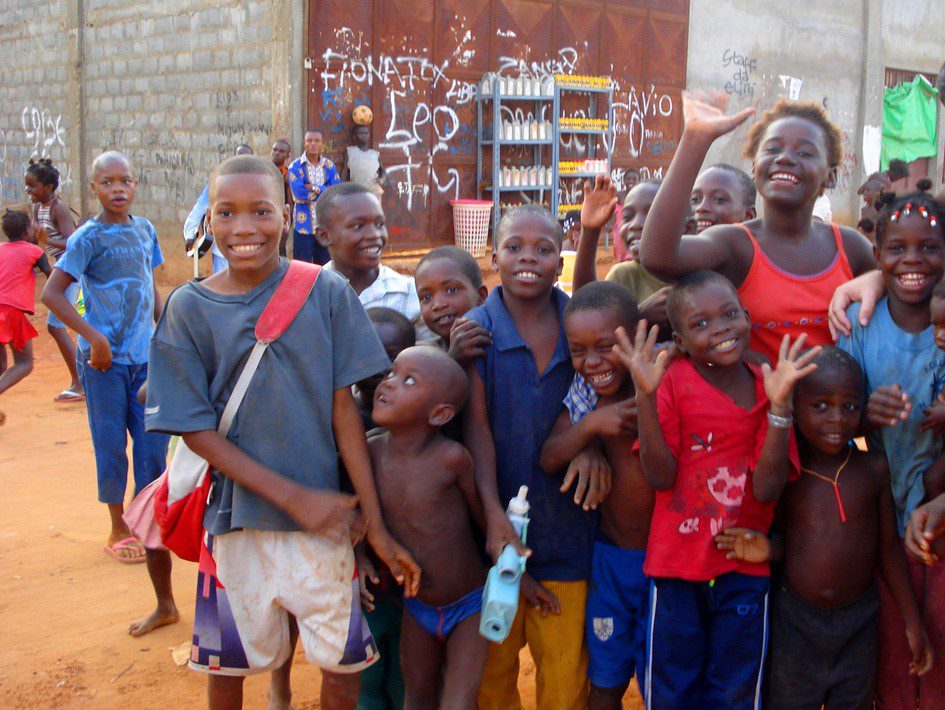
10 Facts About Hunger in Angola

10 Facts About Hunger in Angola

Located in Southern Africa at the border of the South Atlantic Ocean, Angola is a country that, despite its extensive oil and diamond reserves, struggles with severe poverty and hunger. Angola‘s violent 27-year civil war came to an end in 2002, and since then the government has been hard at work with multiple NGOs and citizen-led efforts to improve the nation’s economy and access the land’s remarkable agricultural potential. In doing so, the human development of Angola has been continuing at a consistent and assured pace. Here are 10 facts about hunger in Angola.

10 Facts About Hunger in Angola

  1. With a score of 29.5 on the 2018 Global Hunger Index, Angola ranks 95 out of 119 countries, placing it in the serious level of risk category. This means the state of Angola has an inadequate food supply and a high rate of child mortality and undernutrition. While this rating may appear bleak, hunger in Angola has decreased dramatically since the year 2000, when the country received a hunger score of 65.6.
  2. The Food and Agriculture Organization of the United Nations (FAO) has shifted in focus from emergency assistance towards long-term agricultural development and policy creation. This includes the Poverty Reduction Strategy, a policy framework dedicated to consolidating peace through the improvement of living conditions for vulnerable people. This shift is evidence of the country’s improvement in addressing the hunger of its inhabitants. Now that the organization may focus on engendering an environment with policy creation and education, Angola can have a future of economic health and food security.
  3. Along with the Poverty Reduction Strategy, the FAO is currently working to provide technical support, food security, agricultural productivity and farming education. The organization is also applying a Disaster Risk Reduction and Management Plan to minimize the effects of climatic shock and climate change on the state’s many rural communities by increasing the government capacity to implement disaster risk reduction and management, facilitate the coordination of stakeholders to implement reduction and management and educate farmers and workers on the use of technologies and practices on reduction and management.
  4. The symptoms of hunger in Angola have been on a downward trend in the recent decade, with the rates of child mortality, child wasting, child stunting and undernourishment all decreasing steadily. For child stunting, the percentage of children under five with stunted growth has decreased from 55 percent in 1995 to 30 percent in 2017. The many agricultural and political efforts in Angola to create profitable farms for rural communities and progressive policy creation emphasizing poverty reduction and food security have caused this decline.
  5. While the availability and use of basic sanitation services have been increasing at a constant rate, the percentage of the population with access to safe drinking water has remained stagnant at around 49 percent. Access to clean water is one of the most important conditions for achieving hunger relief due to its necessity in healthy nutrition and impact on health, disease prevention and cleanliness.
  6. In partnership with AGRINATURA, a group of European research organizations and universities that have been in operation for 30 years, the FAO has been creating multiple objectives to aid the issue of hunger. These include seeds cooperatives to commercialize seeds from 200 smallholder farmers; rice development, which aims to prepare and commercialize rice production; and rural entrepreneurship, which intends to provide business opportunities to agricultural entrepreneurs in Angola.
  7. The World Food Programme has been working with Angola to aid the hunger of more than 70,000 refugees, many of whom are from the Democratic Republic of the Congo. It provides full-ration food assistance and specialized nutritious foods for young children, pregnant women and breastfeeding mothers. It also offers air transportation to and from remote areas of the country.
  8. AGRINATURA has also been working with Angolan farmers to tap the potential of agricultural coffee production. Angola was once a prominent coffee producer until the Angolan civil war. Since then, coffee production decreased dramatically. Increased production of the cash crop will aid the country’s economy and, as a result, help reduce the poverty and hunger of the Angolan people.
  9. Though Angola has remarkable potential for agricultural development, the country’s agricultural GDP is only 10 percent of the national GDP. The government of Angola is currently prioritizing its agricultural sector with financial investments so that it can make use of the untapped potential and help Angolan citizens and refugees.
  10. Ending the 10 facts about hunger in Angola is The Food, Agricultural and Natural Resources Policy Analysis Network, an organization seeking the creation of longterm food, agricultural and natural resources policies. It is currently working in Angola with the United Nations, Angola’s government and private sector to promote poverty-reductionist agricultural policy, increase food security and promote sustainable agricultural development.

While Angola currently ranks in the bottom quarter of countries on the Global Hunger Index, these 10 facts about hunger in Angola and the country’s downward trend in poverty and hunger is incredibly assuring. With the continued work by the government, NGO’s and citizen-led efforts to create poverty-reductionist policy, move agricultural development forward and increase food security, hunger in Angola should continue to decline, and the nation should continue its path into becoming prosperous and secure.

– Jordan AbuAljazer
Photo: Flickr

July 12, 2019
https://borgenproject.org/wp-content/uploads/borgen-project-logo.svg 0 0 Kim Thelwell https://borgenproject.org/wp-content/uploads/borgen-project-logo.svg Kim Thelwell2019-07-12 07:47:522024-05-29 23:10:3910 Facts About Hunger in Angola
Food & Hunger, Food Aid, Food Security, Global Poverty

5 Organizations Combating Food Insecurity


Food InsecurityAccording to the U.N., malnutrition has been on the rise in recent years. The latest data states that 821 million people are undernourished. This translates to one in nine people suffering from hunger. These statistics are staggering; fortunately, this problem is currently being addressed by numerous organizations that are combating food insecurity across the globe.

What is Food Insecurity?

The U.N. defines food insecurity as “uncertain access to food at the household or individual level.” In 2017, in the U.S. alone, 40 million people faced food insecurity. This number drastically increases when describing those who are food insecure worldwide. Food insecurity can lead to severe malnourishment. Due to the fact that the price of fresh, healthy food is typically higher than that of processed foods, food insecurity can also lead to obesity. This is how poverty can increase food insecurity

Food insecurity can be the result of multiple factors. Natural disasters and droughts are examples of conditions that contribute to food insecurity. For example, in 2016, 40 million people experienced food insecurity after El Niño. Though these statistics are discouraging, different organizations are addressing this problem. These five organizations combating food insecurity are making a difference in the lives of millions.

Five Organizations Combating Food Insecurity

  1. The United States Agency for International Development (USAID): USAID provides support for 142 countries across the globe. The largest areas of aid provided include emergency relief ($3.9 billion) and the reduction of HIV/AIDS ($3.5 billion). However, the areas of assistance often extend past these categories to include health, agriculture, education and more.
  2. World Food Programme (WFP): The WFP provides aid to 83 countries annually. They also help approximately 86.7 million people each year. This organization centers its efforts on areas of conflict and disasters. It is estimated that WFP provides 15 billion rations each year. One donation of $50 through WFP provides three months of food for a child in need.
  3. Food and Agriculture Organization (FAO): FAO works in 130 nations around the world. It has adopted the slogan #ZeroHunger in unison with numerous organizations globally, which reflects its purpose of ending hunger through the use of agricultural programs. This agency of the U.N. also focuses on sustainability. Additionally, it provides support for countries to protect against the detrimental effects of natural disasters.
  4. The World Bank: Created in 1947, the World Bank has provided funding for 12,000 projects globally to go towards disaster relief and support development. The World Bank’s mission includes reducing extreme poverty by providing financial and technical assistance to developing countries. It has five subsections aimed at accomplishing specific goals. These subsections convene together to promote the common mission. One of the five institutions is the International Finance Corporation, which provides financial services to the countries where the World Bank works.
  5. International Fund for Agricultural Development (IFAD): IFAD is an organization combating food insecurity in rural regions. Another branch of the U.N. established in 1974, IFAD was created to address the food insecurity resulting from poverty. Its focuses include building up agricultural programs and creating a lasting impact on people in rural areas.

These organizations are a few examples of the various organizations combating food insecurity globally. Their efforts provide valuable assistance to reduce the number of people who face food insecurity and hunger around the world. Food insecurity can have detrimental effects on those who experience it. However, it is reassuring to know that there are organizations working to reduce the severity and extent of hunger.

-Carolyn Newsome
Photo: Flickr

July 12, 2019
https://borgenproject.org/wp-content/uploads/borgen-project-logo.svg 0 0 Kim Thelwell https://borgenproject.org/wp-content/uploads/borgen-project-logo.svg Kim Thelwell2019-07-12 01:30:252024-05-29 23:00:235 Organizations Combating Food Insecurity
Food & Hunger, Global Poverty, Poverty

10 Facts About Slums in Venezuela

Slums in Venezuela
The once oil-rich South American nation of Venezuela has seen tremendous hardship in recent years as the economy has collapsed and inflation rates continue to rise. In many urban centers across Venezuela, the poor reside in slums, known as barrios. The number of people living in barrios has steadily increased as the county has become urbanized. These barrios are vulnerable to a host of threats, including high levels of violence and environmental dangers. Below is a list of 10 facts about slums in Venezuela.

10 Facts About Slums in Venezuela

  1. Rapid urbanization following the financial boom during the 1950s in Venezuela led to a major housing shortage. As the country’s economy skyrocketed, many people abandoned a rural way of life to move to city centers. The country could not accommodate the influx of people to the cities. This led to overcrowded urban housing structures, such as the famed 23 de Enero, which years later would develop into one of the country’s largest slums. Today, nearly 93 percent of the Venezuelan population lives in urban centers. In the capital of Caracas, two-thirds of the population live in slums.
  2. In 2011, in an effort to solve the housing shortage which left 3.7 million Venezuelans without proper shelter, Former president Hugo Chavez passed a bill that would allow people to build upon any unoccupied land. Therefore, families that occupied homes in the slums most often built them as well. Because much of the land in the mountainous regions of Venezuela is not suitable to build upon, people took to building their homes on top of each other. This created crowded vertical slum communities, most notable in the outskirts of the country’s biggest city, Caracas.
  3. Venezuela was previously home to the tallest slum in the world. Amid the bustling financial center of Caracas, the famed Tower of David stood 45 stories high and housed 750 families. Abandoned before its completion, people developed the unfinished skyscraper into a slum apartment complex. In 2016, government officials evacuated the families and an earthquake partially destroyed the tower soon after.
  4. Venezuela currently has one of the world’s highest inflation rates in the world. At the end of 2018, Venezuela’s annual inflation rate was 180,000 percent. Massive inflation has led to widespread food insecurity and has left 82 percent of the population impoverished. Many people have quit their jobs in order to spend their days finding food. People must stand in long lines for food in the slums in Venezuela, while the wealthier people take to the black market to buy food at exorbitant prices.
  5. Many of the slums in Venezuela are on the sides of steep mountain slopes. With a rainy season that lasts several months, from May to November, residents of the feebly built slums in Venezuela are very vulnerable to environmental dangers, such as earthquakes and mudslides. Years of construction on these mountainsides have destabilized the soil, doubling the threat since the 1950s of deadly mudslides. One of the most notorious storms hit Venezuela in 1999 when a year’s worth of rain fell in just a matter of days. Mudslides following this storm killed 32,000 people and left 140,000 homeless.
  6. A series of massive power outages that began in March 2019 left more than 20 million people without access to running water for over two weeks. With an unstable government and economic collapse, there is a continual threat of more power outages in Venezuela. Out-of-date electrical power systems are necessary to pump water up the steep hillsides where most of the slums reside. Whereas wealthier Venezuelans can travel to streams and lakes for their water, residents of the slums must line up at local manholes, nicknamed pozos or wells, for their water supply. Because many are using unclean water sources, there has been a recent increase in Typhoid Fever and Hepatitis A.
  7. Approximately 840,000 children in Venezuela have lost at least one parent to emigration in recent years, and hundreds have moved into orphanages as their parents struggle to provide for their children. Thirty-three percent of children have a growth delay and mental damage from malnourishment, and the under-5 mortality rate has increased by 50 percent since 2014. President Nicolás Maduro has recently shut down social service offices, such as those that the Fundana orphanage in Caracas runs, that helped desperate parents in the slums arrange for their children to enter the orphanages. Now, many live on the streets in the hopes that someone will save them.
  8. In April 2019, President Nicolás Maduro changed his policy and agreed to allow aid to enter Venezuela, bringing hope to the malnourished and endangered population. UNICEF and its partner organizations have provided health and nutritional supplies to more than 350,000 Venezuelan women and children in the past year. These organizations have also distributed over 12,000 water purification tablets and 4,200 oral rehydration salts during this time. These, along with other international relief services, vow to continue to help the malnourished population in Venezuela.
  9. Because hospitals lack basic necessities and access to clean water, UNICEF and its partner organizations have worked to provide generators to hospitals in the case of power outages. In addition, they have sent 55 tons of health supplies to the country since January 2019. These supplies include deworming tablets that have helped 4.3 million children and breastfeeding or pregnant women. They also include vaccines to combat the deadly diseases that plague children in Venezuela, including nine million doses of the diphtheria vaccine, during their national immunization campaign.
  10. Although many teachers have left and school attendance has dropped by half in the past two years, people have not given up on the struggling youth in Venezuela. International relief efforts and nonprofit organizations have come together to offer safety and psychological treatment for the at-risk youth. UNICEF has contributed 260 education kits for over 150,000 children in public schools. It has also offered psychosocial support for nearly 10,000 children. The Venezuelan organization Pasión Petare, which uses soccer to help children stay motivated and avoid lives of crime in the slums in Venezuela, has also recently begun to offer daily meals and a safe place to spend the day to over 2,000 students in the slum of Petare.

Given these 10 facts about the slums in Venezuela, there is clearly a need for the world to continue working and fighting on behalf of the struggling population. Despite the dire circumstances that exist in the barrios, the people continue to fight for their survival. From private orphanages and grassroots organizations to international relief efforts, the world clearly cares about the plight of Venezuelans. People are aware of the tremendous difficulties that face the country and will continue to reach out with assistance as the population gropes for their survival one day at a time.

– Christina Laucello
Photo: Flickr

July 8, 2019
https://borgenproject.org/wp-content/uploads/borgen-project-logo.svg 0 0 Kim Thelwell https://borgenproject.org/wp-content/uploads/borgen-project-logo.svg Kim Thelwell2019-07-08 07:31:572024-05-29 23:13:5010 Facts About Slums in Venezuela
Food & Hunger, Food Security, Global Poverty

What is Food Insecurity?

What is Food Insecurity?What is Food Insecurity? Food insecurity occurs when a person is consistently unable to get enough food on a day-to-day basis. This epidemic plagues millions across the globe, resulting in malnutrition, chronic hunger and low quality of health. When a person lives with hunger or fear of going hungry, they are considered to be food insecure. It is important to understand why food insecurity happens and what can be done to alleviate it.

What is Food Insecurity?

Food insecurity can be broken down into three aspects. The first is food availability, which means having physical access to a food supply on a consistent basis. The second is food access, which means that a person has the resources, such as money, available to obtain and sufficient amount of food. The third is food utilization, which addresses how a person consumes food and whether or not they use the food available to maintain a nutritious diet. It is important to note that proper sanitation and hygiene practices also contribute to food utilization.

On average, more than 9 million people a year die from global food insecurity. Unfortunately, poverty and food insecurity have long gone hand-in-hand because people living in poverty are less likely to have sufficient resources to buy food or produce their own. Families without the resources to escape extreme poverty are likely unable to escape chronic hunger as well. There are several factors contributing to the large number of people who are food insecure.

  1. The steady growth in human population contributes greatly to the increase in food insecurity. With more people on Earth comes more mouths to feed. The rate in which food is grown simply isn’t able to keep up with the projected population growth.
  2. Another contributing cause of food insecurity is the global water crisis. “Widespread over-pumping and irrigation” are leading to a depletion of water sources needed to produce agriculture and produce. Water reserves in many countries have dropped drastically, directly impacting food supplies in these countries and others.
  3. Recent climate extremes and natural disasters also affect food supplies, ruining communities and the agriculture within them. Climate change has impacted crops, forests and water supplies, ultimately spiking prices in areas that are already affected.

The Impact of Food Insecurity

Food insecurity impacts individuals, families and communities far and wide. Although the number of people living with hunger has dropped since the 20th century, there are still more than 800 million people in the world without food security. In developing countries, nearly one in six children is malnourished and poor nutrition accounts for almost half of deaths in children under five. While Asia has the highest population of food insecure people, Sub-Saharan Africa has the highest prevalence with 25 percent of the population living in hunger.

Food insecurity can lead to many health problems if a person is not getting the nutrients they need. Malnutrition is an issue that can affect all aspects of one’s health. While food insecurity directly impacts all these people, it indirectly impacts the whole population. The problem of food insecurity is a product of behaviors that people do every day, and it has the ability to affect people who may not even know it.

Combatting Food Insecurity

Despite a large number of impending causes, there are still actions that can be taken in daily life to contribute to combating food insecurity. Urging the government to make nutrition programs that emphasize nutrition as a priority is one way to help in the fight. Even if someone is not exposed to food insecurity in their personal life, they can still put pressure on the government to make policies that could help people in developing countries fight this epidemic.

There are also a number of programs and nonprofit organizations that rely on donations and aid in order to make a big difference. The World Food Programme and World Health Organization are two examples of charities that devote time and resources to combating malnutrition and hunger. Donating food to a local food bank or volunteering at one are more hands-on ways to make a difference. Of course, an emphasis on foreign aid and public policy are two of the most impactful ways to reach the most people in the shortest amount of time.

While the numbers may seem staggering, there has been a 17 percent decrease in global food insecurity since the 1990s, but with awareness and effort, that number could be improved. There is reason to believe that, given the right tools and commitment, global food insecurity could become a more manageable problem in years to come.

– Charlotte M. Kriftcher

Photo: Pixabay

June 1, 2019
https://borgenproject.org/wp-content/uploads/borgen-project-logo.svg 0 0 Kim Thelwell https://borgenproject.org/wp-content/uploads/borgen-project-logo.svg Kim Thelwell2019-06-01 01:30:252019-05-28 16:20:08What is Food Insecurity?
Food & Hunger, Food Aid, Global Poverty, Refugees, United Nations, USAID

How USAID Provides Refugee Food Assistance

Refugee Food AssistanceFor more than 60 years, the U.S. Agency for International Development has upheld its commitment to end global poverty, providing desperately needed refugee food assistance today. USAID works in more than 100 countries. It primarily provides humanitarian assistance, promotes global health and supports global stability. All around the world, more than 25 million people face refugee crises. And among these 25 million people, more than half are young children.

Food Assistance

USAID assists refugees by providing emergency refugee food assistance to 25 countries. In particular, USAID’s food assistance reaches Lebanon, Jordan, Ethiopia, Chad, Uganda and Bangladesh. One of the world’s biggest refugee camps lies in the southeastern corner of Bangladesh, in Cox’s Bazar. There, an estimated 868,000 Rohingya refugees seek safe haven. In order to escape western Myanmar, refugees must travel on foot through forests and turbulent waters. Often times, refugees do not have enough food for the trip and witness the deaths of loved ones. By the end of this journey, many refugees have nowhere to live and no source of living. Fortunately, USAID’s programs offer assistance.

Furthermore, USAID’s Office of Food for Peace and the United Nations’ World Food Programme partnered to assist those seeking peace, who lack a home and food. USAID and WFP provide packs of high-energy biscuits as meal replacements for arriving refugees. Moreover, USAID gives WFP resources to buy rice from Bangladesh’s national rice reserve. However, it takes time to distribute food to refugee camps. USAID even supports CARE International, which provides U.S. imported food to Cox’s Bazar.

Relief Tactics

Altogether, USAID programs lay out plans for permanent and stable recoveries using four types of relief tactics. Firstly, USAID provides locally and regionally purchased food, which is more quickly accessible than imported food. Secondly, if local food is unavailable, USAID provides U.S.-grown food. Thirdly, if imported food distorts local prices, USAID offers paper or electronic food vouchers. These vouchers allow refugees to purchase local food and support local communities. Fourthly, if more flexible solutions are required, USAID supplies cash, mobile or debit card transfers.

Beyond relief tactics, USAID helps improve global stability. Every year, USAID assists more than 40 to 50 million people worldwide with emergency food assistance. In 2018 alone, USAID gave more than $690 million to help refugees around the world. Overall, numerous countries benefit from USAID. By providing refugee food assistance, USAID plays a huge role in helping millions living in extreme poverty.

– Fita Mesui
Photo: Flickr

May 31, 2019
https://borgenproject.org/wp-content/uploads/borgen-project-logo.svg 0 0 Kim Thelwell https://borgenproject.org/wp-content/uploads/borgen-project-logo.svg Kim Thelwell2019-05-31 01:30:022019-06-02 07:24:53How USAID Provides Refugee Food Assistance
Page 26 of 78«‹2425262728›»

Get Smarter

  • Global Poverty 101
  • Global Poverty… The Good News
  • Global Poverty & U.S. Jobs
  • Global Poverty and National Security
  • Innovative Solutions to Poverty
  • Global Poverty & Aid FAQ’s
Search Search

Take Action

  • Call Congress
  • Email Congress
  • Donate
  • 30 Ways to Help
  • Volunteer Ops
  • Internships
  • Courses & Certificates
  • The Podcast
Borgen Project

“The Borgen Project is an incredible nonprofit organization that is addressing poverty and hunger and working towards ending them.”

-The Huffington Post

Inside The Borgen Project

  • Contact
  • About
  • Financials
  • President
  • Board of Directors
  • Board of Advisors

International Links

  • UK Email Parliament
  • UK Donate
  • Canada Email Parliament

Get Smarter

  • Global Poverty 101
  • Global Poverty… The Good News
  • Global Poverty & U.S. Jobs
  • Global Poverty and National Security
  • Innovative Solutions to Poverty
  • Global Poverty & Aid FAQ’s

Ways to Help

  • Call Congress
  • Email Congress
  • Donate
  • 30 Ways to Help
  • Volunteer Ops
  • Internships
  • Courses & Certificates
  • The Podcast
Scroll to top Scroll to top Scroll to top