Information and stories on education.

Roughly 2 billion people across the globe rely on agriculture to make a living. However, due to unprecedented amounts of soil degradation (nearly a quarter of the world’s productive land is degraded), the livelihoods of farmers around the world are being threatened. Out of which, 40 percent of these degraded areas are located in extremely impoverished areas. The UN-supported project “Sustainable Land Management Practices to Address Land Degradation and Mitigate Effects of Drought” (SLM Project) is attempting to teach farmers around the world sustainable farming practices that will reverse soil degradation and increase productivity.
The Problem
As previously mentioned, many small subsistence farmers are unknowingly contributing to the degradation of their own soil. This not only leads to less productivity for their farms, endangering their livelihoods but also contributes to deforestation which has massive effects on our whole environment. In the Philippines, the past 100 years has seen a near 50 percent drop in their forest cover and a massive spike in degraded lands, affecting around 33 million Filipinos. The farmers who are contributing to soil degradation and poor land health should not be blamed for their practices. Instead, we should follow the lead of the SLM Project and attempt to teach farmers sustainable farming practices that will protect their soil.
The Solution
Partnering with the Philippino Government’s Bureau of Soils and Water Management, the SLM Project has undergone the task of teaching countless Filipino farmers tactics to reverse soil degradation. Rosita Adalim, a Filipino farmer from the Bukidnon Province, is a perfect example of SLM’s preferred solution to the soil degradation problem. According to her, “Seminars on SLM helped improve my farming practices. I learned to adapt contour farming to prevent soil erosion especially in slope lands similar to my farm, which also restores soil fertility.”
After she was taught the science of soil degradation, Rosita became a “farmer-cooperator” or a local farmer taught by the SLM project who spreads the information she learned to the farmers in her community. Farmers like Lorenzo Caca have claimed that implementing the sustainable farming practices taught to him by the SLM project has led to his farm yield doubling.
These success stories make it clear that the SLM project has discovered a successful approach to protecting soil fertility while benefiting local farmers
The Implications
Reports from the United Nations’ Convention to Combat Desertification have concluded that “Land restoration is the cheapest solution to climate change and biodiversity loss.” The World Wildlife Fund claims that increased soil erosion and degradation will likely lead to increased pollution, increased vulnerability to flooding and a myriad of other negative effects. There is considerable evidence that the declining productivity of farms due to soil degradation is also exacerbating poverty for subsistence farmers around the world.
If the global community follows the SLM Project’s lead, it will empower hundreds of millions of farmers by teaching them Sustainable Farming Practices. This will not only curtail soil degradation and increase food production, but these practices will likely lead to millions of impoverished farmers seeing improvements in their living conditions.
– Myles McBride Roach
Photo: Flickr

Afghanistan’s patriarchal society forces parents to make tough decisions as daughters are viewed as a burden while sons can earn money, care for their aging parents, and carry on the family legacy. To counter economic dependency on males and social stigma surrounding daughters, some Afghan families practice “bacha posh,” a centuries-old tradition reassigning their daughter’s gender at birth, which allows girls to experience the same freedom as boys.
Bacha posh girls are raised as sons. They dress in boys’ clothes and may go outside alone, bring their siblings from school, go shopping, and play a sport. These girls act as sons and do what the sons would do. While the roots of the tradition are unknown, it is becoming increasingly practiced.
Life For Girls In Afghanistan
Afghanistan is one of the most challenging countries to live in as a woman. Eighty-five percent of Afghan women have no formal education or are illiterate, 50 percent are married or engaged by the age of 12 and 60 percent are married by 16. Three decades of war have led to increased risk of rape and kidnapping of females which has prompted families to force child marriage. Some are forced into marriage to settle a dispute or repay a debt. Many men were killed in armed conflict, leaving the child brides as widows. Most young widows have four children to support and are often forced to beg or participate in prostitution. Child marriage increases the risk of health problems and death because of childbirth in the teenage years. Young wives are also more likely to be abused by their older husbands. Females also have lower legal standing and fewer economic opportunities. Women are hidden from society unless accompanied by a male relative and fully covered.
Widespread poverty encourages families to get their daughters married to avoid having to care for them. Afghanistan is one of the poorest nations in the world with 42 percent of both urban and rural populations living below the national poverty line. An additional 20 percent are at risk of falling into poverty.
Bacha Posh Girls
In poverty-stricken families, bacha posh becomes a normal thing to do. Because boys have a higher status, they are more desirable. The tradition allows families to avoid social stigma affiliated with not having any male children by enabling their daughters to take on the role of a boy in society.
Life for bacha posh girls becomes difficult as puberty reveals their biological gender. The girls often face harassment, risks to their safety, humiliation, and separation from their communities. Others call them transsexuals and Anti-Islamic. Some girls even stop going to school because of the harassment. Families also want their girls to start dressing and behaving like women during puberty, but bacha posh girls do not want to live as a woman in a country that gives them little possibility after experiencing the freedom of males.
Women for Afghan Women, an Afghanistan advocacy group, sees at least two bacha posh girls’ cases at its women shelters throughout the country each year. Most girls, between the ages of 14 – 18, are struggling emotionally, mentally and financially.
NGOs and Government Organizations Leading the Fight
USAID has had direct involvement in Afghanistan’s moves toward gender equality. While the problem of gender inequality remains, there have been positive strides in women’s health and education. Over the past 15 years, the life expectancy for a female in the Middle Eastern nation has “increased from 47 years old to over 60.” Female education has also seen a spike as 3.5 million girls are in school, and 100,000 attend university. USAID aims to continue to develop gender equality by assisting Afghan girls through programs offering support for survivors of sex trafficking, increasing educational opportunities, assisting female entrepreneurs with economic growth and infrastructure, and partnering with the Afghan government to focus on women’s rights.
Mullahs and volunteers from the United Nations have partnered together to travel throughout Afghanistan to conquer cultural and social norms to work towards gender equality in both rural and urban regions. The advocacy groups travel around the country in hopes to eliminate violence against women, increase female access to healthcare and education, and economic equality for women. Volunteers from the UN are working to strengthen the Enhancing Gender Equality and Mainstreaming in Afghanistan which hopes to bolster the Ministry of Women Affairs.
– Gwen Shemm
Photo: Flickr
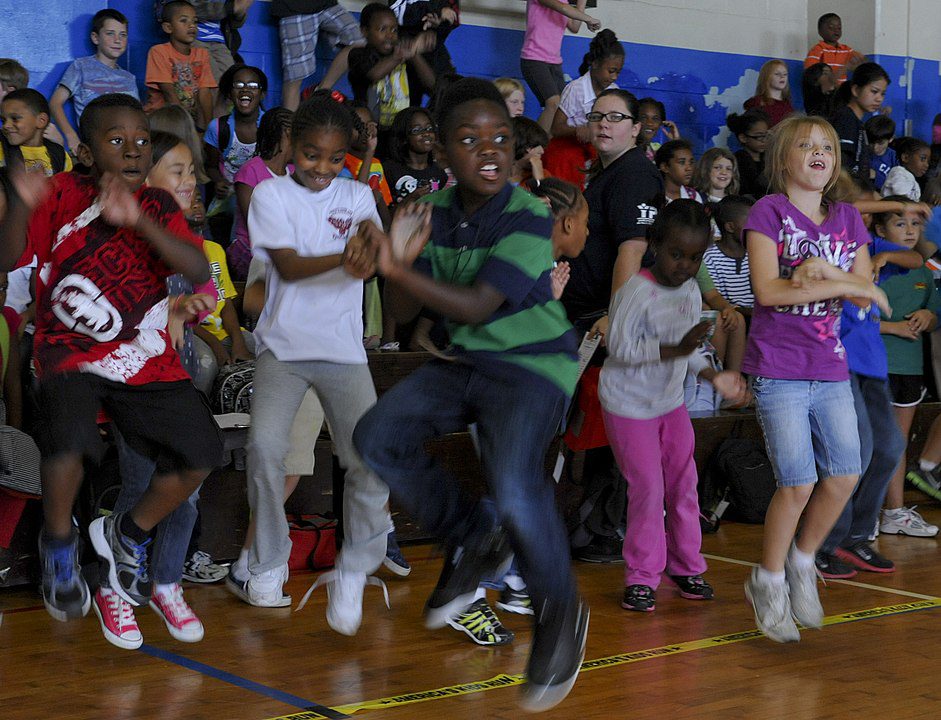
In the poorer regions of Africa, children are unable to go to school. Developing and post-conflict countries struggle to obtain basic necessities and are sometimes unable to provide children with an education. The result of this is an illiterate generation that will eventually turn to violence in revolt against their continued dependence on aid. MindLeaps is a nonprofit humanitarian organization that seeks to break that cycle, and in fact had successes, by offering these children dance lessons.
The Situation
In Sub-Saharan Africa, 32 percent of the youth do not receive an education and are illiterate. Usually, people blame this on a lack of access to schooling; however, this claim is inaccurate. MindLeaps discovered that the underlying causes are unstable homes and living conditions, education fees while schools propose free education and even apathy towards children. In some cases, children who do have the means to attend school drop out before completing their education, believing employment and a bright future for themselves is impossible. This belief stems from their lack of a supportive home life and struggles for basic necessities, as well as the influence of crime, prostitution and drugs of the elder generations. Aware of this, MindLeaps saves children by reaching out to them with a means to improve their academic situation through dance lessons.
The Program
Studies showed that dancing and movement are important in the development of learning skills, creativity and self-esteem, as well as the improvement of memory and cognitive thinking. With this research, MindLeaps developed a dance curriculum for at-risk youths in Africa, focusing on both cognitive and non-cognitive skills that they would not have developed otherwise. Students who graduated from MindLeaps have in fact shown significant cognitive and behavioral development in functions such as memorization, language, discipline and teamwork. Once dancing strengthens their minds, the children are then able to move on academically, earning sponsorships and scholarships from the organization and the dance instructors.
The Misty Copeland Scholarship
One of these instructors is Misty Copeland, a well-renowned American ballerina who came from poverty, as well. Copeland works with MindLeaps as an advisor, ambassador and dance teacher, as well as participating in their scholarship program, the International Artists Fund. In 2015, she traveled to Rwanda to help MindLeaps launch its girls’ program and established the Misty Copeland Scholarship, which provides a top dance student the opportunity to attend boarding school. Three years later, Misty returned to Rwanda and found that a student who had received that scholarship, a boy named Ali, had gone to achieve major academic success.
MindLeaps’ Achievements
Ali was not the only one to achieve success through MindLeaps. In January 2017, the organization reintegrated over 50 students into formal education in Rwanda. In March of that same year, more than half of those students ranked in the top 10 positions of their respective classes. MindLeaps’ dance lessons saved more than 600 at-risk children from illiteracy and potentially violent futures in 2017 alone. More than 3,500 children have completed the MindLeaps’ program across six different countries since 2014. The organization has seen a 0 percent drop-out rate for students whom it helped move on to formal education.
In short, Mindleaps saves children in slums and homeless children in underground tunnels thanks to dance lessons. Dance lessons offers them an opportunity to lead a life away from poverty. Developing their cognitive skills and earning their educations, enables these children to help and provide for their families, which in turn spares the next generation from illiteracy and hardship.
– Yael Litenatsky
Photo: Wikimedia Commons

Bangladesh is a country in South Asia that faces many hardships due to poverty. Many residents are struggling to survive, and in turn, crime follows. A crime like human trafficking is detrimental to Bangladesh and the millions of victims it affects. Here are 10 facts about human trafficking in Bangladesh to broaden the scope of what effects poverty has on human trafficking.
10 Facts About Human Trafficking in Bangladesh
- Bangladesh is a hub for trafficking. The geography of Bangladesh plays a major role in its human trafficking issues. It is located near the Gulf region that links to South Asia. Traffickers transport people on boats to one of the 20 specific drop-off zones in any of the 16 districts in the area. Traffickers could also transport victims to many other South-East Asian countries. There were around 25,000 trafficking victims from January to April 2015 and the drop-off zones were in Maheshkhali, Cox’s Bazar Sadar, Teknaf and Ukhia. Bangladesh’s Coast Guard also reported the rescue of 116 people between the ages of 16 and 25 from the Bay of Bengal in June 2015. Using boats as the main vessels of transportation started in 2003 and caused an increase in human trafficking.
- Limited available jobs can lead to vulnerability. Bangladesh is not only a hub because of its geography, but also its limited jobs and resources. Someone can easily become deceived into becoming a human trafficking victim because they would like to obtain a job. The unemployment rate is 4.30 percent with an average salary of $60 a month. There are 27 million in Bangladesh facing extreme poverty and 31 percent living in chronic poverty in less developed areas. Within these circumstances, people in poverty to this degree are willing to take any job opportunities they can find. Human traffickers use this to their advantage and lure unknowing people into job scams; the traffickers promise a good career in another country, but in reality, they will use desperate people for any number of torture, prostitution and labor schemes. Giving way to more economic growth would reduce the number of people who fall victim to human trafficking substantially.
- Women are especially prone to human trafficking. Among the 10 facts about human trafficking in Bangladesh is that women make up the most trafficking victims and they have little protection. Reports determined that Pakistan was a transit location for two million women and that Cox’s Bazar had trafficked 3,500 young girls in a matter of 10 years. Women are susceptible to forced prostitution and face abuse, rape and possibly murder. Traffickers traffick 400 women a month in Bangladesh. This trafficking has become a larger-scale operation and around 200,000 women, some as young as 9, have gone to different countries unwillingly.
- Sex trafficking is a rising form of human trafficking. There are different forms of trafficking and sex trafficking is one of the most profitable. This kind of trafficking makes up for half of all trafficking profit and only accounts for 5 percent of victims. The victims often suffer in this industry for years and it becomes a lifestyle. Since prostitution became legal in 2000, workers receive little protection. An estimated total of 100,000 women and young girls are working as prostitutes, but less than 10 percent are working voluntarily. Forced sex work is an issue affecting women and girls all over Bangladesh, but the country rarely criminalizes it. Out of 6,000 people that authorities arrest for sex trafficking-related crimes, only 25 people received a conviction.
- The BNWLA advocates for progress in women’s safety. The Bangladesh National Women Lawyers Association (BNWLA) is an organization that emerged to protect women. The BNWLA formed in 1979 focusing specifically on the legality of human trafficking. It advocates for new laws, fights for prevention and protection, and supports local woman lawyers to make a change. The BNWLA successfully advocated for a Domestic Violence (Prevention and Protection Act) that eventually passed in 2010. This act was a huge feat and protected women and children against four kinds of abuse.
- Organized crime and gang violence tactics are ever-changing. When there is a large population of people living in a country where there is extreme poverty, organized crime is highly likely to occur. Gang leaders (better known as mastaans) are always looking for new ways to get some fast money. Manipulation of children to aid gangs in human trafficking is a tactic that is especially heartless but has shown to be successful. Organized crime involving children is becoming alarmingly popular; estimates determine that there are 1.7 million children with crime exposure crime and that number is rising. Mastaans take advantage of how vulnerable children are in poverty and use them merely as another means of profit. Legislation has made some progress to reduce the risk of children’s exposure to the life of organized crime or human trafficking with the New Children’s Act, but there is little consistency with enforcement.
- Lack of education is another factor in human trafficking. Education in Bangladesh lacks a proper structure for children 14-18. The dropout rate for that age group was 65 percent and over half of household heads do not have any education. Seventeen percent of these household heads were on the low end of literacy. Since it is not a requirement for children to attend school, they have to find ways to keep occupied. They do not have anyone closely watching them like children in school and it makes them vulnerable to human trafficking.
- Consequences and laws against trafficking are at a minimum. Bangladesh has made progress in its strides towards ending global poverty with the emergence of The Human Trafficking Deterrence and Suppression Act in 2012. While any progress is good, there are many gaps in the enforcement of legislation. In 2017, there were 778 reports of human trafficking with a single conviction. Numbers like these are astounding and show a huge lack of governmental support in ending human trafficking. Protection services in Bangladesh receive limited support as well; services for victims of human trafficking have proven to not thoroughly address the needs of the victim, nor do they include adult men at all. Major governmental reform is necessary to stop human trafficking.
- Local organizations are pushing for better treatment. The Thengamara Mohila Sabuj Sangha (TMSS) is a woman-focused, local nonprofit organization founded in 1986 that aids survivors of human trafficking to start new lives. The goal for TMSS is to create businesses and jobs and give any extra support to those struggling to live in Bangladesh. TMSS has many departments within the organization including finance, events/training, market research and development. Little access to health care is a huge issue that TMSS addresses with a growing number of immunizations, pre and post-natal care and overall education. From 2004-2009, tetanus immunizations in women aged 15-49 grew from just 335 to 1,231 women. The health education from 2004-2009 grew from 13,248 to 55,440. TMSS has been a huge benefit to Bangladesh by providing these potentially life-saving immunizations and education.
- The United Nations Global Initiative. The United Nations Office on Drugs and Crime (UNODC) is reaching out to strengthen Bangladesh’s ability to fight trafficking on a legal and financial level. Mr. Syed Muazzem Ali, the High Commissioner of Bangladesh to India, works with the UNODC regional office for South Asia. Mr. Ali notes that there have been tremendous amounts of progress in Bangladesh including improvements in life expectancy, total fertility rate and infant mortality rate. Human trafficking became a topic of interest for the UNODC in March 2007 with The United Nations Global Initiative to Fight Human Trafficking. Within this initiative, the UNODC listed Bangladesh as a country especially in need of change against human trafficking. Through this initiate, countries like Bangladesh had to hold more accountability for human trafficking and acquire education on factors that aid trafficking.
These 10 facts about human trafficking in Bangladesh determine that it and the many forms it takes is a serious issue that puts the lives of men, women and children in grave danger. The life of extreme poverty in Bangladesh increases both the risk becoming a victim of human trafficking and becoming involved in organized crime. Weak consequences for trafficking clearly leads to little change, and governmental actions must happen to make these changes. Optimistically, organizations locally and internationally (like TMSS and UNODC) are putting their best effort forward to give the people of Bangladesh access to health care, education and funding to end human trafficking.
– Kat Fries
Photo: Flickr

Globally, approximately 10 percent of men and 17 percent of women over the age of 15 cannot read or write. However, through book donations, many organizations are bringing literature to communities in developing countries as a way to help improve literacy rates. These donations are helping children have a higher quality education and making it easier for adults to learn new skills. Here are three organizations focused on providing books for the world’s poor.
3 Organizations Providing Books for the World’s Poor
- Book Aid International
In 2018, Book Aid International delivered 1.28 million books to people all over the world. They sent books to public and community libraries, university libraries, refugee camps, medical libraries, primary and secondary schools and prisons. As poverty affects people of all ages, genders and ethnicities, Book Aid International focuses on bringing books to all people. They have provided literature to communities where girls are prevented from entering classrooms and libraries, as well as to schools where children have no choice but to share old and torn up textbooks. They believe that without literacy skills the world’s poor will be unable to break away from the cycle of poverty. Thanks to this organization, around 21.4 million people had access to books in 2018. - Brother’s Brother Foundation
Brother’s Brother Foundation is an organization that promotes international health and education. Founded in 1958, their efforts have provided books for the world’s poor, along with medical, agricultural and educational resources. Their main objective is to bring good health care, education and nutrition to those in the world that lack it. To accomplish this, they work with local agencies in 149 countries. Some of the local agencies they partner with include hospitals, universities, health care departments, schools and religious organizations. With additional support from the United States and other countries, they have provided over $4 trillion in goods and services to the world’s poor. By bringing books to these nations, they have been able to provide some of the tools that the world’s poor need to believe in a better future. The textbooks donated are educating not only children but adults around the world. - Bibliotheques Sans Frontieres (Libraries Without Borders)
This French-based organization provides books for the world’s poor in over 50 countries. They work in 24 languages and have selected more than 30,000 pieces of literature that will help educate the world’s poor on the major issues of the world. Much of the literature they provide centers around education, health, employment, citizenship, disability and digital knowledge. Since 2007, Libraries Without Borders has touched the lives of more than 2 million people. One of the ways they have been able to reach so many people is through their Ideas Boxes, media library kits that are easily transportable. First designed for refugee camps, they are now found in neighborhoods and rural areas as well. Filled with books, tablets and mobile videos, Ideas Boxes provide vulnerable communities with content that is well adapted to meet their needs and in their own language. Libraries Without Borders has provided Ideas Boxes for more than 850,000 refugees and intends to continue growing this program.
Books and literature are a tool that many of the world’s poor do not have access to but these influential organizations are working to provide books for the world’s most vulnerable people. Due to their donations, more people have access to books that allow them to gain knowledge and new skills.
The next time you are thinking about getting rid of some books in your own library at home, consider donating them to one of these organizations. Help bring joy, knowledge and power to the people who need them the most.
– Jannette Aguirre
Photo: Flickr

Child labor defines as the employment of children who are younger than a legally specified age. However, some child domestic workers in Pakistan are still working under the worst form of child labor which deprives them of education. A lack of education contributes to the prevalence of poverty, which could otherwise help them change their socioeconomic standing. This article sheds light on child labor in Pakistan.
Top 10 Facts About Child Labor in Pakistan
- Child Labor: In Sindh Province, 21.5 percent of children ages 5 to 14 are working. About 11 million children in Pakistan perform domestic tasks and work in agriculture. Other children work alongside their families as bonded laborers in the brick industry. The use of this type of forced child labor in Pakistan happens in the brick, carpet and coal industries.
- Child Labor Laws: Regardless of Pakistan’s introduction of the Bonded Labour System (Abolition) Act 1992, bonded labor still exists due to the country not having enough resources to enforce child labor laws. In 2018, labor law agencies have acted against child labor in Pakistan and are still working toward closing gaps that allow child labor to exist. According to the law, employers who use bonded labor risk punishment of imprisonment for a term of at least two years and a maximum of five years, or a fine of at least PKR 50,000 or both.
- Hazardous Work: Pakistan still has the worst form of child labor which includes hazardous work that can damage children’s health and development, or worse, put their lives at risk. Children working in carpet factories sometimes work up to 20 hours a day, seven days a week, and often sleep and eat at their place of work. Many children end up with eyesight and lung issues due to the amounts of dust they come in contact with on a daily basis.
- The Carpet Industry: UNICEF (United Nations Children’s Fund) believes that children aged 4 to 14 make up to 90 percent of the carpet industry’s workforce. Workshop owners manipulate parents into believing that their children will learn new skills that outweigh any knowledge gained at school. Such manufacturers target children because they can pay them significantly less than adult weavers which allows them to compete with other companies by offering a quality product at a lesser price.
- The Employment of Children Act: To combat the worst form of child labor in Pakistan, more provinces are enforcing laws. The Employment of Children Act states that a child or adolescent cannot work more than seven hours a day which includes one hour of rest during that time. A child also cannot work between the hours of 7 p.m. and 8 a.m. The minimum age for hazardous work is 14 years in Balochistan and ICT, and 18 years in Khyber Pakhtunkhwa, Punjab and Sindh.
- Education: According to UNICEF, Pakistan has the world’s second-highest number of children who do not attend school. Only 60.6 percent of children in Sindh Province between the ages of 5 to 14 attend school with 11.6 percent combining work and school. However, UNICEF is working on improving the number of children who attend school through studies, supporting provincial sector plan development, development of review of non-formal education policy and direct program implementation.
- The Sex Trade: Due to the prevalence of poverty, approximately 90 percent of the 170,000 street children in Pakistan work in the sex trade, an extreme form of child labor. The federal government in Pakistan convicted its first child pornography case after passing the Prevention of Trafficking in Persons Act in 2018. Pakistan has also approved the Prevention of Smuggling Migrants Act 2018 in order to protect victims who traffickers have smuggled to other countries.
- The ILO’s Child Labor Program: The ILO (International Labour Organization) is working through its International Programme on the Elimination of Child Labour, by assisting the government of Pakistan in the elimination of child labor. Pakistan has agreed to enforce laws based on the conventions of the ILO which include the Minimum Age Convention, 1973 and the Worst Forms of Child Labour Convention, 1999. The ILO’s child labor program has carried out many successful initiatives that have helped rehabilitate child laborers by providing formal and non-formal education.
- Labor Inspectors: Data from 2017 shows that the number of active labor inspectors is likely less than what is necessary to review the entirety of Pakistan’s roughly 64 million workers. In 2018, the provincial government made efforts to increase the number of inspectors to better enforce child labor laws in Pakistan. With the ILO’s Strengthening Labor Inspection Systems in Pakistan project, labor inspectors in Punjab Province received training to help them with the enforcement of laws. Between January and August 2018, the Punjab Labor and Welfare Department found over 98 cases of child labor during inspections. Of those inspections, 63 of those child labor cases were in brick kiln establishments.
- Minimum Age Standards: At a federal level, the minimum age for hazardous work in Pakistan still does not meet international standards. However, the Khyber Pakhtunkhwa, Punjab and Sindh provinces meet the minimum age standards, above 18. Punjab Province also put a law into effect in early 2019 that bans domestic work for children under the age of 15.
Many children in Pakistan must work in order to pay off their familial debt or contribute to the familial monthly expenses, but the main cause for concern is that even after many advancements in 2018, the worst form of child labor still exists. With more resources to enforce child labor laws and consistency on a federal level, the world could see an end to the worst form of child labor in Pakistan.
– Lisa Di Nuzzo
Photo: Flickr

The severe inequality in Nigeria is a giant paradox. As the economy has grown to be the biggest in Africa and one of the fastest-growing in the world, poverty remains rampant. The oil-dependent country harbors the largest population of impoverished people in the world according to the Brookings Institute. As of 2018, 87 million people were living in extreme poverty in Nigeria. A sad reality for a country that, according to the African Development Bank, makes up a whopping 20 percent of the continent’s GDP.
Meanwhile, it would take the richest man in Nigeria, Aliko Dangote, 42 years to spend all of his wealth if he were to spend $1 million every day. According to Oxfam, Dangote earns around 8,000 times more per day than the bottom 10 percent of the population combined spends on basic needs annually. This is a stunning statistic for someone residing in a country ranked 157 out of 189 countries on the U.N. Human Development Index.
The Causes of Poverty
There are a few different factors driving poverty and inequality in Nigeria. Government corruption, greed and cronyism are arguably the biggest:
- Transparency International ranked Nigeria 144 out of 180 countries on the corruption perception index in 2018.
- The Economic and Financial Crimes Commission found that from 1960 to 2005 around $20 trillion was stolen from the Nigerian treasury by public officeholders.
- According to Oxfam, lawmakers in Nigeria make $118,000 annually, one of the highest salaries in the world for public officials.
- An estimated $2.9 billion is lost in tax revenue annually due to crooked and regressive tax policies, according to Oxfam. An example of these policies is the tax holiday given to companies in the Nigerian Liquefied Natural Gas Project that results in around $3.9 billion in lost tax revenues. On top of this, the fragmented government revenue that is collected is inefficiently managed and unfairly allocated.
It is also worth mentioning that the share of the budget dedicated to public well-being is among the lowest in the region. In 2012, only 6.5 percent of the budget went to education, 3.5 percent went to health care and just 6.7 percent went to social protection. On top of this, around 57 million people lack access to clean water and more than 130 million do not have access to proper sanitation.
Gender Discrimination
Another main factor driving inequality in Nigeria is gender discrimination. Women are at a massive socio-economic disadvantage and Nigeria ranked 125 out of 154 countries on the Global Gender Gap Index in 2015. According to Save the Children Federation, 50 percent of girls aged 15 and older are illiterate. Land ownership and income are two aspects that show major gender inequality in Nigerian culture. For example, according to Oxfam, women make up 60 to 79 percent of the rural labor force but men are still five times as likely to own land, and the non-rural labor force is made up of only 21 percent women.
At the same time, more organizations are taking up the mantle to ensure that tackling gender inequality in Nigeria is more of a priority. For instance, Kudirat Initiative for Democracy or KIND for short, is a nonprofit based in Lagos that focuses on reducing barriers for women’s public participation in social, economic and political development. The initiative also concentrates its efforts on bringing an end to gender-based violence in Nigeria.
Children’s Suffering
Children are hit especially hard by the side effects of inequality in Nigeria. Around 32 percent of school-aged children are out of school and 51 percent are driven to child labor. Every 104 out of 1,000 children die before the age of five. The Save the Children Federation is working hard to alleviate some of the challenges of impoverished children. The nonprofit organization has made some impressive progress in helping Nigerian kids. According to Save the Kids website the foundation has:
- Protected 296,132 children from harm
- Supported 186,315 children in times of crisis
- Provided 5,471,422 children with a healthy start in life
- Provided 5,266,326 children vital nourishment
- Supported 296,394 parents to provide for their children’s basic needs
The organization also runs a stabilization center for malnourished children and is working to provide adequate maternal health for Nigerians.
To Be Continued
Inequality in Nigeria is a multi-variant problem. Due to government and economic corruption and gender discrimination, Africa’s largest economy is off-limits for over half of the Nigerian population. Oxfam states that for Nigeria to substantially improve inequality and poverty, public policy, gender inequality and tax policies need a complete transformation. Until then, the good work being done by organizations like Save the Children Federation provide a positive but temporary solution. Confronting the issues and creating real reform from the inside out is the only way to halt the unacceptable poverty and inequality in Nigeria.
– Zach Brown
Photo: Flickr
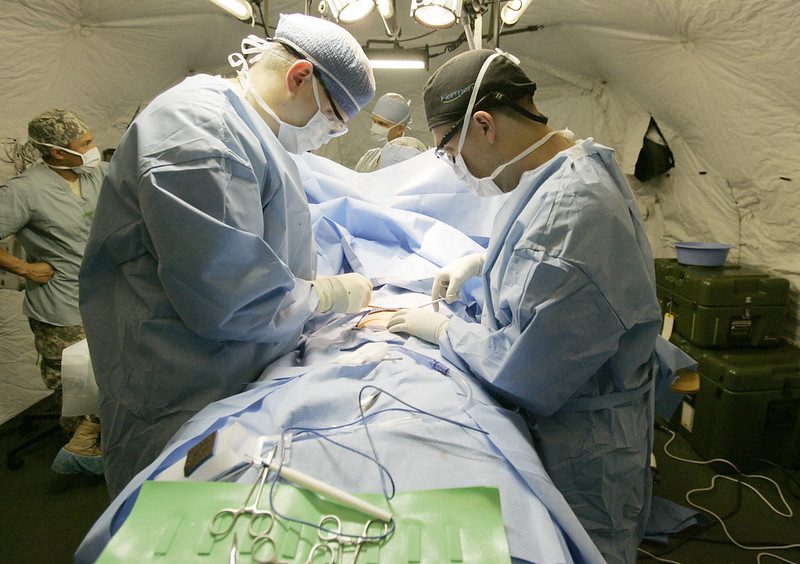
About half of the world’s population lacks adequate access to necessary health care services. Medical expenses become high enough for some families that they often only have $1.90 a day to survive on. However, recent advancements in medicine, medical practice and medical technology plan to improve the situation of hundreds of millions of global citizens. The advancement of incorporating augmented reality technology into surgery, training and research shows great promise in bettering the access and cost-efficiency of health care to impoverished people.
4 Ways Augmented Reality Improves Global Health
- Surgical Procedures: Ian Khan, a self-identified “technology futurist” and three-time TedX speaker, focuses on “helping other organizations create unlimited value through multiple avenues and create positive business outcomes.” In this context, he works to simplify complex technological advancements while simultaneously enhancing the reach and application of said technology in real-world settings. Kahn believes augmented reality has the potential to provide medical professionals with an opportunity to safely practice complex surgeries in preparation for performing those surgeries on actual human subjects. This will lead to an overall increased surgery success rate as well as a decrease in the amount of time necessary to train for difficult procedures. Stat News reports that a trial of the supposed miracle-kidney procedure, SYMPLICITY HTN-3, initially reported unsuccessful results. But these results could be inaccurate representations due to the fact that at least half of the physicians who performed the operation had only practiced that very procedure two times before. With today’s constantly evolving field of medical technology, physicians will have to put greater effort into practicing procedures before performing them officially. In this way, augmented reality can effectively provide harmless extra practicum opportunities to a learning surgeon anytime they require. This advancement of overall-increased preparedness is especially useful for high-intensity working environments, like the neighborhoods and cities many people in poverty find themselves in.
- Augmented Reality: The surgical technique has improved and can further improve dramatically thanks to updated applications of AR technology. Natacha Rousseau, a marketing and medical research specialist who works with digital health entities and co-owns Rousseau Lineares, stated that augmented reality will allow medical professionals to conduct major surgeries without making a large incision, which comes quite in handy in locations where improperly sanitized procedures can lead to disastrous side results like blood-borne diseases. Augmented reality software can link to specialized goggles for surgeons to wear in surgical use. These goggles will more visually and vividly highlight the regions of the body that a surgeon must avoid during operation. It can also pinpoint areas that they must directly address. In essence, there is more precision in this new style of surgical procedure than ever before.
- Medical Professional Training: Training medical professionals will become much more feasible. The time it has taken to prepare professionals for difficult circumstances to practice medicine has always been an obstacle for scientific advancement. But now, some have reimagined the concept of this training. Touch Surgery is one of many companies that have created hundreds of procedural simulations for medical students to follow. More professionals will now have a greater grasp of concepts that before took a great deal of time, guidance and resources to fully understand. Proximie is another advancement allowing surgeons-in-training to access live-streams of operations from thousands of miles elsewhere when in need of visual representation. Such training will help in bringing about balance in access to medical care around the world. With around 67 percent of the world’s citizens currently having access to surgery and only 3 percent of surgeries even occurring in impoverished nations, using technology to grow the span of medical care access is one step in the right direction.
- People Can Be Their Own Doctor: Various technology companies have already come out with medical utilities and tests people can conduct on themselves in the comfort of their homes. One group, CliniCloud, has already introduced the world’s first for-home-use stethoscope. In addition, obtaining and prescribing medication could not be simpler. One can handle these crucial parts of a doctor’s visit with a few taps of a smart device and ship or send the results to a pharmacy near a patient’s home. Patients can even access refills and renewed subscriptions with the same ease. By investing smart devices and augmented reality technology in impoverished nations to improve their access to at-home care as well as nearing their proximity to accessible medication, people in poverty can only stand to benefit from AR in medical practice.
As of 2018, the poorest one-third of the world’s population received a minuscule 3.5 percent of all surgeries worldwide. As advancements in biomedical research continue to progress, medical professionals more resoundingly agree that surgical procedures must see an increase in accessibility if the quality of life is to improve–particularly in the world’s most impoverished regions. With further investment in the growth of equal health care access that augmented reality promises, countries in sub-Saharan Africa and Southeast Asia that have a history of record low surgical procedures (between 50-500 total per capita of 100,000 individuals) are sure to see incredible improvements in the health of their citizens for years to come.
– Fatemeh Zahra Yarali
Photo: Flickr

Charities and foundations all over the world work to eradicate global poverty and hunger. In fact, there are many memorable nonprofits that children started that now have a global reach and a large impact on people in developing countries. These nonprofits are working to break the cycle of poverty.
Caine’s Arcade (Imagination Foundation)
Nirvan Mullick walked into an auto shop one day where he saw 9-year-old Caine Monroy’s cardboard arcade. Mullick was Monroy’s first and only customer and inspired him to continue his project. Mullick then created an 11-minute video about Monroy’s journey and hope for customers. This video sparked international attention and led to a movement in which kids all around the world created cardboard arcades. The Imagination Foundation then formed to foster creativity globally by encouraging kids to take risks. Of the nonprofits started by children, this one has one of the most unique beginnings.
WE Charity
The WE Charity, formerly Free the Children, is a remarkable nonprofit that a child started. At the age of 12 and in 1995, Craig Kielburger learned of the death of Iqbal Masih, a 12-year-old Pakistani, former-slave and human rights activist. This inspired Kielburger to start the WE Charity with the help of his seventh-grade classmates and brother, Marc. While the Kielburgers originally focused on ending child slavery, they decided to expand their focus to global poverty as a whole. Craig and Marc collaborated to create, Free the Children’s WE Villages, in which poor families received aid with education, clean water and sanitation, health care, food security and finding an alternative income. One can see the impact of this charity in numerous countries. Starting in 2012, the WE Charity helped quadruple primary school attendance rates in Haiti and rehabilitate two wells in Udawad. Additionally, it aided girls in focussing on education rather than walking miles to collect water.
Sole to Soul
After a disastrous fire in a school in Nairobi, Kenya, numerous pictures circulated of Kenyan children walking barefoot in the ruins of their destroyed community. Moved by the conditions in developing countries, sisters Vienna, Hayleigh and Sarah Scott from Nashua, New Hampshire decided to act. The sisters worked to send over nearly 1,200 shoes. The girls developed their charity as they walked door to door in their neighborhood collecting second-hand shoes that were in wearable condition. Taking the project one step further, the young girls ran public stalls in their hometown and successfully raised $33,000. This nonprofit that children started was able to provide shoes to over 1,500 kids in poor countries.
Hoops for Hope
At the age of 9, Austin Gutwein learned about the scarring effects of AIDS in developing countries. He proposed a solution that people would donate money for every successful basket he made while playing basketball. After a few years, Gutwein was able to transform this into an organization that consistently donates 100 percent of its proceedings. This nonprofit started with a child who works to educate people in developing countries about protected sex, as well as provide international relief. For every 500 kids who get together to shoot 500 free throws through Hoops for Hope, 500 kids that HIV/AIDS orphaned, receive representation and help.
FundaField
The Weiss family was always fond of soccer, especially the kids Garrett, Kyla and Kira. After attending the 2006 World Cup in Germany, the contagious passion that Angolan fans had for their team inspired the Weiss kids. This sparked the FundaField movement, where this nonprofit started working on bringing soccer supplies to children growing up in developing countries. This unique movement uses the therapeutic abilities of team sports, in particular, to rehabilitate regions suffering post-conflict. The Weiss kids not only fund soccer fields and donate supplies but also host soccer tournaments to encourage competitive play.
Young children have creative minds and imaginative reach which enables them to be successful. Their age allows them to ignore any limitations and see with a pure heart. Nonprofits that children start are absolutely unique in their approach and serve as an inspiration for everyone.
– Haarika Gurivireddygari
Photo: Flickr
