10 Facts About Child Labor in Pakistan
Child labor defines as the employment of children who are younger than a legally specified age. However, some child domestic workers in Pakistan are still working under the worst form of child labor which deprives them of education. A lack of education contributes to the prevalence of poverty, which could otherwise help them change their socioeconomic standing. This article sheds light on child labor in Pakistan.
Top 10 Facts About Child Labor in Pakistan
- Child Labor: In Sindh Province, 21.5 percent of children ages 5 to 14 are working. About 11 million children in Pakistan perform domestic tasks and work in agriculture. Other children work alongside their families as bonded laborers in the brick industry. The use of this type of forced child labor in Pakistan happens in the brick, carpet and coal industries.
- Child Labor Laws: Regardless of Pakistan’s introduction of the Bonded Labour System (Abolition) Act 1992, bonded labor still exists due to the country not having enough resources to enforce child labor laws. In 2018, labor law agencies have acted against child labor in Pakistan and are still working toward closing gaps that allow child labor to exist. According to the law, employers who use bonded labor risk punishment of imprisonment for a term of at least two years and a maximum of five years, or a fine of at least PKR 50,000 or both.
- Hazardous Work: Pakistan still has the worst form of child labor which includes hazardous work that can damage children’s health and development, or worse, put their lives at risk. Children working in carpet factories sometimes work up to 20 hours a day, seven days a week, and often sleep and eat at their place of work. Many children end up with eyesight and lung issues due to the amounts of dust they come in contact with on a daily basis.
- The Carpet Industry: UNICEF (United Nations Children’s Fund) believes that children aged 4 to 14 make up to 90 percent of the carpet industry’s workforce. Workshop owners manipulate parents into believing that their children will learn new skills that outweigh any knowledge gained at school. Such manufacturers target children because they can pay them significantly less than adult weavers which allows them to compete with other companies by offering a quality product at a lesser price.
- The Employment of Children Act: To combat the worst form of child labor in Pakistan, more provinces are enforcing laws. The Employment of Children Act states that a child or adolescent cannot work more than seven hours a day which includes one hour of rest during that time. A child also cannot work between the hours of 7 p.m. and 8 a.m. The minimum age for hazardous work is 14 years in Balochistan and ICT, and 18 years in Khyber Pakhtunkhwa, Punjab and Sindh.
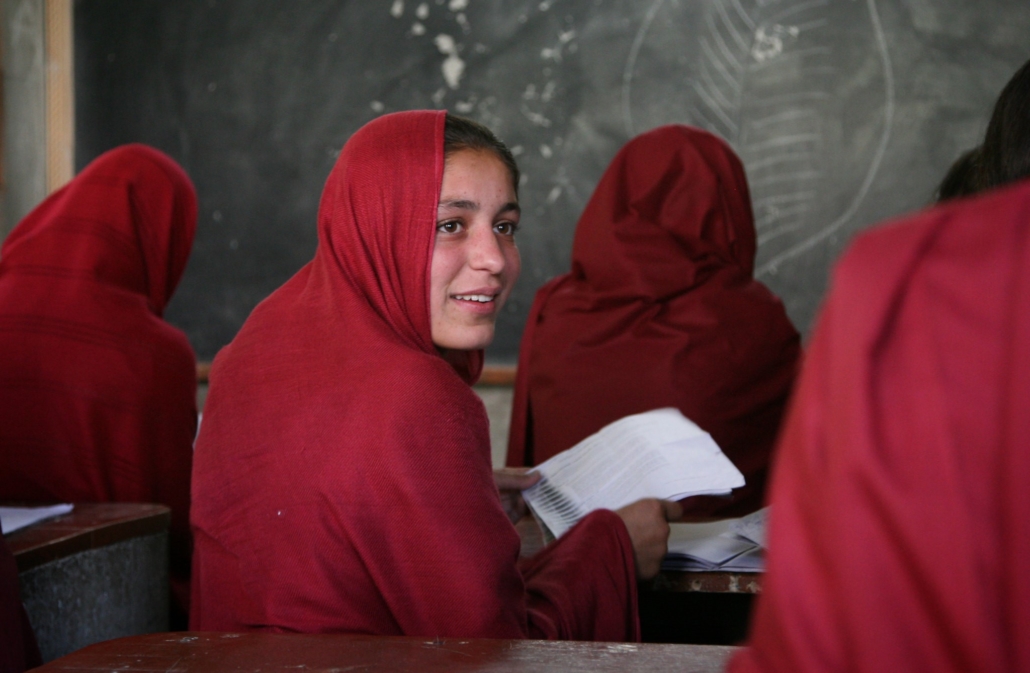
- Education: According to UNICEF, Pakistan has the world’s second-highest number of children who do not attend school. Only 60.6 percent of children in Sindh Province between the ages of 5 to 14 attend school with 11.6 percent combining work and school. However, UNICEF is working on improving the number of children who attend school through studies, supporting provincial sector plan development, development of review of non-formal education policy and direct program implementation.
- The Sex Trade: Due to the prevalence of poverty, approximately 90 percent of the 170,000 street children in Pakistan work in the sex trade, an extreme form of child labor. The federal government in Pakistan convicted its first child pornography case after passing the Prevention of Trafficking in Persons Act in 2018. Pakistan has also approved the Prevention of Smuggling Migrants Act 2018 in order to protect victims who traffickers have smuggled to other countries.
- The ILO’s Child Labor Program: The ILO (International Labour Organization) is working through its International Programme on the Elimination of Child Labour, by assisting the government of Pakistan in the elimination of child labor. Pakistan has agreed to enforce laws based on the conventions of the ILO which include the Minimum Age Convention, 1973 and the Worst Forms of Child Labour Convention, 1999. The ILO’s child labor program has carried out many successful initiatives that have helped rehabilitate child laborers by providing formal and non-formal education.
- Labor Inspectors: Data from 2017 shows that the number of active labor inspectors is likely less than what is necessary to review the entirety of Pakistan’s roughly 64 million workers. In 2018, the provincial government made efforts to increase the number of inspectors to better enforce child labor laws in Pakistan. With the ILO’s Strengthening Labor Inspection Systems in Pakistan project, labor inspectors in Punjab Province received training to help them with the enforcement of laws. Between January and August 2018, the Punjab Labor and Welfare Department found over 98 cases of child labor during inspections. Of those inspections, 63 of those child labor cases were in brick kiln establishments.
- Minimum Age Standards: At a federal level, the minimum age for hazardous work in Pakistan still does not meet international standards. However, the Khyber Pakhtunkhwa, Punjab and Sindh provinces meet the minimum age standards, above 18. Punjab Province also put a law into effect in early 2019 that bans domestic work for children under the age of 15.
Many children in Pakistan must work in order to pay off their familial debt or contribute to the familial monthly expenses, but the main cause for concern is that even after many advancements in 2018, the worst form of child labor still exists. With more resources to enforce child labor laws and consistency on a federal level, the world could see an end to the worst form of child labor in Pakistan.
– Lisa Di Nuzzo
Photo: Flickr
