• Link to X
  • Link to Facebook
  • Link to Instagram
  • Link to TikTok
  • Link to Youtube
  • About
    • About Us
      • President
      • Board of Directors
      • Board of Advisors
      • Financials
      • Our Methodology
      • Success Tracker
      • Contact
  • Act Now
    • 30 Ways to Help
      • Email Congress
      • Call Congress
      • Volunteer
      • Courses & Certificates
      • Be a Donor
    • Internships
      • In-Office Internships
      • Remote Internships
    • Legislation
      • Politics 101
  • The Blog
  • The Podcast
  • Magazine
  • Donate
  • Click to open the search input field Click to open the search input field Search
  • Menu Menu

Archive for category: Disease

Information and news about disease category

Disease

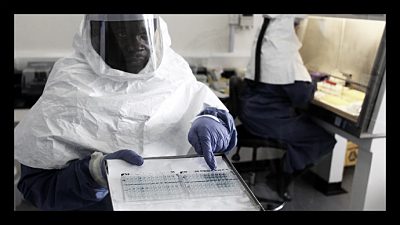
Ebola Resurfaces in Africa

Ebola_resurfaces_in_Africa
As one of the most fatal, incurable diseases in human history, Ebola functions as a deadly virus that induces the severe hemorrhaging of internal organs, causing death in an estimated 90 percent of cases. A popular theory concerning the origins of the virus is that Ebola was first introduced to humans through contact that an individual may have had with the blood or other bodily fluids of an infected animal. The individual subsequently succumbed to the deadly virus, not before spreading the disease to other people, creating an epidemic. Early signs of infection are a sore throat, red eyes, rash, fever, muscle aches, headaches, and bleeding from bodily orifices, such as the eyes or nose.

An estimated duration of survival after initial infection and after the incubation period ranges, on average, from 2-21 days. Initially identified in 1976 after surfacing in the Democratic Republic of Congo and Sudan, the Ebola virus has made a reappearance in the West African country of Guinea. The virus spreads through the direct transmission infected blood, mucus, and other bodily fluids. Burial ceremonies in which individuals are exposed to direct contact with the infected body also contribute to the transmission of the virus, and as such it has infiltrated the neighboring country of Liberia.

Although outbreaks of Ebola have surfaced in the past, following the initial identification of the virus in 1976, Doctors Without Borders alleges that this particular outbreak may be the most severe yet. A salient factor unique to this outbreak is its geography – this is the first time that Ebola has surfaced in Guinea. Although the virus typically appears in rural areas especially near rainforests, the virus has not been localized in specific areas of the country. For instance, cases miles apart have surfaced throughout Guinea. Therefore, this instance of the outbreak is much harder to contain than previous incidences.

Furthermore, according to health experts, although the disease is most often fatal, infection requires extremely close contact with the infected individual or engagement in avoidable activities such drugs. Additionally, during the incubation period, which can last up to 21 days, the individual is unable to transfer the disease to others. Once symptoms arise and transmission is viable, surrounding individuals are likely to stay away from the victim since their symptoms are generally severe and obvious. Therefore, it is unlikely that a widespread, global epidemic will occur. As is the case with most disease outbreaks, individuals in affected regions are strongly urged to take proper precautions while individuals residing in unaffected areas are advised on to not create undue panic.

However, other nations are already taking precautions of their own. For instance, Morocco has increased its border control,  Senegal has shut down its borders with Guinea and France has instructed its medical workers to watch out for signs of the virus in the local population. Despite fears that the virus may spread through airplane flights, the World Health Organization has not issued any restrictions on flights, since individuals who show signs of the virus are typically too ill to travel, and therefore risks of airplanes transmitting the virus are not a significant cause of concern. Although no viable treatments against Ebola currently exist, experimental drug treatments are undergoing examination and testing.

– Phoebe Pradhan

Sources: USA Today, Time, WHO
Photo: New Vision 

April 10, 2014
https://borgenproject.org/wp-content/uploads/borgen-project-logo.svg 0 0 Borgen Project https://borgenproject.org/wp-content/uploads/borgen-project-logo.svg Borgen Project2014-04-10 10:31:342017-02-15 10:25:06Ebola Resurfaces in Africa
Disease, Global Poverty

Dust and Meningitis in the Sahel


Recent research carried out in Niger by Columbia University’s International Research Institute for Climate and Society (IRI) will hopefully allow scientists to be able to forecast meningitis outbreaks in sub-Saharan Africa, and thus prevent potential casualties of the disease.

The research was done by IRI in partnership with the NASA Goddard Institute for Space Studies. They found that environmental and climatic factors such as wind and dust conditions have an incredibly strong correlation with meningitis outbreaks in what is called the “meningitis belt,” stretching across the Sahel from Senegal to Ethiopia.

Bacterial meningitis occurs throughout the world but rates of meningitis in the Sahel and the rest of the belt are much higher. The African Meningococcal Carriage Consortium (MenAfriCar) reports that death rates of the disease are between five and 10 percent. However, long-term effects often ensue, including blindness, hearing loss and brain damage.

The outbreaks occur in the dry season and taper off with the first rains, and researchers have often believed that the mineral dust irritates the epithelial cells lining the nose and throat, allowing for easy passage of the bacteria into the bloodstream.

In the initial phases of the study, researchers collected a number of dust samples from Ghana, Niger and Senegal, examining the dust’s characteristics in order to see which properties might be influencing the spread of the disease.

Along with this information, the researchers also looked into environmental factors such as temperature and humidity and social factors such as reduced ventilation. A number of variables are being taken into account to understand how dust is affecting people’s vulnerability to meningitis.

The hopes of the study are that these climatic factors will help public health researchers to forecast meningitis outbreaks and develop vaccination strategies earlier in advance.

One of the lead researchers in the study, Carlos Perez Garcia-Pando, stated, “We’ve known that the disease is associated to climate and environmental issues for a long time, because it’s very seasonal. The idea was to try to use models and observations from satellites and all kinds of data on potential (climate-related) parameters that might be affecting the disease, and try to use that information to provide advance warning.”

Currently in the Sahel, a new vaccine has been distributed which has decreased the outbreak of meningitis. However, vaccination drives are still delivered in districts that are already suffering outbreaks, and they often come too late.

This study has shown that environmental factors can greatly impact the effectiveness of vaccination programs, and this has great implications for the future of meningitis control strategies across the globe.

– Mollie O’Brien

Sources: Irin News, The Guardian
Photo: National Geographic

April 9, 2014
https://borgenproject.org/wp-content/uploads/borgen-project-logo.svg 0 0 Borgen Project https://borgenproject.org/wp-content/uploads/borgen-project-logo.svg Borgen Project2014-04-09 10:46:082024-05-26 23:25:00Dust and Meningitis in the Sahel
Disease, Food & Hunger, Global Poverty

HIV-Hunger Trap

Referred to as the “wasting disease,” HIV demands a far greater energy and nutrient intake to fight infection. The virus threatens the immune system, leaving its host emaciated.

With the double burden of malnutrition and HIV/AIDS, those in developing countries must decide between food or antiretroviral medications. According to the nutritionists at the World Food Programme (WFP,) many live in this “HIV-Hunger Trap.”

The WFP reports a prioritization of food over treatment.

Yet, those living with HIV/AIDS continue eat less than their healthy counterparts. Symptoms such as nausea, vomiting and sore mouth may affect appetite. The illness–as well as the medication for it–may “modify the taste of food and prevent the body from absorbing it.” The Food and Agriculture Organization (FAO) of the United Nations also cites exhaustion, depression and isolation symptoms.

These may limit energy to prepare and eat regular meals. And, in general, populations with high rates of HIV/AIDS lack sufficient access to food.

African nations affected the most depend on “labor-intensive farming systems.” Agriculture accounts for more than a third of these countries’ gross national product, reports the U.N. Yet from 1985 to 2011, AIDS led to death of seven million agricultural workers in 25 African countries. By 2020, the U.N. predicts HIV/AIDS could reduce the agricultural workforce by 25%.

This loss of the most productive age group (15 years old to 49 years old) results in greater food insecurity. Many households offer food and shelter to sick relatives or orphans, further limiting nutrient intake for each member.

HIV/AIDS also inhibits the ability to absorb food. Digestion breaks food into nutrients, and these nutrients subsequently provide energy and defense against infection. HIV and other infections, though, damage the gut wall. Consequently, food cannot pass through and be absorbed. Coupled with reduced food intake, this damage leads to severe weight loss and malnutrition.

The Elizabeth Glaser Pediatric AIDS Foundation (EGPAF) engineered a solution to the “HIV-Hunger Trap” in Lesotho. The country faces one of the highest prevalence rates, with 23.6% living with the virus. An estimated 28,000 children live with the dual threat of a weakened immune system and food insecurity.

The EGPAF aims to integrate nutrition education and support at local hospitals and health centers. At its “Nutrition Corners,” mothers and caregivers observe cooking demonstrations “using locally available fare such as sorghum porridge, beans, peas, vegetables and fruits.” This program also helps provide early treatment to HIV-positive children below the age of 2 years old.

Malnutrition serves as a gateway to infection for HIV-positive children.

At these hospitals and clinics, EGPAF monitors children to ensure proper weight for age and weight for height. If children fail to improve nutritionally for three visits, the foundation provides one-on-one counseling. Families who did improve participate in a group discussion. EGPAF also acts preemptively, providing caregivers and children of unknown status counseling. Testing services also offer an early diagnosis and access to treatment.

The HIV virus demands both medication and sufficient food intake. The World Health Organization recommends increasing energy intake by 50% to 100% for HIV-positive children experiencing weight loss. The Elizabeth Glaser Pediatric AIDS Foundation understands how impoverished regions fall into the “HIV-Hunger Trap.”

AIDS claims the lives of agricultural workers and those living with the virus subsequently face growing food insecurity. To meet the demands of this virus, the public health and agricultural fields can converge to protect vulnerable populations.

– Ellery Spahr

Sources: Elizabeth Glaser Pediatric Aids Foundation, Food and Agricultural Organization of the United Nations, United Nations
Photo: Joe McKay

March 21, 2014
https://borgenproject.org/wp-content/uploads/borgen-project-logo.svg 0 0 Borgen Project https://borgenproject.org/wp-content/uploads/borgen-project-logo.svg Borgen Project2014-03-21 04:00:412024-05-26 23:21:02HIV-Hunger Trap
Children, Disease, Health

Exclusive Breastfeeding Promotes Infant Health

breast_feeding
Children ages 12 to 23 months receive an estimated 30-40% of total energy from breast milk. This milk serves as a source of energy and essential fatty acids for them and the fat content appears critical for utilizing pro-vitamin A carotenoids, which exist predominantly in plant-based diets. Moreover, these nutrients offer necessary protection against diseases and help children recovery from infections.

Breastfed children face a significantly reduced risk of chronic illness. The contribution of breast milk to overall nutritional status protects children from developing noncommunicable diseases as adults. Breast milk also improves cognitive development. This benefit could serve to assist with the second Millennium Development Goal of achieving universal primary education. Education coupled with decline of disease increases productivity in developing countries subsequently offering greater food security and the reduction in poverty.

For young girls, greater learning potential offers financial independence. Mothers, in addition to their daughters, benefit from exclusive breastfeeding as well. Breastfeeding naturally delays fertility and as a result, this increases the period between births in populations without contraception. At this time, developing nations account for 99% of global maternal deaths.

A delay in childbirth protects the lives of many women who marry young and give birth frequently. Those who give birth before the age of fifteen risk dying during childbirth at five times the rate of those in their twenties. The World Health Organization offers a number of guidelines to improve breastfeeding and complimentary feeding practices. The annual loss in GDP to vitamin and mineral deficiencies far exceeds the cost of these interventions. For instance, Peru loses $637 million a year to malnutrition. Yet increasing its micronutrient interventions costs less than $16 million annually. To promote the timeline of exclusive breastfeeding, the organization could implement these low-cost interventions:

  • Advocate for natural breastfeeding, as opposed to the use of water-based substitutes
  • Adopt and enforce maternity leave policies
  • Provide training on infant and young child feeding to health care professionals
  • Implement a cash-conditional program for mothers to breastfeed and regularly visit clinics
  • Develop and support work sit lactation programs

Exclusive breastfeeding within the first six months nourishes infants and acts as a safeguard against the spread of diseases. However, globally, less than 40% of infants benefit from exclusive breastfeeding. Affordable and direct solutions to this issue exist, holding the potential to drive this rate to 100%worldwide.

– Ellery Spahr


Photo: She Rights Sources: WHO, World Bank


March 3, 2014
https://borgenproject.org/wp-content/uploads/borgen-project-logo.svg 0 0 Borgen Project https://borgenproject.org/wp-content/uploads/borgen-project-logo.svg Borgen Project2014-03-03 15:44:422024-05-26 23:16:00Exclusive Breastfeeding Promotes Infant Health
Advocacy, Developing Countries, Development, Disease, Food & Hunger, Food Aid, Food Security, Global Health, Global Poverty, Health, Human Rights, Hunger, Inequality, Sanitation, Water

5 Facts About Hunger in Rwanda

hunger_rwanda
The Republic of Rwanda is a small sovereign state in the Eastern part of Central Africa. Rwanda ranked at 166 of 187 countries on the UNDP Human Development Index in 2011. Rwanda also has the highest population density in the region with 416 people per square kilometer.

Low income, limited natural resources, and food and water insecurity pose a problem for citizens in Rwanda every day. In the years following the Rwandan Genocide in 1994, international rebuilding efforts have been on the ground trying to make sustainable changes to alleviate some of the hunger and water issues.

Here are five facts that explain the state of hunger in Rwanda and how it may change in the coming years:

  1. The 1994 Rwandan Genocide marked the end of the ceasefire signed the year before that stopped the fighting of the Rwandan Civil War. The war began between two ethnic groups the Hutu and Tutsi. The Genocide began when the plane carrying the Hutu supported president Juvenal Habyarimana was shot down and he, along with several other members of the government, were killed. The genocide lasted 100 days and an estimated 800,000 to 1,000,000 people were killed. The fallout from the Rwandan Genocide is the cause for much of the instability in the region that lasts today.
  2. Secondary school attendance in Rwanda is one of the lowest in the world and the literacy rate is 55%.
  3. Approximately 65% of the population has access to safe, clean drinking water
  4. 45% of children under 5 years of age are malnourished.
  5. Over 67,000 refugees from neighboring countries currently reside in Rwanda.

Even though there is a lot of strain on the country today, organizations have been working with the government to address one of Rwanda’s major problems: food insecurity. Agriculture was the country’s main sector before the genocide, and since then, major efforts have been made to make it profitable one more.

Updating the agricultural practices is what the World Food Programme credits with directly reducing the number of food insecure people.

The country hopes that with the reliance on agricultural programs it will improve its GDP to US$900 by the year 2020, up US$380 from its current GDP. Rwanda was also the first country to sign the Comprehensive Africa Agriculture Development Programme (CAADP), meaning that addressing malnutrition and food insecurity is one of the government’s main priorities.

Even though Rwanda still has a long way to go, the government has been taking steps in the right direction that could provide a template for other countries in the region to follow.

– Colleen Eckvahl

Sources: World Food Programme, World Vision
Photo: Rising Continent

February 26, 2014
https://borgenproject.org/wp-content/uploads/borgen-project-logo.svg 0 0 Borgen Project https://borgenproject.org/wp-content/uploads/borgen-project-logo.svg Borgen Project2014-02-26 22:20:472024-05-24 23:56:425 Facts About Hunger in Rwanda
Developing Countries, Disease, Food & Hunger, Global Health, Health, Human Rights, Hunger, Inequality, Violence Against Women, War and Violence, Women, Women & Children

4 Issues Contributing to Malnutrition in the DRC

malnutrition

Kinshasa, DR Congo

The second largest country in Africa and is located in the middle of the continent. Since the 1990’s the country has been in a state of political unrest and civil war which is the cause of many of the other problems in the region, such as disease, food insecurity, human rights violations, and violence against women.

Here are four issues that contribute to nearly 6.3 million people remaining food insecure and over half of the children under the age of 5 classified as malnourished in the DR Congo:

  1. Political instability between the government and several militia and rebel groups. Peace talks have been ongoing since 2009 with little progress. Since 1998, 5.4 million people have been killed. Less than 10% were killed during the fighting, instead the majority have died from diseases and malnutrition.
  2. 2.7 million people are internally displaced within the DRC as a result of the civil war. 1.6 million are in the North and South Kivu region, where much of the heavy militia activity takes place. There are an additional 116,000 refugees from neighboring countries currently living in the DRC. The large number of displaced people and perpetual fighting in the country has led to a high rate of abuse and sexual assault of women and children. It is estimated that 400,000 women between 15 and 49 were raped between 2006 and 2007. This is the equivalent of 48 women being assaulted every hour.
  3. 3.71% of the population lives below the poverty line, meaning they live on less than two dollars per day.
  4. Rampant infectious diseases are common across the country such as Malaria, Dengue Fever, Typhoid Fever, and HIV/AIDS. The ministry of health said that Malaria was their number one disease concern and in 2011 alone there were 4,561,981 reported cases.

– Colleen Eckvahl 

Sources: The International Campaign to Stop Rape and Gender Violence in Conflict , WFP, WHO
Photo: This is Africa

February 26, 2014
https://borgenproject.org/wp-content/uploads/borgen-project-logo.svg 0 0 Borgen Project https://borgenproject.org/wp-content/uploads/borgen-project-logo.svg Borgen Project2014-02-26 22:20:252024-05-26 23:15:194 Issues Contributing to Malnutrition in the DRC
Advocacy, Developing Countries, Disease, Gender Equality, Global Health, Global Poverty, Health, Human Rights, Violence Against Women, Women

Female Genital Mutilation and Poverty

Female Genital Mutilation
Female Genital Mutilation (FGM) ruins countless lives every day. FGM is a humiliating torturous cutting of the female genitalia carried out by various groups of the community, including health practitioners, elderly people and female relatives. According to the World Health Organization (WHO,) four types of FGM procedures exist:

Clitoridectomy

The partial or complete removal of the clitoris.

Excision

Involves removal or partial removal of clitoris, as well as labia.

Infibulation

Narrowing of the vaginal opening.

Other

This includes other forms of FGM not classified above, such as, burning, piercing or scraping. Any one of these types of FGMs is carried out on a female at any time in her life.

Millions of cases of FGM are reported each year. According to the WHO, over 100 million women and girls have had their human rights violated.

FGM is considered a human rights violation because it inflicts unnecessary pain and harm to unwilling women and girls. Laws against FGM practices have been created in 18 African countries. If caught sentences from three months up to life in prison are given.

There are also 12 industrialized nations that have passed laws criminalizing FGM.

An 8-year-old girl from Djibouti died from the effects of FGM. She was held down by friends and neighbors while a “practitioner” subjected her to FGM. Her clitoris, labia minora and labia majora, all external genitalia, was cut away causing uncontrollable bleeding.

After the procedure was done the girl’s legs were tied shut to promote “healing” and she was refused water because the need to pass urine was thought to introduce bacteria to the wounds. The young helpless girl continued to bleed throughout the evening and sob uncontrollably due to pain.

Eventually the girl was taken to the hospital and given a blood transfusion. Sadly, it was too late to save her life.

FGM has been reported in 28 African countries and various Asian countries.

According to data from the WHO, seven countries: Djibouti, Egypt, Eritrea, Guinea, Mali, Somalia and Sudan have a FGM prevalence rate affecting 85 percent or more women. Other African countries have only slightly lower prevalence rates; a large portion of the African continent has not received FGM rates.

FGM is most likely performed in lower class poverty-stricken communities. This is due in part to the fact women and girls do not know FGM is against the law. Most believe that it is there duty as a woman to have FGM performed and if they refuse, they will be harshly criticized and shamed. These are the ones who are not held down and forced against their will.

Several campaigns to eradicate FGM from the world are underway. One government organization, the United Nations, has been tackling it as one of the world’s Millennium Development Goals. Also, Women against Female Genital Mutilation leads campaigns to increase awareness of FGM laws and harmful health and psychological effects of FGM on females.

The continuation of advocacy for women and girls suffering from Female Genital Mutilation needs to last until FGM prevalence is zero. People should continue to call their congressmen, write their legislature, and advocate for worlds helpless.

Hopefully, through the increased awareness, global campaigns, and laws FGM will become a thing of the past and no female will have to endure torturous inhumane pain ever again.

– Amy Robinson

Sources: World Health Organization, All Africa, WHO, UNICEF, Center for Reproductive Rights
Photo: International Business Times

February 25, 2014
https://borgenproject.org/wp-content/uploads/borgen-project-logo.svg 0 0 Borgen Project https://borgenproject.org/wp-content/uploads/borgen-project-logo.svg Borgen Project2014-02-25 22:21:082024-05-26 23:13:47Female Genital Mutilation and Poverty
Disease, Education, Food & Hunger, Global Poverty

9 Facts About Poverty in the South Pacific

south_pacific_poverty_women
When economic crises, military conflict and general mayhem plague the continents, few people consider the impact such events may have on the communities located in the South Pacific. Over 10 million people populate the 3,500 islands scattered across the Pacific Ocean, an extremely large number of whom suffer from debilitating disease and poverty.

Save for the extreme natural catastrophes that seem to constantly plague the Philippines, the high rates of poverty, poor education and abysmal health of Pacific islanders fails to gander consistent international attention.

To illustrate the severity of the problem, here are nine facts to learn about poverty in the South Pacific.

1. 38 percent of Papua New Guineans live below the National Basic Needs Poverty Line, which means 2.7 million people are unable to buy sufficient food and meet basic requirements for housing, clothing, transport and school fees. Even more alarmingly, 61 percent of the populace does not have access to safe drinking water. Tweet this fact

2. Pacific islands are disproportionately affected by global disasters. A 2012 World Bank study revealed that of the 20 countries in the world with the highest average annual disaster losses scaled by gross domestic product, eight are Pacific island countries: Vanuatu, Niue, Tonga, the Federated States of Micronesia, the Solomon Islands, Fiji, Marshall Islands and the Cook Islands.

3. Literacy rates are a persistent concern, especially on the Solomon Islands, where only 65 percent of the adult population (330,000 people) can read.

4. Pacific Islanders may be notorious for their love of canned meats like spam and corned beef, but what is not widely discussed is the debilitating effects such imported goods have on their health. As of 2007, eight of the 10 heaviest countries were located in the South Pacific. Nauru, the world’s smallest republic with just over 9,000 inhabitants, earned the number one spot with over 90 percent of their adult population considered obese.

5. Human rights violations also remain high in the pacific. Amnesty International recently reprimanded Papua New Guinea for burning a woman alive amid allegations of sorcery. Although the 1971 Sorcery Law has been repealed, which criminalized sorcery and could be used as a defense in murder trials, the United Nations Special Rapporteur on Violence Against Women in 2012 found that sorcery allegations are often made to mask the abuse of women.

6. Domestic abuse and gendered violence is also a concern but inconsistent reporting makes it difficult to pinpoint exact levels of abuse. In the first National Study on Domestic Violence in Tonga, conducted in 2009, results found that 45 percent of Tongan woman reported having experienced physical, sexual or emotional abuse in their lifetime.

7. Pacific Islanders are at high risk for Neglected Tropical Diseases, which commonly affect the world’s poor, women and disabled. Hookworm, leprosy, scabies and Japanese encephalitis are among the most prevalent; these adversely affect worker productivity, pregnancy outcomes and child cognition and development.

8. In 2010, Oceania unemployment rates reached 14 percent, while the United States average in the same period came in at 9 percent.

9. Since the mid 20th century, approximately 9.2 million people in the Pacific region have been affected by extreme events, resulting in 9,811 deaths and $3.2 billion in damages.

Pacific island nations’ small size, limited natural resources and great distances to major markets makes them particularly vulnerable to external crises and thus results in extremely volatile economies. Greater commitment to development initiatives will enable Oceanic nations to handle stresses caused by external forces and eventually strengthen the autonomy of the respective nations.

– Emily Bajet

Sources: University of Hawaii, Asian American For Equality, Oxfam, The World Bank, The World Bank News, Poodwaddle, Australia Network News, Australia Network, The New York Times, PLOS, Samoaobserver, Matangitonga, Labour
Photo: IFAD

February 22, 2014
https://borgenproject.org/wp-content/uploads/borgen-project-logo.svg 0 0 Borgen Project https://borgenproject.org/wp-content/uploads/borgen-project-logo.svg Borgen Project2014-02-22 04:00:262024-06-04 03:01:159 Facts About Poverty in the South Pacific
Disease, Global Health, Global Poverty, Health

Common Cold Remedies from Across the Globe

tamagozake_Japanese_Cold_Remedy
In most parts of the rural world, obtaining over-the-counter medication for a cold isn’t an option. Despite Tylenol’s world-wide market and the growing popularity of Vicks and Sudafed, sometimes the availability or the price of these products, or the unmistakably Western feel of them, makes them unappealing to parts of the globe.

There are stubborn old grandmothers in every country who insist they know best while passing on their home-style remedies for curing the common cold. Here’s a sampling of common cold remedies from across the globe:

Iran

A plate of cooked, mashed turnips to ease a cold. The vegetable is full of vitamin C and can ease a cough or ticklish throat.

Europe

Cow or sheep fat is wrapped in cloth, warmed, and placed on the chest to help with congestion. This is still sometimes used in rural areas to keep a deep cough from turning into pneumonia.

Russia and the Ukraine

Similar to eggnog, this hot drink is whisked egg yolk with a teaspoon of honey or sugar. Pour into a half-cup of warm milk prepared with a tablespoon of unsalted butter. Adding rum or cognac turns this into eggnog and promotes a good night’s sleep.

China

Rice porridge, or jook, is thought to be the easiest food to digest and cleanses a sick body of toxins. To prevent a cold some turn to mustard green soup: a pound of broad leaf mustard greens, cooked with a large sweet potato and simmered in water for a few hours. The resulting soup is hydrating and easy to stomach. Some people also burn Ai Ye, or wormwood to fend off a cold or to prevent further infection.

Hong Kong

A soup made up of dried lizards, yam and Chinese dates simmered in water

Italy

Tea with sage, bay leaf, lemon juice and honey. Another is horseradish tea: grate horseradish into boiling water before adding lemon juice and honey. This isn’t always the most enjoyable to drink, but the aroma is known for clearing out the sinuses.

India

Just a spoonful of ginger juice and honey. For sick kids parents will roast ajwaim, or carom seeds. Similar to thyme, this acts as a decongestant.

Turkey

Tea made with eight or more whole cloves, two or three cinnamon sticks, one full-circle star anise, a peeled whole ginger root that has been cracked in a few places. All of this is left to soak for about 45 minutes before being strained and served with honey.

Cuba

Oregano tea.

Vietnam

Broth-based Pho soup: includes chili to clear the sinuses and vitamin-packed veggies.

Japan

Tamagozake; a drink made with sake, one egg and honey. It strengthens the immune system and promotes a good night’s sleep. Another favorite is umeboshi or “pickled plum” which is eaten or steeped in tea with ginger and lemon.

South America and Spain

Lemon, honey and garlic in any combination. Garlic works as a decongestant, lemon thins mucus and honey boosts the immune system.

Morocco

An omelet made with garlic, oil and pepper.

Chad

Tea made by simmering hibiscus flower, fresh ginger, cinnamon, cloves and honey.

Netherlands

Black licorice-root candies and tea. Black licorice root contains glycyrrhizin, which has antiviral and anti-inflammatory effects and works to stop the growth of viruses.

Thailand

Tom Yum soup; traditionally made with shrimp and sometimes called hot-and-sour, this soup is made with coriander, lemongrass and lime leaves.

Korea

a combination of fermented cabbage or radish seasoned with garlic, salt, vinegar, chili peppers and other spices. This particular collection of spices and vitamins is thought to fight off disease.

Try a few and build them into your winter diet!

– Lydia Caswell

Sources: Health & Wellbeing, Health Line, Daniels Fund Ethics Initiative, Fresh Juice
Photo: Method Magazine

February 15, 2014
https://borgenproject.org/wp-content/uploads/borgen-project-logo.svg 0 0 Borgen Project https://borgenproject.org/wp-content/uploads/borgen-project-logo.svg Borgen Project2014-02-15 09:02:532017-03-20 13:20:11Common Cold Remedies from Across the Globe
Disease, Health

China’s Bird Flu on the Rise

Health officials have reported 73 cases of people infected with H7N9 in China this January, making the total in the country 221.The bird flu initially infected domestic chickens and ducks back in 2013 but has now caused 57 human deaths. There have been few reported cases of the virus spreading from person to person and a WHO official suggests that it mainly circulates due to the present cold winter.

So far, the virus has not mutated but the WHO remains cautious due to increased travel by the millions for the Chinese New Year. The virus has already spread a large distance, further south and east to the Guangdong province. A WHO official suggests that the virus might be seasonal or possibly linked to the increased exposure to poultry as the nation prepares for the New Year.

Approximately 3.6 billion trips are estimated to occur during this holiday and this is dangerous due to the millions who will be purchasing or receiving poultry as gifts.

Humans acquire the virus when they are in close proximity to infected poultry, so anyone could potentially contract it at the street markets or just as easily at home during food preparations. Billions of Chinese will be traveling in trains or buses alongside their chickens for the two week holiday, which could possibly lead to more outbreaks.

Several health officials are worried about H7N9 because this strain does not make infected birds sick, so both farmers and customers are unaware of the danger. Other flu strains lead to the virus being released in feces while H7N9 is breathed out by the infected birds. The first H7N9 cases first reported in Shanghai last March but since then another 200 people became infected.

Transmission has occurred by family clusters versus person to person and scientists have discovered that it is due to genetic markers that allow easier infection to mammals.

People who become infected have severe flu symptoms such as high fever and respiratory problems. Many also have shortness of breath, muscular pain, and even pneumonia. Currently, there is no evidence that suggests that this virus may mutate and spread around the globe since reports don’t suggest simple human to human transmission.

Chinese authorities are investigating more cases because several reports suggest contaminated environments can also infect humans. Fear remains until the holiday is over as increased travel could lead to the virus mutating and quickly pass between people. The WHO remains vigilant for any mutations and does not advise travel.

– Maybelline Martez

Sources: USA Today, BBC, ABC News
Photo: Once Upon a Time

February 2, 2014
https://borgenproject.org/wp-content/uploads/borgen-project-logo.svg 0 0 Borgen Project https://borgenproject.org/wp-content/uploads/borgen-project-logo.svg Borgen Project2014-02-02 21:48:342024-05-30 22:22:54China’s Bird Flu on the Rise
Page 72 of 75«‹7071727374›»

Get Smarter

  • Global Poverty 101
  • Global Poverty… The Good News
  • Global Poverty & U.S. Jobs
  • Global Poverty and National Security
  • Innovative Solutions to Poverty
  • Global Poverty & Aid FAQ’s
Search Search

Take Action

  • Call Congress
  • Email Congress
  • Donate
  • 30 Ways to Help
  • Volunteer Ops
  • Internships
  • Courses & Certificates
  • The Podcast
Borgen Project

“The Borgen Project is an incredible nonprofit organization that is addressing poverty and hunger and working towards ending them.”

-The Huffington Post

Inside The Borgen Project

  • Contact
  • About
  • Financials
  • President
  • Board of Directors
  • Board of Advisors

International Links

  • UK Email Parliament
  • UK Donate
  • Canada Email Parliament

Get Smarter

  • Global Poverty 101
  • Global Poverty… The Good News
  • Global Poverty & U.S. Jobs
  • Global Poverty and National Security
  • Innovative Solutions to Poverty
  • Global Poverty & Aid FAQ’s

Ways to Help

  • Call Congress
  • Email Congress
  • Donate
  • 30 Ways to Help
  • Volunteer Ops
  • Internships
  • Courses & Certificates
  • The Podcast
Scroll to top Scroll to top Scroll to top