• Link to X
  • Link to Facebook
  • Link to Instagram
  • Link to TikTok
  • Link to Youtube
  • About
    • About Us
      • President
      • Board of Directors
      • Board of Advisors
      • Financials
      • Our Methodology
      • Success Tracker
      • Contact
  • Act Now
    • 30 Ways to Help
      • Email Congress
      • Call Congress
      • Volunteer
      • Courses & Certificates
      • Be a Donor
    • Internships
      • In-Office Internships
      • Remote Internships
    • Legislation
      • Politics 101
  • The Blog
  • The Podcast
  • Magazine
  • Donate
  • Click to open the search input field Click to open the search input field Search
  • Menu Menu

Archive for category: Disease

Information and news about disease category

Children, Disease, Global Health, Global Poverty

3 Most Infectious Diseases Among Children

infectious diseases among children
Every year, more than six million children die before they reach their fifth birthday due to preventable infectious diseases according to the U.N. In a recent report, USAID revealed that the following three diseases are the greatest contributors to that statistic:

3 Most Infectious Diseases Among Children

  1. Pneumonia is the cause of approximately 17 percent of deaths in children under the age of five. Especially among infants, pneumonia is a serious lung infection. Pneumonia causes more deaths in children than AIDS, malaria, and measles combined according to UNICEF.
  2. Diarrhea is the second most deadly condition for children under five, causing nine percent of deaths. Compared to adults, children are particularly susceptible to diarrhea because a greater proportion of their body weight is made up of water. Even though it is such a dangerous condition for children, only 44 percent of children in developing countries suffering from diarrhea receive treatment according to the World Health Organization (WHO).
  3. Malaria closely follows diarrhea, causing about seven percent of all child deaths. Even though malaria is easily spread through a mosquito bite, this disease can be just as easily prevented through insecticide-treated mosquito nets and effective antibiotics. Although 1.1 million deaths caused by malaria have been averted since the start of the U.N.’s Millennium Development Goals in 2000, malaria is still a major health issue in developing countries.

Pneumonia, diarrhea and malaria together account for about a third of all child deaths globally. The symptoms and effects of these diseases can become severe if the infected person is malnourished or does not receive the proper necessary treatment. As a result, these three diseases are all the more rampant in developing countries.

Similarly to the U.N.’s goal to reduce the child mortality rate by two-thirds, WHO and UNICEF staff members worked together to create the Global Action Plan for Pneumonia and Diarrhea (GAPPD). This integrated plan seeks to end child deaths caused by these two preventable diseases by 2025. The GAPPD will also combine the practices for treating both pneumonia and diarrhea since the causes and treatment for these two diseases are interrelated.

Global poverty is directly related to the spread of infectious diseases in developing countries. This is why The Borgen Project along with so many other organizations work to decrease the multi-layered issue of poverty across the globe.

– Meghan Orner

Sources: Daily Times, WebMD, World Health Organization, World Health Organization
Photo: UNICEF

July 2, 2014
https://borgenproject.org/wp-content/uploads/borgen-project-logo.svg 0 0 Borgen Project https://borgenproject.org/wp-content/uploads/borgen-project-logo.svg Borgen Project2014-07-02 14:41:412024-06-05 01:57:403 Most Infectious Diseases Among Children
Disease, Global Health, Water

Arsenic Poisoning in Rural Asian Waters

Arsenic
Reawakening the global health problem of unclean, polluted drinking water, rural Asian villages have been plagued with arsenic-ridden water. Most of these rural villages are near mines which leak and pollute local water sources with the carcinogen arsenic. In the past decade, the Heshan village in China has seen nearly 20 percent of the population get cancer from the polluted water.

The arsenic has been traced back to runoff and residue from a local mine that was closed in 2011. The 190 living cancer patients have petitioned the local governments for monetary compensation and aid, but the $1,600 reimbursement is insufficient for even one round of chemotherapy or radiation. For many of these poor rural villagers, the cancer diagnosis from arsenic poisoning is nothing less than a death sentence because of the unaffordable cost of treatment.

Tests of the ground water have resulted in arsenic amounts 15 times the safe amount of arsenic. The water is so toxic that many of the agricultural staples are not viable in the region, stripping these people of their livelihood and reinforcing the cycle of poverty in the area.

Similar cases have been reported throughout China and India. With water security being of the utmost importance, cancer patterns have sprung up around villages with arsenic in the water. Local medical professionals have denied the correlation between the high arsenic levels and the cancer hotspots, despite the fact that arsenic has been recognized by many health institutions as a known carcinogen.

The lack of transparency between health officials and the villagers coupled with insufficient cleaning methods has resorted in the outbreaks of cancer caused by arsenic. The toxicity of the element, both for humans and agriculture, has stunted the regional economies and has restricted the employment pool. A needless tragedy, the arsenic-laden drinking waters have destroyed families and the economies of the rural villages afflicted by the toxic water.

– Kristin Ronzi

Sources: American Cancer Society, Reuters, Times of India
Photo: Trip Advisor

June 30, 2014
https://borgenproject.org/wp-content/uploads/borgen-project-logo.svg 0 0 Borgen Project https://borgenproject.org/wp-content/uploads/borgen-project-logo.svg Borgen Project2014-06-30 20:28:082024-06-05 01:57:36Arsenic Poisoning in Rural Asian Waters
Disease, Global Health, Global Poverty

The World’s First Hookworm Vaccine

One-third of children and women living below the World Bank’s poverty line are infected with hookworm today, which often causes moderate to severe anemia. Hookworm and other Neglected Tropical Diseases, or NTDs, disproportionately affect the poorer Islamic countries such as Indonesia, Bangladesh, Mali, Nigeria and others in North Africa and the Middle East.

Children and pregnant women are by far the most drastically affected by this disease. Children with long-standing blood loss from hookworm often experience sufficient mental and motor development delays. They can actually lose IQ points as well. These detrimental effects undoubtedly follow them into adulthood, making productivity more difficult.

The blood loss caused by hookworm may affect women in labor, making their chance of death much higher. Additionally, the baby is more likely to be born prematurely or with low birth weight. This makes those babies less likely to survive, contributing to the child mortality rate.

Additionally, the link between hookworms and anemia is a large concern because of its relation to disabilities. Anemia accounted for 8.8 percent of the total disability of the world in 2010. Today, children under 5 years old and women of all ages still hold the heaviest burden.

Fortunately, the Sabin Vaccine Institute’s Product Development Partnership is developing the world’s first hookworm vaccine for human use. The Sabin Institute was established in 2000 with funding from the Bill & Melinda Gates Foundation and is the only Product Development Partnership in the world working to develop a vaccine for human hookworm infections.

The institute is receiving support from the European Commission FP7 program and uniting professionals from around the world to build research. This global consortium has been coined HOOKVAC and includes members from the Netherlands, the United States, Belgium, England, Germany and Gabon. This project aims not only to perfect the manufacturing process of the vaccine, but also to increase and share research on NTDs.

The first clinical testing of the vaccine will take place in Sub-Saharan Africa once it is ready. Gabon’s Lamberene Research Centre will lead clinical testing in adults and children in Gabon, a region plagued with hookworm.

The vaccine is being called the “anti-poverty” vaccine due to its vast potential to lower child mortality rates, save mothers in labor and improve health conditions for agricultural workers, who are the backbone of many poorer economies.

The vaccine, as of now, is intended only for use in the poorest regions of the world, where hookworm thrives. This means that the product will likely not be sold commercially by pharmaceutical companies, but will remain in the nonprofit sector with HOOKVAC.

The project will hopefully conduct trials in the coming years and bring health relief to millions, while contributing to the united fight against global poverty.

– Cambria Arvizo

Sources: Huffington Post, Sabin Vaccine Institute, American Society of Hematology
Photo: The Guardian

June 30, 2014
https://borgenproject.org/wp-content/uploads/borgen-project-logo.svg 0 0 Borgen Project https://borgenproject.org/wp-content/uploads/borgen-project-logo.svg Borgen Project2014-06-30 20:27:352024-12-13 17:50:22The World’s First Hookworm Vaccine
Disease, Health

Chickungunya Virus Spreading Fast

Chickungunya

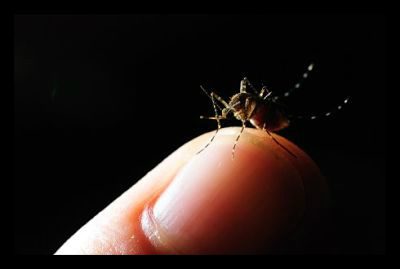
North Carolina’s first case of the Chickungunya virus was confirmed on June 12. Seven days later Georgia confirmed its first case. Two days after that Tennessee confirmed its second. With over 30 cases already confirmed in Florida, this mosquito-borne virus is quickly spreading.

Until 2007, Chickungunya was only found in Africa, Asia and the Indian subcontinent. Then it appeared in Italy and slowly made its way throughout Europe. In December of this past year the first case of Chickungunya was reported in the Caribbean. Now, barely six months later, the Pan American Health Organization has confirmed 5,000 cases of the virus and suspects another 160,000 cases in the region.

There is currently no vaccine for the virus or treatment for the symptoms. Those symptoms include fever, rash, nausea, chronic joint pain, swelling and headache. They usually first appear within three to seven days after infection with most symptoms abating after about a week’s time. However, the joint pain often lasts for months.

There are now 20 afflicted states and islands in the Caribbean, with Cuba being the most recent. The Center for Disease Control has reported approximately 60 total cases in the continental United States thus far. All such cases have included patients who have made recent trips to the Caribbean. The virus has been linked to the Aedes aegypti and Aedes albopictus mosquitoes, both of which are fairly common in the U.S. The CDC has recommended that people who are traveling to the Caribbean use bug spray and dress in long sleeves and pants to avoid being bitten by either kind.

Despite rising concerns about possible contraction of the Chickungunya virus, trips to the Caribbean remain popular among American tourists. With cruise season currently in full swing, the number of cases in the U.S. is sure to rise.

— Taylor Dow

Sources: LA Times, Island Gazette, CNN, AJC, Medpage Today
Photo: Wageningen Ur

June 26, 2014
https://borgenproject.org/wp-content/uploads/borgen-project-logo.svg 0 0 Borgen Project https://borgenproject.org/wp-content/uploads/borgen-project-logo.svg Borgen Project2014-06-26 18:33:052024-05-26 23:58:08Chickungunya Virus Spreading Fast
Advocacy, Disease, Global Health, Health

END7 Diseases by 2020

END7
END7, an international advocacy campaign, aims to end seven neglected tropical diseases (NTDS) by 2020. It is currently raising awareness of the seven most common NTDs, and the easy and cheap resources available to eliminate them.

Cheap is not an understatement — it takes only 50 cents to treat and protect one person against all seven NTDS.

While 2020 may seem like an overly optimistic date to have eliminated seven diseases, treatments for all NTDs exist — it’s just a matter of getting them to those in need. The seven diseases include Hookworm, Roundworm, Whipworm, Elephantiasis, Trachoma, River Blindness and Snail Fever.

Nearly one in six people worldwide, including over half a billion children, have these diseases living and breeding inside their bodies. The effects of these diseases can be devastating, causing blindness, massive swelling in limbs, severe malnutrition, pregnancy complications and anemia.

Apart from the horrific effects of NTDs, these diseases makes it increasingly difficult for affected families to lift themselves out of poverty. They prevent children from going to school.

In order to spread the word about their cause and the work being done to help victims of NTDs, END7 utilizes social media outlets, hoping to target young activists who will then share the word with others. The goal is to get the general public involved, not just doctors and health care professionals.

The campaign asks the community to donate to NTD prevention and treatment programs. These programs deliver the medications to schools and poor communities all over the globe.

How can it be so cheap? Drugs to treat NTDS are donated by pharmaceutical companies, allowing for the remaining cost to come only in distributing the drugs to those in need.

Bill Nighy, who provides a voice for many of the END7 videos, describes his astonishment in the opportunity at hand, stating, “I’m shocked by how much devastation these diseases cause. But what shocks me more is how simple the solution is.”

If pocket change can provide a cure for seven diseases, it seems that a cure in 2020 may not seem so far out of reach after all.

 — Caroline Logan

Sources: END7, TwitChange
Photo: Northeastern

June 26, 2014
https://borgenproject.org/wp-content/uploads/borgen-project-logo.svg 0 0 Borgen Project https://borgenproject.org/wp-content/uploads/borgen-project-logo.svg Borgen Project2014-06-26 04:00:342024-05-26 23:50:53END7 Diseases by 2020
Disease, Global Poverty, Health

10 Facts About Malaria

It is well known that mosquitoes carry diseases. Even in developed nations like the U.S., there are yearly warnings of West Nile Virus and Eastern Equine Encephalitis, but no disease carried by mosquitoes is as widespread as malaria. The following 10 facts about malaria shed some light on the global malaria epidemic, what is being done about it and what the future holds.


Top 10 Facts About Malaria


1. The word “malaria” means “bad air.” In the 18th century people thought that malaria was caused from breathing in bad air in marshy areas. In 1880 scientists discovered that this was not true, but the name stuck.

2. Malaria is spread by parasites. Five different parasites can cause malaria in humans, but the Plasmodium falciparum parasite is the most deadly. The parasites enter the human bloodstream through the bite of an infected mosquito.

3. Malaria is most commonly found in Africa and parts of Southeast Asia. Mosquitoes thrive in tropical and subtropical climates, so countries that are near the equator are more at risk. Additionally, many African and Southeast Asian countries have high poverty rates and people do not have access to malaria prevention and treatment, or are not educated on the disease.

4. Malaria can pass from human to human. You cannot “catch” malaria like you can a cold, but people can pass it on by sharing needles, blood transfusions and through pregnancy.

5. When infected with malaria, symptoms can range from none to severe. It can take anywhere from 9-40 days for symptoms to appear. Early symptoms can include fever, nausea, vomiting, fatigue, chills, headache, muscle aches, cough and sweating. If not treated within 24 hours the disease can worsen, leading to seizures, impairment of brain and spinal cord function, loss of consciousness and death.

6. Malaria infects an average of 200 million people each year. Up to 1 million of these 200 million will die every year. Of malaria deaths, 90 percent occur in Africa. In Africa one child dies from malaria every minute.

7. There is a cure for malaria. There are different drug treatments available depending on the strain of malaria an individual is infected with. The drugs cure malaria by killing all of the parasites within a person’s bloodstream. However, new waves of drug-resistant malaria are threatening the lives of millions.

8. The best cure for malaria is prevention. There are two major ways that malaria is prevented. Insecticide-treated mosquito netting placed around beds is a good way to keep people safe while they sleep, and spraying a household with residual insecticide will effectively eliminate mosquitos in the house for three to six months.

9. Mortality rates are falling. Since 2000, malaria mortality rates have fallen by 42 percent globally. This is largely due to increased prevention and faster testing and treatment to those who are thought to have malaria. By 2015, 52 countries are expected to have reduced their number of malaria cases by 75 percent. In the past four years the countries of Morocco, United Arab Emirates, Turkmenistan and Armenia have been certified by the World Health Organization as having eliminated malaria.

10. There is a promising vaccine currently being tested. While there is currently no vaccine on the market to prevent against malaria, there is one being tested via clinical trial in seven African countries with positive results. Scientists feel very encouraged by this new treatment and the vaccine could be ready for full-time use as early as 2015.

These 10 facts on malaria depict the fact that although malaria is a curable and preventable illness, millions of people still contract it every year. Those who contract it mainly reside in poor countries where access to quality health care and education is more difficult to come by. If these people receive the proper education on malaria, as well as access to medications, then there would be no reason for anyone to be dying from this disease.

— Taylor Lovett

Sources: CDC, Medical News Today, WHO
Photo: Flickr

June 23, 2014
https://borgenproject.org/wp-content/uploads/borgen-project-logo.svg 0 0 Borgen Project https://borgenproject.org/wp-content/uploads/borgen-project-logo.svg Borgen Project2014-06-23 12:07:522024-05-26 23:42:5010 Facts About Malaria
Disease, Global Health

Breakthrough Discovered in the Treatment of TB in Children

New findings in tuberculosis among children could mean that diagnosing the disease could be faster, cheaper and more effective for the millions of people infected by the disease each year.

Tuberculosis (TB) is the second largest killer due to a single infectious agent worldwide, only following HIV/AIDS, and is the leading killer of people with HIV. The ones most affected by the disease are low to middle-income countries, where upwards of 95 percent of TB deaths occur.

Developing countries where malnutrition and compromised immune systems affect the overwhelming majority see the most cases of TB. Even though all groups are at risk, children and young adults are at a greater risk of contracting the disease.

The disease is very difficult to diagnose in children — the early symptoms of TB are also present in dozens of other illnesses — and by the time a positive diagnosis is reached, the disease has already spread throughout the lungs, brain and other organs.

In 2012 alone, there were 530,000 cases of TB in children, and out of the children who were HIV-negative, 74,000 died of the disease because of late and improper diagnosis.

A better diagnosis is needed so that doctors can start treating TB earlier (in its early stages) for better chances of overcoming the disease and so children who show false positives for TB do not need to go through unnecessary treatment.

Health staff in several poor countries have been using a standard test for TB which has failed 93 percent of the time, showing false negatives, leaving thousands of infected children untreated.

Recently, after seven years of study and examining the blood of 2,800 children, an international team of researchers discovered that TB can be positively identified by examining 51 genes.

Over 80 percent of cases were discovered positive for TB by examining this specific gene signature. Researchers examined the blood samples to see which genes were activated or suppressed in samples testing positive.

It was found that TB could be distinguished from other diseases in 51 of the 30,000 genes that make up the human genome. A “risk score” was developed from the examination of this gene signature, and when tested, over 80 percent of the samples were accurately diagnosed positive for TB. Tests that were found negative ruled out TB as a diagnosis with just as much accuracy.

“Childhood TB is a major problem in African hospitals. An accurate test for childhood TB would be an enormous breakthrough, enabling earlier diagnosis, reducing long hospital admissions for investigation of TB suspects, and limiting the number of children treated inappropriately,” said head researcher Brian Eley. Eley is part of the University of Cape Town and lead the clinical study in South Africa.

Early, accurate diagnosis of TB would lead to reducing deaths related to TB in children. The discovery of what these 51 key genes demonstrate in relation to TB will help lead the way to a significant global decrease in the disease that currently affects millions.

 — Jerilynn Haddow

Sources: WHO, IRIN Africa, Wellcome
Photo: Blogspot

June 21, 2014
https://borgenproject.org/wp-content/uploads/borgen-project-logo.svg 0 0 Borgen Project https://borgenproject.org/wp-content/uploads/borgen-project-logo.svg Borgen Project2014-06-21 09:00:192024-05-30 22:32:57Breakthrough Discovered in the Treatment of TB in Children
Developing Countries, Disease

Effects of the Waste Problem in Haiti

Haiti is progressively becoming overrun with mountains of waste in the streets because there is absolutely nowhere to put it.

The trash and waste problem in Haiti is an ongoing nightmare for the people living there, with garbage filling the streets. Haiti has few landfills or dumpsters, and there is no apparent place to dispose of its increasing volume of waste.

The problem peaked in 2012, and imported plastic products were banned. These products were blocking drains and paths and clogging the streets so badly that there was flooding.

This flooding problem subsequently destroyed businesses, homes and other property. Stagnant water posed a serious health issue in the most impoverished areas; it allowed mosquitos to flourish and disease to spread.

The smell of the garbage and the poor overall appearance of Haiti (most specifically the capital, Port-Au-Prince) have destroyed the economy and led to extreme decreases in tourism.

In addition to being odorous and detrimental to tourism, decaying waste produces methane gas. When inhaled, this gas can cause serious long-term lung, heart and brain defects.

Most disturbingly, a report from the U.S. Environmental Protection Agency also predicts that waste-generation rates will more than double over the next 20 years in lower-income countries like Haiti, where trash is already so abundant that people have to climb over or wade through it to get anywhere.

This means that the number of people migrating to urban cities such as Port-au-Prince will increase — a population spike that will manifest itself in the production of a proportionate amount of litter in the streets. This transition will require employment of a vital, comprehensive national management plan.

The most logical step to rid cities like Port-Au-Prince in Haiti of waste is recycling.

Volunteers and organizations in Haiti can gather the waste from the streets and exchange the plastics, papers, etc., for cash to help private businesses overseas. In turn, the waste can also be turned into functional packaging for the future use of Haitian companies.

This means Haitians in impoverished areas can exchange their waste both for profit and cleaner streets that will not flood or draw disease-ridden mosquitoes.

Citizens who take the time to make the streets a little cleaner can often make about $52 a week. This is not a bad wage, considering many of the people in Haiti can live off $1 a day. Their aid in cleaning the city will also help eliminate major disease and illness factors in the area.

A plan has been put in place to get more volunteers to join the fight to rid Haiti of waste before its urban areas become overpopulated. The country’s impoverished people can improve their streets, communities, environment and national economy by simply recycling waste products.

– Cara Morgan

Sources: Aid Volunteers, The Guardian
Photo: Idea Peepshow

June 15, 2014
https://borgenproject.org/wp-content/uploads/borgen-project-logo.svg 0 0 Borgen Project https://borgenproject.org/wp-content/uploads/borgen-project-logo.svg Borgen Project2014-06-15 04:03:452024-05-26 23:43:52Effects of the Waste Problem in Haiti
Disease, Global Health

Battling the Solomon Islands Diarrhea Outbreak

The nation of Solomon Islands is facing a new and deadly threat after flooding destroyed delicate water infrastructure. The Solomon Islands diarrhea outbreak has already killed 18 people and threatens to claim more lives if measures are not taken soon.

Solomon Islands was decimated in early April by a series of destructive floods. The small nation, located north and east off the coast of Queensland, Australia, saw 60,000 of its residents made homeless by the storms—over 10 percent of its population.

The flood’s direct damage to human life was great enough, but two months later, outbreaks of diarrhea in late May and early June are extending the death toll. The rotavirus, a deadly and highly-contagious virus transmitted by vomit and fecal matter, has claimed victims in six of Solomon Islands’ ten provinces.

The virus is communicable by food, drink and, depending on the sick person’s hygiene, basic physical contact. Those who contract the virus show symptoms of vomiting and diarrhea within 1-3 days of infection.

Though upward of 20,000 children were vaccinated against the rotavirus following April’s flooding, the contamination of Solomon Islanders’ water supply was complete enough that over 1,000 cases of extreme diarrhea have been reported in the past two weeks. Most of the infected are young, and all 18 of the reported deaths have been children under the age of 5.

Rotavirus causes intense diarrhea, which in turn leads to severe dehydration. If untreated, this dehydration can kill. At a certain point, children simply stop drinking water despite their desperate need for it, and proper medical intervention is required to save a child’s life.

Fortunately, UNICEF is fighting the Solomon Islands diarrhea outbreak with two very basic tools: soap and information. The soap is distributed in the hardest-hit areas, and colorful, hand-shaped information cards are also given out. These cards not only emphasize the importance of hand-washing by their shape, but they also contain valuable tips for staying safe and healthy during the outbreak.

Instructions for preventing the spread of the rotavirus include washing hands for at least 10 seconds after using the toilet, before handling or eating food and after caring for or coming into contact with any infected individuals.

Health officials currently do not plan on bringing the rotavirus vaccine back to Solomon Islands. Instead, they predict that proper hygiene should be enough to put an end to the outbreak.

In the meantime, parents who notice signs of illness in their children are urged to bring them to a doctor right away. Doctors can provide a child with oral rehydration salts and zinc tablets, both of which help prevent dehydration and can reverse even severe cases.

However, this safety net may not be so reliable. Dorothy Wickham, correspondent for Radio New Zealand, reports that hospitals in Solomon Islands are becoming overburdened. Doctors may not be able to treat all of the children who are brought in, and epidemiologist Jennie Musto predicts the outbreak could last up to another month.

For now, both parents and aid groups are doing what they can to combat the outbreak and to keep their children safe.

– Patricia Mackey

Sources: World Vision, WHO, Australia Network News, 3 News, Radio New Zealand International, Pacific Scoop
Photo: Parade

June 9, 2014
https://borgenproject.org/wp-content/uploads/borgen-project-logo.svg 0 0 Borgen Project https://borgenproject.org/wp-content/uploads/borgen-project-logo.svg Borgen Project2014-06-09 07:50:572024-06-05 01:57:30Battling the Solomon Islands Diarrhea Outbreak
Disease, Health, Refugees and Displaced Persons

Polio Revisited

The date is August 24. The year is 1960. A vaccine for polio is licensed for use in the United States for the first time. Nineteen years later, after a widespread campaign for immunization, the disease is completely eliminated from the U.S.

The year is 1988. The United Nation’s World Health Assembly has launched a campaign to eradicate polio globally. During that year there were 350,000 cases of polio. By 2012, that number dropped to 223. It was a disease that scourged millions. For the first time since the eradication of small pox, we had the power to eradicate a disease from the entire planet that has affected human beings, sometimes leading to paralysis and death, for thousands of years.

Despite a few sporadic cases elsewhere, the disease was mostly contained to Afghanistan, Pakistan and Nigeria. However, in 2013, two years into the Syrian Civil War, polio reappeared in Syria for the first time in 15 years. And now, for the first time since before mass vaccination efforts began, the disease is now gaining ground.

Recording an exact number of cases is tricky, particularly in a war zone, but several sources on the ground in Syria place the number above 100. The World Health Organization has taken a more conservative stance at around 25, but any number of cases could have devastating global consequences.

Polio spreads rapidly, but most who contract it never show any symptoms. Instead, they remain carriers for the duration that the disease incubates in their body. Therefore, doctors suggest that for every one symptomatic case, there could be 200 people infected.

Some estimates are much higher. With that in mind, we don’t need exact numbers to know that any number of new documented polio cases is a threat.

According to the U.N., during the course of the Syrian Civil War approximately 2.5 million refugees have fled Syria to neighboring countries. These countries are mainly Syria’s immediate neighbors; Turkey, Iraq, Jordon and Lebanon. With so many people fleeing Syria, polio could spread with them, and what was once a national crisis could become a regional one in much the same way the war itself has spread to other countries.

And in a world as globalized as ours, the potential impact of this resurgence could reverberate to the U.S.

This scenario is an immediate and physical example of how what happens outside our borders and across oceans has a direct impact on American lives. In times of war, formerly robust food and medical facilities often shut down, sometimes as collateral damage, at other times as a means to intentionally damage an enemy. But under any circumstances, when disease spreads, nobody wins. The year is 2014, and we are now in danger of revisiting a disease that we came within the final steps of eradicating a few short years ago.

– Julian Mostachetti

Sources: ABC News(1), ABC News(2), BBC, The History of Vaccines, Migration Policy Centre, New York Books
Photo: Tribune

June 8, 2014
https://borgenproject.org/wp-content/uploads/borgen-project-logo.svg 0 0 Borgen Project https://borgenproject.org/wp-content/uploads/borgen-project-logo.svg Borgen Project2014-06-08 19:20:132024-12-13 17:50:18Polio Revisited
Page 70 of 74«‹6869707172›»

Get Smarter

  • Global Poverty 101
  • Global Poverty… The Good News
  • Global Poverty & U.S. Jobs
  • Global Poverty and National Security
  • Innovative Solutions to Poverty
  • Global Poverty & Aid FAQ’s
Search Search

Take Action

  • Call Congress
  • Email Congress
  • Donate
  • 30 Ways to Help
  • Volunteer Ops
  • Internships
  • Courses & Certificates
  • The Podcast
Borgen Project

“The Borgen Project is an incredible nonprofit organization that is addressing poverty and hunger and working towards ending them.”

-The Huffington Post

Inside The Borgen Project

  • Contact
  • About
  • Financials
  • President
  • Board of Directors
  • Board of Advisors

International Links

  • UK Email Parliament
  • UK Donate
  • Canada Email Parliament

Get Smarter

  • Global Poverty 101
  • Global Poverty… The Good News
  • Global Poverty & U.S. Jobs
  • Global Poverty and National Security
  • Innovative Solutions to Poverty
  • Global Poverty & Aid FAQ’s

Ways to Help

  • Call Congress
  • Email Congress
  • Donate
  • 30 Ways to Help
  • Volunteer Ops
  • Internships
  • Courses & Certificates
  • The Podcast
Scroll to top Scroll to top Scroll to top