• Link to X
  • Link to Facebook
  • Link to Instagram
  • Link to TikTok
  • Link to Youtube
  • About
    • About Us
      • President
      • Board of Directors
      • Board of Advisors
      • Financials
      • Our Methodology
      • Success Tracker
      • Contact
  • Act Now
    • 30 Ways to Help
      • Email Congress
      • Call Congress
      • Volunteer
      • Courses & Certificates
      • Be a Donor
    • Internships
      • In-Office Internships
      • Remote Internships
    • Legislation
      • Politics 101
  • The Blog
  • The Podcast
  • Magazine
  • Donate
  • Click to open the search input field Click to open the search input field Search
  • Menu Menu

Archive for category: Disease

Information and news about disease category

Disease

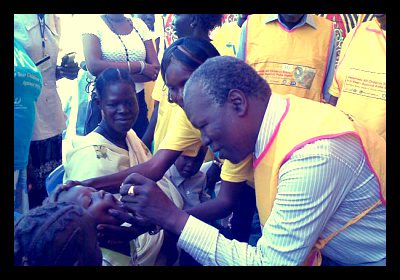
The History of Polio

Polio is a virus that causes paralysis of the lungs and spine and in severe cases death. It is suspected that polio has been around for thousands of years. Ancient Egyptian paintings portray priests with deformed limbs reminiscent of the disease. It was not until the industrial age however that major polio epidemics occurred first in Europe and then in the United States.

The first documented outbreak of Polio in the U.S. occurred in 1884 in Rutland Country, Vermont. Eighteen deaths and 132 cases of infantile paralysis were documented. However British physician Dr. Michael Underwood had written a clinical description of the disease almost 100 years earlier, calling it “debility of the lower extremities”. In 1840 German physician Dr. Jacob von Heine conducted a systematic investigation of the disease and hypothesized that it might be contagious. In 1905 after a series of epidemics in Sweden, Dr. Ivar Wickman published that a report suggesting that polio was contagious and seemed to involve the spine. In 1907 he characterized different types of polio noting that polio could occur in milder forms, which he called “abortive”.

Throughout the 19th century known as “Infantile Paralysis” but in 1908 Austrian physicians Karl Landsteiner and Erwin Popper announced that the disease was viral and it was named poliovirus.  They made this discovery by withdrawing spinal fluid from a patient who had died from the disease and putting it through a bacterial filter. They then inserted the fluid into the spines of monkeys, who then developed the disease. As viral particles are smaller than bacterial particles they concluded that the disease was viral.

In 1916 the first major polio epidemic occurred in the U.S there were 27, 000 cases and 6000 deaths. In New York City alone there were 9000 cases and 2343 deaths. Polio was most common in children however it also affected adults; between 1949 and 1954 35% of the cases were adults. In 1921 Franklin D. Roosevelt contracted the poliovirus at the age of 39. In 1927 he formed the Warms Spring Foundation for polio rehabilitation in Georgia. He then founded the National Foundation for Infantile Paralysis in 1938. The organization still exists today as the March of Dimes, a fundraising organization focused on polio research.

During the late 1940’s and early 1950’s Dr. Jonas Salk at the University of Pittsburg began developing a vaccine for polio and in 1955 he developed the first effective vaccine against polio, the inactive (killed) injectable vaccine. Between 1955 and 1957 the incidence of polio in the U.S. fell by almost 90%. Around the same time Dr. Albert Sabin developed and tested a “live” vaccine. He had to test the vaccine in Russia due to Salk’s monopolization of the U.S.  This became the vaccine of choice world wide due to its easier oral administration and cheaper cost. However as of 1999 the US began using Salk’s inactive virus because of the risk that the active virus could be too strong and lead to the development of polio. Both of these doctors were instrumental to the eradication of polio in North America and Europe.

By 1988 the virus had been completely eradicated in North America, Australia and Western Europe, however it still remained endemic in 125 countries. In 1988 the World Health Organization announced a plan to vaccinate all children in underdeveloped countries. As of 2012, polio is officially endemic in only four countries – Afghanistan, Nigeria, Pakistan and India.

– Lisa Toole

Sources: History of Vaccines, Global Polio Eradication, NMAH, BBC, Polio Today
Photo: Terrierman’s Daily Dose

December 2, 2013
https://borgenproject.org/wp-content/uploads/borgen-project-logo.svg 0 0 Borgen Project https://borgenproject.org/wp-content/uploads/borgen-project-logo.svg Borgen Project2013-12-02 04:11:012024-12-13 17:49:48The History of Polio
Children, Disease, Global Poverty, Health, Malaria

10 Global Health Accomplishments From the Past Decade

Global Health Accomplishments WHO
Global health has a huge impact with poverty. In many poverty-stricken areas, a lack of proper health equipment and the spread of diseases is a major function in the poverty trap. These countries rarely have the bare minimum to handle widespread disease and other health complications, making it hard truly to combat a global health issue. Despite these bleak conditions, there have been impressive global health accomplishments. The work and time put in by programs such as United States Agency for International Development (USAID) and Centers for Disease Control and Prevention (CDC) have made these ten necessary improvements for impoverished areas.

Global health has improved by leaps and bounds over the past decade. Many different factors have caused this great revolution of health, but ten specific reasons can be credited with carrying the weight. Without improvement in these specific areas by programs like USAID and the CDC, many of the great advancements seen today in global health would have never had the funds to be reached.


Factors Contributing to Global Health Accomplishments


In many areas with great health risks; immunizations and vaccines are not made readily available. Without these treatments, many people are often infected by disease that could otherwise be avoided or contained with the assistance of vaccination and immunization. First, USAID immunization programs have provided the funds to treat up to three million impoverished people per year.

Many nations struggle with health issues because of water deprivation. Second, USAID introduced oral hydration therapy to these areas, in hopes it would counteract dehydration problems. As of today, the oral hydration therapy has been successful in areas all around the globe, with tens of millions of people being properly nourished through the low-cost program yearly.

Thirdly,  not only is the oral hydration therapy combatting worldwide dehydration, USAID has partnered with The United Nations Drinking Water Supply to help some 1.3 billion people receive proper water nourishment sources.

Sanitary water is a vital piece to figuring out the poverty puzzle, but the eradication of poverty begins with the young people. Fourth, the average number of children per family in impoverished nations has dropped from 6.1 in the mid-1960s to 4.2 today. In addition, infant and child deaths have decreased by 50 percent in these impoverished areas.

Fifth, USAID child survival programs have made a 10 percent child mortality rate reduction in just the past eight years. Not only has the number of children’s lives saved risen, but life expectancy has improved by 33 percent in these nations.

The decrease of major diseases worldwide is a major improvement made possible by USAID, CDC, and similar programs worldwide. Sixth, Smallpox has been eradicated, and now only exists in laboratories. Seventh, USAID has accounted for thirty-two HIV/AIDS prevention programs throughout the world.

Eighth, over 850,000 people have been reached by the HIV program, and (ninth) another 40,000 people have been trained to treat the virus. Lastly, programs like the CDC have been responsible for the diminishing malaria cases, from 2004 (2.1 million cases) to 2009 (1.8 million cases).

By combatting major poverty causing issues such as disease epidemics, unsanitary water, and child mortality rates, programs such as USAID and the CDC have been instrumental in causing the turnaround of world poverty. With the continued support from these programs, the world’s impoverished people can be assured of better conditions outside of these ten beneficial starts.


10 Key Global Health Accomplishments


1. USAID immunizations and vaccines have provided funds to treat up to three million impoverished people per year.

2. Introduction of oral hydration therapy in impoverished areas.

3. Supplied roughly 1.3 billion people proper nourishment sources.

4. Average number of children per impoverished family has dropped from 6.1 to 4.2.

5. 10 percent child mortality rate reduction.

6. Smallpox only exists in laboratories.

7. USAID has 32 HIV/AIDS programs throughout the world.

8. 850,000+ people have been reached by the HIV program.

9. 40,000 have been trained to treat HIV.

10. Diminishing malaria cases, from 2.1 million to 1.8 million over a five year period.

– Zachary Wright

Sources:  USAID, CDC

Photo: USAID

October 26, 2013
https://borgenproject.org/wp-content/uploads/borgen-project-logo.svg 0 0 Borgen Project https://borgenproject.org/wp-content/uploads/borgen-project-logo.svg Borgen Project2013-10-26 09:12:512024-05-25 00:28:4310 Global Health Accomplishments From the Past Decade
Disease, Global Poverty, Health

MRSA Needs to Be a Global Concern

MRSA
On October 11th, a third player on the Tampa Bay Buccaneers football team was diagnosed with methicillin-resistant Staphylococcus aureus, a deadly bacterial infection known as MRSA or staph. According to Buddy Creech, Assistant Professor of Pediatric Medicine at the Vanderbilt University Medical Center, many people carry MRSA on their skin. It is easier for football players to contract it because of the skin to skin contact and open wounds endured by tackles and hits. It is also common to contract it in crowded environments, such as hospitals.

Two out of every one hundred people carry MRSA.  The bacteria lives on people’s skin and the inside of their noses.  People who have healthy immune systems can fight off the infection with the use of specific antibiotics given out at hospitals. However, for those with weak immune systems, this infection could lead to boils, toxic shock syndrome, septic problems, heart valve problems and even death.

The most important thing when dealing with this bacteria is to sterilize everything during the treatment process. It is not unusual for people staying in hospitals to contract MRSA if the equipment they are surrounded by were not properly sanitized.

The MRSA outbreak in the NFL is a problem for global health. If it is a problem in the U.S., there is no telling how much a concern it could become in developing countries.  If this outbreak were to occur in a developing country, it is unlikely that they would have the sterilization equipment necessary to prevent it from spreading. The treatment also requires very specific antibiotics that not many countries have quick access to.

MRSA has already begun to grow as a global epidemic. In Asia, the prevalence of MRSA has grown from 17 percent in 1986 to 40 percent in 2000. In Africa, the presence of MRSA has ranged from 5 percent to 45 percent. MRSA has also been found in Europe, Australia and South America.

– Olivia Hadreas

Sources: UT Southwestern, CDC, Medical News Today, ABC News
Photo: ESPN

October 25, 2013
https://borgenproject.org/wp-content/uploads/borgen-project-logo.svg 0 0 Borgen Project https://borgenproject.org/wp-content/uploads/borgen-project-logo.svg Borgen Project2013-10-25 07:30:412024-05-25 00:31:05MRSA Needs to Be a Global Concern
Disease, Global Poverty, Health, Water

Surge: Pioneer of Clean Water Around the World

cambodia_surge_for_water
Surge is a Chicago-based nonprofit organization that focuses on providing people with clean and safe drinking water. According to Chicagonow.com, Surge has given around 67,000 people access to clean water in countries such as Haiti, the Dominican Republic, Ethiopia, Tanzania, Pakistan, Bangladesh, India, and Cambodia.

In addition, Surge focuses on improving people’s health in countries where fatal waterborne diseases such as cholera are common. In order to fund further projects, the organization has decided to host a nationwide event that focuses on collecting funds for the cause.

In addition, Surge provides other ways people can get involved with clean water initiatives. People as young as eight years old can get involved in Surge’s educational awareness program. According to surgeforwater.org, these educational programs reach up to thousands of people each year. Additionally, the “Just for Kids Initiative partners with local organizations in order to educate and empower youth” involved in the program.

In places such as Bangladesh, Surge has provided new water sanitation systems. In the district of Gazipur, more than half of the households were given access to clean water. Today, more than 56,000 households depend on Surge’s aid.

Additionally, the nonprofit has provided Cambodian people with a new water tank to people living in remote villages near the Mekong river. Due to Surge’s efforts more than 1,000 Cambodian children now have access to clean water.

This year, the Water Falls Gala will raise funds for clean water projects in places such as Haiti and the Dominican Republic. According to the official website, the event will be held at the National Hellenic Museum in Chicago’s West Loop.

All the proceeds will work towards building clean water systems in Haiti and the Dominican Republic. The projects in these countries will bring clean water to thousands of people.

– Stephanie Olaya

Sources: Surge of Water, Chicago Now

October 22, 2013
https://borgenproject.org/wp-content/uploads/borgen-project-logo.svg 0 0 Borgen Project https://borgenproject.org/wp-content/uploads/borgen-project-logo.svg Borgen Project2013-10-22 15:03:582024-06-05 02:58:04Surge: Pioneer of Clean Water Around the World
Disease, Global Poverty, Health, Malaria

Malaria Deaths are Decreasing in Africa

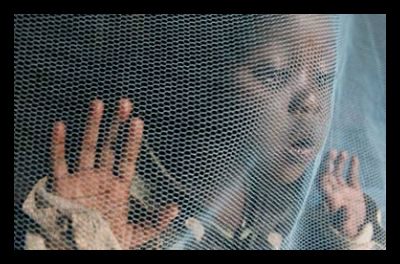
Malaria Decline Africa Mosquito Bed Nets
Africa faces the world’s most dramatic public health crisis. Although polio is close to eradication, and more than half of African children have received the measles immunization, key public health issues continue throughout Africa.

Malaria is preventable and curable, yet it kills about 655,000 people worldwide every year. Malaria is transmitted through mosquitos infected with parasites, and it can also be passed to a growing fetus from an infected mother. Malaria causes fever, chills, muscle pain, and if not treated can result in death.

According to the Center for Disease Control (CDC), 91 percent of malaria-caused deaths occur in Africa. Moreover, 86 percent of malaria deaths globally are children. Malaria is a disease of poverty. The most vulnerable are children under five and pregnant women living in rural areas.

Malaria deaths decreased by 25 percent globally from 2000 to 2010. How was this achieved?


1. World Health Organization (WHO)

According to the WHO, 33 African countries have adopted artemisinin-based combination therapy as malaria treatment, which is the most effective antimalarial medicine. Other treatments include insecticide-treated nets, indoor residual spraying, and intermittent preventive treatment during pregnancy. In the WHO African region, malaria cases decreased by 50 percent between 2000 and 2008 due to these measures.


2. United Nations Children’s Fund (UNICEF)

From 2000 to 2012, UNICEF provided over 120 million Insecticide-Treated Nets (ITNs). During this time, children sleeping under ITNs increased from 2 percent to 39 percent. As malaria-infected mosquitos bite at night, the regular use of ITNs can reduce child mortality by 20 percent.


3. The Global Fund

Through funding from the Global Fund, 310 million mosquito nets and 181 million cutting-edge antimalarial treatments have been distributed.


4.  The President’s Malaria Initiative (PMI)

PMI is led by USAID under a U.S. Global Malaria Coordinator and jointly implemented with the Centers for Disease Control (CDC). PMI is one of the largest donors for malaria. Its goal is to half malaria for 70 percent of the at risk sub-Saharan population. PMI has chosen 19 focus countries. In Tanzania, PMI efforts, through the malaria control scale-up, have reduced all-cause child mortality (ACCM) by 10 deaths per 1,000 live births.

Through all these efforts over a million lives have been saved. Still a child dies every minute from malaria.

Widespread malaria is an obstacle to the development and growth of affected African countries and communities. For every $1 invested in malaria commodities, a $40 return can be expected in the form of productivity from healthier, better educated more productive working communities.

 – Caressa Kruth

Sources: WHO, CDC About, WebMD, UNICEF, Forbes John Lechleiter, Forbes, CDC Resources
Photo: 

October 20, 2013
https://borgenproject.org/wp-content/uploads/borgen-project-logo.svg 0 0 Borgen Project https://borgenproject.org/wp-content/uploads/borgen-project-logo.svg Borgen Project2013-10-20 06:53:412024-12-13 17:49:43Malaria Deaths are Decreasing in Africa
Developing Countries, Disease, Global Poverty, Health, Human Rights, Nonprofit Organizations and NGOs

Is McGill University Doing “Asbestos” it Can?

mcgill_university
Asbestos, which has been mined for more than 4,000 years, was not largely distributed until the end of the 19th century. Today, armed with the knowledge about the dangers to human health that asbestos poses, production in the modern world has been brought to a halt. However, in many developing countries, particularly in Asia, many are surprised to hear that the use of asbestos has been increasing.

The world’s largest asbestos mine was the Jeffrey mine in the town of Asbestos, Quebec. Because of the preciousness of asbestos to the Quebecois economy, when results began to show the toxicity of asbestos, the Quebec Asbestos Mining Association (QAC) needed to find a solution preventing the stoppage of asbestos use. They turned to McGill University.

Professor J.C. McDonald, working for McGill’s Department of Epidemiology, was funded by a front organization set up by the QAC to research the effects of asbestos. His findings, using outdated and inaccurate techniques, demonstrated that exposure to chrysotile asbestos could give protection against cancer.

Despite the fact that no other scientist has been able to replicate McDonald’s data – even McDonald himself refuting his own findings, going so far as to admit that some of the data taken was thrown away until specific results were found – many companies continue to use his research to support the use of asbestos.

As such, every year, two million tons of asbestos are being put into homes and schools, ultimately causing a public health catastrophe to come.

Kathleen Ruff, founder of the human rights website RightonCanada.ca, and senior advisor on Human Rights of Rideau Institute was joined by Professor David Egilman of Brown University, who is the President of Global Health through Education, Training and Service (GHETS), a NGO dedicated to improving health in under-served communities around the world, at a conference on October 1st at McGill.

Here, Egilman and Ruff addressed McGill’s “internal review” on McDonald’s study, which Abraham Fuks, McGill’s research integrity officer, concluded Professor McDonald to be “a pioneer in the demonstration of health hazards of asbestos.”

Fuks states that while it is true that McDonald’s project was funded by the asbestos industry, there was no collusion between the university and the asbestos industry.

Egilman contends noting, “[McDonald’s team] threw data out because it gave them wrong results.” And when they finally had data that matched up to what they wanted to prove, Ruff points out that “the industry [then] went on a mission to developing countries to get them to use chrysotile asbestos.”

The problems associated with asbestos-related risks are manifold. The previous installation and further dismantling of asbestos abroad lacks proper regulation and legislation, with many companies not respecting safety and proper execution. Consequently, exposure increases the risk of lung cancer, mesothelioma, and nonmalignant lung and pleural disorders.

Countries with economic ties to asbestos, such as Russia, India and Brazil continue to use McDonald’s information to lobby for increased use. Without an independent review of the research conducted and a final nay-say of McDonald’s results, it will prove difficult to put a stop to these organizations.

What started as a good PR strategy back in the 1960s has now exploded into one of the main justifications of continued global asbestos use.

GHETS, founded in 2002, places emphasis on “grassroot partnerships, sustainability and the development of primary healthcare infrastructure.” In association with many major institutions, GHETS funds training of local doctors and distribution of seed grants to for local business start-ups.

RightonCanada, an advocacy campaign to put human rights back on Canada’s political agenda, believes that Canada, when refusing to recognize the human right to water, aid in sabotaging a U.N. Declaration on the Rights of Indigenous Peoples, and block action to control export to developing countries of asbestos, among other things, has consequently become “a human rights saboteur.”

– Chloe Nevitt
Feature Writer

Sources: Rabble, McGill Daily,McGill Daily, Global Labour University, CDC, Right on Canada, GHETS
Photo: Wikimedia

October 15, 2013
https://borgenproject.org/wp-content/uploads/borgen-project-logo.svg 0 0 Borgen Project https://borgenproject.org/wp-content/uploads/borgen-project-logo.svg Borgen Project2013-10-15 17:12:222024-12-13 17:49:44Is McGill University Doing “Asbestos” it Can?
Developing Countries, Disease, Technology, United Nations

Low Blood Oxygen? Phone Oximeter is the App

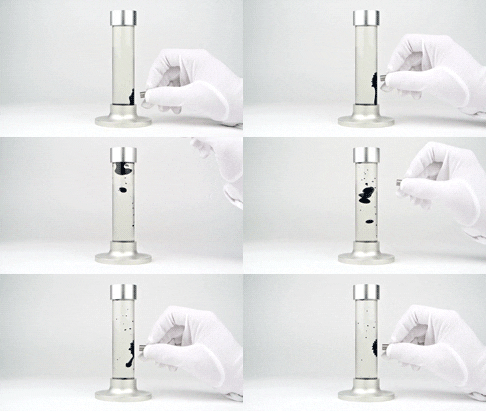
phone_oximeter
With over a million apps in the Google Play store and nearly that many in the App store, there’s an app for nearly everything–from locking your car doors, finding the perfect recipe for dinner, creating digital watercolor paintings, to monitoring your diet. Now there’s an app for measuring pulse oximetry, or the amount of oxygen in the blood. According to experts, over two-thirds of the six billion cell phone users in the world live in developing nations. The app, called Phone Oximeter, can aid health workers trying to diagnose pneumonia – particularly in children – and pre-eclampsia.

The Phone Oximeter was among ten innovations chosen by the UN and PATH to aid against deaths amongst women and children worldwide, especially deaths related to childbirth. Developed by Dr. Mark Ansermino and colleagues at the University of British Columbia, the device can be attached to a cellphone or tablet in order to measure pulse oximetry. The device can be attached either to the fingertip or earlobe. Reading the results of the Phone Oximeter is simple, according to Ansermino: “When you have got oxygen in your blood, it goes red and when you have not got oxygen in your blood, it goes blue. And that is why we get this tinge around our lips when it is cold because we do not have enough oxygen in the blood around your lips. But also when children get sick … we see the same blue color. So, what we do really is look at this light shining through the tissue and determine the bounds of this red to blue light, and from that we can tell how much of your blood has oxygen in it and how much does not.”

Other potential uses being explored for the Phone Oximeter include monitoring anesthesia in developing countries. Use of pulse oximetry in developed nations leads to significant decreases in the death rate. It detects low blood oxygen levels at the earliest symptoms and allows for a rapid response to the problems that arise thereafter. This can prevent brain damage and death. In the developing world, the death rate from anesthesia is still 100 to 1000 times higher than the rest of the world. As it continues to develop, the hope for the Phone Oximeter is that it would “demonstrate the potential for enhanced delivery of information from a pulse oximeter to enhance the safety of anesthesia care throughout the developing world.”

Designed to be easy to read and to aid healthcare workers at all levels, regardless of specialty, the Phone Oximeter is relatively inexpensive, expected to cost between $10 to $40.

– The Borgen Project

Sources: The Jewish Voice, Medical Daily
Photo: Engadget

October 12, 2013
https://borgenproject.org/wp-content/uploads/borgen-project-logo.svg 0 0 Borgen Project https://borgenproject.org/wp-content/uploads/borgen-project-logo.svg Borgen Project2013-10-12 10:28:362024-05-25 00:25:23Low Blood Oxygen? Phone Oximeter is the App
Disease, Global Poverty

Michael J. Fox: Race to Find Parkinson’s Disease Cure

Michael J Fox Back To The Future Marty McFly Parkinson's Disease Cure
Parkinson’s disease is a progressive degenerative disease of the central nervous system. The disease commonly affects the brain and motor functions. It causes difficulty and rigidity in simple motor functions and activities such as walking, sitting, thinking, and balancing. Often it occurs in older people, but some cases include people in their early forties. If the disease is left untreated, it can lead to more severe maladies such as dementia and immobility.

The disease often develops slowly and can go unnoticed. Initial symptoms include a noticeable tremor in just one hand, stiffness of the body, and slow movements. According to Mayo Clinic, during the early stages of the disease, patients may notice that the face shows little to no expression, and that their arms may not swing when walking. Other symptoms include impaired balance, speech changes, blurred vision, writing changes and an impaired sense of smell.  These symptoms can worsen over time. Although the disease can’t be cured, there is a wide array of medications that can help treat it.

Michael J. Fox, a world renowned actor, was diagnosed with Parkinson’s disease when he was just 37 years old. Since then, he has been advocating nationally and internationally for a cure. He predicted that he would find a cure by the time he was 50 years old. However, he is still far from his goal.

He is often praised for his advocacy towards a cure for the disease, and often helps report symptoms and side effects related to the disease. According to WebMD, the actor first reported a “rolling pin tremor on his right hand,” which was later followed by stiffness in his limbs and face. Today, Fox reports that the disease now affects the left hemisphere of his body. Michael J. Fox said he is in the “late-mild” stage of the disease.

Fox wanted to go public about his condition to raise public awareness and funding for Parkinson’s disease, WebMD reports. He has raised awareness via his foundation Web site, which is dedicated to fundraising and finding a cure for Parkinson’s disease. Fox’s foundation is also dedicated to finding innovative research for Parkinson’s Disease patients. Fox’s advocacy can be summarized with his powerful motto, “The cures we want aren’t going to fall from the sky. We have to get ladders and climb up and get them.”

– Stephanie Olaya

Sources: Michael J. Fox Foundation, Mayo Clinic, Medicine Net, USA Today
Photo: Blastr

October 8, 2013
https://borgenproject.org/wp-content/uploads/borgen-project-logo.svg 0 0 Borgen Project https://borgenproject.org/wp-content/uploads/borgen-project-logo.svg Borgen Project2013-10-08 04:00:592020-06-25 09:57:48Michael J. Fox: Race to Find Parkinson’s Disease Cure
Disease, Global Poverty, Health

Chaga Mushroom Might Be The Cure for HIV

chaga_mushroom
Could there be a cure for HIV? According to Russian researchers, the Chaga mushroom can “cure the Human Immunodeficiency Virus or HIV.” The Chaga mushroom is a small mushroom usually found in birch and other hardwood trees. It contains betulinic acid, which is considered a toxic substance to cancerous cells. It also has antiviral properties that are essential in the search for an HIV/AIDS cure.

The Chaga mushroom (or Inonutus obliquis) can be found in several regions around the world, most commonly Siberia and other regions in Eurasia. The Chaga mushroom is often characterized by its porous, dark appearance: often black-blue or purple. According to researchers, “strains of these mushrooms demonstrated low toxicity and strong antiviral effects against influenza, smallpox and HIV.” In addition, Siberian researchers at the Vector Institute have compared the Chaga mushroom to a variety of fungi growing in Siberia: 82 strains of 33 fungi and have determined that the Chaga mushroom has the strongest antiviral capacity.

Moreover, the Chaga mushroom usually grows in cool regions such as Russia, Korea, as well as other Eastern and Western European states. Scientists have found that the Chaga mushroom also grows in select parts of the United States and Canada.

The antiviral mushroom has been a constant subject in Russian folk medicine. The folk remedies use the mushroom to cure diseases such as cancer, cardiovascular diseases, and diabetes.

Despite its positive appeal as a potential cure for cancer and HIV/AIDS, the mushroom has not undergone official testing. However, it presents newfound hope for researchers and people diagnosed with these diseases. Research plans to investigate the mushroom’s potential benefits will be held sometime in 2015.

– Stephanie Olaya

Sources: Medical Daily, International Business Times
Photo: Wikipedia

October 4, 2013
https://borgenproject.org/wp-content/uploads/borgen-project-logo.svg 0 0 Borgen Project https://borgenproject.org/wp-content/uploads/borgen-project-logo.svg Borgen Project2013-10-04 20:23:522016-02-16 11:57:05Chaga Mushroom Might Be The Cure for HIV
Activism, Disease, Global Poverty, Health

Health Leads & Clinton Global Initiative

Risa_Lavizzo_Mourey_Clinton_Global_Initiative
Risa Lavizzo-Mourey, President and CEO of the Robert Wood Johnson Foundation, spoke about Health Leads during a panel discussion on non-communicable diseases (NCD) at the Clinton Global Initiative on 24 September. Ms. Lavizzo-Mourey noted that important preventative measures for NCDs should include analyzing the living environments outside hospital walls in order to improve the quality of overall care people receive, which is what Health Leads specifically advocates and executes.

Health Leads’s mission statement reads, “to catalyze this health care system by connecting patients with the basic resources they need to be healthy…to champion quality care for all patients.” An example of this model is enabling doctors to prescribe basic resources like food and heat to their patients the same way the doctors would prescribe medicine or provide referrals. This whole-patient approach requires healthcare professionals to learn about the community environment and the living conditions of their patients when they leave their doctors’ offices.

The results of these inquiries enter the patient’s electronic record, which partner-hospitals can use to refer patients who lack basic resources to Health Leads. Through a systematic set of steps, the patient can carry the prescription to a Health Leads desk at the partner-hospital.

A Health Leads Advocate then works with the patient to connect her to the necessary community services that will help provide the basic resources the patient requires. Aid programs for basic resources may include additional health insurance coverage, access to food pantries and food assistance programs, discounts on gas and electric costs, job training, and childcare subsidies.

The last two steps require a follow-up from the Health Leads Advocate and updates to the clinic team from the patient. This symbiotic relationship is necessary to navigate any further challenges that may arise as a result of the previous steps. These challenges may include tracking down phone numbers, creating maps, finding transportation, and completing applications. Health Leads launched in 2010 and has since served over 23,000 patients.

In 2012, the program identified the top seven patient needs: education, utilities, housing, food, employment, income and benefits, and legal. To address these needs Health Leads trains a dedicated staff of program managers and Advocates whose sole design is to connect patients with the basic resources they require to get healthy.

– Yuliya Shokh

Sources: Health Leads, CGI 2013 Annual Meeting
Photo: Bloomberg

October 2, 2013
https://borgenproject.org/wp-content/uploads/borgen-project-logo.svg 0 0 Borgen Project https://borgenproject.org/wp-content/uploads/borgen-project-logo.svg Borgen Project2013-10-02 21:14:032024-05-25 00:22:02Health Leads & Clinton Global Initiative
Page 74 of 74«‹727374

Get Smarter

  • Global Poverty 101
  • Global Poverty… The Good News
  • Global Poverty & U.S. Jobs
  • Global Poverty and National Security
  • Innovative Solutions to Poverty
  • Global Poverty & Aid FAQ’s
Search Search

Take Action

  • Call Congress
  • Email Congress
  • Donate
  • 30 Ways to Help
  • Volunteer Ops
  • Internships
  • Courses & Certificates
  • The Podcast
Borgen Project

“The Borgen Project is an incredible nonprofit organization that is addressing poverty and hunger and working towards ending them.”

-The Huffington Post

Inside The Borgen Project

  • Contact
  • About
  • Financials
  • President
  • Board of Directors
  • Board of Advisors

International Links

  • UK Email Parliament
  • UK Donate
  • Canada Email Parliament

Get Smarter

  • Global Poverty 101
  • Global Poverty… The Good News
  • Global Poverty & U.S. Jobs
  • Global Poverty and National Security
  • Innovative Solutions to Poverty
  • Global Poverty & Aid FAQ’s

Ways to Help

  • Call Congress
  • Email Congress
  • Donate
  • 30 Ways to Help
  • Volunteer Ops
  • Internships
  • Courses & Certificates
  • The Podcast
Scroll to top Scroll to top Scroll to top