• Link to X
  • Link to Facebook
  • Link to Instagram
  • Link to TikTok
  • Link to Youtube
  • About
    • About Us
      • President
      • Board of Directors
      • Board of Advisors
      • Financials
      • Our Methodology
      • Success Tracker
      • Contact
  • Act Now
    • 30 Ways to Help
      • Email Congress
      • Call Congress
      • Volunteer
      • Courses & Certificates
      • Be a Donor
    • Internships
      • In-Office Internships
      • Remote Internships
    • Legislation
      • Politics 101
  • The Blog
  • The Podcast
  • Magazine
  • Donate
  • Click to open the search input field Click to open the search input field Search
  • Menu Menu

Archive for category: Developing Countries

Information and stories about developing countries.

Developing Countries, Global Poverty, Poverty Reduction, Women's Empowerment

SunBox Solar Kits Bring Cheap Electricity to Gaza

SunBox Solar Kits For the 1.9 million Palestinians who live in the Gaza strip, electricity is a privilege. Due to a lack of available energy, people experience regular blackouts that disrupt their daily lives. These blackouts keep residents from fully enjoying the benefits of electricity, such as regular internet access and lighting. Fortunately, local engineer and entrepreneur, Majd Mashhawari is bringing cheap electricity to families through her new invention, SunBox. Mashhawari’s SunBox solar kits provide clean solar power to households, providing off-the-grid energy and internet access.

Electricity in Gaza

One diesel power plant produces almost all electricity for Gaza but it is not able to produce enough electricity to power the region at all times. Because of restrictions on exports and imports in Gaza, the plant only has access to a restricted amount of imported fuel. As a result, it has been forced to implement a system of rolling blackouts. According to SunBox founder, Mashhawari, hospitals in Gaza receive 10 hours of electricity a day, which the hospitals can afford to supplement with private generators. Everyone else lives on three to five hours of electricity a day unless they can pay for a generator.

If people in Gaza had reliable access to electricity, they would be able to cook, refrigerate food, run businesses effectively, access the internet and study after dark. The first two activities boost health, while the latter three increase earnings and success. Access to electricity has a strong impact on reducing poverty.

SunBox Solar Kits

SunBox solar kits could be the key to ending Gaza’s electricity crisis. SunBox has provided solar energy for 300 families since the company’s launch two years ago. Its solar kits have produced 600,000 watts of energy so far. As a small business, it employs 35 people, helping to combat Gaza’s high unemployment rates.

SunBox solar kits consist of one or two solar panels, a battery and a solar device. The panels are attached to the roof of a building and the solar device provides internet access and a plug-in for electrical devices. These kits provide 1,000 kilowatts of solar energy to consumers in a region where most days are sunny. The battery typically takes only three hours to recharge fully.

Business-wise, SunBox has profited from its “sharing is caring model.” People who cannot afford to pay for the $350 kits can buy the kit with other families, sharing the costs and the electricity. SunBox has also installed kits at desalination plants, helping to power the creation of clean water.

Female Entrepreneur: Majd Mashhawari

SunBox is the brainchild of Mashhawari, who understands the need for better electricity in Gaza because she grew up there. The territory began conducting electrical blackouts when she was 12. Mashhawari went on to attend the Islamic University of Gaza, where she majored in civil engineering. She has put her degree to good use, developing two products so far that help tackle Gaza’s unique infrastructure needs. These products are GreenCake and SunBox.

Mashhawari’s first product, GreenCake, was a building block made from ash and rubble. The Israel-Hamas war in 2014 had damaged many buildings in Gaza and rebuilding was difficult because of limits on cement imports. Mashhawari saw the need for cheap building materials that could be made from domestically available substances. Her team conducted experiments, eventually designing a cheap, durable building block made from ash and rubble, two elements that were abundant in Gaza. After her success in launching GreenCake in 2016, Mashhawari went on to create SunBox in 2018.

Mashhawari’s work has come to wider attention because of a TED Talk she gave in 2019 about her inventions. During her TED Talk, Mashhawari touted the success of her products and the need to find creative solutions to difficult problems. She also recalled that when she attended university, her school’s civil engineering program had a female-to-male ratio of one to six. Mashhawari stressed her devotion to supporting other female scientists, proudly describing how SunBox was hiring and training both female and male engineers.

Local Inventions Address Poverty

Mashhawari’s products show the inventiveness of local entrepreneurs and their ability to create solutions that are tailored to their region. She developed her products to address the specific needs of her fellow people, granting them a better way of life. Her designs are cheap and environmentally friendly and because of her dedication to hiring female engineers, her company supports female education and economic empowerment. In the fight against global poverty, it is encouraging to be reminded that there are locally developed, environmentally friendly and cost-effective solutions.

– Sarah Brinsley
Photo: Flickr

January 13, 2021
https://borgenproject.org/wp-content/uploads/borgen-project-logo.svg 0 0 Yuki https://borgenproject.org/wp-content/uploads/borgen-project-logo.svg Yuki2021-01-13 05:43:262024-12-13 18:02:19SunBox Solar Kits Bring Cheap Electricity to Gaza
Developing Countries, Global Poverty, Poverty, War

Programs Ensuring a Landmine-Free World

Landmine-Free WorldThe threat of stepping on landmines understandably leaves communities in fear of utilizing valuable farmland, traveling freely to school or rebuilding after conflict. Landmines affect impoverished communities significantly more than others as it is often the poor who are pushed into these dangerous areas. A landmine-free world is the goal of several organizations.
Landmine Policies and Campaigns

In 1997, the problems associated with landmines rose to international attention when Princess Diana walked through a minefield in Angola. Shortly after, the Ottawa Treaty was signed by 122 countries. As the most exhaustive measure for prohibiting landmines and the trade and clearance of them, the treaty has since led to clearance in 33 countries and the destruction of 51 million stockpiled landmines. Still, 58 countries remained contaminated, which is the fact that sparked the Landmine Free 2025 campaign. As of 2020, countless charities continue to work toward a world where no one has to live under the fear that a single step could kill them. Organizations and programs have formed to help make the world a landmine-free place to live.

The HALO Trust

Working across 26 territories and countries, this once small charity has grown into a top landmine-clearing organization since its founding three decades ago. HALO’s history began after the collapse of the Soviet Union in 1988 when troops were pulled out of Afghanistan leaving behind explosives that killed thousands of refugees. Guy Willoughby, Colin Mitchell and Susan Mitchell saw the devastation unfolding in Kabul and established HALO to clear landmines and allow humanitarian aid to access the region.

Through its partnerships, HALO has greatly expanded its capacity to make the world landmine-free. The organization creates jobs in the communities it works in and provides skill-building opportunities for women through projects like 100 Women in Demining in Angola, a program that trains and employs all-women clearance teams. Likewise, concerned with landmines’ ecological impact, HALO works with partners to rehabilitate habitats such as the Okavango Delta. Clearing the southwest minefields in Angola, it supports National Geographic’s Okavango Wilderness Project, which will protect the headwaters that provide water for hundreds of thousands of Africans.

In the 2019/2020 fiscal year, HALO cleared 11,200 hectares of land, a 28% increase from the previous year. An example of the organization’s dedication is the clearance of the Site of the Baptism of Christ on the River Jordan. In April 2020, after four years of work, worshippers were able to return to this holy site for the first time in 50 years. HALO does much more than clear mines, it enriches the lives of communities and allows for healing after violent conflict.

Mines Advisory Group (MAG)

MAG is the response to horrific first-hand experiences witnessed by British Army engineer, Rea McGrath, during his NGO service in Afghanistan. As a promise to a young boy who had been “absolutely shattered” by a Soviet-laid mine, McGrath founded MAG in 1989 to educate the world about landmine issues and mobilize governments to respond. It is renowned as the first landmine-clearing organization to create community liaisons as a way of understanding levels of contamination.

The devastating truth is that almost half of all victims of landmines are children. To combat this, MAG provides educational sessions for children, to teach them how to recognize mines, what to do in emergencies and alert them of the areas of contamination. Beyond that, MAG continuously supports those injured by mines, like Minga who was blinded and dismembered at the age of six. Now a paid intern, she explains that teaching risk education classes, “made me feel important in our community.”

Across 68 countries, MAG has helped 19 million people to date. The organization actively responds to crises such as the 2009 conflict in Gaza and the ISIS/ Daesh Insurgency of 2014. In 2019 alone, MAG cleared 101,031 landmines and unexploded devices, which released 9,711 hectares of land. MAG’s work shows the organization’s commitment to a landmine-free world.

Odyssey2025 Project

Not a charity, but a one-of-a-kind project with the goal to accelerate landmine clearance through the use of drones, innovative survey methods and low-cost, accessible technology. Odyssey2025 is intended to compensate for the timely process of scoping minefields by enabling teams to initially fly drones over hazardous areas.

Recently awarded a million-dollar prize for its humanitarian work in Chad, the project was applauded for its breakthroughs in infrared data that enabled teams to locate over 2,500 buried landmines, a feat never before accomplished with drones. To achieve a landmine-free world by 2025, Odyssey2025 intends to continue capacity building in order to export its projects to other countries.

– Anastasia Clausen
Photo: Flickr

January 13, 2021
https://borgenproject.org/wp-content/uploads/borgen-project-logo.svg 0 0 Jennifer Philipp https://borgenproject.org/wp-content/uploads/borgen-project-logo.svg Jennifer Philipp2021-01-13 01:30:562024-05-30 07:55:38Programs Ensuring a Landmine-Free World
Developing Countries, Gender Equality, Global Poverty, Technology, Women's Empowerment

Bridging the Digital Gender Gap

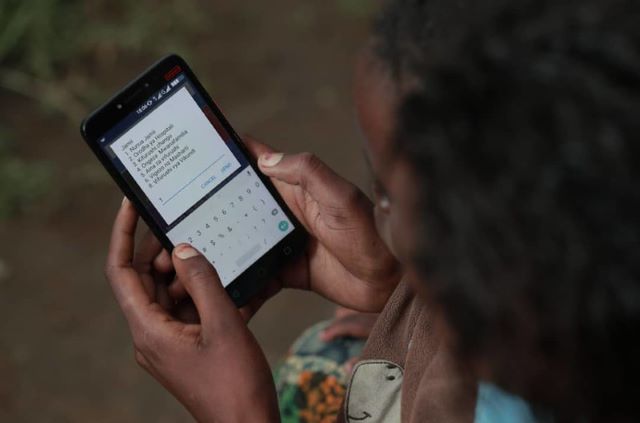
Digital Gender GapAs the world becomes more technologically advanced and digitally connected, access to technology remains an issue, especially in developing countries. More so, the digital gap between women and men continues to expand, with 300 million fewer women than men using mobile internet, creating a 20% gap. The lack of access to digital devices for these women means being denied essential services including employment opportunities, financial resources, educational resources and medical information. There are several global initiatives trying to bridge the digital gender gap between women and men.
Safaricom

In Kenya, women are 39% less likely than men to have access to mobile internet despite women making up 51% of the Kenyan population. Safaricom, a mobile network in Kenya, therefore created a partnership with Google to offer an affordable smartphone, the Neon Kicka with Android GO, compromising 500 megabytes of free data for the first month. The mobile network believes that empowering a woman empowers an entire community and focuses on the following three barriers: affordability, relevance and digital skills. The company ensured that the price point was the lowest it could be and featured important content including access to health information and educational content to highlight the smartphone’s daily relevance for women. Safaricom recognizes that many women are not familiar with Gmail accounts and therefore developed a guide covering the basics of smartphone use.

Novissi

Togo, a country in West Africa currently run by its first female prime minister, launched a digital cash transfer program called Novissi. Its goal is to provide aid to informal workers during the COVID-19 pandemic, covering residents of three urban areas under lockdown. Many underserved women tend to be excluded from COVID-19 relief digital cash transfer programs launched by governments since they either do not have access to digital bank accounts or are uninformed. Through Novissi, women receive a monthly sum of $20, whereas men receive $17, to support the cost of food, communication services, power and water. The three additional dollars allocated to women account for the fact that women are more likely to be informal workers and take care of a family’s nutritional needs.

Wave Money

In Myanmar, Wave Money has become the number one mobile financial service, with 89% of the country benefiting from its agents. Since Wave Money deals with 85% of rural areas in the country, money enters and leaves from nearly every state and facilitates familiarity with the service. The financial service created a partnership with GSMA Connected Women to allow greater access to financial services for women. Through this partnership, women are encouraged to run Wave Money shops in Myanmar, providing them with extra income even if they live in very remote areas of the country.

Telesom Simple KYC Account

It can be challenging for women to acquire the identity documents necessary to open accounts with service providers. In Somaliland, Telesom created a simplified know-your-customer (KYC) account, allowing women that do not possess an ID to sign up for mobile money services. The service solely requires a name, date of birth, image and contact details, favoring accessibility and reducing the digital gap between women and men.

Equal Access International Partnership with Local Radio Station

In Nigeria, women and girls are denied access to technology due to the fear of moral decline that accompanies the widespread culture. Equal Access International recognizes the need to address societal norms for women and amplify women and girls’ voices. In an effort to do so, Equal Access International partnered with a local radio station in order to create a show that tackled cultural taboos and promoted women and girls using digital technologies. The episodes last 30 minutes and cover weekly themes including common misconceptions about the internet, internet safety and moral arguments regarding women and the internet.

Closing the Digital Gender Gap

Despite a digital gender gap that exists between women and men, organizations around the world are making an effort to foster a sense of inclusion and empowerment for women and girls to become familiar and encouraged to take on the digital world that is constantly emerging.

– Sarah Frances
Photo: Flickr

January 13, 2021
https://borgenproject.org/wp-content/uploads/borgen-project-logo.svg 0 0 Lynsey Alexander https://borgenproject.org/wp-content/uploads/borgen-project-logo.svg Lynsey Alexander2021-01-13 01:30:442024-06-07 05:08:11Bridging the Digital Gender Gap
Developing Countries, Development, Global Poverty

Cash for Cows: Livestock Wealth in South Africa

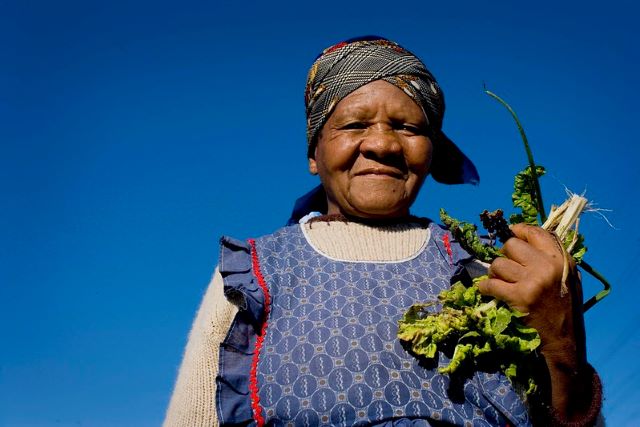
Livestock WealthPoverty in South Africa has historically been linked with the institution of the racial apartheid regime. The national government began to pass segregationist policies in 1948, with racial discrimination policies only officially dismantling in 1994 when South Africa became a democracy and Nelson Mandela stepped into power. Livestock Wealth is a company that introduced South Africa to “crowdfarming” as a means of supporting farmers and alleviating poverty in the country.
Apartheid and Poverty

Under the apartheid regime, the minority-white government passed policies aimed at keeping black South Africans, who made up a majority of the population, from having any meaningful participation in the economy. This left millions trapped in cycles of poverty and the residual effects of such discriminatory policies are still being contended with, in the effort to reduce poverty today.

Apartheid laws confined poor South Africans to rural regions and made the migration to urban areas difficult. The lack of opportunities and social mobility in rural areas made overcoming poverty a challenging task. The legacy of this limited mobility is still present today. South African provinces in rural areas have more households in chronic poverty compared to urban provinces. As of 2015, 25.2% of the population of urban areas lived below the upper-bound poverty line (UPBL), whereas 65.4% fell below the UBPL in rural areas. In order to reduce poverty, it is most important that rural communities receive support and investment.

Livestock Wealth

Livestock Wealth is a startup founded in 2015 by Ntuthuko Shezi which aims to provide investment for farmers in South Africa’s rural areas. Livestock Wealth allows investors from anywhere in the world to effectively purchase from South African farmers four different livestock and crop options: a free-range ox, a pregnant cow, a connected garden or a macadamia-nut tree. When the cows or the crops are sold, both the farmer and the investor receive a share of the profit.

The investment provides liquidity to farmers for whom there is limited availability of short-term funds. Livestock Wealth is currently a credit provider with South Africa’s National Credit Regulator and is registered with the Agricultural Produce Agents Council.

Livestock Wealth currently has 58 partner farmers all across the country and all cows are hormone-free and grass-fed. In recent years, its business has expanded to also provide meat for investors who join the “Farmers Club.” There are currently more than 2,800 investors with Livestock Wealth and more than $4 million has been invested.

Alleviating Poverty in South Africa

Livestock Wealth is a representation of an initiative that has great potential to alleviate poverty in South Africa. South Africa’s rural populations have a long history of exclusion from the economy and have struggled to reduce poverty for decades. Livestock Wealth provides cash investments for farmers and creates a market in which they can reliably trade. By doing so, the firm exemplifies an innovation within the South African economy, one which is helping to alleviate poverty and can inspire others to do the same.

– Haroun Siddiqui
Photo: Flickr

January 13, 2021
https://borgenproject.org/wp-content/uploads/borgen-project-logo.svg 0 0 Kim Thelwell https://borgenproject.org/wp-content/uploads/borgen-project-logo.svg Kim Thelwell2021-01-13 01:30:192024-05-30 07:52:53Cash for Cows: Livestock Wealth in South Africa
Developing Countries, Global Poverty, Poverty Reduction, Sustainable Development Goals

Public Development Banks Unite to Reach SDGs

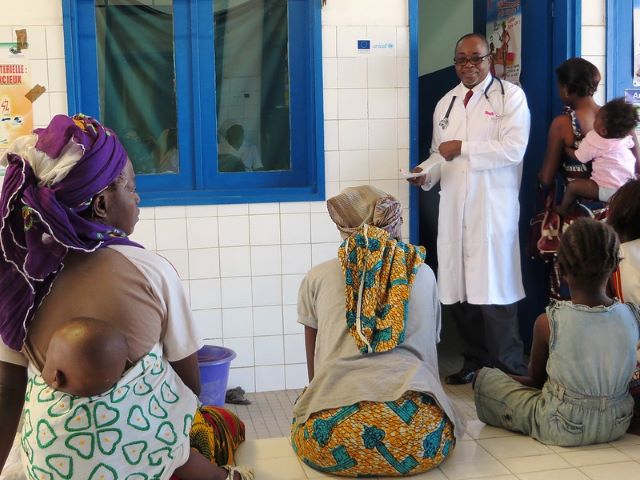
Public Development BanksIn November 2020, the world’s 450 Public Development Banks (PDBs) gathered at the first-ever global summit, the Finance in Common Summit. The summit emphasized that PDBs have an essential role in meeting the U.N. Sustainable Development Goals (SDGs) that encompasses both short-term responses and sustainable recovery measures. The commitment of PDBs to a joint effort in support of vulnerable communities around the world is an unprecedented step toward inclusive global development.
Public Development Banks

Public Development Banks are essential to the global economy and play a key role in fighting extreme poverty and hunger by bridging finance and public policy. PDBs are supported or controlled by governments but are legally and financially independent. Investments by PDBs made up 10% of yearly public and private investments in 2018, though all PDB investments are public, allowing the banks to openly and actively direct finances toward the evolution of international economic order and inclusion of declining countries with fewer limitations. This makes PDBs especially effective at supporting change for institutions, economies and infrastructure that reflects their public mandate to work in favor of entrepreneurs and vulnerable groups, such as women and children. None of the financing done by PDBs is related to consumers, individual accounts or credit.

A Cause for Cooperation

Conditions in areas suffering from extreme poverty are declining due to climate change and COVID-19. Developing countries have limited capacity to adapt their unstable agricultural methods and systems to changing climates. The capacity that does exist, including aid received, has been strained by the COVID-19 pandemic and the economic and social issues that accompany it. Common hardships have shed light on the need for united relief efforts that reach all regions and societies, and Public Development Banks have taken action by joining in unprecedented discussion and collective decisionmaking. The desired outcome was a diverse and collaborative movement to achieve the SDGs and respond to the challenges arising from COVID-19 and climate change.

The Future of PDB Financing

The developments made at the Finance in Common summit are clearly communicated in a joint declaration made by all 450 PDBs. The Public Development Banks came to a consensus for aligned strategies and investments that will support sustainable growth in societies and the global economy, all while prioritizing eco-friendliness. Future activity of PDBs will be targeted at attaining the SDGs and responding to a changing climate. Another outcome of the summit was a group of PDBs that will focus investments on rural sectors and agriculture around the world to help eradicate poverty and hunger.

Steps that PDBs have committed to taking together include transitioning investments to support low-carbon and climate-resilient solutions, renewable and clean energy and ecosystem restoration. Also on the global PDB agenda is improving the accessibility of education, housing, hygiene and sanitation as well as advancing social and financial inclusion. These measures were developed with the world’s most vulnerable in mind: young people and the elderly, members of rural communities, refugees and small-scale producers, among others. The alliance of PDBs is dedicated to achieving these goals while upholding best practices in finance and global inclusion.

PDBs Fighting Global Poverty

Public Development Banks have displayed a capacity to serve as leaders in the fight against extreme poverty and hunger. Their landmark summit can be a model for future progress toward equality in all parts of the world. In the middle of widespread crisis and instability, such international cooperation is needed more than ever.

– Payton Unger
Photo: Flickr

January 13, 2021
https://borgenproject.org/wp-content/uploads/borgen-project-logo.svg 0 0 Yuki https://borgenproject.org/wp-content/uploads/borgen-project-logo.svg Yuki2021-01-13 01:30:182021-01-13 04:23:39Public Development Banks Unite to Reach SDGs
Developing Countries, Education, Global Poverty, Health, Poverty Reduction, Technology

BACE API: Identity Verification Helps Poverty in Africa

BACE API:Charlette N’Guessan, a 26-year-old Ivorian and CEO of the BACE Group based in Ghana, is the first woman to win the United Kingdom’s Royal Academy of Engineering’s Africa Prize for Engineering Innovation. N’Guessan and her team earned £25,000 ($32,000) with the 2020 award for their BACE API digital verification software.
BACE API Facial Recognition Software

BACE API verifies identities remotely and instantaneously using artificial intelligence (AI) and facial recognition by matching the live photo of the user to the image on their official documents. This use of live images and video rather than still images is unique to BACE API and improves the success rate in matching faces and verifying that the images are of real people rather than preexisting photos. Judges for the Africa Prize stated that facial recognition software in Africa is becoming increasingly important and BACE API is just the beginning.

Issues in Identity Verification for Africans

Most facial recognition tools on the market use white faces in their dataset, which leads to higher rates of misidentification of black faces. BACE API, however, was designed with the express intention of improving the design of facial recognition software in Africa. The algorithm of BACE API is designed to draw from a more diverse data set to address racial bias and bolster its accuracy.

Moreover, N’Guessan stated that she created the BACE API tool to address high rates of identity fraud and cybercrime in Ghanian banks. Financial institutions in Ghana spend approximately $400 million per year identifying their users. Not only is BACE API more functionally accurate but it is also convenient as no special hardware is needed and the software can be combined with existing identification apps. So far, the software is being used in two financial institutions for identity verification and one event platform to manage attendee registration.

Identity Verification and Poverty

Facial recognition software in Africa has recently become an important tool to address poverty. There are approximately 1.1 billion people worldwide who lack an official ID, 500 million of whom live in sub-Saharan Africa and 40% of whom are under the age of 18. Women are disproportionately more likely to lack identity documents compared to men. The population of people without an official ID are unable to access basic socio-economic and legal rights, including healthcare, education, voting and legal protection in court. Moreover, people without identity documents are barred from entering the formal economy, for example, starting a business or gaining official employment. The widespread lack of official identification is largely due to the difficulties, inconveniences and expense of registering for an ID, including the common requirement for multiple forms of ID for different functions.

Digital technology, however, is leading the charge to address unequal access to ID’s and basic services, and BACE API is a unique solution to this issue by serving as a one-stop-shop for remote identification. After verifying their identity through the program, users gain access to necessary financial services, education and voting rights.

BACE API’s Benefits During COVID-19

During COVID-19, BACE API is a viable alternative to the in-person verification processes used by most such as fingerprints or personal appearances. Companies and organizations can now remotely authenticate and onboard people without ever meeting them.

Moreover, the demand for healthcare and welfare programs has skyrocketed in the wake of the widespread economic downturn. With BACE API, governments are relieved of the burden of identity verification and can operate more efficiently to provide essential services to people struggling during COVID-19.

– Neval Mulaomerovic
Photo: Flickr

January 13, 2021
https://borgenproject.org/wp-content/uploads/borgen-project-logo.svg 0 0 Jennifer Philipp https://borgenproject.org/wp-content/uploads/borgen-project-logo.svg Jennifer Philipp2021-01-13 01:30:042021-01-13 02:34:29BACE API: Identity Verification Helps Poverty in Africa
Developing Countries, Global Poverty

LEEP Advocates for Lead Paint Regulations

Lead Paint RegulationsOn October 6, 2020, the Lead Exposure Elimination Project (LEEP) publicly announced its launch online. The startup, which was incubated through Charity Entrepreneurship and identifies as an effective altruist organization, aims to address the absence of potentially high-impact lead paint regulations in countries of low and moderate wealth.

Lead Poisoning

Lead poisoning poses a serious public health hazard to a number of populations around the world, disproportionately impacting children raised in low and middle-income countries. As a toxicant that accumulates over time, the World Health Organization (WHO) reports, human bodies distribute lead to the brain, liver, kidney and bones. Because lead is toxic in any quantity, its ingestion can simultaneously damage multiple systems in a person’s body.

“Lead attacks the brain and central nervous system to cause coma, convulsions and even death,” according to the WHO. “Children who survive severe lead poisoning may be left with mental retardation and behavioral disorders… Lead exposure also causes anemia, hypertension, renal impairment, immunotoxicity and toxicity to the reproductive organs.” All effects of lead poisoning are considered irreversible.

Lead Exposure Elimination Project (LEEP)

As an organization affiliated with the utilitarian “effective altruism” movement, which seeks to maximize the direct impact of modern philanthropy, LEEP describes lead paint regulation as a high-priority issue that addresses “substantial health and economic costs.” Around one in three children globally, almost 800 million, have blood lead levels high enough to cause permanent neurodevelopmental damage, according to a report that UNICEF published on July 30, 2020. Lead poisoning is responsible for one million deaths and 22 million years of healthy life lost each year.

Lead Poisoning and Poverty

LEEP and other sources also link lead poisoning to cyclical poverty. By increasing the rates of mental disability, lead exposure reduces lifetime earning capacity and heightens the prevalence of violent crime, primarily among individuals living in low-income areas. Because mental illness can exacerbate poverty, the Institute for Health Metrics and Evaluation’s (IHME) 2017 Global Burden of Disease Study credits lead poisoning with reducing global GDP by $1.2 trillion each year.

Lead poisoning is considered a neglected issue in effective altruism circles. The only method of avoidance is prevention, yet common sources of lead poisoning like consuming water contaminated by lead pipes and inhaling lead particles generated by burning leaded materials or stripping leaded paint, have still not been regulated against in many areas of the world.

Advocating for Lead Paint Regulation in Developing Countries

To address these risks, LEEP’s primary mission is to advocate for lead paint regulations in countries where lead poisoning imposes large and growing public health burdens. Among the variety of common lead sources, it focuses on lead paint because it “may be the most tractable source of exposure to address and the easiest to regulate.” Among other considerations, eliminating lead paint is a non-partisan issue that is economically feasible for manufacturers and lacks a significant opposition lobby in almost all countries.

Beginning in Malawi, LEEP plans to launch advocacy initiatives in countries where lead paint regulations have the highest potential for impact. Immediate work will consist of testing lead levels in new paints on the market and building political connections in Malawi, with the hope of encouraging anti-lead legislation in the future. LEEP’s broader plan considers similar initiatives in Madagascar, Sierra Leone, Burkina Faso and Guatemala.

As of May 2020, the WHO reports that 39% of countries have regulations in place controlling the production, import, sale and use of lead paints. Africa, South Asia, South America and the Middle East are all regions where a significant proportion of countries do not have such regulations.

The Future of LEEP

LEEP was co-launched by duo Jack Rafferty, founder and director of the Refugee and Policy Institute, and Lucia Coulter, a medical doctor from the University of Cambridge with clinical and research experience. Charity Entrepreneurship provided LEEP with a $60,000 seed grant to jump-start the organization’s work. LEEP is currently seeking donors, in-country staff members and advisors with connections in target countries to reduce the effects of lead poisoning globally.

– Skye Jacobs
Photo: Flickr

January 12, 2021
https://borgenproject.org/wp-content/uploads/borgen-project-logo.svg 0 0 Kim Thelwell https://borgenproject.org/wp-content/uploads/borgen-project-logo.svg Kim Thelwell2021-01-12 23:11:502024-05-30 07:56:16LEEP Advocates for Lead Paint Regulations
Child Poverty, Children, Developing Countries, Education, Global Poverty, Health, Poverty

Things to Know About Child Poverty in Costa Rica

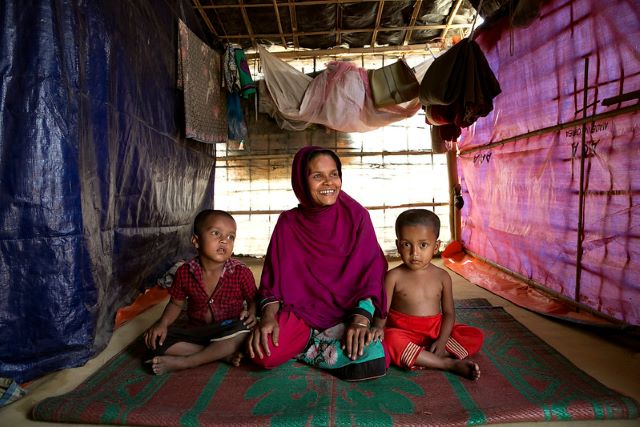
child poverty in costa ricaDespite being one of the most progressive countries in Latin America in terms of free education, no military and access to health care, there are still many people living in poverty in Costa Rica and the youngest people are oftentimes hit the hardest. More than 65% of impoverished Costa Ricans are younger than 35 years old and children younger than age 18 make up the largest group of the impoverished. Additionally, many of the children facing child poverty in Costa Rica are Indigenous. When it comes to children, issues include child labor, child mortality and disparities in education.

4 Things to Know About Child Poverty in Costa Rica

  1. Primary school in Costa Rica is free and mandatory. Free primary level education gives many children access to the education system. However, many children who come from impoverished families or rural areas miss out on education because they need to work to provide for their families. In 2020, 316 primary-aged children were not attending school and about 4% of lower secondary school-aged children were out of school. As a country that is a major producer of coffee, agricultural work and harvesting is a priority in Costa Rica. In fact, during the coffee bean harvest, the teachers and students in impoverished regions in Costa Rica go to the farms to work in order to afford school supplies.
  2. Costa Rica has a large number of child trafficking victims. In 2011, Costa Rica noted 36,000 orphans. Due to lacking family structures or dysfunctional families, many vulnerable children are at risk of exploitation, drug abuse and gang violence.
  3. Low child mortality rates. Costa Rica has the longest life expectancy in Latin America and an effective health care system and has also made strides in child mortality. In 2020, the mortality rate of children younger than 5 stood at 7.9 per 1,000 lives births, according to World Bank data, down from 96 in 1960. Child mortality rates are higher among children who are born into families living below the poverty line, Indigenous families or rural families.
  4. Violence against children in Costa Rica is a concern. In fact, Costa Rica noted about 700 sexual violence cases in 2009, according to Humanium, though organizations believe many more cases go unreported. The physical and psychological abuse and violence that children endure have serious consequences for their development and health.

SOS Children’s Villages

SOS Children’s Villages initially started with a commitment to caring for orphaned or abandoned children throughout the world. There are SOS Children’s Villages in three cities in Costa Rica: San José, Limón and Cartago. SOS Children’s Villages aim to address child poverty in Costa Rica.

The organization provides Costa Rican children with daycare, education, medical services and vocational training, sports facilities and playgrounds. SOS Children’s Villages takes in children whose parents cannot take care of them. The organization has a comprehensive approach: preventing child abandonment, offering long-term care for children in need and empowering young people with the resources to reach their full potential.

The organization’s YouthCan! program trains adolescents to enhance their skills and competencies in order to achieve employment. In Costa Rica, where almost 100,000 young people faced unemployment in 2016, the youth development program lasts for three to 12 months. The program consists of life skills training, employability training and helping the youth find jobs and further training opportunities.

Through organizations like the SOS Children’s Villages, child poverty in Costa Rica can reduce.

– Naomi Schmeck
Photo: Flickr

January 12, 2021
https://borgenproject.org/wp-content/uploads/borgen-project-logo.svg 0 0 Yuki https://borgenproject.org/wp-content/uploads/borgen-project-logo.svg Yuki2021-01-12 07:30:112022-03-23 03:41:36Things to Know About Child Poverty in Costa Rica
Developing Countries, Development, Global Poverty

Investing in Africa’s Music Industry

Africa’s Music IndustryIn April of 2020, the world’s most popular music streaming platform and one of the world’s biggest independent recording companies inked a new global licensing deal that will allocate more resources to new and existing entertainment markets in Africa. Spotify Music and Warner Music Group are working together to create new opportunities for artists to achieve international success in various countries, but Warner Music group is focusing on elevating the music streaming sector in Africa by investing in Africori, “a leading digital music platform for African artists and record labels.” Investing in Africa’s music industry could potentially contribute to lifting the continent out of poverty.

Warner Music Group Elevates Africa

Spotify has been available in Africa since 2018 in countries like Algeria, Egypt, Morocco, South Africa and Tunisia. While the company has hinted at future expansion in more African countries, its current licensing deal with Warner Music Group is working to elevate its global initiatives for Warner Group artists to grow the music industry worldwide.

Warner Music Group’s investment in Africori will make this possible by promoting existing African artists abroad, being able to sign global licensing deals with new artists and tap into a market that can provide opportunities for rising African stars. The main reason for investment will be to make African artists global by marketing their music to a global audience and giving newly signed artists the resources they need to grow their brand over time.

What is Africori?

Africori is an African digital music platform that is involved in almost every method of artist promotion. Its services include marketing, publishing, artist development, video distribution and booking artists around the globe. It was launched in 2009 “in response to the lack of opportunities available for African artists,” who now aim to make Africa a global source of inspiration. Africori already distributes to more than 200 domestic and international platforms because of their unique understanding of the African market.

This investment will transform Africa’s music industry by filling hundreds of job opportunities that are needed to manage global artists.

Investing in Africa’s creative minds has the potential for a big return for Warner Music Group as Africa’s music and entertainment sector is on course to reach 177.2 billion African rands of revenue in 2022, which equals $11.5 billion.

5 Reasons to Invest in Africa’s Creative Minds

With the investment deal being highly publicized, this move can inspire other U.S. or international entertainment groups to invest more in Africa’s music industry and entertainment sector.

  1. Music is a driving factor to economic success. Besides the artists themselves bringing in a high amount of revenue, a booming entertainment sector can create a multitude of jobs from publicists, directors, dancers, managers, set designers and more. Africa’s music sector is currently on the rise compared to many countries that already have established major entertainment deals.

  2.  Artist success leads to other business ventures. This could mean brand deals and sponsoring artists with products. Artists can partner up with African product companies, clothing companies, social media and more, to simultaneously promote themselves and other businesses.

  3. African artists are cultural magnets and trendsetters. Brian Nadra, an African musician labeled “an artist to watch in 2020” was called “an ambassador of East-African pop culture” in a region where there have not been many successful male singers. African artists are already being noticed globally which opens the door for new artists to achieve that same title.

  4. Africa’s music streaming platforms are on the rise. Currently, smartphone usage in Africa is estimated to grow exponentially in the next few years. Widespread smartphone usage will increase revenue per stream, platform subscriptions and music video views.

  5. Alleviating poverty in Africa. Growing the music scene in underdeveloped African countries can give people hope and an opportunity to pull them out of poverty. Many artists do not reach their goals because they lack the proper team or funding to continue to do so. Receiving funding to improve development gives communities a chance to prosper.

Africa’s creative minds have proven to be an untapped source of talent and inspiration. Africa’s music industry has the potential to grow itself and many other areas of the business to support artists for years to come. Warner Music Group’s decision to invest in Africori is just the beginning of supporting Africa’s ability to prosper.

– Julia Ditmar
Photo: Flickr

January 12, 2021
https://borgenproject.org/wp-content/uploads/borgen-project-logo.svg 0 0 Yuki https://borgenproject.org/wp-content/uploads/borgen-project-logo.svg Yuki2021-01-12 06:00:302021-01-12 06:00:30Investing in Africa’s Music Industry
Developing Countries, Global Poverty

Renewable Energy in Costa Rica

Renewable Energy in Costa RicaThe country of Costa Rica has an abundance of natural resources available. The particularly abundant renewable resources that Costa Rica uses in great quantity are wind and hydro energy. Costa Rica has embraced renewable energy and benefits from it in a multitude of ways, but there are also some less obvious ways the nation benefits from renewable energy.

Renewable Energy in Costa Rica

Renewable energy has helped small business owners and farmers. This would explain why so many of them are supportive of renewable energy. Since deforestation has largely come to a standstill because of renewable energy, the biodiversity in Costa Rica is able to remain. Costa Rica’s mass only makes up 0.03% of the Earth. Nonetheless, 6% of the Earth’s natural wealth and biodiversity is located within Costa Rica.

It is this biodiversity that has become so useful to the farmers of Costa Rica. Biodiversity reduces the need for fertilizers and pesticides that the farmers would normally use. Other natural resources can be used for farming as well. Cacao shells, for example, can be used for mulch and farmers can use logs to make the soil richer.

Renewable Energy Helps Tourism

Tourism also benefits from renewable energy in Costa Rica and plays an extremely important role in Costa Rica’s economy. Tourism alone brings in about $1 billion to the country and employs around 155,000 people. This is a substantial amount of people in a country home to about 4 million people. Renewable energy indirectly helps protect tourism in Costa Rica, in particular, ecotourism. By protecting these natural resources, Costa Rica ensures that people will continue to visit the country to see the beauty of its natural and conserved environments.

The Los Santos Wind Power Project

Renewable energy has also helped small and local communities in many ways. Los Santos is one such area seeing these positive impacts. Los Santos particularly benefits from the use of wind energy as the area is one of the windiest regions within Costa Rica. Currently, the Lost Santos Wind Power Project is installing wind turbines in the region.

The project has built enough windmills in the area that the region is able to generate 12.75 MW of wind energy, provide 50,000 inhabitants with electricity and prevent around 15,000 tonnes of carbon from releasing into the atmosphere each year. The project can then sell the energy produced by the wind turbines to the government. The money that is earned can go toward helping the local community. For example, the profit from selling energy that is produced can go toward the construction of new schools. Additionally, the installation of wind turbines will also create new jobs for people. To keep turbines functioning and ensure they receive repairs when needed, technicians must be available to work on them.

Renewable Energy, Renewable Hope

Renewable energy in Costa Rica is beneficial for a multitude of reasons, as set out above. The money from the generation of renewable energy can go toward helping small communities. The tourism industry in Costa Rica will continue to thrive, and because the environment will remain undamaged, so will the amount of biodiversity that helps farmers.

– Jacob E. Lee
Photo: Flickr

January 12, 2021
https://borgenproject.org/wp-content/uploads/borgen-project-logo.svg 0 0 Jennifer Philipp https://borgenproject.org/wp-content/uploads/borgen-project-logo.svg Jennifer Philipp2021-01-12 01:30:512024-12-13 18:02:19Renewable Energy in Costa Rica
Page 66 of 157«‹6465666768›»

Get Smarter

  • Global Poverty 101
  • Global Poverty… The Good News
  • Global Poverty & U.S. Jobs
  • Global Poverty and National Security
  • Innovative Solutions to Poverty
  • Global Poverty & Aid FAQ’s
Search Search

Take Action

  • Call Congress
  • Email Congress
  • Donate
  • 30 Ways to Help
  • Volunteer Ops
  • Internships
  • Courses & Certificates
  • The Podcast
Borgen Project

“The Borgen Project is an incredible nonprofit organization that is addressing poverty and hunger and working towards ending them.”

-The Huffington Post

Inside The Borgen Project

  • Contact
  • About
  • Financials
  • President
  • Board of Directors
  • Board of Advisors

International Links

  • UK Email Parliament
  • UK Donate
  • Canada Email Parliament

Get Smarter

  • Global Poverty 101
  • Global Poverty… The Good News
  • Global Poverty & U.S. Jobs
  • Global Poverty and National Security
  • Innovative Solutions to Poverty
  • Global Poverty & Aid FAQ’s

Ways to Help

  • Call Congress
  • Email Congress
  • Donate
  • 30 Ways to Help
  • Volunteer Ops
  • Internships
  • Courses & Certificates
  • The Podcast
Scroll to top Scroll to top Scroll to top