• Link to X
  • Link to Facebook
  • Link to Instagram
  • Link to TikTok
  • Link to Youtube
  • About
    • About Us
      • President
      • Board of Directors
      • Board of Advisors
      • Financials
      • Our Methodology
      • Success Tracker
      • Contact
  • Act Now
    • 30 Ways to Help
      • Email Congress
      • Call Congress
      • Volunteer
      • Courses & Certificates
      • Be a Donor
    • Internships
      • In-Office Internships
      • Remote Internships
    • Legislation
      • Politics 101
  • The Blog
  • The Podcast
  • Magazine
  • Donate
  • Click to open the search input field Click to open the search input field Search
  • Menu Menu

Archive for category: Developing Countries

Information and stories about developing countries.

Developing Countries, Global Poverty, Health

Sentebale: Addressing HIV in Southern Africa

HIV in southern AfricaIn 2006, the Duke of Sussex partnered with Prince Seeiso of Lesotho to form Sentebale, a charity focused on providing psychosocial support for children and young adults living with HIV in southern Africa. It partners with grassroots organizations in Botswana, Lesotho and Malawi and works to improve adherence to HIV medication programs.
Sentebale

“We teach them that this human immunodeficiency virus does not have to be a death sentence for anyone anymore, that the real enemy we are fighting is stigma and the antiquated attitudes that work against young people coming forward when wanting to take an HIV test,” said Prince Harry in a speech during a dinner for Sentebale in January 2020.

The name Sentebale was chosen by Prince Harry and Prince Seeiso. It means “forget me not” in Sesotho, which is Lesotho’s official language. Princess Diana, Prince Harry’s late mother, and Queen ‘Mamohato, Prince Seeiso’s late mother, were both previously involved in work with children who had been affected by HIV/AIDS. The mission of Sentebale is to become the leading organization for psychosocial support for young people and children with HIV in southern Africa.

The Let Youth Lead Program

In recent years, Sentebale has found that social accountability and peer-to-peer support were central tools to bolstering its mission. In March 2017, Sentebale launched the Let Youth Lead program. The program’s objectives are to eventually have all young people in southern Africa know their HIV status, provide and promote peer-to-peer support and help young people to advocate for themselves at the government level. Another goal of the program is to empower these young advocates with the tools to assist their peers and have their voices heard.

“I volunteered because I wanted to help people. I don’t see this as work, I just want to transform people’s lives,” said Pheto Kutmela, a Sentebale Let Youth Lead advocate. Kutmela has been volunteering in Ha Makunyapane, Thaba-Tseka district, where he lives.

These youth advocates have been able to facilitate community dialogues in 30 community councils, where they are able to discuss challenges they have been facing and suggest improvements for going forward. It can typically be difficult for young people to have their voices heard at the governmental level and this program helps create a platform for them to do so, by giving them the tools to engage with policy leaders and address education and health services.

HIV/AIDS Progress in Botswana

Sentebale has overseen some transformative improvements in the HIV/AIDS epidemic over the past several years. In Botswana, HIV/AIDS infected less than 500 children under the age of 14 in 2018 and more than 95% of pregnant women living with HIV were receiving treatment.

Sentabale is in the process of developing a five-year strategy for the organization. In January 2020, it hosted an “initial workshop” to hear the voices of young people and children so that it can shape the organization’s future vision around their feedback. Looking forward to 2021, with a few adaptations in light of the COVID-19 pandemic, Sentebale will continue to prioritize its commitment toward empowering youth who HIV in southern Africa has affected.

– Katherine Musgrave
Photo: Flickr

January 26, 2021
https://borgenproject.org/wp-content/uploads/borgen-project-logo.svg 0 0 Kim Thelwell https://borgenproject.org/wp-content/uploads/borgen-project-logo.svg Kim Thelwell2021-01-26 02:14:212024-06-06 00:59:29Sentebale: Addressing HIV in Southern Africa
Developing Countries, Foreign Aid, Global Poverty, Humanitarian Aid

Foreign Aid to Sudan Goes to the Impoverished

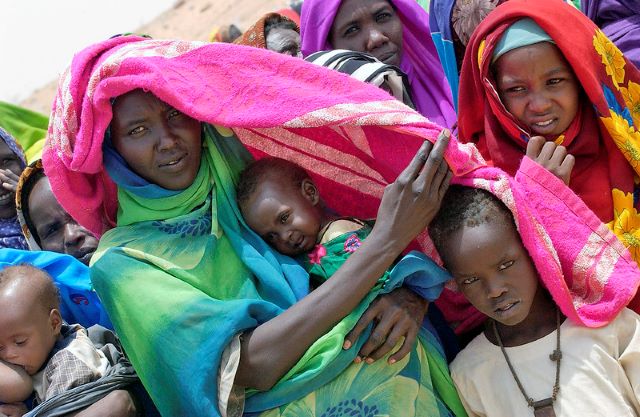
Foreign Aid to Sudan A fractured economy, political protests and the transition to a democratic country are factors that have put Sudan in the global spotlight. Due to shortages within the country and the added weight of COVID-19, Sudan is on track to receive much-needed financial aid from several global sources. Foreign aid to Sudan will provide direct relief to the impoverished people in the country.
Improved Foreign Relations

In February 2020, Sudan’s ex-president, Omar al-Bashir was prosecuted and convicted for the mass murders of people in the region of Darfur. The declaration was made that the country would cooperate with the ICC (International Criminal Court) for the prosecution. This act could serve as a window of opportunity for improved foreign relations and a new international image. There have also been talks of peace agreements between Sudan and Israel. These issues have attracted a global audience as the world watches to see where things could potentially lead to.

Democracy and Debt

One of the country’s most monumental feats was transitioning to democracy after many years of social discord and oppressive power. Unfortunately, this massive change also came with a damaged political system and an outstanding debt of nearly $60 billion. Necessities such as food and fuel have undergone an extreme rise in price at an 80% estimate and the introduction of COVID-19 could be the potential last straw for Sudan’s already overburdened economy. While Sudan’s army chief of staff, Lt. Gen. Abdal Fatteh al-Burhan, is a member of the Sovereign Council, the relationship between the country’s government and the military is rocky. The prime minister, Abdalla Hamdock, is desperately trying to avoid a potential military takeover and is calling for any available financial support from allies abroad.

Sudan’s Call for Help

Sudan’s call for help had reached many different listening ears. In a joint effort, the World Bank, the European Union and several other countries signed a deal of almost $190 million that would go directly to families in need through the Sudan Family Support Programme (SFSP). The amount of foreign aid to Sudan would equal out to 500 Sudanese pounds (roughly $9) per person, per month for one year and aims to cover the needs of nearly 80% of Sudan citizens. Prime minister Hamdock noted that while willing donors have given $1.8 billion to help, the country is really in need of $8 billion for a real balance to its economy. The distribution of the aid was set to begin in October 2020 and will eventually total $1.9 billion after two years.

The Road Ahead

With the degree of social and political change in Sudan, the country is certainly moving in a positive direction. Reinventing the country’s image and political structure is no easy feat. Sudan has proven that change is certainly possible, even in the most dire circumstances, especially with sufficient international backing and support. Foreign aid to Sudan gives the people of the country hope for a better future.

– Brandon Baham
Photo: Flickr

January 25, 2021
https://borgenproject.org/wp-content/uploads/borgen-project-logo.svg 0 0 Yuki https://borgenproject.org/wp-content/uploads/borgen-project-logo.svg Yuki2021-01-25 01:30:432021-01-25 06:31:00Foreign Aid to Sudan Goes to the Impoverished
Child Poverty, Children, Developing Countries, Education, Global Poverty

5 Facts About Child Poverty in Jamaica

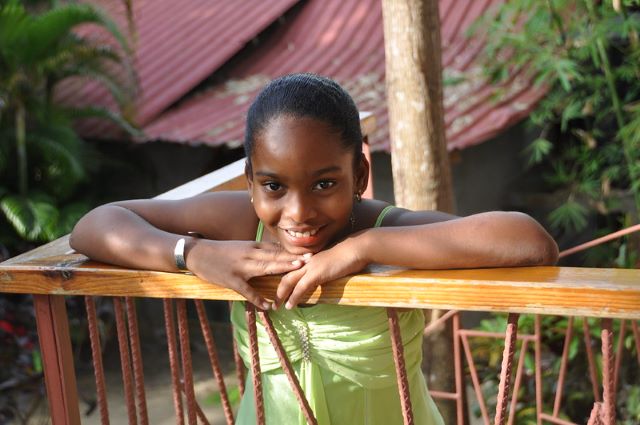
Child Poverty in JamaicaA whole 2.8 million people live in poverty in Jamaica. The strain of poverty is heavy on all people, however, for children, it is more severe. Jamaica is yet to tackle the many factors impacting child poverty.

Facts About Child Poverty in Jamaica

  1. At least 25% of Jamaican children live under the poverty line. With the struggling economic state in Jamaica, it is difficult for the government to prioritize increasing investment in children. Instead, a large amount of the country’s national budget is dedicated to debt repayment. Because poverty is most widespread in rural Jamaica, hidden from the eyes of tourists, issues impacting children are rarely addressed.
  1. Jamaica does not have equal access to education. Minors living in rural areas may not have the option to attend school at all. While primary school is free, secondary and higher education is not, meaning that schooling beyond the primary level is often too expensive for underprivileged families. Beyond accessibility, Jamaican schools often lack resources for proper learning which means children are not able to thrive in an educational setting.
  1. Jamaica has a high incidence of HIV/AIDS affliction. This contributes to an overall high child mortality rate. In numbers, 10% of Jamaicans who have HIV/AIDS are under the age of 18, often as a result of mother-to-child transmission. In addition, AIDS deaths in adults result in many children becoming orphaned.
  1. High unemployment rates lead to unstable socio-economic conditions. Without a way to earn a stable income, many in Jamaica turn to gang activity and crime to survive. Exposure to extreme violence is common for Jamaican children, and because of high poverty levels, many young boys often join gangs themselves. In addition, many unemployed residents are forced to live without access to running water and proper sanitation which means children and families live in unacceptable conditions.
  1. Child labor is widespread and often essential for a family’s survival. With high poverty rates across Jamaica’s rural communities, some families must send their children to work, purely out of desperation. In cities, children are often seen selling merchandise, washing car windshields and begging for money. For many, living the life of a child is an unaffordable luxury.

The Jamaican Childcare and Protection Act

Jamaica still has some work to do in terms of protecting its children from the harsh realities of poverty. However, the country has progressed in this regard, by implementing crucial legislation for the protection of children. The Jamaican Childcare and Protection Act was passed in 2004 and promotes the safety and best interests of children in the country. The Office of the Children’s Advocate (OCA) and the Children’s Register was established under this Act. The OCA was established with the purpose of protecting and enforcing the rights of children and the Children’s Register consists of the information reported regarding suspected ill-treatment of a child. Child labor is also specifically addressed in the Act.

While child poverty in Jamaica is still a significant concern, the country has made progress and will continue to do so in the future as key issues affecting the country’s most vulnerable populations are addressed.

– Natasha Cornelissen
Photo: Flickr

January 25, 2021
https://borgenproject.org/wp-content/uploads/borgen-project-logo.svg 0 0 Yuki https://borgenproject.org/wp-content/uploads/borgen-project-logo.svg Yuki2021-01-25 01:30:282021-01-25 02:29:175 Facts About Child Poverty in Jamaica
Developing Countries, Development, Education, Foreign Aid, Global Poverty, Health, USAID

How Foreign Aid in Mozambique is Put to Work

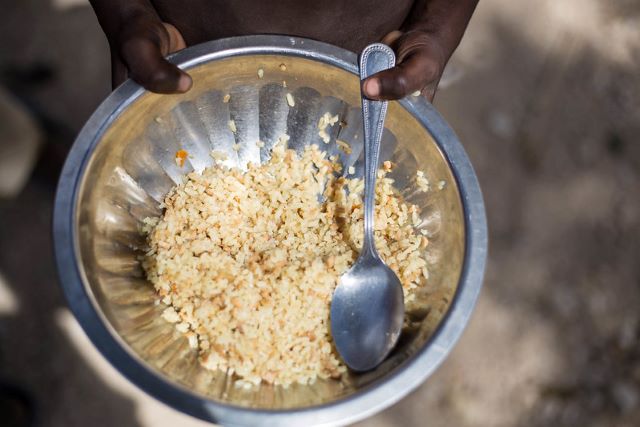
Foreign Aid in MozambiqueThe provision of foreign aid from the United States serves as a multifaceted solution and preventative measure to many issues that ultimately impact the United States. In assisting with the development of under-resourced countries and those afflicted by natural disasters and conflict, the country’s interest in strengthening U.S. eminence in the global political ecosystem is served, as is the initiative to foster and stabilize democracies that are essential in maintaining global peace. Mozambique is one such country that receives aid from the United States. Nearly half of the population lives in poverty and while having managed to combat that statistic with an annual decrease of 1%, the country continues to see rising levels of inequality. USAID’s 2019 assistance investment in Mozambique totaled $288 million. Foreign aid in Mozambique is being used in several key developmental areas.
Developing Education

A significant portion of U.S. foreign aid has been invested in providing basic education. This foreign aid in Mozambique has been applied in conjunction with the country’s national budgetary allocation of 15% for basic education. This initiative has led to improved access to education with the abolishment of enrollment fees, an investment in free textbooks, direct funding to schools and the construction of classrooms. With access to education improving, Mozambique now moves to focus on developing the quality of education it provides and extending the initiative of improving access to those who are in the early learning stage. Only 5% of children between the ages of 3 and 5 have access to such services. Moving forward, educational initiatives aim to focus on the improvement of teacher training, the retention of students (as only 8% continue onto secondary level) and optimizing the management and monitoring of education nationally.

Addressing Humanitarian Needs

A large part of foreign aid in Mozambique has been committed to battling humanitarian crises. Cabo Delgado is the northernmost province of the country and is experiencing an insurgency that is decimating its infrastructure and food security. As a result, there is an ongoing displacement of the population. In November 2020 alone, more than 14,300 displaced people arrived in the provincial capital Pemba. The World Food Programme estimates the cost of feeding internally displaced people in northern Mozambique to be at approximately $4.7 million per month, aside from the housing costs and the complexity of managing the crisis amid a global pandemic. This allocation of the country’s foreign aid will be vital in maintaining the wellbeing of people during the conflict and restoring the country’s infrastructure once the insurgency has subdued.

Improving the Health Sector

The bulk of foreign aid in Mozambique goes toward the many challenges the country faces with regard to health issues such as funding family planning, battling tuberculosis, maternal and child health as well as water and sanitation. More than $120 million goes toward this initiative but the most pressing of the issues is mitigating the HIV/AIDS epidemic. In 2014, Mozambique ranked eighth globally for HIV cases. With the support, antiretroviral therapy and testing has expanded, which is evidenced by more than a 40% drop in new cases since 2004. Additionally, with a sharp increase in the treatment of pregnant women who carry the virus, one study recorded a 73% drop in cases among newborns between 2011 and 2014. The executive director of UNAIDS, Michel Sidibe, has claimed that the epidemic could be completely eradicated by 2030 if such a rate of progress continues.

The developmental progress in Mozambique is reflective of the substantial impact that foreign aid has on developing countries. As U.S. foreign aid to developing countries continues, the hope is for other well-positioned countries to follow suit.

– Christian Montemayor
Photo: Flickr

January 25, 2021
https://borgenproject.org/wp-content/uploads/borgen-project-logo.svg 0 0 Yuki https://borgenproject.org/wp-content/uploads/borgen-project-logo.svg Yuki2021-01-25 01:30:242024-05-29 23:23:35How Foreign Aid in Mozambique is Put to Work
COVID-19, Developing Countries, Food & Hunger, Food Insecurity, Food Security, Global Poverty, Hunger

Cabarete Sostenible: Identifying the Cause of Hunger

cause of hungerThe COVID-19 pandemic is deemed a global health crisis that has resulted in an economic crisis and a hunger crisis too. In the Dominican Republic, Cabarete Sostenible seeks to address the root cause of hunger.
Unemployment Due to COVID-19

Cabarete, Dominican Republic, prides itself on being one of the watersports capitals of the world. Nearly two-thirds of Cabarete’s population depends on the local tourism industry for work and income. These jobs mostly fall under the informal economy.

Before the COVID-19 pandemic, more than 60% of the world’s working population were employed in the informal economy. The informal economy is defined by hourly jobs that offer neither a salary nor employee benefits. The pandemic left many people without a regular source of income and without health insurance.

Compared with the bailout packages that the governments of wealthy nations were able to provide to their citizens, the governments of impoverished nations were unable to provide citizens with such economic support. Around the world, NGOs have attempted to assist in providing the support that impoverished governments are unable to provide.

Cabarete Sostenible Addresses the Root Cause of Hunger

Moraima Capellán Pichardo, a citizen of Cabarete, is a supporter of the concept of food sovereignty. The Borgen Project spoke with Capellán Pichardo about the origins of Cabarete Sostenible and the organization’s long-term goals. Food sovereignty, the principle that individual self-actualization is dependent on having enough to eat, is at the heart of Cabarete Sostenible’s mission.

Capellán Pichardo told The Borgen Project that individual NGOs in Cabarete were working independently of each other when the COVID-19 pandemic began. These separate organizations had a common goal so they came together to form a coalition and increase their impact. This coalition became the nonprofit organization, Cabarete Sostenible. Everyone who works with Cabarete Sostenible is a volunteer. The organization works with local food distributors and organic farms and distributes the foodstuff that it receives to struggling families and individuals in Cabarete. This forms the organization’s first response to the hunger crisis.

Although it began as a method to address an acute crisis, Cabarete Sostenible seeks to address the root cause of hunger. Capellán Pichardo indicated that food sovereignty has been on the minds of Cabarete Sostenible’s volunteers and organizers since its inception. “Very early on, we sat down to discuss where we thought Cabarete Sostenible was going in the future. For us, we wanted to make sure that we did not just stick to giving out food because that does not really address the root problem.”

The Concept of Food Sovereignty

Food insecurity means being without reliable access to sufficient and nutritious supplies of food at any given time and is a common reality for citizens of Cabarete. On the other hand, food sovereignty, organizing society in such a manner that every individual has access to producing his or her own food, is a possible solution to food insecurity. “Food sovereignty is tied to land access,” Capellán Pichardo says. “For us, it is important that the first mission that Cabarete Sostenible focuses on is food sovereignty: access to healthy and appropriate food and using the native agricultural land to provide that.”

Food Sovereignty Addresses Food Insecurity

Since COVID-19, many factors have contributed to a rise in food insecurity and extreme poverty worldwide. Mass rates of unemployment have threatened access to food as even the poorest households spend close to three-fourths of their income on food.

Widespread unemployment, combined with unexpected drops in agricultural production, has created an unprecedented crisis. Because of supply line disruptions and trade barriers, often the result of increased health precautions, citizens of the world’s poorest nations are left without access to food. Some of the suffering caused by such disruptions can be mitigated by food sovereignty policies. Perhaps, a societal approach may be modeled after Cabarete Sostenible’s efforts to address the root causes of hunger.

Sustainable Community Solutions to Hunger

Capellán Pichardo is optimistic about the road ahead as she details how the organization has worked with local landowners to collaborate on solutions. The organization has opened the first community garden and is working to partner up to create a community-style farm. All this is work toward creating a social business model. Cabarete Sostenible seeks to address the root cause of hunger by helping to create a sustainable way of living, where food shortages are less likely and future hunger crises are averted.

– Taylor Pangman
Photo: Flickr

January 25, 2021
https://borgenproject.org/wp-content/uploads/borgen-project-logo.svg 0 0 Lynsey Alexander https://borgenproject.org/wp-content/uploads/borgen-project-logo.svg Lynsey Alexander2021-01-25 01:30:042021-01-25 03:57:28Cabarete Sostenible: Identifying the Cause of Hunger
Developing Countries, Education, Global Poverty, Technology

9 Successful Distance Learning Programs in Developing Nations

Distance Learning Programs
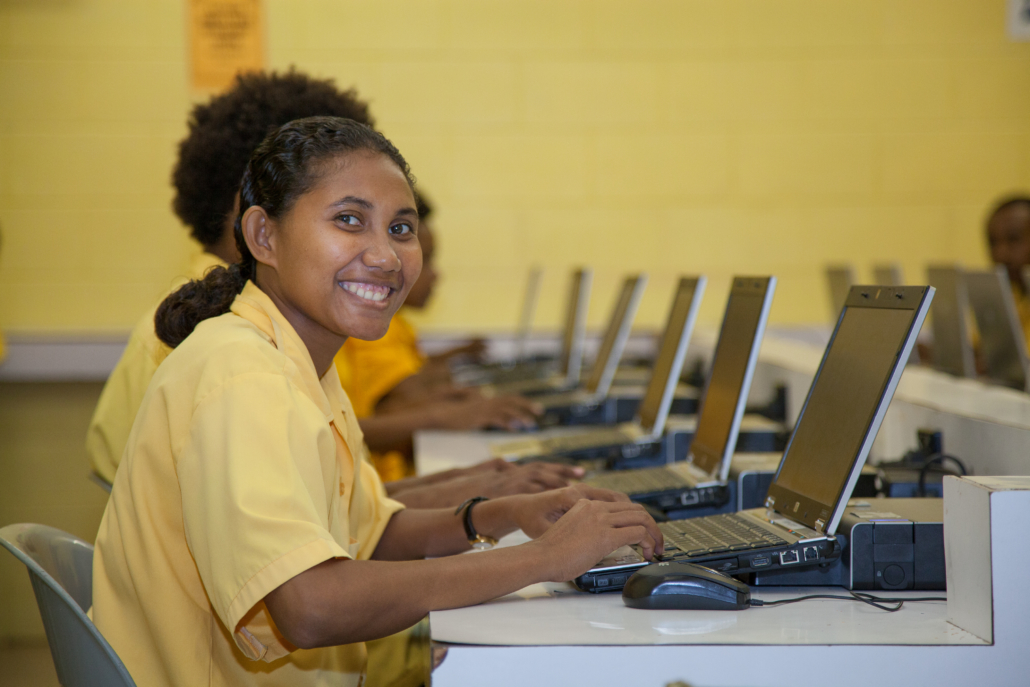
As a result of the pandemic, world leaders are rethinking how education is delivered to an estimated 2.2 billion children. The speed of internet connections, online infrastructure and security all pose unique obstacles in expanding distance learning programs. Here are nine successful distance learning programs in developing nations that can serve as a model for other countries.

9 Successful Distance Learning Programs in Developing Nations

  1. Bangladeshi Television (BTV) broadcasts lessons daily to students grades 6 to 10. It is currently expanding to other mediums such as radio, cell phones and online lessons like BTV’s YouTube Channel in order to educate children consistently. UNICEF cites alternatives to physical classrooms as helping local students further their education. “The longer children stay away from school, the less likely they are to ever return,” says Tomoo Hozumi, UNICEF Country Representative in Bangladesh.
  2. The Colombian Ministry of Education implemented new online programming and educational resources in March 2020. Programs are also broadcast through radio and public television programs to maximize accessibility. For families without internet access, At-Home Learning Kits provide the necessary educational materials.
  3. Cote D’ Ivoire launched My School at Home (Mon école à la Maison) for elementary school through high school students. Educational resources are available for all grade levels and for technical and vocational courses. My School at Home obtained a $70,000 grant in March 2020 through UNICEF’s Global Partnership for Education to launch television and radio distance learning courses.
  4. Broadband Commission for Sustainable Development is helping distance learning programs in developing nations around the world. The organization was originally developed to bring access to broadband to underserved areas worldwide by 2030. In response to COVID-19, the commission is participating in high-level advocacy to bring “resilient connectivity, affordable access and safe use of online services” to developing countries.
  5. Moodle is an open-source learning platform that has been in operation for over a decade. Collaborating with more than 80 partners, Moodle provides an intuitive, multi-lingual learning environment to more than 213 million users in 120 languages. Moodle’s modular design and ease of use allow for applications in all types of education, but it’s the belief that technological access empowers the world that sets this pioneering company apart.
  6. Founded in 2004, Pratham InfoTec Foundation (PIF) aims to expand access to technological advancements in India. The plan is to use these technological advancements to bridge the educational divides experienced by impoverished youth. In response to the COVID-19 global health crisis, PIF has launched the Digital Sakshar Initiative, a collection of over 30 courses and thousands of free videos, available online and as an app.
  7. Trees of Knowledge provides repositories of educational content throughout rural areas in Africa. Developed by William Sachiti, the idea is to install wireless hubs preloaded with digital content into large trees. In addition to providing a school experience to remote villages, Tree of Knowledge learning hubs also have first aid and hygiene information. The technology is published as open-source, meaning anyone can improve a child’s quality of life by establishing remote learning in developing countries that is convenient and safe.
  8. edX is a global nonprofit working to increase access to post-secondary education worldwide. Founded in 2012, edX partners with more than 120 institutions, including Harvard and MIT, to provide high-quality education. The platform that powers edX courses is open-source and therefore can be utilized by other institutions and educators.
  9. Rumie and its development partners use their software to create and host 10-minute long micro-learning courses called Bytes. It also releases videos, MP3s and PDFs, most of which can be made available offline. Rumie’s mission is to provide free educational materials to underserved communities around the world. The organization also recently released a collection of COVID-19 related learning resources.

The pioneering programs listed above have an emphasis on equitable learning opportunities, emerging technological advances and passionate leaders. This puts them at the forefront of bringing quality education to millions of students now learning from home. Moving forward, these programs will likely become even more widely used, as digital learning transforms the future of education.

– Katrina Hall
Photo: Flickr

January 15, 2021
https://borgenproject.org/wp-content/uploads/borgen-project-logo.svg 0 0 Kim Thelwell https://borgenproject.org/wp-content/uploads/borgen-project-logo.svg Kim Thelwell2021-01-15 10:04:502024-05-30 07:55:379 Successful Distance Learning Programs in Developing Nations
Developing Countries, Global Poverty

How Livestock Can Alleviate Poverty

livestock can alleviateThroughout the world, 689 million people are estimated to be living in conditions of poverty and surviving on $1.90 a day or less. Of these numbers, around 70% of those impoverished depend on livestock for employment, income and food security. The ability for families to stay afloat, send their kids to school, put food on the table and sustain themselves, depends on the health of their herds. Livestock can alleviate poverty by providing several benefits.

Oxfam: Livestock for Poverty Reduction

Oxfam, a nonprofit organization dedicated to fighting poverty, donates money, food and livestock to struggling communities for long-term success. Oxfam works with local organizations and coalitions in 70 countries both before and after crises occur to treat both the symptoms of systemic inequality as well as the systems themselves. Oxfam advocates for the rights of the impoverished and those facing oppression by challenging government leaders to do more for their constituency.

Feed the Future Campaign

Oxfam has worked with the U.S. food security initiative, Feed the Future, to help farmers in countries like Ghana, Guatemala, Ethiopia, Haiti, Senegal and Tanzania. Through intense research and direct communication with local communities, Oxfam has strengthened strategies for the success of female farmers, growth in the agriculture sector and maternal and child nutrition. Oxfam stresses the importance of aiding small scale farmers to end the cyclical nature of poverty and food insecurity. This initiative includes providing access to opportunities and resources that some families do not have, holding accountable the governments and businesses for the harmful policies that affect farmers and ensuring a positive relationship with local groups.

The Impact of Livestock

Part of Oxfam’s mission is to set communities up for success in the long-term by providing them with resources and tools to maintain these resources. Oxfam does not just provide livestock such as goats and sheep, but it provides farmers with resources and training for herds to be healthy and successful. Growth in agriculture directly leads to economic security and growth. It profits the entire community as it lowers the costs of food, creates wealth for producers and creates opportunities for other economic areas to flourish as more consumables become accessible. The work Oxfam does in bringing livestock to impoverished communities alleviates poverty and produces greater economic growth and opportunity. Livestock can alleviate poverty as it takes on laborious duties that lessen the strain on families. Livestock also produces and becomes a source of food and increases the flow of income and ability to work on other aspects of life.

Nyalit, a woman in South Sudan, was given two goats from Oxfam and has seen her life improve tremendously since the contribution. The goats provide a source of food and income, producing milk. The goats have also reproduced, allowing the farm to grow.

Livestock Programs Reduce Poverty

Oxfam has made considerable contributions to lessen the impact of poverty throughout the world and continues to do so with its programs. Its work is evidence that livestock can alleviate poverty and expand the socio-economic opportunities of the farmers. The organization has empowered female farmers, provided food security for mothers and children in developing areas and encouraged growth in the agricultural sector.

– Lizzy Herestofa
Photo: Flickr

January 15, 2021
https://borgenproject.org/wp-content/uploads/borgen-project-logo.svg 0 0 Kim Thelwell https://borgenproject.org/wp-content/uploads/borgen-project-logo.svg Kim Thelwell2021-01-15 01:30:052024-06-04 01:08:49How Livestock Can Alleviate Poverty
Developing Countries, Global Poverty, Health, Water Crisis

Water Access: PCPartPicker Supports charity: water

PCPartPickerPCPartPicker and charity: water formed an unexpected partnership, united in their common goal of providing clean drinking water for communities in developing nations.

PCPartPicker

PCPartPicker was founded in 2011 by Philip Carmichael. The website was designed to guide computer enthusiasts on how to build their PCs from scratch.

Carmichael, a Texas A&M University educated software engineer, started PCPartPicker with the intention of creating something that would impact more than just the PC-building community: “My desire was, and still is, to help people with fundamental needs that we often take for granted, such as access to clean water and sanitation.” That is why PCPartPicker has supported charity: water, a non-profit organization that provides access to clean drinking water in communities across 29 developing countries.

The World’s Water Crisis

In 2017, the World Health Organization reported that 2.2 billion people do not have access to safely managed water services. Of those 2.2 billion, 785 million do not have immediate access to clean drinking water. Immediate access in this case refers to access that takes less than 30min of travel time. In other words, 10% of the world’s population often have to travel long distances to collect water for themselves and their families.

Most of those who are unable to use a safely managed drinking water source end up using water that is contaminated as a result of poorly maintained sanitation and water services. Diseases such as cholera, typhoid, hepatitis A and dysentery can be spread through these contaminated water sources. Almost a million people die each year due to infected drinking water, unsafe sanitation and poor hygiene. These deaths are completely preventable.

If clean drinking water was more accessible, millions of people would not have to spend hours every day traveling to collect it. Instead, children could spend more time in school and community members could spend more time growing food, starting small businesses and earning an income. The 40 billion hours a year women spend walking to collect water in Africa alone could be invested in those activities which are far more beneficial for improving livelihoods and in turn alleviating poverty.

charity: water

Founded in 2006, charity: water seeks to end the global water crisis. The organization raises funds to provide safe drinking water in communities that historically have not had access. According to its website, charity: water works with experts within each community to develop clean water solutions that will be sustainable over time. Examples of sustainable solutions include rainwater harvesting tanks, wells, piped systems or BioSand Filters that treat contaminated water to make it safe for consumption.

Once the community has been provided access to safe drinking water, charity: water’s partners implement training for preventing disease through safe hygiene and sanitation practices. A “water committee” is also elected from within the community in order to keep the standard of the water safe for years after the organization completes its project.

As of November 2020, charity: water has completed or is working on 59,608 projects helping more than 11 million people across the world. Transparency is a priority to the organization, which has an interactive map on its website showing every location at which it has completed a project.

An Unexpected Team

In order to fulfill his desire to help others, Carmichael began donating PCPartPicker profits to charity: water right from the start of the company’s journey. After many requests, the website launched a merchandise store in 2012 and Carmichael pledged 100% of proceeds to be donated to charity: water. The first completion report was posted in 2014 when Carmichael shared that the merchandise proceeds as well as the portion of earnings he donated monthly, funded access to clean drinking water for 373 people in Malawi.

The latest report, posted in July 2020, shows that charity: water has completed several projects in Ethiopia, Malawi, Bangladesh, India, Rwanda, Niger, Nepal and Uganda as a direct result of PCPartPicker’s donations. Together, these organizations have helped 34, 853 people gain access to clean drinking water.

Clean, safe drinking water is a fundamental human right. Organizations such as charity: water and PCPartPicker are dedicated to helping the cause and ensuring clean water access for as many people as possible.

– Emma Maytham
Photo: Flickr

January 15, 2021
https://borgenproject.org/wp-content/uploads/borgen-project-logo.svg 0 0 Kim Thelwell https://borgenproject.org/wp-content/uploads/borgen-project-logo.svg Kim Thelwell2021-01-15 01:15:502021-01-15 03:16:06Water Access: PCPartPicker Supports charity: water
Developing Countries, Global Poverty, Poverty, Poverty Eradication, Poverty Reduction

Paulownia Trees Reduce Poverty in Uzbekistan

Paulownia TreesThe Central Asian nation, Uzbekistan, has a population of just over 33.6 million. Recently, President Shavkat Mirziyovev made history, becoming the first Uzbekistani President to acknowledge the poverty epidemic in the nation. Mirziyovev announced that somewhere between four to five million people currently live in poverty in Uzbekistan. The administration subsequently constructed anti-poverty measures and efforts to boost the economy. One woman in Uzbekistan took initiative, investigating how Paulownia trees can aid in poverty reduction.

A Proactive Mission

Sojida Jabborova, a Uzbekistani woman, observed both the poverty crisis within her country and the successful poverty reduction measures taken in China to create a plan. Under Mirziyovev’s reform campaign and insistence to study Chinese practices, Jabborova found the versatile Paulownia trees and entered the business world.

Each part of the Paulownia tree can be utilized to lift communities out of poverty. They are capable of adapting to poor soil, fertilizing it and purifying the air of harmful gases. Paulownia leaves can be used to feed livestock, they contain nectar for bees and other insects and their wood is sturdy enough to be used for houses and furniture. In 2018, Jabborova negotiated with Chinese business partners to deliver seeds and seedlings to Uzbekistan where they are now grown in experimental fields in four different regions. She has not stopped the investigation into how Paulownia trees can aid poverty reduction, continuing presentations and experiments on various products.

Uzbekistan Reform Campaign

Once in office in 2017, President Mirziyovev began multiple reforms to lift Uzbekistan out of economic depravity and better the livelihoods of its citizens. Poverty reduction has moved to top priority in Uzbekistan as the government granted $700 million to be spent on anti-poverty efforts in 2020. The administration believes to reduce poverty in Uzbekistan, they must first address unemployment and bolster entrepreneurship. This includes improving the tourism industry, improved training for essential trades and heightening economic literacy for citizens, particularly women.

Uzbekistan established a partnership with China to investigate and solve issues of unemployment, gender inequality and poverty in early October 2020. The Institute for Tourism Development in Uzbekistan has engaged in a joint research project to link tourism and poverty reduction. The plan for Uzbekistan is to increase the production of exports, expand the industry, boost small businesses, and in the long-term, improve government regulations and education regarding these fields.

Innovative Entrepreneurship Leading to Solutions

Sojida Jabborova was once a dentist in Uzbekistan, however, she was driven by the critical state of poverty in her country to find a solution. The reform campaign created the perfect atmosphere for Jabbarova to begin her work as the nation honed in on entrepreneurship and financial literacy in women especially. The partnership between China and Uzbekistan, with Beijing as the model for Uzbekistan’s progress, provided Jabbarova with the knowledge and support to begin experimentation with Paulownia trees. In the beginning, Paulownia trees were only grown on 19 acres and now they are grown in fields in Fergana, Bukhara, Samarkand and Tashkent.

Poverty Reduction in a Global Pandemic

Sojida Jabbarova’s efforts in exploring how Paulownia trees can aid in poverty reduction is crucial. Her spirit along with the dedication of the Uzbekistani administration to place poverty reduction at the top of the to-do list will surely mean progress. These efforts have been constrained by the global pandemic where the administration focused on protecting lives and businesses and maintaining headway in the fight against poverty. The administration has centered on healthcare, financial support and social assistance in the fight against COVID-19.

The administration’s efforts for poverty reduction are substantial and the alliance with China has brought great insight on how to best lift citizens from poverty and kickstart a downtrodden economy. Jabbarova and her Paulownia tree fields are a success story for poverty reduction efforts and the overall reform campaign begun by President Mirziyovev.

– Lizzie Herestofa
Photo: Flickr

January 15, 2021
https://borgenproject.org/wp-content/uploads/borgen-project-logo.svg 0 0 Yuki https://borgenproject.org/wp-content/uploads/borgen-project-logo.svg Yuki2021-01-15 00:41:432021-01-15 00:41:43Paulownia Trees Reduce Poverty in Uzbekistan
Children, Developing Countries, Education, Global Poverty

What to Know About Literacy in Ethiopia

literacy in EthiopiaThere are 781 million adults in the world who are considered illiterate. This statistic reflects more than just the ability of people to read, it inherently ties to the poverty rate. In fact, 43% of adults with low literacy rates live in poverty. There are multiple issues that contribute to this, however, the most influential factor is education. Several programs address literacy in Ethiopia.

The Relationship Between Literacy and Poverty

In the fight against global poverty, education is a sought-after resource. With increased education comes increased opportunities for those within the community to contribute to the economy and increase their prospects. In order to bolster educational efforts, children must be able to read. Literacy is the foundation of learning and is directly responsible for the success of children in education as a whole.

Without this vital skill, children are unlikely to move on to higher education or secure high-paying jobs. This stagnant economic standing is perpetuated through families because parents with low literacy rates are 72% likely to pass that low literacy rate down. The resulting generational illiteracy is a detriment to the growth of communities because it cements them into a lower economic standing.

The World Bank underscores the importance of literacy in the fight against poverty. It has coined the term “Learning Poverty,” which refers to the inability of a child to read and comprehend by age 10. The severity of learning poverty aids in the prediction of future literacy and economic success. Additionally, the World Bank believes that this statistic is a useful indicator of whether or not countries are meeting global educational goals.

In relation to poverty, these goals are paramount to the rate of sustainable development in impoverished countries. Moreover, poverty would reduce by 12% if all students in low-income countries could read. As nations meet educational goals and literacy rates increase, impoverished communities have the opportunity to create sustainable change in terms of their economic standing and overall quality of life.

Illiteracy and Poverty in Ethiopia

Ethiopia has the second largest population in Africa, with 109.2 million people. Unfortunately, the country also suffers from rampant poverty — in 2016, 24% of Ethiopia’s population endured conditions of poverty. Poverty is a multifaceted and complicated issue, however, one can generally find a low literacy rate in countries with corresponding high poverty rates. In Ethiopia, this holds true because slightly less than half of the population is illiterate. Given the extreme disadvantage that low literacy rates puts on communities, there have been multiple efforts to improve the Ethiopian education system and increase literacy in Ethiopia.

The READ II Project

READ II is a project that focuses on the education of children considered at risk of school failure or drop out due to the cognitive, emotional and physical effects of hunger, violence and displacement. READ II spans 3,000 schools across 50 districts, ultimately wishing to expand the basic model to reach 15 million learners. Specifically, within the Addis Adaba, Tigray and Amhara regions, the project is working to improve the preparedness of teachers, increase support for women’s education and push for the widespread education of English.

The Unlock Literacy Project

Unlock Literacy is a project founded by World Vision in 2012 that has reached a total of 1.7 million children in the endeavor to increase the literacy rate in impoverished countries. Unlock Literacy commits to the implementation of teacher training programs, better educational resources and appropriate reading materials. The program acknowledges the fact that oftentimes rural areas are unable to attain reading material applicable to the children receiving an education. As a result, Unlock Literacy has aided in the creation of more than 1 million new books in the common languages of the students. Unlock Literacy has also seen success as children who could read with comprehension rose from 3% to 25% after the program.

READ TA

READ TA was founded in 2012 by USAID in partnership with the Ethiopian Ministry of Education in order to advance writing and reading among 15 million early education students. With READ TA’s methods, more than $17 million goes toward training 113,385 teachers in safe and practical learning initiatives. In recognition of low literacy’s association with poverty, the program also seeks to improve the student’s overall understanding of class materials. READ TA has accomplished this by giving schools the necessary educational resources designed to appeal to the student reading it. Additionally, READ TA has adapted 320 educational materials to address the local context of communities living outside of administrative regions.

With organizations and programs committed to improving literacy in Ethiopia, the prospect of reduced poverty in the region is hopeful, as is reaching the goal of alleviating global poverty overall.

– Stella Vallon
Photo: Flickr

January 14, 2021
https://borgenproject.org/wp-content/uploads/borgen-project-logo.svg 0 0 Jennifer Philipp https://borgenproject.org/wp-content/uploads/borgen-project-logo.svg Jennifer Philipp2021-01-14 05:46:202022-04-26 06:51:50What to Know About Literacy in Ethiopia
Page 65 of 157«‹6364656667›»

Get Smarter

  • Global Poverty 101
  • Global Poverty… The Good News
  • Global Poverty & U.S. Jobs
  • Global Poverty and National Security
  • Innovative Solutions to Poverty
  • Global Poverty & Aid FAQ’s
Search Search

Take Action

  • Call Congress
  • Email Congress
  • Donate
  • 30 Ways to Help
  • Volunteer Ops
  • Internships
  • Courses & Certificates
  • The Podcast
Borgen Project

“The Borgen Project is an incredible nonprofit organization that is addressing poverty and hunger and working towards ending them.”

-The Huffington Post

Inside The Borgen Project

  • Contact
  • About
  • Financials
  • President
  • Board of Directors
  • Board of Advisors

International Links

  • UK Email Parliament
  • UK Donate
  • Canada Email Parliament

Get Smarter

  • Global Poverty 101
  • Global Poverty… The Good News
  • Global Poverty & U.S. Jobs
  • Global Poverty and National Security
  • Innovative Solutions to Poverty
  • Global Poverty & Aid FAQ’s

Ways to Help

  • Call Congress
  • Email Congress
  • Donate
  • 30 Ways to Help
  • Volunteer Ops
  • Internships
  • Courses & Certificates
  • The Podcast
Scroll to top Scroll to top Scroll to top