 Two direct consequences of the alleviation of poverty in a region are economic growth and bolstered purchasing power. For countries that invest in the development of a region, there is the potential that a two-way economic relationship begins once that region’s population gains the necessary financial strength to buy more expensive consumer goods. The relationship between the United States and Africa reflects this trend, especially with the start of the Prosper Africa initiative. Prosper Africa helps end global poverty, starting with Africa.
Africa’s Economic Potential
Despite having struggled with chronic poverty issues, Africa is home to six of the 10 fastest growing economies in the world. With one billion potential consumers, Africa has the potential to become an economic powerhouse that can provide any international trading partner with a valuable destination for exports and a significant source of imports.
Seeing this opportunity, in 2018, the United States federal government launched the Prosper Africa initiative, which developed out of increasing requests by U.S. companies to have easier access to African markets.
With the oversight of the U.S. State Department and International Trade Administration, Prosper Africa offers U.S. and African businesses a wide-ranging set of economic tools such as access to financing, loan guarantees, insurance and business strategy advising. The program facilitates deals between U.S. and African businesses to foster a stronger two-way economic relationship between the United States and Africa.
Prosper Africa Shows Promising Signs of Success
According to a 2019 analysis by the Congressional Research Service, Prosper Africa has been implemented across the continent. Each U.S. embassy in Africa has created a team designated to fostering ties between U.S. and African businesses. Furthermore, the U.S. Development Finance Corporation has also launched an online point of access to the array of business tools that the initiative offers.
These efforts have had noticeable results across the continent. Since June 2019, Prosper Africa has facilitated more than 280 deals valued at roughly $22 billion in more 30 African countries, including Cameroon, Namibia, Sudan and Madagascar. These deals have been struck in sectors as diverse as healthcare, aerospace and financial services.
Prosper Africa helps countries in that it has also led to government reforms aimed at fostering a more transparent and efficient business environments in 10 African countries. These reforms ensure that small and medium-sized African businesses can access financial services and that governments can effectively implement necessary regulatory frameworks to govern business environments.
Ending Global Poverty is Beneficial for All
Prosper Africa helps Africa and the entire world because the fight against global poverty does not solely consist of one-way foreign aid investments. These investments have the potential to be the beginning of a healthy economic relationship between a developed nation and emerging economies. Once the United States takes the lead on an issue, the rest of the world follows. From addressing drug trafficking to addressing terrorism, the United States has shaped the focus of the international community on countless issues. Through Prosper Africa, the United States has the potential to lead the way once more and uplift the lives of billions in Africa.
– John Andrikos
Photo: Flickr
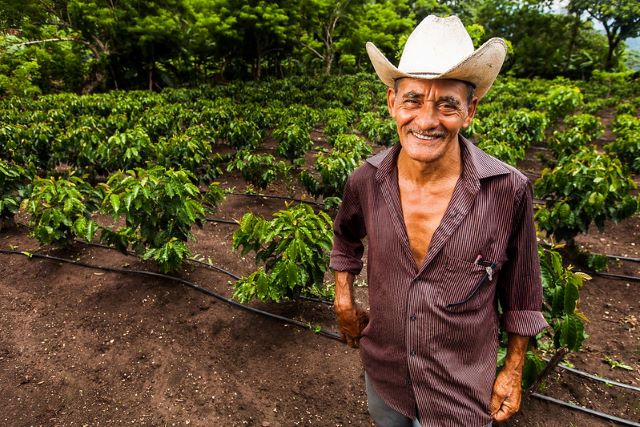 Proof of land ownership is an essential tool to protect the livelihoods of those who depend on livestock and agriculture to feed their families and earn an income. However, in many developing countries such as Honduras, systems of land registry are unreliable and prone to corrupt manipulation, leaving farmers vulnerable to unlawful land seizures. Blockchain-based land registry aims to address this.
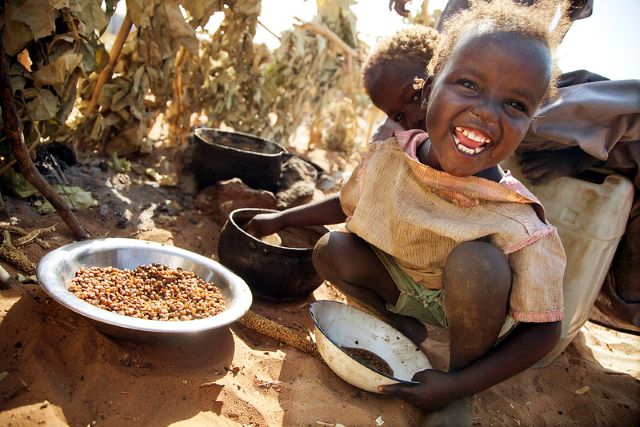 Sudan’s position on the list of states that sponsor terrorism restricted their trades, imports and economy. However, with the recent removal, Sudan has already reaped the benefits of foreign aid from the United States.
  Children are the world’s future but
 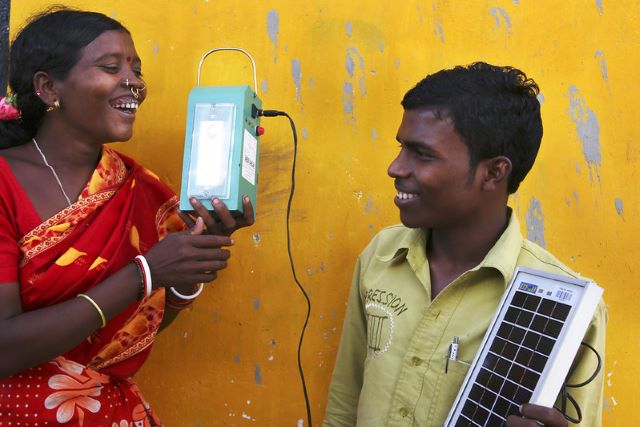 A whole 940 million people, or
 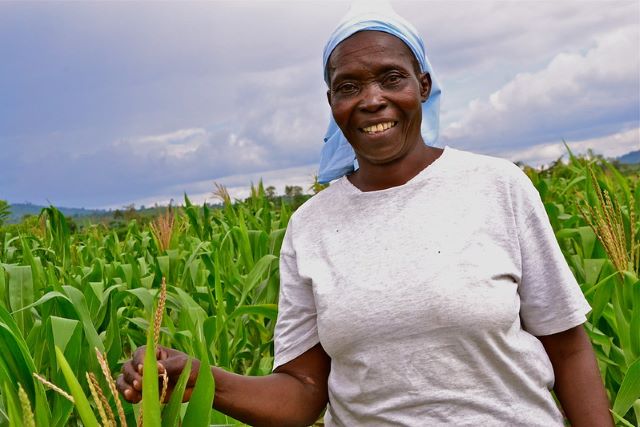 Artificial Intelligence seems like a far-off concept reserved for science fiction. In truth, AI is present in modern life and the advancements in this technology are being used to combat global poverty. Most prominently, computer scientists and engineers are improving the ways that AI increases food security globally. The need for utilizing technology in food security is essential to protect more than 800 million people suffering from hunger worldwide.
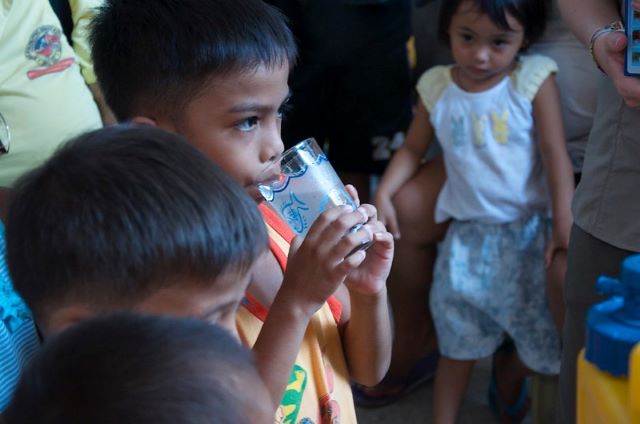 According to the World Health Organization (WHO), 2.1 billion people lack access to safe drinking, with people in rural areas with limited infrastructure being mostly affected. Within the Philippines, this concept manifests in that 91% of the country’s estimated 100.7 million population have access to basic water services, but access is highly inequitable across the country, with regional basic water services
 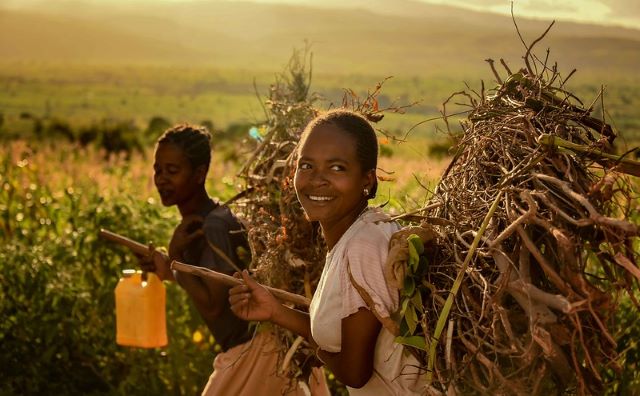 The agricultural sector is a critical facet of Sub-Saharan Africa’s (SSA) economy. As of 2015, women make up around 40% of the SSA’s agricultural labor force. Although their contribution is critical, due to discriminatory laws and social norms, a large gender gap within this sector continues to persist. However, many have come to realize the potential that lies behind empowering and educating female agriculture workers in Africa. By decreasing the gender gap and expanding females’ access to land and resources, these women have the potential to
  Around the world, the effects of poverty negatively impact childhood development in more than 200 million children. Child development outcomes play a key part in a country’s advancement and the state of the economy. The U.S. National Library of Medicine explains, “Children living in compounded adversity face increased risks of poor child development outcomes and emotional and behavioral problems that can perpetuate a cycle of poverty and violence.” However, in 2016, the implementation of an innovative home-visiting intervention program in Rwanda called
 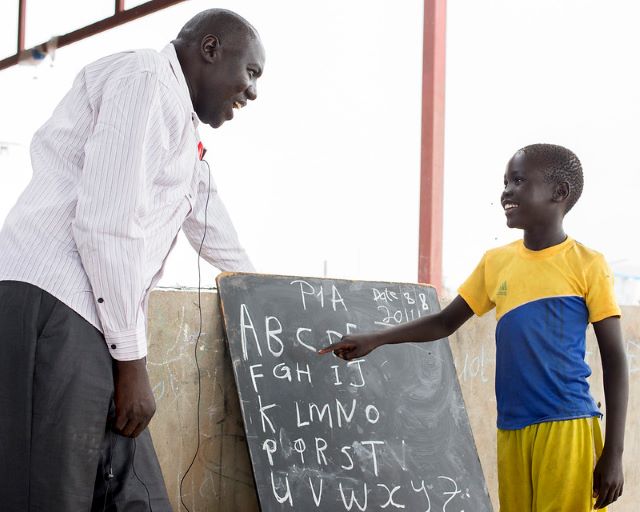 Over three million children in Sudan do not attend school. The severe gap in the education system continues the cycle of poverty in the country. Chronic underdevelopment and conflict are two of the most significant reasons children in Sudan are out of school. Girls face additional hurdles such as cultural pressures and traditional views that prevent them from receiving an education. While 76% of primary age children attend school, in secondary, the number