• Link to X
  • Link to Facebook
  • Link to Instagram
  • Link to TikTok
  • Link to Youtube
  • About
    • About Us
      • President
      • Board of Directors
      • Board of Advisors
      • Financials
      • Our Methodology
      • Success Tracker
      • Contact
  • Act Now
    • 30 Ways to Help
      • Email Congress
      • Call Congress
      • Volunteer
      • Courses & Certificates
      • Be a Donor
    • Internships
      • In-Office Internships
      • Remote Internships
    • Legislation
      • Politics 101
  • The Blog
  • The Podcast
  • Magazine
  • Donate
  • Click to open the search input field Click to open the search input field Search
  • Menu Menu

Archive for category: Developing Countries

Information and stories about developing countries.

Developing Countries, Global Poverty, Health, Poverty Reduction, Water Crisis, Water Quality, Water Sanitation

Efforts to Reduce Pollution in the Ganges River

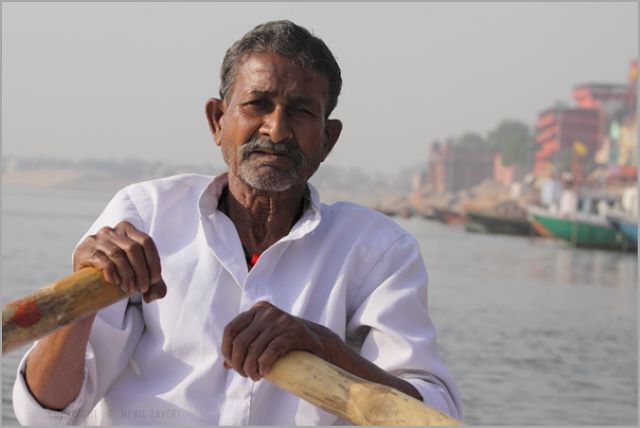
Ganges RiverMore individuals depend on the Ganges River in India than there are people in the United States. More than 400 million people live at the basin of the Ganges, making it one of the most important natural water resources in the world. A holy river in the Hindu faith, the Ganges River (or Ganga) is used to bathe, cook, wash clothes, conduct funerals and more. Entire businesses along the basin depend on the river, adding an economic dependence to it as well. Due to this immense usage, pollution has run rampant. The Ganga Action Parivar estimates that “2.9 billion liters of wastewater from sewage, domestic and industrial sources are dumped” in the river every single day. Pollution reduction in the river is a top priority to prevent hundreds of millions of Indians from facing water insecurity.

The World Bank Assists

In 2011, the World Bank targeted the Ganges River pollution issues by launching the National Ganga River Basin Project (or NGRBP). A $1 billion initiative, the NGRBP looked to create bank investments in the water sanitation department and develop better waste management control in India. While this did prove to be a step in the right direction, the Ganges still saw a rise in pollution. India’s inability to properly dispose of waste outpaced the World Bank’s project. After nine years, the World Bank looked to bolster its contribution to the fight to save the Ganges as more and more Indians were becoming sick. In June 2020, the Second Ganga River Basin Project received approval from World Bank directors despite the bank focusing on COVID-19, proving how dire the situation at the basin truly is. An 18-year commitment, this second NGRBP adds another $380 million to clean up the Ganges until 2038.

Ganga Action Parivar’s Impact

Along with international help from the World Bank, India also made pollution control a national issue. An array of agencies have come about in India centered around the purification of the Ganges. For over a decade, the Ganga Action Parivar (GAP) has taken a diplomatic approach to fight water pollution. Through communication with government officials, media outlets and fundraising, the GAP looks to bring awareness to the issue and demand action from within India. In 2016, the GAP launched the National Ganga Rights Act and began asking for support for it. The act detailed how there are both natural environmental and human rights on the line with the continued pollution of the Ganges River. More than just a body of water, the Ganges is an epicenter of religion, prosperity and life. Creating a natural rights act helps to ensure that action will mobilize to protect the water resource and that is exactly what the GAP has set out to do.

The Year 2020 and Beyond

The year 2020 has been a promising year for pollution reduction in the Ganges River. The World Bank launched and financed its second project centered around cleaning the water back in June 2020. New research suggests that there has also been a natural cleansing that has taken place over the past few months. Since COVID-19 forced India to shut down, the Ganges’ usage has dropped. In a video released by BBC News, just a mere 10% drop in usage throughout the pandemic has led to significant improvement in the sanitation of the Ganges. For years now, India’s government has been trying to find ways to heal the Ganges. While India and the world fight the COVID-19 virus, the Ganges River is healing. Once the lockdown ends, the work of the World Bank and GAP will be vital to keep the momentum going. If pollution rates continue to climb, India will have a water crisis on its hands. Sanitizing and protecting the Ganges is instrumental in helping India reduce its poverty rates and preserving a crucial water resource.

– Zachary Hardenstine
Photo: Flickr

January 12, 2021
https://borgenproject.org/wp-content/uploads/borgen-project-logo.svg 0 0 Yuki https://borgenproject.org/wp-content/uploads/borgen-project-logo.svg Yuki2021-01-12 01:30:242024-06-04 01:03:19Efforts to Reduce Pollution in the Ganges River
Developing Countries, Food Insecurity, Global Poverty

Progress: The 2020 Global Hunger Index Results

2020 Global Hunger Index resultsCalculating world hunger statistics is no easy task. The United Nations estimated that in 2018, more than 820 million people suffered from food shortages all around the globe. The Global Hunger Index (GHI) is a tool developed by Concern Worldwide and Welthungerhilfe to annually assess world hunger trends in developing nations. The organization uses child mortality rates, youth undernutrition numbers and food supply totals provided by agencies such as the United Nations, World Health Organization and UNICEF, to produce a hunger index for each nation. Depending on a nation’s index, the country is placed on a scale of hunger severity of low, moderate, serious, alarming and extremely alarming. The 2020 Global Hunger Index results are now available and show promising developments for sub-Saharan Africa.

2020 Global Hunger Index Results

In the 2020 Global Hunger Index, 11 nations are rated as alarming, 40 are serious, 26 are moderate and 48 are low. This means that the index considers no country as extremely alarming when it pertains to hunger. While there is still much work to do to feed the world, the 2020 GHI results are hopeful. Both the Central African Republic (CAR) and the Democratic Republic of the Congo (DRC) had previous ratings of extremely alarming but have experienced drastic improvements over the last year. Action Against Hunger works tirelessly in both the CAR and DRC and deserves recognition for the status improvements.

Hunger in the Central African Republic (CAR)

Fighting hunger in the Central African Republic became a priority of Action Against Hunger in 2006. Currently, more than 450 team members are present in the CAR helping to secure food and water for the most vulnerable communities. In just 2019 alone, Action Against Hunger provided these vital resources for 342,516 CAR citizens. The work has allowed the CAR to move out of the hunger category of extremely alarming. A majority of people living in the CAR are almost entirely dependent on humanitarian aid for survival. If the 2020 Global Health Index category change is to remain a permanent one, Action Against Hunger is part of the reason why.

Hunger in the Democratic Republic of Congo (DRC)

The Democratic Republic of the Congo (DRC) is another African nation to see improvement in its 2020 Global Hunger Index status. Similar to the CAR, Action Against Hunger has become an integral part of ensuring food accessibility for the DRC’s impoverished communities. The global nonprofit has worked in the DRC for almost 25 years and now deploys 472 team members to carry out humanitarian relief. Food, medical supplies and water sanitization are necessary for the Congolese to survive. Within the past year of 2020, 1.2 million people in the DRC received help from Action Against Hunger. That means that more than 10% of the DRC’s population depends on Action Against Hunger to live. The GHI improvement for the DRC stands as a testament to more than two decades of Action Against Hunger’s work.

Zero Hunger

The 2020 Global Hunger Index results are only a snapshot of where the world is in the fight against hunger. There are still hundreds of millions of people suffering from food insecurity. However, the GHI results show hope that food shortages may someday be a thing of the past. With Action Against Hunger and similar organizations helping to fight hunger, the world is making strides in the area of global hunger.

– Zachary Hardenstine
Photo: Flickr

January 12, 2021
https://borgenproject.org/wp-content/uploads/borgen-project-logo.svg 0 0 Yuki https://borgenproject.org/wp-content/uploads/borgen-project-logo.svg Yuki2021-01-12 00:48:052024-05-29 23:14:39Progress: The 2020 Global Hunger Index Results
Developing Countries, Global Poverty, Women, Women's Empowerment

Entrepreneurship: Initiatives Help Yemeni Women

Help Yemeni WomenOn top of the constant violence occurring in Yemen, almost 13% of the population face unemployment. Most women in Yemen work as homemakers, but a 2012 study, Measuring Women’s Status in Yemen, shows that almost one in two women (47%) would like to start their own business. Initiatives in Yemen offer women free business training, skills training and loans to help Yemeni women generate an income.

The Small and Micro Enterprises Promotion Service Agency (SMEPS)

SMEPS came to Yemen in 2005 and works to enhance the lives of Yemeni citizens through the creation of jobs and skills training. SMEPS has taught Yemeni women the best growing, harvesting and post-harvesting techniques for coffee beans. Yemeni women helped create a coffee that entered the gourmet market at a premium price. SMEPS also helped coffee farmers in Yemen. The aim was to create business resilience by expanding the production of farmers through improving the value chain by using modern technologies and better farming methods.

In 2010, SMEPS partnered with The International Labour Organization (ILO) to provide business training for women entrepreneurs. ILO came to Yemen in 1965 and has created opportunities for citizens to rise out of poverty. In one year, the workshops targeted around 500 Yemeni women who had taken out a loan to either start a small business or expand their existing businesses. The second phase of the program aims to reach 2,000 more women. Results indicate that after the training courses, the women had a higher level of business knowledge and competence to start or improve their own businesses. Overall, the women improved their quality of life with the income they earned.

SPARK’s Agri-Business Creation Programme (ABC)

SPARK came to Yemen around 2012 to assist citizens in agriculture, helping them earn an income from their crops. SPARK created a program called Agri-Business Creation (ABC) to help agri-entrepreneurs through training, mentoring and business plans. The program has notably assisted Yemeni women in developing agricultural businesses. Four female-run businesses were awarded microloans to expand their business after the training they received in business skills from SPARK’s ABC program. The loans help Yemeni women to generate more products and expand their businesses. Besides seeing an increase in income, the success of their work contributed to a boost in confidence and a sense of independence in the women.

The Deutsche Gesellschaft für Internationale Zusammenarbeit (GIZ) GmbH

GIZ came to Yemen in 1965 and assisted citizens with basic necessities and the provision of educational opportunities. First, GIZ helped Yemeni women develop businesses. Nearly 200 women attended training on how to develop a successful business idea and how to establish a business. Many women found prosperity in their new businesses and employed other women to assist them in their work. Secondly, around 300 women with existing businesses received additional business training via coaching. After the training, many women tripled their income and hired more women to work for them. Lastly, GIZ created opportunities for homemakers to sell handmade goods overseas. GIZ took handmade baskets made by Yemeni women to Germany and showed off their goods in exhibitions. This strategy helped 300 women in rural areas earn a steady income.

Although the raging war in Yemen has resulted in high unemployment, organizations like SMEPS, SPARK and GIZ offer programs and strategies to help  Yemeni women earn an income by developing entrepreneurial businesses.

– Samantha Rodriguez-Silva
Photo: Flickr

January 11, 2021
https://borgenproject.org/wp-content/uploads/borgen-project-logo.svg 0 0 Yuki https://borgenproject.org/wp-content/uploads/borgen-project-logo.svg Yuki2021-01-11 07:30:472024-05-30 07:55:55Entrepreneurship: Initiatives Help Yemeni Women
Developing Countries, Global Poverty, Poverty Reduction

Saldo.mx: Blockchain Startup in Mexico

Blockchain Startup in MexicoAs internet connectivity expands around the globe so do the benefits of blockchain technology and its potential to better the lives of those living in poverty. In Mexico, accessible financial services and insurance programs are vital to the improvement of the quality of life of Mexicans living below the poverty line. Saldo.mx, a blockchain startup in Mexico, helps facilitate this access.
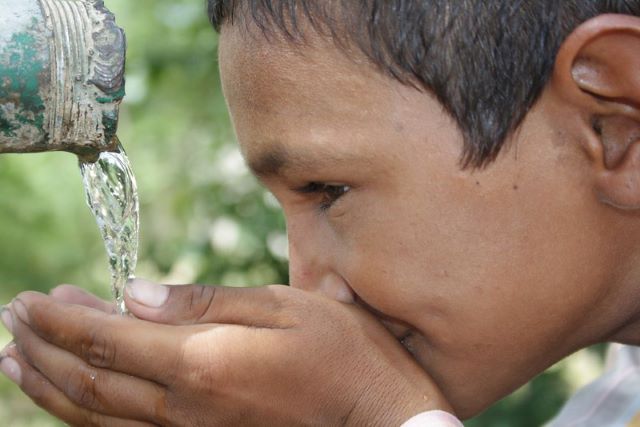
Blockchain Startup in Mexico

A blockchain startup in Mexico has utilized the security of blockchain technology to meet the needs of Mexicans living in poverty. Saldo.mx offers Mexicans a secure and easy-to-use platform on which they can pay their bills using remittance money from abroad.

This is a significant development in the Mexican fintech market as Mexico receives billions of dollars in remittances from the United States each year, with $10.6 billion reaching Mexico in the third quarter of 2020 alone.

Especially during a time of economic crisis caused by the COVID-19 pandemic, the ability to securely receive timely remittances is crucial for the financial security of Mexicans who rely on remittance payments for their survival.

Saldo’s services have the capacity to reach millions of Mexican customers, as it has been estimated that by the end of 2020, upwards of 81 million Mexicans will have internet access and thus the ability to quickly receive and utilize much-needed cash without having to wait for physical cash to arrive from abroad.

Consuelo: Access to Affordable Insurance Plans

One of Saldo’s newer services is Consuelo, which allows users to find fixed health and life insurance policies. Consuelo uses blockchain technology to connect its users to an insurance plan with a “smart contract,” which eliminates the need for a claim adjuster and gives the users direct access to affordable plans.

By removing a costly middleman and lessening the financial bureaucratic burden on customers, Consuelo gives its users a chance at obtaining health and life insurance and decreases long-term financial insecurity concerns.

Consuelo also helps uninsured Mexicans bypass the bureaucratic messiness of the national public healthcare system, which is supported by numerous uncoordinated social security institutes. This allows for better continuity of care by allowing Mexicans to remain with the same doctor by staying on their plan provided by Consuelo rather than facing the possibility of having to switch to another doctor through the national system after losing their jobs.

The Diverse Applications of Blockchain Technology

Innovation is not confined to affluent areas of developed countries. Especially in the age of the internet, new solutions can be developed and rapidly disseminated from any part of the world and can impact the lives of millions. In Mexico, receiving international transfers of money and gaining access to affordable health and life insurance plans can be difficult for the unbanked and those without stable employment. Startups like Saldo exemplify the potential of internet entrepreneurship and blockchain technology in helping lift the global poor out of poverty.

– John Andrikos
Photo: Flickr

January 11, 2021
https://borgenproject.org/wp-content/uploads/borgen-project-logo.svg 0 0 Yuki https://borgenproject.org/wp-content/uploads/borgen-project-logo.svg Yuki2021-01-11 07:30:352024-06-04 01:17:59Saldo.mx: Blockchain Startup in Mexico
Developing Countries, Global Poverty, Health, Water Crisis, Water Sanitation

6 Facts About WASH Advancements in India

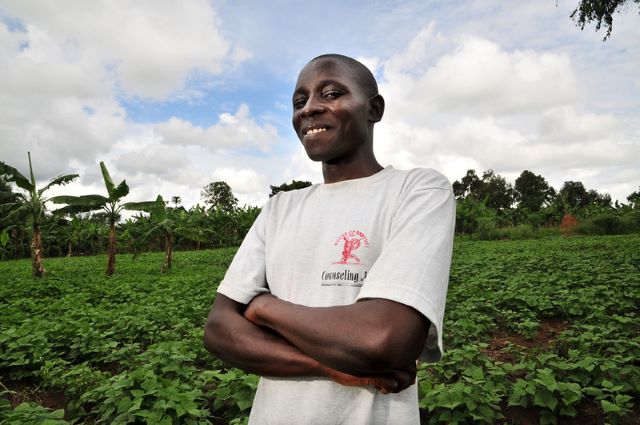
WASH advancements in IndiaWater, sanitation and hygiene (WASH) is a public issue in India. Launched in 2014, the Swachh Bharat Mission (SMB) of India has seen great success in recent years in improving the health and sanitation of India’s people. The Bill & Melinda Gates Foundation has aided in the mission, helping to educate and institute new technologies, such as Sunidhi toilets. Aided by UNICEF, additional initiatives like the National Rural Drinking Water Programme (NRDWP) and the implementation of WASH in schools and health facilities are contributing to the reduction of harmful and unsanitary practices. There have been several key WASH advancements in India.
6  Facts About WASH Advancements in India

  1. Urban Centers Bear the Brunt. Nationally, 910 million citizens do not have access to proper sanitation. With the rapid increase in population density in cities, there is an increasing strain on water and sanitation services. Despite urban centers housing the majority of India’s population, urban sanitation is underfunded.
  2. Swachh Bharat’s Toilet Access and Job Creation. SMB’s primary objective is to reduce open defecation in India. Between 2018 and 2019, 93% of households had access to toilets, a noticeable jump from 77% in the previous year. SMB’s efforts have also seen economic benefits, including an increase in job opportunities. The construction of the sanitation infrastructure is responsible for employing more than 2 million full-time workers. The creation of an additional 2 million jobs is expected in the coming years.
  3. Water in Rural Communities. Between 2017 and 2018, India’s national water mission expanded to become the National Rural Drinking Water Mission (NRDWM). While other programs and departments address sanitation in urban centers, NRDWM cares for the rural regions of India. One goal is the institution of piped water supplies to rural households. As of 2019, “18% of rural households had been provided with Piped Water Supply (PWS) household connections.”
  4. iJal Safe Water Stations. The Safe Water Network, a nonprofit organization created by Paul Newman, has reached communities through its iJal water stations. The locally owned stations provide access to clean, quality water in communities where water security is scarce. In 2019, the organization built 86 new stations, adding to the total of 319 stations reaching more than a million people across 319 communities.
  5. Better Community Toilets. Improper sewer networks and poorly maintained public toilets lead to open defecation. The Bill & Melinda Gates Foundation seeks solutions to this crisis, for example, through the Reinvent the Toilet Challenge in 2011. The lack of safe public toilets is especially burdening on women. To address this concern, the WASH Institute leads the Sunidhi Toilet project. The project sees the construction of easily installable, self-cleaning public toilets.
  6. WASH Allies. USAID and UNICEF work in cooperation with the Government of India. As of September 2020, USAID reported recent achievements, including greater access to safe drinking water, more household toilets and a decrease in public defecation. UNICEF aids in the education and implementation of hygiene, particularly in schools and health facilities.

Recent years have seen several WASH advancements in India. The Indian government, large and small businesses as well as nonprofit organizations, are all playing an important part in ensuring access to safe water and sanitation. Education and creative solutions are made possible thanks to hard work and global cooperation.

– Kelli Hughes
Photo: Flickr

January 11, 2021
https://borgenproject.org/wp-content/uploads/borgen-project-logo.svg 0 0 Lynsey Alexander https://borgenproject.org/wp-content/uploads/borgen-project-logo.svg Lynsey Alexander2021-01-11 07:30:252024-05-30 07:56:116 Facts About WASH Advancements in India
Developing Countries, Global Poverty, Women's Empowerment

Kuli Kuli Empowers Women Moringa Farmers

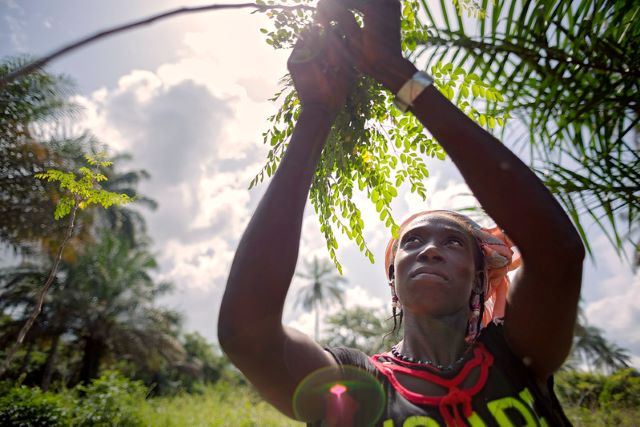
Kuli KuliKuli Kuli is a company that sells products made from the moringa tree, a superfood that is high in vitamins, antioxidants, plant proteins and anti-inflammatory properties, with twice the nutrient value of kale. The company’s products consist of energy bars, tea shots and a variety of powders and smoothie mixes.
Kuli Kuli: Identifying a Need

Lisa Curtis developed a heart for those living in extreme poverty while serving briefly as a regional youth coordinator for the United Nations. This led her to volunteer for the Peace Corps in 2010 at age 22, which sent her to work at a community clinic in rural Nigeria. While there, she was introduced to a locally-grown energy source, moringa, and was impressed by both its healing properties and nutritional punch. She quickly saw how a moringa market could address not only the malnutrition issues of the people and villages she worked with but also provide business opportunities for local farmers.

Empowering Women Farmers

Moringa has restorative powers for the human body but it turns out that it also has potential for sustainable economic growth. Kuli Kuli addresses these needs simultaneously by working with small but high-quality farmers and establishing supply chains to foster economic growth and nutritional security in West Africa. Notably, most of the farmers that the company works with are women. In 2020, the company sourced moringa from more than 2,400 farmers across 13 countries, with the largest group being African women. The company generated $5.2 million for these farmers and helped to plant and preserve more than 24,600,000 moringa trees.

Not only does the company help these farms to scale up their businesses but it also provides training to increase the quality of their products and local use of the plant. Moringa is invaluable for farmers. It requires little water, provides restorative properties for the soil and overall is fairly easy to grow, especially in rural regions where the soil is untainted by industrial areas. The company founder’s ambitious vision seeks to eliminate gender inequality, income inequality, global malnutrition and extreme poverty.

Creating a New Market in Moringa

Since its launch in 2014, Kuli Kuli has dominated the market on moringa products. Though moringa grows naturally in parts of Asia, Africa and South America, the company was the first to introduce the superfood to the United States’ wellness market. By 2020, the company was selling products in 11,000 stores nationwide. According to Curtis, the company has averaged 100% growth every year. Some years do even better, as demonstrated by 2017’s Series A financing, which tripled its retail business, and 2019’s $5 million Series B financing deal with Griffith Foods and Kellogg. With this most recent investment, Kuli Kuli plans to expand into moringa ingredient products. Certainly, Griffith Foods’ 30-country chain is quite a catch for the young wellness startup.

Kuli Kuli’s success demonstrates the power of developing new markets in developing countries that expand into developed ones. Not only is the company empowering rural farmers and fighting malnutrition and extreme poverty in developing countries but moringa products are fast climbing the list of top green wellness supplements in the United States. By noticing this virtually untapped international market and being quick to capitalize on it, the company found itself supplying more than half of the U.S. retail moringa market by 2020, a mere six years after its startup.

– Andria Pressel
Photo: Flickr

January 11, 2021
https://borgenproject.org/wp-content/uploads/borgen-project-logo.svg 0 0 Yuki https://borgenproject.org/wp-content/uploads/borgen-project-logo.svg Yuki2021-01-11 05:19:232022-04-20 10:13:21Kuli Kuli Empowers Women Moringa Farmers
Developing Countries, Food Security, Global Poverty

Conquering the Fall Armyworm in Uganda

Fall ArmywormMachine learning, a variation of artificial intelligence that includes the development of algorithms that independently learn new information, has innumerable applications. An example of this is visible in Africa where the fall armyworm pest in Uganda has ravaged crop yields. Amid the destruction, a new machine learning-based app created by a Ugandan developer has the potential to stop the spread of the crop-destroying pest.

Agriculture in Uganda and the Fall Armyworm

Approximately 22% of Uganda’s GDP comes from agriculture, with most Ugandans working in the agricultural sector, often engaging in subsistence farming. With the nation’s economic performance relying on successful agricultural harvests and the population’s everyday food sources coming from their own crop yields, any invasion of pests in Uganda can have serious consequences.

In 2016, Uganda experienced its first invasion of the fall armyworm pest, the larva of the armyworm moth. A native of the tropical regions of the western hemisphere, the fall armyworm pest eats through crops for nourishment before its transformation into a moth. By mid-2017, the fall armyworm had been detected throughout Uganda and estimations indicate that the infestation led to $192 million in maize crop losses alone. In some regions, farmers noted crop yield losses of up to 75%.

Despite the severe threat posed by the fall armyworm pest in Uganda, local developers have created a machine learning-based tool to assist Ugandan farmers with detecting the presence of the fall armyworm in their crops and preventing its spread.

Machine Learning to Protect Crops

In the aftermath of the arrival of the fall armyworm pest, Nazirini Siraji, a Ugandan woman from the city of Mbale, began work on a modern solution to the age-old problem of pest invasions. After attending one of Google’s Codelabs events, Siraji used Google’s TensorFlow platform to develop her Farmers Companion App. TensorFlow is an open-source machine learning tool that enables developers like Siraji to create digital solutions powered by artificial intelligence.

The Farmers Companion App enables farmers to use mobile technology to identify this specific pest on their crops and their lifecycle stage. Using this information, the app notifies the users about the threat level their crops face and the extent to which the fall armyworm has the potential to spread. The app also recommends specific pesticide treatments that farmers can use based on the level of threat to the farmers’ crops.

According to Google, the app has already been deployed in the agricultural lands surrounding Mbale where Siraji partners with local farmers to put the Farmers Companion App to use.

Big Tech Meets Local Developer

The global expansion of the internet is accompanied by a rise in local innovation aiming to solve local issues. In Africa, pest invasions have been responsible for countless crop shortages and famines, which exacerbates problems of instability and poverty. While invasions from pests like the fall armyworm will inevitably occur in the future, they will not happen again without opposition from new technology.

– John Andrikos
Photo: Flickr

January 10, 2021
https://borgenproject.org/wp-content/uploads/borgen-project-logo.svg 0 0 Lynsey Alexander https://borgenproject.org/wp-content/uploads/borgen-project-logo.svg Lynsey Alexander2021-01-10 07:30:022022-04-22 01:45:11Conquering the Fall Armyworm in Uganda
Developing Countries, Global Poverty

Prosper Africa Helps Address Global Poverty

Prosper Africa helpsTwo direct consequences of the alleviation of poverty in a region are economic growth and bolstered purchasing power. For countries that invest in the development of a region, there is the potential that a two-way economic relationship begins once that region’s population gains the necessary financial strength to buy more expensive consumer goods. The relationship between the United States and Africa reflects this trend, especially with the start of the Prosper Africa initiative. Prosper Africa helps end global poverty, starting with Africa.

Africa’s Economic Potential

Despite having struggled with chronic poverty issues, Africa is home to six of the 10 fastest growing economies in the world. With one billion potential consumers, Africa has the potential to become an economic powerhouse that can provide any international trading partner with a valuable destination for exports and a significant source of imports.

Seeing this opportunity, in 2018, the United States federal government launched the Prosper Africa initiative, which developed out of increasing requests by U.S. companies to have easier access to African markets.

With the oversight of the U.S. State Department and International Trade Administration, Prosper Africa offers U.S. and African businesses a wide-ranging set of economic tools such as access to financing, loan guarantees, insurance and business strategy advising. The program facilitates deals between U.S. and African businesses to foster a stronger two-way economic relationship between the United States and Africa.

Prosper Africa Shows Promising Signs of Success

According to a 2019 analysis by the Congressional Research Service, Prosper Africa has been implemented across the continent. Each U.S. embassy in Africa has created a team designated to fostering ties between U.S. and African businesses. Furthermore, the U.S. Development Finance Corporation has also launched an online point of access to the array of business tools that the initiative offers.

These efforts have had noticeable results across the continent. Since June 2019, Prosper Africa has facilitated more than 280 deals valued at roughly $22 billion in more 30 African countries, including Cameroon, Namibia, Sudan and Madagascar. These deals have been struck in sectors as diverse as healthcare, aerospace and financial services.

Prosper Africa helps countries in that it has also led to government reforms aimed at fostering a more transparent and efficient business environments in 10 African countries. These reforms ensure that small and medium-sized African businesses can access financial services and that governments can effectively implement necessary regulatory frameworks to govern business environments.

Ending Global Poverty is Beneficial for All

Prosper Africa helps Africa and the entire world because the fight against global poverty does not solely consist of one-way foreign aid investments. These investments have the potential to be the beginning of a healthy economic relationship between a developed nation and emerging economies. Once the United States takes the lead on an issue, the rest of the world follows. From addressing drug trafficking to addressing terrorism, the United States has shaped the focus of the international community on countless issues. Through Prosper Africa, the United States has the potential to lead the way once more and uplift the lives of billions in Africa.

– John Andrikos
Photo: Flickr

January 10, 2021
https://borgenproject.org/wp-content/uploads/borgen-project-logo.svg 0 0 Yuki https://borgenproject.org/wp-content/uploads/borgen-project-logo.svg Yuki2021-01-10 01:30:432024-05-30 07:55:40Prosper Africa Helps Address Global Poverty
Developing Countries, Global Poverty

Blockchain-Based Land Registry in Honduras

Blockchain-Based Land Registry in HondurasProof of land ownership is an essential tool to protect the livelihoods of those who depend on livestock and agriculture to feed their families and earn an income. However, in many developing countries such as Honduras, systems of land registry are unreliable and prone to corrupt manipulation, leaving farmers vulnerable to unlawful land seizures. Blockchain-based land registry aims to address this.

Blockchain-Based Land Registry

Despite this, the rise of blockchain technology has brought about a potential solution to undependable land registry systems. Providing a secure system of digitized land titles does more than protect property rights. It also gives farmers the ability to borrow against their land assets to raise capital, which could be used to invest in their businesses and broaden their economic opportunities. Blockchain-based land registries can be used to protect Hondurans’ land ownership rights.

Land Theft in Honduras

In 2015, the government of Honduras reached out to Factom, a U.S.-based blockchain technology company, to develop a nationwide land registry system. This decision came in light of the growing threat of land title fraud in Honduras, which would often occur at the hands of bureaucrats hacking the existing government land title database to steal land for personal use.

In a country with rampant corruption and unsecured land registry systems, Honduran farmers are at risk of falling into poverty and displacement at the hands of government officials or powerful landowners seeking to broaden their commercial agricultural holdings. A secure system of registry built with blockchain technology would provide a solution to this problem.

Stalled Efforts in Implementation

Although Honduras reached out for assistance in building a secure system, by the end of 2015, efforts to develop it stalled due to the government’s unwillingness to continue the effort. Nonetheless, there is still hope for the eventual continuation of the project, as it has the backing of the World Bank and other international donors.

Blockchain-based land registry systems represent an optimal solution for Honduran farmers because of their unique security. These systems track transactions with a timestamped digital signature and store them in a connected, distributed array of computers scattered around the internet. The digital signature tracks the history of ownership, thereby making the land title unsusceptible to tampering. Furthermore, blockchain technologies can utilize GPS coordinates to describe the exact dimensions of each claimed land parcel and pair it with the digital ID of the owner. The result is a secure system that protects farmers’ rights to land ownership.

The Intersection of Tech and Poverty

Innovations in technology and the spread of internet access are crucial in the fight against global poverty. Blockchain-based land registry solutions enable farmers to protect their livelihoods and invest in expanding and diversifying their agricultural yields. As more farmers better their economic situations and poverty levels decline, the demand for consumer goods rises, which bolsters trade and the wider global economy.

Investing in solutions to global poverty, thus, entails a two-way path of rewards: developing countries are able to rise out of poverty and developed countries establish connections with new trading partners. When one country climbs out of poverty, every country benefits.

– John Andrikos
Photo: Flickr

January 7, 2021
https://borgenproject.org/wp-content/uploads/borgen-project-logo.svg 0 0 Yuki https://borgenproject.org/wp-content/uploads/borgen-project-logo.svg Yuki2021-01-07 02:40:112022-04-13 07:38:04Blockchain-Based Land Registry in Honduras
Developing Countries, Food Insecurity, Foreign Aid, Foreign Relations, Global Poverty

USAID Provides $20 Million Worth of Wheat to Sudan

Wheat to SudanSudan’s position on the list of states that sponsor terrorism restricted their trades, imports and economy. However, with the recent removal, Sudan has already reaped the benefits of foreign aid from the United States. USAID approved a $20 million payment to the World Food Programme to provide a massive 65,000 metric ton shipment of wheat to Sudan.

Diplomacy Opens Doors

The $20 million shipment of wheat to Sudan is part of an $81 million commitment from the U.S. to help Sudan fight poverty and hunger. This contribution will bring its total aid for the fiscal year to over $400 million, making the U.S. the largest aid sponsor to Sudan.

Sudan’s removal from the list of states sponsoring terrorism was contingent on Sudan’s recognition of Israel as a nation.  After such recognition, Israel also sent a $5 million wheat shipment to Sudan.

Economic Lockdown Compounds Hunger Crisis

While Sudan has found recent diplomatic success, its plight as a nation remains dire. Nearly half of Sudanese people are in poverty, with 46% living under the poverty line as of 2018.

Roughly nine million people will need food assistance in 2020, up by 9% from 2019, as widespread poverty has been worsened by the effect of COVID-19 on the economy.

Further stress on already limited food resources comes from droughts, floods and conflict that has displaced nearly two million people, compounded with hosting one million refugees who need food assistance.

The rampant poverty in Sudan has led to extreme numbers of children suffering from hunger and malnutrition across the nation. The number of children facing emergency food insecurity levels doubled over the last year to 1.1 million. According to Save the Children’s country director in Sudan, Arshad Malik, “120 children are dying every day due to malnutrition.”  Overall, 9.6 million individuals in Sudan are food insecure as a result of lockdown restrictions, a weak economy, natural disasters and conflict.

USAID Contributes to Disaster Relief

Although the weak economy has waned further from job losses and food prices soaring from economic restrictions, food aid remains the first priority for Sudan and USAID. Additionally, Sudan has suffered from its worst floods in 100 years, which has caused massive destruction due to vast underdevelopment. USAID granted another $60 million in aid for Sudan to recover from flooding and fight waterborne diseases that can spread during floods.

Foreign Aid Essential to Development

Sudan’s new democracy undoubtedly faces short and long-term obstacles with regard to the country’s development and stability. Natural disasters, economic woes, poverty and hunger, cripple an already struggling nation. The shipment of wheat to Sudan from USAID is crucial for helping the people of Sudan meet their daily needs and alleviating hunger and poverty. Extending the olive branch of foreign aid creates interdependence between nations and encourages peace and prosperity. Bringing nations such as Sudan out of poverty creates a more secure, just and prosperous world.

– Adrian Rufo
Photo: Flickr

January 7, 2021
https://borgenproject.org/wp-content/uploads/borgen-project-logo.svg 0 0 Kim Thelwell https://borgenproject.org/wp-content/uploads/borgen-project-logo.svg Kim Thelwell2021-01-07 02:03:302024-05-29 22:57:28USAID Provides $20 Million Worth of Wheat to Sudan
Page 67 of 157«‹6566676869›»

Get Smarter

  • Global Poverty 101
  • Global Poverty… The Good News
  • Global Poverty & U.S. Jobs
  • Global Poverty and National Security
  • Innovative Solutions to Poverty
  • Global Poverty & Aid FAQ’s
Search Search

Take Action

  • Call Congress
  • Email Congress
  • Donate
  • 30 Ways to Help
  • Volunteer Ops
  • Internships
  • Courses & Certificates
  • The Podcast
Borgen Project

“The Borgen Project is an incredible nonprofit organization that is addressing poverty and hunger and working towards ending them.”

-The Huffington Post

Inside The Borgen Project

  • Contact
  • About
  • Financials
  • President
  • Board of Directors
  • Board of Advisors

International Links

  • UK Email Parliament
  • UK Donate
  • Canada Email Parliament

Get Smarter

  • Global Poverty 101
  • Global Poverty… The Good News
  • Global Poverty & U.S. Jobs
  • Global Poverty and National Security
  • Innovative Solutions to Poverty
  • Global Poverty & Aid FAQ’s

Ways to Help

  • Call Congress
  • Email Congress
  • Donate
  • 30 Ways to Help
  • Volunteer Ops
  • Internships
  • Courses & Certificates
  • The Podcast
Scroll to top Scroll to top Scroll to top