How Livestock Can Alleviate Poverty
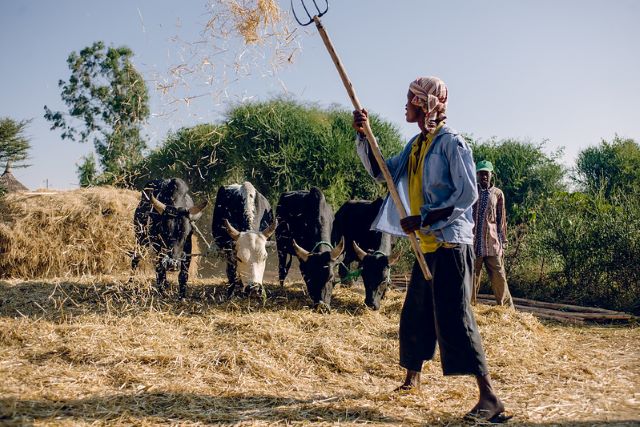 Throughout the world, 689 million people are estimated to be living in conditions of poverty and surviving on $1.90 a day or less. Of these numbers, around 70% of those impoverished depend on livestock for employment, income and food security. The ability for families to stay afloat, send their kids to school, put food on the table and sustain themselves, depends on the health of their herds. Livestock can alleviate poverty by providing several benefits.
Oxfam: Livestock for Poverty Reduction
Oxfam, a nonprofit organization dedicated to fighting poverty, donates money, food and livestock to struggling communities for long-term success. Oxfam works with local organizations and coalitions in 70 countries both before and after crises occur to treat both the symptoms of systemic inequality as well as the systems themselves. Oxfam advocates for the rights of the impoverished and those facing oppression by challenging government leaders to do more for their constituency.
Feed the Future Campaign
Oxfam has worked with the U.S. food security initiative, Feed the Future, to help farmers in countries like Ghana, Guatemala, Ethiopia, Haiti, Senegal and Tanzania. Through intense research and direct communication with local communities, Oxfam has strengthened strategies for the success of female farmers, growth in the agriculture sector and maternal and child nutrition. Oxfam stresses the importance of aiding small scale farmers to end the cyclical nature of poverty and food insecurity. This initiative includes providing access to opportunities and resources that some families do not have, holding accountable the governments and businesses for the harmful policies that affect farmers and ensuring a positive relationship with local groups.
The Impact of Livestock
Part of Oxfam’s mission is to set communities up for success in the long-term by providing them with resources and tools to maintain these resources. Oxfam does not just provide livestock such as goats and sheep, but it provides farmers with resources and training for herds to be healthy and successful. Growth in agriculture directly leads to economic security and growth. It profits the entire community as it lowers the costs of food, creates wealth for producers and creates opportunities for other economic areas to flourish as more consumables become accessible. The work Oxfam does in bringing livestock to impoverished communities alleviates poverty and produces greater economic growth and opportunity. Livestock can alleviate poverty as it takes on laborious duties that lessen the strain on families. Livestock also produces and becomes a source of food and increases the flow of income and ability to work on other aspects of life.
Nyalit, a woman in South Sudan, was given two goats from Oxfam and has seen her life improve tremendously since the contribution. The goats provide a source of food and income, producing milk. The goats have also reproduced, allowing the farm to grow.
Livestock Programs Reduce Poverty
Oxfam has made considerable contributions to lessen the impact of poverty throughout the world and continues to do so with its programs. Its work is evidence that livestock can alleviate poverty and expand the socio-economic opportunities of the farmers. The organization has empowered female farmers, provided food security for mothers and children in developing areas and encouraged growth in the agricultural sector.
– Lizzy Herestofa
Photo: Flickr
