• Link to X
  • Link to Facebook
  • Link to Instagram
  • Link to TikTok
  • Link to Youtube
  • About
    • About Us
      • President
      • Board of Directors
      • Board of Advisors
      • Financials
      • Our Methodology
      • Success Tracker
      • Contact
  • Act Now
    • 30 Ways to Help
      • Email Congress
      • Call Congress
      • Volunteer
      • Courses & Certificates
      • Be a Donor
    • Internships
      • In-Office Internships
      • Remote Internships
    • Legislation
      • Politics 101
  • The Blog
  • The Podcast
  • Magazine
  • Donate
  • Click to open the search input field Click to open the search input field Search
  • Menu Menu

Archive for category: Developing Countries

Information and stories about developing countries.

Developing Countries, Development, Education, Gender Equality, Global Poverty, Women's Empowerment

3 Organizations Working to Improve Girls’ Education

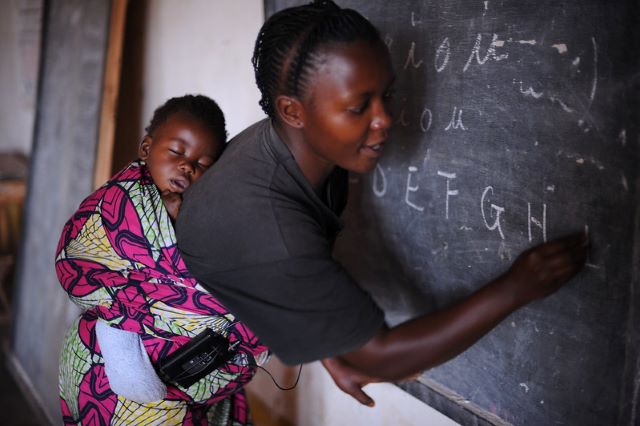
improve girls' educationAll around the globe, young girls are forced to end their educational careers early as gender inequality is still quite common. Lack of schooling for young girls limits female participation in the workplace and reinforces patriarchal societies. As of 2018, worldwide totals of illiterate girls from the ages of 5 to 25 outnumbered illiterate boys in the same age group by 12 million. Yet,  global female participation in schooling has grown by 16% since 1995. The momentum gained in the past 25 years looks to continue as three important organizations have released plans to improve girls’ education in 2020 and beyond.
3 Organizations Working to Improve Girls’ Education

  1. The World Bank. As a global economic institution, the World Bank joined the fight to preserve girls’ education years ago. In fact, the bank launched a seven-year plan in 2016 that focuses on improving all women’s rights, going beyond just education. However, the World Bank identified educational opportunities as a key way to break the cycle of injustice and has subsequently created separate funding solely to advance female schooling. In May 2020, the World Bank has already allocated a total of $1.49 billion to improving education for women of all ages, both primary and secondary. This will not only help girls learn to read and write but will also lead to women entering the workplace in countries where men are the ones who hold jobs.
  2. The United Nations. Many know the U.N. as the global agency where countries discuss peace deals and trade contracts. While this is true, the U.N. also has sectors dedicated to human rights advocacy. An entire branch, known as the United Nations Girls Education Initiative (UNGEI), works with developing countries to devise plans that enhance educational opportunities for girls. Being under the umbrella of the United Nations adds a level of legitimacy that some nonprofits seeking to improve girls’ education are unable to achieve. The UNGEI has a wide range of contributors and currently consists of 24 global and regional partners, four regional partnerships and nearly 50 associated country partnerships. Recently, the U.N. released the 2030 Sustainable Development Goals and worked with the UNGEI to add equal educational opportunity for girls as a part of this vision. Girls around the world, especially those living in developing countries, are at the center of this vision, which can lead to powerful global change.
  3. Girls Education Challenge (GEC). Back in 2012, the government of the United Kingdom made global equal education a primary focus. The government joined forces with U.K. Aid to tackle this issue. Together, the two created a groundbreaking 12-year commitment called the Girls Education Challenge (GEC). The first phase of the GEC, which was a huge success, ended in 2017. For the second phase, which will continue until 2024, the U.K. is looking to expand its impact to encompass more than 40 projects in nearly 20 nations. With hundreds of millions of dollars now raised for the GEC, its own research suggests that more than 800,000 young girls are learning in schools and are on the path to finishing their education. With four years remaining in the GEC, the United Kingdom’s impact on girls’ education will continue to bring equal opportunities well into the 2020s.

Education, Gender Equality and Poverty Reduction

The World Bank, the U.N. and the U.K. are trying to create fair schooling policies but are also breaking down social barriers in the developing world. Global society is trending in the right direction for gender equality but the international community still has much work to do. All efforts to improve girls’ education can and will be a catalyst for change.

– Zachary Hardenstine
Photo: Flickr

February 2, 2021
https://borgenproject.org/wp-content/uploads/borgen-project-logo.svg 0 0 Lynsey Alexander https://borgenproject.org/wp-content/uploads/borgen-project-logo.svg Lynsey Alexander2021-02-02 01:31:282024-05-30 07:56:073 Organizations Working to Improve Girls’ Education
Advocacy, Developing Countries, Education, Gender Equality, Global Poverty, Poverty Reduction, Women and Female Empowerment, Women's Empowerment, Women's Rights

She’s the First and the Girls’ Bill of Rights

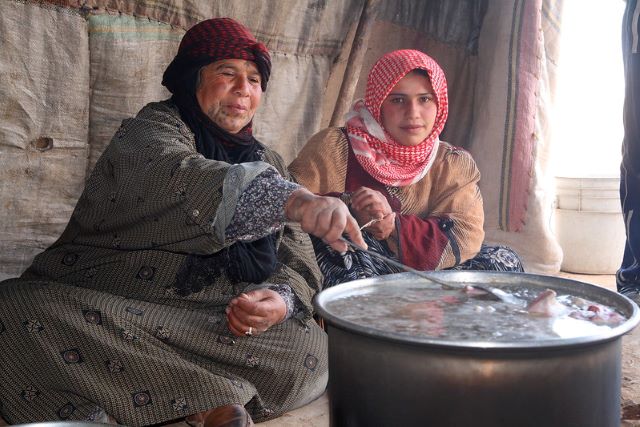
She’s the First Across the globe, women face harsh inequalities in education and the promotion of other crucial rights. Women make up more than two-thirds of the world’s illiterate population, receive lower wages, experience gender-based violence and are forced to adhere to strict societal gender norms that prevent their progression. This is especially the case in developing countries. She’s the First is an organization where the progression of women is a central focus.
She’s the First

She’s the First, a nonprofit organization, recognizes the benefits of prioritizing women and gender equality. When females are educated and empowered, they can earn up to 20% more as an adult for each additional year of schooling completed. They are also then more likely to be in healthy relationships, have fewer but healthier children, are less likely to marry early and are more likely to make an impact in the world. These reasons are why She’s the First puts girls first by promoting women’s equality and education.

Putting Girls First

She’s the First promotes girls’ education and equality. It provides funding to different community-based organizations that can implement culturally efficient ways for girls to attend school as well as afterschool programs where they can further their education while simultaneously learning about life skills and reproductive health. She’s the First also runs training and conferences around the globe. These conferences amplify girls’ voices around the world, inspiring them to become leaders in their own communities. As of the end of 2019, She’s the First reached 11,000 girls, had a presence in 21 countries and provided training for 52 community-based organizations.

Girls’ Bill Of Rights

She’s the First is a co-organizer of the Girls’ Bill of Rights, a declaration of the rights all girls are entitled to, written by girls, for girls. More than 1,000 girls from 34 countries contributed to the list, created on the 2019 International Day of Girl and presented to the United Nations. The Girls’ Bill of Rights advocates for the promotion of girls’ rights like quality education, equality, leadership, sexual education and reproductive rights, protection from harmful cultural practices, free decision-making and more. To support the Girls’ Bill of Rights, supporters can use the hashtag “#GirlsBillOfRights”, co-sign the bill or make a public pledge of support.

Women’s Empowerment and Poverty Reduction

She’s the First is an organization that works toward complete equality for women worldwide, especially in regards to education. Currently, women face a significant disadvantage, especially those who are uneducated. If women are given education and equality, they can lift themselves out of poverty since education is directly related to lowering poverty levels. She’s the First spreads this idea by creating culturally efficient ways for girls to go to school and further their education in developing countries. The organization also advocates for women’s rights through the Girls’ Bill of Rights. She’s the First plays a crucial part in empowering women and helping them to lift themselves out of poverty.

– Seona Maskara
Photo: Flickr

February 2, 2021
https://borgenproject.org/wp-content/uploads/borgen-project-logo.svg 0 0 Lynsey Alexander https://borgenproject.org/wp-content/uploads/borgen-project-logo.svg Lynsey Alexander2021-02-02 01:30:512021-02-02 03:03:10She’s the First and the Girls’ Bill of Rights
Developing Countries, Education, Gender Equality, Global Poverty, Poverty Reduction, Women

The Insulated Wonderbag Combats Global Poverty

insulated WonderbagIn Africa, nearly 90% of women use open fire cooking methods. The same is common for women in developing countries throughout the world. This system can often take hours to cook a full meal. The insulated Wonderbag, a heat retention cooking device, aims to change lives and create a sustainable life for those living in poverty, especially women.

The Insulated Wonderbag

In developing countries, gendered roles like cooking and tending to the household take up a lot of time.  The amount of time spent cooking could be better used on activities that result in the progression of women, such as education and development. Often, women are disproportionately responsible for cooking meals and the labor that goes into the open fires that are required for such cooking. A South African entrepreneur decided to design an invention to help address these difficulties. The insulated Wonderbag is an eco-technology innovation that saves girls and women hours of time and labor and improves indoor air quality and overall health, among other benefits.

How the Wonderbag Began

The idea behind this invention comes from Sarah Collins, a local South African innovator with extensive knowledge of social development and a love for the environment. Collins grew up watching the women before her use cooking tricks to keep food warm when the power went out. One of these tricks, used by her grandmother, was letting hot pans of food sit in cushioned pads to remain warm. A life-changing yet straightforward concept that Collins took and made her own.

The Simple Magic of the Wonderbag

First and foremost, the Wonderbag is a product meant to alleviate women and girls’ daily struggles as caregivers and enable them to pursue education and employment. The Wonderbag works without electricity or gas and is made of upcycled materials such as poly-cotton and chipped-foam. Essentially, it functions similarly to a crockpot or a slow cooker. The insulated Wonderbag allows food, once brought to the boil by traditional cooking methods, to continue cooking for up to 12 hours inside the Wonderbag.

The Benefits of the Wonderbag

  • Females regain four to six hours of their day
  • Boosts household incomes up to $2 a day
  • Saves more than 1300 hours for girls and women each year, enabling them to go to school, learn skills and find employment
  • Raises incomes of women living in poverty
  • Decreases the use of fossil fuels for cooking by 70% and thus also the associated negative health impact
  • Allows women to re-invest their earnings into providing healthier meals for their families

The Impacts of the Wonderbag

Since 2008, the revolutionary Wonderbag has been distributed around the world. Thus far, it has had an impressive impact. The introduction of the Wonderbag into communities allows women the chance to build their own businesses and create jobs for others. These businesses range from serving warm meals to sewing new bags. Moreover, every time a Wonderbag is bought, another is donated to women in need in Africa, continuing the cycle of prosperity.

More than 130 NGOs in Kwazulu Natal, South Africa, benefitted from reselling Wonderbags to generate an income, especially during the COVID-19 pandemic. Collectively, these NGOs generated almost two million South African rands to sustain their operations.

Overall, the global need for the insulated Wonderbag continues to grow. So far, there are more than one million Wonderbags worldwide. With every purchase, $1 goes toward subsidizing bags for people in vulnerable communities. The Wonderbag is an innovative solution to combat global poverty.

– Sallie Blackmon
Photo: Flickr

February 2, 2021
https://borgenproject.org/wp-content/uploads/borgen-project-logo.svg 0 0 Kim Thelwell https://borgenproject.org/wp-content/uploads/borgen-project-logo.svg Kim Thelwell2021-02-02 01:30:432021-02-02 05:01:09The Insulated Wonderbag Combats Global Poverty
Children, Developing Countries, Economy, Global Poverty, Health, Humanitarian Aid, Refugees, Refugees and Displaced Persons

Reforms for Saving the Venezuelan Economy

Saving the Venezuelan EconomyA combination of poor leadership and crippling sanctions have created a nation-wide economic crisis in Venezuela. The Center for Strategic and International Studies found that even before U.S. sanctions were placed on Venezuela, the country was already enduring hyperinflation, had seen food imports fall by 71% and more than two million Venezuelans had fled the country. Nevertheless, sanctions only exacerbated the crisis as Torino Economics found U.S. sanctions on Venezuela were associated with an annual loss of $16.9 billion in oil revenue. As a result, the Atlantic Council reports that more than 80% of Venezuelan households are food insecure and 3.7 million individuals are malnourished. Consequently, refugees filed more asylum claims globally in 2018 than any other country has. The number of Venezuelan migrants and refugees is expected to reach eight million in 2020, surpassing Syrian migration by more than three million. Reforms in the county are being implemented with the aim of saving the Venezuelan economy.
Saving the Venezuelan Economy

While this economic collapse still ravishes the country, there is certainly hope for the future. Due to both internal and external pressures, the president of Venezuela, Nicolás Maduro, has begun to encourage policies of economic liberalization and privatization that are indicating an economic rebound.

Toward the end of 2019, Argus Media reported the Venezuelan government was beginning to ease economic controls. Specifically, the Maduro government erased most price controls, loosened capital controls, tightened controls on commercial bank loan operations, and most importantly, began to accept informal dollarization. Immediately these policies curbed the levels of hyperinflation that had caused the food crisis across the country. Advisers estimate inflation to be at only 5,500%, a significant improvement compared to the International Monetary Fund forecasts that predicted inflation levels of more than 10 million percent. This is largely in part to the importation of dollars into the Venezuelan economy, pushing out the uselessly-inflated Bolivars. Indeed, a Bloomberg study found Venezuela’s economy is increasingly dollarized, as 54% of all sales in Venezuela by the end of last year were in dollars. Most importantly, food and medicine imports have rebounded, now reaching 15% of the population.

Privatization of the Oil Industry

In addition to the Maduro government relaxing economic controls, the economic rebound in Venezuela has occurred due to increased privatization of the oil industry. Despite being under the control of the military for years, Venezuela’s state-owned oil company has trended toward letting private firms handle operations, aiding in fixing the mismanagement perpetrated by the military’s control of the industry. For the first time in decades, the private sector accounted for more than 25% of GDP in 2019 and likely more by the end of 2020. Consequently, the Panam Post reported that oil production increased by more than 200,000 barrels, a 20% increase following privatization.

Initiatives to Help Venezuelans in Poverty

The South American Initiative, through its medical clinic, provides medical care and medicine to Venezuelans in need, with a special focus on mothers and children. To provide these essential services, it relies on donations that people provide on the GlobalGiving platform.

Fundacion Oportunidad y Futuro addresses hunger and malnutrition with regards to children in Venezuela. It is running in an initiative to provide meals to 800 school-aged children in Venezuela. It also operates through donations via the GlobalGiving platform.

The Future of Venezuela

While there is hope to be found in these reforms, Venezuela has far from recovered. The National Survey of Living Conditions indicates that more Venezuelans are in poverty in 2020 than in 2018, with food security decreasing another 7% over the past two years. The average income of Venezuela remains low at just over 70 U.S. cents a day. These reforms are the foundational steps needed to begin to reverse the economic trend that has relegated millions of Venezuelans to extreme poverty. If the economy is ever to correct itself, liberalization and privatization will be the jumping-off point for an economically thriving Venezuela in the future.

– Kendall Carll
Photo: Flickr

February 2, 2021
https://borgenproject.org/wp-content/uploads/borgen-project-logo.svg 0 0 Kim Thelwell https://borgenproject.org/wp-content/uploads/borgen-project-logo.svg Kim Thelwell2021-02-02 01:30:152024-05-30 07:56:08Reforms for Saving the Venezuelan Economy
Developing Countries, Global Poverty, Health, Humanitarian Aid, Refugees and Displaced Persons

Addressing Migrant and Refugee Health

Addressing migrant and Refugee HealthAt the end of 2019, there were 79.5 million recorded forcibly displaced people in the world, with 26 million labeled as refugees. Roughly 68% of those displaced come from just five countries, which means that resources can be scarce for many of these people and their physical and mental health may become less of a priority in lieu of other needs. More focus needs to go toward addressing migrant and refugee health in order to protect the well-being of one of the most vulnerable populations.

7 Facts About Migrant and Refugee Health

  1. The Immigrant, Refugee and Migrant Health Branch (IRMH) is a branch of the Division of Global Migration and Quarantine that works to improve the health and well-being of refugees. The IRMH also provides guidelines for disease prevention and tracks cases around the globe in migrant populations. The organization has three teams and five programs that work both in the U.S. and around the world to combat infectious diseases.
  2. Refugees are affected by illness and health issues through transit and in their host communities. Most refugees are likely to be in good health in general, according to the CDC, but migrating tends to be a social determinant in refugee health. Health inequities are increased by conditions such as restrictive policies, economic hardship and anti-migrant views. Poor living conditions and changes in lifestyle also play a role.

  3. Refugee health profiles are compiled through multiple organizations to provide information about important cultural and health factors pertaining to specific regions. Refugees from different areas often have very different health concerns. For example, anemia and diabetes are priority conditions in Syrian refugees but parasitic infections and malaria are the focus for Congolese migrants.

  4. About one-third of migrants and refugees experience high rates of depression, anxiety and post-traumatic stress disorders. Mental health is a vital part of all refugee health programs and the priority for youth mental health programming is especially necessary. Forced displacement is traumatic and while there is likely a reduction of high anxiety or depression levels over time after resettlement, some cases can last for years.

  5. Healthcare is often restricted based on legal status within refugee populations. The 1946 Constitution of the World Health Organization articulated that the right to health is an essential component of human rights but many people are limited to claiming this right. Activists for refugee health along with many NGOs call for universal health care and protection for migrant populations.

  6. Important needs in refugee health include the quality and cost of disease screenings. HIV, hepatitis, schistosomiasis and strongyloidiasis are diseases that are prevalent among vulnerable refugee and migrant populations. However, ease and quality of medical screenings are not guaranteed in many centers or camps.

  7. Mothers and children face many barriers due to their unique needs and few refugee health care providers are able to properly address them. There is an increased need for reproductive health services and many of the barriers provide more difficulty than aid to many women. These include language, costs and general stigma.

Prioritizing Vulnerable Populations

The U.N. Refugee Agency (UNHCR) is well known for its work to safeguard the rights and well-being of people who have been forced to flee. Refugee International is another organization that advocates for the rights and protection of displaced people around the world. Awareness of refugee health facts and concerns enables organizations to take a direct stance on improving conditions and procedures. With the growing number of refugees around the world today, addressing migrant and refugee health must be prioritized in order to better protect these vulnerable populations.

– Savannah Gardner
Photo: Flickr

February 2, 2021
https://borgenproject.org/wp-content/uploads/borgen-project-logo.svg 0 0 Lynsey Alexander https://borgenproject.org/wp-content/uploads/borgen-project-logo.svg Lynsey Alexander2021-02-02 00:53:002024-05-30 07:56:07Addressing Migrant and Refugee Health
Developing Countries, Global Poverty, Poverty Reduction

Affordable Housing In India Is Aiding the Poor 

Affordable Housing In IndiaIndia is among the world’s poorest countries, with more than two-thirds of its residents living in extreme poverty. Recently, however, a changing economy centered around industrialization has prompted many rural residents to move to urban areas of the region. The interregional migration has led to an accumulation of slums and poor villages on the outskirts of cities. The problem prompts a powerful need for affordable housing in India. In recent years, new organizations have begun to answer this call with unique responses to alleviate the problem.
3 Ways India is Implementing Affordable Housing

  1. Big bank support for finances: One of the major banks leading this movement, the National Housing Bank of India, extends housing loans to low-income households. This allows for affordable housing at the lowest level while also expanding the Indian housing market. The bank’s project has positively impacted 15,000 households across 17 states in India, including households primarily managed by women. The expanded access to these loans is not the only aspect of this plan. Higher loans are also given out to poorer people to ensure that housing transactions are faster and more effective. These loans also help invest in important infrastructures like schools, temples and communal facilities.
  2. Government home-building initiatives: Prime Minister, Narendra Modi, has launched a “housing for all” campaign since his election. The urban focus of the plan pledges to build more than 12 million houses by the year 2022. Although only 3.2 million urban homes have come to fruition so far, more funding to continue the project is on the way. These efforts ensure that 40% of India’s population, now living in urban areas like Mumbai, has access to cheaper apartment buildings. The new housing spaces target a variety of people, including first-time buyers, older individuals and those aspiring to move to urban areas, a demographic that largely includes impoverished communities.
  3. Targeting traditional real estate developers: In addition to building affordable housing, the Indian Government is also taking steps to target real estate members who generally focus their efforts on higher-end living spaces. To combat this practice, the government gives more incentives for interest rates on middle-to-low class homes. Many major real estate companies only switched to marketing affordable housing (as late as 2018) after the introduction of these benefits. This trickle-down effect experienced in the real estate sector will in turn fuel the industry. In other words, it has a multiplied effect on India’s economy. The shift in the country’s housing market will make India a $5 trillion economy by 2025.

Affordable Housing Means Less Poverty

The combination of nongovernmental and governmental support in India is rapidly leading to positive changes in the country. The future of affordable housing in the region is on track to provide commodities to millions of people. With increased funding and more initiatives, India is a leading example of how affordable housing can raise standards of living and boost the economy, essentially alleviating poverty.

– Mihir Gokhale
Photo: Flickr

February 1, 2021
https://borgenproject.org/wp-content/uploads/borgen-project-logo.svg 0 0 Lynsey Alexander https://borgenproject.org/wp-content/uploads/borgen-project-logo.svg Lynsey Alexander2021-02-01 01:30:062021-02-01 05:00:40Affordable Housing In India Is Aiding the Poor 
Developing Countries, Global Poverty, Women's Rights

Organizations Working for Women’s Rights in Zambia

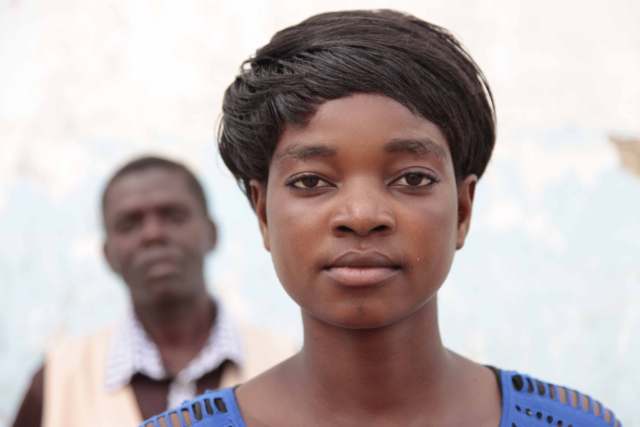
Women's Rights in ZambiaIn the  African nation of Zambia, gender-based violence and discrimination greatly disadvantage women. Women’s rights in Zambia play an important role in combating poverty and discrimination in the country. Nonprofit and grassroots organizations have stepped in to fight for women’s rights in Zambia. These organizations are working to make Zambia a more fair and equal society for women and girls.

The State of Women’s Rights

According to a 2007 countrywide Demographic Health Survey, nearly 50% “of all women had experienced physical violence since they were 15” —  a rate much higher than the World Health Organization’s worldwide estimate of 30%. Among Zambian women who had experienced physical abuse, 77% reported that the abuse came from a former or current partner. The victim support unit of the Zambia Police Service reported 5,040 cases of gender-based violence in the first quarter of 2020.

Zambian women also face discrimination in employment and land ownership. A 2011 survey reported that 60% of women aged 15-49 had jobs compared to nearly 100% of men. Many of the employed women reported that their positions were unpaid.  Furthermore, women with paid employment typically earned less than their male counterparts. Discrimination, financial barriers and cultural norms make land ownership very difficult for women. Many women have less wealth than men, particularly in rural areas. Furthermore, in traditional marriages, it is still not customary for men and women to have equal rights of ownership.

The Zambia Alliance of Women

Founded in 1978, the Zambia Alliance of Women (ZAW) seeks to provide support for women in the aspects of agriculture and land ownership. The organization currently has 3,000 members and operates in seven regions throughout Zambia. The ZAW ‘s mission is to support women in accessing land and agricultural education and teach them sustainable agricultural practices. Some of these projects include the Women Caucus on Climate Smart Agriculture program funded by the African Women Development Fund. The organization has spearheaded many other projects that empower Zambian women in the field of agriculture.

Women and Law Southern Africa

Women and Law Southern Africa (WLSA) is a nonprofit operating in several countries in Southern Africa. The WLSA was founded in 1989 by a group of female lecturers from several universities in the southern region of Africa. The organization uses education and research to advocate for the reform of legislation that unfairly impacts the lives of women and girls. The Food and Agriculture Organization (FAO) reports that some of the key issues the WLSA works to address are “inheritance, maintenance, family law, justice delivery systems and gender violence.” The Zambian sector of the organization has worked with Zambia’s government to lobby for law and policy reform to support women’s rights.

The Zambia National Women’s Lobby

The Zambia National Women’s Lobby (ZNWL) seeks to affect change through the involvement of women in government. Established in 1991, the ZNWL advocates for women’s representation in parliament and other political structures. For example, in 2008, its Men’s Network Project collected more than 5,000 men’s signatures for a petition to make sexual intercourse with a child under 16 a non-bailable offense. The petition was later presented to members of the Zambian parliament. The ZNWL also received a grant award of $25,000 from the United States Embassy in 2014. The grant is part of the embassy’s Full Participation Fund, which raises awareness about the importance of women’s involvement in government.

Women for Change Zambia

Established in 1992, Women for Change Zambia (WFC) strives to improve conditions in rural communities by empowering women and girls. One of its top priorities is education. WFC works to re-enroll teenage girls in school and prevent others from dropping out due to early marriage, pregnancy or other preventable reasons. The organization also works with parents and teachers in order to provide girls who return to school with as much support as possible.

Women’s success is key to the development and growth of Zambian communities. With awareness of gender equity issues increasing, partly through the work of the organizations presented, there is hope for women’s rights in Zambia.

– Imani Smikle
Photo: Flickr

January 30, 2021
https://borgenproject.org/wp-content/uploads/borgen-project-logo.svg 0 0 Kim Thelwell https://borgenproject.org/wp-content/uploads/borgen-project-logo.svg Kim Thelwell2021-01-30 01:30:322024-05-30 22:23:05Organizations Working for Women’s Rights in Zambia
Developing Countries, Global Poverty, Health

Eliminating Trachoma in Developing Countries

Trachoma in developing countriesTrachoma, an unsung yet highly infectious disease, is listed by the World Health Organization (WHO) as the leading cause of blindness across the world. Data from March 2020 indicates that 137 million people live in areas that put them at risk of trachoma. It is estimated that several million people suffer from the disease worldwide, across 44 different countries. The disease is easily transmitted between two people and its effects can be devastating. The WHO has prioritized the elimination of trachoma in developing countries, where trachoma is common.

Trachoma and its Effects

The WHO reports that “transmission occurs through contact with infective discharges from the eyes and nose, particularly in young children, who harbor the main reservoir of infection. It is also spread by flies which have been in contact with the eyes and noses of infected people.” If left untreated, it can cause irreversible blindness. Trachoma also deeply affects the quality of life of families and entire communities where it is present as people with trachoma are often prevented from working and providing for their families. Additionally, women get trachoma at much higher rates than men because they are much more exposed to potentially infected children.

Trachoma Elimination Progress

Over the past two decades, significant work has been done in countries where trachoma is endemic, in order to eradicate the disease once and for all. This work has been extremely effective. Since 2002, those at risk of trachoma in developing countries and across the world have dropped 91%. Although that equates to 142 million people, the number is down from 1.5 billion people in 2002, which is progress on an incredible scale. Anthony Solomon, a medical officer in charge of WHO’s global trachoma elimination program, states that “We should be able to relegate trachoma to the history books in the next few years but we will only do so by redoubling our efforts now. The last few countries are likely to be the hardest. This is great progress but we cannot afford to become complacent.”

The Carter Center

In addition to the WHO, a number of different NGOs have been working to lower rates of trachoma, in developing countries especially. The Carter Center, founded by former U.S. president, Jimmy Carter, is an organization with a huge scope. Causes that the organization supports include peacebuilding, healthcare and human rights across the globe. The Carter Center’s commitment to ending trachoma is integral as it has provided resources such as eyelid surgery and other medical services for trachoma and is working to improve the environmental conditions of trachoma endemic countries. The Center states that “Over the course of 20 years (1999 to 2019), the Center has assisted national programs in providing 846,219  trachomatous trichiasis surgeries in Ethiopia, Mali, Niger, Nigeria, South Sudan and Sudan.” Although Trachoma can be potentially life-changing if left untreated, there are definite medical steps that can be taken before it reaches that point. The Carter Center and other organizations like it are providing crucial resources in order to save lives and eliminate trachoma in developing countries.

Trachoma’s Link to Poverty

Ultimately, eliminating trachoma in developing countries not only means improving the physical health of those who are currently at risk but it would greatly lower poverty rates in those same countries as well. Trachoma hurts the local economy, which in turn has a global impact. Providing the necessary healthcare and aid to those struggling with trachoma will in turn boost the quality of life in dozens of countries, therefore improving the global economy and allowing trade to flourish worldwide. The WHO Alliance for the Global Elimination of Trachoma by 2020 (GET2020 Alliance) set a target to eliminate trachoma entirely by 2020. While that goal may have been missed, significant progress has been made and blindness rates are likely to continue falling rapidly in the coming years.

– Leo Posel
Photo: Flickr

January 30, 2021
https://borgenproject.org/wp-content/uploads/borgen-project-logo.svg 0 0 Lynsey Alexander https://borgenproject.org/wp-content/uploads/borgen-project-logo.svg Lynsey Alexander2021-01-30 01:30:232024-05-30 07:56:05Eliminating Trachoma in Developing Countries
Developing Countries, Development, Global Poverty, Health

Doctors for Madagascar: Improving Medical Care

Doctors for MadagascarMore than 75% of people living in Madagascar are living under conditions of extreme poverty. Disease and natural disasters consistently fall upon the country. Madagascar faces a dangerous lack of proper healthcare provisions and a low number of medical professionals to meet the needs of all its inhabitants. The country does not lack hope of improvement though. Doctors for Madagascar carries out projects to help address the issues that Madagascar faces with appropriate medical care.

Doctors for Madagascar

Doctors for Madagascar (DfM) was founded by German doctors in 2011 after they observed the meager amount of healthcare provisions and trained professionals that were available. Its work is concentrated on providing for one of the country’s most poverty-stricken regions, being the remote south of the island.

This organization allocates immediate aid but it also wants to have a lasting impact and work toward sustainable solutions. Therefore, Doctors for Madagascar monitors its projects in the long-term to be sure that each one is reaching its maximum potential in both service and longevity. In keeping with this idea, the organization creates partnerships with doctors that are local to the south of Madagascar to base its aid on what experts in the community believe to be most necessary.

The Obstacles Madagascar Faces

  • Environmental challenges negatively affect the farming fields and threaten agricultural outputs.
  • Tropical storms have forced tens of thousands of people to evacuate their homes.
  • Hunger affects millions. In 2018, Madagascar ranked number six of nations around the world with the highest rate of malnutrition.
  • Diseases such as measles and plague affect thousands, especially due to low vaccination rates.
  • There is no universal health insurance.
  • Lack of consistent electricity.
  • Maternal health is inadequately meeting the needs of poor mothers and is especially complex during a complicated birth where proper facilities could be hours away from the mother’s village. Those who end up delivering without the assistance of medical professionals depend on the oldest women in the village.
  • Insufficient medical supplies along with difficult working conditions are some of the difficulties being faced within Centres de Santé de Base, which are facilities made of stone that provide healthcare in the countryside of Madagascar. Each one generally contains a nurse, midwife and sometimes a doctor.
  • A lack of trained medical professionals, especially in the south of the island.

 How Doctors for Madagascar Offers a Solution

Doctors for Madagascar does not discriminate against the members of the communities it helps, therefore, the organization takes care of the medical costs for those who cannot afford the treatment they need. Along with covering costs, the organization also provides cost-free maternal healthcare to women. As many women are unlikely to see a doctor throughout their entire pregnancy, DfM provides access to check-ups for women.

Transportation for pregnant women has improved as ambulances are provided and free hotlines have been made accessible for communication between ambulances and Centres de Santé de Base.

DfM builds health facilities and provides construction expertise to help carry out each project. The organization also renovates medical facilities that are necessary to the community’s health, providing medical equipment that is needed in the healthcare facilities and issuing training for its maintenance. Volunteering consists of doctors joining on aid missions. Each doctor that works with the organization must have sufficient experience and have a strong background in the french language to effectively communicate and treat Madagascans as needed. The organization also offers training to local medical professionals by experienced medical professionals that work or volunteer with DfM.

The Onset of COVID-19

As each nation confronts the global COVID-19 pandemic, Madagascar is not facing its first or only crisis. Dengue fever and malaria are killing more people in Madagascar than COVID-19, yet the pandemic is still emphasizing the urgency of improvement needed in medical care and the importance of access to healthcare. In fact, it is even shaping how some of the highest authorities in Madagascar influence this important matter through their advocacy. The Bishops’ Conference of Madagascar (CEM) stated that “The health crisis reveals the importance of an efficient health structure… we believe the time has come to look for ways to improve public health as a whole.”

The Future of Madagascar

The need for medical aid in Madagascar is a pressing issue. Doctors for Madagascar has proven that through awareness, action and understanding, impoverished communities can be helped in both the short and the long term. It is true that the country faces many recurring threats but that does not mean there has been no positive change. These changes can be seen in Madagascar today, which can provide an optimistic outlook on working to reduce poverty in other countries as well.

– Amy Schlagel
Photo: Flickr

January 29, 2021
https://borgenproject.org/wp-content/uploads/borgen-project-logo.svg 0 0 Jennifer Philipp https://borgenproject.org/wp-content/uploads/borgen-project-logo.svg Jennifer Philipp2021-01-29 01:30:212021-01-29 04:04:54Doctors for Madagascar: Improving Medical Care
Developing Countries, Global Poverty

US AID for Demining Zimbabwe’s National Park

Demining Zimbabwe's National ParkLocated in southeast Zimbabwe, Gonarezhou National Park is home to 11,000 African elephants, which is how it earned its name as the “Place of Elephants.” Unfortunately, it is also the site of thousands of buried landmines. These landmines were placed by the Rhodesian army during Zimbabwe’s Liberation War and have remained there for more than 40 years. Although there have been efforts to remove these mines, they continue to be a constant threat to the people of Zimbabwe and local wildlife. Demining Zimbabwe’s national park will have several benefits for the country.

APOPO: Demining Efforts

The United States has provided a grant of $750,000 to the nonprofit APOPO to demine the Sengwe Wildlife Corridor, where a large portion of the undetonated landmines reside. The Sengwe Wildlife Corridor covers a stretch of land that connects the park to South Africa and is used regularly by migrating elephants.

The area that APOPO has been designated to work is one of the largest in the world: 37 kilometers lengthwise and 75 kilometers in width. With almost 6,000 landmines per kilometer, communities in the surrounding area are unable to access potential land for farming and endangered species are at constant risk.

The presence of the minefield prevents the elephant population of the park from migrating and potentially mixing with other elephant populations. This presents a long-term risk of limiting the already shrinking African elephant gene pool.

APOPO has established a five-year plan for demining Zimbabwe’s national park, expecting to remove all undetonated landmines from the area by 2025. It estimates that it will remove more than 15,000 landmines before the end of its operation in the corridor.

The nonprofit will be working in tandem with the Gonarezhou Conservation Trust to maintain that the process will not impede conservation goals for the park.

The project also complements USAID programs to support community-based natural resource management, provide climate-smart agricultural technologies and improve the value chain for communities to sell their products for a fair market price.

Poverty in Zimbabwe and COVID-19

Zimbabwe is currently facing severe economic hardships that have only worsened due to the COVID-19 pandemic. In 2019, 50% of Zimbabweans experienced food insecurity and 40% faced extreme poverty. This number is projected to increase as conditions worsen with the onset of the pandemic and severe droughts. Inflation in the country has been rampant, with prices of food increasing by 725%, resulting in a severe loss of purchasing power for the poor. The pandemic has impacted the already economically challenged country by decreasing trade and tourism.

Aiding Economic Recovery in Zimbabwe

The United States and APOPO hope that by clearing out the Sengwe Wildlife Corridor, ecotourism in Zimbabwe will begin to thrive. As it stands currently, only 8,000 tourists on average visit Gonarezhou National Park compared to the 1.8 million tourists that visit the neighboring Kruger National Park of South Africa. Demining Zimbabwe’s national park means providing an extended opportunity for increased tourism in the struggling country. The efforts of APOPO, with the support of the United States, may be able to help economic recovery, reduce the impact of the pandemic and uplift communities that are battling poverty.

-Christopher McLean
Photo: Flickr

January 29, 2021
https://borgenproject.org/wp-content/uploads/borgen-project-logo.svg 0 0 Kim Thelwell https://borgenproject.org/wp-content/uploads/borgen-project-logo.svg Kim Thelwell2021-01-29 01:30:142021-01-29 02:41:53US AID for Demining Zimbabwe’s National Park
Page 63 of 157«‹6162636465›»

Get Smarter

  • Global Poverty 101
  • Global Poverty… The Good News
  • Global Poverty & U.S. Jobs
  • Global Poverty and National Security
  • Innovative Solutions to Poverty
  • Global Poverty & Aid FAQ’s
Search Search

Take Action

  • Call Congress
  • Email Congress
  • Donate
  • 30 Ways to Help
  • Volunteer Ops
  • Internships
  • Courses & Certificates
  • The Podcast
Borgen Project

“The Borgen Project is an incredible nonprofit organization that is addressing poverty and hunger and working towards ending them.”

-The Huffington Post

Inside The Borgen Project

  • Contact
  • About
  • Financials
  • President
  • Board of Directors
  • Board of Advisors

International Links

  • UK Email Parliament
  • UK Donate
  • Canada Email Parliament

Get Smarter

  • Global Poverty 101
  • Global Poverty… The Good News
  • Global Poverty & U.S. Jobs
  • Global Poverty and National Security
  • Innovative Solutions to Poverty
  • Global Poverty & Aid FAQ’s

Ways to Help

  • Call Congress
  • Email Congress
  • Donate
  • 30 Ways to Help
  • Volunteer Ops
  • Internships
  • Courses & Certificates
  • The Podcast
Scroll to top Scroll to top Scroll to top