• Link to X
  • Link to Facebook
  • Link to Instagram
  • Link to TikTok
  • Link to Youtube
  • About
    • About Us
      • President
      • Board of Directors
      • Board of Advisors
      • Financials
      • Our Methodology
      • Success Tracker
      • Contact
  • Act Now
    • 30 Ways to Help
      • Email Congress
      • Call Congress
      • Volunteer
      • Courses & Certificates
      • Be a Donor
    • Internships
      • In-Office Internships
      • Remote Internships
    • Legislation
      • Politics 101
  • The Blog
  • The Podcast
  • Magazine
  • Donate
  • Click to open the search input field Click to open the search input field Search
  • Menu Menu

Archive for category: Developing Countries

Information and stories about developing countries.

Developing Countries, Global Poverty

Silk Invest: Africa Food Fund Helps Local Businesses

Silk InvestSilk Invest is a private equity firm founded in 2008 that invests in emerging markets that demonstrate the potential for long-term economic growth. The largest private equity fund managed by the firm is called The Silk Africa Food Fund. Investments made from this fund target companies involved in food processing and distribution throughout Africa.

The Silk Africa Food Fund

The fund was started in June 2012 and focuses primarily on businesses that distribute food to African consumers. Countries that attract investment the most are those which are institutionally and politically stable enough to support long-term economic growth. Silk Invest is distinct from many other foreign investment funds that support the effort to reduce hunger in Africa in that it does not target agriculture but rather the distribution of food to consumers.

The three largest investments the fund is involved with are Nigeria’s Sundry Foods Limited, Ethiopia’s Nas Foods Plc and Egypt’s El Rashidy El Asly. Of these three, Nigeria’s Sundry has seen the most significant success and expansion following its partnership with Silk Invest.

The Success of Sundry Foods Limited

The company runs the popular restaurant chain, Kilimanjaro, as well as bakery and food catering services throughout the country. When Silk Invest first gave funds to Sundry in 2012, the company had seven restaurants open and a revenue base of around $3.4 million. In 2020, just eight years later, Sundry has 40 restaurants and a revenue base of around $34 million. The entrepreneurial effort of the company’s founder, Ebele Enunwa, has been instrumental in this progress.

Sundry is a company firmly rooted in supporting its fellow local businesses. Instead of setting up in the more commercial capital of Lagos, Enunwa established headquarters in Port Harcourt where he is a local entrepreneur. Its management team consists of local hires and its supply chain uses locally sourced raw materials, including chicken and rice from rural areas.

Sundry’s Impact and Potential

Sundry Foods Limited represents an example of the enormous potential which exists for businesses in developing nations when the proper investment is made. By providing capital to Sundry, Silk Invest gave the company the tools it needed to expand its operation. By doing so, Sundry has not only offered an improved service to consumers throughout Nigeria but has also stimulated its broader community’s own economy by maintaining a steady and even increasing demand for local products.

The impact made by Sundry’s growth is palpable. Over the last 10 years, the company has created over 2,000 jobs. Silk Invest’s Africa Food Fund is hugely impactful in the effort to reduce poverty in developing nations not only because of the direct benefit the invested capital provides to individual businesses but also because of the economic growth created in broader communities as an indirect result.

The Importance of Investing in Africa

This impressive progress was all stimulated by a $2.4 million investment. The high return for Silk Invest demonstrates that funding businesses in developing countries is not only beneficial to the growth and development of those businesses but is also a practical and sound investment for the firms offering the capital.

Investing in the effort to reduce world hunger presents impactful and beneficial opportunities for all parties involved. By establishing the Africa Food Fund, Silk Invest has committed itself to this effort while simultaneously supporting developing economies.

– Haroun Siddiqui
Photo: Flickr

February 14, 2021
https://borgenproject.org/wp-content/uploads/borgen-project-logo.svg 0 0 Jennifer Philipp https://borgenproject.org/wp-content/uploads/borgen-project-logo.svg Jennifer Philipp2021-02-14 01:30:592021-02-10 23:31:04Silk Invest: Africa Food Fund Helps Local Businesses
Developing Countries, Food Insecurity, Food Security, Global Poverty, Hunger

Can Lab-Grown Meat Fight Poverty?

Lab-Grown MeatIn the effort to reduce poverty around the world, scientific innovations and technological solutions are welcomed. Developments in technological capabilities provide new potential approaches to reducing poverty. One such development that has received increased attention is the emergence of lab-grown meat as an alternative source of food for populations in developing countries. Lab-grown meat has only emerged as a potential solution quite recently, and even at this young stage of development, there are many who argue both for and against its potential effectiveness and applicability in the effort to reduce poverty.
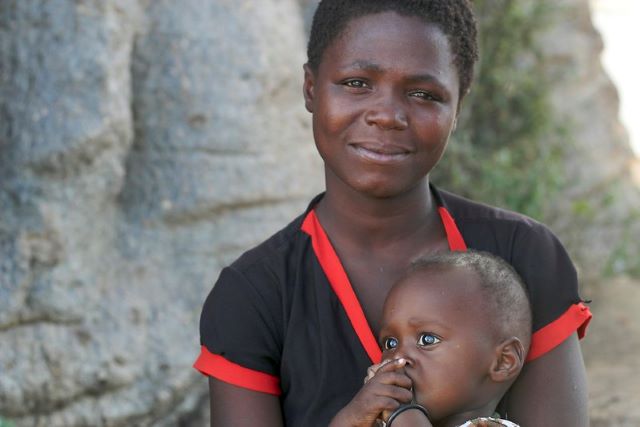
Lab-Grown Meat

Lab-grown meat, known alternatively as cultured meat, is an alternative application of stem cell technology typically used in medicine. Stem cells are extracted from an animal and converted to muscle cells. The cells are then cultured on a scaffold with nutrients and essential vitamins. From this point, they grow and can eventually be shaped into any desired form, such as sausages, hamburgers, steaks or mince. Lab-grown meat is being considered as a potential solution to food insecurity in impoverished countries as it takes much less time to grow, uses fewer of the planet’s resources and no animals need to be farmed or slaughtered.

The Arguments Against Cultured Meat

Those against the implementation of cultured meat as a tool in the struggle against world poverty point firstly to the impracticality of current production. The world’s first cultured burger, cooked on live TV in 2013, cost $330,000 to produce and more of its kind might not be commercially available for decades.

In addition to the practicality issue, critics also argue that providing meat grown in foreign labs to developing countries is not ultimately constructive. It creates a dependence on exports for food when most developing countries have the capabilities to produce their own food.

Most African and Asian countries used to be self-sufficient with regard to food production but this has changed over the last 30 years. Subsidized western-grown crops have been pushed on developing countries and barriers to markets have been lowered, allowing U.S. and European firms to export crops to developing countries.

Poverty Reduction Applicability

Kanayo Nwanze former president of the International Fund for Agricultural Development (IFAD), presented an argument in 2013 which has maintained support today. The argument is that the decline of agriculture in developing countries has been an effect of underinvestment as a result of structural adjustment programs pushed by the World Bank. The World Bank has funded numerous investment programs in recent years that aim to provide developing nations with western food as a means of poverty alleviation. Some argue that this is not a sustainable solution and will only lead developing nations to be dependent in the future. Instead of investing in big science, those looking to reduce global poverty should focus on supporting rural regions and small farmers.

Eat Just: Cultured Meat

Despite the existing criticism of cultured meat, supporters of this developing technology have reason to be optimistic. In December 2020, U.S. startup, Eat Just, became the first in the world to gain government approval to sell its product to the public. This approval came from the government of Singapore, which means cultured chicken will soon be available at an unnamed restaurant in Singapore. This is a landmark development for the cultured meat business. Following this gain of approval, more governments around the world may follow suit. According to Eat Just, cultured chicken nuggets will be available at “price parity for premium chicken you’d enjoy at a restaurant.”

The Potential of Lab-Grown Meat

The debate around the effectiveness of cultured meat as a tool in poverty reduction is justified and indeed necessary. Only after serious consideration and scrutiny does any new idea earn approval and the right to be implemented. Though right now it may seem that there are more arguments against its implementation than for, this is largely due to the novelty surrounding the idea. The technology and industry with regards to lab-grown meat as a whole are still in the early stages of development. The idea of lab-grown meat as a potential solution to hunger and poverty is being followed eagerly by supporters and skeptically by critics. Only time will tell whether this novel idea succeeds or falls short.

– Haroun Siddiqui
Photo: Flickr

February 13, 2021
https://borgenproject.org/wp-content/uploads/borgen-project-logo.svg 0 0 Yuki https://borgenproject.org/wp-content/uploads/borgen-project-logo.svg Yuki2021-02-13 01:30:522021-02-10 07:16:37Can Lab-Grown Meat Fight Poverty?
Developing Countries, Foreign Aid, Global Poverty, Humanitarian Aid

3 Countries Supported Through Iceland’s Foreign Aid 

Iceland’s Foreign AidIceland, located in the North Atlantic Ocean, has a population of fewer than 400,000 people. The small Nordic island is home to some of the most sought after natural landmarks and tourist attractions such as the northern lights. Although small, the country has provided big backing to countries triple its size through its foreign aid programs. In 2008, Iceland experienced what economists considered to be the most severe economic downturn in its history. After years of hard work, Iceland was able to rebuild its economy and rebounded successfully. Aside from the financial crisis in 2008, the country has been able to maintain relatively low poverty rates with rates remaining at 0.10% from 2013 to 2015. Iceland has paid its good fortune forward by offering assistance to countries experiencing economic fragility. The Icelandic government is committed to fighting poverty by providing support to nations in need. The main objective of Iceland’s foreign aid pursuits is to reduce poverty and hunger while advocating for human rights, gender equality and sustainable development. Three countries, in particular, have been supported by Iceland’s foreign aid.
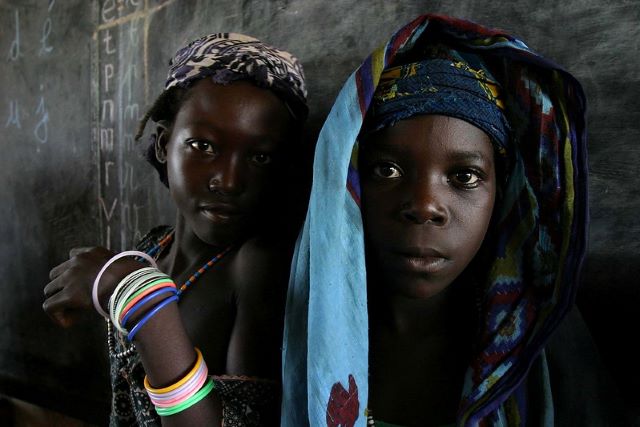
Syria

Syria has a long history of political turbulence with numerous uprisings dating back to the 20th century. One event, in particular, was especially tumultuous. In 2015, Syria had experienced a major political uproar in one of the largest and oldest cities in the country, Aleppo. “The Battle of Aleppo” began in 2011 in the city of Deraa. Citizens who opposed the leadership of President Bashar al-Assad decided to rebel. This led to a civil war between the Syrian government and protesters who the Syrian government referred to as rebels. The civil war that lasted six years had a detrimental impact on the citizens. There were massive food and gas shortages. Multiple buildings were victim to mass bombings, including schools and hospitals. Civilians were caught in the crossfire and suffered greatly as a result. Iceland stepped in to offer assistance and allocated $600,000 to support civilians impacted by the war in 2015. The country continued in its efforts by supporting Syria with $4 million worth of humanitarian aid in 2016.

Malawi

Malawi holds one of the highest rates of poverty in the world, at 51.5.% in 2016. Malnutrition and infant mortality impact Malawi’s 18.6 million population. The country has experienced notable economic growth in the past three years, with a 4.4% increase in economy in 2019. Unfortunately, these economic gains have been stalled as a result of the COVID-19 pandemic. In early November 2020, the Icelandic government donated $195,000 to the World Food Programme to assist with the COVID-19 response in Malawi.

Uganda

Uganda and Iceland established their relationship in the year 2000. The Icelandic government is committed to enhancing the livelihood of Ugandan fishing communities located in the Kalanga and Buikwe districts. Uganda is one of the largest recipients of Icelandic foreign aid with an annual distribution of $6 million. Iceland’s contributions have seen monumental success with safe water coverage now standing at 77%, up from 58% in 2015. The primary school completion rate in Buikwe is up from 40% in 2011 to a staggering 75.5%.

Iceland: A Foreign Aid Leader

While Iceland may be small in comparison to its peers, Iceland has been tremendously influential in its foreign relations. The three countries above are just a few of the nations that Iceland has assisted. Humanitarian efforts continue to provide support to countries in need through Iceland’s foreign aid.

– Imani Smikle
Photo: Flickr

February 12, 2021
https://borgenproject.org/wp-content/uploads/borgen-project-logo.svg 0 0 Kim Thelwell https://borgenproject.org/wp-content/uploads/borgen-project-logo.svg Kim Thelwell2021-02-12 07:31:182021-02-10 03:31:453 Countries Supported Through Iceland’s Foreign Aid 
Developing Countries, Food Insecurity, Global Poverty, Hunger, Refugees, United Nations

Central African Republic Refugees Return Home

Central African RepublicOne year after repatriation efforts began, refugees from the Central African Republic are returning home. Although repatriation operations began in November 2019, the return of refugees from the Central African Republic was delayed by the COVID-19 pandemic. Enhanced health and safety precautions made their return possible. The United Nations Refugee Agency, a U.N. agency responsible for protecting refugees, organized the implementation of health and safety precautions. Measures included the use of masks and temperature screening. Handwashing stations were also installed to prevent the spread of disease.

Central African Republic Refugees

Repatriation efforts began after security conditions in the Central African Republic improved. Stability in the country has developed at a slow pace. Less violence in regions of the Central African Republic known for volatile shifts prompted the voluntary return of refugees.

Beginning in 2012, violent confrontations between armed factions throughout the Central African Republic forced more than 500,000 people to flee. Thousands more went into hiding, often in the wilderness, where access to food and clean water is scarce. A staggering rate of poverty among citizens of the Central African Republic reflects years of political instability.

Poverty in the Central African Republic

Both domestically and abroad, refugees from the Central African Republic experience rates of extreme poverty and hunger. The Central African Republic was one of the last two countries on the 2018 Human Development Index ranking. Combined with the political instability of the nation, the Central African Republic’s low development score contributes to the nation’s high rate of poverty.

With a population of a little less than five million people, almost 80% of the country’s people live in poverty. While political instability is a major factor that contributes to the high rate of poverty in the country, meager production rates, insufficient markets and pronounced gender inequality also contribute to the high rate of poverty. Additionally, it is estimated that nearly half of the population of the country experiences food insecurity.

Alarmingly, almost 90% of food insecure individuals in the country are classed as severely food insecure, which is nearly two million people. This has particularly devastating effects for children aged between 6 months and 5 years old. More than one-third of all children within that age range are stunted due to lack of appropriate dietary nutrition.

The World Food Programme Alliance

In partnership with the government of the Central African Republic and other humanitarian organizations, the World Food Programme (WFP) provided emergency food and nutritional assistance to nearly 100,000 people, in 2018. This assistance was delivered to individuals who were affected by the violence that resulted from the coup in 2013, the civil violence that was unleashed by competing factions after the coup and the violence that continued through 2017, as hostility between armed groups was reignited. This method of the WFP’s humanitarian aid involves the distribution of food packages and the implementation of nutrition activities for children and pregnant mothers.

Time will tell whether refugees are returning to a country that will eventually provide for them. Through various initiatives, including Food Assistance for Assets and Purchase for Progress, the WFP hopes to turn civic, humanitarian functions over to the country’s government.

Food Assistance for Assets and Purchase for Progress

Both the Food Assistance for Assets and Purchase for Progress initiatives were designed by the United Nations to help partner nations achieve objectives set by the ‘Zero Hunger’ Sustainable Development Goal. Food Assistance for Assets “addresses immediate food needs through cash, voucher or food transfers.” Its response to immediate needs is paired with a long-term approach. Food Assistance for Assets “promotes the building or rehabilitation of assets that will improve long-term food security and resilience.”

Purchase for Progress works in tandem with Food Assistance for Assets. It is a food purchase initiative, whereby the WFP purchases more than $1 billion worth of staple food annually from smallholder farms. This food is used by the WFP in its global humanitarian efforts. Meanwhile, its ongoing investment in smallholder farms contributes to national economies.

Through the initiatives of the World Food Programme and its dedicated efforts for humanitarian assistance and hunger eradication, the Central African Republic will hopefully reach a point where its citizens never again have to flee the country they call home.

– Taylor Pangman
Photo: Flickr

February 12, 2021
https://borgenproject.org/wp-content/uploads/borgen-project-logo.svg 0 0 Yuki https://borgenproject.org/wp-content/uploads/borgen-project-logo.svg Yuki2021-02-12 07:30:082021-02-10 00:40:26Central African Republic Refugees Return Home
Children, Developing Countries, Global Poverty, Women, Women's Empowerment

Little Light Uganda: Empowering Ugandan Women

Little Light UgandaLittle Light Uganda is a nonprofit organization located in Namuwongo Slum, which is in Uganda’s capital, Kampala. Since its establishment in 2007, Little Light’s mission has been to provide aid to those in the community who are living in poverty.
Little Light Helps Uganda

Uganda’s economy has had a reduction in growth because of the COVID-19 pandemic, a locust invasion and heavy rains that led to flooding. With subsequent job loss along with the economic decline, programs like Little Light Uganda are essential for giving help to those in need. Little Light’s services include “giving access to proper education, economic empowerment and psycho-social support.”

Little Light Uganda has two groups in the organization, its youth group and its women’s group. The youth group, officially known as Spoon Youth, aims to provide the young people in Namuwongo a safe and reliable environment. The group also educates children on how to navigate life living in poverty, including matters of crime and violence. Children and youth make up more than 70% of Namuwongo’s population, half of them without parents, which is why Little Light works to provide them sanctuary and resources.

Women’s Empowerment Group

The mothers of children in the youth group are invited into Little Light’s women’s empowerment group, called “Umoja,” which is Swahili for “Unity.” The group’s mission is to give women living in the Namuwongo slum tools to better their economic and social situation. Members of the women’s group meet every afternoon at the organization to make authentic African jewelry from recycled newspapers and hand-rolled beads. The jewelry is marketed in Uganda and abroad to provide an income and livelihood for women.

Mama Pendo Jewelry

The name the group has coined for the jewelry brand is Mama Pendo, which translated from Kiswahili means “The Mother of Love.” The initiative aims to improve the quality of life for refugees and single mothers trying to provide their children with an education.

Little Light Uganda volunteers have worked with the women to support their hard work and create a website for their jewelry to be sold. The proceeds from sold jewelry go toward projects the women feel passionate about, all of which intend to benefit the conditions for struggling women and other vulnerable individuals.

Combating Malaria and COVID-19

One of the group’s projects is dedicated to fighting malaria in Uganda, which is one of the main causes of death in the country. According to the American Journal of Tropical Medicine & Hygiene, between 70,000 to 100,000 children in Uganda die from the disease every year. The group uses money earned from sold bracelets to buy an organic mosquito-repellent soap, which is given to disadvantaged families that live in places that are more vulnerable to malaria.

The women have also created an initiative to combat COVID-19. Since hygiene is an essential tool for preventing the spread of the virus, the group has pledged one bar of soap for a family in Namuwango living in poverty for every website purchase.

Women’s Empowerment for Poverty Reduction in Uganda

Little Light Uganda does a lot for its community with initiatives like the Mama Pendo project. Not only is the organization helping those in need but it is also empowering women living in poverty. Women with more resources and liberation are more likely to pursue their own education and prioritize the health, nutritional and educational needs of their children.

– Celia Brocker
Photo: Flickr

February 12, 2021
https://borgenproject.org/wp-content/uploads/borgen-project-logo.svg 0 0 Kim Thelwell https://borgenproject.org/wp-content/uploads/borgen-project-logo.svg Kim Thelwell2021-02-12 06:17:422021-02-12 06:17:42Little Light Uganda: Empowering Ugandan Women
Children, Developing Countries, Education, Global Poverty, Poverty Eradication, USAID

USAID Helps Youth Development in the Philippines 

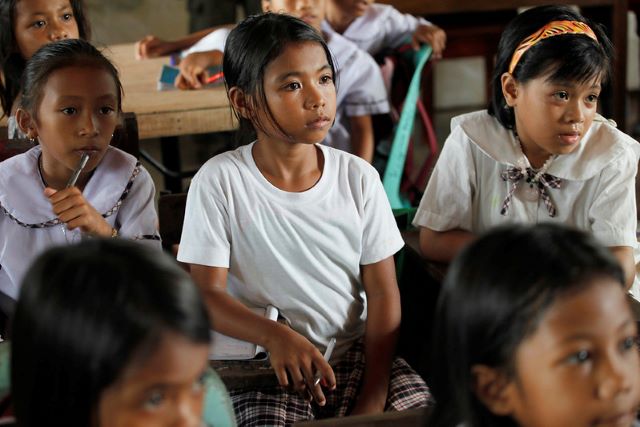
Youth Development in the PhilippinesThe Philippines has an opportunity for rapid economic growth and the potential to greatly innovate industry across the country. This opportunity comes from the number of young people in the country. Young people account for 50% of the entire population of the nation, leaving it with immense potential for economic growth as these young people begin to enter the workforce. Youth development in the Philippines is crucial for the country’s transformation into a resilient nation.
The Education Problem

Unfortunately for the Philippines, an alarming portion of these young people are currently not in any form of education or employment. One-fifth of all youth in the Philippines are either jobless or not attending school or employment training.

Even before the COVID-19 pandemic, the Philippines was facing an education crisis. The country placed last in reading comprehension and second to last in both science and mathematics in an international student assessment.

USAID: Youth Development in the Philippines

USAID has committed to help improve and promote public education and other forms of education in the Philippines. Starting in 2018, USAID began a five-year effort to create a series of programs aimed at uplifting economically disenfranchised Filipino youth who are at the most risk of poverty.

One program, in particular, YouthWorks PH is a five-year partnership between USAID and the Philippine Business for Education that engages the private sector to address the education needs of youth as well as the skill requirements of employers. This partnership will improve access to training and employment opportunities for at least 40,000 youth through an innovative work-based training approach. Young people are able to earn a competency certificate from a university or training institute while working in partner companies.

More than 5,000 young Filipinos will have access to free technical and vocational training as a result of this initiative partnering with Aboitiz Construction and D.M. Consunji, Inc. (DMCI), two of the biggest construction companies in the country.

This type of on-site vocational training will help prepare youth for well-paid employment opportunities and will create more skilled workers in the Philippines.

There are also other programs created by USAID specifically to increase the quality and accessibility of education in the Philippines. All Children Reading (ACR), is a program to increase the reading skills of Filipino children. ABC+ aims to address the interconnected factors that contribute to low education outcomes in the poorest performing areas of the Philippines.

Youth Development Potential

Young Filipino people could potentially bring about massive economic growth in the country. In order to fully capitalize on this opportunity, resources and development opportunities must be provided to the youth so that they can fully integrate into the workforce as skilled workers. For this reason, the youth development work of USAID is integral. Not only will it lift thousands of poor Filipino youth out of poverty but it will help create a stronger economy for the Philippines.

– Christopher McLean
Photo: Flickr

February 12, 2021
https://borgenproject.org/wp-content/uploads/borgen-project-logo.svg 0 0 Kim Thelwell https://borgenproject.org/wp-content/uploads/borgen-project-logo.svg Kim Thelwell2021-02-12 05:33:352021-02-12 05:33:35USAID Helps Youth Development in the Philippines 
Developing Countries, Global Poverty, Health, USAID, War and Violence

USAID: Agent Orange Cleanup in Vietnam

Agent Orange Cleanup As the United States fought its campaign against North Vietnamese forces during the Vietnam War, part of the military’s strategy included the deployment of Agent Orange, a chemical weapon used to defoliate jungles to expose enemy positions. The toxin was heavily used and has had disastrous health and environmental effects. Now, the United States is leading Agent Orange cleanup efforts in Vietnam. USAID is taking the charge to continue its environmental restoration efforts.

USAID’s Agent Orange Cleanup Commitment

In December 2020, USAID announced that it would commit to contributing an additional $20 million to cleaning up Agent Orange residue around the Bien Hoa Airbase, a major military base used by the United States during the Vietnam War. The airbase was used to store various types of munitions, including chemical weapons such as Agent Orange.

This adds to the $90 million that has already been committed to cleaning up the area around the Bien Hoa Airbase. Planning for the multi-year cleanup operation will be conducted by Trigon Associates, a woman-owned business based in Louisiana.

This recent contribution is part of USAID’s wider Environmental Remediation program, which seeks to decontaminate areas with high concentrations of residual Agent Orange throughout Vietnam. USAID has already completed a major decontamination project in Danang, which remediated 32.4 hectares between 2012 and 2018 at a cost of $110 million.

The current decontamination effort in Bien Hoa is set to last until 2030 and is projected to cost upwards of $183 million. According to USAID, Bien Hoa is the last remaining Agent Orange hotspot in Vietnam. These Agent Orange cleanup efforts are significant as they cleanse Vietnam of a chemical toxin that has been a source of much human and environmental suffering that has lingered for decades.

Agent Orange: Health Impact

According to the United States Department of Veterans Affairs, exposure to Agent Orange is linked to Hodgkin’s disease, ischemic heart disease, Parkinson’s and prostate cancer, among other life-threatening illnesses. Its widespread use means that an untold number of both U.S. veterans and Vietnamese civilians were exposed to the toxin and are at risk of developing these conditions.

Agent Orange exposure has also been linked to birth defects in the children of those who have been exposed. An analysis by ProPublica indicated that the likelihood of having children born with birth defects was more than one-third higher for veterans exposed to Agent Orange versus those who were not.

In addition to causing the grave environmental harm of defoliation, Agent Orange has caused multi-generational human suffering. After spraying more than 20 million gallons of the defoliate over a period of 10 years between 1961 and 1971, the United States is now leading the campaign to clean up harmful residue and protect the people of Vietnam from further exposure.

International Partnership Between Old Foes

The fight against global poverty breaks down barriers and fosters closer ties between international partners, even ones that were once engaged in protracted conflict. Where the United States and Vietnam were once enemies, they are now cooperating in the Agent Orange cleanup, undoing the lingering effects of a brutal war and paving the way for mutually beneficial economic development.

– John Andrikos
Photo: Flickr

February 11, 2021
https://borgenproject.org/wp-content/uploads/borgen-project-logo.svg 0 0 Yuki https://borgenproject.org/wp-content/uploads/borgen-project-logo.svg Yuki2021-02-11 07:30:492024-05-30 07:56:18USAID: Agent Orange Cleanup in Vietnam
Children, Developing Countries, Global Poverty, Health, Humanitarian Aid

Improvements to Healthcare in Mozambique

Healthcare in MozambiqueThe state of healthcare in Mozambique has drastically changed in the last few decades. While Mozambique was once a country with little access to healthcare services, the country has decreased mortality rates since the launch of its Health Sector Recovery Program after the Mozambican civil war, with assistance from the World Bank.

History of Mozambique

The Mozambican civil war that took place from 1977-1992 had lasting effects on the country’s healthcare system and economy, resulting in limited funding for health services and insufficient access to care providers.

The Health Sector Recovery Program was launched in 1996 in order to refocus on funding healthcare in Mozambique, which desperately needed expanded resources to address the growing health crises. New health facilities were constructed throughout the country increasing accessibility to healthcare. The number of health facilities in Mozambique from the start of the civil war to 2012 quadrupled from 362 to 1,432 and the number of healthcare workers increased along with it.

Improvements to Healthcare and Accessibility

About 30 years ago, Mozambique had one of the highest mortality rates for children under 5 but was able to significantly reduce this number after the success of the Health Sector Policy Program. In 1990, this rate was 243.1 mortalities per 1,000 children. The rate has been reduced to 74.2 mortalities as of 2019. Maternal health was also targeted by the program, with increased health facility births from 2003 to 2011.

Conflict in Cabo Delgado

Despite these improvements to healthcare in Mozambique, Cabo Delgado, a northeastern province, is facing one of the worst healthcare crises in the country since violence struck the area in October 2017. Conflict between non-state armed forces clashing with security forces and other armed groups has caused more than 200,000 people in the area to become internally displaced. Coupled with the aftermath of Hurricane Kenneth, one of the strongest hurricanes to hit Africa, the area is facing severe food shortages and lack of shelter for people.

Cabo Delgado has also seen a rise in COVID-19 cases and other diseases such as cholera, diarrhea and measles, resulting from inadequate clean water and sanitation.

Intervention by UNICEF

On December 22, 2020, UNICEF shared a press release on the increased need for healthcare in Cabo Delgado. As the rainy season begins, there is an increased risk for deadly disease outbreaks. It appealed for $52.8 million in humanitarian assistance for 2021 projects aimed at aiding Mozambique.

UNICEF is expanding its water and sanitation response in order to prevent the outbreak of water-borne diseases like cholera and the further spread of COVID-19.

UNICEF also aims to give crucial vaccines to children in Mozambique, increasing its numbers from 2020. The 2021 targets include vaccinating more than 67,000 children against polio and more than 400,000 measles vaccinations. Children will also be treated for nutritional deficiencies from food insecurity and UNICEF plans to screen more than 380,000 children under 5 for malnourishment and enroll them in nutritional treatment programs.

Mental health support services will be provided to more than 37,000 children and caregivers in need, especially those experiencing displacement from armed conflict and those affected by COVID-19.

The Future of Healthcare in Mozambique

While healthcare in Mozambique has significantly improved in the last few decades, a lack of health services still affects the country’s most vulnerable populations. Aid from international organizations like UNICEF aims to tackle these issues to improve healthcare in Mozambique.

– June Noyes
Photo: Flickr

February 11, 2021
https://borgenproject.org/wp-content/uploads/borgen-project-logo.svg 0 0 Kim Thelwell https://borgenproject.org/wp-content/uploads/borgen-project-logo.svg Kim Thelwell2021-02-11 01:30:552024-05-30 07:56:21Improvements to Healthcare in Mozambique
Child Poverty, Children, Developing Countries, Education, Global Poverty, Poverty Eradication

5 NGOs Improving Education in Cambodia

Improving education in CambodiaCambodia has come a long way in eliminating poverty. From 2007 to 2014, Cambodia’s poverty rate decreased by about 30% and it is now a middle-income country. However, one pressing issue that continues to trouble the country is access to education, particularly for those living in extreme poverty and rural areas. The good news is that several organizations are improving education in Cambodia by increasing access and tackling obstacles head-on.

Cambodian Children’s Fund

The Cambodian Children’s Fund (CCF) works in Phnom Penh, Cambodia’s Stung Meanchey district. Though the organization’s focus is on improving education in Cambodia, CCF starts by providing basic needs to the families living in the highly impoverished area that was once a dumping ground. This meant building suitable shelters and homes for families living in makeshift tents.

Once CCF helped provide essentials, the focus turned toward providing stable education for children, while their parents scavenged the junkyard to earn whatever income they could. Children that started in extreme poverty were now attending primary school through high school due to CCF. In 15 years, CCF provided education for more than 3000 children, and of those that started early in the program, nearly 70% were attending college.

Pour un Sourire d’Enfant (PSE)

French expatriates Christian and Marie-France des Pallières, created PSE when the couple traveled to Cambodia and noticed the number of children experiencing extreme poverty. The couple spent two decades advocating for children living in poverty in Cambodia, commuting between there and Europe.

Initially starting in Phnom Penh, PSE now has more than 6000 students benefitting from the organization’s projects throughout Cambodia, including more rural areas near Siem Reap and Sihanoukville. PSE provides everything from food to healthcare and enrolls children in state or corrective schools depending on their needs. Cambodia’s Ministry of Education has noticed success in PSE’s remedial schools. The PSE approach, now utilized by the government, will be improving education in Cambodia for 6000 children per annum.

Khmer NGO for Education (KHEN)

In 2014, KHEN changed direction from being a health education organization to highlight children’s rights. Now, KHEN is a large-scale NGO focused on improving education in Cambodia’s rural Battambang province for traditionally unprotected children, including those with disabilities, girls, minorities and children living in extreme poverty.

KHEN operates in more than 100 schools, most of which were built by the group, and serves more than 10,000 children. It has a long-term focus on education while also protecting children from human trafficking and poor health. Facing the COVID-19 pandemic, KHEN acted swiftly to modify its schools to be open-air and socially distanced, with sanitation stations. Teachers and volunteers received education on preventing the spread of COVID-19 and home-learning tactics changed as well.

Cambodian Community Dream Organization

The Cambodian Community Dream Organization (CCDO) was founded by U.S citizen, Jenni Lipa, who exclusively worked on building water wells in the rural areas around Siem Reap. Now, CCDO improves lives by providing sanitary services, health programs and extensive education systems. CCDO keeps costs low by using local and international volunteers and local paid staff.

There are three schools CCDO operates in, centered on English learning. CCDO offers a schooling experience like most developed countries, with physical education, libraries, playgrounds, arts and crafts and computer workshops. Children enrolled in the programs are particularly fond of the library. CCDO also provides early childhood education programs and gives students who excel in their classes opportunities for high school and university scholarships.

People Improvement Organization

Since 2002, the People Improvement Organization (PIO) has operated in poverty-stricken areas of Phnom Penh. Phymean Noun, a native Cambodian, believed the children scrounging through junk piles to make a living deserved a chance to achieve their dreams. The decision she made was to improve education in Cambodia in order to end child poverty.

PIO believes in providing high-quality education to all children in need. All students attend PIO schools voluntarily, but PIO provides clothes, food, clean water, full social care and health services. Many children who scavenged through junkyards to survive have been pulled out of poverty and are now attending PIO high schools and even university.

NGOs have helped reduce child poverty in Cambodia through better access and improvements in education. The low costs in Cambodia allow new organizations to form rapidly and successfully. Through similar philanthropic efforts toward improving education in Cambodia, child poverty can be successfully combated.

– Zachary Kunze
Photo: Flickr

February 10, 2021
https://borgenproject.org/wp-content/uploads/borgen-project-logo.svg 0 0 Kim Thelwell https://borgenproject.org/wp-content/uploads/borgen-project-logo.svg Kim Thelwell2021-02-10 07:30:502021-02-08 06:54:505 NGOs Improving Education in Cambodia
Child Poverty, Children, Developing Countries, Education, Food Insecurity, Global Poverty

The Issue of Child Poverty in Burundi

Child Poverty in BurundiThe East African country of Burundi is one of the poorest in the world. Its meager economy relies heavily on rainfed agriculture, which employs approximately 90% of the people there. Burundi is Africa’s most population-dense country and nearly three out of every four people live below the poverty line. One of the lamentable realities of Burundi’s poverty is the effects it has on children. Child poverty is a serious issue in Burundi and the country has a current score of 5.46/10 on Humanium’s “Realization of Children’s Rights Index.”  Burundi is deemed a black level country by Humanium, meaning that the issue of children’s rights is very serious.

The State of Child Poverty in Burundi

In Burundi, 78% of children live in poverty. Poverty especially affects children in the rural parts of the country. Poverty also disproportionately affects children of the indigenous Batwa people. Additionally, child poverty in Burundi has seen an unfortunate and notable increase since 2015, when violent unrest occurred following President Pierre Nkurunziza’s announcement of a third term, which was unconstitutional. The roots of the poverty problem in Burundi stem from a few different factors, the most predominant one being hunger.

Chronic Hunger in Burundi

Despite having an agriculture-centric economy, more than half of Burundians are chronically hungry.  The lack of food in the country is due to the fact that even at the peak of the harvesting season, food production is too low to sustain the population. Food production in Burundi can only cover a person for 55 days of the year. The lack of food also means prices are much higher. As a result, it is not uncommon for households to spend up to two-thirds of their incomes on food, even during harvesting season. One reason for Burundi’s difficulties in growing enough food has been frequent natural disasters that destroy crops and yields.

Hunger and Education

Hunger is so prevalent and intense in Burundi that despite having free and compulsory school for children between the ages of 7 and 13, the country faces growing dropout rates due to hunger. Another problematic issue for Burundian children facing poverty is schooling after the age of 13. After 13, school is neither free nor compulsory, making it exponentially less accessible and thus reducing opportunities for upward mobility. Much of Burundi’s education system has been negatively affected by Burundi’s civil war, as schools were destroyed and teachers were unable to teach.

Street Children in Burundi

Burundi has many “street children.” As the name suggests, these children live on the streets and are incredibly poor, left to fend for themselves. Street children have no humanitarian assistance from the government and consistently face police brutality, theft and arrests. Kids in Burundi become street children because families are sometimes too poor and hungry to stay together or they have to flee from child abuse or family conflict.

Organizations Addressing Child Poverty in Burundi

Although the reality of the child poverty situation in Burundi is dire, there are good things being done to improve the situation. While the government in Burundi is not providing adequate help, there are several humanitarian organizations providing assistance to those in need.

The NGO, Humanium, works on raising awareness, partnering with local projects to help children and providing legal assistance to victims of children’s rights abuses. The World Food Programme (WFP) has also been working in Burundi since 1968 by providing food such as school meals, malnutrition rehabilitation to starved children and helping to improve food production. Additionally, organizations like Street Child are working to build schools and eliminate as many barriers to education as possible for children in Burundi and elsewhere. Groups like the WFP, Humanarium and Street Child do substantial work to help children in Burundi. It is vital that the work continues and that more organizations participate in alleviating child poverty in Burundi.

– Sean Kenney
Photo: Flickr

February 10, 2021
https://borgenproject.org/wp-content/uploads/borgen-project-logo.svg 0 0 Lynsey Alexander https://borgenproject.org/wp-content/uploads/borgen-project-logo.svg Lynsey Alexander2021-02-10 07:30:242021-02-08 05:07:38The Issue of Child Poverty in Burundi
Page 61 of 157«‹5960616263›»

Get Smarter

  • Global Poverty 101
  • Global Poverty… The Good News
  • Global Poverty & U.S. Jobs
  • Global Poverty and National Security
  • Innovative Solutions to Poverty
  • Global Poverty & Aid FAQ’s
Search Search

Take Action

  • Call Congress
  • Email Congress
  • Donate
  • 30 Ways to Help
  • Volunteer Ops
  • Internships
  • Courses & Certificates
  • The Podcast
Borgen Project

“The Borgen Project is an incredible nonprofit organization that is addressing poverty and hunger and working towards ending them.”

-The Huffington Post

Inside The Borgen Project

  • Contact
  • About
  • Financials
  • President
  • Board of Directors
  • Board of Advisors

International Links

  • UK Email Parliament
  • UK Donate
  • Canada Email Parliament

Get Smarter

  • Global Poverty 101
  • Global Poverty… The Good News
  • Global Poverty & U.S. Jobs
  • Global Poverty and National Security
  • Innovative Solutions to Poverty
  • Global Poverty & Aid FAQ’s

Ways to Help

  • Call Congress
  • Email Congress
  • Donate
  • 30 Ways to Help
  • Volunteer Ops
  • Internships
  • Courses & Certificates
  • The Podcast
Scroll to top Scroll to top Scroll to top