• Link to X
  • Link to Facebook
  • Link to Instagram
  • Link to TikTok
  • Link to Youtube
  • About
    • About Us
      • President
      • Board of Directors
      • Board of Advisors
      • Financials
      • Our Methodology
      • Success Tracker
      • Contact
  • Act Now
    • 30 Ways to Help
      • Email Congress
      • Call Congress
      • Volunteer
      • Courses & Certificates
      • Be a Donor
    • Internships
      • In-Office Internships
      • Remote Internships
    • Legislation
      • Politics 101
  • The Blog
  • The Podcast
  • Magazine
  • Donate
  • Click to open the search input field Click to open the search input field Search
  • Menu Menu

Archive for category: Developing Countries

Information and stories about developing countries.

Developing Countries, Global Poverty, Health, Malaria

Formative Supervision Improves Healthcare in Angola 

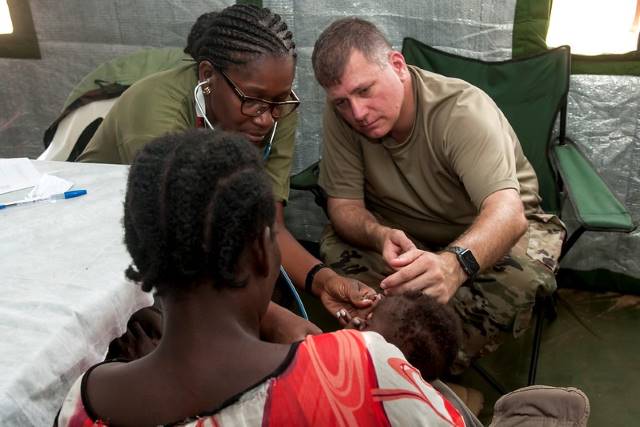
Formative SupervisionWith a population of about 30 million, many Angolans do not have access to adequate healthcare. The limited access to quality healthcare is due to decreased funding due to the Angolan Government’s budget restrictions. The lack of funding affects the quality of public healthcare which people can receive at no cost. The public healthcare sector in Angola does not have enough healthcare providers with proper training and resources. The lack of resources in healthcare reflects in the low ratio of about one health center per 25,000 people and more than 50% of people are without access to healthcare services. In recent years, USAID’s Health for All project, using the Health Network Quality Improvement System (HNQIS), has implemented formative supervision in Angola. Implementing formative supervision in Angola has shown to improve the quality of healthcare by increasing the number of healthcare providers with proper training.

USAID’s Health for All Project

USAID’s Health for All program is a five-year project that began in 2017. It works with the Angolan Government to help improve the quality and access to healthcare in the country. The project’s focus is on addressing the issues of malaria and reproductive health since those are two of the main health concerns affecting the people of Angola. With the current funding being at $63 million, the program has been able to train 1,489 health professionals on how to diagnose and treat malaria and created reproductive health services in 42 health facilities.

The program’s use of formative supervision in Angola has helped in educating and providing healthcare workers with the necessary tools to effectively care for patients. The Health Network Quality Improvement System is the main tool that USAID uses to help improve the quality of healthcare because the system is used to evaluate the performance of individual healthcare providers. By tracking the performance of the healthcare providers in Angola, USAID can more easily determine which areas of the healthcare system need improvement. Under the Health for All program, USAID has been using formative supervision with healthcare providers who specifically tend to cases of malaria and reproductive health.

The Benefits of Formative Supervision

From October 2019 to March 2020, the Health for All project recorded improvements in the quality of healthcare through the use of formative supervision in 276 out of 360 Angolan health facilities with prenatal services. In addition to tracking the performance in maternal and reproductive health, the supervision has also helped in finding the areas in which the management of malaria has been lacking. There are now about 1,026 health providers that have been properly trained in managing malaria cases as a result of the project. This has in turn indirectly improved the quality of care regarding maternity since malaria causes 25% of maternal deaths in Angola.

Besides increasing the amount of funding that goes toward healthcare, the Health for All project has used such funding to be more interactive with healthcare facilities through the use of formative supervision in Angola. Formative supervision has shown to drastically improve the quality of care in the areas of malaria and reproductive health as supervision allows trained health officials to identify and fix integral issues pertaining to healthcare in Angola.

– Zahlea Martin
Photo: Flickr

February 26, 2021
https://borgenproject.org/wp-content/uploads/borgen-project-logo.svg 0 0 Jennifer Philipp https://borgenproject.org/wp-content/uploads/borgen-project-logo.svg Jennifer Philipp2021-02-26 01:30:452024-05-30 07:55:59Formative Supervision Improves Healthcare in Angola 
Developing Countries, Global Poverty, Health

Mental Health Resources in Developing Countries

Mental Health Resources Physical health is often the focus of healthcare advocacy groups, but mental health needs to be improved around the world just as much. While some still consider mental health a taboo subject, it is important to improve the lives and prospects of those in poverty. The violence and trauma that often go hand-in-hand with extreme poverty can cause mental health issues. Proper care is often lacking but organizations are stepping up to the challenge. There are several organizations providing mental health resources in developing countries.

The Africa Mental Health Research and Training Foundation (AMHRTF)

AMHRTF focuses on providing mental health services in developing countries like Kenya. The organization prioritizes community health, making it a point to educate and serve community members of all ages from children to the elderly. It puts special focus on pregnancy and postpartum mental healthcare and trauma-related mental health disorders. In addition, the organization employs professionals with a wide range of specialties in order to implement holistic care. AMHRTF aims to make mental healthcare in Kenya available and accessible.

Strong Minds

Strong Minds focuses on providing mental health services in developing countries throughout the African continent. Specifically, the organization works toward ending Africa’s depression epidemic and reaching the most vulnerable women with depression in sub-Saharan Africa. After conducting research on the most effective and cost-efficient ways to conduct programs, Strong Minds settled on a model of consistent group therapy for a period of 12 weeks that a trained community member led. Qualifying to receive training as a group leader does not require a high level of formal education beforehand and is therefore accessible to members of communities in extreme poverty. These groups are extremely effective at reducing the cases of depressive episodes and providing coping mechanisms.

The World Federation for Mental Health

The World Federation for Mental Health emerged in 1948 and has been active in several different areas of mental health services since. The organization’s focus is destigmatizing mental illness and advocating for international and national mental health policies for the underserved. The organization helps to organize mental health awareness activities and events around the world and educate the public on mental health conditions. It also aims to improve care, treatment and recovery of people with mental disorders.

Federation Global Initiative on Psychiatry

The Federation Global Initiative on Psychiatry initially provided mental health services in developing countries in Europe with a special focus on nations that were previously part of the USSR. The organization’s work has now spread to include other regions too. The organization advocates for mental health care as a human right and assists people with mental health disorders, intellectual disabilities and trauma-based disorders. Like Strong Minds, the Federation Global Initiative on Psychiatry focuses on improving mental health options and services on a community level by working with local negative forms of mental illness management and helping to create more positive treatment options. The organization’s decentralized approach makes solutions more sustainable in the long term.

Center for Health and Human Development

Mental Health International, under the umbrella of the organization Center for Health and Human Development, helps to provide mental healthcare in El Salvador and other developing countries like Burundi and the Democratic Republic of Congo. The organization aims to destigmatize mental illness and form a network of NGOs to provide care to people with mental health disorders like depression and schizophrenia. Mental Health International also provides self-empowerment techniques along with training and classes for mental health caregivers.

All the above organizations work to improve and provide mental health resources in developing countries and create a world in which everyone in need has access to sufficient care.

– Che Jackson
Photo: Flickr

February 26, 2021
https://borgenproject.org/wp-content/uploads/borgen-project-logo.svg 0 0 Kim Thelwell https://borgenproject.org/wp-content/uploads/borgen-project-logo.svg Kim Thelwell2021-02-26 01:30:082024-06-06 00:59:29Mental Health Resources in Developing Countries
Developing Countries, Global Poverty, Health

7 Key Facts About Healthcare in Colombia

Healthcare in ColombiaColombia’s healthcare system is not perfect but it also far from inadequate. Located in the northernmost part of South America, Colombia has estimable healthcare provision for the country’s people. With both public and private insurance plans, reputable facilities and well-equipped healthcare providers, Colombia sets an example of what sufficient healthcare looks like in a developing country. To understand this better, it is necessary to know some key facts about healthcare in Colombia.

7 Facts About Healthcare in Colombia

  1. Healthcare in Colombia ranked 22nd out of 191 healthcare systems in overall efficiency, according to the World Health Organization. For perspective, the United States, Australia, Canada and Germany ranked 37th, 32nd, 30th and 25th respectively.
  2. Colombia’s healthcare system covers more than 95% of its population.
  3. Indigenous people are considered a high-risk population due to insufficient access to healthcare in indigenous communities in Colombia. Specifically, they are more vulnerable to COVID-19 due to this lack of healthcare access and significant tourist activities in indigenous regions increase the risk of spread. Robinson López, Colombian leader and coordinator for Coordinadora de las Organizaciones Indígenas de la Cuenca Amazónica (COICA), said in March 2020 that tourism in indigenous territories in Latin America should stop immediately to curb the spread of COVID-19.
  4. There are inequities in the utilization of reproductive healthcare by ethnic women in Colombia, according to a study. Self-identified indigenous women and African-descendant women in the study had considerably less likelihood of having an adequate amount of prenatal and postpartum care.
  5. The Juanfe Foundation is a Colombian-based organization that promotes the physical, emotional and mental health of vulnerable and impoverished adolescent mothers and their children. So far, the organization has supported more than 250,000 people. The Juan Felipe Medical Center served 204,063 individuals — 20% of the population in Cartagena, Colombia. The organization also saved the lives of 4,449 infants through its Crib Sponsoring Program.
  6. In 2019, four of the top 10 hospitals in Latin America were in Colombia and 23 of the top 55, according to América Economía.
  7. Colombia secured nine million doses of the COVID-19 vaccine from Johnson & Johnson in December 2020. Combined with the doses it will receive from Pfizer, AstraZeneca Plc, COVAX and other finalizing deals, Colombia will be able to vaccinate 35 million people within its population of 49.65 million, striding toward herd immunity.

Recognizing Colombia’s Healthcare System

Simultaneously recognizing the current inequities and challenges alongside the positives in Colombia’s healthcare system is the true key to understanding it and the individuals depending on it overall. Despite attention-worthy deficits, healthcare in Colombia stands out in Latin America and in the world as high quality, widespread and respectable. The country’s healthcare is contributing to the well-being of many and the future ahead looks promising.

– Claire Kirchner
Photo: Flickr

February 26, 2021
https://borgenproject.org/wp-content/uploads/borgen-project-logo.svg 0 0 Lynsey Alexander https://borgenproject.org/wp-content/uploads/borgen-project-logo.svg Lynsey Alexander2021-02-26 00:22:292024-05-29 23:00:047 Key Facts About Healthcare in Colombia
Developing Countries, Global Poverty, Health

Healthcare: Telemedicine Clinics in Guatemala

Telemedicine Clinics in GuatemalaNew telemedicine clinics in Guatemala are providing vital resources to women and children living in remote areas with limited access to healthcare specialists. This advancement in healthcare technology increases Guatemala’s healthcare accessibility and follows a trend of a worldwide increase in telemedicine services.

Guatemala’s New Telemedicine Clinics

Guatemala’s Ministry of Public Health and Social Assistance (MSPAS), in conjunction with the Pan American Health Organization (PAHO) and the World Health Organization, launched four new telemedicine clinics in Guatemala in December 2020.

The clinics were designed to improve accessibility to doctors and specialists for citizens living in rural areas, where unstable or lengthy travel can deter patients from getting the care they need. Lack of staff is another barrier telemedicine hopes to overcome. Special attention will be given to issues of child malnutrition and maternal health.

The funding of the program was made possible through financial assistance from the Government of Sweden and the European Union. aimed at increasing healthcare access in rural areas across the world.

Guatemala’s State of Healthcare

Roughly 80% of Guatemala’s doctors are located within metropolitan areas, leaving scarce availability for those living in rural areas. Issues of nutrition and maternal healthcare are special targets for the new program due to the high rates of child malnutrition and maternal mortality in Guatemala.

Guatemala’s child malnutrition rates are some of the highest in all of Central America and disproportionately affect its indigenous communities. Throughout the country, 46.5% of children under 5 are stunted due to malnutrition.

Maternal death rates are high among women in Guatemala but the country has seen a slow and steady decline in maternal mortality over the last two decades. The most recently reported maternal death rate is 95 per 100,000 births.

Guatemala does have a promising antenatal care rate, with 86% of women receiving at least four antenatal care visits during their pregnancies. By increasing the access to doctors through telemedicine clinics, doctors can better diagnose issues arising during pregnancy and prepare for possible birth difficulties that could result in maternal death.

Guatemala’s COVID-19 rates have also impacted the ability of patients to seek healthcare. The threat of the virus makes it difficult for those traveling to seek medical treatment due to the risk of contracting COVID-19.

Trends in Worldwide Telemedicine

The world has seen a rise of telemedicine clinics as the pandemic creates safety concerns regarding in-person visits with doctors. Doctors are now reaching rural communities that previously had little opportunity to access specialized medicine. Telemedicine is an important advancement toward accessible healthcare in rural areas. While the telemedicine clinics in Guatemala are limited in numbers, they set an important example of how technology can be utilized to adapt during a health crisis and reach patients in inaccessible areas.

– June Noyes
Photo: Flickr

February 25, 2021
https://borgenproject.org/wp-content/uploads/borgen-project-logo.svg 0 0 Yuki https://borgenproject.org/wp-content/uploads/borgen-project-logo.svg Yuki2021-02-25 06:48:242021-02-25 06:48:24Healthcare: Telemedicine Clinics in Guatemala
Developing Countries, Development, Global Poverty

How the RCEP Will Benefit Asia’s Impoverished

RCEP will benefit Asia's impoverishedOn November 15, 2020, 15 Asia-Pacific countries signed The Regional Comprehensive Economic Partnership (RCEP). The RCEP is a free trade agreement (FTA) establishing new relationships in the global economy. The 15 countries that signed the trade deal account for 30% of all global gross domestic product and impact more than two billion people. The new economic opportunities that will emerge from the RCEP will benefit Asia’s impoverished.

The Introduction of the RCEP

In 2011, the Association of Southeast Asian Nations (ASEAN) Summit introduced the RCEP. Simultaneously, another free trade agreement, the Trans-Pacific Partnership (TPP), was undergoing development. The TPP’s existence failed to come to fruition when former U.S. president, Donald Trump, removed the U.S. from negotiations in 2017. Consequently, this led many Asia-Pacific nations to negotiate with each other to make the RCEP become a reality. The ASEAN Secretariat has declared the RCEP as an accelerator for employment and market opportunities. The RCEP has been seen as a response to the absence of U.S. economic involvement and a form of stimulating the economy due to the COVID-19 pandemic.

RCEP Regulations

The RCEP has a set of new regulations that made it enticing for many nations to join. As much as 90% of tariffs will be eliminated between participating countries. Moreover, the RCEP will institute common rules for e-commerce and intellectual property. The trade deal will also include high-income, middle-income and low-income nations.

RCEP Benefits for the Philippines

Allan Gepty, a lead negotiator from the Philippines, assures that the RCEP will benefit the low-income country in many ways. The RCEP will mean more investments in sectors such as e-commerce, manufacturing, research and development, financial services and information technology. Moreover, the trade secretary, Ramon Lopez, also believes the Philippines will benefit because the RCEP will bring job opportunities. In a country where the poverty rate stood at 23.3% in 2015, the RCEP will benefit Asia’s impoverished.

Supporting Myanmar’s Economic Growth

According to the World Bank, a way to promote the reduction of poverty in Myanmar is supporting the private sector to create job opportunities. Furthermore, vice president of the Asian Investment Bank (AIIB), Joachim von Amsberg, also believes the RCEP will benefit Asia’s impoverished. He sees the RCEP as a way to grant small and medium-sized enterprises (SMEs) more access to markets, thus creating more job growth and promoting infrastructure development.

Industries Impacted by the RCEP

Many other nations will benefit from the RCEP as well. Textile and apparel (T&A) is a key sector under the RCEP. While countries such as Australia and Japan have high labor and production costs, many others do not. The RCEP will increase investment to lower-cost and less skilled countries such as Myanmar, Cambodia and Laos. The trade deal will also impact the country of Vietnam. Vietnam will benefit from its exports which include footwear, automobiles and telecommunications. Furthermore, Vietnam is could also benefit from the exporting of agriculture and fisheries products. Malaysia anticipates greater opportunities in travel, tourism and the aviation industry. Malaysia is expected to increase its GDP between 0.8% and 1.7% through the RCEP.

The Potential for Poverty Reduction

The RCEP is the biggest trade deal in Asia-Pacific’s history. The trade deal is predicted to add US$186 billion to the global economy and 0.2% to the gross domestic product of each participating nation. Also, free trade agreements allow emerging economies to become more sustainable. According to the World Bank, poverty is reduced by boosting international trade. Global trade expands the number of quality jobs and encourages economic growth. The RCEP came at a time when there are future uncertainties due to the COVID-19 pandemic and its economic impacts. Many anticipate that the RCEP will benefit Asia’s impoverished.

– Andy Calderon
Photo: Flickr

February 24, 2021
https://borgenproject.org/wp-content/uploads/borgen-project-logo.svg 0 0 Jennifer Philipp https://borgenproject.org/wp-content/uploads/borgen-project-logo.svg Jennifer Philipp2021-02-24 00:09:122024-12-13 18:02:23How the RCEP Will Benefit Asia’s Impoverished
Developing Countries, Global Poverty, Poverty Reduction

Electricity Access: Improving Energy in Africa

Improving Energy in AfricaOne in 10 people in the world (800 million) have no access to electricity and the access of an additional 2.8 billion people is considered insufficient and unreliable. In regions with insufficient access to electricity, the standard of living is poor, particularly with regard to adequate healthcare and education. Africa is such a region. Half of the population of sub-Saharan Africa lives without electricity. Improving energy in Africa is essential for economic growth and prosperity across the continent.

The Consequences of Inadequate Energy Access

Energy is vital to reduce the cost of business activities and for creating economic opportunities and jobs. More than 640 million Africans lack access to electricity. When the sun sets for these individuals, workable hours in the day end. Insufficient access to energy can also restrict the economy more indirectly, by way of increased risk of deaths related to wood-burning stoves, restricted hospital and emergency services and compromised access to education.

Along with appropriate infrastructure, household health and productivity are essential for boosting economies. The persistent use of wood-burning stoves is evidence of lacking infrastructure that presents a burden to health and productivity. This dated method has drawbacks that include indoor pollution, deforestation and unpaid time spent collecting biomass fuel. In 2017, an estimated 600,000 Africans died due to indoor pollution.

Fulfilling household responsibilities requires more time and must be done within restricted hours when electricity is unavailable. These responsibilities often fall on women and children and prevent their participation in the formal economy or pursuit of education that could encourage later participation. African economies suffer because of these barriers to participation. Industrialization is key to economic growth in Africa. To industrialize the continent, energy in Africa needs to be sustainable and easily accessible to all.

Improving Energy in Africa

Africa already has significant capacity for improvements in energy. Much of this potential lies in renewable energy sources. For example, one-fifth of Africa’s current energy is produced using hydropower. Hydropower, however, is only being utilized to one-tenth of its potential. Along with hydropower energy, solar, biomass, wind and geothermal energy all show promise for further development.

There are several existing avenues for further development of energy in Africa. As a shift toward renewable energy is gaining momentum across the globe, largely due to its environmental advantages, the resulting new and affordable technologies may provide the needed boost to further industrialization in Africa. Ensuring that renewable energy innovations reach Africa and are suited to build on current capabilities is essential for economic growth throughout the continent.

The 2020 African Economic Conference (AEC)

The African Development Bank (AfDB), the Economic Commission for Africa and the United Nations Development Programme jointly hosted the 2020 African Economic Conference (AEC) from Dec. 8 to 10. The conference facilitated presentations and discussions among leading academics, early-career researchers, policymakers and decision-makers. The central theme of the conference was how to ensure continued sustainable development in Africa amid the challenges posed by the COVID-19 pandemic. Specific topics included the role of governments and private institutions in regulating and developing African economies, adjusting goals and methods to conditions brought on by COVID-19 and preparing Africa for future resilience in crisis. The conference has been held since 2006 and helps to maximally inform efforts toward development in Africa, consider the challenges unique to local economies and emphasizes the importance of sustainable and renewable energy.

The New Deal on Energy in Africa

The AfDB Group is leading the New Deal on Energy in Africa to help develop energy in Africa and achieve universal electricity access for Africans by 2025. Its strategy is to build awareness of barriers to economic development, secure innovative funding for energy developments and strengthen energy policy and regulation. According to the AfDB, without stable energy in Africa, the U.N. Sustainable Development Goals will not be achieved. The emphasized ideal for energy in Africa is renewable; nevertheless, efficient and less expensive methods of energy production can quickly work to stimulate the economy. Gas will be an important transition fuel as efforts are made to establish cleaner, maintainable methods.

Electricity Access for Economic Growth

Improving energy in Africa means that the continent needs reliable power grids and universal access to electricity to further economic stability. The path to sustainable energy in Africa is evolving thanks to new momentum derived from the global and continental potential for renewable energy development. Keeping energy progress in mind throughout pandemic response efforts is a goal of international organizations as they work together with Africa toward economic growth across the continent.

– Payton Unger
Photo: Flickr

February 23, 2021
https://borgenproject.org/wp-content/uploads/borgen-project-logo.svg 0 0 Jennifer Philipp https://borgenproject.org/wp-content/uploads/borgen-project-logo.svg Jennifer Philipp2021-02-23 06:25:222021-02-23 06:25:22Electricity Access: Improving Energy in Africa
Developing Countries, Global Poverty

Least Developed Country List: Vanuatu’s Graduation

Vanuatu's Graduation Vanuatu is a southwestern Pacific Ocean country made up of about 80 islands with a small population of around 300,000. Vanuatu has recently graduated from the list of least developed countries (LDC) despite setbacks due to ongoing natural disasters and other factors. Vanuatu’s graduation from LDC status took place on December 4, 2020. It was first recognized as an LDC in 1985.

What is the Least Developed Country List?

Less developed countries are countries that struggle with maintaining sustainable development, causing them to be low-income countries. In 1971, The United Nations created a category list of the least developed countries in the world. The United Nations reviews and checks the list every three years based on the country’s economic vulnerability, income per capita and human assets. There are currently about 46 countries on the least developed country list. Angola is another country that will be scheduled for its graduation in 2021. Vanuatu has recently joined the five other countries that were able to graduate since the creation of the least developed country list.

Although less developed countries are economically vulnerable, they receive special international aid to help with creating sustainable development. These countries also have specific trade with other nations that are not accessible to more developed nations. This is why less-developed nations are sometimes referred to as “emerging markets.” The majority of the support that countries in the least developed countries list receive is either directly from or set up by the U.N. Committee for Development Policy.

The Success Behind Vanuatu’s Graduation

Vanuatu graduates form the least developed country list despite major setbacks due to climate change, natural disasters and the COVID-19 pandemic. Similar to other countries that graduated, most of Vanuatu’s success is as a result of the international aid which enabled the country’s stable economic growth. In addition to the aid, Vanuatu has also had success in its strong agriculture sector. The increased diversification in agricultural crops and stocks has helped with the per capita income and human assets criteria for the least developed countries list.

When it comes to the economic vulnerability criteria, Vanuatu is still at risk despite graduating. The risk of economic vulnerability stems from the prevalent natural disasters. Even though the country has shown consistent economic growth, the external shocks from natural disasters are out of the country’s control as it faces about two to three disasters a year. However, there is still a great chance that Vanuatu will have continued success in maintaining sustainable development.

Maintaining Sustainable Development

The most well-known source of maintaining sustainable development for less developed countries is through international aid. Even though Vanuatu has graduated from the least developed country list, the country still is able to receive aid and continue its trading relationships with countries it was given priority to when classified as a less developed nation. For instance, Vanuatu had still received $10 million in emergency aid from the World Bank organization. The funding was for the impact that both COVID-19 and a tropical cyclone had on Vanuatu earlier in 2020.

Significant Success for Vanuatu

Vanuatu’s graduation from the least developed country list is a significant achievement that demonstrates the country’s ability to maintain consistency in its economic growth, while also overcoming challenges such as the COVID-19 pandemic and natural disasters. Although the graduation signifies major growth, there is still more economic stability that is needed before the country can significantly reduce its economic vulnerability.

– Zahlea Martin
Photo: Flickr

February 23, 2021
https://borgenproject.org/wp-content/uploads/borgen-project-logo.svg 0 0 Yuki https://borgenproject.org/wp-content/uploads/borgen-project-logo.svg Yuki2021-02-23 01:30:222024-05-30 07:56:02Least Developed Country List: Vanuatu’s Graduation
Developing Countries, Global Poverty, Health

5 Facts About Mental Health in Rwanda 

 Mental Health in Rwanda Rwanda is a small country in sub-Saharan Africa. Rwanda has struggled to become a stable country economically and politically since it became independent in 1962. As a developing country, Rwanda is still trying to develop its healthcare system. With years of conflict and instability, people especially struggle with mental health in Rwanda.

5 Facts About Mental Health in Rwanda

  1. The Rwandan Genocide plays a significant role. Roughly 25% of Rwandan citizens struggle with PTSD and one in six people suffer from depression. The reason why so many Rwandans have mental health conditions can be explained by one key event in Rwandan history. During the Rwandan genocide of 1994, members of the Hutu ethnic majority murdered as many as 800,000 people, mostly of the Tutsi minority. The mass genocide caused severe trauma to survivors who still suffer from mental health issues 26 years after the event.
  2. Rwanda has very few resources. According to the World Health Organization, Rwanda has only two mental health hospitals, zero child psychiatrists, and only 0.06 psychiatrists per 100,000 people. With a large amount of the population plagued by mental health issues, Rwanda needs more resources to help the mentally ill.
  3. Suicide rates have greatly decreased in Rwanda. In 2016, the suicide rate in Rwanda was 11 deaths per 100,000 people. This is a great improvement compared to the 24.6 suicides per 100,000 people in 2000. An increase in mental health resources contributes to the lowering of the suicide rate in Rwanda.
  4. Increased mental health funding is essential. The average mental health expenditure per person in Rwanda is 84.08 Rwandan francs. Most citizens of Rwanda do not have the financial resources to afford mental healthcare. The government currently uses 10% of its healthcare budget on mental health services. Considering how large the mental health crisis is, the government should increase its expenditure to address the crisis. Since citizens cannot afford to pay for mental health resources, the government will need to help provide more free or affordable resources.
  5. The Rwandan Government is updating policies to address mental health. In 2018, Rwanda’s updated strategic plan for its health sector set new targets for expanding mental health care services. Its purpose is to help increase access to mental health resources by decentralizing mental health and integrating it into primary care. Also, this plan calls for a decrease in the cost of mental healthcare and an increase in the quality of care. The plan hopes to accomplish strategic goals by 2024. If successful, this plan may be used as a method to help other countries establish a quality mental health plan.

The Road Ahead for Rwanda

Considering Rwanda’s violent history, it is no surprise that the population struggles with mental health. Over the years, progress has been made with regard to mental health in Rwanda. However, many more resources are needed to help address the mental health crisis in Rwanda. With Rwanda’s updated strategic plan to address the issue and an increase in expenditure, the well-being of Rwandan’s will be positively impacted.

–Hannah Drzewiecki
Photo: Flickr

February 22, 2021
https://borgenproject.org/wp-content/uploads/borgen-project-logo.svg 0 0 Jennifer Philipp https://borgenproject.org/wp-content/uploads/borgen-project-logo.svg Jennifer Philipp2021-02-22 06:10:332024-05-30 07:56:035 Facts About Mental Health in Rwanda 
Developing Countries, Global Poverty, Health

Improving Bipolar Awareness in India

Bipolar Awareness in IndiaIndia is the second-most densely populated nation in the world, with more than 1.3 billion people. Of that number, more than 82 million citizens suffer from bipolar disorder, according to data from 2019. Bipolar disorder in India often goes undiagnosed and untreated for reasons ranging from ancient superstitions to the cost of treatment, but, bipolar awareness in India is steadily progressing.

Bipolar Disorder in India

Improved bipolar awareness in India exemplifies how a concerted effort can reduce stigma and create an affordable and readily available avenue for treatments such as therapy and medication. Indians, mostly women, have been disowned and abandoned by family or a spouse after receiving a bipolar diagnosis. In a country where the consequences of a mental condition are isolation and disconnection, the need for awareness and education is paramount.

A nation that once attributed bipolar disorder to demonic spirits, planetary alignments or a sinful past life, has come extremely far in its understanding of the illness. But, the stigma surrounding the disorder is still prevalent in India, and many, especially those from rural locations, believe bipolar disorder is a choice or an illness reserved for the rich and privileged.

BipolarIndia Organization

One resource improving bipolar awareness in India is the organization BipolarIndia. The community was created in 2013 by Vijay Nallawala, an Indian man that suffers from bipolar disorder, and his mentor and friend, Puneet Bhatnagar. BipolarIndia’s mission is to create an empathetic, judgment-free environment for bipolar people to find information, treatment, and most of all, support from those that can relate to their struggle.

BipolarIndia hosts a National Conference every year on World Bipolar Day to create awareness for the illness and educate residents from all over the country. In 2015, the organization began hosting monthly support meetings for individuals to speak with peers that can understand their struggle. It has also recently developed a way for patients to receive real-time support through the Telegram App when they feel they may need immediate help. Resources such as the Telegram App are invaluable due to the lack of mental health professionals in India.

The Mental Health Care Bill

Data from a 2005 report shows that there are only three psychiatrists per million citizens and only 0.06% of India’s healthcare budget goes toward improving mental healthcare. The Indian Government passed a Mental Health Care Bill in June of 2013 laying out a mission to improve bipolar awareness in India as well as reduce stigma surrounding all mental health issues. The bill has been undergoing revisions and policy modifications based on the guidance given by the Indian Association of Psychiatry.

Efforts to Raise Awareness

The government’s efforts to raise awareness about the complexity of bipolar disorder and the number of Indians that suffer in silence is vital to the disorder being understood. The Indian government aims to provide communities with adequate care and reliable information, leading the nation to a better understanding of a complicated mental disorder.

Bipolar awareness in India has improved with private organizations such as the International Bipolar Foundation (IBPF) funding research on effective treatments and raising awareness across the globe.

Also fighting for bipolar awareness, Indian celebrities, including Deepika Padukone, Rukh Kahn, Yo Yo Honey Singh and Anushka Sharma, have stepped forward and opened up about their personal battles with bipolar disorder, combatting the stigma surrounding the illness.

The Road Ahead

Bipolar awareness in India has slowly improved but still has a long way to go. If the government aims to change the attitude toward bipolar disorder and improve treatment, a significant investment in research is vital as well as a comprehensive understanding of the disorder.

–  Veronica Booth
Photo: Flickr

February 22, 2021
https://borgenproject.org/wp-content/uploads/borgen-project-logo.svg 0 0 Jennifer Philipp https://borgenproject.org/wp-content/uploads/borgen-project-logo.svg Jennifer Philipp2021-02-22 01:30:522021-02-18 05:05:35Improving Bipolar Awareness in India
Developing Countries, Global Health, Global Poverty, Health

WHO’s Plan to Address Neglected Tropical Diseases

 Address Neglected Tropical DiseasesOn November 12, 2020, members of the World Health Organization (WHO) voted overwhelmingly to adopt a bold set of plans to address the threat of neglected tropical diseases (NTDs) throughout the next decade. With this vote, the WHO endorsed a “road map” written by the Control of Neglected Tropical Diseases team to address neglected tropical diseases in the world’s most vulnerable regions. The decade-long project aims to establish global programs with international partners, stakeholders and private organizations. These partnerships will work to accomplish an ambitious set of goals that will end the spread of certain neglected tropical diseases and improve the quality of human life in regions susceptible to neglected tropical diseases.

Neglected Tropical Diseases (NTDs)

Neglected tropical diseases are commonly defined by global health organizations such as the WHO and the National Institute of Allergy and Infectious Diseases as a group of diseases that primarily affect those living in tropical and subtropical climates and disproportionately spread in remote areas or regions afflicted by poverty. Among the 20 diseases that the WHO categorizes as neglected tropical diseases are dengue, rabies, leprosy, intestinal worm and sleeping sickness.

Tropical and subtropical regions include Central America and the northern half of South America in the Western Hemisphere, most of sub-Saharan Africa as well as island nations in the Indian and Pacific Oceans. Many of the countries in this range are developing or impoverished nations. A lack of development and healthcare infrastructure in nations that lie in tropical regions, such as lack of access to clean water and health education, creates a more fertile breeding ground for the spread of dangerous diseases.

The reason that these diseases are considered “neglected” is that regions where neglected tropical diseases cause the most damage are populated by people with little political power or voice, a result of widespread poverty, location and other socioeconomic factors. As such, the spread of these diseases goes largely unnoticed and there is little incentive at the international level to take measures to combat these ailments. Though NTDs do not receive high-profile attention in the larger medical community, the WHO estimates that more than one billion people are affected by NTDs. The WHO sees the urgency to address neglected tropical diseases.

WHO’s 2021-2030 Road Map

The WHO outlined a set of “overarching global targets” that it will pursue over the course of the next decade in work with foreign governments, community organizations and NGOs. These overarching goals, to be accomplished through achieving a number of “cross-cutting targets” are the primary effects the WHO hopes to achieve by 2030:

  1. Reduce number of people requiring treatment for NTDs by 90%. To attain a 90% reduction rate of those requiring treatment for neglected tropical diseases, the WHO altered its approach to disease treatment from a vertical, single disease eradication method to a horizontal, cooperative effort across several countries. This would require 100% access to water supply, greater international investment in healthcare and action at the federal level to collect and report data on infection.
  2. Eliminate at least one NTD in 100 countries. There are a number of neglected tropical diseases that the WHO lists as “targeted for elimination”: human African trypanosomiasis, leprosy and onchocerciasis. In the WHO’s road map, elimination of a disease means complete interruption of transmission, effectively stopping a disease’s spread. For eliminating diseases such as leprosy, the WHO hopes to assist 40 countries to adopt epidermal health strategies in their healthcare systems.
  3. Completely eradicate two NTDs. The two diseases listed as “targeted for eradication” by the WHO are yaws, a chronic skin condition, and dracunculiasis, an infection caused by parasitic worms in unclean water. Both diseases are, according to the WHO, either easily treatable or on the verge of eradication. Dracunculiasis, for which there is currently no vaccine or medical treatment, only affected a reported 54 people in 2019. Yaws is still endemic in 15 nations but can be treated with a single dose of antibiotics.
  4. Reduce by 75% the disability-adjusted life years (DALYs) related to NTDs. The implementation of increased prevention, intervention and treatment can increase the quality of human life in tropical and subtropical countries. This final overarching goal aims to create nationwide efforts to alleviate or eliminate the chronic symptoms of those infected with neglected tropical diseases as well as prevent the further spread of debilitating neglected tropical diseases.

Ending Neglected Diseases

To address neglected tropical diseases, the fulfillment of the goals outlined in the WHO’s road map will require a multilateral and thorough implementation as well as cooperation and leadership from each of the partner countries affected. The WHO seeks to encourage each tropical and subtropical nation to take ownership of their healthcare programs, which will create a sustainable, international network to strengthen global health in some of the world’s most vulnerable regions. Putting the fight against neglected tropical diseases in the spotlight as well as dedicating time and resources to taking on these diseases, can remove the “neglected” from neglected tropical diseases and put the global community on a course toward eradicating these diseases.

– Kieran Graulich
Photo: Flickr

February 19, 2021
https://borgenproject.org/wp-content/uploads/borgen-project-logo.svg 0 0 Kim Thelwell https://borgenproject.org/wp-content/uploads/borgen-project-logo.svg Kim Thelwell2021-02-19 03:05:542021-02-19 03:05:53WHO’s Plan to Address Neglected Tropical Diseases
Page 59 of 157«‹5758596061›»

Get Smarter

  • Global Poverty 101
  • Global Poverty… The Good News
  • Global Poverty & U.S. Jobs
  • Global Poverty and National Security
  • Innovative Solutions to Poverty
  • Global Poverty & Aid FAQ’s
Search Search

Take Action

  • Call Congress
  • Email Congress
  • Donate
  • 30 Ways to Help
  • Volunteer Ops
  • Internships
  • Courses & Certificates
  • The Podcast
Borgen Project

“The Borgen Project is an incredible nonprofit organization that is addressing poverty and hunger and working towards ending them.”

-The Huffington Post

Inside The Borgen Project

  • Contact
  • About
  • Financials
  • President
  • Board of Directors
  • Board of Advisors

International Links

  • UK Email Parliament
  • UK Donate
  • Canada Email Parliament

Get Smarter

  • Global Poverty 101
  • Global Poverty… The Good News
  • Global Poverty & U.S. Jobs
  • Global Poverty and National Security
  • Innovative Solutions to Poverty
  • Global Poverty & Aid FAQ’s

Ways to Help

  • Call Congress
  • Email Congress
  • Donate
  • 30 Ways to Help
  • Volunteer Ops
  • Internships
  • Courses & Certificates
  • The Podcast
Scroll to top Scroll to top Scroll to top