• Link to X
  • Link to Facebook
  • Link to Instagram
  • Link to TikTok
  • Link to Youtube
  • About
    • About Us
      • President
      • Board of Directors
      • Board of Advisors
      • Financials
      • Our Methodology
      • Success Tracker
      • Contact
  • Act Now
    • 30 Ways to Help
      • Email Congress
      • Call Congress
      • Volunteer
      • Courses & Certificates
      • Be a Donor
    • Internships
      • In-Office Internships
      • Remote Internships
    • Legislation
      • Politics 101
  • The Blog
  • The Podcast
  • Magazine
  • Donate
  • Click to open the search input field Click to open the search input field Search
  • Menu Menu

Archive for category: Developing Countries

Information and stories about developing countries.

Children, Developing Countries, Global Poverty, Health

Smiles Forever: Restorative Dentistry in Bolivia

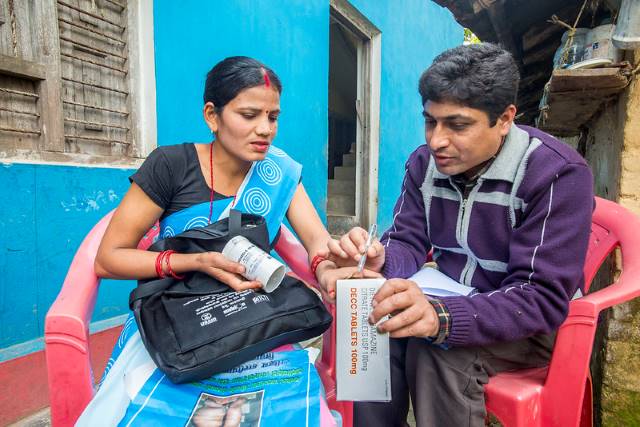
restorative dentistryLow-income countries have long been the victims of poor health care systems. Along with this health care system neglect has also come a large amount of dental care neglect. Both dental staffing and dental resources are scarce resources for those living below the poverty line in low-income countries. Smiles Forever is a nonprofit working within Bolivia in order to provide restorative dentistry as a way of increasing resources to a  population desperately in need.
Dental Care in Developing Countries

Most dental care within developing countries is given at hospitals that are either centralized or regional. This dental care does not do much to prevent or restore dental issues within the general population of a country. The dental care staffing is so low in many developing countries that trained dental professionals are forced to do the work that would normally be the job of dental assistants. This creates an ever-increasing cycle of dental worker unavailability. The creation of programs to train dental hygienists has been identified as a major solution to the extreme lack of restorative dentistry and dental care within struggling countries.

Major Dental Issues in Developing Countries

Throughout impoverished countries, there are a few dental issues that are seen most often and are in need of the greatest amount of restoration and prevention. These issues are dental caries, periodontal disease and tooth or gum abscesses.

  • Dental Caries: In simpler terms, this is when a tooth decays and leaves behind a cavity. Acids in the mouth that are present from sugar residue cause the enamel of a tooth to break down. Having access to simple dental materials like a toothbrush, floss and toothpaste greatly decreases an individual’s likelihood to develop dental caries. Fluoride provided at dental offices is also key in protection against dental caries.
  • Periodontal Disease: This disease is caused when there is a lot of plaque build-up on an individual’s teeth. The build-up causes an infection to infest the gums or bones throughout the face. Plaque build-up can only be properly removed by someone who has been training as a dental professional.
  • Tooth/Gum Abscesses: These are caused when tooth damage, usually from dental caries, allow for bacteria to invade a tooth or the gums. The bacteria causes pus to build up within the teeth or gums which causes a lot of pain and swelling. An abscess of this sort can only be treated by a professional and can cause sepsis if an individual is not given proper care.

The Mission of Smiles Forever

Smiles Forever is a nonprofit dental organization mainly working in Bolivia to provide free preventative and restorative dentistry. Its mission is to allow for a better quality of life, specifically for children growing up in Bolivia. Smiles Forever hopes that its work will act as a model for increased dental care in poor countries within South America.

Sandy Kemper, a dental hygienist from Seattle, is the founder of this nonprofit. She was inspired by a service trip that she took to Bolivia in 1999 in order to provide free dental work in the Madre de Dios shelter. A couple of years after her trip she returned to Cochabamba, Bolivia, in order to develop the Smiles Forever program after seeing how desperately in need the citizens were of restorative dentistry.

Programs Created by Smiles Forever

Smiles Forever has three main programs that it runs in Bolivia. These programs are its dental hygiene training program, its community partnering programs and its public fee-for-service clinic.

The dental hygiene training program was created in order to teach and train selected indigenous women to become dental hygienists. Each of the women is offered a full scholarship and the materials needed in order to become properly trained. The program is only conducted for half of each day so that the women can use the other half to support their families while being trained. Not only does this program allow for an increase in dental professionals in Bolivia but it also helps raise indigenous women and their families out of poverty by giving these women the opportunity to find full-time professional jobs.

The community partnering that Smiles Forever does is where a lot of its free dental work is provided. This organization works with other nonprofits throughout Bolivia that provide life-improving services. Through this partnering, it has been able to have a more widespread influence in providing dental care throughout Bolivia as its partners are very influential.

The public fee-for-service clinic was set up as a way to provide hands-on experience for individuals working in the dental hygiene training program and as a means of income to support the free community outreach efforts of the nonprofit. Individuals who attend the clinic pay in order to receive necessary preventative and restorative dentistry care.

Smiles Forever and Women’s Empowerment

Smiles Forever greatly supports the reduction of poverty and the provision of essential services through the uplifting of indigenous women. It recognizes that economic growth greatly increases when women play an empowered part in society. So far, 37 indigenous women have successfully completed the dental hygiene raining program and some have gone on to fully complete dental school. Overall, Smiles Forever has an all-around positive effect on the communities of Bolivia not only from a health standpoint but from a social and economic standpoint as a result of its efforts to empower women.

–  Olivia Bay
Photo: Flickr

February 19, 2021
https://borgenproject.org/wp-content/uploads/borgen-project-logo.svg 0 0 Yuki https://borgenproject.org/wp-content/uploads/borgen-project-logo.svg Yuki2021-02-19 00:52:322024-05-30 07:56:31Smiles Forever: Restorative Dentistry in Bolivia
Developing Countries, Global Poverty, Health

The END Fund: Treating Neglected Tropical Diseases

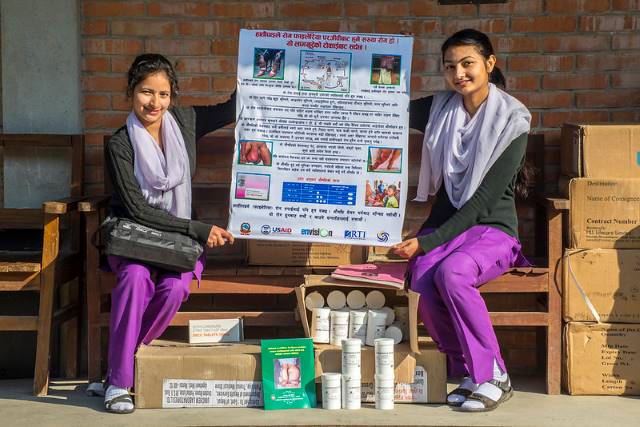
the END FundNeglected tropical diseases (NTDs) are a group of diseases caused by a variety of pathogens that are common in low-income regions. The World Health Organization WHO) and the Centers for Disease Control and Prevention (CDC) categorize 20 diseases as NTDs. They affect more than one billion people around the world, with more than a third of people affected by NTDs living in Africa. While about one-sixth of the world’s population suffers from at least one NTD, more attention is often brought to other diseases, such as HIV/AIDS and malaria. While these other diseases require a high level of attention, NTDs need prioritization too. The effects of NTDs can last for decades if proper care is not sought out as many have the ability to bring on permanent blindness and disfigurement. It is of the utmost importance that NTDs are addressed and one such organization putting in the work is the END Fund.
The END Fund

The END Fund is a nonprofit organization that seeks to protect the lives of people at risk of NTDs. It delivers treatments by working with local partners, understanding that these groups have regional expertise and know the needs of their area best.

The END Fund helps its partners design programs so that they can expand their capacity to collect important data regarding NTDs. Further, the END Fund provides technical support and monitors progress so its partners can fight disease in the most effective way possible.

It also collaborates with non-governmental organizations and seeks to involve all stakeholders in order to improve the lives of those at risk of contracting NTDs. The END Fund is active across many countries in sub-Saharan Africa as well as India and Afghanistan. It has programs in Nigeria, Ethiopia, the Democratic Republic of the Congo, Somalia and others.

NTDs in Nigeria

The country with the greatest prevalence of NTDs in Africa is Nigeria. With a population of 195 million people, five of the most common NTDs are present: intestinal worms, lymphatic filariasis, river blindness, schistosomiasis and trachoma. These diseases can cause severe pain that inhibits people from going about their daily lives. Children miss out on their education and adults miss out on economic opportunities. NTDs can cause the already impoverished to sink even deeper into poverty.

In 2013, the END Fund arrived in Nigeria. Two years later, it partnered with Helen Keller International to support local partners, the Amen Foundation and Mission to Save the Helpless (MITOSATH). It has since helped build the capacity of these groups so that they can respond to the issue of NTDs even stronger. It engaged with local leaders across many levels to make people aware of the treatment plans that are available. Among traditional groups, leaders took medication in front of many people to show that it was safe.

The End Fund’s Impact

In 2019 alone, the END Fund was able to treat 121 million people. The END Fund also trained 2.7 million healthcare workers between 2012 and 2019. Its workers have performed almost 31,000 surgeries during that same time period, with the treatments valued at more than $1 billion.

NTDs pose a great threat to people in developing countries. The END Fund has been able to accomplish a lot through its collaborative projects in Nigeria and across other countries. The END Fund will continue to work toward its vision of ensuring that people at risk of NTDs can live healthy lives.

– Evan Driscoll
Photo: Flickr

February 18, 2021
https://borgenproject.org/wp-content/uploads/borgen-project-logo.svg 0 0 Jennifer Philipp https://borgenproject.org/wp-content/uploads/borgen-project-logo.svg Jennifer Philipp2021-02-18 07:30:382024-05-30 07:56:25The END Fund: Treating Neglected Tropical Diseases
Developing Countries, Global Poverty, Humanitarian Aid, NGOs

Humanitarian Aid: Helping Hand Packing Days

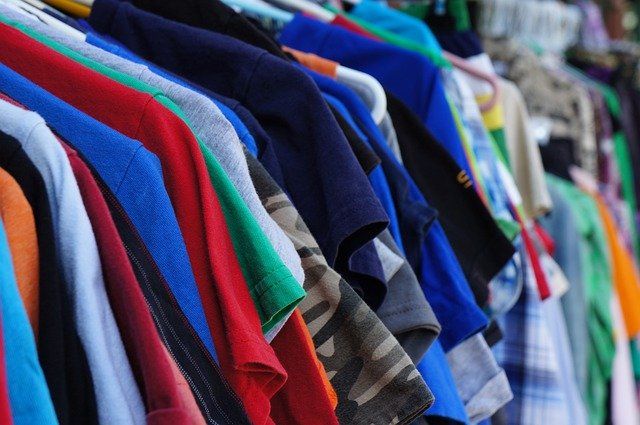
Helping Hand“My favorite part of Helping Hand packing days is seeing everyone work together. The entire group helps each other with deciding which category an item should go into and where to find that category’s box.” In an interview with The Borgen Project, Bisma Ahmed talked about her experience participating in the packing events organized by Helping Hand for Relief and Development (HHRD). “It makes me feel great knowing that children in need across the world will be wearing the very clothes I am packing.”

Helping Hand for Relief and Development

Helping Hand for Relief and Development (HHRD) is a nonprofit organization that fights global poverty by improving access to clean water, feeding the hungry, providing healthcare and rebuilding places affected by natural disasters. In addition to emergency relief, it also has long-term development programs. These include efforts to promote education and literacy, orphan support campaigns and rehabilitation and disability programs. In the 15 years that it has been in service, Helping Hand has worked in more than 85 countries across the globe.

Focusing on the Vulnerabilities of Asia and Africa

The main areas that Helping Hand addresses are countries in Asia and Africa as most of the 689 million people living below the poverty line are in these two continents. A few notable countries that have benefited from Helping Hand’s work include Pakistan, the Philippines, Bangladesh, Lebanon, Somalia, Tunisia, Kenya and Haiti. The organization also provides benefits to refugees including the refugees of Rohingya, Syria and Palestine.

In 2019, through the long-term empowerment program, Helping Hand assisted 6,140 vulnerable people with skills development training in Pakistan, Jordan, Afghanistan and Kenya. In 16 different countries, 19,100 children, including orphans and refugees, received an education through Helping Hand scholarships and education programs. The organization also provided daily healthcare to 160,900 Rohingya refugees and benefited 1.2 million people through its water, hygiene and sanitation programs.

The organization’s recent campaigns include the Beirut Relief Fund, the HHRD COVID-19 Crisis Response, and most recently, Global Winter Revisions, a campaign allowing donors to send winter packages to places where they are needed most.

Packing Day: The Mid-Atlantic Region

Every year, the U.S. regions of Helping Hand set a goal for how many containers of clothes to send as aid overseas. The 2020 goal was to send 10 40-foot containers.

Now and then, the U.S. Mid-Atlantic region of Helping Hand has packing days where volunteers come together and sort donated clothes for shipment to the needy all around the world. Naveed Ahmed, the regional manager for Helping Hand’s Mid-Atlantic area, explained the benefit of the Helping Hand packing days. “The purpose is many, in my opinion. We’re engaging the local community and we’re opening our doors to show what Helping Hand is all about.” According to Naveed Ahmed, most of the success of the packing days comes from the organization’s personal connections with local donors, including large businesses and companies.

Helping Hand packing days have been going on in all of its U.S. regions since its founding in 2005. In 2019 alone, the $55 million worth of clothing items or in-kind gifts benefited 12 million people in 10 different countries.

The clothing items go wherever the team believes the need is. Helping Hand holds offices in Jordan, Pakistan, Afghanistan, the Philippines, Haiti and Kenya, making the organization fully part of the clothes distribution process. The teams in those areas inform the U.S. national team of the amount and types of clothing that are needed. The U.S. regions then start collecting, packing and sending the clothes out.

Typically, the packing events surround a specific global issue or national relevance. For example, the last packing event that the Mid-Atlantic region had was for Giving Tuesday. The packed donations went toward the Helping Hand Winter Relief Campaign. A week later, they had another packing event, this time dedicated to loading the boxes into the containers.

Packing for Martin Luther King Jr. Day

The Mid-Atlantic region has a packing day for Martin Luther King Jr. Day in January. “We usually like to have a day of service on that day,” Naveed Ahmed said. “Usually, students and volunteers from all over the state will come out and be part of the packing day. It is a great day to show appreciation to a great leader like MLK and for us all to do the part of service he and many others have done over decades.”

The efforts of Helping Hand give hope for the future, ensuring that the lives of struggling people around the world are made a little easier.

– Maryam Tori
Photo: Flickr

February 18, 2021
https://borgenproject.org/wp-content/uploads/borgen-project-logo.svg 0 0 Jennifer Philipp https://borgenproject.org/wp-content/uploads/borgen-project-logo.svg Jennifer Philipp2021-02-18 07:30:062024-05-30 07:56:25Humanitarian Aid: Helping Hand Packing Days
COVID-19, Developing Countries, Global Poverty

Global Issues: The Debt Crisis During COVID-19

the debt crisisBefore the COVID-19 pandemic, the poverty rate was expected to drop to 7.9% in 2020. But, according to the president of the World Group Bank, the pandemic may cause more than 1.4% of the world’s population to fall into extreme poverty. Since March 2020, these countries have seen lower export prices, less capital and remittance inflows and shrinking tourism revenue. Many low-income countries are facing limited resources and weak institutions that prevent them from supporting their economies. Furthermore, the debt crisis has only worsened the economic situation of developing countries during COVID-19.
The Global Debt Crisis

Half of low-income developing countries entered the pandemic with high public debt. The U.N. hoped to raise $10.19 billion to help the poorest countries during COVID-19 but only managed to raise $2.8 billion. With 150 million people threatened to fall into extreme poverty, experts are worried about the long-term economic effects of the debt crisis.

The debt crisis is becoming increasingly more destructive in many countries. The borrowing of money is occasionally controversial because citizens are not always aware of the purpose of a loan or its terms and conditions.  Sometimes these loans are used to benefit a small group of people in the country. In 2020, low-income nations were expected to pay at least $40 billion to service debts. The 76 countries with the lowest incomes owe at least $573 billion in debt. These economies are forced to handle massive amounts of debt while facing rising domestic demands, dwindling tax revenues and shrinking economies.

Consequences of Defaulting on Debt

Failure to repay a debt, including interest or principal on a loan, is called debt default. According to research from the International Monetary Fund (IMF), waiting to restructure debt until after a default is associated with larger declines in GDP, investment, private sector credit and capital inflows. Several studies have suggested that debt crises result in a substantial drop in economic growth. For example, failure to repay debts will decrease a country’s rating. Debt defaults affect a country’s ability to borrow money, exclude countries from international capital markets and increase borrowing costs.  Furthermore, since international debts have to be paid back in the creditors’ currencies, it could force governments to mine their natural resources to generate hard cash, thus continuing harmful environmental practices.

The Debt Service Suspension Initiative (DSSI)

The World Bank has proposed a new idea for countries suffering from “unsustainable” debt. The Debt Service Suspension Initiative (DSSI) is a tool that global institutions have created to stave off the debt crisis, which would allow countries to pause debt repayments to creditors interested in participating. According to The New Humanitarian, if all eligible countries join the initiative, it will free up approximately $11 billion for social spending by governments. Those who sign up for the DSSI will be expected to open its books, reveal its debt and refrain from taking more commercial loans on the side. Debt intervention for the poorest countries is, however, not a new idea.

The debt crisis affects a wide group of people, many of whom already face extreme poverty. The Debt Service Initiative may be expanded at future World Bank meetings. According to analyst and executive director for global policy, David McNair, “Countries need money now to respond to the pandemic and the quickest way to do that is to basically stop debt repayments.”

Pausing Repayments to Prioritize Pandemic Recovery

The debt crisis demands attention, especially as the COVID-19 pandemic interferes with access to resources while highlighting weaknesses in developing countries’ institutions. The World Bank is focused on using a new initiative to pause repayments in hopes of freeing up money for social spending. The initiative will also steer countries away from the consequences of debt default, such as declines in investments, capital inflows and lowered ratings. The goal is to see leaders in developing nations using the pause from payments to access resources necessary for solving prominent issues in the country.

– Rachel Durling
Photo: Flickr

February 18, 2021
https://borgenproject.org/wp-content/uploads/borgen-project-logo.svg 0 0 Jennifer Philipp https://borgenproject.org/wp-content/uploads/borgen-project-logo.svg Jennifer Philipp2021-02-18 02:29:362021-02-18 02:29:36Global Issues: The Debt Crisis During COVID-19
Children, Developing Countries, Education, Global Poverty, Nonprofit Organizations and NGOs

GiveLight Foundation: Empowering Orphans Globally

GiveLight FoundationWhen Alfin Nur was 11 years old, he lost his mother, father and one of his siblings in the 2004 Indian Ocean tsunami. Two years later, the GiveLight Foundation found Alfin and began to invest in his life. He studied at a boarding school in Banda Aceh, Indonesia, which GiveLight fully sponsored, while also providing him with love and emotional support. In 2015, he graduated from Al-Azhar University in Cairo.
The GiveLight Foundation

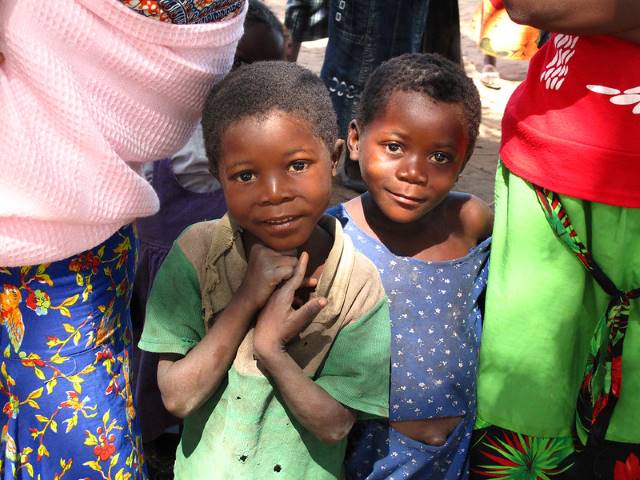
GiveLight Foundation is a nonprofit organization that provides orphans with stability so that they can rise out of the cycle of poverty. Its mission is to build quality homes for these children and support them in receiving proper education that will serve them long-term. It emphasizes raising children in a loving and supportive environment and providing a sense of belonging.

“GiveLight Foundation is one big home for all orphans,” described Fatima Jaber, the founder of the GiveLight Baltimore Chapter, in an interview with The Borgen Project.

The same disaster that destroyed Nur’s family, hit and devastated the hometown of Dian Alyan, in Aceh, Indonesia. The tsunami killed a quarter of a million people overall, leaving many orphans. Alyan decided to build an orphanage called Noordeen Orphanage. A year later, with the help of friends, family and generous donors, the orphanage was housing 50 orphans. Through that, the GiveLight Foundation was founded.

It now has orphanages in many countries including Pakistan, Bangladesh, Indonesia, Morocco, Sri Lanka and Cambodia, providing a loving home for around 1000 children.

The Baltimore Chapter

GiveLight provides opportunities for people to start “chapters” in their own city. The chapters focus on raising funds and sponsoring the orphans of GiveLight. Most of these chapters are located within the United States in cities like Chicago, Southern California, Seattle, Baltimore, New Jersey and Orlando. GiveLight is also beginning to focus on opening chapters internationally. Currently, there is one in South Africa, Paris and Toronto and there are efforts to open chapters in Istanbul, Sydney, Brussels and Dubai, UAE.

Jaber, the founder of the Baltimore Chapter, talked about how she opened up the chapter in Baltimore around three years ago. “I heard Dian Alyan’s story when I lived in California in 2012 and knew I wanted to be involved. After moving to Baltimore and meeting supportive friends and a generous community, I thought it would be great to start a chapter here.”

Raising Funds for Orphanages

The Baltimore Chapter raises funds by hosting galas, game nights, scavenger hunts and walkathons. Soubia Balkhi, one of the other members of the Baltimore Chapter, told The Borgen Project in an interview that the last two galas had been very successful, with the team raising more than $10,000.

Because the cause is so broad, beforehand the team decides which GiveLight project the funds will contribute to. They typically like to focus on where the need is the most for that year. “For example, this year Bangladesh needs it the most and so the money from this year’s fundraiser will go to building an orphanage in Bangladesh,” said Balkhi.

The funds are then sent to the headquarters which has on-site representatives distribute the money specifically where it is needed.

Despite the limits due to COVID-19, the Baltimore Chapter continues to raise funds. Jaber discussed its latest event, taking place next month. “I’m excited to announce our next virtual scavenger hunt event! It is a fun and interactive social event where families can join, create teams and still follow all COVID-19 protocols.”

Empowering Orphans Alleviates Poverty

GiveLight is not a typical orphanage that solely provides children with a place to stay. It ensures that the orphans under its care are given a home and a proper life. The strategy that GiveLight uses allows the orphans to become self-sufficient through education, enabling them to be independent and to be able to give back. This is especially important considering that education is proven to positively contribute to reducing poverty.

Alfin Nur was not the only orphan who was able to graduate due to the opportunities that GiveLight provided for him. Rahmat Mico is now on his way to become a scientist and  Nursawami is a working mother who continuously gives back to GiveLight.

With more time, orphanages, chapters and supporters, GiveLight will be able to broaden its support in the qualitative manner that it has been doing since the very beginning.

– Maryam Tori
Photo: Flickr

February 18, 2021
https://borgenproject.org/wp-content/uploads/borgen-project-logo.svg 0 0 Jennifer Philipp https://borgenproject.org/wp-content/uploads/borgen-project-logo.svg Jennifer Philipp2021-02-18 01:31:582024-05-30 07:56:24GiveLight Foundation: Empowering Orphans Globally
Children, Developing Countries, Education, Global Poverty, Health

The Remarkable People of Zambia

People of ZambiaOften when we think of the sub-Saharan region of Africa, we associate it solely with the conflict and tragedy that has burdened it for the majority of recent history. According to research done in 2019, there were 15 countries from the region involved in armed conflict. In the middle of this, however, lies the country of Zambia, which, contrary to some of its neighboring countries, has managed a peaceful transfer of power to self-rule, and more impressively, has implemented changes to become a democratic republic. Zambia has shown the very best of what united people can accomplish, regardless of the odds. And what is a country if not the very people who comprise it? As such, it is no surprise that a look into Zambian society reveals time and again the stories of unsung heroes who demonstrate unwavering altruism to their people and country.
Silumesii Maboshe – Co-founder of Bongohive

In 2011, Maboshe and his partners founded Bongohive with the objective to elevate the Zambian tech sphere to the next level. The organization functions as an incubator for tech startups throughout Africa but Maboshe has kept his focus on leveraging Bongohive’s operations to advocate and develop the ideas that serve to benefit Zambia in a capacity that goes beyond just the economic. “If I have one professional goal, it is the answer to this question. How can software and innovation change Zambia for the better?” Many of the 1300+ tech products that Bongohive has helped develop function to this end, one example being an app that allows constituents to comment on proposed changes in legislation. Beyond the development of products, the organization serves also as an open platform for techies seeking general advice and hosts dozens of events annually that pertain to technology and business within Zambian society. Maboshe understands that if Zambia is to realize a brighter future it must include a thriving tech culture. The invaluable role Bongohive is playing to that end cannot be overstated.

Christopher Malambo – Sanitation Activist

It is an issue that most are too uncomfortable to actively advocate for, but the fact is that approximately 90% of child deaths are attributed to poor sanitation and the spread of disease that is a result thereof. Additionally, the World Bank reports an annual monetary loss to the African continent of $5.5 billion as a result of poor sanitation. Malambo’s efforts directly combat these staggering statistics. The focus of his activism is toward the decreasing but still prevalent number of communities in Zambia that still practice open defecation. His first objective when entering a new village is education because many of the typical residents lack even a basic understanding of the importance of good sanitation and the adverse effects of a lack thereof. After demonstrating the danger inherent in open defecation, he then organizes and assists in the digging of latrines. Malambo’s unwavering selflessness and commitment to service in the name of saving lives represents the very best of what makes the people of Zambia truly remarkable.

Dorothy Phiri – Founder of Mercy Ministries

In 1996, Phiri founded Mercy Ministries in response to a higher calling. Today the organization works to provide education through the Chifundo Community School, which was the first project started by the Phiri’s. The organization especially focuses on orphans, disabled children and other vulnerable children who are unable to have their needs met by government-funded schooling. Additionally, Phiri provides a means for children of financially struggling families to attend school. Though Zambia does provide free schooling to all its residents, many families still struggle to fund basic schooling needs such as books and uniforms. In a region where the demands of maintaining a livelihood are prioritized over education, Phiri’s commitment to the people of Zambia aims to change the status quo.

These individuals and their stories are but a microcosm of the exceptionalism that defines the people of Zambia. With the efforts of Zambia’s exceptional people, the narrative of the entire region can begin to change for the better.

– Christian Montemayor
Photo: Flickr

February 17, 2021
https://borgenproject.org/wp-content/uploads/borgen-project-logo.svg 0 0 Jennifer Philipp https://borgenproject.org/wp-content/uploads/borgen-project-logo.svg Jennifer Philipp2021-02-17 07:31:002021-02-16 02:34:05The Remarkable People of Zambia
Children, COVID-19, Developing Countries, Education, Global Poverty

Continued Education for Vulnerable Children in Kenya

Vulnerable Children in KenyaOrganizations like UNICEF and ACAKORO have been providing educational resources to Kenyan students despite the immense difficulties in the country due to COVID-19 and 2020’s locust invasion. On March 15, 2020, the Kenyan Government forced schools to shut down due to COVID-19. Due to school closures, millions of students risk losing out on education during the pandemic. Organizations stepped in to provide resources, remote learning services and sanitation facilities to vulnerable children in Kenya.

Education in Kenya

Over the past decade, poverty in Kenya has improved due to the country meeting many of its Millennium Development Goals. The Millennium Development Goals are goals created by the United Nations to help underdeveloped nations improve and one of these goals is to achieve universal primary education. A key issue that Kenya needs to address is education disparities. According to a UNICEF study conducted in 2014, low educational attainment of the household head and living in rural areas is the highest indicator that predicts child poverty.

Impoverished children struggle to gain an education. More than 1.2 million primary-school-age children do not attend school. Even more vulnerable children like orphans have increased susceptibility to experiencing education disparities.

Employment in Kenya

Young people in search of employment experience difficulties finding a job that lifts them out of poverty. Only 1% of Kenyan youth have a university education and many young people are entering a job market with few hirable skills. A whole 40% of the youth in Kenya either did not go to school or failed to complete primary education and the largest percentage of people unemployed in Kenya is represented by those aged between 15 and 24. Higher education in Kenya is expensive and not accessible to disadvantaged children.

UNICEF Provides Aid

Nationwide access to quality education is key in reducing poverty and investing in the futures of vulnerable children in Kenya. UNICEF alleviated education burdens during the COVID-19 crisis by providing remote learning to students and giving solar-powered radios and textbooks to vulnerable families. Through UNICEF’s solar-powered radios, 40,000 vulnerable children were reached with educational resources that are necessary for remote learning. On December 23, 2020, UNICEF provided 700,000 masks to be distributed in time for schools to reopen on January 4, 2021. Improved access to sanitation is an ongoing issue, and due to the pandemic, the need for sanitation is of crucial importance. UNICEF foresaw the issue and provided handwashing facilities to hundred of schools.

ACAKORO

ACAKORO is a community-based organization, supported by UNICEF, that uses football as a tool for development. ACAKORO works with the community of the Korogocho slum and has been tutoring vulnerable children during COVID-19 so that they can continue their learning. UNICEF is also supporting the government and the Kenya Institute of Curriculum Development (KICD) with remote learning and getting schools ready to reopen safely.

The Kenya Jua Kali Voucher Programme

The Kenya Jua Kali Voucher Programme, implemented between 1997 and 2001, was a revolutionary comprehensive policy designed to provide vulnerable youth with vouchers to pay for training courses. A similar modern-day strategy can be put in place in order to address the lack of access to essential education in Kenya. Providing equal access to education for all children in Kenya is essential to lift people out of poverty.

Organizations such as UNICEF and ACAKORO are addressing education-related disparities amid the pandemic, thereby addressing overall poverty in the nation.

– Hannah Brock
Photo: Flickr

February 17, 2021
https://borgenproject.org/wp-content/uploads/borgen-project-logo.svg 0 0 Kim Thelwell https://borgenproject.org/wp-content/uploads/borgen-project-logo.svg Kim Thelwell2021-02-17 01:30:452024-05-30 07:56:41Continued Education for Vulnerable Children in Kenya
Developing Countries, Global Poverty

How to Fight Poverty Using Solar Energy in Uganda

Solar Energy in UgandaAs of 2016, it was estimated by the World Bank that only 26% of Uganda’s population has access to electricity. In urban areas, the percentage is higher, at about 60%. However, in rural areas, the amount of people with electrical access is limited to only 18%. The use of solar energy in Uganda hopes to bring increased access to electricity, specifically in rural areas, as well as make electricity more affordable for the population.

What is Solar Energy?

Solar energy is energy from the sun that can be used electrically or thermally. It is a renewable energy source that provides a sustainable and clean alternative. Through photovoltaics (solar thermal collectors) solar power is collected and then converted into an energy source that can be used as a heating system or for electricity.

Solar Energy Fighting Poverty

Solar energy in Uganda can bring poverty reduction. It is an affordable and reliable source of energy that rural areas can depend on. It can also produce jobs within the community. Since solar energy makes household chores easier, women and girls have more time available to search for jobs or pursue education and development opportunities. Overall, renewable energy is a valuable component to provide electricity access, financial empowerment and sustainable economic and social development.

European Investment Bank (EIB)

With solar energy, more of the country will have access to electricity. The European Investment Bank (EIB) is using its finances to help people without electricity in Uganda. As it is the rural communities that are more affected by a lack of electricity, programs are more focused on maintaining reliable resources for those areas.

Through EIB’s efforts, more than one million people in Uganda will have access to electricity for the first time, making for easier cooking and the ease of many other household activities. Families will also be able to save money since the household will not be using as much kerosene, candles or charcoal. Indoor pollution will decrease from less kerosene usage and fire hazards will be reduced.

Reliable electricity has many benefits, with access to health opportunities being one of them. With access to phones, radios and televisions, farmers will be open to markets that can increase their income. EIB has given a loan of $12.5 million to build 240,000 solar home systems throughout Uganda, increasing economic and social opportunities.

Sustainable Energy for All (SEforALL)

Sustainable Energy for All (SEforALL) created an agenda that was adopted by Uganda’s government to help provide an increase in accessibility. The goal is to provide more than 99% of the population with access to electricity by 2030 and improve the energy efficiency of power users by at least 20% by 2030. SEforALL plans on accomplishing this ambitious goal by building energy savers throughout the country in households, industries, commercial enterprises and more.

It is clear that Uganda is in need of more access to electricity throughout the nation. Solar energy is one of the sources that hopes to increase those numbers. There is still a lot to be done to raise access to electricity from 26% to 100%, but with efforts from Sustainable Energy for All and the European Investment Bank, the situation looks exceptionally hopeful.

– Sarah Kirchner
Photo: Flickr

February 16, 2021
https://borgenproject.org/wp-content/uploads/borgen-project-logo.svg 0 0 Kim Thelwell https://borgenproject.org/wp-content/uploads/borgen-project-logo.svg Kim Thelwell2021-02-16 07:30:512024-05-30 07:56:23How to Fight Poverty Using Solar Energy in Uganda
Developing Countries, Global Poverty, Health

Preventing HIV in Kenya with an Injection

 Preventing HIV in KenyaA new, injectable antiretroviral drug, cabotegravir (CAB LA), may have significant potential for preventing HIV among sub-Saharan African women. In November 2020, the World Health Organization (WHO) reported trial results of the HIV Prevention Trials Network Study (HPTN 084), testing the use and effectiveness of CAB LA in preventing HIV among more than 3,200 HIV-negative, sexually active women across east and southern Africa. This drug could significantly lower prevalence rates and help in preventing HIV in Kenya, which has one of the largest HIV/AIDS epidemics in the world.

Cabotegravir or CAB LA

CAB LA, a long-acting pre-exposure prophylaxis (PrEP) regimen, requires an injection only every eight weeks and has been shown to be 89% more effective in preventing HIV than taking a daily oral antiretroviral PrEP, a generic pill currently marketed as Truvada.

Kenya’s HIV Epidemic

The first case of HIV in Kenya appeared in 1984. By 1990, HIV was one of the leading causes of illness in the country. At its highest point, more than three million Kenyans lived with AIDS. Since then, the government of Kenya decreased the prevalence of HIV from its 10.5% peak in 1996 to 5.6% in 2012. By 2019, the prevalence rate was 4.5% in adults aged 15-49. However, certain vulnerable populations within Kenya are more at risk of getting HIV, such as women. Males have an estimated prevalence rate of 4.5% while the rate for females is 5.2%. Among youth aged between 15 and 24 years old, boys have a prevalence rate of 1.34% compared to girls at 2.61%.

The only option for preventing HIV in Kenya is a daily PrEP pill called Truvada. The government of Kenya first approved oral PrEP for country-wide distribution in 2015, and since 2017, has scaled up the distribution throughout Kenya. However, of the 1.5 million Kenyans living with HIV, only 26,098 (1.7%) are currently on PrEP.

Though 72% of the population had been tested for HIV, only 70% had been tested more than once. Frequent testing, at least once a year if sexually active or at least every six months if part of a particularly vulnerable population, is vital to giving care and treatment for at-risk groups.

The Potential of CAB LA for Preventing HIV in Kenya

  1. The HPTN study reported that CAB LA is nine times more effective in preventing HIV in Kenya than the Truvada pill, the current form of PrEP. The PrEP pill is only effective if taken daily and is not a standalone prevention method for other STIs or unplanned pregnancies. The new drug also does not require other forms of protection, such as condoms.
  2. This drug gives vulnerable populations more HIV options for preventing HIV in Kenya. Vulnerable populations include sex workers, men who have sex with men, people who inject drugs, youth and women. These vulnerable populations face stigma, which affects their ability to access PrEP pills. Because the injection is needed only once every two months, the increased discretion and ease of the infrequent injection may increase its use and thus increase the protection of those who need it.
  3. Discretion in use of the drug may be able to reach more women specifically. In combination with the stigma attached to HIV, women in Kenya face discrimination in terms of access to education, employment and healthcare. As a result, men often dominate sexual relationships, with women not always able to practice safer sex, even when they know they should. For example, in 2014, 35% of adult women (aged 15-49) who were or had been married had experienced spousal violence and 14% had experienced sexual violence. Women in Kenya find it especially difficult to take a daily pill, which significantly reduces the effectiveness of the medicine. Only 68% of Kenyan women have access to antiretroviral pills.

Though not yet approved by the U.S. Food and Drug Administration (FDA), the developer of the drug, ViiV Healthcare, expects cabotegravir to be ready for the market by early 2021.

– Charlotte Ehlers
Photo: Flickr

February 15, 2021
https://borgenproject.org/wp-content/uploads/borgen-project-logo.svg 0 0 Jennifer Philipp https://borgenproject.org/wp-content/uploads/borgen-project-logo.svg Jennifer Philipp2021-02-15 01:30:212024-05-30 07:56:15Preventing HIV in Kenya with an Injection
Developing Countries, Global Poverty, Poverty, Poverty Eradication

BRAC’s Ultra-Poor Graduation Program

BRAC’s Ultra-Poor Graduation ProgramOf the United Nations 17 Sustainable Development Goals, the first one sets an ambitious target. To end poverty in all its forms, everywhere and to leave no one behind. One such organization embracing this challenge is Bangladesh’s BRAC. BRAC is one of the world’s largest nongovernmental development organizations founded in Bangladesh that has done a tremendous amount of work fighting extreme poverty in Bangladesh. BRAC’s Ultra-Poor Graduation program has seen success globally.

Poverty Progress in Bangladesh

Nestled between India and Myanmar in South Asia, Bangladesh has made enormous strides in combating extreme poverty in a relatively short amount of time. In a little over a decade, 25 million people were lifted out of poverty. Between 2010 and 2016, eight million people were lifted out of poverty in Bangladesh.

Although poverty rates were seeing a steady decrease, those living in extreme poverty in Bangladesh still lacked basic safety nets and support from NGO services.

BRAC’s Ultra-Poor Graduation (UPG) Program

In 2002, BRAC introduced the innovative Ultra-Poor Graduation (UPG) program in an attempt to apply innovative approaches to solve extreme poverty in Bangladesh and across the globe.

The UPG program aims to provide long-term holistic support for those in extreme poverty to lift themselves out of poverty and graduate to a more resilient and sustainable life. This is done by addressing the social, economic and health needs of poor families while empowering them to learn new skills and better financial management.

BRAC believes that while traditional government interventions such as food aid and cash transfers are impactful and have a role to play, these benefits, unfortunately, remain out of reach for many in extreme poverty and are certainly not a long-term solution.

BRAC’s UPG program sets to build skill sets and assets to ensure families are equipped to become food secure, independent and achieve economical sustainability.

The Success of UPG Programs Globally

The program has found success inside and outside Bangladesh and has received praise and acknowledgment in some of the world’s most impoverished regions.

Take for example the country of South Sudan. From 2013 to 2015 BRAC piloted a project involving 240 women. The program provided support for the women to receive food stipends, asset transfers and various skills training that included financial and basic savings skills.

Shortly after the women received training and support, the South Sudanese Civil War escalated, ravaging the country and causing inflation and food shortages.

Despite these shocks, 97% of the 240 women were still able to increase their consumption thanks to the resources, assets and skills they obtained during the program. Also, their children were 53% less likely to be underweight and malnourished, compared to those who had not been in the program.

More Success in Afghanistan and Other Countries

Another example comes from Afghanistan, where a widowed woman in the Bamiyan province received a flock of sheep and training from BRAC. Since then, she has been able to generate enough income to feed her family, send her grandchildren to school,  sell additional products and save for the future.

From 2007 to 2014, a large-scale UPG program across Ethiopia, Ghana, Honduras, India, Pakistan and Peru saw a 4.9% increase in household consumption, 13.6% increase in asset values and a 95.7% increase in savings pooled across all countries.

The success of BRAC’s Ultra-Poor Graduation program can be clearly seen from the results. It is an innovative program that aims to end all poverty and leave no one behind and is successfully on its way to doing so.

– Andrew Eckas
Photo: Flickr

February 14, 2021
https://borgenproject.org/wp-content/uploads/borgen-project-logo.svg 0 0 Kim Thelwell https://borgenproject.org/wp-content/uploads/borgen-project-logo.svg Kim Thelwell2021-02-14 07:30:342024-05-30 07:56:14BRAC’s Ultra-Poor Graduation Program
Page 60 of 157«‹5859606162›»

Get Smarter

  • Global Poverty 101
  • Global Poverty… The Good News
  • Global Poverty & U.S. Jobs
  • Global Poverty and National Security
  • Innovative Solutions to Poverty
  • Global Poverty & Aid FAQ’s
Search Search

Take Action

  • Call Congress
  • Email Congress
  • Donate
  • 30 Ways to Help
  • Volunteer Ops
  • Internships
  • Courses & Certificates
  • The Podcast
Borgen Project

“The Borgen Project is an incredible nonprofit organization that is addressing poverty and hunger and working towards ending them.”

-The Huffington Post

Inside The Borgen Project

  • Contact
  • About
  • Financials
  • President
  • Board of Directors
  • Board of Advisors

International Links

  • UK Email Parliament
  • UK Donate
  • Canada Email Parliament

Get Smarter

  • Global Poverty 101
  • Global Poverty… The Good News
  • Global Poverty & U.S. Jobs
  • Global Poverty and National Security
  • Innovative Solutions to Poverty
  • Global Poverty & Aid FAQ’s

Ways to Help

  • Call Congress
  • Email Congress
  • Donate
  • 30 Ways to Help
  • Volunteer Ops
  • Internships
  • Courses & Certificates
  • The Podcast
Scroll to top Scroll to top Scroll to top