• Link to X
  • Link to Facebook
  • Link to Instagram
  • Link to TikTok
  • Link to Youtube
  • About
    • About Us
      • President
      • Board of Directors
      • Board of Advisors
      • Financials
      • Our Methodology
      • Success Tracker
      • Contact
  • Act Now
    • 30 Ways to Help
      • Email Congress
      • Call Congress
      • Volunteer
      • Courses & Certificates
      • Be a Donor
    • Internships
      • In-Office Internships
      • Remote Internships
    • Legislation
      • Politics 101
  • The Blog
  • The Podcast
  • Magazine
  • Donate
  • Click to open the search input field Click to open the search input field Search
  • Menu Menu

Archive for category: Developing Countries

Information and stories about developing countries.

Developing Countries, Food & Hunger, Food Aid, Food Security, Global Poverty, Inequality, Poverty Reduction

Could GMO’s Help Prevent Food Shortages?

Genetically_Modified_Crops_Prevent_Food_Shortages
With the world population expected to double by 2050, food security will continue to be an increasingly complicated and important issue. More food will be needed to feed more people and, to preserve vital biodiversity sites, we’ll need to produce this additional food using land already devoted to agriculture. While there are many factors that could improve agricultural efficiency, genetically modified crops hold the most potential. Many scientists now believe that transgenic plants could help prevent or minimize future food shortages.

Transgenic plants are those that possess an inserted portion of DNA either from a different member of their own species or from an entirely different species. The inserted DNA serves some special purpose, such as allowing the plant to produce natural insecticides. Once the genes are transferred, they can be passed on to offspring through simple fertilization, allowing farmers to breed advantageous traits in their plants. Transgenic plants have proven extremely profitable in the developed world, accounting for a 5% to 10% increase in productivity, and reducing the cost of herbicides and insecticides.

Such methods could effectively increase productivity in the developing world, where a surge in food production is sorely needed. Developing countries, especially those in the tropics and subtropics, suffer severe crop losses due to pests, diseases, and poor soil conditions. In addition, a lack of financial capital often prevents farmers from investing in high quality seeds, insecticides, and fertilizers. Poor post-harvest conditions such as inadequate storage facilities and thriving fungi and insect populations also fuel crop loss. Currently, pests destroy over half the world’s crop production. Transgenic plants could provide an innovative solution.

Fortunately, bioengineering solutions can be easily adapted from one species to another, allowing one advancement in plant biotechnology to quickly produce many more. For example, insect-resistant strains of several important plant species have been produced using one specific endotoxin. Commercial production of insect-resistant maize, potato, and cotton has already begun. Plant bioengineers hope to use similar technology to create fruits that ripen more slowly, allowing for longer shelf lives and less post-harvest crop loss.

It is important to note that this technology has mostly been established with the developed world in mind. Therefore, adapting it for use in the developing world must be done carefully. For instance, many crops grown in the developing world are local varieties and have not been extensively tested thus far by plant bioengineers. Blindly replacing local crops with bioengineered varieties from the developed world could disturb deep social or religious traditions that are represented in the widely varied cultures in the developing world. Additionally, societies are more likely to embrace a familiar crop than a foreign one. Research and development in bioengineering must, therefore, adapt to include the crops of the developing world.

Although the globe produces enough food for everyone, people everywhere continue to die of starvation. With this unequal distribution in mind, it is imperative that, moving forward, small farmers in the developing world receive the same access to plant biotechnology given to large agribusinesses in the developed world. First-world corporations cannot be granted even more unfair advantages over small landholders in poorer nations, especially as global populations grow and food security becomes ever more scarce and important. As this technology is developed, it is up to us to share it with the developing world in order to minimize severe food shortages in the years to come.

– Katie Fullerton

Sources: Plant Physiology, Colorado State University
Photo: Tree Hugger

August 31, 2013
https://borgenproject.org/wp-content/uploads/borgen-project-logo.svg 0 0 Borgen Project https://borgenproject.org/wp-content/uploads/borgen-project-logo.svg Borgen Project2013-08-31 08:18:222024-06-05 01:53:37Could GMO’s Help Prevent Food Shortages?
Developing Countries, Malaria, Water

Irrigation Infrastructure and Malaria, An Interesting Correlation

Irrigation_infrastructure
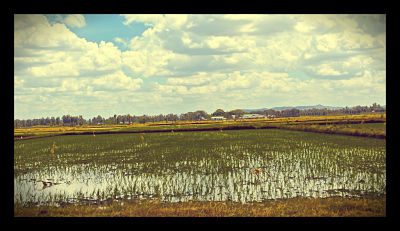
Irrigation, known for improving crops and overall increasing capabilities of life for centuries, may have one major drawback. With an increase in water abundance through irrigation, infrastructure such as irrigation canals are proving to be havens for mosquito growth.

Recent research shows that newly constructed irrigation infrastructure in malaria prone areas can increase the risk of malaria in the local community.

Research was conducted in the northwest region of India known as Gujarat. The research project found that when irrigation infrastructure was already established in sub-districts, such as Banaskantha and Patan, the monsoon rain influx had less of a malarial increase than sub-districts with early and transitional irrigation systems.

These transitional irrigation systems, known as “low irrigated,” were found to be the most susceptible to malaria that comes after the rainy monsoon season. In comparison, “mature irrigated” areas that had established wells and canals for over thirty years, were less affected by the mosquitoes and the disease they carry.

Led by University of Michigan graduate student, Andres Baeza, the team of researchers monitored the methods and results of a large irrigation project that was set to irrigate 47 million acres of farmland.

“In these dry, fragile ecosystems, where increase in water availability from rainfall is the limiting factor for malaria transmission, irrigation infrastructure can drastically alter mosquito population abundance to levels above the threshold needed to maintain malaria transmission” according to Baeza.

Although it has been known that malaria increases and new irrigation improvements are correlated, this new research shows that the improvements to land that eventually reduce malaria may take longer than expected for farmers in malaria prevalent regions.

This is not to persuade readers that irrigation is not worth it. On the contrary, with irrigation improvements come improved farm yields, food security, better incomes and increased access to finance and healthcare. With improved farmland, malaria is deterred and over the course of a few decades will be much lower as long as farming improvements are made accordingly.

– Michael Carney

Sources: Humanosphere, Proceedings of the National Academy of the Scienes (PNAS)
Photo: The Gef

August 30, 2013
https://borgenproject.org/wp-content/uploads/borgen-project-logo.svg 0 0 Borgen Project https://borgenproject.org/wp-content/uploads/borgen-project-logo.svg Borgen Project2013-08-30 06:46:302020-07-09 21:04:48Irrigation Infrastructure and Malaria, An Interesting Correlation
Developing Countries, Foreign Aid, Global Poverty, Health

Preventing Cancer in the Developing World

Cancer_in_the_Developing_World
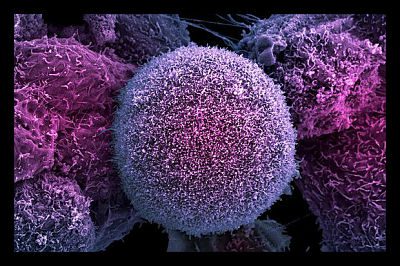
Many people in developing countries are lucky to have dinner tonight. While alleviating hunger is a main goal for many humanitarian organizations, the types of food that impoverished people have access to is becoming a concern for health experts. Cancer is an illness affecting people all over the world and developing countries are no exception. However, those living in the third world are especially at risk due to malnutrition, food insecurity, and lack of education.

Cancer is one of the most common causes of death in developing countries and affects more people than in the developed world. One of the main reasons for this is diet. Fruit, vegetables, whole grains and fish are all part of a healthy diet that helps to prevent cancer. On the other hand, fats and oils can increase a person’s chance of developing cancer. This becomes a complicated issue when there are no fresh foods in a community due to conflict or natural disaster, but a humanitarian organization sends processed foods. Rather than starve, the population will eat the unhealthy food.

Several other ways that people living in the third world are more at risk for cancer include exercise habits, smoking, alcohol consumption, sex at an early age and sex with multiple partners. Tobacco can lead to lung, mouth and neck cancer, and early and multiple partner sex is linked to cervix cancer as well as sexually transmitted diseases.

Another main contributor to high cancer rates in the developing world is the healthcare system. Cancer screening services and prevention treatments are out of reach for many impoverished people due to cost, location of healthcare facilities, and limited availability. A lack of vaccines is also a huge concern in the developing world. Vaccines like HPV and HBV are simply not available to a large portion of the population.

There are simple ways to decrease the rates of cancer in the developing world. These include improved food and agriculture aid, increased funding for healthcare, and more vaccines available at a low cost. While these solutions are simple, the implementation of these methods can often be complicated. It can be difficult to reach those living in rural communities and healthy food is difficult to transport long distances. However, increased foreign aid funding, agriculture program aid, and cancer education would be solid first steps towards cancer prevention.

– Mary Penn

Sources: All Africa, Med Scape
Photo: The Times

August 29, 2013
https://borgenproject.org/wp-content/uploads/borgen-project-logo.svg 0 0 Borgen Project https://borgenproject.org/wp-content/uploads/borgen-project-logo.svg Borgen Project2013-08-29 19:25:202020-07-09 21:05:10Preventing Cancer in the Developing World
Developing Countries, Foreign Aid, Global Poverty, Slums

Low-Income Indian Families Get a Boost from World Bank

Low_Income_Indian_Families_world_bank
A $100 million credit agreement, signed by the World Bank and the Indian Government, will help low-income Indian families access a loan to purchase, build, or upgrade their dwellings.

The National Housing Bank (NHB) will implement the Low Income housing Finance Project, which will support the government’s agenda for financial inclusion on two counts. First, it will enable low-income households in urban areas to access housing finance, and second will strengthen the capacity of financial institutions that target these groups.

India faces a crippling housing shortage; as its urban population continues to rapidly expand, the urban housing shortage is estimated to be 19 million (as of 2012). Low-income families bear the brunt of the problem; they are faced with an estimated 90% of the shortage.

The housing sector is vulnerable to challenges because current land use policies and building norms restrict the availability of housing. Since the majority of the low-income population works in the informal sector, they lack documentation of income and therefore require customized lending products; as a result, developers are reluctant to enter the low-income market due to the perceived risks associated with these buyers.

As the Indian government strives to achieve financial inclusion for the whole population, the project will let the NHB innovate and provide financial solutions for improving low-income access to housing.

R.V. Verma, chairman and managing director of National Housing Bank said, “The program, which will explore sustainable housing finance models for low income households, has been conceived imaginatively and is consistent with the vision and charter of the NHB.”

Michael Haney, operations advisor at the World Bank, explained how the influx of 10 million Indians to towns and cities each year run into trouble finding loans to build or buy themselves houses. “They are forced to use unregulated, informal sources of finance at much higher rates of interest,” he explained.

The new initiative will help families move from informal sources of finance to longer-term, official sources for their housing needs; risk management, market infrastructure and new products will be implemented in order to achieve this goal.

Initially, the project will launch pilot programs to test the sustainability of these lending guidelines and products, and the long-term goal will be to preserve affordability for low-income families by finding alternative forms of collateral to reduce credit risk and keep interest rates at manageable levels.

– Chloe Isacke

Sources: World Bank, Economic Times
Photo: Kootation

August 29, 2013
https://borgenproject.org/wp-content/uploads/borgen-project-logo.svg 0 0 Borgen Project https://borgenproject.org/wp-content/uploads/borgen-project-logo.svg Borgen Project2013-08-29 08:26:112020-07-09 21:10:40Low-Income Indian Families Get a Boost from World Bank
Developing Countries, Technology

China Funds Five Research Centers in the Global South

China_funds_research_centers_in_the_Africa
For a variety of reasons, China has become known for its “interactiveness” with the global south. This “interactiveness” has included construction projects, student scholarships, and sending  doctors.

Recently, China began to fund five research centers in Africa and the global south in order to increase collaboration between Chinese and African scientists. The topics of focus for the scientists will include the climate, water, environmentally friendly technology, biotechnology, and space technology.

Using the Chinese Academy of Sciences (CAS), $6.5 million will be distributed to the research centers over the course of the next three years. These funds will work to improve China’s soft power in the global south by conducting joint research projects between the CAS and the research centers.

Currently, there is a CAS network known as The World Academy of Sciences (TWAS) that will also benefit from this Chinese outreach to the global south. Along with the research projects, the funding will also provide for an increase in workshops, training, and PhD programs.

According to Salim Abdool Karim, director of the Centre for the AIDS Programme of Research in South Africa and a TWAS member, “The five centers will play an important role in global scientific collaboration by increasing South-South training opportunities.”

This collaboration is expected to increase climate change research. Yongqiang Liu, a research meteorologist at the USDA Forest Service’s Center for Forest Disturbance Science sees it as a good way to “prepare future leaders to lead climate change research for developing countries.”

Action through research investment should improve China’s image in the world. Currently, China stands at 50% favorable and 36% unfavorable among populaces from around the world. Comparably, the US was seen as favorable by 63%, and unfavorable by 30%. More specifically, when people were asked if they thought China considered their country’s interests, 27% thought a great deal with 63% saying either not too much or not at all.

There is still a great deal of room for China to improve its international appeal. By working with developing nations to improve research in sustainable technology and other important sciences, China can build off the work of TWAS and foster support from citizens in these countries.

Once the three years comes to an end, the education and collaboration should improve the environmental technology sector, as well as build the capacity for a future scientific community with various projects and goals. If successful, this move may be beneficial in regards to China’s popularity as well.

– Michael Carney
Sources: SciDev.Net, Pew Global

August 28, 2013
https://borgenproject.org/wp-content/uploads/borgen-project-logo.svg 0 0 Borgen Project https://borgenproject.org/wp-content/uploads/borgen-project-logo.svg Borgen Project2013-08-28 10:47:052020-07-09 21:11:20China Funds Five Research Centers in the Global South
Developing Countries, Health, Technology

Motorcycle Ambulance Saves Lives Through Effective Patient Transport

Motorcycle_ambulance

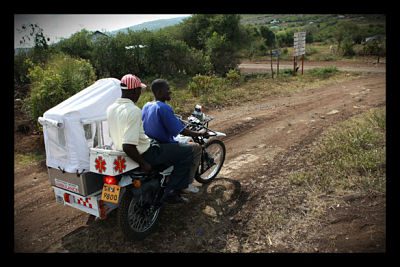
Motorcycles are often the vehicle of choice in the developing world because of their ability to zip over harsh terrain and their low maintenance costs. A motorcycle manufacturing company, eRanger, has taken this versatile vehicle and given it a new purpose as an ambulance. The eRanger company builds motorcycles with a sidecar that serves as a stretcher to transport patients from remote areas to the nearest health center or hospital.

Called the eRanger ambulance, this motorcycle offers the high-power capacity needed to cover diverse and often difficult terrain in rural and remote areas. The sidecar stretcher acts as a bed for the patient, allowing for quick and effective transport. The stretcher is designed to be simple but safe, rugged but reliable, with a cushioned pad for patient comfort and a roll cage for safety.

Loading a patient is made easy by simply pushing back the roll cage and strapping the patient into the stretcher. A rain cover can be attached to the roll cage, providing comfort and privacy in different weather conditions, and this innovative ambulance also offers room for emergency medical supplies underneath the stretcher.

The eRanger ambulance also provides additional comfort through its rugged suspension system, which absorbs shock so patients bounce less during transport. This vehicle provides the perfect alternative to the popular 4 by 4 all-terrain vehicles because of its enhanced suspension system, low cost, and simple maintenance. Motorcycle ambulances are also preferable to car ambulances, especially during the rainy season, because they are better able to navigate over developing nations’ diverse terrain.

These motorcycle ambulances are already stationed at health centers through Africa where health workers and community members can utilize them as needed. The eRanger method goes beyond just providing the vehicles, though. They provide training, maintenance instruction, and tools to keep the motorcycles in good condition.

Sustainability is key, says the eRanger company, so they provide a maintenance unit with all the necessary tools and equipment for the eRanger ambulance. This affordable, reliable, and sustainable ambulance also helps communities become more self-reliant by taking health care into their own hands.

For example, the eRanger ambulance makes it possible for a mother in labor to reach a health care clinic quickly, reducing maternal mortality rates in many African nations.

The eRanger model also allows its motorcycle to adapt to the needs of problems in the developing world, from emergency ambulance to mobile medical clinic. The company also manufactures an eRanger immunization clinic, which recreates the sidecar into a stainless steel mini clinic with refrigeration storage, weight scales, and clean water unit.

This versatile motorcycle promises dramatic impact to healthcare in developing nations. Backing that promise is an eRanger patron, Nelson Mandela, who helped eRanger South Africa launch in the Eastern Cape. Since the launch, eRanger has built a college for riders and operators in Eastern Cape, which includes basic control of the vehicle, road riding, off-road riding, and essential maintenance.

In just five hours, operators can reach a basic competency to operate and care for the motorcycle, but advanced training is always available, says eRanger. With just the right mix of affordability, sustainability, and reliability, eRanger is helping save lives in developing nations by providing safe, quick access to critical health care.

– Georganne Hassell
Sources: eRanger, UNICEF, Changemakers, The Guardian
Photo: Motorcycle

August 26, 2013
https://borgenproject.org/wp-content/uploads/borgen-project-logo.svg 0 0 Borgen Project https://borgenproject.org/wp-content/uploads/borgen-project-logo.svg Borgen Project2013-08-26 21:51:482024-05-25 00:19:59Motorcycle Ambulance Saves Lives Through Effective Patient Transport
Developing Countries, Development

Africa Aid: 10 Key Facts And Why They Matter

africa_aid

Here are 10 surprising facts about Africa that significantly influence aid and development within the continent. These facts about Africa are important to keep in mind when considering Africa within the larger international context. Moreover, these facts can illuminate both the challenges and prospects towards African development.

1. Africa is the second largest continent, both in size and population.

Making up 22% of the world’s total landmass and with 1.1 billion people, Africa is the second most populated continent on the planet. Moreover, Africa’s population is expected to double by 2050. Africa will become the fastest growing continent in the world, population-wise. However, this rapid population growth may not be such a bad thing. In Europe, there are 170 people living per square km; whereas in Africa, there are only 70. Hence, Africa has room to expand and accommodate the upcoming population growth. But in order to accommodate responsibly, much must be done to improve Africa’s infrastructure. Additionally, Africa’s population growth is not coming from an increase in birth rates, but from longer life expectancy. Furthermore, population growth and urbanization are  correlated, just as urbanization and economic growth are. From 1990-2009, Africa’s urban population increased by 114%. During the same period, the world’s urban population increased by only 51%. Sustained population growth will drive urbanization, which will in turn inspire innovation and economic development.

2. Other than Ethiopia and Liberia, all African countries were once colonized by non-African countries.

Africa was divided up in 1884-1885 at the Berlin Conference, which was attended by the UK, France, Belgium, Spain, Italy, Portugal and Germany. National borders were determined without knowledge or concern for local boundaries. The main concern of the colonizers was to assume control over populations and gain access to their natural resources, which they would later extract for their own profit. When the nations of Africa became independent from the colonial leaders, many nations were fraught with intense ethnic conflicts as tribes fought for power. This struggle for power oftentimes led to racial or ethnic oppression. Post-colonial powers often used the oppressed for hard labor and seldom educated these subjugated populations. Moreover, these practices contributed to generations of lost human capital.

3. 61% of all Africans live in rural areas

Poverty occurs in both rural and urban areas, but poverty takes on a different characteristic in rural areas. In developing nations, which most of the nations in Africa are, rural populations partake in subsistence farming, only producing enough to feed their immediate family. Without a steady source of income, families cannot contribute to the larger community’s infrastructure development and the community as a whole suffers. This makes access to education, health and other public services difficult if not impossible.

4. There are an estimated 1,500 languages spoken in Africa and over 3000 distinct ethnic groups (tribes)

Of the 1,500 languages spoken in Africa, hundreds of them are at risk of becoming extinct. As urbanization and globalization increasingly become a reality in Africa, many of the distinct ethnic groups are likely to lose their cultural identity and traditions. If globalization were to encourage the preservation of African cultural identity, these cultures could be preserved in museums and archives. However, passing these traditions down by generation and truly preserving them as living entities may not be possible without considerable efforts by the tribes themselves.

5. There are fewer people with internet access in Africa than New York City alone.

The United Nations recently stated that internet access should be an international human right. Without access to the internet, a majority of the world’s citizens cannot learn, share, or spread ideas. The internet plays a key role in how we interact with one another; our impact is magnified by the modern PA system, which is the Internet. Moreover, most of Africa is without internet access. To provide such services would be to create a market where one has never existed. As Africa develops and technology services become more wide-spread, we can expect to empower a generation.

6. The average life expectancy in Africa is 52.5 years, compared to 69.2 in the rest of the world.

The average life expectancy in Africa varies from country to country. Some nations, like Sierra Leone, have a low life expectancy of 47. Whereas other African nations, like Seychelles, have a long lifespan of 74. Although the average African lifespan is below the average world life expectancy, there is hope. The life expectancy in Africa increased by 5% between 2000-2009, compared to merely 3% in the rest of the world.

7. The prevalence of HIV for people 15-49 in Sub-Saharan Africa is 7 times that of the world prevalence.

HIV/AIDs is the most common cause of death in the Sub-Saharan region. Possible reasons for why HIV/AIDs is so much more common include: high rates of poverty, rapid urbanization, genetics, or gender inequality.

8. 90% of all malaria cases occur in Africa. 3,000 children die each day in Africa from malaria.

People who have limited immunity to malaria, such as young children, women, and travelers from out of the area are more susceptible the disease. In addition, lack of access to health care in rural areas makes treatment for malaria more difficult.

9. Merely 42% of the urban population has access to improved sanitation, while only 24% of the rural population does.

In developed countries, like the US and the UK, 100% of the population has access to improved sanitation. In order to provide better access to proper waste disposal systems and clean water, a hefty investment is required by the governments of African nations, or else by the private sector, in the continent’s sanitation infrastructure. Low access to proper sanitation can be a health risk to exposed communities, which can lower one’s expected lifespan.

10. In 21% of Sub-Saharan African Countries, one or two products accounts for at least 75% of total exports.

In most developed nations, a huge strategy towards economic proficiency is to diversify exports. With few exports at their disposal, Sub-Saharan African nations set themselves up for poor economic growth and a potentially stagnant private sector. Diversity in exports can reduce income volatility for countries with large populations in poverty and reduces vulnerability to sharp declines in trade. Diversification increases the potential for generating spillovers. Traditionally, as a country’s average income rises, their exports become more diversified. But to increase average national income, many of these countries require investment in the private sector. Investment in Sub-Saharan African nations, be it through enhanced public education or career services or through corporate foreign direct investment, can raise national average income.

– Kelsey Ziomek

Sources: Facts, About, Traveling Myself, World Bank, World Bank, World Bank, Brookings
Photo: The Guardian
August 26, 2013
https://borgenproject.org/wp-content/uploads/borgen-project-logo.svg 0 0 Borgen Project https://borgenproject.org/wp-content/uploads/borgen-project-logo.svg Borgen Project2013-08-26 11:51:232024-05-25 00:19:34Africa Aid: 10 Key Facts And Why They Matter
Developing Countries, Food & Hunger, Global Poverty, Poverty Reduction

Tax on Carbon Dioxide Emissions to Potentially Help South Africa’s Poor

Tax on South Africa Emissions
This year, South Africa has launched a new tax on carbon dioxide emissions in an effort to create a lower carbon future and a greener economy.

Finance Minister Pravin Gordhan has announced a Carbon Tax Policy White Paper that will describe the placement of taxes based on pounds of carbon dioxide emissions. Currently, South Africans already pay some unofficial carbon emission taxes, such as taxes on automobile emissions and electricity. However, the new carbon tax policy would introduce a new tax of 120 rands, or about 12 dollars, per ton of carbon dioxide equivalent.

The tax will be effective in 2015 and increase 10 percent between 2015 and 2020.

South Africa is one of the 20 nations that produce the most carbon emissions into the atmosphere. Increasing use of fossil fuels in recent years has led to rapid climate change. For developing or poor nations, the warming climate means that people are losing the ability to grow enough food.

In other places, environmental disasters bring ruin to land. Drying water sources means that women and children will have to walk farther and farther to find water. As carbon emissions increase, inequality and poverty only grow. Thus, it is imperative for nations such as South Africa to make a difference by reducing their carbon footprint.

The creation of a stricter carbon emissions tax means that the government, businesses, civil society and other stakeholders must have the same understanding of carbon emissions: it is something that needs to be eliminated progressively.

By enforcing taxes, the government of South Africa provides an incentive for companies and organizations to take up greener technologies. This would help to shift production from a high emissions approach to a new standard of a green technology.

Though the carbon tax sounds like a good way to fight environmental degradation, the tax could still negatively affect poorer households. The poor of South Africa spend significantly more of their income on food and energy. In some instances, these poor will eventually spend up to 40 percent more of their income on such basic necessities.

Furthermore rising coal-based electricity prices have increased more and more in recent years. This has put enormous pressure on low-income households. For these households that don’t have the luxury of spending freely on energy, a tax on carbon dioxide producing energy sources could be a great burden.

Moreover, there is also a worry that the carbon tax won’t be strict enough due to the possibility of exemptions. The proposed carbon tax provides a tax-free exemption threshold of 60 percent. When such exemptions exist, it is easy for carbon emissions to simply be ignored as groups or companies vie for exemptions. Exemptions mean that the people may be tempted to prioritize money over truly reducing the carbon footprint.

Perhaps the best way to think about this potential carbon dioxide tax is to consider poverty first. While the tax helps to reduce emissions, it can also generate billions of rands in revenue.

Additionally, it is important to note that greener technology can provide thousands of new employment opportunities for South Africa’s jobless.

– Grace Zhao

Sources: Mail and Guardian, BD Live, Times Live
Photo: The Guardian

August 23, 2013
https://borgenproject.org/wp-content/uploads/borgen-project-logo.svg 0 0 Borgen Project https://borgenproject.org/wp-content/uploads/borgen-project-logo.svg Borgen Project2013-08-23 05:18:552024-05-25 00:19:15Tax on Carbon Dioxide Emissions to Potentially Help South Africa’s Poor
Advocacy, Developing Countries, Global Poverty, Government

Arrive Alive by Chevron Drives Home Road Safety

accident_opt
According to the World Health Organization, approximately 1.24 million people die every year on the world’s roads. As well as 20 to 50 million incur nonfatal injuries as a result of road traffic crashes. The WHO report, ‘Global Status Report on Road Safety 2013: Supporting a Decade of Action,’ attributes road traffic casualties to be the eighth leading cause of death globally with an impact similar to that caused by many communicable diseases, such as malaria.

Current trends suggest that, by 2030, traffic accidents will become the fifth leading cause of death unless urgent action is taken. While the report offers recommendations that focus on legislative reforms, there are also corporate examples, like that of Chevron’s, which help promote awareness of road safety.

Road traffic deaths are the leading cause of death for young people aged 15–29 years, and as a consequence, take a hefty toll on those entering their most productive years. Economically disadvantaged families are hardest hit by both direct medical costs and indirect costs such as lost wages that result from these injuries.

At the domestic level, road traffic injuries result in considerable financial expenses, especially to developing economies. “Road traffic injuries are estimated to cost low- and middle-income countries between 1–2 percent of their gross national product, estimated at over US$ 100 billion a year,” which is a serious impediment to poverty eradication.

Only 28 countries, representing 449 million people (7 percent of the world’s population), have adequate laws that tackle all five risk factors for road traffic (speed, drunk driving, helmets, seat-belts and child restraints).

The WHO report recommends that all governments enact legislation to make the roads safer and invest money and human resources to help enforce those traffic laws. Pedestrian safety should also be considered when planning for infrastructure.

The Global Road Safety Partnership (GRSP) is an organization supporting the WHO report. Its role is to create and support multi-sector road safety partnerships that are engaged with front-line, good practice, road safety interventions in countries and communities throughout the world. The partnerships include businesses. Current business partners with the GRSP include Bridgestone, Michelin, BP, Chevron, Honda, Shell, Nestle and Toyota.

Many businesses support road safety to benefit their corporate image, to develop new markets through demonstration projects, or to brand their products as safe. Also, corporate sponsorships have been used for social marketing campaigns to increase the public’s awareness of road safety. In the end, businesses benefit from the lower costs associated with fewer road crashes and safer driving practices.

One American company, Chevron, has implemented what they call the Arrive Alive program. The program strives to protect people living in high-risk areas from traffic related injuries and fatalities.

Depending on the country’s needs, Chevron will form a coalition between non-profit organizations, other companies and the local government. The Arrive Alive coalitions have made significant strides on two continents and in four countries since its inception in 2004.

A coalition in Nigeria founded in 2006 advocated for stricter regulations on okada (motorcycle) riders. That year, laws went into effect to regulate the operation of okadas.

To address the 12,000 lives lost annually on South Africa’s roadways, Chevron formed another coalition to implement a publicity campaign aimed at the most vulnerable pedestrian population – youth and teens. Extensive use of poetry in print, radio and billboard communication directed messages towards youth about irresponsible road behavior and its consequences.

– Maria Caluag
Sources: WHO, GRSP, Chevron
Photo: My Legal World

August 21, 2013
https://borgenproject.org/wp-content/uploads/borgen-project-logo.svg 0 0 Borgen Project https://borgenproject.org/wp-content/uploads/borgen-project-logo.svg Borgen Project2013-08-21 21:09:472024-05-25 00:19:08Arrive Alive by Chevron Drives Home Road Safety
Developing Countries, Development, Food & Hunger, Food Aid, Foreign Aid, Global Poverty, Poverty Reduction, USAID

US Foreign Aid to Africa: What We Give and Why

us_foreign_aid

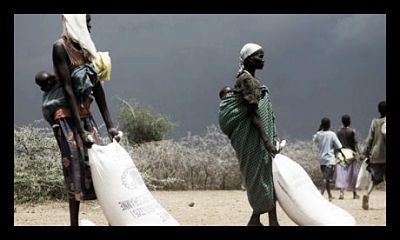
In 2012, the United States provided nearly $12 billion in official development assistance (“ODA”) to African nations. The ODA is allocated to education, health, infrastructure and economic development programs in recipient countries. Currently, the United States allocates foreign aid to 47 African nations and USAID operates 27 missions on the continent.

US Foreign aid to Africa began in the 1960s as many African nations gained independence and the United States sought strategic alliances to counter the influence of the Soviet Union. With the exception of disaster and famine relief, most foreign aid to Africa began to decrease with the collapse of the Soviet Union.

In the 2000s, President Bush more than tripled aid to Africa by establishing programs such as the Child Survival and Health Programs Fund as well as the Global HIV/AIDS Initiative.

Though foreign aid programs are designed to assist recipient nations with development, they also benefit the United States in a number of ways.

First, these programs help build strategic alliances and foster support for democratic transitions. It also stimulates Africa’s growth and development, which provides opportunities for increased trade and direct investment in the continent’s emerging markets.

But for all the benefits, foreign aid to Africa has no shortage of detractors. Many critics point out that much of the money allocated to Africa never reaches the people who most need the assistance. “Eighty percent of U.S. aid to Africa is spent right here in America — on American contractors, American suppliers, and so forth,” said George Ayittey, president of the Free Africa Foundation.

In more corrupt nations, politicians and civic leaders are often charged with misappropriating funds designated for the people. Others critics claim that foreign aid to Africa simply does not work—after 50 years of assistance, Africa still confronts the same issues.

But even critics would have to agree on one crucial point: foreign aid is an integral part of U.S. foreign policy. In Africa, aid programs support a large framework of social and economic assistance for developing nations.

Critics are correct that American companies and corrupt politicians siphon a large portion of foreign aid. But aid to Africa has also done much to improve infrastructure, bolster economic development and improve health care conditions for millions of people on the continent.

– Danial Bonasso
Sources: Foreign Policy Initiative, Washington Post, NPR, One.org
Photo: James Bovard

August 21, 2013
https://borgenproject.org/wp-content/uploads/borgen-project-logo.svg 0 0 Borgen Project https://borgenproject.org/wp-content/uploads/borgen-project-logo.svg Borgen Project2013-08-21 11:44:212024-12-13 17:49:39US Foreign Aid to Africa: What We Give and Why
Page 151 of 157«‹149150151152153›»

Get Smarter

  • Global Poverty 101
  • Global Poverty… The Good News
  • Global Poverty & U.S. Jobs
  • Global Poverty and National Security
  • Innovative Solutions to Poverty
  • Global Poverty & Aid FAQ’s
Search Search

Take Action

  • Call Congress
  • Email Congress
  • Donate
  • 30 Ways to Help
  • Volunteer Ops
  • Internships
  • Courses & Certificates
  • The Podcast
Borgen Project

“The Borgen Project is an incredible nonprofit organization that is addressing poverty and hunger and working towards ending them.”

-The Huffington Post

Inside The Borgen Project

  • Contact
  • About
  • Financials
  • President
  • Board of Directors
  • Board of Advisors

International Links

  • UK Email Parliament
  • UK Donate
  • Canada Email Parliament

Get Smarter

  • Global Poverty 101
  • Global Poverty… The Good News
  • Global Poverty & U.S. Jobs
  • Global Poverty and National Security
  • Innovative Solutions to Poverty
  • Global Poverty & Aid FAQ’s

Ways to Help

  • Call Congress
  • Email Congress
  • Donate
  • 30 Ways to Help
  • Volunteer Ops
  • Internships
  • Courses & Certificates
  • The Podcast
Scroll to top Scroll to top Scroll to top