• Link to X
  • Link to Facebook
  • Link to Instagram
  • Link to TikTok
  • Link to Youtube
  • About
    • About Us
      • President
      • Board of Directors
      • Board of Advisors
      • Financials
      • Our Methodology
      • Success Tracker
      • Contact
  • Act Now
    • 30 Ways to Help
      • Email Congress
      • Call Congress
      • Volunteer
      • Courses & Certificates
      • Be a Donor
    • Internships
      • In-Office Internships
      • Remote Internships
    • Legislation
      • Politics 101
  • The Blog
  • The Podcast
  • Magazine
  • Donate
  • Click to open the search input field Click to open the search input field Search
  • Menu Menu
Blog - Latest News
Developing Countries, Development, Global Poverty, Poverty Reduction

World Bank Risk Management Helps Reduce Poverty
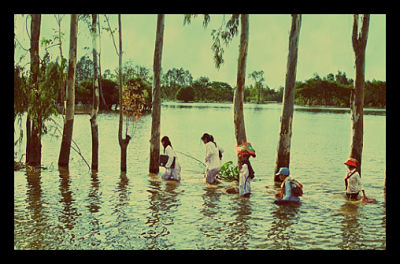
Risk Management World Bank Development Strategy
In its annual World Development Report on October 7, the World Bank stated that successful risk management can be an essential tool for development.

Risk management in development involves policies that can help improve the negative effects of natural disasters, economic shocks or health crises. The World Development Report suggests that poor risk management has resulted in a staggering child mortality rate from injury and illness in low-income countries, one that is nearly 20 times higher than that in high-income countries. These slacking policies have also led to more deaths during droughts in Africa than from any other natural disaster. However, if governments and decision-makers can create more durable environments for managing risks, these trends can indeed be reversed.

“Risk management can save lives, avert economic damages, and can provide resilience and prosperity by allowing people to undertake new endeavors,” said Norman Loayza, director of the 2014 World Development Report.

The World Development Report has been released annual since 1978 and is the World Bank’s most comprehensive publication. As inferred, this year’s report looked at how managing risks can end poverty and increase equity.

As of now, many societies and individuals fail to tackle risk successfully because of lack of resources and information, missing markets and public goods and even more, social exclusion. “We’re advocating a sea change in the way risk is managed,” World Bank President Jim Yong Kim said. “Our new approach calls for individuals and institutions to shift from being ‘crisis fighters’ to proactive and systematic risk managers.”

The report tells us that because most individuals remain ill-equipped to confront many shocks and disasters, they must instead depend on shared action and responsibility. Without coherence from the international community, individuals, states and nations will continually be unable to handle problematic events on their own terms.

– Sonia Aviv

Sources: Global Issues, World Bank, Topix
Photo: World Bank

October 15, 2013
Share this entry
  • Share on Facebook
  • Share on X
  • Share on WhatsApp
  • Share on Pinterest
  • Share on LinkedIn
  • Share on Tumblr
  • Share on Vk
  • Share on Reddit
  • Share by Mail
https://borgenproject.org/wp-content/uploads/borgen-project-logo.svg 0 0 Borgen Project https://borgenproject.org/wp-content/uploads/borgen-project-logo.svg Borgen Project2013-10-15 15:08:142014-03-24 12:22:06World Bank Risk Management Helps Reduce Poverty

Get Smarter

  • Global Poverty 101
  • Global Poverty… The Good News
  • Global Poverty & U.S. Jobs
  • Global Poverty and National Security
  • Innovative Solutions to Poverty
  • Global Poverty & Aid FAQ’s
Search Search

Take Action

  • Call Congress
  • Email Congress
  • Donate
  • 30 Ways to Help
  • Volunteer Ops
  • Internships
  • Courses & Certificates
  • The Podcast
Borgen Project

“The Borgen Project is an incredible nonprofit organization that is addressing poverty and hunger and working towards ending them.”

-The Huffington Post

Inside The Borgen Project

  • Contact
  • About
  • Financials
  • President
  • Board of Directors
  • Board of Advisors

International Links

  • UK Email Parliament
  • UK Donate
  • Canada Email Parliament

Get Smarter

  • Global Poverty 101
  • Global Poverty… The Good News
  • Global Poverty & U.S. Jobs
  • Global Poverty and National Security
  • Innovative Solutions to Poverty
  • Global Poverty & Aid FAQ’s

Ways to Help

  • Call Congress
  • Email Congress
  • Donate
  • 30 Ways to Help
  • Volunteer Ops
  • Internships
  • Courses & Certificates
  • The Podcast
Link to: “The Space Between” Documents Kenyan Healthcare Link to: “The Space Between” Documents Kenyan Healthcare “The Space Between” Documents Kenyan Healthcare Link to: Is McGill University Doing “Asbestos” it Can? Link to: Is McGill University Doing “Asbestos” it Can? Is McGill University Doing “Asbestos” it Can?
Scroll to top Scroll to top Scroll to top