• Link to X
  • Link to Facebook
  • Link to Instagram
  • Link to TikTok
  • Link to Youtube
  • About
    • About Us
      • President
      • Board of Directors
      • Board of Advisors
      • Financials
      • Our Methodology
      • Success Tracker
      • Contact
  • Act Now
    • 30 Ways to Help
      • Email Congress
      • Call Congress
      • Volunteer
      • Courses & Certificates
      • Be a Donor
    • Internships
      • In-Office Internships
      • Remote Internships
    • Legislation
      • Politics 101
  • The Blog
  • The Podcast
  • Magazine
  • Donate
  • Click to open the search input field Click to open the search input field Search
  • Menu Menu

Archive for category: Children

Information and stories addressing children.

Children, Global Poverty, Hunger

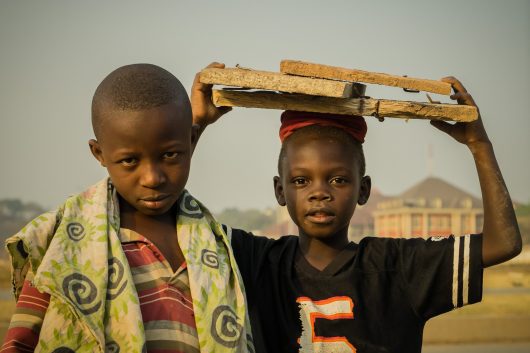
Children in Danger of Death from Hunger in Nigeria

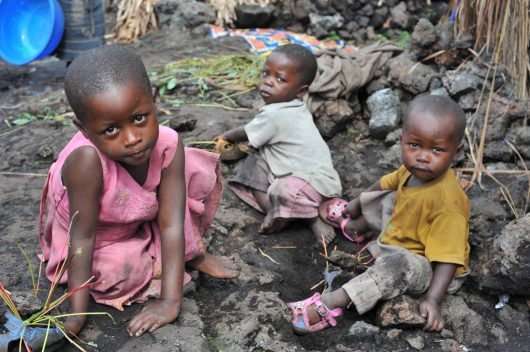
Hunger in NigeriaAfter assessing areas of the country previously cut off from foreign assistance by Boko Haram, the U.N. released a statement on July 1, declaring that 50,000 children in northern Nigeria stand to die from undernourishment and hunger in Nigeria if left untreated.
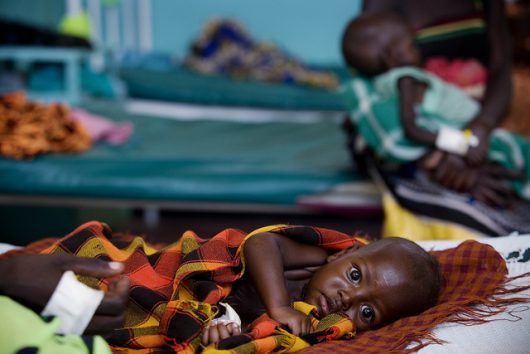
“Unless we reach these children with treatment, one in five of them will die. We cannot allow that to happen,” stated Jean Gough, Nigeria Representative of UNICEF.

Over the past year, the Nigerian army, with the help of troops from neighboring countries, fought to reclaim territories in the north taken by Boko Haram. The struggle resulted in the displacement of 2.4 million people in Nigeria, Chad, Niger, and Cameroon, making food insecurity and malnutrition an emergent issue in these countries.

The violence in northern Nigeria greatly disturbed the supply of food to markets, increasing the cost of basic commodities. However, the recapturing of northern territories allowed humanitarian agencies like MSF to provide aid in the form of medical services and health supplies to the most vulnerable residents of these areas.

In addition, on June 27, the U.N. Central Emergency Response Fund allocated $13 million to provide immediate life-saving aid to northern Nigeria. Funds will be used to provide food, money for purchasing food, nutritional supplements, and seed and tools for the forthcoming planting season.

Unfortunately, this is only a portion of what needs to be done to end hunger in Nigeria. Conflict between the militant group and the Nigerian army is still ongoing, and the afflicted areas need more rapid assistance.

“While the government and humanitarian organizations have stepped up relief assistance, the situation in these areas requires a much faster and wider response,” said the U.N. Humanitarian Coordinator for Nigeria, Munir Safieldin.

Hopefully increased efforts from international organizations will continue to assist reducing malnutrition and the under-five mortality rate in the country.

– Ugochi Ihenatu
Photo: Flickr

September 24, 2016
https://borgenproject.org/wp-content/uploads/borgen-project-logo.svg 0 0 Borgen Project https://borgenproject.org/wp-content/uploads/borgen-project-logo.svg Borgen Project2016-09-24 01:30:142024-12-13 17:55:33Children in Danger of Death from Hunger in Nigeria
Children, Education, Global Poverty

Obstacles Against Secondary Education in El Salvador

Education_El Salvador
While education has slowly grown more accessible for El Salvador children since the end of the country’s civil war in 1992, poverty continues to keep children away from classrooms — particularly when reaching secondary school.

In 2013, elementary schools had a 91% enrollment. However, only 50-60% attended secondary school (grades seven through nine). Poverty levels also fluctuated between 30-40% over the past decade, rising to 55% in rural areas.

Poverty conditions often affect academic performance and can cause children to leave school early, as disadvantages faced by families often influence the choice.

Work

El Salvador has child labor laws; it is illegal for children under 14 to have jobs and hours are restricted for anyone under 18. However, about 1.8 million children between the ages of five to 17 work to contribute to their families. Many of these children have to leave school to do so, thus continuing the cycle of poverty.

School Supply Costs

Although secondary education in El Salvador is free, students are required to have uniforms and basic supplies. This cost is often too much for families. Rural students are often unable to attend because they do not have means of transportation to get to even the nearest school.

Resources

School quality varies from region to region It is difficult to encourage students to actively participate in education when schools often are poorly constructed, lack the proper resources and are overcrowded.

Crime

After Honduras, El Salvador has the second-highest homicide rate in the world, fueled by active gangs, drugs and poverty. Children risk becoming either participants or victims of the violence. In this case, both employment and education appear to be part of the solution. Young people who join gangs are often those who do not have the resources to attend school but are unable to find a job in the stagnant economy.

Unregistered Children

Approximately 10% of the population were not registered at birth. This prevents children from becoming citizens or attending public schools in El Salvador. Unregistered children are born to families in rural areas or living on the street. Barring this particularly vulnerable group from education only continues the issues of violence and poverty.

Child Marriage

Legally, girls as young as 14 and boys as young as 15 can marry with parental permission. Twenty-five percent of Salvadorans are married by age 18. Members of a Global group called Girls, not Brides, state that child marriage often ends a girl’s formal education pursuits.

Change on the Way?

Problems with secondary education in El Salvador have been recognized and many are mobilizing to tackle these issues.

El Salvador passed a plan to end child labor by 2020 through the reduction of poverty, protection of children’s rights and improvements to education.

To reduce crime, the government passed a law called National Youth Policy, with the intent to create outlets for young people through education, employment or other constructive participation. Some American organizations like USAID and Tailored for Education have invested in Salvadoran schools to improve resources and infrastructure.

None of these economic or social issues are easy to resolve, but Salvadoran officials believe that with a literacy rate of 97%, high primary school attendance and a low gender gap, there will be a good foundation to make progress.

– Jeanette I. Burke

Photo: Flickr

September 21, 2016
https://borgenproject.org/wp-content/uploads/borgen-project-logo.svg 0 0 Borgen Project https://borgenproject.org/wp-content/uploads/borgen-project-logo.svg Borgen Project2016-09-21 01:45:312024-05-27 09:35:03Obstacles Against Secondary Education in El Salvador
Children, Development, Education, Global Poverty, Health

Stronger Anti-Poverty Efforts for Disadvantaged Children

Disadvantaged Children
The United Nations International Children’s Emergency Fund (UNICEF) warned that 69 million disadvantaged children under the age of five will die of preventable causes by 2030 unless countries strengthen their anti-poverty efforts.

The World’s Children

UNICEF’s annual flagship report, the “State of the World’s Children 2016,” said that based on current trends, 167 million adolescents will live in poverty and 750 million women will have been married as children by 2030.

Despite recent advances in reducing global poverty, the report reflected the increasing risk that the world’s most disadvantaged face and the need for governments and aid organizations to do more to tackle inequality.

Many countries in the West were unwilling to accept millions of refugees and migrants fleeing poverty and conflict, mostly in the Middle East and Africa, around the time the 172-page report was released.

In a foreword to the report, Anthony Lake, the executive director of UNICEF said that inequities are shaping the survival rates of poor children and “perpetuat[ing] intergenerational cycles of disadvantage and inequity that undermine the stability of societies.”

Progress is Progress, but We Need More

The report acknowledged that progress was made to expand development and improve the plight of the world’s poor. Extreme poverty and global under-five mortality rates have been nearly halved since the 1990s and boys and girls attend primary school in equal numbers in 129 countries.

However, the report noted the benefits of anti-poverty efforts have been unequal and limited in many developing areas around the world.

Children born to uneducated mothers are three times more likely to die before the age of five than those born to women with secondary education in sub-Saharan Africa and Southeast Asia. Girls who grow up in extreme poverty are also twice as likely to be married as children than girls from the wealthiest neighborhoods.

Nearly half of the 69 million disadvantaged children projected to perish from preventable causes will reside in sub-Saharan Africa where 247 children live in multidimensional poverty.

The report also found that insufficient access to quality education is still prevalent. Between 2010 and 2013, development assistance for basic education declined by 11%.

The number of children who do not attend school has also increased since 2011 and almost two in five adolescents who do finish primary school have not learned to read, write or do basic arithmetic.

The report recommended an increase in the investment of youth and education in order to guarantee a better future for the world’s children. According to UNICEF, cash transfers have helped children stay in school longer and each additional year of education that a child receives can increase his or her adult earnings by 10%.

Disadvantaged children need strengthened anti-poverty efforts for increased access to education, disease prevention and lower mortality rates — tasks that the global community can help accomplish.

– Sam Turken

Photo: Flickr

September 4, 2016
https://borgenproject.org/wp-content/uploads/borgen-project-logo.svg 0 0 Borgen Project https://borgenproject.org/wp-content/uploads/borgen-project-logo.svg Borgen Project2016-09-04 01:30:192024-05-27 09:34:31Stronger Anti-Poverty Efforts for Disadvantaged Children
Children, Food & Hunger, Global Poverty, Hunger

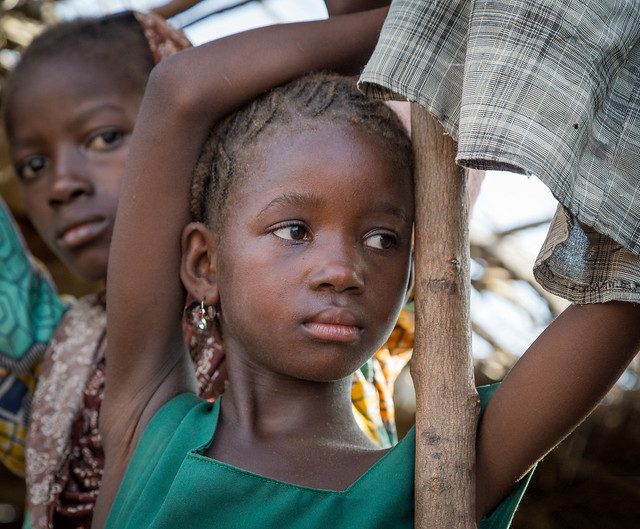
Hunger in Zimbabwe: Overcoming Child Malnutrition

Hunger in Zimbabwe

Thousands of children are facing starvation and hunger in Zimbabwe due to the worst drought in two decades. According to the World Food Programme, nearly four million Zimbabweans are struggling to meet their basic food needs.

Zimbabwe is considered a food-deficit country, ranked 156 out of 187 on the Global Hunger Index. Although food insecurity affects people of all ages, it is even more detrimental to children.

Studies show that proper nutrition is critical to children’s physical and emotional development. Children struggling with hunger are more likely to repeat a grade in primary school, experience impairments in language and motor skills, or have social and behavioral problems.

In Zimbabwe, only 17.3% of children between the ages of two and six receive the recommended minimum diet for adequate nutrition. A child suffering from malnutrition is more likely to contract diseases, such as HIV, or suffer from stunting. Currently, one in every three Zimbabwean children suffers from chronic malnutrition or stunting. Stunting alone contributes to more than 12,000 deaths per year.

Hunger in Zimbabwe has become a major issue, particularly for low-income families and their children. Struggling families are often pressured to accept a dowry for their young daughters. This provides food for the rest of the family, as well as a potentially more food-secure situation for their daughter.

Approximately one out of every three girls in Zimbabwe are married before their 18th birthday. Girls living in the poorest 20% of households were more than four times as likely to marry before the age of 18 than those living in the wealthiest 20% of households.

Both poverty and hunger in Zimbabwe have resulted in an unsafe environment for children.

In order to combat hunger in Zimbabwe, the World Food Programme has implemented the Protracted Relief and Recovery Operation (PRRO). The three primary focus areas of the operation are disaster response, food assistance and nutrition.

The disaster response and risk reduction program are designed to support food-insecure households affected by severe drought during the growing season.

Food Assistance for Assets provides cash and in-kind transfers, along with activities that promote self-reliance. It empowers vulnerable communities to move away from a dependence on food assistance.

The health and nutrition promotion is responsible for the Moderately Acutely Malnourished treatment, which assists pregnant and nursing women and children under the age of five. A stunting prevention program was also established in the same district.

With the help of the World Food Programme and other international organizations, hunger in Zimbabwe is decreasing and children are able to live healthier and happier lives.

– Kristyn Rohrer

Photo: Flickr

August 29, 2016
https://borgenproject.org/wp-content/uploads/borgen-project-logo.svg 0 0 Borgen Project https://borgenproject.org/wp-content/uploads/borgen-project-logo.svg Borgen Project2016-08-29 01:30:432024-06-07 05:07:37Hunger in Zimbabwe: Overcoming Child Malnutrition
Children, Global Poverty

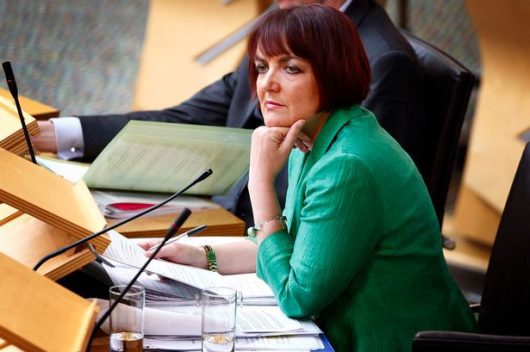
Scottish Government Proposes Bill to End Child Poverty

End child povertyThe Scottish government proposed a new bill that takes a great step to end child poverty. The bill in question is designed to halve child poverty in Scotland by 2030. On August 8, 2016, Equalities Secretary Angela Constance launched an eight-week consultation on the plans.
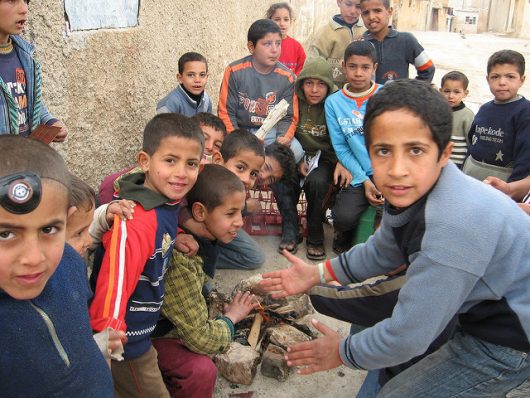
About one in five children in Scotland live in poverty. The bill proposes protecting families’ income by law, aiming for less than 10 percent of children to live in relative poverty, less than 5 percent in absolute poverty and less than 5 percent in persistent poverty or a low income, materially deprived home.

Relative poverty is where a family earns less than 60 percent of the national average, while absolute poverty is where earnings are less than 60 percent of the average wage in 1999. Persistent poverty is where families have been living in poverty for three out of a four-year period.

Targets outlined in the bill include ensuring more people are paid the living wage; families have access to more free or cheaper childcare and free school meals. Additionally, the government is offering better-paid jobs and greater security to parents. The measures are in place to boost family income in Scotland over the next 14 years.

The Child Poverty Action Group (Cpag), which is a group of campaigners against child poverty, welcomed the consultation into how to reduce child poverty in Scotland.

John Dickie, director of Cpag, said the bill is a “great opportunity” to help tackle the problem, but he also warned that political leaders must take responsibility as well. Dickie called for the new laws to include duties for political leaders to annually report progress. Cpag stated that the bill is not a solution to child poverty, but it would help keep child poverty in Scotland a top priority.

Constance stated that to end child poverty isn’t only a job for the government, but also the entire population of Scotland. She proposed that the government would work together with local governments, businesses and people living in poverty to help tackle child poverty in Scotland. Constance is confident that the jobs being created in Scotland will provide a real route out of poverty.

– Jacqueline Venuti

Photo: The Daily Record

August 27, 2016
https://borgenproject.org/wp-content/uploads/borgen-project-logo.svg 0 0 Borgen Project https://borgenproject.org/wp-content/uploads/borgen-project-logo.svg Borgen Project2016-08-27 01:30:322024-05-27 23:53:00Scottish Government Proposes Bill to End Child Poverty
Activism, Children, Global Poverty

The Plight of Youth in Gaza: Their Dire Need for Improvement

Youth in Gaza
The ongoing power struggle between the Israeli government and Hamas has adversely affected youth in Gaza. The situation has been exacerbating since the 2007 Israeli blockade on the Gaza strip. Moreover, youth unemployment rates have risen to a staggering 60 percent, with a nearly 80 percent dependency on foreign aid.

An analysis conducted by the International Labor Organization (ILO) accentuates that the youth in Gaza working between the ages of 10-17 has soared to 9,700. Many are below the legal age of 15, and this figure is presumed to be much more in reality.

With rising food prices and varying degrees of income disparity over the years, the plight of the youth has only intensified. The deficiency in the labor market has made it difficult for people to find work. As a result, young children work for meagre amounts to support their families, without even the basic provision of insurance.

“I have to work to earn extra money – my father is ill, and my mum has no food for us,” exclaims 7-year-old Imad Awadallah.

Humanitarian aid has benefited many young children, but the British government’s recent probe into Palestinian authorities may show a prolonged misuse of this aid.

SOS Children’s Villages has been providing care and early education to young children in Rafah since 1999. Their youth home has also helped young people with basic training to adjust to the challenges that adult life entails.

United Nations Relief and Works Agency for Palestine Refugees (UNRWA) has also provided outstanding education in Gaza for the past few years. For three years, the El-Wedad Society for Community Rehabilitation has been spearheading the push for children’s rights. They visit families and highlight the vitality of education through seminars and sessions.

It is imperative to ensure mobility and efficiency in the provision of aid. While channeling humanitarian aid, collaboration with the Palestinian government is necessary.

Countries in the region have reached out to those impoverished children. Notably, an envoy from the Jordan Hashemite Charity Organization arrived on June 16 with medical supplies. Also, many in Karara will receive help through the Turkish Crescent’s inception of the first aid station.

Moreover, the initiatives organized by Gaza’s Social Affairs Ministry of Labor will enhance a variety of skills, such as sewing and carpentry, which will help make the youth more self- sufficient. Thus, there should be an increased propensity to remain in school–increasing literacy rates are vital to increasing the diversity of the labor market.

The deployment of peacekeepers serves a dual purpose: 1) It is a necessary precaution to ensure the steady flow of aid and 2) it protects vulnerable groups (such as young children) in the more turbulent areas. Aid workers must also be well trained and experienced to safeguard the interests of the children.

Businesses that use exploitation and child labor have the potential to be blacklisted by the U.N., as it is a violation. Potential creditors must also refrain from investing in such businesses.

Considering the revolts in 2014, possible cessation of hostilities between the Hamas and Israeli government is indefinite. However, we can create awareness by supporting NGOs like Save the Children and Islamic Relief USA. Alleviating the harsh situations faced by the youth in Gaza will positively impact all involved.

– Shivani Ekkanath

Photo: Flickr

August 26, 2016
https://borgenproject.org/wp-content/uploads/borgen-project-logo.svg 0 0 Borgen Project https://borgenproject.org/wp-content/uploads/borgen-project-logo.svg Borgen Project2016-08-26 01:30:132024-12-13 17:54:41The Plight of Youth in Gaza: Their Dire Need for Improvement
Children, Education, Food & Hunger, Global Poverty

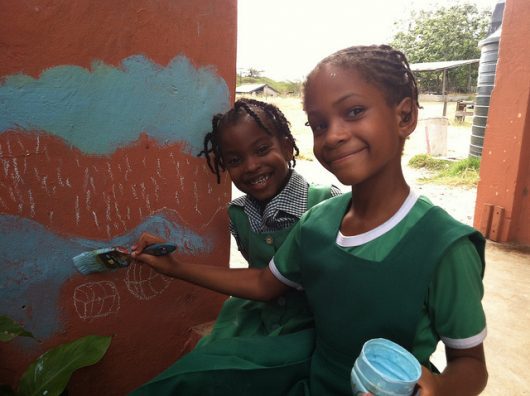
Gov’t Supports School Programs to Reduce Hunger in Jamaica

Hunger in Jamaica

Hunger in Jamaica has improved tremendously among primary and early childhood students with the various programs and strategies implemented by The Program of Advancement through Health and Education (PATH) and the School Feeding Program (SFP).

The Program of Advancement through Health and Education (PATH) enabled by the Government of Jamaica (GOF) continues to play an integral role in providing free lunches for primary school students with the aim of improving the nutrition of vulnerable children and eradicating hunger in Jamaica with Early Childhood students being the target group.

The Hon. Rev Ronald Thwaites in his presentation of the 2015-2016 sectoral debate revealed the aim of the Ministry of Education to expand the breakfast programs in schools initiated to provide free breakfast for 138,000 students inclusive of PATH beneficiaries.

The Ministry assigned J$2.2 billion to this program. The SFP in partnership with the Nutrition Products Limited (NPL) breakfast solutions ensures that all meals are made from local agricultural products.

Board Chairman of Nutrition Products Limited James E.D. Rawle gave a synopsis of the various products offered in the NPL Annual Report, “Segments of the Early Childhood Cohort, inclusive of hot solution (porridge), sandwiches, muffins, breads, cakes and an improved juice drink, made utilizing locally produced fruit puree”.

The NPL has provided breakfast solutions to 12,000 designated children located in Kingston & St Andrew, St Thomas, St Catherine and Clarendon each day. This initiative has helped to reduce hunger in Jamaica among students in Primary level institutions.

The SFP provides additional Nutribun snacks for these students in line with the strategy Ministry of Education to spend approximately 20 percent of the school feeding budget of J$4.6 billion on locally grown products. The Ministry intends to achieve 50 percent in three years.

The Hon. Rev Ronald Thwaites revealed that 40 percent of children lack proper nutrition and another 30 percent experience hunger on a daily basis.

“Providing nutrition in schools is adding value to the lives of our young children and the brightening of their prospects,” said Thwaites. This step towards improving the nutrition of Early Childhood students via proper victuals is a resourceful means by the GOF to improve hunger In Jamaica.

– Shanique Wright

Photo: Flickr

August 25, 2016
https://borgenproject.org/wp-content/uploads/borgen-project-logo.svg 0 0 Borgen Project https://borgenproject.org/wp-content/uploads/borgen-project-logo.svg Borgen Project2016-08-25 12:27:382024-05-27 23:52:59Gov’t Supports School Programs to Reduce Hunger in Jamaica
Children, Education, Global Poverty

The Success of Public Education in Georgia: Is It Enough?

Education in Georgia
In the years following independence from the Soviet Union, the country of Georgia faced a variety of challenges from natural disasters to political unrest. Times were tumultuous for over a decade, but in 2003, the year of the Rose Revolution, a new dawn broke for the nation. A new government arose and enacted many new programs — some of which address the ever-present issue of public education in Georgia.

Although the national plan for education in Georgia direly needed a make-over by the turn of the twenty-first century, the system had not yet become a hopeless case. All age groups within the country were evaluated with over 98% literacy, but it was usually only basic literacy with very few individuals making it to higher levels of education.

This phenomenon of widespread but low-level education can be attributed to the inefficiency and low quality of the public education programs. Ultimately, families did not feel that it was worth their time to put their children through more than the minimum required years of education.

After primary education, the government would no longer support the entirety of a student’s tuition; thus, to continue on in education, the child and his or her family would need to pay a good portion of tuition — funding that few families had to spare.

Shortly after the Rose Revolution, the newly appointed government developed a plan that would allow for the growth of a more efficient and cohesive education system.

The bill passed through the Georgian legislature was dubbed the Law on General Education, and it opened up services that the Georgian public had previously been unable to access. This new law established equal treatment for ethnic and linguistic minorities, ensuring that all could receive a free education to the newly raised requirement of the ninth grade. It also gave more local power to families to elect the principal of their child’s school, and be privy to other rights that had previously been unavailable.

With this new focus on issues surrounding public education, the government has improved many services, such as vocational training and higher education, which are now also more readily available to the public.

A great number of children enter the fifth grade, but there are unfortunately many students who do not make it past the primary levels of education. Generally, due to poverty, two percent of primary-aged children are compelled to drop out of their educational endeavors before completing their primary education.

Many see the drop-out rate due to poverty as a self-perpetuating problem. The Bertelsmann Stiftung’s Transformation Index (BTI) states that, “Households in which adults have better education are less likely to be poor.”

The key drivers of social exclusion include “low education attainment levels among household members, unemployment, lack of land ownership, lack of access to health care, lack of access to loans or credit and lack of social assistance.”

To address this prevalent issue, and to better retain and educate its students, the Georgian government has increased its spending on public education by 43% over recent years. The effort is commendable, but the BTI argues that improvement needs to increase even more in order to keep up with prevailing economic issues and bolster the educational infrastructure of the country.

With an increased amount of students graduating from secondary education, the government will soon need to provide stipends to graduates for further education in institutions of higher learning.

The issues facing the growing sector of public education in Georgia are many, but various international organizations are optimistic for the emphasis placed on education reform by the Georgian government.

With its limited resources, these global figureheads agree that it is key that Georgia puts a high priority on developing its human capital, and in this way, secure the long-term progress of the country.

– Preston Rust

Photo: Pixabay

August 25, 2016
https://borgenproject.org/wp-content/uploads/borgen-project-logo.svg 0 0 Borgen Project https://borgenproject.org/wp-content/uploads/borgen-project-logo.svg Borgen Project2016-08-25 01:30:302024-05-27 09:34:18The Success of Public Education in Georgia: Is It Enough?
Children

New Budget Emphasizes Security, Youth and Education in Kenya

Education in Kenya

Kenya’s new budget for the 2016–2017 financial year was revealed in parliament recently. The budget emphasizes security and defense, youth resources, public works, and improved education in Kenya.

With Sh124 billion state funds going towards the Defense Ministry, security is by far the biggest priority in the new budget. This is possibly a response to the gruesome terrorist attacks perpetrated by the Somali terrorist group Al-Shabaab last year.

The money will go towards modernizing the military and police forces, with an emphasis on strengthening police to prevent future terrorism.

A significant portion of the new budget will go towards Kenyan youth programs. The youth are by far the nation’s largest demographic as people under the age of 24 make up 60% of the country’s population.

While public education in Kenya has improved in recent years, youth unemployment has remained at 17% since 2010. This is a concern for such a young country. Recognizing this, the Kenyatta administration has put an additional Sh21 billion towards the National Youth Service initiative.

Education in Kenya also saw a major bonus from the new budget. Approximately 24% of children in Kenya are child laborers, despite the relatively high literacy rate.

A new Sh19 billion was allocated for education in the new budget. According to the Treasury Secretary, the money will go towards making the youth “employable by preparing them for the job market and contributing to nation building.”

The new budget also funds free maternal healthcare and several new public works projects. Kenya is still a largely rural country, with three-quarters of the country reliant on agriculture. For that reason, the budget allocates Sh20 Billion for the ongoing irrigation projects. The hope is that improving agriculture can get people off of subsistence farming and alleviate poverty.

Despite the numerous problems that the new budget seeks to address, Kenya has been improving significantly in recent years. The life expectancy has steadily increased since the early 2000s, and the HIV/AIDS prevalence rate has been decreasing since 1992, alongside steady GDP growth.

Both the World Bank and the International Monetary Fund project that Kenya will continue on the path to economic success.

– John English

Photo: Pixabay

August 23, 2016
https://borgenproject.org/wp-content/uploads/borgen-project-logo.svg 0 0 Borgen Project https://borgenproject.org/wp-content/uploads/borgen-project-logo.svg Borgen Project2016-08-23 01:30:492024-12-13 17:54:38New Budget Emphasizes Security, Youth and Education in Kenya
Children, Education, Global Poverty

Cormack Family Funds New Children International Center

Cormack FamilyDave Cormack, president and chief executive officer of the healthcare software provider Brightree, along with his family, are funding a new Children International Cormack Family Community Center. The Cormack family is helping to benefit nearly 12,000 children in Cartagena, Colombia.

In Colombia, 11% of the country is unemployed and 37% of the country lives below the poverty line.

Children International has been working with Colombia for over 25 years to help children break the cycle of poverty. It has 10 community centers in Colombia serving more than 40,000 children.

“After having the opportunity to visit other Children International community centers, my family and I recognized the importance of these safe spaces,” said Dave Cormack. “We knew we wanted to help fund a center so that more kids have the opportunity to utilize Children International’s services.”

The new community center will include the Brightree Youth Computer Center, where children can do research, homework and learn valuable skills such as English as a second language. It will also have medical and dental clinics, a library, pharmacy and other meeting spaces.

The new youth center will have an outdoor multi-sport court, an art studio and other multi-use spaces. The centers give families a place to escape the negative influences of their poor communities.

Children in the program have access to a team of doctors, dentists, tutors and sponsors. The Children International Cormack Family Community Center is a safe place in the community and a path out of poverty.

The organization provides health benefits, including annual medical exams and health care during illness, providing nutritional support, counseling for children and families, dental care, clothing, school supplies and fees and items for the home.

The programs are focused on health, education, empowerment and employment. Through early intervention, Children International addresses children’s critical needs through daily interaction in community centers. The centers are unique facilities that enable Children International to reach its goal of eliminating poverty from children’s lives.

– Jacqueline Venuti

Photo: Children International

August 19, 2016
https://borgenproject.org/wp-content/uploads/borgen-project-logo.svg 0 0 Borgen Project https://borgenproject.org/wp-content/uploads/borgen-project-logo.svg Borgen Project2016-08-19 01:30:222020-06-18 19:51:27Cormack Family Funds New Children International Center
Page 102 of 137«‹100101102103104›»

Get Smarter

  • Global Poverty 101
  • Global Poverty… The Good News
  • Global Poverty & U.S. Jobs
  • Global Poverty and National Security
  • Innovative Solutions to Poverty
  • Global Poverty & Aid FAQ’s
Search Search

Take Action

  • Call Congress
  • Email Congress
  • Donate
  • 30 Ways to Help
  • Volunteer Ops
  • Internships
  • Courses & Certificates
  • The Podcast
Borgen Project

“The Borgen Project is an incredible nonprofit organization that is addressing poverty and hunger and working towards ending them.”

-The Huffington Post

Inside The Borgen Project

  • Contact
  • About
  • Financials
  • President
  • Board of Directors
  • Board of Advisors

International Links

  • UK Email Parliament
  • UK Donate
  • Canada Email Parliament

Get Smarter

  • Global Poverty 101
  • Global Poverty… The Good News
  • Global Poverty & U.S. Jobs
  • Global Poverty and National Security
  • Innovative Solutions to Poverty
  • Global Poverty & Aid FAQ’s

Ways to Help

  • Call Congress
  • Email Congress
  • Donate
  • 30 Ways to Help
  • Volunteer Ops
  • Internships
  • Courses & Certificates
  • The Podcast
Scroll to top Scroll to top Scroll to top