• Link to X
  • Link to Facebook
  • Link to Instagram
  • Link to TikTok
  • Link to Youtube
  • About
    • About Us
      • President
      • Board of Directors
      • Board of Advisors
      • Financials
      • Our Methodology
      • Success Tracker
      • Contact
  • Act Now
    • 30 Ways to Help
      • Email Congress
      • Call Congress
      • Volunteer
      • Courses & Certificates
      • Be a Donor
    • Internships
      • In-Office Internships
      • Remote Internships
    • Legislation
      • Politics 101
  • The Blog
  • The Podcast
  • Magazine
  • Donate
  • Click to open the search input field Click to open the search input field Search
  • Menu Menu

Archive for category: Children

Information and stories addressing children.

Children, Education

Education in Mozambique: Serving Children with Disabilities

Education in Mozambique: Serving Children with Disabilities
Volunteers spent the day with disabled children and adults at the Matola Children’s Home. In Mozambique, disabled people may be abandoned by family members and are often seen as a financial burden.

Currently, the Matola Children’s Home houses 42 children from many local areas and has 67 young children in their daily preschool. The center relies solely on donations from the international community. The most difficult situation for disabled children is the limited assistance and opportunities they have to pursue an education in Mozambique.

According to the African Disability Rights Yearbook, 103,276 people with disabilities were children between the ages 0 to 15 years, which makes up approximately 21 percent of the total population of people with disabilities. One of the main problems within the confines of the country with such children is the issue of schooling.

Public schools aren’t developed with this demographic in mind making, which makes it difficult for these children to partake in education provided by the government. In 2013, UNICEF partnered with world-renowned photographers to create a collection of multimedia films that centers on the troubles surrounding the children of Mozambique.

In “The Rights Responsibility: Invisible Children” directed by Francisco Carlos Zevute and photographed by Patrick Zachmann, many children and families are interviewed in order to shed light on how grave the situation pertaining to disabled children and education is in Mozambique.

The film goes on to state “children with disabilities are almost twice as likely to fall victim to violence and are at heightened risk of abandonment and intimidation.”

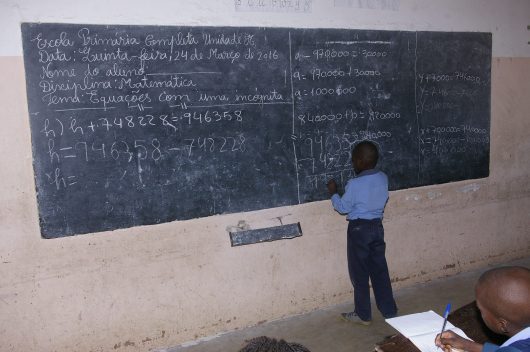
One of the direst situations for special needs education in Mozambique is a lack of qualified teachers able to teach these children as well as the infrastructure of schools which is not conducive for a child with disabilities.

Mozambique is slowly but surely making an effort to improve education as a whole in the country. In 2015, 51 percent of the country’s primary schools taught all seven grades in one school, and in 2016 the proportion increased to 56 percent.

Although great strides are made toward improving the education in Mozambique, little is being done to help disabled children.

Poverty plays a pivotal role in the scarce resources and availability of appropriate education for the disabled community. Ending global poverty proves to be a catalyst towards the accessibility of inclusive education in the developing world.

– Mariana Camacho

Photo: Flickr

November 4, 2016
https://borgenproject.org/wp-content/uploads/borgen-project-logo.svg 0 0 Borgen Project https://borgenproject.org/wp-content/uploads/borgen-project-logo.svg Borgen Project2016-11-04 11:31:232024-12-13 17:55:47Education in Mozambique: Serving Children with Disabilities
Children, Global Poverty, USAID

Breastfeeding to Combat Malnutrition in Ghana

Malnutrition in GhanaMalnutrition in Ghana has cost its economy $2.6 billion annually or 6.4% of gross domestic product (GDP) due to increased health care costs, additional burdens on the educational system and lower productivity by its workforce, according to a new United Nations report.

In the Northern Region, malnutrition is much more prevalent with 20 percent of children under five being underweight. As a result, there is a high stunting rate of 32.4 percent. The region is also plagued by high rate of micronutrient deficiencies such as anemia and vitamin A deficiency.

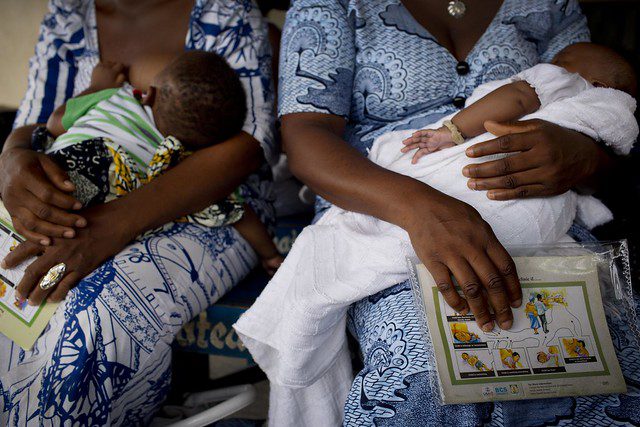
The USAID Resiliency in Northern Ghana (RING), a collaborative project dedicated to sustainably reducing poverty and improving livelihoods and nutritional status of vulnerable populations, called for exclusive breastfeeding to combat malnutrition in Ghana.

“Mothers should stick to [exclusive] breastfeeding for the first six months after which they can introduce the sour foods to children,” nutrition officer of the USAID-RING Project, Kristen Kappos underscored.

Kappos also implored health workers, volunteers and farmers to continue raising people’s awareness on breastfeeding within their operational zones.

As far back as 1991, Ghana adopted the Baby-Friendly Hospital Initiative (BFHI) to promote and support the practice of exclusive breastfeeding. However, exclusive breastfeeding rate has remained unchanged for two decades at 64.7%, far lower than the World Health Organization would prefer.

According to a recent study, knowledge gaps in key nutritional areas, especially infant and young child feeding, are the main reason leading to a low rate of exclusive breastfeeding in Ghana.

About 26% of the mothers studied were unable to define exclusive breastfeeding and 22% of them said breastmilk only was not sufficient to meet the nutritional needs of the child. They believed that the child may not be satisfied and could die if fed with only breastmilk for six months. Nearly 90% of the mothers did not know that breast milk could be expressed, stored safely and given to the child when the mothers were absent.

In addition, cultural factors also create challenges for mothers to breastfeed. The majority of the mothers showed a lack of confidence in expressing and storing breastmilk, a taboo in the local context.

Interventions must be designed to increase women’s confidence and dispel their misconceptions regarding breast milk, USAID-RING Project urged. Meanwhile, Hajia Ayishetu Bukari, Central Gonja district director of Ghana Health Service, also emphasized the need for employers to create and maintain conducive workplaces for exclusive breastfeeding practices.

– Yvie Yao
Photo: Flickr

November 1, 2016
https://borgenproject.org/wp-content/uploads/borgen-project-logo.svg 0 0 Borgen Project https://borgenproject.org/wp-content/uploads/borgen-project-logo.svg Borgen Project2016-11-01 01:30:572024-06-04 01:17:44Breastfeeding to Combat Malnutrition in Ghana
Children, Global Poverty

The Role of Grandmothers: The Heroes Everyone Overlooks

 The Role of Grandmothers
Working women have a lot for which to thank their mothers. Without the help of their mothers in the home, it would be difficult for young women to balance having a family with advancing in their careers. By taking care of their daughters’ children, grandmothers give their daughters the time they need to work.

Researchers from the University of New South Wales claim grandmothers’ childcare provision leads to a rise in their daughters’ labor force participation (LFP). According to their research, “grandparents are the largest source of informal childcare” for working women. In Italy and Greece, almost 50 percent of grandparents provide daily care for their grandchildren.

Although passing the responsibility of childcare over to their parents gives women freedom and independence to pursue their careers, it creates a problem for grandmothers. Grandmothers, rather than young daughters, get saddled with having to balance work and family.

Madonna Harrington Meyer, author of Grandmothers at Work: Juggling Families and Jobs, argues, “In the same way that women who reduce employment hours when raising their young children experience reductions in salary, savings, and public and private pensions, the mothers of those same women, as grandmothers, are rearranging hours to take care of their grandchildren, experiencing additional loss of salary and reduced old-age pension accumulation.”

Grandmothers do not only make sacrifices for their children and grandchildren in countries like Italy and Greece, but the role of grandmothers is very important in developing regions of the world as well. Veronica Nankya, a 93-year-old Ugandan grandmother taking care of her four grandchildren, told Daily Monitor Magazine that, after her children died of HIV/AIDS, life became very difficult because taking care of orphaned grandchildren is “an enormous duty,” particularly when she has to be the sole breadwinner for the family.

These matriarchs have carried the brunt of the HIV/AIDS pandemic in Africa in multiple ways. They have not only taken up the responsibility of caring for the orphaned children of HIV casualties but have also cared for the millions of adult AIDS patients who have nowhere to go but their parents’ homes.

Research by the World Bank shows grandmothers are “the managers of indigenous knowledge systems that deal with the development, care and well-being of women and children” in Latin America, Asia and Africa. Grandmothers, therefore, play an essential role in maternal and child nutrition, health and survival rates in these regions.

Community health specialist Dr. Judi Aubel claims that because the role of grandmothers is central in “advising younger women and male family members on nutrition and health matters, especially during pregnancy, childbirth and when children are infants or still young,” they should be involved in national and international programs and policies targeting these issues. It is through grandmothers that new knowledge and better health practices can be transmitted to the rest of society.

UNICEF in Laos showed that when grandmothers were involved in health campaigns, great results were possible. For example, when grandmothers became involved in diarrhea treatment workshops, the proportion of families providing the necessary fluids to children went up from 30 to 74 percent.

The role of grandmothers in the developed and the developing world is different but crucial to their families. In the developed world, grandmothers provide the needed childcare that young mothers need to continue rising in their professions.

In the developing world, grandmothers are essential for the care of orphaned children and for advising young mothers on health issues. It is very important that in the future, grandmothers in both the developed and developing world are given the help they need so that they are not required to make so many sacrifices and carry such a heavy burden of responsibility.

For women’s emancipation and empowerment to be complete, all women must have time for themselves and their own life regardless of age. It is not true women’s empowerment if older women must sacrifice their own freedoms for those of their daughters.

– Christina Egerstrom

Photo: Flickr

 

October 21, 2016
https://borgenproject.org/wp-content/uploads/borgen-project-logo.svg 0 0 Borgen Project https://borgenproject.org/wp-content/uploads/borgen-project-logo.svg Borgen Project2016-10-21 12:54:472024-05-27 09:21:02The Role of Grandmothers: The Heroes Everyone Overlooks
Children, Global Poverty

An Insight Into Why Child Poverty in Germany is Increasing

Child Poverty in Germany

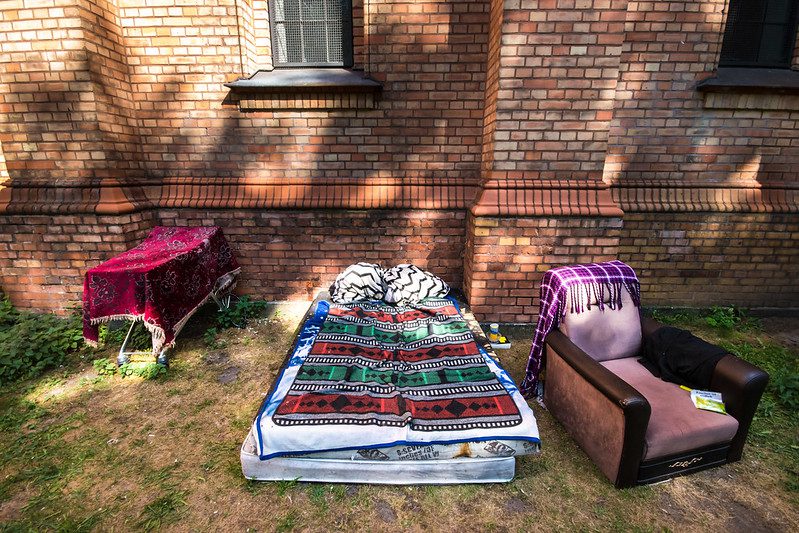
Germany has been a relatively wealthy country for years, performing well above average on the economic and social fronts. However, child poverty in Germany is a surprising new trend sweeping the nation.

Several reasons underlie this trend, but perhaps the most important of them is insufficient unemployment benefits. These benefits are called Hartz IV welfare benefits and are often used to help unemployed people afford basic necessities such as food and shelter.

An increasing dependence on welfare payments has rendered approximately 2 million children in Germany impoverished. Annette Stein, a professional from the Bertelsmann Foundation in Germany states, “The longer that a child lives on welfare, the worse the consequences are.”

This can be particularly true for children who have spent a substantial period of their life in penurious conditions, which can take a serious toll on their mental and physical development, their self-esteem and overall health.

According to a report published by the UNICEF, in 2001, 10.2 percent of all German children suffered from poverty. Poverty is determined with respect to half of the median income level, and anything below this level is deemed to be inadequate to support a healthy lifestyle.

A UNICEF report also noted that single parent households showed disproportionately greater rates of child poverty. This suggests that measures should be implemented in Germany to connect single parents with potential job opportunities that match their qualifications and skills. This is likely to improve household income and thus decrease child poverty.

Recently, Wolfgang Schäuble, the finance minister of Germany, declared an increase of two pounds in benefits offered to children. Opponents of this change argue that this increase is unlikely to significantly impact rates of child poverty in Germany.

Poverty among children in Germany is not usually due to an inability to afford necessities, but rather an incapacity to further develop themselves as well-rounded individuals through education and healthy eating.

While the situation appears bleak on the exterior, a lot can be done to change the financial predicament of children in Germany. A reduction in child poverty in Germany can be achieved through subsidies to farms and food industries to lower the price of healthy products, distribution of grants or scholarships to students for school; a thorough re-assessment of the adequate amount of benefit required to allow children to sustain and develop themselves as holistic individuals.

– Tanvi Ambulkar
Photo: Flickr

October 19, 2016
https://borgenproject.org/wp-content/uploads/borgen-project-logo.svg 0 0 Borgen Project https://borgenproject.org/wp-content/uploads/borgen-project-logo.svg Borgen Project2016-10-19 01:30:002020-06-09 20:36:22An Insight Into Why Child Poverty in Germany is Increasing
Children, Global Poverty

Problem of Child Marriage in Malawi Linked to Poverty

Child Marriage in Malawi
According to Girls Not Brides, Malawi has the highest rate of child marriages worldwide, with roughly one in two girls getting married by the age of 18. In rural areas stricken with poverty, parents choose husbands for young girls to improve their financial status. Families sometimes give their daughters in marriage in an exchange called kupimbira in order to repay their debts.

Theresa Kachindamoto, chief of a Malawian district of 900,000 people, is taking a stand to eradicate child marriage in Malawi. She has prevented more than 850 marriages and enlisted 50 sub-chiefs to enforce the ban in her district. “Whether you like it or not, I want these marriages to be terminated,” Kachindamoto said. “I tell them: if you educate your girls you will have everything in the future.”

Tamara Mhango of Girls Not Brides spoke about Kachindamoto’s mission. “She goes around her community even through the different platforms to raise awareness on the importance of girl education and also directly supports and sponsors girls who are vulnerable to stay in school, thereby delaying marriages,” Mhango said.

Between 2010 and 2013, 27,612 girls in primary schools and 4,053 girls in secondary schools in Malawi dropped out because of forced marriage. In addition to this, 14,051 primary school students and 5,597 secondary school students dropped out after becoming pregnant.

According to a Human Rights Watch report titled, “‘I’ve Never Experienced Happiness’: Child Marriage in Malawi,” marriage interrupts girls’ education and dreams. Many of Malawi’s child brides reported that they weren’t able to return to school because they couldn’t afford school fees, child care services, school programs or adult classes. Household chores also contended for their time.

The report found that child marriage in Malawi often forced girls into relationships wrought with sexual and domestic abuse and gender-based violence. Some girls said their families used manipulative tactics to coerce them into forced marriage, threatening and verbally abusing them or throwing them out on the street if they refused to comply.

“The lack of dissemination and popularization of policies and laws that protect girls [in] the communities is one of the challenges faced in the efforts to eradicate the practice,” Mhango told The Borgen Project. “Inconsistencies in the new marriage law and the constitution [regarding] the legal age of marriage is one deterrent factor.”

According to health workers in Malawi, problems related to reproductive health and pregnancy, such as maternal death, obstetric fistula, premature delivery and anemia, occur most frequently among young girls. Malawi’s maternal mortality rate has reached 675 deaths per 100,000 live births. Malawian health workers suggested that early pregnancy complications could be avoided with better funding.

“If allowed to stay in school, properly supported through their education, and make sure that policies are in place, enforced and implemented to protect the girls at all levels, then we would prevent child marriages,” Mhango said.

– Rachel Williams

Photo: Flickr

October 15, 2016
https://borgenproject.org/wp-content/uploads/borgen-project-logo.svg 0 0 Borgen Project https://borgenproject.org/wp-content/uploads/borgen-project-logo.svg Borgen Project2016-10-15 01:30:452024-12-13 17:55:50Problem of Child Marriage in Malawi Linked to Poverty
Children

Which Children Are Most Affected by Malnutrition?

Malnutrition
The leading causes of death among children around the world include preterm birth complications, pneumonia, birth asphyxia, diarrhea and malaria. Malnutrition has been reported to be the underlying contributing factor to these health complications. Although progress is being made in limiting the extent of malnutrition, many starving children from disadvantaged groups are being overlooked in this mission.

Malnutrition makes children more vulnerable to common infections, increases the severity of these infections and also extends the recovery process. If the severity of malnutrition persists, by 2030, there will be an estimated 129 million children under the age of 5 whose growth will be stunted due to malnutrition.

Children can experience wasting if malnutrition is severe enough. In 2015, about 50 million children under the age of 5 were wasted and 17 million children were severely wasted.

Despite the magnitude of malnutrition, some children continue to go unnoticed because of where they live or the circumstances in which they were born. The odds of a child surviving depend on factors such as whether the child is living in a rural area or if the child belongs to a disadvantaged ethnic group.

Children who are disabled or affected by war are disadvantaged when it comes to the aid they receive. Save the Children published a report in 2015 titled “The Lottery of Birth” that revealed in more than 75% of low and middle-income countries, inequalities in child survival rates are worsening.

The Save the Children report explains that although overall progress is being made in reducing the number of under-5 childhood deaths, this change is mostly attributed to the progress being made in more privileged groups of children. The report calls this disparity an “unfair lottery of birth” given that factors that are simply a matter of chance are determining whether children live to celebrate their fifth birthday. The report also notes that if the world were to pursue an equitable means of reducing child mortality, progress would ensue 6% faster over the course of 10 years.

In order to tackle the inequality that underlies the distribution of aid to malnourished children, countries need to follow in the footsteps of countries, like Rwanda, Malawi, Mexico and Bangladesh, that have combined rapid and inclusive reductions in child mortality, thus ensuring that no groups of children are excluded.

The U.N. also adopted the 2030 Agenda for Sustainable Development in 2015, which is replacing the Millennium Development Goals. This new framework is even more ambitious in its goals for child and maternal survival rates and in its commitment to work toward a more comprehensive solution for global malnutrition. The purpose of the Agenda for Sustainable Development is to ensure that all people can “fulfill their potential in dignity and equality and in a healthy environment.”

Although progress has been made, in order to more effectively and efficiently tackle the issue of malnutrition, poor and marginalized groups need to have access to the same quality services as any other group suffering the same conditions.

– Kayla Mehl

Photo: Flickr

October 15, 2016
https://borgenproject.org/wp-content/uploads/borgen-project-logo.svg 0 0 Borgen Project https://borgenproject.org/wp-content/uploads/borgen-project-logo.svg Borgen Project2016-10-15 01:30:192024-05-27 23:53:53Which Children Are Most Affected by Malnutrition?
Children, Global Poverty

Oranga Tamariki Replaces Child System in New Zealand

Oranga Tamariki
With more than 300,000 children living in poverty in New Zealand, an increase of 45,000 since 2015, the country’s government has chosen to replace its Child Youth Family system (CYF) with the Ministry for Vulnerable Children, Oranga Tamariki. The new ministry will begin operating by April 2017. It will aim to address the well-being of vulnerable children and help ease their transition into adulthood.

According to the UNICEF country executive director, New Zealanders have developed a lack of empathy for the country’s most vulnerable individuals, and child poverty has become a pattern in the island nation of 4.5 million.

The new ministry was named to reflect the fact that six out of 10 children in state care are Maori, aboriginal New Zealanders. According to children’s commissioner and judge Andrew Becroft, the new ministry’s Maori name represents the most vulnerable 20 percent of New Zealand’s children.

According to Social Development Minister Anne Tolley, “The new ministry, new name and completely new operating model reflects our determination to remain absolutely focused on the individual needs of each child.” Tolley said the new ministry will be responsible for child care and protection, youth justice services and community investments associated with vulnerable children.

Oranga Tamariki has received an initial primary investment of $200 million in New Zealand’s 2016 budget. The ministry has five focal points aimed at prevention, intensive intervention, care support services, transition support and a youth service dedicated to restricting reoffenses and providing trauma counselling for beneficiaries.

On September 13, State Services Commissioner Peter Hughes announced the appointment of Gráinne Moss as establishment chief executive of Oranga Tamariki. Moss is expected to serve a five-year term as chief executive once the ministry is fully established on April 1, 2017.

New Zealand’s treatment and protection of children is scheduled to come under review, with its five-year U.N. scorecard due.

– Shanique Wright

Photo: Flickr

October 9, 2016
https://borgenproject.org/wp-content/uploads/borgen-project-logo.svg 0 0 Borgen Project https://borgenproject.org/wp-content/uploads/borgen-project-logo.svg Borgen Project2016-10-09 01:30:182024-12-13 17:55:50Oranga Tamariki Replaces Child System in New Zealand
Children, Education, Global Poverty

Work in Progress: Reforming Education in Haiti

Education_Haiti

Although school attendance has increased within the past several years, education in Haiti remains a problem. More than 200,000 Haitian children do not go to school, and half of Haiti’s adult population is illiterate.

Because most schools in Haiti are privately operated without government regulation, the cost of tuition is taxing. In many cases, students are forced to take a year or more off between grades because they can’t afford to continue. Joseph Woaly, an alumni of the Haitian school system, said he completed primary school at age 17 and secondary school at 25.

Other challenges persist. Even some of the newest institutions are not up to code. School buildings lack basic necessities such as clean water and working lavatories. According to education officials, much more funding is needed to continue plans for reforming education in Haiti.

As in most impoverished countries, women receive fewer opportunities than do men in Haiti. The World Bank estimates that a 1 percent increase in the number of women receiving an education can increase a country’s financial growth by 0.3 percent.

In 2007, the World Bank and the Caribbean Development Bank started a tuition waiver program to help reform education in Haiti. The World Bank has allocated $24.1 million toward supporting the program from 2014 to 2017. The grant helps underprivileged families pay for the cost of primary school tuition and supplies.

This tuition supplementation program has enabled more children to enroll in school while simultaneously creating a need for more teachers, thus benefiting the Haitian job market. Unfortunately, most Haitian teachers are somewhat unqualified, having received little or no training.

Another effective initiative started in 2012. The Adolescent Girls Initiative (AGI) set out to reform education in Haiti by teaching young women the skills they need to obtain long-term employment. Technical trades are often geared toward males, but AGI challenged those stereotypes, training women in such trades as plumbing, construction, machinery and IT.

The development of soft skills like professionalism, self-esteem and leadership is also crucial to gaining and retaining a profession. AGI found that women who received training were more self-confident, developing better decision-making abilities and more optimistic outlooks for the future.

The United States Agency for International Development (USAID) has also taken a deep interest in reforming education in Haiti. The organization has actively worked with the Ministry of Education in Haiti to maximize donor resources and improve national literacy levels. Over the past five years, USAID has helped Haitian children learn how to read, providing them with 85,000 workbooks, 3,700 teacher guides and curricula meeting international standards. USAID also reformed 19 schools to cater to the needs of disabled children.

Last year the World Bank promoted the idea of transferring some private schools into the public sector, hoping to increase enrollment among children who still cannot afford school fees. No notable progress has been made toward this initiative. The Haitian government maintains that there is no funding available for the project now, nor will there be within the foreseeable future.

– Amy Whitman

Photo: Flickr

October 5, 2016
https://borgenproject.org/wp-content/uploads/borgen-project-logo.svg 0 0 Borgen Project https://borgenproject.org/wp-content/uploads/borgen-project-logo.svg Borgen Project2016-10-05 01:30:552024-12-13 17:55:45Work in Progress: Reforming Education in Haiti
Children, Food & Hunger, Global Poverty, Health

The Continued Fight Against Malnutrition in Rwanda

Malnutrition in Rwanda

In July, the Rwanda Biomedical Center and UNICEF ran a health awareness campaign in Rwamagana, which revolved around the continued fight against malnutrition in Rwanda.

Rwanda has made impressive developmental progress since the tragedy in 1994. According to the Ministry of Health, the mortality rate for children under 5 has declined more than 60 percent since the 1990s.

Despite this progress, the stunting of children under 5 remains at 38 percent, due to chronic malnutrition, nutritional imbalance and food insecurity. The recent campaign in Rwamagana reported that this number could be cut in half, as long as parents personally ensured that their children were eating the recommended diet.

Stunting is particularly prevalent in rural areas, for these regions are typically the most impoverished and the least educated – both critical influences on the likelihood of malnutrition.

Stunting hinders physical and psychological growth, permanently affecting a child’s long-term development and capacity. Given these dire consequences, the government has scaled up community health outreach, mobilizing door-to-door nutrition education in the most remote areas.

Malnutrition doesn’t usually take lives directly, instead increasing childhood susceptibility to death from diseases such as pneumonia, diarrhea and HIV. Particularly, malnutrition decreases the efficacy of antiretroviral therapy, making this chronic condition a large roadblock in the management of the HIV pandemic in Rwanda.

In rural areas, the availability of nutritious food is scarce, especially during agricultural lean periods. The typical diet of cereals and tubers is completely nutritionally imbalanced, leading to deficiencies in protein, iron, vitamin A and iodine.

The government has been working ceaselessly to reduce malnutrition in Rwanda through community organization, mass media initiatives and investment in a National Nutrition Policy. This policy aims to promote sectoral collaboration, simultaneously reducing poverty through the investment in human health.

The Rwamagana campaign targeted lifestyle changes as essential components of the fight against chronic malnutrition. These grim statistics could be transformed through increased parental responsibility, the promotion of alternative sources of income during agricultural setbacks and the assistance of smallholder farmers.

Food insecurity is a primary element of malnutrition, so linking small farmers to their markets is essential. WFP’s Purchase for Progress does just this, providing strength, support and security to rural Rwandan economies.

The WFP and the government additionally fight malnutrition in Rwanda through grassroots community involvement programs, including home grown school feeding programs, monthly childhood growth monitoring and baby-friendly hospital initiatives to promote breastfeeding.

The government of Rwanda understands that the reduction of malnutrition is a complex feat; requiring support from many sectors, such as health, education, commerce and agriculture. Ensuring equal access to nutritional education and treatment is crucial to countrywide hunger alleviation.

Chronic malnutrition in Rwanda interferes with many of the Millennium Development Goals, as it sustains poverty, obstructs educational progress and facilitates the detrimental impact of preventable diseases. With continued focus and diligence, Rwanda can continue to make progress in the promotion of its children’s health.

– Larkin Smith

Photo: Flickr

September 29, 2016
https://borgenproject.org/wp-content/uploads/borgen-project-logo.svg 0 0 Borgen Project https://borgenproject.org/wp-content/uploads/borgen-project-logo.svg Borgen Project2016-09-29 01:35:242024-05-27 09:35:02The Continued Fight Against Malnutrition in Rwanda
Children, Education, Global Poverty

Great Strides for Education in Nigeria

 Education in Nigeria

Children walking to school: an image many take for granted and expect as a given in the world today. But in many places, such as Nigeria, not every child has the opportunity to learn.

Nigeria, the most populated country in Africa, comprises 20 percent of the total children not currently attending school in the world. And the problem is far from stagnant as there are 11,000 babies born every day in the country.

Politically insecure and vulnerable to attack, Nigeria’s children are at great risk for not receiving an education. The northern part of the country faces a devastating statistic as two-thirds of the children are illiterate.

An attack in Northern Nigeria forced 2.2 million people to flee their homes, resulting in the displacement of families whose children no longer have a school to attend. In 2015, USAID set out to change the status quo, teaming up with state officials and a number of non-profit organizations to improve education in Nigeria.

They developed the Education Crisis Response Program: a program designed to relieve the local schools of some of their overwhelming demands by providing education for children between the ages of six and 17 in three different Nigerian states.

Two hundred ninety-four learning centers were built for classes three days per week. In-class meals and necessary school supplies were provided. The Education Response Program did not stop there. Recognizing the possible trauma many of these children may have experienced in the rapid displacement of their families from their homes, the program also provides psychological treatment.

Teachers in these learning programs have been trained to approach their classrooms through a psychosocial mindset. They encourage group work, remain aware of the history these children hold and provide open student-teacher interaction to help them feel safe and comfortable back in the classroom.

The Nigerian government supports this program and will be entrusted with the task of carrying its essential goals through when the program is phased out in 2017. The country is also planning financially so that the education response will grow with time.

Furthermore, the World Bank announced in September of 2016 a budget of $500 million for basic education in Nigeria.

Nigeria joined the Global Partnership for Education in 2012, established to increase the amount of people receiving quality, basic education. This partnership has worked with each state to develop a plan “to outline its priorities and objectives.”

In addition, an organization called the Nigerian International Athletes Association (NIAA) will hold a conference in October. The NIAA is a union based in the United States comprised of former Nigerian athletes seeking to improve the future of athletics, education and healthcare in their home country.

According to Premium Times, the NIAA’s president plans to use the conference’s funds “to support kids from disadvantaged homes with their education and help talented young athletes to combine sports and education.”

Perhaps the NIAA’s efforts combined with those of USAID and World Bank will result in not only the maintainence of millions of children’s education, but the advancement as well. With teachers trained to care for them beyond the classroom and former athletes enabling them to chase their dreams, education in Nigeria is surely on the rise.

– Rebecca Causey

Photo: Flickr

September 29, 2016
https://borgenproject.org/wp-content/uploads/borgen-project-logo.svg 0 0 Borgen Project https://borgenproject.org/wp-content/uploads/borgen-project-logo.svg Borgen Project2016-09-29 01:30:582024-12-13 17:55:51Great Strides for Education in Nigeria
Page 101 of 137«‹99100101102103›»

Get Smarter

  • Global Poverty 101
  • Global Poverty… The Good News
  • Global Poverty & U.S. Jobs
  • Global Poverty and National Security
  • Innovative Solutions to Poverty
  • Global Poverty & Aid FAQ’s
Search Search

Take Action

  • Call Congress
  • Email Congress
  • Donate
  • 30 Ways to Help
  • Volunteer Ops
  • Internships
  • Courses & Certificates
  • The Podcast
Borgen Project

“The Borgen Project is an incredible nonprofit organization that is addressing poverty and hunger and working towards ending them.”

-The Huffington Post

Inside The Borgen Project

  • Contact
  • About
  • Financials
  • President
  • Board of Directors
  • Board of Advisors

International Links

  • UK Email Parliament
  • UK Donate
  • Canada Email Parliament

Get Smarter

  • Global Poverty 101
  • Global Poverty… The Good News
  • Global Poverty & U.S. Jobs
  • Global Poverty and National Security
  • Innovative Solutions to Poverty
  • Global Poverty & Aid FAQ’s

Ways to Help

  • Call Congress
  • Email Congress
  • Donate
  • 30 Ways to Help
  • Volunteer Ops
  • Internships
  • Courses & Certificates
  • The Podcast
Scroll to top Scroll to top Scroll to top