• Link to X
  • Link to Facebook
  • Link to Instagram
  • Link to TikTok
  • Link to Youtube
  • About
    • About Us
      • President
      • Board of Directors
      • Board of Advisors
      • Financials
      • Our Methodology
      • Success Tracker
      • Contact
  • Act Now
    • 30 Ways to Help
      • Email Congress
      • Call Congress
      • Volunteer
      • Courses & Certificates
      • Be a Donor
    • Internships
      • In-Office Internships
      • Remote Internships
    • Legislation
      • Politics 101
  • The Blog
  • The Podcast
  • Magazine
  • Donate
  • Click to open the search input field Click to open the search input field Search
  • Menu Menu

Archive for category: Children

Information and stories addressing children.

Children, Education

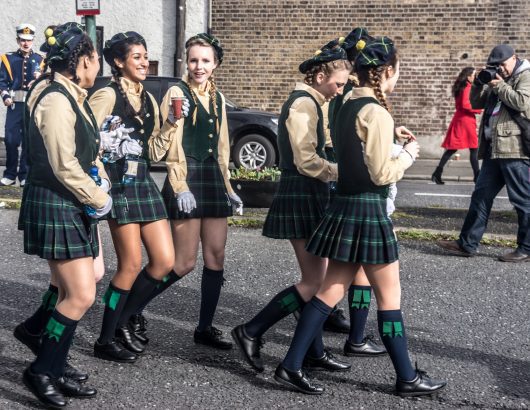
Education in Ireland

Education in Ireland
Education in Ireland is incredibly competitive and important for the future of students. Students are tested on a variety of subjects, including the Irish language, and their scores on one test determines their entire career path.

Education in Ireland mandates that children attend school from ages six to 16. But, most children attend free childcare/pre-school services between the ages of four and five. Then students move on to primary school and then secondary school.

Secondary schools are privately run and therefore are expensive or have a religious affiliation, typically. The secondary school system includes three years in the junior cycle during ages 12 to 14 and the senior cycle of two or three years for 15 to 18-year-old students. In order to move on from the junior cycle and into the senior cycle, students must pass a test that includes all of their coursework from their three years in secondary school.

Once in the senior cycle, students must choose three tracks and at the end of their schooling, they take a test corresponding to the track they chose. There is the Traditional Leaving Certificate, which is for students who plan to continue their education at a university, and the Leaving Certificate Vocational Programme, which applies to technical jobs and the Leaving Certificate Applied.

Students who take the Traditional Leaving Certificate have their future laid out for them from those tests. Students are tested on six subjects and students must score 90% or higher in each subject if they hope to pursue any medical, or law degrees, and so on. Students must get a 70% in order to study history or English literature in university. This test determines what subject students are allowed to study and if students are allowed to even go to college. Students who do not make the correct scores for their dream jobs simply cannot practice that profession anymore.

Because of the recent recession, education in Ireland has changed trends. More and more students are attempting to go to university after secondary school because of the poor job market. And because it is so difficult for students to get into the major of study they desire in universities, there is a gap left that welcomes foreigners to enter and take the jobs that Ireland needs such as doctors and lawyers. Education in Ireland is intimidating for students and encourages others to work in Ireland, but leaves the Irish to fend for themselves.

– Meagan Foy

Photo: Flickr

January 7, 2017
https://borgenproject.org/wp-content/uploads/borgen-project-logo.svg 0 0 Borgen Project https://borgenproject.org/wp-content/uploads/borgen-project-logo.svg Borgen Project2017-01-07 01:30:532024-12-13 17:56:29Education in Ireland
Children, Education, Technology

Global Education in 2016

Global Education in 2016
Global education in 2016 has seen many successes and many challenges. Advances in technology have increased many children’s access to education and educational materials, but the ongoing refugee crisis has created an education crisis for children in much of the world. Above all, two landmark pieces of legislation, the Education for All Act and the Protecting Girls’ Access to Education in Vulnerable Settings Act have aimed to expand and protect access to education for those all over the world.

While many parts of the world suffering from poverty have limited access to resources such as textbooks and other school supplies, technology has been making strides to replace these things in countries all around the world. E-readers, smartphones and online libraries have been used in places like Sub-Saharan Africa and Haiti, and these advances aim to make education more accessible to children in impoverished regions.

This year has been notable for the refugee crisis, with 2.1 million Syrian children among the many global refugees. School enrollment rates for Syrian children remain lower than those in Sub-Saharan Africa, and refugee children remain five times more likely to be out of school than non-refugee children. This has been a serious challenge to global education in 2016, and it will likely continue well into 2017 and beyond.

Male students globally remain more likely to receive an education than their female counterparts, and this problem is what the Education for All Act hopes to solve. This bill is a bipartisan effort to advance and encourage basic education for all while prioritizing groups who have been marginalized or denied an education due to conflict.

Another effort to improve girls’ access to education worldwide is the Protecting Girls’ Access to Education in Vulnerable Settings Act. This legislation hopes to protect girls who are in danger from conflict or who are refugees by improving their access to education. When they are not enrolled in school, refugee girls are especially vulnerable to dangerous situations such as trafficking, child marriage and underage labor.

Global education has seen both improvements and increased challenges in 2016. While the refugee crisis has seen an uptick in children who are not enrolled in school, the Education for All Act and the Protecting Girls’ Access to Education in Vulnerable Settings Act aim to combat this problem and improve access to education for the most vulnerable and stigmatized.

– Eva Kennedy

Photo: Flickr

December 31, 2016
https://borgenproject.org/wp-content/uploads/borgen-project-logo.svg 0 0 Borgen Project https://borgenproject.org/wp-content/uploads/borgen-project-logo.svg Borgen Project2016-12-31 01:30:072024-12-13 17:56:25Global Education in 2016
Children, Development

Teaching Children About Global Education and Development

Teaching Children About Global Education and Development
Entering “pen pal in developing country” into a search engine will display results with at least five different organizations that offer this type of service. Parents and teachers may do this to find pen pals for their children and students, while at the same time trying to teach them about global education and development for those who are much less fortunate than they are. However, Virginia Fresne who is Director of programs for the nonprofit organization Flying Kites, says that this is not always mutually beneficial or educational for either writer.

Founded in 2007, Flying Kites believes that the way out of poverty is through education. They run a leadership academy in the foothills of Kenya’s mountains where they help some of the world’s most desperate children. Flying Kites believes that education is a human right; they believe in children, and they believe in children’s rights and dreams. They invite others to “believe with us.”

Fresne says that she often receives letters written by people who hope to become pen pals with her Kenyan students. However, she feels that “letter exchanging with ‘disadvantaged’ children in an effort to remind our own children to appreciate privilege doesn’t work for our students in Kenya.” Students may not know enough about the person who they are writing to, specifically about their vulnerabilities. This can lead to the use of phrases such as, “I’m sorry you are poor.” According to Fresne, wording such as this, “would be confusing, offensive or hurtful to our students in Kenya.”

Instead, she suggests other methods that she feels are more effective in teaching children about global education and development. One is having children write to their state representatives about issues that are affecting the world’s poor. To do this requires them to first learn about some of the challenges and difficulties faced by people who live in poverty. Another way is sponsoring a student, with the help of an adult, using an organization such as Flying Kites. This supports the education of a student in need and may initiate correspondence between the student and the sponsor, depending on the level of sponsorship.

Among Fresne’s other suggestions for teaching children about global education and development are helping them to coordinate a bake sale to use the proceeds as donations, or encouraging them to read about global poverty. They can then take what they learn and teach others, spreading awareness. Fresne notes how much braver this generation is, and says, “They will be a force in this world, but it won’t be because they sent letters to ‘poor children.’”

– Kristin Westad

Photo: Flickr

December 29, 2016
https://borgenproject.org/wp-content/uploads/borgen-project-logo.svg 0 0 Borgen Project https://borgenproject.org/wp-content/uploads/borgen-project-logo.svg Borgen Project2016-12-29 01:30:562024-12-13 17:56:25Teaching Children About Global Education and Development
Children

Celebrities Pose for 2017 Hear the World Calendar

Celebrities Pose for 2017 Hear the World Calendar
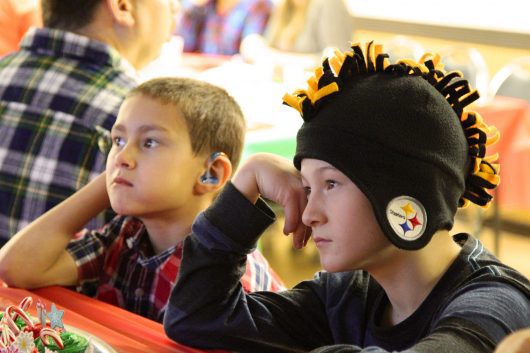
For 85 percent of the world, hearing is a quality of life that is often taken for granted while the other 15 percent of the population envisions a future limited by disability. Every year, 665,000 children are born with hearing deficiencies, and those living in low-income countries are unable to receive the adequate treatment needed to aid hearing loss.

Hear the World was established in 2006 by Sonova. Its mission? Providing equal opportunities for individuals with hearing impairment. As 2016 comes to a close, the foundation marks its 10 year anniversary and has successfully donated over 100,000 hearing aids and has “supported 24 projects in 19 countries.”

One of Hear the World’s campaigns to raise money is their annual calendar featuring celebrities posing with one hand behind their ear as a symbol representing hearing awareness. The foundation has been recognized by the Guinness World Records for “the world’s largest photographic awareness campaign with 53 celebrity ambassadors.” The newly released 2017 Hear the World calendar, which sells for $40 with all proceeds benefiting the foundation, features celebrities such as Cindy Crawford, Jake Bugg and Linda Evangelista.

Though hearing loss is a global issue, impoverished countries experience it as more of a burden, especially children. According to research, “60 percent of childhood hearing loss is preventable” and yet, with the lack of resources in low-income countries, children are left untreated and their learning abilities are hindered. In countries such as Cambodia, hearing loss would be preventable without issues such as “incorrect treatment of middle ear infections, malaria drug overdose or acoustic trauma caused by landlines.” Such preventable situations drive the Hear the World Foundation to develop programs that equip countries with financial and audiological resources to help relieve the effects of hearing loss.

In 2015, Hear the World partnered with photographer Philipp Rathmer to implement a project in Malawi, Africa that allowed young people affected by hearing impairments to photograph their favorite sounds since receiving hearing aids. Some of the youth favored the sounds of local animals while others appreciated sounds of the manual labor that drives their local economy. Fifteen-year-old Pauline Mwanja says, “I like the sound of sewing machines because I know something nice will come out of it.” Because of Hear the World’s efforts toward providing hearing health awareness, the youth of Malawi have found joy in sound again just like Masautso Mwale who simply says, “I like to hear people call my name.” Not only has rehabilitated hearing brought joy to the Malawi people but they also have a newfound sense of appreciation for sounds which now hold a deeper significance.

By raising awareness about hearing disabilities that are prevalent in low-income countries, individuals living with hearing loss, especially children, are offered a better future with necessary resources. By purchasing the 2017 Hear the World calendar as a gift this holiday season for family and friends, it will be a gift to those in need, as well!

– Amy Williams

Photo: Flickr

December 9, 2016
https://borgenproject.org/wp-content/uploads/borgen-project-logo.svg 0 0 Borgen Project https://borgenproject.org/wp-content/uploads/borgen-project-logo.svg Borgen Project2016-12-09 01:30:572024-12-13 17:56:19Celebrities Pose for 2017 Hear the World Calendar
Charity, Children, Global Poverty

“Thomas Rhett and Friends” Concert Aids 147 Million Orphans

"Thomas Rhett and Friends" Concert aids 147 Million Orphans
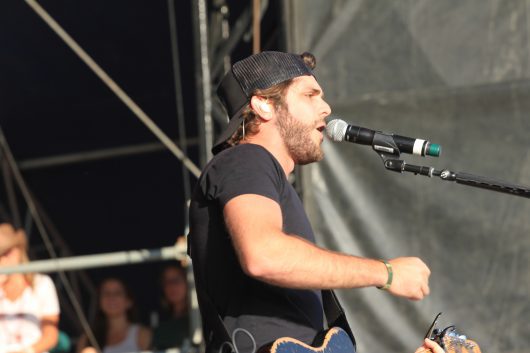
Thomas Rhett emerged in 2016 as one of country music’s notable rising stars. This year he released his sophomore studio album Tangled Up, which spawned multiple hits including “T-Shirt,” “Star of the Show” and CMA song of the year, “Die a Happy Man.”

Off stage, however, Rhett’s success is supplemented by his enthusiastic support of relief projects for impoverished communities in developing nations. Following the conclusion of his ‘Six String Circus Tour’ co-headlining Jason Aldean, Rhett hosted the first annual “Thomas Rhett and Friends” charity concert benefiting 147 Million Orphans.

On Twitter, Rhett often calls attention to 147 Million Orphans, an organization sponsoring trips to Africa and Latin America with a purpose of building up local communities. Beginning in 2009, the organization’s original mission was to provide food, water, medicine and shelter to children in Uganda.

However, it has since expanded to Haiti and Honduras with remarkable achievements such as funding the construction of a large-scale medical center in Gressier, Haiti. According to its website, the organization accomplishes its goals by focusing on sustainable income projects that encourage healthier technologies and family preservation.

As a longtime supporter of the organization, Rhett announced a charity concert held on the evening of October 4, 2016. Tickets were limited and hopeful attendees raised money by bidding for the chance to take part in the event. Before the concert, guests participated in a silent auction to bid on exclusive items such as autographed guitars and appropriately customized t-shirts. Guests then arrived at The Old School in Nashville for dinner and drinks, a private concert, a personal meet and greet and an after-party bonfire.

Drawing additional publicity, Rhett’s performance was accompanied by fellow musicians: Dierks Bentley, Tyler Hubbard and Brian Kelley of Florida Georgia Line, Walker Hayes, Shane McAnally and Russell Dickerson. With all proceeds benefiting his charity, the concert all in all raised over $250,000.

Further, Rhett’s wife Lauren Atkins is an avid supporter of the organization. Atkins is professionally trained as a nurse, and she frequently embarks on mission trips herself to deliver medical supplies, new mattresses, and bed covers to the aforementioned nations.

Most recently, the couple also celebrated Giving Tuesday in Kenya by raising awareness of a wildlife refuge. Rhett then announced a few dates for his solo “Home Team Tour” beginning in spring 2017. While a follow-up “Thomas Rhett and Friends” concert has not been formalized yet, it is clear that the causes in developing nations will remain an important component of the Atkins’ family philanthropy.

– Zachary Machuga

Photo: Flickr

December 2, 2016
https://borgenproject.org/wp-content/uploads/borgen-project-logo.svg 0 0 Borgen Project https://borgenproject.org/wp-content/uploads/borgen-project-logo.svg Borgen Project2016-12-02 01:30:512024-12-13 17:56:17“Thomas Rhett and Friends” Concert Aids 147 Million Orphans
Children, Disease, Global Poverty

Poverty and Sickness in Nigeria’s Borno State

Poverty and Sickness in Nigeria's Borno State
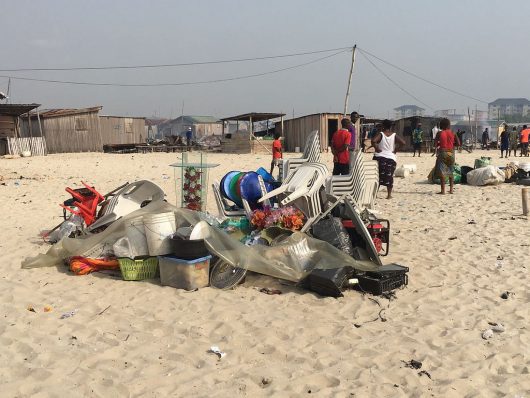
A whole generation is missing in Nigeria‘s Borno State. There are no toddlers clinging to their siblings’ hips or babies wailing for their mothers. This is because, in Borno State, there are hardly any children under 5 years of age. This is largely due to displacement compounded with a severe lack of nutrition.

In 2013 and 2014, those from northeast Nigeria fled their homes and livelihoods to escape attacks by the Boko Haram, an Islamist terrorist group. By the thousands, they escaped to Maiduguri, the capital of Nigeria’s Borno State. As the fighting continued and spread, farmers were barred from working their land and trade routes were sealed off. Markets emptied. Imports into areas held by the Boko Haram were entirely cut off, leading to widespread starvation. Nearly 500,000 people are living in unacceptable conditions.

This severe deficit of food and essential nutrients has led to unprecedented rates of malnutrition among the population, which in turn, led to high rates of disease in the very young and very old. Measles, malaria and diarrheal diseases run rampant through the population. Acute respiratory infection claims young lives by the dozens.

Those most affected are those under 5 years of age, who die at intolerable rates from malnutrition, infection and typically preventable diseases. They are the victims of acute political unrest and, more immediately, they are the victims of hunger. Nutritional screenings taken throughout the state show that 50 percent of children in the Borno State are severely malnourished. Even in areas where food is available, prices have increased tremendously in just a matter of months. With each spike in the price of food, more households find themselves unable to eat.

These circumstances led the Nigerian government to announce a nutritional emergency in Nigeria’s Borno State in June of 2016. The people in Borno State are in dire need of help and, while Nigeria’s government has recognized the magnitude of this epidemic, the crisis must be acknowledged worldwide for maximum impact. There must be measures implemented to make sure that people can reach food and humanitarian aid in protected locations. Massive global aid is crucial to the survival of these people.

Doctors Without Borders is calling for a major humanitarian response to the crisis, even as teams are reaching affected areas. It is not enough. U.N. agencies, particularly the World Food Programme, should scale up interventions. In America, the Food for Peace Reform Act, which proposes to help end global hunger using the most efficient and cost effective means possible, must be supported and passed in congress.

Aid needs to be scaled up now, today and every day following until the needs of the Nigerian people are met— until we are able to replenish an entire lost generation.

– Kayla Provencher

Photo: Flickr

December 1, 2016
https://borgenproject.org/wp-content/uploads/borgen-project-logo.svg 0 0 Borgen Project https://borgenproject.org/wp-content/uploads/borgen-project-logo.svg Borgen Project2016-12-01 01:30:402024-12-13 17:56:13Poverty and Sickness in Nigeria’s Borno State
Children, Education, War and Violence

UN Protects Education in the Central African Republic

Education in theEducation in the Central African Republic
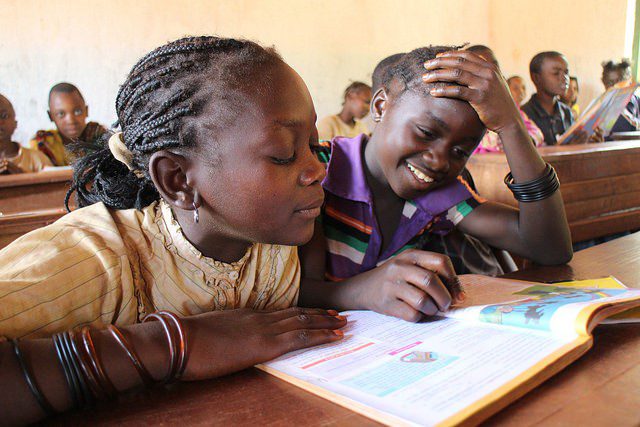
In 2016, militiamen in the Central African Republic began setting up base at schools and preventing students from attending classes. In September, the U.N. responded by ordering the militia groups to vacate the schools, threatening to send in forces if they didn’t comply. The U.N.’s goal was to enable children to resume their education in the Central African Republic.

The Central African Republic, a land-locked nation of 5 million people, was thrown into a brutal civil war when its government was forced out in 2013 by Muslim Seleka rebels. According to the national post, the civil war has led to the country being ranked 187 out of 188 countries on the human development index.

According to the U.N., 10,000 children in the Central African Republic were kept from school due to the presence of militiamen. About a third of all schools in the country were either set on fire, shot by bullets, pillaged or occupied by armed groups. As a result, approximately 400 primary schools were shut down.

The U.N. took a firm stand against the militia and issued a statement known as “Minusca,” which mandated that no armed forces go within 1,650 feet of schools and warned against further interference in education in the Central African Republic.

UNICEF also denounced the militia groups’ behavior. UNICEF’s Chief of Communications in the Central African Republic, Donaig Le Du, issued a firm statement that despite the conflict and civil war occurring, education in the Central African Republic should be spared. School is not politically affiliated or party to the conflict, she said, and children should not be prevented from attending.

Despite disruption in areas near Bangui, the capital of the Central African Republic, children across the country returned back to school to resume their educations at the end of September as a result of the U.N.’s warning.

The U.N. recently reported that since the civil war broke out in the Central African Republic, “considerable progress” has been made. Ten thousand U.N. troops and 1,700 police are keeping peace as well between armed groups, and an additional 12,000 peacekeepers are stationed in the country. Although the state of the nation remains fragile, it is in a better place overall than it was in 2013.

– Alex Fidler

December 1, 2016
https://borgenproject.org/wp-content/uploads/borgen-project-logo.svg 0 0 Borgen Project https://borgenproject.org/wp-content/uploads/borgen-project-logo.svg Borgen Project2016-12-01 01:30:312024-12-13 17:55:59UN Protects Education in the Central African Republic
Charity, Children, Developing Countries, Global Poverty

The Smile Train: How Kylie Lip Kit Helps the Developing World

Kylie Lip Kit
Recently, Kylie Jenner has used her fame to put a smile on the face of children in developing countries. Earlier in October, Jenner released a brand new shade of her famous Kylie Lip Kits. One hundred percent of the proceeds went straight to the non-profit organization Smile Train, which funds surgeries for cleft lip, one of the leading birth defects that children in many developing countries suffer from. Raising nearly $160,000 in sales, hundreds of people will be able to afford the treatment that they need in order to eat and speak properly.

Clefts involve the lip and the palate, or roof of the mouth, and occur when there is a split as a result of certain structures not fusing together during fetal development. The cause of cleft lip is relatively unknown, but a genetic connection is an assumed possibility. Outside forces such as exposure to drug and alcohol use, smoking, maternal illness, infections or lack of vitamin B are also factors.

According to Smile Train’s website, cleft lip is an easily treatable issue. Though more than 170,000 children in 85 developing countries suffer from it, all it takes is $250 and 45 minutes for a surgery that will change a child’s life.

Children that don’t receive adequate medical care will often live in isolation, and struggle with carrying out basic physical tasks such as eating, breathing and speaking. As a result, most of these children don’t attend school or ever hold a job. Jenner has helped bring further attention to this issue and the launch of the Kylie Lip Kit will serve to ensure that hundreds of children can go on to lead better and healthier lives.

The light pink shade, “Smile,” was dropped on the Kylie Cosmetics website on Oct. 3 in recognition of World Smile Day. Incredibly popular, selling quickly like the other products in Jenner’s makeup collection, the unique Kylie Lip Kit collected a massive amount of money for the international organization.

As a new Smile Train Ambassador, Jenner presented a check for $159,500 to the organization’s CEO Susannah Schaefer. The money will fund cleft lip and palate surgeries for 638 children in need. On her collaboration with Smile Train, Jenner stated, “I’m excited to continue my relationship with Smile Train and see the difference we make together […] I wanted to use my social media platforms to help inform my fans about clefts and raise money to give these young kids the surgeries they need to get the smiles they deserve.”

In situations where the fulfillment of proper solutions is lacking, it is significant to note successful methods for giving back to those who are disadvantaged and ones that anyone can get involved in. The Kylie Lip Kit exemplifies this, acknowledging the generous efforts and tremendous effects that can come from the purchase of one simple product.

– Mikaela Frigillana

Photo: Flickr

November 24, 2016
https://borgenproject.org/wp-content/uploads/borgen-project-logo.svg 0 0 Borgen Project https://borgenproject.org/wp-content/uploads/borgen-project-logo.svg Borgen Project2016-11-24 01:30:472024-12-13 17:56:12The Smile Train: How Kylie Lip Kit Helps the Developing World
Charity, Children, Hunger, Technology

Cristiano Ronaldo’s Selfie App to Help Save the Children

Cristiano Ronaldo's Selfie App
Cristiano Ronaldo, Real Madrid’s star forward and Global Artist Ambassador for Save the Children, recently released his latest initiative for the organization, the CR7Selfie: Fans with a Cause app.

According to Save the Children’s website, Cristiano Ronaldo’s selfie app costs $1.99 and will allow fans to “take a selfie with Ronaldo in one of several different outfits and poses.” A portion of all money raised from the app, which can be downloaded from the Apple App and Google Play stores, will go toward the non-profit organization.

Save the Children, which was founded in 1932, focuses on providing children in 120 countries around the world with proper education, food and health services, especially in the wake of natural disasters or war. In 2015, Save the Children delivered health care to 22.6 million children, and 11.6 million children participated in the organization’s nutrition programs.

Ronaldo has represented Save the Children as an ambassador since January 2013, directing his attention to the worldwide issue of child hunger. The athlete first realized that he wanted to join the fight against poverty when he learned that one in seven children go to bed hungry every night.

Over the past few years, it has become common for advocates to utilize social media. More than 230 million people follow Ronaldo on his various accounts, which allows Save the Children’s message to spread quickly. Cristiano Ronaldo’s selfie app — The CR7Selfie: Fans with a Cause app — puts this same strategy to use, allowing users to have fun sharing their selfies with the superstar while also supporting the organization’s mission.

Ronaldo is one of the most admired athletes on the planet, making him an expert when it comes to taking selfies. During the premiere of his documentary Ronaldo, he even tried to break the world record for most selfies taken in three minutes. Ultimately, Ronaldo failed in this endeavor, but his widespread popularity could make the new app a huge success.

– Liam Travers

Photo: Flickr

November 13, 2016
https://borgenproject.org/wp-content/uploads/borgen-project-logo.svg 0 0 Borgen Project https://borgenproject.org/wp-content/uploads/borgen-project-logo.svg Borgen Project2016-11-13 01:30:162024-12-13 17:55:56Cristiano Ronaldo’s Selfie App to Help Save the Children
Children, Education

How UNICEF is Maintaining the Education of Burundian Children

Education of Burundian Children
Burundi relies heavily on foreign aid and what is not coming in cannot possibly go out. At the close of last year, the president of Burundi announced the budgetary conditions for the upcoming year, and all sectors would be receiving a large cut. The Ministry of Education was reduced by one-third, with water/sanitization and human rights services closely following. The Ministry of Health would also have to operate with half of its previous budget.

It is not just the availability of education in Burundi that affects a child’s capacity to learn and function, all of their basic needs must also be met in order to contribute to their growth. Toward the end of last year, the number of children suffering from severe malnutrition in Bujumbura doubled within less than three months. The city is in strife, abreast with political unrest, making the streets unsafe for children, leading to an increase in Burundian’s seeking asylum in neighboring countries.

With strains being placed on Burundi’s already feeble education system, it is hard to predict a positive outcome for the education of Burundian children living in these harsh circumstances. However, UNICEF refuses to let the education of Burundian children fall victim to circumstances.

Although UNICEF provides school supplies, manages grants and other forms of relief in Burundi, they have also implemented a number of other programs for the advocacy and safety of Burundian children.

Partnering with Handicap International, a program called “Zones of Peace” was launched in Bujumbura, where teachers received specialized training to help children cope with the psychosocial effects of living in turbulent conditions. UNICEF also mediated with organizations in Tanzania to provide a way for Burundian refugee students to take their 9-10 grade exams, without jeopardizing their safety.

The safety and education of Burundian children are UNICEF’s top priority, especially lone male children that are being targeted and forced into jail. In response, UNICEF and the Office of the United Nations High Commissioner for Human Rights have fought rigorously for their release and opened two re-education centers to house the previously detained children.

The majority of imprisoned children are held in adult prisons, where they are at risk for abuse and are malnourished during their confinement. The re-education center is a safe haven for the children to receive needed counseling, nourishment, legal services, education and reintegration back into society. These centers hope to remove the stigma that often accompanies incarceration and to return educated, mentally well young adults into society.

UNICEF’s efforts to provide safety and the education of Burundian children does not stop at the re-education centers. On Aug. 1, 2016, in conjunction with Burundi’s Ministry of Education, UNFPA, WFP and the United Nations Volunteers, they have opened 20 summer camps in Bujumbura. The goal of these camps is not only to allow the children a safe place to join in recreation but also to provide them with life skills, education, as well as enhancing non-violent communication and interactions.

The road towards achieving stability for Burundian children, with reliable access to education, is wrought with challenges, but through the unrelenting efforts of UNICEF and co-sponsoring organizations, one thing Burundian children have is hope.

– Amy Whitman

Photo: Flickr

November 8, 2016
https://borgenproject.org/wp-content/uploads/borgen-project-logo.svg 0 0 Borgen Project https://borgenproject.org/wp-content/uploads/borgen-project-logo.svg Borgen Project2016-11-08 01:30:022024-05-27 23:53:33How UNICEF is Maintaining the Education of Burundian Children
Page 100 of 137«‹9899100101102›»

Get Smarter

  • Global Poverty 101
  • Global Poverty… The Good News
  • Global Poverty & U.S. Jobs
  • Global Poverty and National Security
  • Innovative Solutions to Poverty
  • Global Poverty & Aid FAQ’s
Search Search

Take Action

  • Call Congress
  • Email Congress
  • Donate
  • 30 Ways to Help
  • Volunteer Ops
  • Internships
  • Courses & Certificates
  • The Podcast
Borgen Project

“The Borgen Project is an incredible nonprofit organization that is addressing poverty and hunger and working towards ending them.”

-The Huffington Post

Inside The Borgen Project

  • Contact
  • About
  • Financials
  • President
  • Board of Directors
  • Board of Advisors

International Links

  • UK Email Parliament
  • UK Donate
  • Canada Email Parliament

Get Smarter

  • Global Poverty 101
  • Global Poverty… The Good News
  • Global Poverty & U.S. Jobs
  • Global Poverty and National Security
  • Innovative Solutions to Poverty
  • Global Poverty & Aid FAQ’s

Ways to Help

  • Call Congress
  • Email Congress
  • Donate
  • 30 Ways to Help
  • Volunteer Ops
  • Internships
  • Courses & Certificates
  • The Podcast
Scroll to top Scroll to top Scroll to top