• Link to X
  • Link to Facebook
  • Link to Instagram
  • Link to TikTok
  • Link to Youtube
  • About
    • About Us
      • President
      • Board of Directors
      • Board of Advisors
      • Financials
      • Our Methodology
      • Success Tracker
      • Contact
  • Act Now
    • 30 Ways to Help
      • Email Congress
      • Call Congress
      • Volunteer
      • Courses & Certificates
      • Be a Donor
    • Internships
      • In-Office Internships
      • Remote Internships
    • Legislation
      • Politics 101
  • The Blog
  • The Podcast
  • Magazine
  • Donate
  • Click to open the search input field Click to open the search input field Search
  • Menu Menu

Archive for category: Child Marriage

Child Marriage, Global Poverty, Refugees, Women's Empowerment, Women's Rights

5 Women Advancing Equal Rights for Women

Equal Rights for Women
Throughout history, women have not always had access to the same rights as men. More recently, women are increasingly demanding and fighting for equal rights, especially by women who witness the oppression or have lived subject to the inequalities. Here are five women who are taking leadership in advancing equal rights for women.

5 Women Advancing Equal Rights for Women

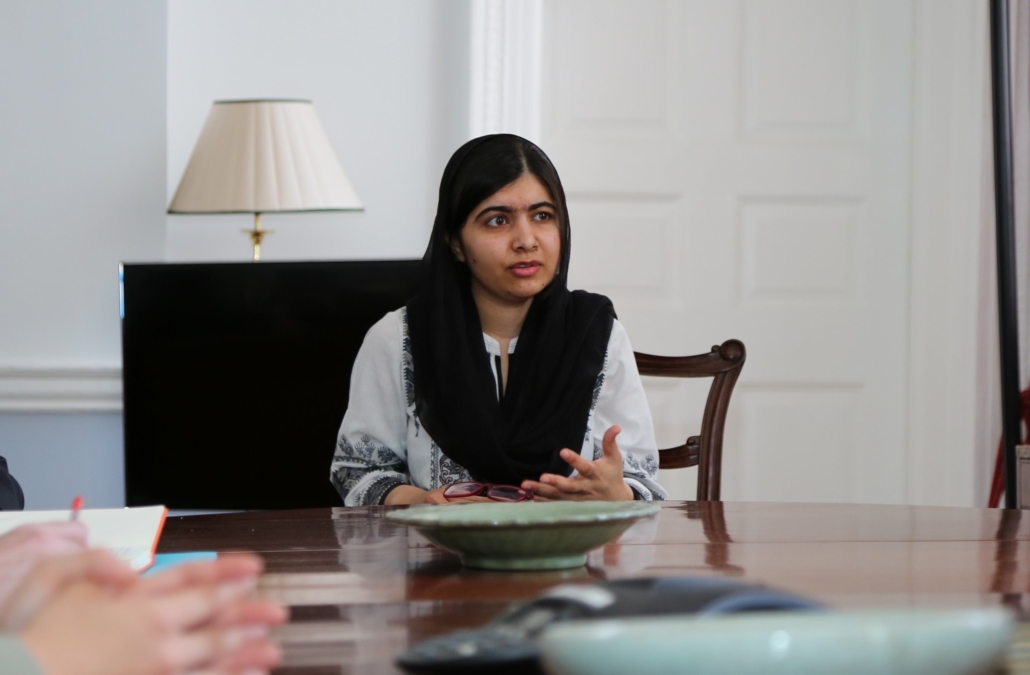
  1. Malala Yousafzai, alongside her father, established the Malala Fund. In 2012, the Taliban targeted Malala, a vocal advocate for a girl’s right to education, and shot her on the left side of her head on her way home from school. When Malala recovered, she decided that she wanted to continue fighting for education for girls around the world. With the allyship of her father, she established the Malala Fund. It supports educators in eight different countries with $22 million invested in Malala Fund campaigns. Malala Yousafzai is a woman advancing equal rights for women by advocating for every girl’s right to an education as well as financially supporting schools for women in various countries.
  2. Gabby Edlin is the founder of The Bloody Good Period Campaign. While volunteering at a refugee center, she noticed that women did not receive menstrual products with their kit of essentials. Gabby started a small campaign on Facebook, and the interest in helping women grew. This led to her creating The Bloody Good Period Campaign, overcoming resistance from men who did not believe that the resource was a necessity. Bloody Good Period focuses its efforts on asylum-seeking women who are unable to purchase food or other necessities because of their need to purchase menstrual products; it seeks to educate women and destigmatize menstruation. Gabby Edlin is a woman advancing equal rights for women by educating and garnering the support of the public. She also uses the funds to provide menstrual product needs to refugees.
  3. Forgotten Women is an organization that women run for women. They founded the organization after witnessing the abuse of vulnerable women around the world. Forgotten Women developed the LIFT Model which stands for “Leveraging Investment for Transformation.” Through this model, it provides the means for women to be permanently self-sufficient and provides emergency aid to women in vulnerable positions. Forgotten Women has a sexual trauma clinic that currently reaches an average of 105,000 women per year; it continues to advocate for equality, defending women who stand for this value. Forgotten Women is a group of women advancing equal rights for women by imparting unconditional aid to vulnerable women and supplying them with the means to be self-sustained providers.
  4. Abisoye Ajayi-Akinfolarin founded Pearls Africa. Abisoye lost her mom when she was 4 years old, and at a young age, she learned about computers through a family friend’s support. Her tech skillset enabled her to intern with EDP Audit & Security Associates, an IT auditing firm in Lagos, Nigeria. She noticed the underrepresentation of women within the industry of tech and determined to change this disparity. In an interview with Unearth Women, she said, “In Nigeria, there are very few girls in STEM fields, as they have been made to believe that tech is not something that they can pursue due to their sex or gender. This is a lie, and it’s something we’re trying to change systematically through the GirlsCoding initiative.” One of the successes of GirlsCoding took place in the impoverished Makoko slum in Lagos. After the young women left GirlsCoding, they became leaders in their communities. Then, they started Makoko Fresh, an e-commerce platform that supports and improves the livelihoods of local fishermen. GirlsCoding is just a part of the work that occurs through the organization Pearls Africa. Abisoye Ajayi-Akinfolarin is a woman whose intellectual leadership advances equal rights for women by expelling doubts and stigmas about female capabilities and equipping girls with the resources to pursue a meaningful career.
  5. Sonita Alizadeh is a champion and advocates on the behalf of Girls Not Brides. At the age of 16, Sonita found out that her parents were going to sell her into marriage. Despite her family’s disapproval, she recorded music about her experiences as a woman and a refugee. Sonita released her song­, “Daughters for Sale” on YouTube. The video went viral, and her parents decided not to sell her into marriage. Sonita Alizadeh now lives in the United States and continues to fight on behalf of child brides. She works as an advocate with Girls Not Brides and speaks with global authorities on the issue. The organization urges countries to develop laws, policies and programs that end child marriage; Sonita Alizadeh is a woman whose creative leadership advances equal rights for women, specifically young girls, who would otherwise be sold into marriage before maturity.

The leadership of these women advances equal rights for women across the world. Their personal experiences and courage, often in the face of insurmountable odds, led them to activism on behalf of vulnerable or oppressed women. The example that they set serves as an inspiration to all people that each person’s voice has value, meaning and power. The impact of each organization demonstrates the importance of advocacy and activism.

– Hannah Brock
Photo: Flickr

March 25, 2021
https://borgenproject.org/wp-content/uploads/borgen-project-logo.svg 0 0 Jennifer Philipp https://borgenproject.org/wp-content/uploads/borgen-project-logo.svg Jennifer Philipp2021-03-25 07:30:032021-03-26 05:15:105 Women Advancing Equal Rights for Women
Child Marriage, Global Poverty, Health

Tackling Child Marriage in Zimbabwe

Child Marriage in Zimbabwe
According to UNICEF, child marriage is “any formal marriage or informal union between a child under the age of 18 and an adult or another child.” Although rates of child marriage have declined, the practice remains widespread. Unfortunately, child marriage impacts approximately one in five girls today. According to UNICEF, about 12 million child marriages occur each year. Consequently, more than 120 million girls may marry before they turn 18 years old by 2030. Child marriage in Zimbabwe is especially prevalent.

How it Impacts Children

Child marriage is a human rights violation. Additionally, it restricts girls from achieving their potential in education, social bonding, friendship, simple maturation and the right to choose a life partner.

Moreover, girls who marry young face great health risks. Dr. Nawal M. Nour, an Obstetrician/Gynecologist at Brigham and Women’s Hospital explains “child marriage is driven by poverty and has many effects on girls’ health: increased risk for sexually transmitted diseases, cervical cancer, malaria, death during childbirth and obstetric fistulas.” Many nations such as Zimbabwe are working to implement policies and programs to educate and ban the practice of child marriage.

Solutions

Zimbabwe banned marriage for children under 16 years old in 2016. As a result, the practice is on a steady decrease. However, child marriage continues to persist in most impoverished areas in the country.

Many low-income families choose to marry off their child due to a lack of income to support their basic necessities such as food and clothes. According to Girls Not Brides, many marriages result in some type of transactional agreement. Oftentimes, the husband gives the family money in exchange for their daughter. Unfortunately, many families use this money to survive.

Many organizations exist that are trying to prevent child marriage by creating safety nets that protect vulnerable families from the economic factors that predicate child marriage. Furthermore, young women are fighting against child marriage in Zimbabwe. In particular, one 17-year-old martial arts fan is showing girls that they have a fighting chance.

Vulnerable Underaged People’s Auditorium Initiative

Natsiraishe Maritsa started a taekwondo program called the Vulnerable Underaged People’s Auditorium Initiative to fight child marriage in Zimbabwe. Despite her limited resources, Maritsa was able to carve out a community of young fighters in the face of an oppressive system.

Young children gather at Maritsa’s home to practice taekwondo. She leads her people in drills and teaches them how to stretch kick and punch. After each class, they discuss the dangers of child marriage in Zimbabwe. Many cases of child marriage result in marital rape. However, Maritsa’s group sessions provide girls with a safe place to heal and reach catharsis. According to the Associated Press, she hopes to “increase the confidence of both the married and single girls through the martial arts lessons and the discussions that follow.”

Child marriage in Zimbabwe is a problem that continues to hurt communities in impoverished areas. Fortunately, many people are working to prevent these circumstances. The future for children in low-income households is steadily improving in Zimbabwe.

– Matthew Hayden
Photo: Flickr

March 17, 2021
https://borgenproject.org/wp-content/uploads/borgen-project-logo.svg 0 0 Jennifer Philipp https://borgenproject.org/wp-content/uploads/borgen-project-logo.svg Jennifer Philipp2021-03-17 07:30:292024-05-29 23:22:37Tackling Child Marriage in Zimbabwe
Child Marriage, Children, Global Poverty, Health

Combating Sexual Violence in India

Sexual Violence in India
Sexual violence is hard to quantify as it comes in many forms. Addressing sexual violence in India is difficult due to stigmas around gender and sexuality. Furthermore, victims of sexual violence are primarily children. Educating youth and providing resources for victims is crucial to reducing sexual violence in India.

Prevalence of Sexual Violence

India has a much lower rate of sexual assault cases than the United States. However, it is likely that most sexual assault incidents go unreported. This is due to social stigma, cultural expectations of marriage and the prevalence of sexual violence against children.

Less than 10% of sexual assault victims seek assistance from law enforcement. Due to limited law enforcement in rural areas, the police neglect around 100,000 reported rape cases per year. Additionally, only one-third of these cases lead to a conviction.

Sexual violence against children is rampant in India. A Ministry of Social Justice and Empowerment study estimated that 53% of boys and 47% of girls experience sexual abuse during childhood. Girls are at high risk of suffering from sexual violence between the ages of 15 and 17. As a result, it is much less likely that victims will report the abuse they experience.

Child Marriage and Violence

It is common in India for girls to enter into arranged marriages at a young age. Around 45% of girls marry before reaching 18 years of age. Additionally, 22% have their first child before the age of 18. Victims of sexual violence often know their perpetrators. Furthermore, most husbands consider their wives property. As such, police frequently overlook cases of domestic violence.

Information Barriers

Schools often neglect to teach students about sexual violence due to its taboo nature. A 2017 survey found that 15% of adolescents felt comfortable discussing sexuality with their parents. However, over half of the sample could not define what sex was.

Sexual education programs are becoming more common throughout India. Yet, these programs often do not discuss the nuances of sexual relationships and power dynamics between genders. The World Health Organization (WHO) recommends implementing comprehensive sex education into curriculums. This curriculum helps delay the age at which young people enter into sexual relationships and reduces the number of sexual partners. This aids in preventing unplanned pregnancies and the spread of sexually transmitted diseases.

The YP Foundation – Empowering Youth

The YP Foundation emerged in 2002 and works to educate young people in “feminist and rights-based leadership.” Know Your Body Know Your Rights (KYBKYR) is a program that provides a series of workshops for young students. This program is led primarily by young women who educate students about gender issues and safe sexual behavior. Every year, around 1,500 young people attend KYBKYR workshops that cover gender expression, relationships, violence, anatomy, body image, puberty, HIV, sexual orientation and discrimination.

SNEHA – Resources For Domestic Violence Victims

SNEHA is a nonprofit that emerged in 1999 with outreach programs that prevent, address and monitor abuse against women and children across India. One program includes five crisis centers and four women’s hospitals in Mumbai that provide counseling, medical attention and legal assistance. About 16,328 women have received counseling from this program.

Furthermore, SHENA uses mobile phone technology to collect data before, during and after treatments at these counseling programs. Thus, data points allow statisticians to assess the programs’ effectiveness.

Additionally, SNEHA has trained 7,915 law enforcement officers, 10,722 hospital staff and various other professionals on how to handle cases of sexual assault appropriately. SHENA has also helped pass the Women Against Domestic Violence Act in 2005 and the Protection of Children Against Sexual Offenses in 2012.

Combatting sexual violence in India requires refined education and adequate access to counseling for adolescents. Breaking down the communication barriers about sexuality and domestic violence is important in addressing this issue. An open discussion about cultural norms and the pervasiveness of sexual assault against children is necessary to create a safer place for everyone.

 – Elise Brehob
Photo: Unsplash

March 10, 2021
https://borgenproject.org/wp-content/uploads/borgen-project-logo.svg 0 0 Yuki https://borgenproject.org/wp-content/uploads/borgen-project-logo.svg Yuki2021-03-10 01:30:272024-05-30 07:56:34Combating Sexual Violence in India
Child Marriage, Global Poverty

The Causes and Consequences of Child Marriages in The Middle East

Child Marriages in the Middle East
Globally, more than 700 million females living today were child brides. Annually, the Middle East contributes 700,000 child brides to its total of 40 million child brides. Although the number of Syrian child brides has decreased, there has been an increase in the number of child brides in all Middle Eastern and North African (MENA) communities that have seen internal displacement and are otherwise facing conflict. In Iraq, 15% of marriages were child marriages in 1997, but this rose to 24% in 2016. About 5% of those in child marriages in Iraq were younger than 15. In Yemen, which does not have a minimum legal age for marriage, two-thirds of marriages involve child brides, including 44% under the age of 15. Here is some information about child marriages in the Middle East.

Reasons for Child Marriages in the Middle East

In pre-war Syria, 15% of women between the ages of 20 and 25 were wed before they were 18. The number of child brides in all Syrian communities has risen nowadays, even among those not displaced. Among the internally displaced, including migrants whose limitations are conspicuous as opposed to hosting communities, the figures have also increased drastically.

Through forced migration and war, child marriages represent negative coping factors, reinforcing tradition. Families worry about the safety of girls and their “honor” and see marriage as a means of care and protection for their daughters. The girls’ families often desire that they enter marriages with local men in order to gain host community recognition and dowries.

Dangers of Child Marriages

Child marriages affect the development of young girls, which frequently results in childbirth and subsequent emotional withdrawal of the young mother. Early marriages often lead to limited schooling, increased fertility rate and poverty. The development and implementation of the legal minimum age for marriage are necessary to protect girls, who the culture of child marriage influences more than boys. Many countries in the MENA region have minimum marriage age laws, ranging from 13 years of age in Iran to 20 years of age in Tunisia for women and from 15 years of age in Yemen to 21 years of age in Algeria for men.

Plans to End Child Marriages in the Middle East

The Regional Accountability Framework to End Child Marriage in the Arab States/Mena (RAF), a partnership between UNICEF and UNFPA, promotes encouraging women through schooling, health services, character building and employment prosperity through improving their rights and services. Community commitments alter social norms and actions by improving public policy structures and encouraging cross-sectoral efforts to gain skills through collaborative initiatives on health, education, child security and social security. Further approaches include more years of mandatory education, establishing and implementing the legal minimum age of marriage and growing awareness in the community about the damage that early marriage causes. Engaging families in finding ways to avoid child marriage is another solution to ending child marriage that some government officials are discussing.

Overall, awareness of child marriage could save many children. It is a problem that is getting out of hand that has been taking away from girls’ childhoods and leaving them in miserable situations for the rest of their lives. The help of organizations all over the world can make a significant change in the lives of these victims.

– Rand Lateef
Photo: Flickr

February 28, 2021
https://borgenproject.org/wp-content/uploads/borgen-project-logo.svg 0 0 Jennifer Philipp https://borgenproject.org/wp-content/uploads/borgen-project-logo.svg Jennifer Philipp2021-02-28 10:58:032024-05-29 23:17:37The Causes and Consequences of Child Marriages in The Middle East
Child Marriage, Developing Countries, Education, Gender Equality, Global Poverty, Women and Female Empowerment, Women's Rights

The Truth about Women’s Rights in Uzbekistan

women’s rights in UzbekistanA former Soviet Union territory, Uzbekistan has a population of 30 million. In recent years, there have been governmental and societal changes along with a new president, Shavkat Mirziyoyev. Women, who play a pivotal role in the Uzbek family structure, face different issues relating to their rights in the country. There are several key facts to know about women’s rights in Uzbekistan.

Societal Views Oppress Women

Women faced new setbacks after Uzbekistan obtained independence from the Soviet Union in 1991. The Soviets, after colonizing the region in the latter half of the 19th century, promised to emancipate women from the patriarchal customs of society, viewing these customs as oppressive to women. This movement encouraged female education, and in the 1980s, women formed an estimated 41% of university students.

However, after the independence of Uzbekistan in 1991, in a push to reestablish the Uzbek tradition, the progress of women’s rights in Uzbekistan took a hit when the nation reintroduced conservative social customs. Only six years later, in 1997, the number of women in higher education institutions dropped to 37% and estimates indicate that this percentage has fallen even more drastically in recent years.

The Prevalence of Child Marriage

Child marriage is still prevalent in Uzbekistan. Most Uzbek families believe that the role of a woman is to marry and run the household. This social concept encourages child marriage throughout the country, particularly in rural regions. With girls marrying at younger ages than boys, child marriage directly impacts female education as women are generally confined to the home after marriage.

Furthermore, Uzbek society expects women to give birth within their first year of marriage despite a lack of education about reproduction and childbearing. With young brides, female bodies are often not prepared or mature enough to give birth healthily. This has led to health complications such as infertility and chronic conditions. Child marriage hinders women’s rights in Uzbekistan as it limits female educational opportunities and leaves women with little chance to escape a life of housework and childrearing.

Domestic Violence is Not a Crime

In Uzbekistan, domestic violence is deemed a family issue and not an actual crime. Since independence from the Soviet Union, the push to reaffirm traditional values has meant that women have a subservient role within the household, and to a further extent, within society.

Outside of their homes, women face restrictions on how to live their lives, with limits on educational and work opportunities in favor of marriages and children. With women in rural areas at particular risk for domestic violence, Uzbekistan has largely ignored women’s rights within the home. Violence against women has reportedly increased in recent years.

Women’s Rights Reform at Governmental Level

President Mirziyoyev has taken promising action to address the lack of women’s rights in Uzbekistan. Elected in 2016, Mirziyoyev spoke about the importance of women within Uzbek society, noting their problem-solving skills and administrative capabilities. He urged for their involvement in government and industrial factions and even appointed Uzbekistan’s first female Head of Senate, Tanyila Narbaeva. With men dominating government positions for years, a female in an authoritative government position stands as a progressive shift and a promising sign of political changes.

Legislation to Protect Women

The fight for women’s rights in Uzbekistan is becoming more of a priority. In 2019, the nation introduced two new laws to protect women’s rights. The first is to ensure equal opportunities and freedoms for men and women and the second is to safeguard women from domestic violence and assault. Also, the nation has set up almost 200 shelters across the country to provide for women escaping violence. Unfortunately, there is very little funding for the subsistence of these shelters. While this undoubtedly stands as progress from the country’s more traditional views on the role of women in society, more significant action is necessary to defend these newfound rights and sustain protective services.

The Future of Women’s Rights in Uzbekistan

The push for women’s rights in Uzbekistan is made more difficult by the country’s history as a Soviet Union colony and the subsequent counterreaction to reestablish traditional cultural values. In recent years, societal pressures have pushed women to marry young and spend their lives taking care of the household. With limited opportunity to decide their own futures, women in Uzbekistan have not truly attained their human rights. Fortunately, however, President Mirziyoyev has expressed his desire to transform women’s rights in Uzbekistan. Hopefully, with a new female government official and progressive laws, women’s rights in Uzbekistan will continue to improve.

– Eliza Cochran
Photo: Flickr

February 4, 2021
https://borgenproject.org/wp-content/uploads/borgen-project-logo.svg 0 0 Kim Thelwell https://borgenproject.org/wp-content/uploads/borgen-project-logo.svg Kim Thelwell2021-02-04 01:30:452024-05-30 07:56:13The Truth about Women’s Rights in Uzbekistan
Child Marriage, COVID-19, Global Poverty

The Spreeha Foundation of Bangladesh

The Spreeha Foundation of BangladeshIn Bangladesh, millions of children are living in poverty without any assistance. For this reason, the nonprofit organization, Spreeha Bangladesh Foundation, comes in and fulfills its mission. Spreeha greatly supports Bangladeshi children; the organization uses creative solutions to empower people to reach their full potential.

One Spreeha-run program that guarantees support for Bangladeshi girls is called Progga. The program aims to empower young girls with important life skills, especially leadership values. Approximately 13.7 million Bangladeshi girls feel disorganized and vulnerable during their adolescent years and are lacking the correct guidance. Those who go without counsel are more likely to perform poorly or drop out of school. Additionally, they have a higher risk of mental and physical abuse. This inevitably leads to lower possibilities of female representation in leadership positions.

Spreeha’s solution is to motivate young Bangladeshi girls to become leaders through an interactive method. Progga groups educate young girls on how to make proper judgments that enhance their socio-economic situations and overall security. The organization achieves this goal by encouraging awareness of developmental changes in Bangladesh. The organization mentors young girls using group collaboration with speech and debate to develop their leadership skills and improve their self-confidence.

COVID Complications

The COVID-19 pandemic has made life hard to bear, especially for children in Bangladesh. Thankfully, Spreeha has developed solutions to combat the crisis. Doctors and health care workers make up the primary components of the organization. They engage in door-to-door visits, providing counsel and consciousness to the community. Spreeha also informs the community on how to prevent infections during the pandemic.

In an attempt to support Bangladeshi children, Spreeha has helped prevent infection by temporarily shutting down the before and after-school programs as well as adolescent girls’ clubs. Urban populated areas of Bangladesh are very dense, therefore, they are more susceptible to coronavirus. The young children are unaware of how dangerous the virus is, which is why Spreeha is working tirelessly to ensure their safety. With the economy in disarray, the daily wage-earning Bengali workers are most affected. Spreeha urges the communities to support each other during these uncertain times.

How it Began

Tazin Shahid is the founder of the Spreeha Bangladesh Foundation. He desires to help more Bangladeshi people and ensure that Spreeha can support the children. Along with education and job training services, Spreeha has developed a business incubator called Spreeha Studios. The company promotes startup companies. These services have helped more than 125,000 people, including business owners with families.

Prior to the founding of Spreeha, Shahid worked for Microsoft. This profession pushed him to contact 1 million people by the start of the new decade. He accomplished this by “hitting refresh,” meaning to start anew in a world with less poverty. According to Shahid, the first stage of Spreeha involved ending the succession of poverty. The second was to shatter social obstacles. Finally, the third involves encouraging people to follow their dreams and desires.

The organization began in 2011 when Shahid still worked for Microsoft. He yearned to build a world where those living in poverty can be inspired to improve their lives. At first, Spreeha was a small transportable health clinic with only one doctor and very little medicine. Early on, the funding came from Shahid’s Microsoft companions. The medical center was generous enough to aid 10,000 to 20,000 people in two provinces.

Eventually, Spreeha was reworked to include many other ways to help Bangladeshi families. The Bangladeshi children received affordable health care from the Sneho Diagnostic Center as well as medical diagnoses from the mobile Amar Lab. New ventures included the aforementioned leadership program, Progga, and the early childhood development and daycare center for children and education center for mothers, the Udoy Center. Shahid has reached his objective of helping 1 million people by providing education to 3,669 children in addition to 65,119 receiving health care and 68,033 gaining counseling.

The Overall Mission

The CEO of Spreeha, Ferdouse Oneza, spoke with The Borgen Project. He says, “Our mission is to break the cycle of poverty. We look at the root causes of poverty. Right now we have a clinic in Bangladesh as well as pre and after-school programs. We educate them for fun and teach them social skills.”

With the pandemic, issues of poverty are worsening. Spreeha continues to create safe spaces for the less fortunate. It is a pivotal reason why the communities of Bangladesh are still intact. One issue of safety Bangladeshi children face is the legalization of child marriage. Girls in Bangladesh are in danger of being forced into arranged marriages with significantly older men. Millions of these girls are younger than 15. This is currently legal due to a loophole in the Child Marriage Restraint Act.

Oneza says Spreeha addresses child marriage by raising awareness of the issue and educating children. By going door-to-door to counsel parents, Spreeha hopes to change societal perspectives on child marriage. Oneza describes, “One of our girls was working for Spreeha but was engaged to someone way older than her. She dropped out of her university but after some campaigning, she was allowed to finish her education first and then get married.” Oneza says further that “During the pandemic, a lot of families are moving to the villages. This puts the girls at risk because they don’t have the Spreeha service so their parents marry them off.”

Although the nonprofit does not engage in influencing policymaking, the Spreeha Foundation of Bangladesh still makes a significant impact by supporting Bangladeshi children through active community involvement and inspiring individuals to prosper.

– Shalman Ahmed
Photo: Flickr

January 26, 2021
https://borgenproject.org/wp-content/uploads/borgen-project-logo.svg 0 0 Kim Thelwell https://borgenproject.org/wp-content/uploads/borgen-project-logo.svg Kim Thelwell2021-01-26 01:30:282022-04-29 05:35:10The Spreeha Foundation of Bangladesh
Child Labor, Child Marriage, Children, Education, Global Poverty, Health

5 Challenges for Children in Burkina Faso

Children in Burkina FasoBurkina Faso, a small, landlocked country in Western Africa, is one of the least developed countries in the world. About 36.7% of the more than 20 million people who live in the nation survive on less than $1.90 per day as of 2019.  Nearly 2.2 million people live in dire need of aid, with children accounting for close to 50% of those in need, according to UNICEF. This crisis has only worsened due to the ongoing conflicts in the Sahel region of Western Africa, which have displaced millions of Burkinabé people and put them at a higher risk of poverty. Children in Burkina Faso, who make up 45% of the population, face significant challenges — many of them have low access to nutrition, education and health care and often face child labor and child marriage.

5 Challenges Children in Burkina Faso Face

  1. Hunger and Malnutrition. While Burkina Faso has always struggled with hunger, with 25% of children suffering from stunting due to malnutrition, the COVID-19 pandemic has exacerbated the problem. The number of Burkinabé people in need of emergency food assistance has risen threefold to more than 3.2 million people as of August 2020, and many of those suffering from malnutrition are children. Doctors and nurses in Burkina Faso are reporting extremely high numbers of malnourished children entering their health care facilities each day. Prior to the pandemic, Burkinabé children experienced hunger as a result of displacement from the conflicts in Africa’s Sahel region.
  2. Education. While attending primary school is compulsory for children in Burkina Faso between the ages of 7 and 14, this rule is not enforced and about 36% of children do not attend school. Additionally, 67% of girls older than the age of 15 do not know how to read or write. The high levels of poverty in the country lead to low levels of education. Furthermore, the conflicts in the area have only made it more difficult for children to access and attend schools. Armed groups have raided the schools, injuring teachers and putting Burkinabé children in danger.
  3. Health Care. Burkina Faso has the 10th-highest under-5 mortality rate in the world, with 87.5 out of every 1,000 children in 2019 dying before their fifth birthday. In addition, about 54 infants die per every 1,000 live births. The majority of children’s deaths are from communicable diseases and malaria, which the nation has struggled to prevent and control. While the number of health care workers in the area has increased in the past few decades, particularly between 2006 and 2010, it has not been quite enough to combat the needs of the ever-growing population and many children in the area still go without health care access.
  4. Child Marriage. More than half of Burkinabé children enter into marriage before their 18th birthday and the country has the fifth-highest rate of child marriage in the world. One in 10 girls younger than 19 has already given birth to at least one child. Girls with limited access to education have a higher chance of marrying as children. The same holds true for girls who live in impoverished households. Both of these trends remain common in Burkina Faso. The apparent social value ascribed to girls in the region is considered lower than their male counterparts. As a result, young girls who enter child marriages often do not have a choice in whom they marry.
  5. Child Labor. About 42% of children in Burkina Faso engage in child labor instead of attending school. Though the government adopted a “National Strategy to End the Worst Forms of Child Labor” and raised the legal minimum working age to 16, these high rates of child labor have not decreased significantly over the past few years. These children work as cotton harvesters, miners of gold and granite, domestic workers, and in some rare cases, sex workers. Child labor puts children at risk of serious injury, exploitation, and in some extreme cases, even death.

While children in Burkina Faso face all of these challenges, work is in progress to help them receive an education and reach their full potential. Save the Children, UNICEF, Action Against Hunger and Girls Not Brides are just a handful of the organizations working in Burkina Faso to ensure that these children receive the care necessary. Enduring childhood in this region is, in fact, difficult. Yet, there is hope as these groups work to improve the lives of children across Burkina Faso.

– Daryn Lenahan
Photo: Flickr

January 7, 2021
https://borgenproject.org/wp-content/uploads/borgen-project-logo.svg 0 0 Yuki https://borgenproject.org/wp-content/uploads/borgen-project-logo.svg Yuki2021-01-07 07:30:312024-05-29 23:22:155 Challenges for Children in Burkina Faso
Child Marriage, Global Poverty

Combating Child Marriage in Niger

Combatting Child Marriage in NigerBoarding in between the African countries Algeria and Chad, Niger is ranked the world’s poorest country. Considering the country is home to a 16.3% urban population and 83.7% rural population, the lack of resources for those living on rural land is a primary reason for the severely high child marriage rate. This article will list why combatting child marriage in Niger continues to be a prevalent topic today.

High Birth Rate and A Young Population

Niger has the second-highest birth rate globally, which is caused by a high infant mortality rate. According to the United Nations Children Fund (UNICEF), the current infant mortality rate is 80.4 per 1,000 live births. Malnutritionment plays a vital role in children’s health and the lack of proper food and clean water contributes to the mortality rate.

According to the United Nations Human Development Index, Niger is ranked the lowest at 189 out of 189 countries. More than 50% of the Niger population are under the age of 15, and approximately 89% of young girls marry prior to reaching the age of 18. Less than 30% of those children receive an education, which is an even more prevalent issue among girls. One of the main reasons children aren’t attending school is the extreme poverty within the country.

When a child is sick or suffering from starvation, they become malnourished, which makes them incapable of attending school, and the more often it happens, the less likely they are of going back to school. Combatting child marriage in Niger is seemingly difficult due to the extreme poverty and it makes human development, especially for children and women, extremely challenging to achieve.

A Lack of Independence With a Lack of Education

Niger has the second-highest birth rate globally, which is caused by a high infant mortality rate. According to the United Nations Children Fund (UNICEF), the current infant mortality rate is 80.4 per 1,000 live births. Malnutritionment plays a vital role in children’s health and the lack of proper food and clean water contributes to the mortality rate.

According to UNICEF, married women become dependent on their husbands because their sense of independence is taken away. However, women are, more often than not, engaging in marriage during their teenage years before they are even fully mature, which would explain why their sense of independence is stricken away so early on.

Education plays an important role in child marriages in the country of Niger because the lack of knowledge makes a woman more vulnerable to risky decisions. According to UNICEF, “The link between education and the prevalence of child marriage is particularly evident in Niger: 81% of women aged 20-24 with no education and 63% with only primary education were married or in union at age 18.” The lack of children attending school is a primary reason for combatting child marriage in Niger.

Unstable Government

Niger lacks the ability to properly control and patrol its borders, making it more unprotected and defenseless to possible terrorism and criminals. The government lacks accountability in this area, making it the perfect hideaway for terrorists and drug traffickers. The more unstable the government is, the more vulnerable, yet welcoming it is to child marriages.

Although child marriage became illegal by law in 1999, it is still prevalent today and is plummeting young girls’ social and economic standing. However, with the continuous help from the organization Forum for African Women Educationalists (FAWE), child marriages in Niger and all African countries will soon come to an end. Five female ministers in the education field created the organization in 1992 and are working toward combatting child marriage in Niger. According to FAWE, the goal is to strengthen young girls’ minds in multiple countries in Africa by increasing access to education and ensuring the caliber is up to par for them to benefit from its resources.

FAWE has expanded over the years by remaining in close contact with 34 national chapters to ensure female education grows substantially and it “relates to long-term economic development and its centrality and urgency in education sector planning.” With FAWE’s progression, among other organizations, and the government of Niger taking accountability for flawed areas within the system, young girls in Niger and in other African countries will become more educated and free of potential threats to their personal growth.

– Montana Moore
Photo: Flickr

December 17, 2020
https://borgenproject.org/wp-content/uploads/borgen-project-logo.svg 0 0 Kim Thelwell https://borgenproject.org/wp-content/uploads/borgen-project-logo.svg Kim Thelwell2020-12-17 07:30:262020-12-17 07:53:32Combating Child Marriage in Niger
Child Marriage, Child Poverty, Children, Global Poverty, Inequality

Poverty in Panama Affects Rural Areas and Children

Poverty in Panama
Panama — the narrow bridge of land that connects North and South America. The tropical country is renowned for its natural beauty and diverse plant, animal and birdlife. Yet, all that glitters is not gold. Panama’s economy is highly unequal and there is a wide gap between the wealthy and the impoverished. Poverty in Panama is as much of a prominent feature of the country as its landscape.

Rural Poverty

Ethnicity and geographic location determine one’s poverty level in Panama. Panamanians who live in rural areas do not have adequate access to resources, such as hospitals and schools. This is a result of the lack of infrastructure as well as few professional doctors and teachers or mentors in rural areas.

Panama is the second-worst in income distribution in Latin America, which leads to sector-specific poverty. Unpaved roads in the country make travel especially difficult for farmers. Accordingly, farmers do not end up selling their crops in big cities where they can earn a larger income. Thus begins a chain of poverty in Panama that materializes as poor hygiene and sanitation, child labor, malnutrition, and eventually, another generation living a poor quality of life.

Child Poverty

About 27.7% of Panamanian children live in poverty and 12% experience malnutrition. Failure to register children at birth causes many to go without citizenship. Thus, the government is uncertain of the nation’s exact child population and cannot justly allocate money to the “nonexistent.”

Around 15% of children are victims of early marriages. The legal age to marry in Panama is 16 for boys and 14 for girls. However, most of these children are not registered with the government, so parents marry children off at ages as young as 10, mostly to escape the circumstances of poverty.

The minimum age for working in Panama is 15. Even with this being the case, 5-year-old children often work carrying bricks on construction sites. Several underage workers, or child laborers, even appear in big cities like Panama City and Tocumen. To earn a few dollars more, families force their children to work. However, this comes at the cost of children losing education and facing exploitation.

The Rays of Light

Panama is taking steps to fight poverty. From 2015 to 2017, poverty in Panama declined from 15.4% to 14.1%. In the same time span, extreme poverty decreased from 6.7% to 6.6%. Additionally, multiple NGOs are working to address poverty and other prominent issues in Panama.

The Calicanto Foundation, established in 1994 in Panama, aims to empower Panamanians living in poverty. The organization runs a “personal and professional/vocational training program for women who live in marginalized communities with high levels of poverty.” At the end of the program, participants receive a certificate for employment in the hospitality sector. These skills empower women to achieve economic sufficiency to support their families and break cycles of poverty.

The country, with aid of NGOs and the government, has the potential to bridge the income inequality gap and establish an equitable society for all, regardless of class, region or ethnicity. Panama can be as bright and colorful as its beaches for not only the urbanites but also the rural citizens.

– Riddhi Bhattacharya
Photo: Flickr

December 13, 2020
https://borgenproject.org/wp-content/uploads/borgen-project-logo.svg 0 0 Jennifer Philipp https://borgenproject.org/wp-content/uploads/borgen-project-logo.svg Jennifer Philipp2020-12-13 01:30:132022-05-12 13:24:44Poverty in Panama Affects Rural Areas and Children
Child Marriage, Children, Developing Countries, Global Poverty

Ending Child Marriage in Kyrgyzstan

Child Marriage in KyrgyzstanPatriarchal culture and deep-rooted traditions within the country have contributed to child marriage in Kyrgyzstan. Despite the legal age for marriage being 18, an estimated 19% of girls in Kyrgyzstan are married before this age. Due to the country’s history and various social factors, child marriage in Kyrgyzstan remains an issue. Organizations such as the National Federation of Women’s Communities of Kyrgyzstan, are fighting for girls’ rights in the country.

History of Child Marriage in Kyrgyzstan

Kyrgyzstan was formerly a member of the Soviet Union. Under Soviet control, many of the traditions and values of the country were repressed. Following the 1989 collapse of the Soviet Union, the government of Kyrgyzstan attempted to maintain power by appealing to nationalism and reviving the traditions of the country. One of these traditions was the practice of child marriage, which has seen increases in many Central Asian countries following the collapse of the Soviet Union.

Factors Associated with Child Marriage

Social issues, including poverty, lack of education, cultural emphasis on honor and practices of bride kidnapping, contribute to the practice of child marriage. In Kyrgyzstan’s poorest households, 16% of girls are married as children compared to 9% of girls from families with higher incomes. Girls with primary or no education are more likely to be married by the age of 18 than girls with a more substantial education – 4% compared to 33%, respectively.

Kyrgyzstan culture emphasizes family honor and child marriage is linked to the desire to ensure that girls do not engage in premarital sex. Child marriage is also linked to the practice of bride kidnapping, where the girl is taken by force to the house of a man who wants to marry her and is slowly convinced by him and his family to agree to the marriage. An estimated 12,000 bride kidnappings occur each year and it is believed that many girls agree to child marriages in an attempt to avoid being kidnapped.

Effects of Child Marriage in Kyrgyzstan

Child marriage causes many hardships for women and girls in Kyrgyzstan. Due to the unequal nature of child marriages, domestic violence is common for child brides. Child brides often face difficulties during pregnancy and childbirth due to their young age and immature physical development. These marriages often put an end to girls’ education as they have to drop out of school to raise children and undertake domestic tasks. This limits their future ability to find jobs and become financially independent, putting them at risk of being unable to leave abusive relationships.

In addition, because child marriages are illegal under Kyrgyzstan’s laws, many of these marriages are not officially registered with the state until both parties are over the age of 18, the legal age for marriage. Since women in unregistered marriages do not have access to resources such as property, alimony and child support, they are limited in their independence and ability to leave a marriage.

The National Federation of Women’s Communities of Kyrgyzstan

A key organization combatting child marriage in Kyrgyzstan is the National Federation of Women’s Communities of Kyrgyzstan (NFFCK). NFFCK is an organization created by teenage girls with the mission of giving girls throughout the country the tools and knowledge necessary to avoid child marriages and other forms of gender discrimination. The organization provides sex education and awareness programs regarding health issues, smoking and drugs, in addition to teaching leadership skills. NFFCK also is an advocacy organization, conducting awareness campaigns on social issues such as child marriage to create policy changes.

A grant provided to NFFCK by the U.N. Trust Fund to End Violence Against Women allowed the organization to create an educational program, Educating Girls Through Education, Art and Media, in three villages. The program had benefited 600 people as of 2016.

Over the course of just two years, NFFCK worked with 41 girls to avoid child marriage through its education and leadership-building programs. NFFCK provided nearly 500 girls with some form of “practical support” and more than 1,600 girls with “consultations on child marriage and bride kidnapping.” Overall, NFFCK has educated 12,000 girls on their rights.

Governmental Efforts to End Child Marriage

The government is also committing to do more to end child marriages. In 2016, President Almazbek Atambayev passed Article 155, which creates a legal basis for the punishment of adults who perform marriage ceremonies involving minors. The 2015-2017 National Action Plan on Gender Equality also included awareness programs for the public and the military on the harmful effects of child marriage. Still, an estimated 14% of girls under the age of 18 were married in 2019, indicating that child marriage in Kyrgyzstan remains a serious issue. With ongoing efforts and commitments from the government and organizations, child marriage in Kyrgyzstan can be successfully combated.

– Sydney Leiter
Photo: Flickr

December 11, 2020
https://borgenproject.org/wp-content/uploads/borgen-project-logo.svg 0 0 Jennifer Philipp https://borgenproject.org/wp-content/uploads/borgen-project-logo.svg Jennifer Philipp2020-12-11 09:25:032024-05-30 07:53:28Ending Child Marriage in Kyrgyzstan
Page 9 of 13«‹7891011›»

Get Smarter

  • Global Poverty 101
  • Global Poverty… The Good News
  • Global Poverty & U.S. Jobs
  • Global Poverty and National Security
  • Innovative Solutions to Poverty
  • Global Poverty & Aid FAQ’s
Search Search

Take Action

  • Call Congress
  • Email Congress
  • Donate
  • 30 Ways to Help
  • Volunteer Ops
  • Internships
  • Courses & Certificates
  • The Podcast
Borgen Project

“The Borgen Project is an incredible nonprofit organization that is addressing poverty and hunger and working towards ending them.”

-The Huffington Post

Inside The Borgen Project

  • Contact
  • About
  • Financials
  • President
  • Board of Directors
  • Board of Advisors

International Links

  • UK Email Parliament
  • UK Donate
  • Canada Email Parliament

Get Smarter

  • Global Poverty 101
  • Global Poverty… The Good News
  • Global Poverty & U.S. Jobs
  • Global Poverty and National Security
  • Innovative Solutions to Poverty
  • Global Poverty & Aid FAQ’s

Ways to Help

  • Call Congress
  • Email Congress
  • Donate
  • 30 Ways to Help
  • Volunteer Ops
  • Internships
  • Courses & Certificates
  • The Podcast
Scroll to top Scroll to top Scroll to top