• Link to X
  • Link to Facebook
  • Link to Instagram
  • Link to TikTok
  • Link to Youtube
  • About
    • About Us
      • President
      • Board of Directors
      • Board of Advisors
      • Financials
      • Our Methodology
      • Success Tracker
      • Contact
  • Act Now
    • 30 Ways to Help
      • Email Congress
      • Call Congress
      • Volunteer
      • Courses & Certificates
      • Be a Donor
    • Internships
      • In-Office Internships
      • Remote Internships
    • Legislation
      • Politics 101
  • The Blog
  • The Podcast
  • Magazine
  • Donate
  • Click to open the search input field Click to open the search input field Search
  • Menu Menu

Archive for category: Child Marriage

Child Marriage, Child Poverty, Children, Global Poverty, Inequality

Poverty in Panama Affects Rural Areas and Children

Poverty in Panama
Panama — the narrow bridge of land that connects North and South America. The tropical country is renowned for its natural beauty and diverse plant, animal and birdlife. Yet, all that glitters is not gold. Panama’s economy is highly unequal and there is a wide gap between the wealthy and the impoverished. Poverty in Panama is as much of a prominent feature of the country as its landscape.

Rural Poverty

Ethnicity and geographic location determine one’s poverty level in Panama. Panamanians who live in rural areas do not have adequate access to resources, such as hospitals and schools. This is a result of the lack of infrastructure as well as few professional doctors and teachers or mentors in rural areas.

Panama is the second-worst in income distribution in Latin America, which leads to sector-specific poverty. Unpaved roads in the country make travel especially difficult for farmers. Accordingly, farmers do not end up selling their crops in big cities where they can earn a larger income. Thus begins a chain of poverty in Panama that materializes as poor hygiene and sanitation, child labor, malnutrition, and eventually, another generation living a poor quality of life.

Child Poverty

About 27.7% of Panamanian children live in poverty and 12% experience malnutrition. Failure to register children at birth causes many to go without citizenship. Thus, the government is uncertain of the nation’s exact child population and cannot justly allocate money to the “nonexistent.”

Around 15% of children are victims of early marriages. The legal age to marry in Panama is 16 for boys and 14 for girls. However, most of these children are not registered with the government, so parents marry children off at ages as young as 10, mostly to escape the circumstances of poverty.

The minimum age for working in Panama is 15. Even with this being the case, 5-year-old children often work carrying bricks on construction sites. Several underage workers, or child laborers, even appear in big cities like Panama City and Tocumen. To earn a few dollars more, families force their children to work. However, this comes at the cost of children losing education and facing exploitation.

The Rays of Light

Panama is taking steps to fight poverty. From 2015 to 2017, poverty in Panama declined from 15.4% to 14.1%. In the same time span, extreme poverty decreased from 6.7% to 6.6%. Additionally, multiple NGOs are working to address poverty and other prominent issues in Panama.

The Calicanto Foundation, established in 1994 in Panama, aims to empower Panamanians living in poverty. The organization runs a “personal and professional/vocational training program for women who live in marginalized communities with high levels of poverty.” At the end of the program, participants receive a certificate for employment in the hospitality sector. These skills empower women to achieve economic sufficiency to support their families and break cycles of poverty.

The country, with aid of NGOs and the government, has the potential to bridge the income inequality gap and establish an equitable society for all, regardless of class, region or ethnicity. Panama can be as bright and colorful as its beaches for not only the urbanites but also the rural citizens.

– Riddhi Bhattacharya
Photo: Flickr

December 13, 2020
https://borgenproject.org/wp-content/uploads/borgen-project-logo.svg 0 0 Jennifer Philipp https://borgenproject.org/wp-content/uploads/borgen-project-logo.svg Jennifer Philipp2020-12-13 01:30:132022-05-12 13:24:44Poverty in Panama Affects Rural Areas and Children
Child Marriage, Children, Developing Countries, Global Poverty

Ending Child Marriage in Kyrgyzstan

Child Marriage in KyrgyzstanPatriarchal culture and deep-rooted traditions within the country have contributed to child marriage in Kyrgyzstan. Despite the legal age for marriage being 18, an estimated 19% of girls in Kyrgyzstan are married before this age. Due to the country’s history and various social factors, child marriage in Kyrgyzstan remains an issue. Organizations such as the National Federation of Women’s Communities of Kyrgyzstan, are fighting for girls’ rights in the country.
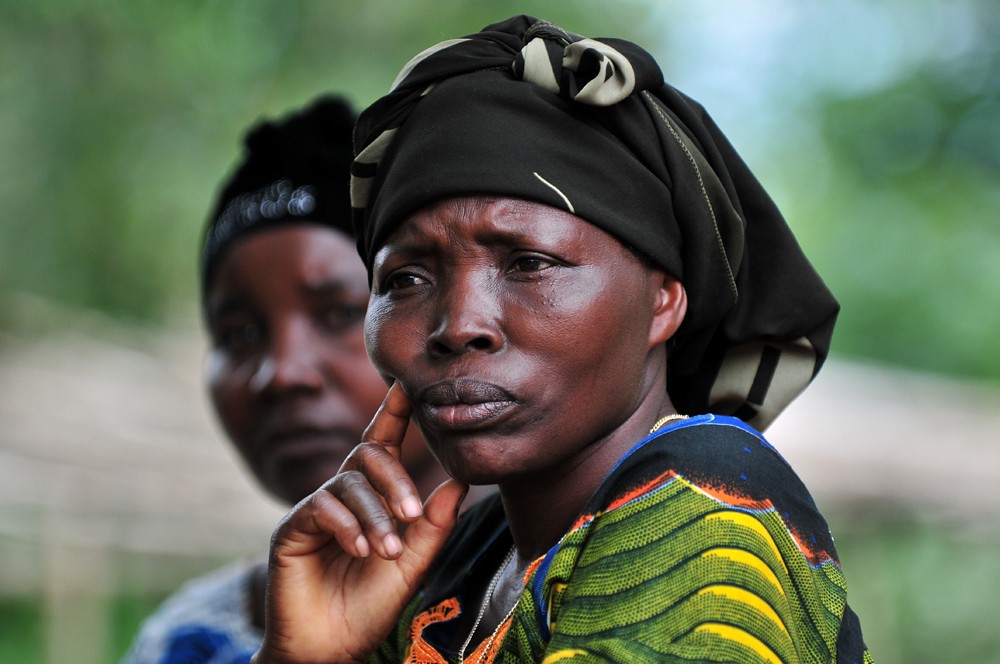
History of Child Marriage in Kyrgyzstan

Kyrgyzstan was formerly a member of the Soviet Union. Under Soviet control, many of the traditions and values of the country were repressed. Following the 1989 collapse of the Soviet Union, the government of Kyrgyzstan attempted to maintain power by appealing to nationalism and reviving the traditions of the country. One of these traditions was the practice of child marriage, which has seen increases in many Central Asian countries following the collapse of the Soviet Union.

Factors Associated with Child Marriage

Social issues, including poverty, lack of education, cultural emphasis on honor and practices of bride kidnapping, contribute to the practice of child marriage. In Kyrgyzstan’s poorest households, 16% of girls are married as children compared to 9% of girls from families with higher incomes. Girls with primary or no education are more likely to be married by the age of 18 than girls with a more substantial education – 4% compared to 33%, respectively.

Kyrgyzstan culture emphasizes family honor and child marriage is linked to the desire to ensure that girls do not engage in premarital sex. Child marriage is also linked to the practice of bride kidnapping, where the girl is taken by force to the house of a man who wants to marry her and is slowly convinced by him and his family to agree to the marriage. An estimated 12,000 bride kidnappings occur each year and it is believed that many girls agree to child marriages in an attempt to avoid being kidnapped.

Effects of Child Marriage in Kyrgyzstan

Child marriage causes many hardships for women and girls in Kyrgyzstan. Due to the unequal nature of child marriages, domestic violence is common for child brides. Child brides often face difficulties during pregnancy and childbirth due to their young age and immature physical development. These marriages often put an end to girls’ education as they have to drop out of school to raise children and undertake domestic tasks. This limits their future ability to find jobs and become financially independent, putting them at risk of being unable to leave abusive relationships.

In addition, because child marriages are illegal under Kyrgyzstan’s laws, many of these marriages are not officially registered with the state until both parties are over the age of 18, the legal age for marriage. Since women in unregistered marriages do not have access to resources such as property, alimony and child support, they are limited in their independence and ability to leave a marriage.

The National Federation of Women’s Communities of Kyrgyzstan

A key organization combatting child marriage in Kyrgyzstan is the National Federation of Women’s Communities of Kyrgyzstan (NFFCK). NFFCK is an organization created by teenage girls with the mission of giving girls throughout the country the tools and knowledge necessary to avoid child marriages and other forms of gender discrimination. The organization provides sex education and awareness programs regarding health issues, smoking and drugs, in addition to teaching leadership skills. NFFCK also is an advocacy organization, conducting awareness campaigns on social issues such as child marriage to create policy changes.

A grant provided to NFFCK by the U.N. Trust Fund to End Violence Against Women allowed the organization to create an educational program, Educating Girls Through Education, Art and Media, in three villages. The program had benefited 600 people as of 2016.

Over the course of just two years, NFFCK worked with 41 girls to avoid child marriage through its education and leadership-building programs. NFFCK provided nearly 500 girls with some form of “practical support” and more than 1,600 girls with “consultations on child marriage and bride kidnapping.” Overall, NFFCK has educated 12,000 girls on their rights.

Governmental Efforts to End Child Marriage

The government is also committing to do more to end child marriages. In 2016, President Almazbek Atambayev passed Article 155, which creates a legal basis for the punishment of adults who perform marriage ceremonies involving minors. The 2015-2017 National Action Plan on Gender Equality also included awareness programs for the public and the military on the harmful effects of child marriage. Still, an estimated 14% of girls under the age of 18 were married in 2019, indicating that child marriage in Kyrgyzstan remains a serious issue. With ongoing efforts and commitments from the government and organizations, child marriage in Kyrgyzstan can be successfully combated.

– Sydney Leiter
Photo: Flickr

December 11, 2020
https://borgenproject.org/wp-content/uploads/borgen-project-logo.svg 0 0 Jennifer Philipp https://borgenproject.org/wp-content/uploads/borgen-project-logo.svg Jennifer Philipp2020-12-11 09:25:032024-05-30 07:53:28Ending Child Marriage in Kyrgyzstan
Child Marriage, Global Poverty, Women's Rights

Birth Certificates and Women’s Rights in the DRC

Women’s Rights in the Democratic Republic of the Congo
Worldwide, governments register the identity and nationality of 73% of people at birth. In the Democratic Republic of the Congo, 75% of children are without birth certificates. This means that there is no record proving the identity of three in four Congolese children. Political unrest in the DRC has allowed the lack of documentation to go largely unaddressed, but the persistence of this problem deepens injustices that girls and women predominantly face. Here is some information about birth certificates and women’s rights in the DRC.

Child Marriage in the DRC

Thirty-seven percent of girls in the Democratic Republic of the Congo are subject to child marriage. One reason for the survival of this practice is the inability to prove that it has occurred. There is no proof of age for a girl without a birth certificate, which increases the risk that she could marry before the age of 15, the legal age for a girl to marry in the DRC. Child marriages are particularly harmful to women, as sexual violence is prevalent in the DRC. In fact, 52% of women have reported experiencing domestic violence. The DRC Family Code, enacted in 1998, details protections for women against domestic violence, but many women are unaware of the code and do not seek justice in cases of abuse. Instead, they often justify wife-beating. Documenting every child born in the DRC is a small step that could reduce child marriages.

The Benefits of Birth Certificates in the DRC

Birth certificates in the Democratic Republic of the Congo provide access to a wide range of services. For example, education and healthcare are unavailable without any proof of identity. The gender gap already limits the opportunity for women to receive an education with a primary enrollment rate of 54%, and the lack of birth certificates amplifies this injustice. Birth certificates also provide proof of ancestry, which is necessary to claim an inheritance. This flaw in the DRC’s system reinforces the disparity between men and women and the frailty of women’s rights.

Cost and accessibility are two factors that have contributed to the lack of birth certificates in the Democratic Republic of the Congo. Registration is reported as free within 90 days of birth, but the political and economic state of the country has complicated the provision of this service and there is a fee for late registration. Bribery is not uncommon when it comes to obtaining a birth certificate. Registration centers are scarce and many Congolese families find it difficult to travel from rural regions to the urban centers where they can obtain birth certificates, with some women living six miles from the nearest center. Meanwhile, if there are not any financial or geographical barriers to a birth certificate, a woman may find herself unable to register her child because she is a victim of rape and the identity of the father is unknown.

World Vision’s Recommendations

In 2009, World Vision made three recommendations to the DRC to guide the country in addressing the lack of birth certificates issued: removing all administrative costs for registration and having zero tolerance for bribery, implementing mobile registration services and campaigning to spread awareness about the importance of registration. Improvements such as these could lighten the burden of obtaining a birth certificate for a Congolese child and simultaneously make progress in the fight for women’s rights in the DRC. People may be more likely to uphold women’s rights in the DRC if girls receive recognition by the government from birth.

– Payton Unger
Photo: Flickr

October 30, 2020
https://borgenproject.org/wp-content/uploads/borgen-project-logo.svg 0 0 Jennifer Philipp https://borgenproject.org/wp-content/uploads/borgen-project-logo.svg Jennifer Philipp2020-10-30 17:27:552024-05-30 07:53:16Birth Certificates and Women’s Rights in the DRC
Child Marriage, Education, Global Poverty, USAID, Women and Female Empowerment

Support the Keeping Girls in School Act

Support the Keeping Girls in School
Congresswoman Jeanne Shaheen first introduced the Keeping Girls in School Act. The bill claims to “support empowerment, economic security, and educational opportunities for adolescent girls around the world.” Specifically, the Committee on Foreign Affairs and the Committee on Foreign Relations will both work and engage in the implementation of providing opportunities for adolescent girls to obtain a secondary education. This is why support for the Keeping Girls in School Act is so crucial.

Assistance Needed

Congress will also need the assistance of the United States Agency for International Development (USAID) in managing and assisting international matters, such as providing global security for adolescent girls in vulnerable countries. Every five years, these federal committees will meet to monitor the progress of the bill and provide input on the upcoming protocols in improving the status of the situation.

As for quantitative costs, to support the Keeping Girls in School Act requires a large financial budget to be most effective in serving those countries at-risk. Cost estimates are about $340 billion, which is a substantial amount in providing lower-income countries access to secondary education, primarily for younger girls. However, with the economic benefits of this bill, it will prove to be a fulfilling investment.

The Problem At Hand

Every year, more than 130 million girls go unenrolled in school. The U.N. predicts that this rate will increase by up to 150 million girls by 2030. For example, in Yemen, 66% of women are illiterate. Meanwhile, in Burkina Faso, only 1% of girls complete secondary school.

One factor is how many girls enter into child marriages and are not able to obtain an education. In fact, in Ethiopia, 40% of girls are likely to marry under the age of 18. Similarly, in Bangladesh, at least 42% of girls marry younger than age 18 and 22% marry younger than age 15.

Many other external factors contribute to this global crisis. For example, girls with disabilities are less likely to enroll in school and only 1% of girls from the disabled community are literate.

Infections have also proven to hinder access to secondary education for girls under the age of 18. Especially through child marriage, girls are more susceptible to sexually transmitted diseases, such as AIDS. More than 380,000 girls, primarily from Africa, contract HIV or develop AIDS every year. In sub-Saharan Africa, at least 80% of HIV victims among adolescents are girls. A Harvard study noted that if an extra year of secondary education was available for adolescent girls, the risk of contracting HIV would decrease by 12%.

The Economic Benefits

Although it is a large investment, the benefits will far outweigh the costs. For example, if every girl attends school for 12 years, free of cost, estimates have determined that it will generate between $15 trillion to $30 trillion globally by 2030. Moreover, each year a girl attends school, the government saves approximately 5% of its educational budget. When girls have an educational background, they are more likely to obtain jobs and careers and thus, stimulate the economy.

What Now?

It is imperative to lobby support from local, congressional leaders to support the Keeping Girls in School Act, as it can help millions of girls obtain an education. Furthermore, the bill will substantially stimulate the economy in the future. A quick method to accumulate support is to email local representatives about endorsing the bill. With this template by The Borgen Project, emailing local congressional leaders will take less than one minute and benefit more than 130 million girls that do not have access to secondary education.

– Aishwarya Thiyagarajan
Photo: Wikimedia Commons

October 26, 2020
https://borgenproject.org/wp-content/uploads/borgen-project-logo.svg 0 0 Kim Thelwell https://borgenproject.org/wp-content/uploads/borgen-project-logo.svg Kim Thelwell2020-10-26 07:30:192020-10-22 20:39:12Support the Keeping Girls in School Act
Child Marriage, Development, Gender Equality, Global Poverty, Women's Rights

Women’s Rights in Zimbabwe: On the Road to Progress

Women's Rights in ZimbabweZimbabwe is a country in Southern Africa with more than 6.6 million people living in extreme poverty. Despite its struggles with issues such as economic trouble and food insecurity, there have been significant improvements in women’s rights in Zimbabwe over the past few decades.
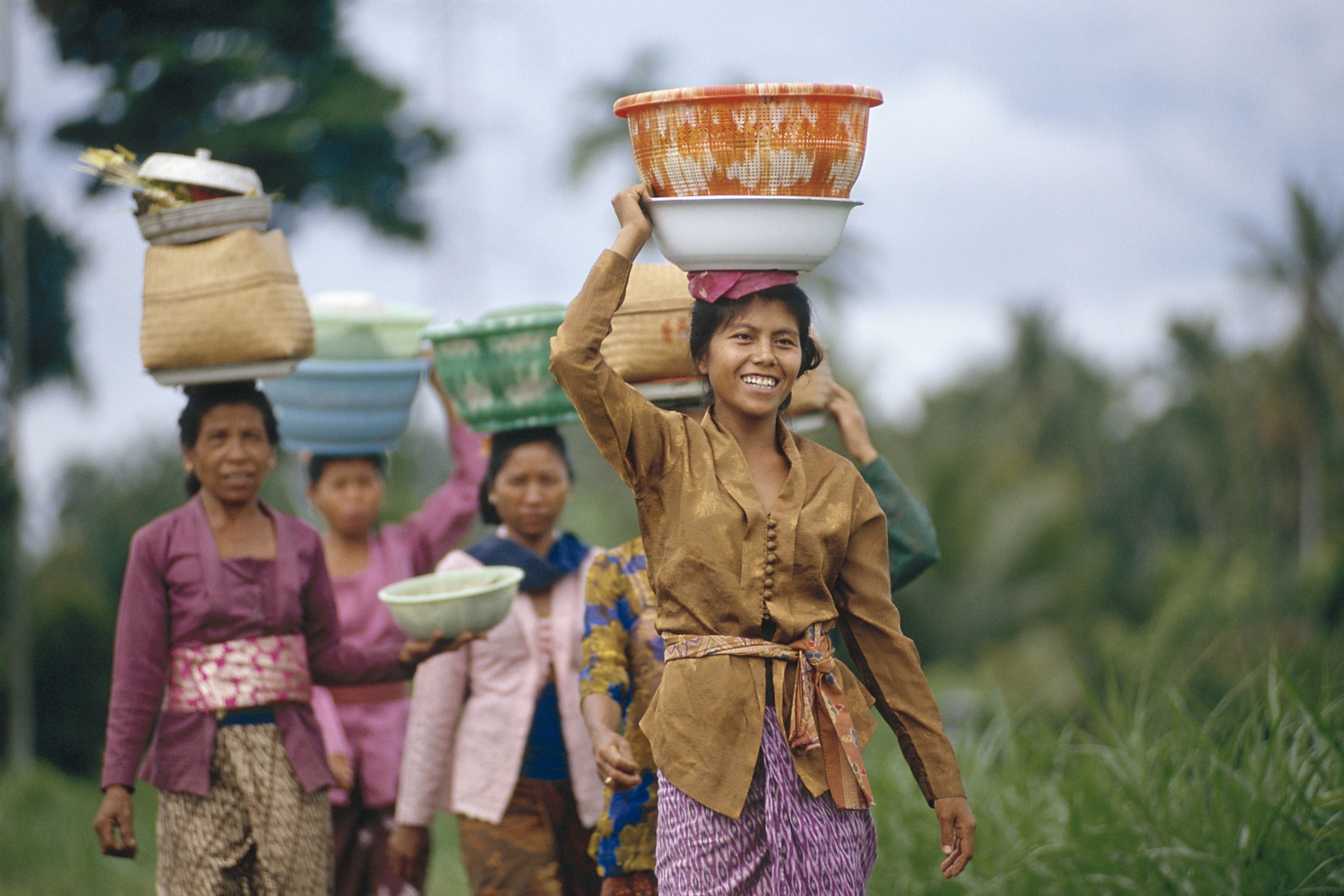
Legal Rights

Concerning the official laws, the national government has made some progressive changes to its constitution and policies to improve women’s rights in Zimbabwe. The official Constitution of Zimbabwe promotes gender equality by stating that men and women are equal, as well as outlawing sex or gender-based discrimination and behavior.

Throughout the 2000s, lawmakers passed numerous pieces of legislation to protect women and girls. This legislation banned marital rape in 2006 and further, legislators passed another domestic violence act in 2007. The 2007 act outlawed many traditions considered harmful to women.

However, many of these laws remain disregarded in practice due to the format of Zimbabwe’s government. Most of the laws passed are statutory, but there are also customary laws that function on a smaller scale. It is common for obedience to customary laws to occur. Yet, often, citizens disregard statutory laws or there is little to no enforcement in the first place.

Child Marriage

One of the most concerning issues in women’s rights is the high rate of child marriage. Unfortunately, many under-aged girls find themselves in early marriages, typically by force. It is estimated that “one in four girls aged 15–19 are married.”

Most of these marriages occur because of the divide between statutory and customary law. Other than civil marriage, an additional two types of customary marriage exist: registered and unregistered. These latter two types often disregard child marriage laws and force young girls into marriage.

On a positive note, Zimbabwe’s government strives to end child marriage by 2030. Additionally, various organizations such as Girl Child Network and UNICEF have provided resources to help combat these forced marriages with successful outcomes.

Women in Politics

Zimbabwe has a patriarchal, societal system that often oppresses women in both the home and the workplace. Society expects these women to follow traditional, gender roles. Thus, encouragement for women to pursue careers in politics or other influential positions is scarce.

Zimbabwe formerly had a goal of “50% representation of women in all decision making bodies by 2015,” as women are greatly underrepresented in government. However, the country has not met these quotas. Women who announce a political campaign are often met with harassment, threats and other acts of violence. These pressures discourage women from running and even force some to end their campaigns, altogether.

One organization that strives to fight this issue is the Women in Politics Support Unit (WiPSU). Its main goal is to train and empower women in Zimbabwe to successfully run for office. To do so, WiPSU provides leadership-development workshops and other resources, as well as a group of supportive women to stand beside one another. This initiative has helped create successful campaigns and increased opportunities for women.

Looking Forward

While there is still an urgent need to improve women’s rights in Zimbabwe, it is also important to recognize the progress that has been made thus far. The women’s movement in Zimbabwe is strong and shows no sign of wavering as parties nationwide work to gain the gender equality promised by their constitution.

– Hannah Allbery
Photo: Flickr

October 21, 2020
https://borgenproject.org/wp-content/uploads/borgen-project-logo.svg 0 0 Kim Thelwell https://borgenproject.org/wp-content/uploads/borgen-project-logo.svg Kim Thelwell2020-10-21 04:36:202024-06-04 01:08:47Women’s Rights in Zimbabwe: On the Road to Progress
Child Marriage, Global Poverty, Inequality, Women, Women and Female Empowerment

Women’s Rights in Indonesia

Women's Rights in IndonesiaWomen in Indonesia are working hard and fighting for their rights. Recently, Indonesia ranked second in the most dangerous countries for women in the Asia-Pacific. Violence against women can happen anywhere from the slums to the richest neighborhoods. However, this has not stopped the women of Indonesia, as they continue to march — closing the inequality gap. Importantly, women’s rights in Indonesia have fierce advocates.

Child Marriage

Concerning Indonesian girls, 14% marry before their 18th birthday. This is in part, due to their society’s view of women and discriminating legislation. The Marriage Law, established in 1974, states that parents can marry their daughter off as young as 16 years old. In April of 2018, Indonesia’s president, Joko Widodo, came forth and said that he was drafting a presidential decree that would ban child marriage. However, there has been no timeline set for the decree to be passed. Child marriage indirectly takes away a girl’s future and exposes them to a greater chance of being a victim of sexual violence. This can be directly related to the percentage of women in the workforce (51%) and the percentage of women experiencing sexual violence in their lifetime (33%).

UN Women

U.N. Women give girls and women in Indonesia the voice they deserve. This organization advocates for an end to the violence wrought against women while actively pursuing partners to respond to it. U.N. Women do so much for the women of Indonesia, from giving them access to entrepreneurship classes to directly fighting the government. This, in an attempt to hold authorities accountable for women’s rights in Indonesia. In the mix of their many programs, there is WeLearn and WeEmpower Asia, which both give women resources to integrate into the workforce. WeLearn’s goal is to improve equal learning opportunities and empower women to start their businesses. Where WeLearn encourages women into the workplace, WeEmpower Asia aims to achieve a business environment that empowers women and urges companies to adopt the Women’s Empowerment Principles.

Women Making Progress

Women’s rights in Indonesia have come a long way. Women in Indonesia now march freely in their opposition to the rights they have (or lack, rather). As backstory, the reason that this big (yet slowly closing gender gap) exists is because of the country’s second dictator, Suharto. He ruled for 32 years and widened the gap exorbitantly. However, most notably, he put the mindset in place that women and men garner different treatments. Now, the gap is closing and for the better. In political parties, 30% of the cabinet must be comprised of women. Further, as mentioned above, President Joko Widodo has the highest number of women in his cabinet in the country’s history. Now, those women in the cabinet are pushing for bills like the Sexual Violence Bill, to be passed.

Thanks to Suharto, the women in Indonesia have a lot of work to do. Fighting for women’s rights is not an easy battle. As for the support of men, Gitika Bhardwaj says that “I do think there are a large number of men who are supporting gender equality in the country but unfortunately there have not been enough high-level public awareness campaigns.” In the next few years, these women leaders hope to see the inequality gap as not a tangible thing, but a thing of the past.

– Bailey Sparks
Photo: Flickr

October 17, 2020
https://borgenproject.org/wp-content/uploads/borgen-project-logo.svg 0 0 Kim Thelwell https://borgenproject.org/wp-content/uploads/borgen-project-logo.svg Kim Thelwell2020-10-17 05:52:462020-10-17 05:52:46Women’s Rights in Indonesia
Child Marriage, Children, COVID-19, Education, Global Poverty

Schooling During COVID-19 in Impoverished Countries

Schooling During COVID-19As COVID-19 started spreading, schools around the world shut down. For countries with already poor schooling systems and low literacy rates, the pandemic created even more challenges. The world’s most illiterate countries are South Sudan with a 73% illiteracy rate, Afghanistan with a 71.9% illiteracy rate, Burkina Faso with a 71.3% illiteracy rate and Niger with a 71.3% illiteracy rate. Schooling during COVID-19 has only increased the struggles these countries face as they try to promote literacy.

Literacy is an important aspect of reducing world poverty, as countries with the lowest levels of literacy are also the poorest. This is because poverty often forces children to drop out of school in order to support their families. Since those children did not get an education, they will not be able to get a high-paying job, which requires literacy. Thus, a lack of education keeps people in poverty. If countries with low literacy rates make schooling harder to access due to COVID-19, the illiteracy rate will increase, and the cycle will continue. Below are the ways that the four least literate countries are continuing schooling during COVID-19.

South Sudan

After almost a decade of fighting due to the South Sudanese Civil War, literacy rates are already low in South Sudan, as the war inhibited access to education. The government-imposed curfew in response to COVID-19 forced children to stay home. This especially challenges girls, whose families expect them to pick up housework at home due to gender norms. The government provided school over the radio or television as a virtual alternative to schooling during COVID-19. However, impoverished children who lack access to electricity, television and radio have no other option. This lack of access to education for poor Sudanese children will further decrease literacy rates. As a result, children may be at risk of early marriage, pregnancy or entrance into the workforce.

Afghanistan

In Afghanistan, there was already a war going on when the COVID-19 pandemic struck, creating a barrier to education. In 2019 alone, 200,000 students stopped attending school. COVID-19 has the potential to make this problem worse. Importantly, Afghanistan’s schooling crisis affects girls the most; by upper school, only 36% of students are girls. Further, 35% of Afghan girls are forced into child marriages, and not being in school makes them three times as likely to be married under 18. If they do not finish school, there is a high chance they will never become literate.

COVID-19 may exacerbate girls’ lack of access to school. When schools shut down, the schooling system in Afghanistan moved online in order to continue schooling during COVID-19. But only 14% of Afghans have access to the internet due to poverty. Since many parents are not literate, they cannot help their children with school. School shutdowns may also decrease future school attendance, especially for girls. As such, COVID-19 will perpetuate illiteracy in Afghanistan, with many children missing out on school due to poverty.

Burkina Faso

In Burkina Faso, school shutdowns have put children at risk of violence. Jihadist violence, tied to Islamic militants, has increased in the country. Violence forces children out of school, with many receiving threats, thus decreasing the literacy rate. Though school was a safe space for children, COVID-19 is making this situation worse.

As an alternative for schooling during COVID-19, Burkina Faso has broadcasted lessons on the radio and TV. However, many students do not have access to these technologies. Even if they do, staying at home does not protect them from violence, which could prevent them from going to school. In Burkina Faso, many children also travel to big cities to go to school. But without their parents being able to help them economically, many are now forced to get jobs, entering the workforce early. This lowers the number of children in school as well as the country’s literacy rate.

Niger

In Niger, 1.2 million children lost access to schooling during COVID-19, lacking even a television or radio alternative. Schools have since reopened, but children still feel the impacts of this shutdown. Before COVID-19, at the start of 2020, more than two million children were not in school due to financial insecurity, early marriage or entrance into the workforce. COVID-19 forced many children to give up schooling forever, as they had to marry or begin work and fell behind in school. As a result, this lowered the country’s literacy rate.

Improving Literacy Rates During COVID-19

While COVID-19 did prevent many children from accessing the education they need, many organizations are working to help them meet this challenge. One of these organizations is Save the Children. It is dedicated to creating reliable distance learning for displaced students, support for students and a safe environment for students to learn.

COVID-19 has left many students without access to education, jeopardizing the future for many. In the countries with the highest illiteracy rates, a lower percentage of children with access to education means a lower percentage of the population that will be literate. Improving literacy rates is key reducing poverty, as it allows people to work in specialized jobs that require a higher education, which then leads to higher salaries. If literacy rates drop, poverty will only continue to increase. This makes the work of organizations like Save the Children crucial during the ongoing pandemic.

– Seona Maskara
Photo: Flickr

October 9, 2020
https://borgenproject.org/wp-content/uploads/borgen-project-logo.svg 0 0 Kim Thelwell https://borgenproject.org/wp-content/uploads/borgen-project-logo.svg Kim Thelwell2020-10-09 08:58:382020-10-09 08:58:38Schooling During COVID-19 in Impoverished Countries
Child Marriage, Children, Global Poverty

Photography Fights Child Marriage

Photography Fights Child MarriageTwelve million girls a year—or 23 girls every minute—are married before their 18th birthday. The most common factors that contribute to child marriage are poverty, lack of education and gender norms. Around the world, 21% of young women were married as minors. The prevalence of child marriage is even higher in sub-Saharan Africa, at 37% of young women. Various art forms, including photography and music, have been used to advocate for the eradication of this harmful practice. Photography fights child marriage by raising awareness for this pressing issue and empowering women to take action.

Costs of Child Marriage

When young women and girls are forced to marry, they are less likely to attend school. They are separated from their family and friends, and they are also more likely to experience life-threatening complications during pregnancy and childbirth, suffer domestic violence and contract HIV/AIDS. Furthermore, child marriage traps these girls in a cycle of poverty, in which they and their children are less able to access opportunities for education and economic empowerment.

Photography Fights Child Marriage and Empowers Girls

Too Young to Wed, a nonprofit founded in 2012 by photojournalist Stephanie Sinclair, uses photography to raise awareness of the prevalence of child marriage. This organization creates media campaigns focusing on child marriage and uses compelling photojournalism to show that the practice is a violation of human rights. The photographs have been seen by billions, and one media campaign that focused on child marriage in Nepal reached more than 9.7 million people. The photographs, alongside firsthand accounts from girls at risk of or impacted by child marriage, “inspire the global advocacy and policy-making communicates to act,” according to Sinclair.

In addition to organizing photo workshops, this organization provides leadership scholarships, vocational training and other support. The Leadership Scholarship program is especially crucial because education is vital to preventing child marriages. In the last eight years, Too Young to Wed has directly helped 600 girls, and much more indirectly, in its fight against child marriage. Sinclair told Global Citizen, “[Girls] can do all kinds of things that they can bring back to their community and then also bring them out of a level of poverty where the most extreme forms of child marriage are definitely happening.” When young women are educated, their children are more likely to be educated as well, which helps take the family out of the cycle of poverty.  Overall, Too Young to Wed uses visual evidence and storytelling to highlight the harmful impacts of child marriage, empower girls and inspire change.

Tehani Photo Workshop

Since 2016, Too Young to Wed has provided a week-long photography workshop that also functions as an immersive art therapy retreat called the Tehani Photo Workshop. Partnered with the Samburu Girls Foundation, Too Young to Wed held the first workshop in Kenya, where about 1 in 4 girls are married before the age of 18. During this workshop, 10 girls who had escaped their marriages learned how to shoot portraits, and they were able to form friendships and reclaim their narratives. To conclude the workshop, the girls presented their photographs and told their stories to more than 100 members of their community.  According to Sinclair, the workshops aim to “help [the girls] better realize their self-worth and the value of their voice.”

Music as a Tool in the Fight Against Child Marriage

In Benin, where more than 25% of girls are married before they are 18 years old, artists collaborated in 2017 to release a song and music video that highlighted this issue. UNICEF’s Goodwill Ambassadors Angélique Kidjo and Zeynab Abib, along with seven other artists, composed the song as part of the national Zero Tolerance Campaign against child marriage. The song is titled “Say No to Child Marriage” and includes multiple languages so its message resonates with people within Benin and in neighboring countries. “Child marriage is a negation of children’s right to grow up free,” said Kidjo. “Every child has the right to a childhood.”

In 2019, the United Nations Children’s Fund worked with music producer Moon Boots and vocalist Black Gatsby to produce a music video to speak out against child marriage in Niger, where 76% of girls are married before the age of 18. Also, according to UNICEF, Niger has the world’s highest rate of child marriage. The song, titled “Power,” promotes education as a positive alternative that can empower girls and reduce poverty in their communities. According to a Félicité Tchibindat, a UNICEF representative in Niger, it also fights against the practice of child marriage by raising awareness that “ending child marriage is possible,” even though it is a long-held social norm.

Conclusion

Although the rates of child marriage are gradually declining worldwide, it is estimated that 120 million more girls under the age of 18 will be married by 2030 if current trends continue. The coronavirus pandemic has also put up to 13 million more girls at risk of child marriage because of rising poverty rates, school closures and hindered access to reproductive health services and resources.

Twenty-five million child marriages have been prevented in the last ten years, and UNICEF attributes the decline of the practice in part to “strong public messaging around the illegality of child marriage and the harm it causes.” While photography fights child marriage, further far-reaching and powerful art initiatives, along with the work of national governments and international organizations, can continue to raise awareness, empower girls and reduce the prevalence of this practice around the world.

– Rachel Powell
Photo: Flickr

September 9, 2020
https://borgenproject.org/wp-content/uploads/borgen-project-logo.svg 0 0 Kim Thelwell https://borgenproject.org/wp-content/uploads/borgen-project-logo.svg Kim Thelwell2020-09-09 12:37:002024-12-13 18:02:10Photography Fights Child Marriage
Child Marriage, Children, Developing Countries, Global Poverty

Eradicating Child Marriage in Malawi

Child Marriage in MalawiChild marriage rates in Sub-Saharan Africa are the highest in the world, with an average of 35% of girls married before the age of 18. In the sub-Saharan nation of Malawi, the rate of child marriage in 2015 was the ninth highest worldwide. The widespread issue of child marriage in Malawi has impacted many young girls and their futures. One of the major contributors is widespread poverty. Over half of the Malawi population lives below the poverty line, causing girls to be married off in hopes of economic advancement. However, these marriages perpetuate the cycle of poverty in the nation as girls are unable to continue their education: 55% of girls in Malawi do not return to school after eighth grade. However, recent successes are working to end child marriage in Malawi.

Changes to Malawi’s Constitution

The Malawi government has been making strides against child marriages within the nation. In 2015, the Marriage, Divorce and Family Relations Act raised the minimum marriage age from 15 to 18. Nevertheless, a loophole limited this law from fully eradicating child marriage by allowing children between the ages of 15 and 18 to get married as long as their parents gave consent.

Luckily, in February of 2017, the country’s government addressed this loophole. A vote ensued in the nation’s Parliament to pass a constitutional amendment banning child marriage in Malawi for those under the age of 18. The amendment passed unanimously, making child marriage officially illegal in the nation.

The Road to Change

In recent years, organizations around the world have shown increasing interest in eliminating child marriage in Malawi. For example, Plan International, an organization dedicated to advancing equality for children with a focus on girls, joined the movement by supporting Malawian youth groups that spoke up against child marriage.

The United Nations has also spoken out against this issue. U.N. Women Malawi engaged through lobbying efforts, holding consultations with different Malawian agencies about banning child marriage. The organization is continuing to support the ban by aiding in the law’s implementation.

Government Efforts

Local leadership and government have also proven a fighting force against child marriage. Many chiefs within the nation have created specific rules regarding child marriages for their communities. For example, Chief Kapolona of Machinga, Malawi has seen success as the number of child marriages in his community decreased from 10-15 a year to just two cases in 2017.

On the national level, the Malawian government has made commitments to ensure a complete ban on child marriages. For instance, the government has pledged to a United Nations Sustainable goal to “achieve gender equality and empower all women and girls.” Through this goal, the nation plans to eradicate all child marriage in Malawi by 2030. Malawi’s government also created the National Plan of Action to Combat Gender-Based Violence in Malawi. This document includes many smaller goals, all of which are designed to end child marriages.

Although Malawi has a robust history of child marriage, the nation has made drastic progress in eradicating the issue. Hope now exists for young girls across the country to escape poverty, finish their education and gain financial independence.

– Erica Burns
Photo: Flickr

August 24, 2020
https://borgenproject.org/wp-content/uploads/borgen-project-logo.svg 0 0 Kim Thelwell https://borgenproject.org/wp-content/uploads/borgen-project-logo.svg Kim Thelwell2020-08-24 07:31:512024-05-29 23:22:23Eradicating Child Marriage in Malawi
Child Marriage, Global Poverty

Forced Marriage in Iraq and Afghanistan

forced marriage in Iraq and Afghanistan
In Iraq, a 1987 law entitled the Personal Status Law and Amendments stated that a person may not marry until age 18, however, they could marry with judicial consent at age 15. Nevertheless, 24% of girls marry by age 18 and 5% marry by age 15. In Afghanistan, the numbers are just as shocking. In fact, 35% of girls in Afghanistan marry by 18, and 9% by age 15. The consequences of forced marriage in Iraq and Afghanistan are detrimental to the development of a young girl’s identity and safety, and they shed light on issues with child marriage around the globe.

Child Marriage in Iraq

Child marriage is often the result of extreme poverty or religious beliefs, and because of these factors, it is at its highest in the Middle East. In Iraq, one in four children lives in poverty, making them extremely vulnerable to forced marriage. When families receive offers of money in exchange for their child, they often accept in order to feed the rest of their family. The girls that enter these marriages often suffer abuse and rape, or become pregnant; then in some cases, they experience divorce and end up on the street. Women over age 15 are also vulnerable to abusive marriages because 85% do not work and cannot financially support themselves.

In Iraq, child marriage is not criminalized and many often consider it normal or protect it. Recently, the rate of “pleasure marriages” has skyrocketed as well. Pleasure marriages are temporary marriages that have religious approval and often occur either so the man can obtain money from the girl’s family or for sexual exploitation of the girl before the marriage ends and the wife experiences abandonment. This is detrimental to young girls in poverty and rural communities, as their family often abandons them after paying large dowries to the man’s family.

Child Marriage in Afghanistan

Forced marriage in Iraq and Afghanistan is an unfortunate commonality, largely because of religious beliefs but also because girls lack opportunities for independence. In Afghanistan, although there are laws in place that make it illegal to marry anyone under age 18, they rarely experience enforcement. A 2017 study by UNFPA stated that girls who complete secondary school are less likely to be married under age 18, but unfortunately, the most recent data reflects that only 44% of girls in Afghanistan enter primary school. Only half of those girls then go on to secondary school. The lack of education that leads to poverty does not only take away a girl’s chance to experience growth and independence–in Afghanistan, it makes her all the more vulnerable to a forced marriage.

The effects of child marriage on a girl’s health and well being are detrimental. Girls under 15 years old are five times more likely to die in childbirth, according to the Women’s Health Coalition. Just as devastating, a child born to a child bride is 60% more likely to die in their first year of life. Girls forced to marry often cannot access healthcare because they have signs of abuse both physical and sexual. Because of this, the risk of STD contraction is very high.

Combatting Child Marriage Globally

Forced marriage in Iraq and Afghanistan affects too many young girls. Girls Not Brides is an international organization working to enforce the sustainable development goals that are necessary to end child marriage, starting with poverty and hunger. Girls Not Brides outlines steps in its Theory of Change and monitors change frequently. The organization’s website allows people to email and call leaders in support of enforcing the legal age of marriage. Thanks to organizations such as that, child marriage now is declining in the world. In 2016, the percentage of women married before the age of 15 globally was 7%, as opposed to 12% in the 1990s.

There are also fact sheets and visuals to use on social media. In the U.S., the Girls Lead Act, or S.2766, is in need of support. This bill would provide funding for education initiatives for the millions of girls worldwide. This bill also focuses on the lack of girls in politics, science and technology; it will fund programs to make these fields of study more accessible. Beginning with education and stable living conditions, girls living in poverty won’t have to fear losing their futures.

– Raven Heyne
Photo: Flickr

August 19, 2020
https://borgenproject.org/wp-content/uploads/borgen-project-logo.svg 0 0 Kim Thelwell https://borgenproject.org/wp-content/uploads/borgen-project-logo.svg Kim Thelwell2020-08-19 07:30:182024-05-29 23:22:25Forced Marriage in Iraq and Afghanistan
Page 10 of 13«‹89101112›»

Get Smarter

  • Global Poverty 101
  • Global Poverty… The Good News
  • Global Poverty & U.S. Jobs
  • Global Poverty and National Security
  • Innovative Solutions to Poverty
  • Global Poverty & Aid FAQ’s
Search Search

Take Action

  • Call Congress
  • Email Congress
  • Donate
  • 30 Ways to Help
  • Volunteer Ops
  • Internships
  • Courses & Certificates
  • The Podcast
Borgen Project

“The Borgen Project is an incredible nonprofit organization that is addressing poverty and hunger and working towards ending them.”

-The Huffington Post

Inside The Borgen Project

  • Contact
  • About
  • Financials
  • President
  • Board of Directors
  • Board of Advisors

International Links

  • UK Email Parliament
  • UK Donate
  • Canada Email Parliament

Get Smarter

  • Global Poverty 101
  • Global Poverty… The Good News
  • Global Poverty & U.S. Jobs
  • Global Poverty and National Security
  • Innovative Solutions to Poverty
  • Global Poverty & Aid FAQ’s

Ways to Help

  • Call Congress
  • Email Congress
  • Donate
  • 30 Ways to Help
  • Volunteer Ops
  • Internships
  • Courses & Certificates
  • The Podcast
Scroll to top Scroll to top Scroll to top