• Link to X
  • Link to Facebook
  • Link to Instagram
  • Link to TikTok
  • Link to Youtube
  • About
    • About Us
      • President
      • Board of Directors
      • Board of Advisors
      • Financials
      • Our Methodology
      • Success Tracker
      • Contact
  • Act Now
    • 30 Ways to Help
      • Email Congress
      • Call Congress
      • Volunteer
      • Courses & Certificates
      • Be a Donor
    • Internships
      • In-Office Internships
      • Remote Internships
    • Legislation
      • Politics 101
  • The Blog
  • The Podcast
  • Magazine
  • Donate
  • Click to open the search input field Click to open the search input field Search
  • Menu Menu

Archive for category: Child Marriage

Child Marriage, COVID-19, Global Poverty

Fighting Social Acceptance of Child Marriage in India

Child Marriage in India
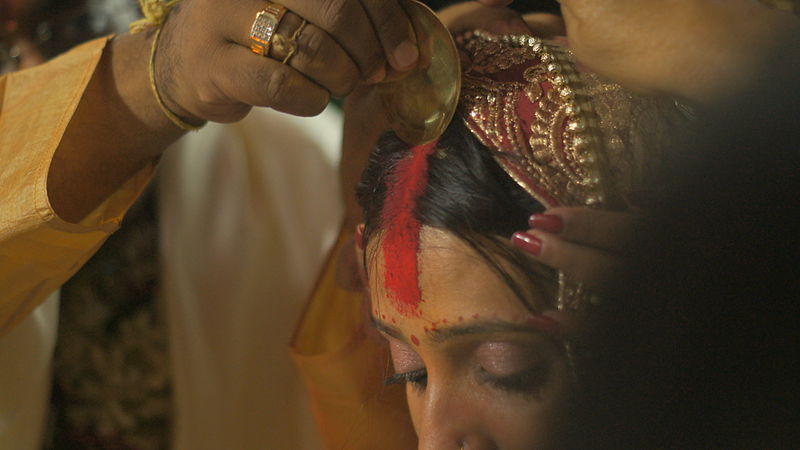
Soon after her wedding to a man seven years older than her, 14-year-old Muskaan told Delhi photojournalist Saumya Khandelwal that her marriage “had to happen.” Muskaan, who is from India’s most populous state of Uttar Pradesh, reflected on the region’s social acceptance of child marriage in India.

Child Marriage in India

Despite India’s attempts to curb child marriage through legislation, the damaging practice persists. About 27% of all Indian girls marry before their 18th birthday, with this statistic being higher in rural areas. Meanwhile, the northern states of Bihar and Rajasthan see between 47% and 51% of their young girls married as children.

Still, progress has occurred. While almost 47% of Indian girls 18 and younger married between 2005 and 2006, this rate dropped to 18% between 2015 and 2016. Key influences have been government programs that promote women’s education and empowerment. The improvements were undoubtedly clear and especially impactful in increasing the presence of women in higher education and the workforce, paving the way for a generation of independent and educated young women. However, local developments under COVID-19 have unearthed the social acceptance of child marriage in India and the factors that erode local approval.

COVID-19 in India

India’s official COVID-19 case count stood at a staggering 32.2 million as of August 14, 2021. The country faced a four-phase lockdown in 2020 along with several states instating rigid curfews. The economic impacts of these necessary public health measures have been disastrous as the Indian government estimates that the nation’s GDP shrank by almost 8% since the beginning of the pandemic. Meanwhile, up to 75 million people have slipped into poverty, only earning a meager income of 150 rupees or around $2 per day.

Specifically, the Indian informal economy seems to have taken the hardest hit. Comprising farm workers, construction workers and migrant laborers, this sector has no access to political support or union representation. With meager amounts of government aid reaching these vulnerable workers, many headed back to their homes in rural India hoping for reduced living costs.

Government Aid

Many of the Indian government’s schemes to help lower-income families centered around schools to encourage education. Government-run schools provided breakfast and lunch to their students free of cost prior to the pandemic, but with students learning from home, the program quickly ended. Parents who sent their daughters to school received compensation under one of the “Beti Bachao, Beti Padhao” campaign’s many programs in 2015.

However, the education programs faced a lack of funding despite being instrumental in balancing the male-female sex ratio in 108 districts. Simply put, the government’s programs have not met their full potential, limiting how well Indian leaders can address child marriage. The pandemic has only worsened access to the Indian welfare system, especially for migrant workers from rural areas who see child marriage as a solution to better their daughters’ financial opportunities.

Families facing dire financial situations often contemplate marrying their young daughters off to men who belong to local, stable families. A daughter’s departure from her home means that her parents no longer have to provide her with food, clothing and education. Provided she is young and healthy, she may marry a groom with plenty of money to provide for her needs. For parents burdened with the pandemic’s economic consequences, the route seems appealing.

Social Pressures

Many parents view marriage as a way to provide stability for their daughters in a country with much gender-based violence. Police reports from investigations into local child marriages show that parents of young girls worry that letting them go to school and work while being unmarried may signal their availability to predatorial men.

This mindset typically prevails in rural areas. Data from Bihar, an Indian state that reports the highest number of child marriages, has shown that 44.5% of women from rural areas married before the age of 18 from 2015 to 2016 compared to 29.1% of women from urban areas. In rural areas, the local community has united and affirmed that marriage provides financial security, respect and safety to young girls.

Solutions

Landmark legislation such as the 2006 Prohibition of Child Marriage Act (PCMA) has created a jail sentence of up to two years for parents and village elders authorizing illegal child marriages in India. The act also established local committees to intervene in individual cases but left enforcement up to state governments. In many cases, state officials simply did not appoint committee members or assigned committee work to social workers with already high caseloads. While child marriage statistics have been continually dropping, much of this progress is due to similar growth in literacy and access to education instead of PCMA’s impact. Indian legislation is powerful, but it faces setbacks in actualizing its potential.

Currently, local police are instrumental in stopping child marriages by arriving on the scene and arresting elders arranging weddings, but they work through anonymous tips and face resistance from locals. They are unable to stop all child marriages or truly fight the mindset of parents. Specialized teams with social workers will be able to communicate with parents and village elders and prevent future weddings. It is important that these groups receive funding and support from global governments as these solutions stretch beyond simply sending individuals to jail — the true solution to child marriage in India is through changing mindsets.

Looking Ahead

Despite determined attempts by the Indian government to limit child marriage in India through legislation, the destructive practice still continues. The COVID-19 pandemic has unearthed the economic and social motivations that drive child marriage forward in Indian society. Solutions include realizing the potential of legislation and promoting the presence of social workers and NGOs working on the ground to change the social acceptance of child marriage in India.

– Shruti Patankar
Photo: Wikipedia Commons

September 7, 2021
https://borgenproject.org/wp-content/uploads/borgen-project-logo.svg 0 0 Jennifer Philipp https://borgenproject.org/wp-content/uploads/borgen-project-logo.svg Jennifer Philipp2021-09-07 07:30:102024-06-06 01:05:39Fighting Social Acceptance of Child Marriage in India
Child Marriage, Children, Global Poverty, Women's Rights

Addressing Child Marriage in Morocco

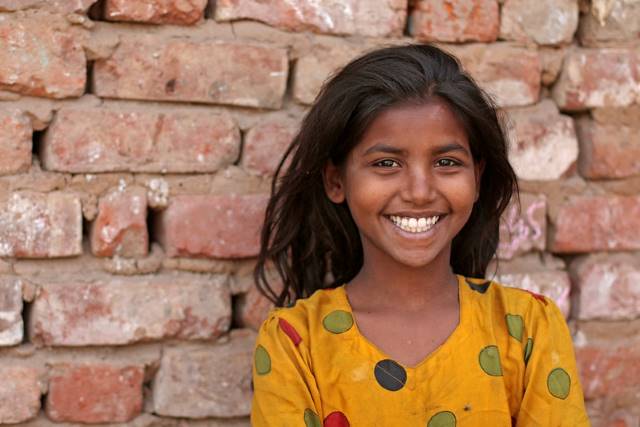
Child marriage in MoroccoChild marriage in Morocco is still widely prevalent in 2021, though there are efforts to expand girls’ rights and empower women. A worldwide issue, child marriage is an issue Morocco has long struggled with because of various legal frameworks. But, there is hope for the country’s girls as activists and groups work to reform laws and curb child marriage in Morocco.
Child Marriage and Poverty

There are many reasons why child marriage in Morocco is so prevalent. Most significantly, it is a longstanding cultural tradition as well as a widespread practice in Islam. Once a girl starts menstruating, according to Moroccan society, she has reached “the marriageable age.” Additionally, girls in rural Morocco must preserve their virginity until they become wed. Since the act of reproduction is so signifcant, families marry off their daughters at early ages because it “allows young women to have more children than those married later.”

Child marriage also enforces economic and social stability as marriage comes with money, status and property. Often, these girls come from families suffering in poverty. Because girls get married off early, they miss out on educational opportunities, making them completely dependent on their husbands. Consequently, poverty and illiteracy are driving factors in the girls’ futures, exacerbating cycles of poverty even further.

Moudawana

According to Morocco World News, Morocco’s Family Code, also known as Moudawana, is the root of the problem in permitting child marriage. In 1958, Morocco established Moudawana, a traditional family law that permits practices such as “polygamy and forced marriage.” The traditional family law was the main legal framework responsible for legitimizing forced child marriage.

However, the Family Code was officially reformed in 2004 to raise the minimum marriageable age of girls to 18 and provide more rights to women in marriages. This includes rights to inheritance and the sharing of marital property. While the law still permits polygamy, it is legal only under strict conditions. Activist groups like the Moroccan Women’s Rights Movement have been advocating for these changes to allow more rights to women and girls. Nonetheless, challenges persist.

Looking at the Numbers

According to Reuters, 16% of Moroccan girls younger than the age of 18 marry illegally, despite the revised Family Code law prohibiting this. Since the 2004 reform, the number of underage marriages surged by almost 50% by 2016, though some activists claim this statistic should be higher. Families get around the Moudawana through loopholes in the law, allowing them to marry off their daughters at earlier ages. According to Morocco’s Ministry of Justice, in 2019, 98% of requests for marriage to underage girls came from rural regions. This exemplifies the difference in ideology and practice between rural and urban areas as well as how circumstances of poverty increase the likelihood of child marriage.

Hope for the Future

Despite these statistics, there is hope for combating child marriage in Morocco. In 2020, the National Council for Human Rights and the United Nations Population Fund partnered for “a collaborative effort to end child marriage and promote sexual and reproductive health in Morocco.” Through education and awareness, the organizations’ joint missions will ensure poverty is alleviated alongside ending child marriage.

Additionally, the Moroccan organization called Droits & Justice is also working to end child marriage in the country. The organization launched the Combatting Underage Marriage through Legal Awareness (CUMLA) Project in 2014. The initiative educates young girls, parents and entire communities about the severe consequences of child marriage.

By partnering and collaborating with local associations, Droits & Justice hopes to increase local awareness and create large-scale change. With these methods, the organization is hoping to get closer to eradicating child marriage in Morocco. Droits & Justice “has succeeded in educating more than 500 women, including 250 underage girls.” The organization also helped with almost 30 child marriage cases.

Although child marriage has been a longstanding issue in Morocco, legal reform and the efforts of activist groups are encouraging. These are signs that Morocco is approaching a culture free of child marriage, and consequently, a future free of poverty.

– Laya Neelakandan
Photo: Unsplash

August 18, 2021
https://borgenproject.org/wp-content/uploads/borgen-project-logo.svg 0 0 Kim Thelwell https://borgenproject.org/wp-content/uploads/borgen-project-logo.svg Kim Thelwell2021-08-18 07:30:312024-05-30 22:24:49Addressing Child Marriage in Morocco
Child Marriage, Child Poverty, Education, Global Poverty

Fighting Child Marriage in Myanmar With Education

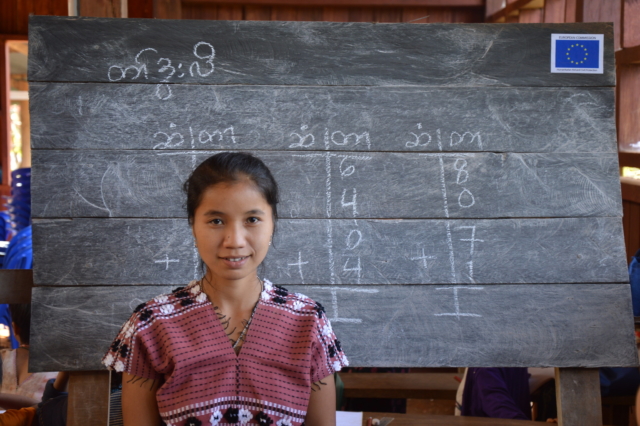
Child Marriage in MyanmarChild marriage in Myanmar, despite being internationally classified as a human rights violation, is still legally protected. The legal age to wed with parental permission is 14 and many parents condone young weddings due to extreme poverty.
Child Marriage in Myanmar

Child marriage is not an issue unique to Myanmar. Roughly 40 million girls around the world (aged 15-19) are in a marriage or union. Global child marriage rates are improving though, decreasing by 25% since 2000. Education plays a significant role in this decrease across countries that are successful in working to eliminate this human rights violation.

Recent studies find that despite international efforts and success in lowering rates in other nations, rates of child marriage in Myanmar for girls aged 15-19 are still increasing. While experts have a difficult time tracking underage unions, Girls Not Brides estimates that 16% of girls in Myanmar marry before their 18th birthday.

There is a stark intersection between child marriage and extreme poverty. Many parents seek to marry off their young daughters because of the perceived assurance of security. This is especially prevalent when it becomes difficult for a parent to provide for their child. Parents want the instant financial relief of one less person to feed and the promise that their child will be provided for.

The Dangers of Child Marriage

  • Prematurely ends childhood. Premature marriage forces adult responsibilities and domestic duties on children. This often comes with social isolation that stunts emotional growth and harms mental health.
  • Lack of access to healthcare. Many child brides are not given the autonomy to make their own medical decisions and lack access to health services due to “oppressive conditions.” Unaffordable medical costs and isolation from medical facilities, especially in impoverished areas, also prevent girls from accessing healthcare.
  • Higher rates of physical and sexual violence. Many child brides lack sufficient education and are wholly dependent on their older spouses. When subject to domestic violence, these girls experience isolation with nobody to turn to for help. Child marriage also sees higher rates of abuse than unions formed in adulthood.
  • Complications in pregnancies and deliveries. Getting pregnant before the body is fully mature has serious, and even lethal, consequences for both young mothers and their babies. These complications include fistulas, miscarriages and neonatal conditions.
  • Disrupts education. Oftentimes, young girls have to leave school for marriage. Because the girls must focus on domestic responsibilities as wives, the girls permanently drop out of school. This limits socioeconomic mobility and results in spousal dependency.

The Importance of Education

Emphasizing the importance of education to parents and making education more accessible to impoverished communities is essential to decreasing child marriage in Myanmar. Girls who receive a secondary school or higher education are three times more likely to get married after the age of 18. Investing in education for young girls ensures that they have the skills and knowledge to rise out of poverty and make informed decisions about their bodies, their relationships and their lives overall. With education, girls are able to achieve economic independence as education paves the way for well-paying employment opportunities.

United World Schools

United World Schools aims to make education accessible, inclusive and empowering to all, especially young girls. The organization’s work in Myanmar is motivated by the fact that more than 91,000 elementary school-aged children are not able to pursue education.

The organization primarily works in Cambodia, Nepal and Myanmar to construct and develop schools over a five to seven-year period. Then, the organization slowly transitions the schools to government ownership. The organization primarily addresses the inaccessibility of education for isolated, impoverished communities. Also, United World Schools offers free education in local languages in these areas.

United World Schools addresses the issue of child marriage in Myanmar by emphasizing the importance of education, especially for young girls. The organization has been successful in establishing more than 50 partnerships with communities and local leaders in Myanmar to bolster education initiatives. In Myanmar, the organization has also enrolled more than 3,000 children in their schools and funded the staffing of more than 200 local and government educators.

Properly funded schools that address language barriers and operate in remote regions are crucial to keeping girls in school. With this in mind, there is hope for protecting more young girls from child marriage in Myanmar.

– Jaya Patten
Photo: Flickr

August 15, 2021
https://borgenproject.org/wp-content/uploads/borgen-project-logo.svg 0 0 Kim Thelwell https://borgenproject.org/wp-content/uploads/borgen-project-logo.svg Kim Thelwell2021-08-15 01:30:532021-08-13 00:34:04Fighting Child Marriage in Myanmar With Education
Child Labor, Child Marriage, Child Poverty, Children, COVID-19, Developing Countries, Global Poverty

UNICEF’s Pledge to Help Children During COVID-19

UNICEF's pledge to help children The COVID-19 pandemic has brought with it physical, social and economic impacts that have been felt worldwide. Developing countries, in particular, are more vulnerable to the effects of COVID-19. Furthermore, women and children are disproportionately affected by the impacts of COVID-19. In September 2020, UNICEF called on the international community to take action “to prevent this health crisis from becoming a child-rights crisis.” UNICEF’s pledge to help children during the COVID-19 pandemic targets 192 vulnerable countries.

The Impact of COVID-19 on Children’s Health

Children are not as vulnerable to the direct physical impacts of COVID-19, but nevertheless, children worldwide suffer from the indirect impacts of COVID-19. The BBC reports that in South Asia, the disruption of essential services such as nutrition and immunization programs has led to 228,000 deaths of children younger than 5. During COVID-19, “the number of children being treated for severe malnutrition fell by more than 80% in Bangladesh and Nepal.”

Furthermore, “immunization among children dropped by 35% and 65% in India and Pakistan respectively.” In 2020, across South Asian nations, India experienced the highest increase in child mortality at 15.4%. The COVID-19 virus has abruptly halted many essential programs and services that helped safeguard the lives of vulnerable children in developing countries.

The disruption of health services has also affected adolescents battling diseases such as typhoid, malaria, HIV/AIDS and tuberculosis. The BBC reports almost 6,000 deaths across South Asia stemming from the inability to access the required treatment. The deficiency in medical services also resulted in 400,000 unwanted pregnancies in teenagers due to inadequate access to contraception.

Child Labor and Child Marriage

The COVID -19 pandemic has resulted in widespread unemployment and reduced household income, causing a rise in cases of child labor, reports Human Rights Watch. Parental deaths stemming from COVID-19 leave children orphaned, unable to have their basic needs met. UNICEF warns the international community that “school closures, economic stress, service disruptions, pregnancy and parental deaths due to the pandemic are putting the most vulnerable girls at increased risk of child marriage.” The organization estimates that 10 million more girls are now at risk of child marriage due to the impacts of COVID-19.

The Impacts of School Closures

At the peak of COVID-19 in 2020, 91% of all students across more than 188 countries could not receive an education due to school closures. School closures deprive children “of physical learning opportunities, social and emotional support available in schools and extra services such as school meals.” Children from disadvantaged backgrounds face more barriers than children from more affluent families. These vulnerable children are at risk of losing the most in terms of educational progress.

The UNICEF Pledge

UNICEF has committed to work alongside “governments, authorities and global health partners” to ensure medicines, vaccines, nutritional resources and other vital supplies reach the most vulnerable people. UNICEF is prioritizing safe school reopenings, ensuring all safety protocols are in place. Where schools cannot reopen, UNICEF is working to develop “innovative education solutions” and provide remote learning support.

Since a lack of internet connectivity and electricity presents a barrier to online learning in impoverished communities, UNICEF has committed to ” bridge the digital divide and bring internet connectivity to 3.5 billion children and young people by 2030.” UNICEF is also working with governments and partners to ensure that children’s rights form a central part of COVID-19 response plans.

As the pandemic continues, the future is still unclear. During an unprecedented global crisis, UNICEF’s pledge to help children during COVID-19 shows its ongoing commitment to upholding children’s rights globally.

– Jessica Barile
Photo: Flickr

August 1, 2021
https://borgenproject.org/wp-content/uploads/borgen-project-logo.svg 0 0 Lynsey Alexander https://borgenproject.org/wp-content/uploads/borgen-project-logo.svg Lynsey Alexander2021-08-01 01:30:362021-07-28 04:48:50UNICEF’s Pledge to Help Children During COVID-19
Child Marriage, Global Poverty, Women and Children

The Fight Against Child Marriage in Iraq

child marriage in iraq
Child marriage consists of a formal or an informal union between two participants where at least one participant is younger than 18, according to UNICEF. Forced child marriage mostly occurs in countries where poverty is prevalent such as India, Africa and the Middle East, including Iraq.

Child Marriage Statistics in Iraq

According to The World, a public radio program, Iraq’s gross domestic product (GDP) decreased by $38 million from 2013 to 2017 due to decreasing oil prices and economic collapse in its struggle against ISIS. Many associated the decrease in GDP with an increase in the percentage of child marriages, which rose to 24% in 2016, surpassing the percentage of child marriages in 1997 by 9%. The trends in these percentages indicate that there is a correlation between the percentage of child marriage in Iraq and the country’s economic state.

According to the International Federation of Gynecology and Obstetrics (FIGO), the percentage of women aged 20-24 who married before the age of 18 was 27% in 2018, indicating that the current female population of those married before the age of 18 in Iraq consists of 5.6 million out of 20.7 million women. FIGO also reports that child marriage is more common among impoverished families who reside in rural areas, rather than among wealthy families who live in urban areas. The percentage of child marriages in rural versus urban areas differs by 1%, signifying that approximately 207,000 more young girls enter into early marriage in rural areas than urban areas.

Iraq’s Personal Status Law

Iraq’s Personal Status Law forbids child marriage and increases women’s marriage and custody rights. Despite the sound solidarity of this law, article 8 of Iraq’s Personal Status Law allows for a judge to authorize an underage marriage if the judge concludes that the action is urgently necessary or if the father of the bride gives his approval of the marriage.

Child marriage supporters in Iraq continuously push for proposed amendments to the Personal Status Law to abolish legal difficulties when forcing children into marriage. The parliament in Iraq has rejected these proposals, including an amendment that would allow for families to have their own laws in religious communities, thereby authorizing the families to offer their 8-year-old daughters for marriage.

Article 8 of the Personal Status Law allows a loophole for judges to authorize underage marriages with or without permission from a father, even though the article is noncompliant with the Convention on the Elimination of All Forms of Discrimination Against Women (CEDAW), which works to gain equality for women and eliminate patriarchal norms that discriminate against women.

Risks Associated with Child Marriage

Young girls who enter child marriage are not only susceptible to physical health risks including rape, early pregnancy and early delivery, but they are also vulnerable to psychological risks, including experiencing social shielding from their families and domestic violence. Due to substandard responses by officials, violence and rape continue to present themselves as consistent issues in child marriages.

Although Iraq has criminalized rape, the government can drop charges as long as the victim and perpetrator get married. Since Iraq has not criminalized rape between spouses, the government receives few reports of domestic violence issues and families of the two spouses usually discuss resolutions.

Reasons for Child Marriage in Iraq

Oftentimes, families force young female family members into marriage for financial benefit or to settle feuds and make amends with another family. Additionally, the monetary benefits that follow a marriage may reduce an economic burden or provide more income to a family living in poverty. In communities where schools are available for women, families may marry off their daughters earlier to avoid payments for schooling. On the contrary, some parents believe that marrying their daughters early will protect them and ensure that their futures are stable.

Organizations Fighting Child Marriage

In 2016, the United Nations announced an initiative called the Global Programme to End Child Marriage, which has assisted 7.9 million girls from 2016 to 2019. The program increases education and healthcare access for young girls, educates families about the risks of child marriage and supports governments in developing strategies to end child marriage.

Additionally, Girls Not Brides is a program that has committed itself to put an end to child marriage. Girls Not Brides ensures that girls in more than 100 different countries, including countries in the Middle East, are able to achieve their life goals. Girls Not Brides consists of approximately 1,500 member organizations that raise awareness about child marriage, hold governments accountable to create national strategies to end child marriage and share solutions with communities and families. UNICEF reports that the combined efforts of organizations that combat child marriage, including Girls Not Brides, have prevented 25 million arranged child marriages.

The Road Ahead

Child marriage in Iraq is a controversial, ongoing practice despite Iraq’s Personal Status Law that emerged to prevent the occurrence of underage marriage. Young girls in Iraq who enter into marriage provide monetary gain for their families, especially those living in poverty, but experience physical and psychological damage that lasts a lifetime. Organizations such as the United Nations and Girls Not Brides continue to aid victims of child marriage in Iraq by providing healthcare, education and support. Hopefully, with the continued efforts of various NGOs, incidents of child marriage in Iraq will significantly reduce.

– Lauren Spiers
Photo: Flickr

July 19, 2021
https://borgenproject.org/wp-content/uploads/borgen-project-logo.svg 0 0 Jennifer Philipp https://borgenproject.org/wp-content/uploads/borgen-project-logo.svg Jennifer Philipp2021-07-19 09:41:072024-05-29 23:17:37The Fight Against Child Marriage in Iraq
Child Marriage, Global Poverty, Poverty

The Fight Against Child Marriage in Palestine

Child Marriage in Palestine
In 2014, the State of Palestine ratified the Convention on the Elimination of All Forms of Discrimination Against Women and the Convention on the Rights of the Child. These treaties aim to protect children from child marriage in Palestine. However, child marriage is still a threat to children due to gender discrimination and economic struggle.

The Main Causes of Child Marriage in Palestine

Gender discrimination is among the causes of child marriage in Palestine. Children living in the Gaza Strip and West Bank, especially girls and women, suffer gender-based violence throughout their communities and even in their families. Some girls face physical, sexual and psychological abuse. In 2015, the Women’s Affairs Center (WAC) reported that 65% of women married before 18 experienced at least one act of violence in the Gaza Strip. Although Palestine produced laws and treaties to help women and children, many of them are incredibly broad. In addition, they are subject to varying degrees of interpretation by the police and legal institutions. Because of the number of gender-based attacks, families use marriage to protect these girls from poverty, sexual harassment and assault. However, marriages frequently lead to more negative effects for these child brides.

The necessity for economic survival also ties in with the prevalence of child marriage in Palestine. Political instability has led to widespread poverty with more than half of families in Palestine living below the poverty line. A 2019 survey showed that the highest rate of child marriage exists in encampments and the Jordan Valley. These areas also struggle the most with education. According to this report, families in this area have turned away from the socioeconomic and demographic transitions that have taken place in the West Bank over the past two decades. While the rate of child marriage has decreased through Palestine, certain areas still have issues keeping their children safe.

The Effect of Child Marriage in Palestine

Child marriage is a violation of basic human rights. Consequently, it often results in early pregnancy and social isolation. In addition, many child brides have minimal school experience, which is reinforcing the cycle of poverty. In the West Bank, 21.3% of girls have had a live birth below 18, and in the Gaza Strip, the number is 23.8%. Pregnancy-related deaths are the leading cause of death in both married and unmarried girls below the age of 18.

Child marriage has many long-term effects on children’s psyche. It negatively affects any likelihood of a future healthy relationship and employment. This forceful engagement brings out trust issues, leaving victims of child marriage isolated and vulnerable to exploitation and abuse. Many of these child brides do not receive any support. Furthermore, child brides’ social wellbeing frequently declines as well. Child marriage has many long-term effects on a child’s physical, psychological and social health.

The Men Who Stand Against Child Marriage in Palestine

Freeh Abu T’ema is one of the first 20 ambassadors of change working to persuade their community to stop early marriages. After two of the ambassadors came to his house to stop his daughter’s wedding, he realized that the marriages of young girls is unethical and decided to join the ambassadors to advocate for change. The two ambassadors who visited him were Mossa Abu Taema and Wael Abu Ismael. These men had undergone training from a community-based organization, the Future Brilliant Society, as part of the U.N. Women’s Regional Men and Women Gender Equality Programme.

This organization focuses on educating men on gender equality issues to promote gender equality. This training helped them become advocates for change. As a result, the group expanded to more than 30 men in eastern Khan Younis (and the Gaza Strip) and prevented 50 marriages and counting.

Freeh Abu T’ema and the rest of the ambassadors raise awareness by educating people in their communities. Teaching people, protesting early marriage and donating to charities are ways to raise awareness about early marriage in Palestine.

– Aahana Goswami
Photo: Flickr

July 7, 2021
https://borgenproject.org/wp-content/uploads/borgen-project-logo.svg 0 0 Jennifer Philipp https://borgenproject.org/wp-content/uploads/borgen-project-logo.svg Jennifer Philipp2021-07-07 01:30:142024-06-06 01:05:36The Fight Against Child Marriage in Palestine
Child Marriage, Global Poverty

4 Organizations Fighting Forced Marriages in India

4 Organizations Fighting Forced Marriages in IndiaIndia is known as a country that has supported child marriages for centuries. However, the issue of child marriage in India has exacerbated in recent years. As such, humanitarian organizations are increasing their efforts to bring awareness to the issue of forced marriages in India. Here are four organizations fighting forced marriages in India.

4 Organizations Fighting Forced Marriages in India

  1. Vasavya Mahila Mandali — Vasavya Mahila Mandali (VMM) works to prevent abuse against children and women by creating a shift in patriarchal behaviors and attitudes. This charitable organization is active in the Andhra Pradesh community and the surrounding areas. VMM aims to foster inclusive social, economic and cultural advancement for women, children and young people in dangerous situations. It does this by motivating populations to enhance the quality of life and to create a stronger civil society in India.
  2. Saarthi Trust — The Saarthi Trust’s goal is to make society free from all oppression against women and children, such as forced marriages. It aims to spread happiness to survivors and move them on to the recovery route. With the help of the government, Saarthi allowed child bride victims to legally cancel their arranged marriages. This was the first time in India.
  3. Girls Not Brides — Girls Not Brides (GNB) educates the public of the risk of child marriage and therefore protects girls’ human rights. This allows for schooling and the freedom for girls to reach their full potential. It believes that 18 should be the minimum marriage age for girls and boys. GNB increases awareness of the negative effects of child marriage through community education, holding local, national and international discussions, as well as encouraging collaborative learning among organizations working to prevent child marriage. GNB also provides assistance to those already married. The organization partners with other agencies to end violence against women and to effectively develop government policy and funding to eliminate forced marriages.
  4. Breakthrough — Breakthrough works directly inside the communities in the states of Bihar and Jharkhand, which have the highest incidences of child marriage in India. The program Breakthrough continues its work in the hope to end child marriages. The organization communicates with its diverse audience in a language they understand and via media platforms. This includes music, digital technology and pop culture. The music album “Mann ke Manjeere” was born out of this modern approach to problem-solving. What began as a music video has since taken on a life of its own. It has now evolved into a movement. Breakthrough concentrated its attention on breaking down barriers and initiating honest conversations about gender, crime and inequality.

Looking Ahead

Great measures are being taken to stop forced marriages in India. In the coming years, if this progress continues, amazing changes will be made in the lives of many forced marriage victims.

– Rand Lateef
Photo: Flickr

June 7, 2021
https://borgenproject.org/wp-content/uploads/borgen-project-logo.svg 0 0 Jennifer Philipp https://borgenproject.org/wp-content/uploads/borgen-project-logo.svg Jennifer Philipp2021-06-07 07:31:142021-06-04 09:18:564 Organizations Fighting Forced Marriages in India
Child Marriage, Children, Developing Countries, Development, Education, Global Poverty

Theresa Kachindamoto’s Activism for Malawi Children

Theresa Kachindamoto’s Activism
Malawi operates under a democratic chiefdom system, which has been in existence for hundreds of years. Theresa Kachindamoto is the youngest of 12 siblings and the mother of five children. She works as a tribal Malawian chief in the district of Dedza. This district consists of nearly 900,000 people and 551 headmen. Theresa Kachindamoto’s activism for Malawi children stems from the cultural practice of child marriages.

Kachindamoto has been working to annul child marriages and ensure that the female victims of it can receive an education. In Malawi, one in two girls will marry before 18, preventing them from completing their education. Kachindamoto uses her voice to explain the practicality of arranged marriages with healthy boundaries. She also advocates for safe environments for the betterment of all parties involved. Here is some information about Theresa Kachindamoto’s activism for Malawi children.

Empowerment of Children

Some call Theresa Kachindamoto the terminator of child marriages. In fact, she has annulled over 1,000 marriages and immediately aided in getting individuals back to school afterward. Kachindamoto has said she will be chief until she dies, giving the children of Malawi a solid and long-term advocate. She is accomplishing change through the creation of a reliable support network to alter traditions.

U.N. Women has been a big supporter of Theresa Kachindamoto’s activism for Malawi children and how she brings attention to the issue of child marriages.

Many young women end up having to enter child marriages since their families are in poverty and cannot provide for their basic needs. Benedeta Matinson talked about marriage and finishing school in a U.N. Women video before she received employment. She conveyed information about experiencing marriage and pregnancy at the age of 15. Benedeta stated that marriage not a suitable solution for the lack of basic necessities.

The Problem

Malawi is the sixth most impoverished country in the world. Girls who marry before the age of 18 make up 18% of the country. Kachindamoto has expressed that motherhood and wifehood often take precedence over girls’ education. Thus, the chief is working towards altering traditions. Theresa Kachindamoto’s activism for Malawi children empowers young women. It grants the girls understanding of their value and what they deserve. This includes quality education before marriage arrangements.

Child marriages lead the way to more significant problems. An example of a problem is sexual initiation camps. These are places where young women learn how to sexually please men and understand their “duties” as wives. The tradition translates as “kukasa fumbi,” which basically means sexual cleansing. Girls either graduate the program by having relations with their instructor or go home virgins. Meanwhile, if they return home as virgins, their parents force them to lose their virginities to local men. This cultural practice makes girls more susceptible to unwanted pregnancies and the spread of HIV. In fact, statistically, every one in 10 Malawians becomes ill with HIV/AIDS.

With the teen pregnancy rate rising during the COVID-19 pandemic, 57.2% of girls ages 15 to 19 are mothers. In addition, 63.5% of girls are mothers-to-be.

The Importance of Education

As part of Theresa Kachindamoto’s activism for Malawi children, she created and signed an agreement for her district to end child marriage along with sexual initiation camps. This was the result of conversing with 50 sub-chiefs who gave Kachindamoto significant pushback. In response, she firmly said, “these girls will go back to school” and the other tribal members slowly worked towards sticking to the new law. In her reign, Kachindamoto raised the age of consent for marriage from 15 years old to 18 years old.

The Mpapa mothers’ group is an organization that seeks out victims of child marriages. Members go door to door in search of those who have dropped out of school due to early marriage, and they attempt to return the girls to school. Mpapa Primary School is a school that the girls then attend, where drop-out rates were at 6% in 2020 and attendance was at 87%. Nationally, only 51% of girls finish primary school.

The Joint Programme on Girls Education (JPGE) trains the Mpapa mothers’ group. The United Nations sexual and reproductive health agency supports the group as well. The group encourages to complete education by mentoring teens on pregnancy issues, marriage and their rights as women.

A 15-year-old girl and Mpapa Primary School attendee, Aisha Kayima, benefited from mentoring sessions two times a month. The mothers’ group has taught Kayima to be better informed about her choices so that she can have a quality future.

Looking Ahead

Putting a stop to child marriages can change the economic status of young girls while ensuring entire communities’ safety by inhibiting the spread of HIV/AIDS. Theresa Kachindamoto’s activism for Malawi children also helps reconnect girls with their warranted educational paths. In Kachindamoto’s words, “If you educate your girl, you will have everything in the future.”

– Libby Keefe
Photo: Flickr

April 26, 2021
https://borgenproject.org/wp-content/uploads/borgen-project-logo.svg 0 0 Kim Thelwell https://borgenproject.org/wp-content/uploads/borgen-project-logo.svg Kim Thelwell2021-04-26 07:53:582024-12-13 18:02:27Theresa Kachindamoto’s Activism for Malawi Children
Child Marriage, Global Poverty

Child Marriage and FGM in Sudan 

Female Genital Mutilation in Sudan
In Sudan, authorities have declared that they will ban female genital mutilation (FGM) and child marriage, a monumental push forward for girls and women’s rights. Sudan will adopt the eradication of child marriage into all articles of the African charter on the rights and welfare of a child, reported The Guardian. Sudan’s authorities hope that these new additions allow for more protection for Sudan children. Here is some information about FGM in Sudan.

FGM in Sudan

Female genital mutilation involves the partial or total removal of the female external genitalia for non-medical reasons. Different types of FGM procedures exist, however, the core purpose is that it is a rite of passage into adulthood and a pre-requisite for marriage.

As of July 2020, laws in Sudan are making the practice of FGM punishable by up to three years in jail. By enforcing stricter laws against FGM, Sudanese government officials project a decline in FGM rituals. According to an in-depth analysis conducted by UNICEF in 2016, nearly two-thirds of circumcised women experienced FGM as early as ages 5 and 9 years and more than one-tenth of women married before 15 years of age.

Child Marriage in Sudan

People in Sudan commonly practice child marriage and about a third of Sudanese girls marry before the age of 18. Child brides are prevalent in Sudan due to several factors such as poverty, level of education and harmful traditional beliefs that younger girls are easier to socialize into obedience. Some Sudanese families believe they must marry off their daughters when they reach puberty to “protect” their chastity.

The Psychological Effects of Child Marriage and FGM

Child marriage and FGM can be detrimental to girls in Sudan as they can experience symptoms of post-traumatic stress disorder and depression. Sudanese girls are 23% more at risk of suffering from cancer, heart disease, diabetes and stroke. Child marriage can also often lead to domestic abuse due to a potential imbalance in the power dynamic. The inequality in power threatens young girls’ ability to negotiate contraception, risking frequent early pregnancies. As the Sudan government and world leaders fight to put an end to child marriage and FGM in Sudan, this could, in turn, decrease potential long-term damaging psychological and physical effects on vulnerable Sudanese girls and women.

Plan International

Plan International is one of the many non-governmental organizations (NGOs) helping to end gender-based violence amongst vulnerable children and young people in Sudan. Since 1977, Plan International has been working towards inspiring girls and young women of Sudan to reach their full potential instead of entering into a cycle of violence and poverty. Through advocacy, academic opportunity, leadership outreach and mentorship programs that address child marriage and gender-based violence, Plan International has been inspiring girls and young women to obtain new opportunities. Helping advance children’s rights and equality for girls through its programs and projects is how Plan International aims to aid in the fight to eliminate child marriage and female genital mutilation.

As a new era in girls’ and women’s rights is present in Sudan, the road is still full of challenges. The process of complete abolishment of these crimes against humanity might be extensive but world leaders have pledged that these crimes will no longer exist by 2030. Fortunately, the future looks promising as Sudan’s government officials begin to consider how to improve female’s living conditions.

 – Jessica Barile
Photo: Flickr

April 1, 2021
https://borgenproject.org/wp-content/uploads/borgen-project-logo.svg 0 0 Jennifer Philipp https://borgenproject.org/wp-content/uploads/borgen-project-logo.svg Jennifer Philipp2021-04-01 01:30:212024-06-06 00:59:31Child Marriage and FGM in Sudan 
Child Labor, Child Marriage, Child Poverty, Children, Education, Global Poverty

Factors of Child Poverty in the Dominican Republic

Child Poverty in the Dominican Republic
The Dominican Republic is a major tourist destination, reeling in an estimated 6.5 million visitors in 2018. However, it also hosts a largely divided society with 40% of its population falling under the poverty line. Due to this poverty, Dominican children struggle considerably, dealing with several issues that do not allow them to succeed and confine them to a life of poverty. Here is some information about child poverty in the Dominican Republic.

Limited Access to Proper Education

One of the hardest struggles Dominican children must deal with is a lack of proper public education. These children in poverty attend public schools which often provide low-quality education with a lack of resources and poorly trained professionals. Due to a lack of financial resources, these schools also suffer from ill-suited scholastic programs and buildings in need of repair. Consequently, “more than 40% of Dominican children are uneducated,” and just 60% of enrolled children complete their primary education. Another problem worth addressing is the Dominican Republic’s high rate of repetition, especially in rural areas, with 44% of students in grades one to five, being three or more years older than the appropriate age and 60% of students in grades six to eight, again being older than the age they should be. 

Child Labor

 These children are then must work in order to support their struggling families. In fact, 2.1% of Dominican children from ages 10-14 are obliged to join the workforce. In fact, 28.1% of working children work in agriculture, 8.6% work in industries such as construction and producing baked goods and 63.4% have employment in public services. Many of these jobs are unsafe for children and some even suffer sexual trafficking and exploitation, especially Haitian children who traffickers frequently send to the Dominican Republic. 

Mistreatment and Abuse

Due to a lack of enforcement and prohibition, Dominican children frequently suffer from abuse. As of 2014, reports determined that 62.9% of children experienced physical or psychological mistreatment by their caregivers. This treatment of children in the Dominican Republic is concerning and leads to adults who deem it right to use violence to solve conflict and gain power. In fact, 8% of Dominican men from ages 15 to 49 consider it justified to physically abuse their wives for at least one reason, while 2% of Dominican women in the same age range agree with this justification of abuse. 

Child Marriage

Another significant issue young Dominican women struggle with is the regularity of child marriage. In fact, 36% of Dominican girls must marry before they turn 18 and 12% marry before they turn 15. Furthermore, as of 2014, 21% of girls from ages 20-24 reported having given birth before the age of 18. These marriages are harmful to these young women, who must place their own education and goals to the side to become wives and mothers against their will. 

Lack of Identity

Another huge problem for Dominican children is the number of births that are not on the official record. “More than a quarter of births in the Dominican Republic are not officially reported,” concluding in a large number of children with no identity or nationality. This leads to huge difficulties for these children who will never be able to fully enjoy their rights as citizens. For example, the Ministry of Education requires students to have a birth certificate to graduate high school, forcing all unidentified children to be unable to get a degree, leaving them with the least amount of opportunities to succeed. 

Solutions

Several organizations have emerged and the Dominican Republic is passing legislation to aid and raise awareness on these critical issues regarding child poverty in the Dominican Republic. Some of these organizations include Save the Children and UNICEF, which raise money to support poor communities by providing potable water and promoting health and hygiene.

Save the Children also focuses on improving education for Dominican children, using its platform to refurbish school buildings, build gardens, enhance teacher’s knowledge and improve sanitary infrastructure. It has protected 1,665 children from harm and provided 27,318 children a healthy start to their lives. Furthermore, The Ministry of Labor has increased the number of hired inspectors from 148 to 205 in 2019, demonstrating moderate improvement in decreasing child labor. More than anything, the Dominican Republic has made considerable improvements in healthcare, providing healthcare to 366,236 poor citizens who had previously lacked it through the Health Sector Reform APL2 (PARSS2). These improvements target the Dominican Republic’s most critical issues, including education, child labor and sanitation, helping alleviate the prominent issue that is child poverty in the Dominican Republic.

– Juan Vargas
Photo: Flickr

March 28, 2021
https://borgenproject.org/wp-content/uploads/borgen-project-logo.svg 0 0 Kim Thelwell https://borgenproject.org/wp-content/uploads/borgen-project-logo.svg Kim Thelwell2021-03-28 01:31:412024-06-06 00:59:31Factors of Child Poverty in the Dominican Republic
Page 8 of 13«‹678910›»

Get Smarter

  • Global Poverty 101
  • Global Poverty… The Good News
  • Global Poverty & U.S. Jobs
  • Global Poverty and National Security
  • Innovative Solutions to Poverty
  • Global Poverty & Aid FAQ’s
Search Search

Take Action

  • Call Congress
  • Email Congress
  • Donate
  • 30 Ways to Help
  • Volunteer Ops
  • Internships
  • Courses & Certificates
  • The Podcast
Borgen Project

“The Borgen Project is an incredible nonprofit organization that is addressing poverty and hunger and working towards ending them.”

-The Huffington Post

Inside The Borgen Project

  • Contact
  • About
  • Financials
  • President
  • Board of Directors
  • Board of Advisors

International Links

  • UK Email Parliament
  • UK Donate
  • Canada Email Parliament

Get Smarter

  • Global Poverty 101
  • Global Poverty… The Good News
  • Global Poverty & U.S. Jobs
  • Global Poverty and National Security
  • Innovative Solutions to Poverty
  • Global Poverty & Aid FAQ’s

Ways to Help

  • Call Congress
  • Email Congress
  • Donate
  • 30 Ways to Help
  • Volunteer Ops
  • Internships
  • Courses & Certificates
  • The Podcast
Scroll to top Scroll to top Scroll to top